Get 50% OFF All Premium 3D & STL Models!

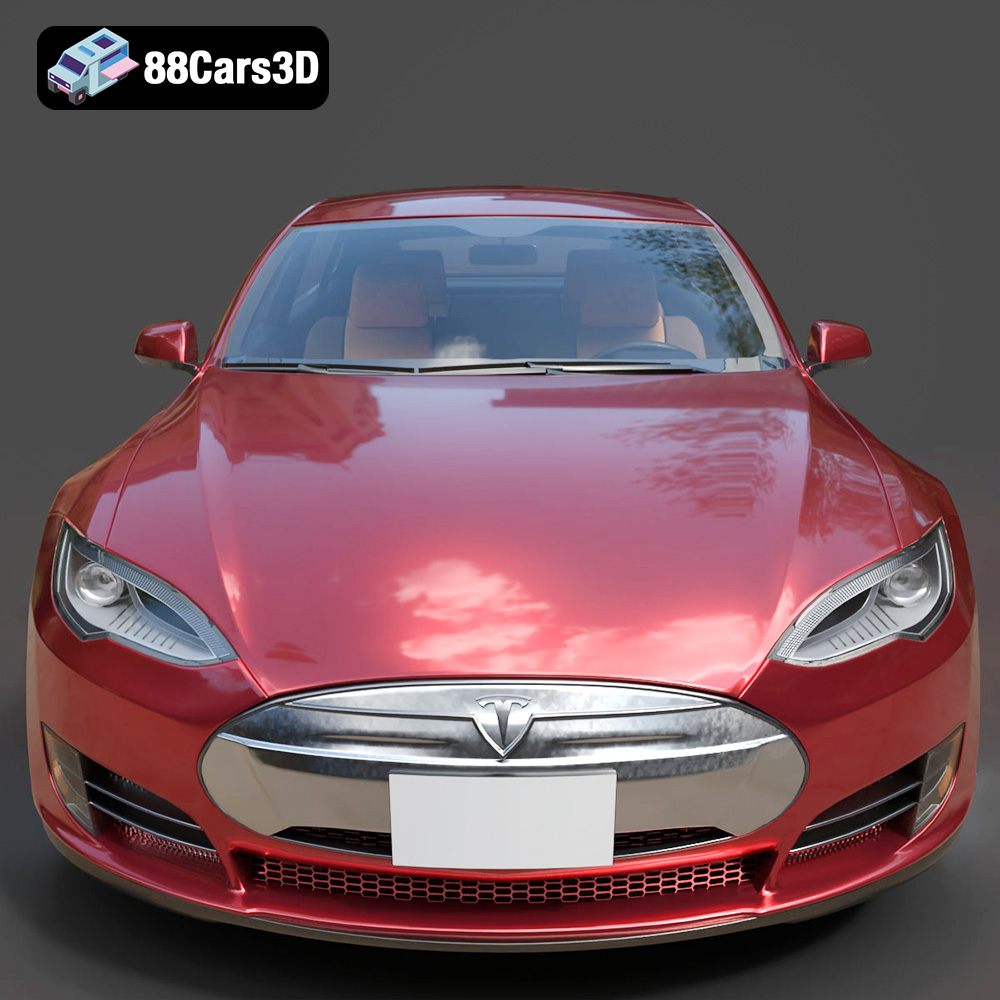
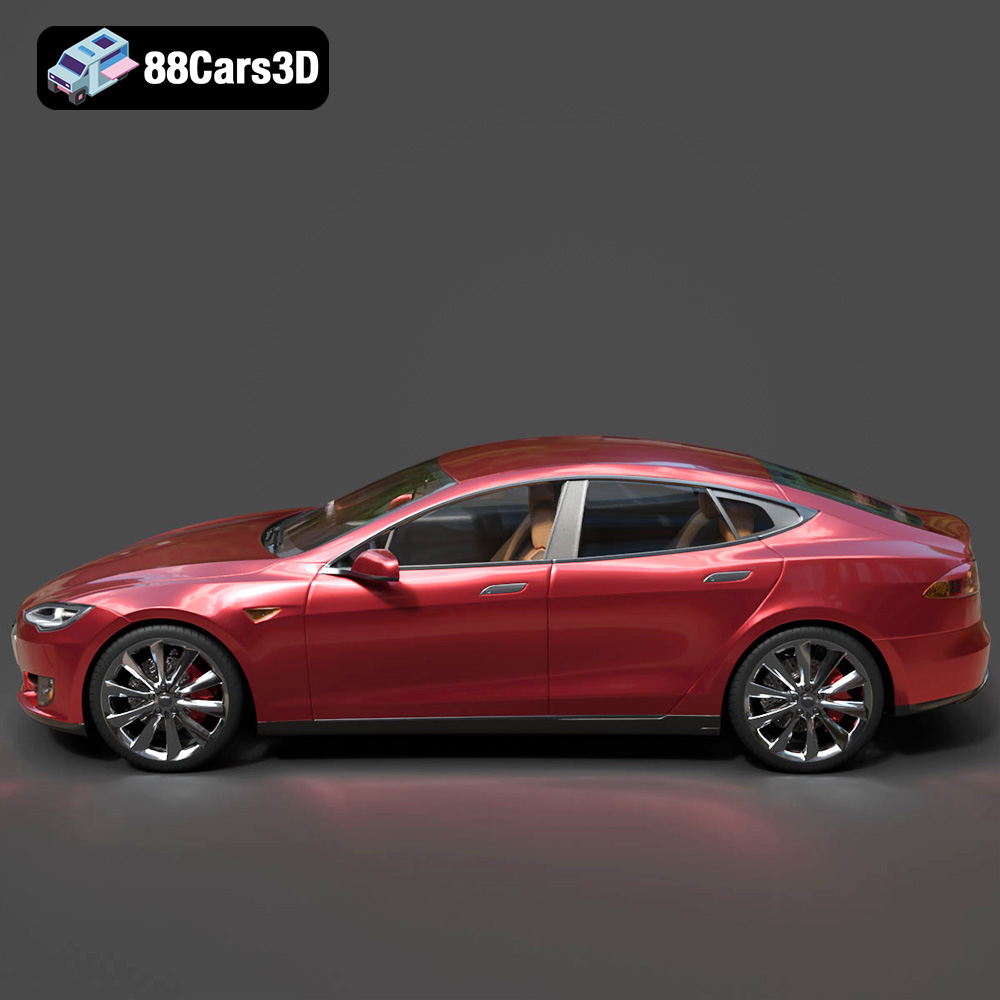
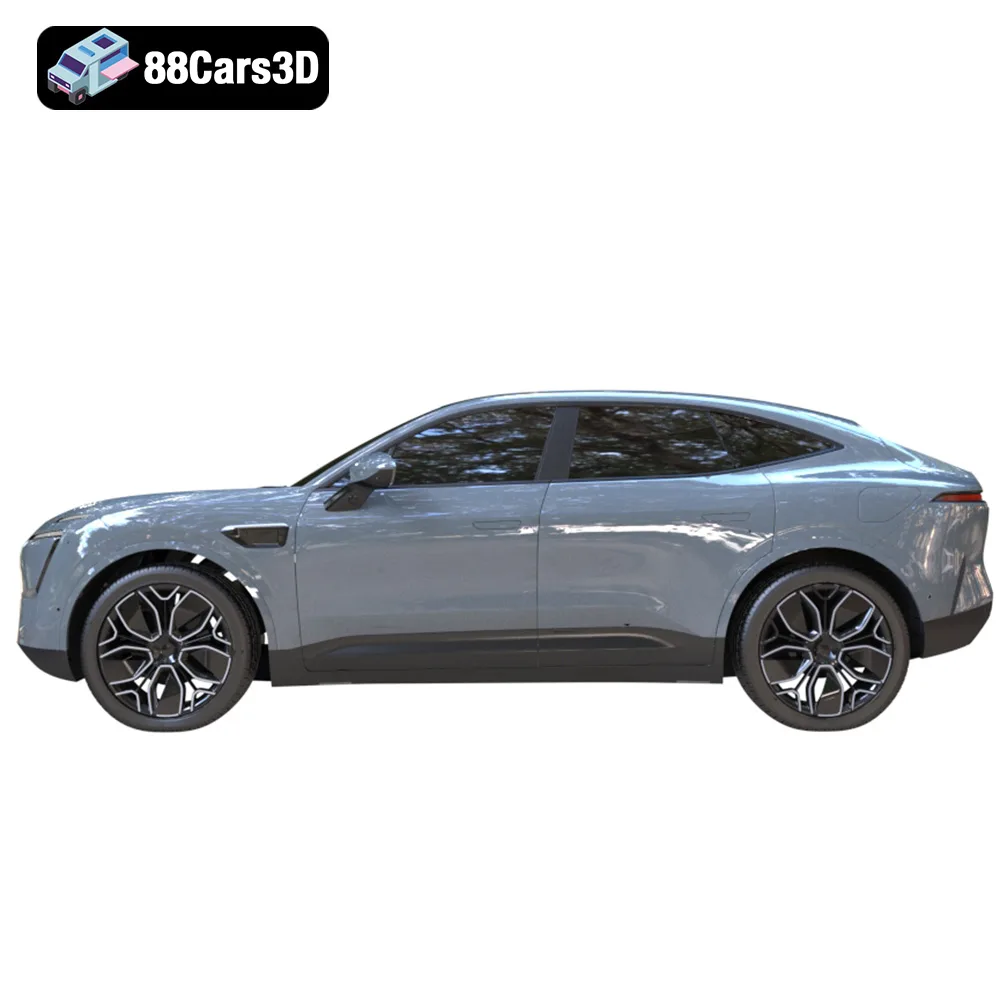
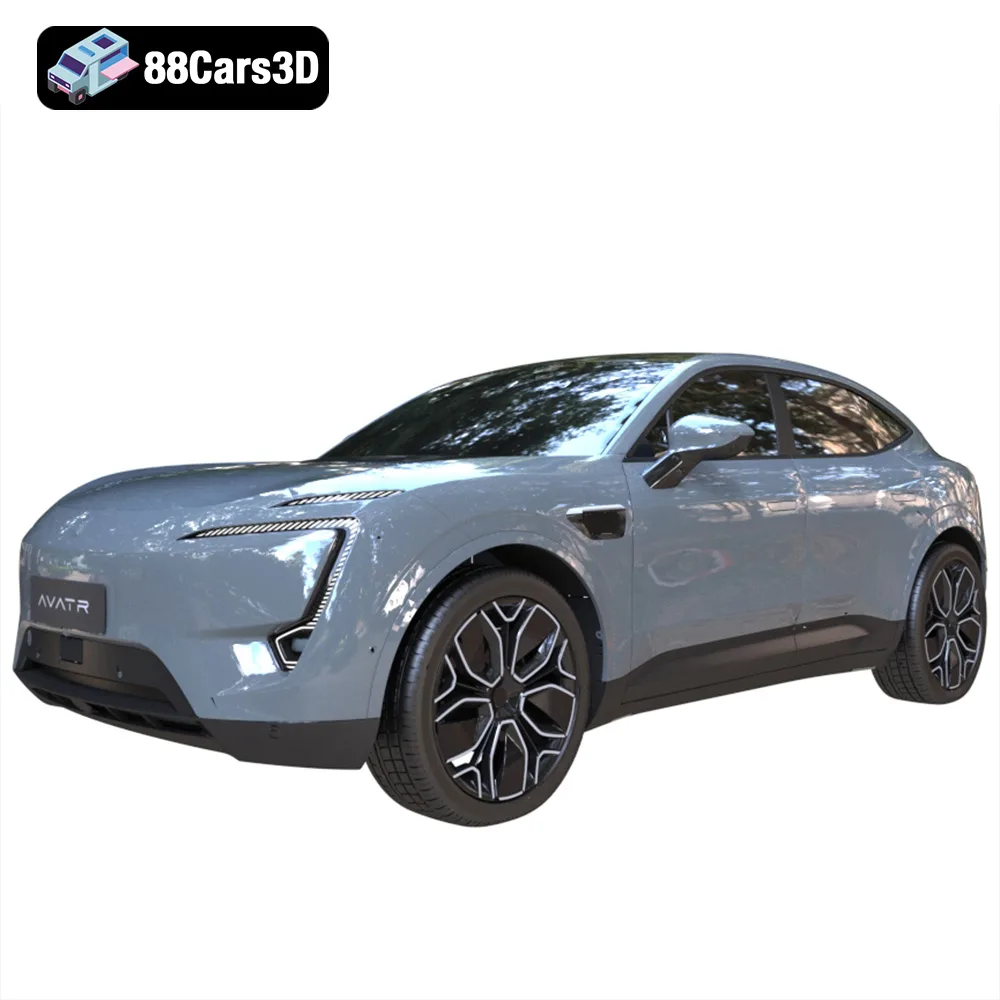
The landscape of automotive design is undergoing a profound transformation, driven by advancements in electric vehicle technology and the global push towards sustainable urban development. This shift isn’t confined to physical roads; it’s reverberating through the digital realm, creating an urgent demand for high-fidelity 3D car models that accurately reflect this evolving reality. From breathtaking architectural visualizations to immersive smart-city game environments, and even the intricate details of virtual production, artists and developers require assets that are not only visually stunning but also technically precise and culturally relevant. It’s no longer enough to feature generic vehicles; modern projects demand the sleek lines of a Tesla, the rugged elegance of a Volvo EV, or the futuristic silhouette of an AVATR. This is where a curated collection of premium electric vehicle 3D models becomes indispensable, offering a shortcut to realism and efficiency for any digital project. For those looking to equip their virtual worlds with cutting-edge electric cars and infrastructure, the The Future of Mobility: Smart City EV 3D Models Bundle (5-in-1 Pack) available on 88cars3d.com stands as a premier solution.
The integration of electric vehicles (EVs) into our daily lives has moved beyond a niche interest to become a mainstream reality. This widespread adoption necessitates a corresponding evolution in how we visualize and interact with automotive designs in digital spaces. For 3D artists, designers, and game developers, this means updating their asset libraries to reflect current trends and future projections.
Modern architectural visualization (ArchViz) demands an unparalleled level of realism. When presenting a cutting-edge eco-villa or a smart urban complex, populating the scene with gasoline-powered cars feels anachronistic. Clients and audiences expect to see vehicles that align with a sustainable, forward-thinking vision. High-quality EV 3D models are crucial for grounding these digital environments in contemporary relevance, instantly communicating a sense of modernity and eco-consciousness. Similarly, in virtual production and automotive commercials, featuring the latest EV models isn’t just about aesthetics; it’s about telling a story that resonates with today’s market and consumer values. These vehicles are characters in themselves, shaping the narrative and atmosphere of the digital world they inhabit.
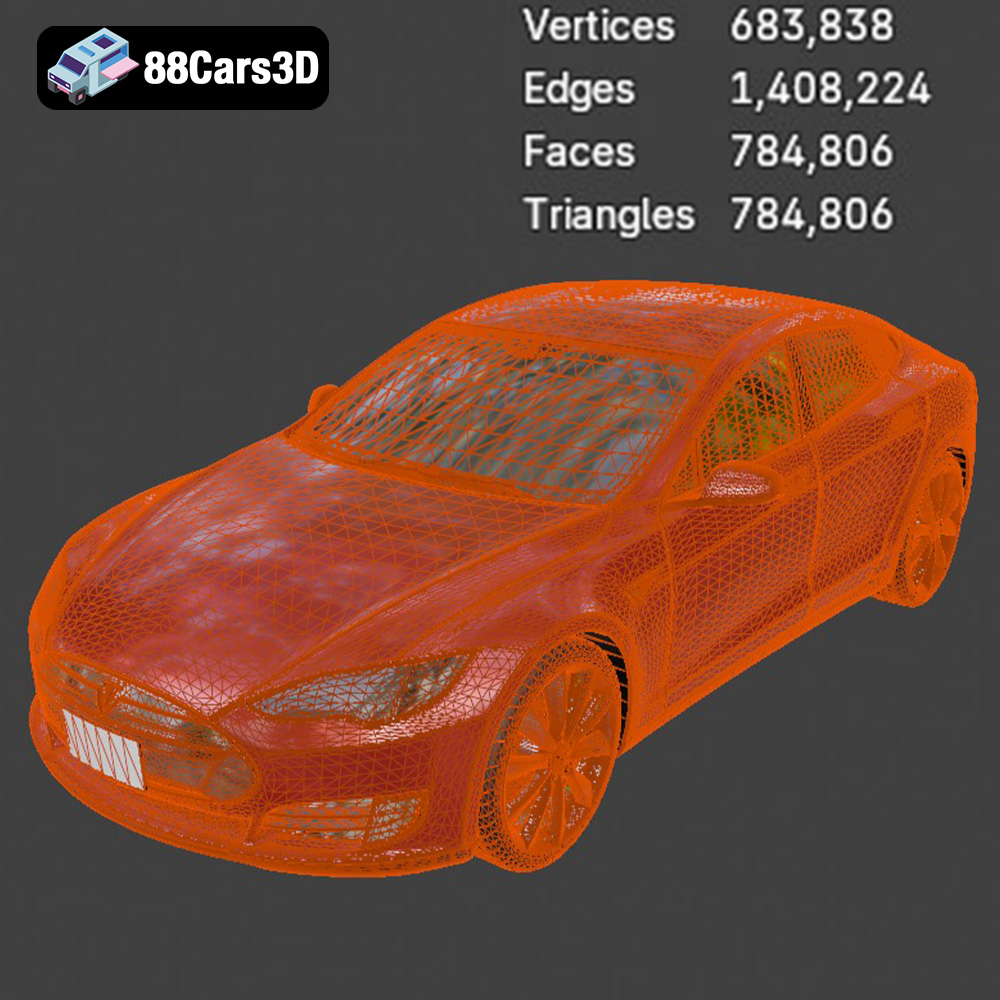
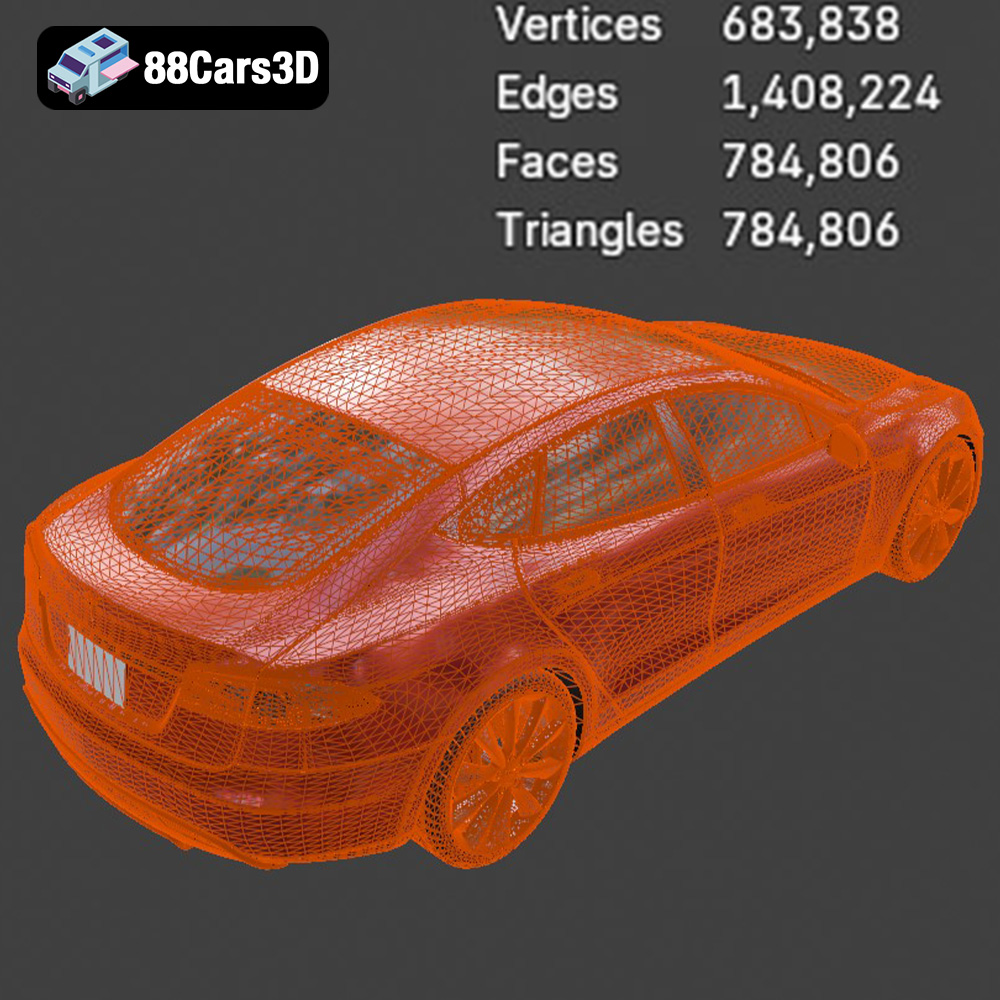
Creating highly detailed, accurately scaled 3D car models from scratch is an incredibly time-consuming and resource-intensive process. It requires expert modeling skills, meticulous attention to topology, UV mapping, and material creation, often demanding hundreds of hours per asset. For studios and individual artists on tight deadlines, this can be a significant bottleneck. Sourcing premium, pre-made assets like those found in the Future of Mobility bundle from 88cars3d.com bypasses these challenges entirely. It ensures consistency in design language, uniform quality, and immediate usability, allowing artists to focus on scene composition, lighting, and animation rather than foundational asset creation. The meticulous separation of parts, real-world scale, and optimized topology of these models significantly accelerate the production pipeline for any project, from high-resolution renders to real-time game assets.
Navigating the world of 3D assets often means understanding a multitude of file formats, each with its own strengths, weaknesses, and intended use cases. The “Future of Mobility” bundle thoughtfully includes a range of these formats, ensuring maximum compatibility and utility for diverse professional workflows. Knowing which format to use for a specific task is paramount for efficiency and achieving desired results.
The .blend file format is the native format for Blender, a powerful open-source 3D creation suite. When you purchase 3D car models in this format, you’re not just getting the mesh; you’re getting a fully editable Blender scene. This includes all materials, textures, lighting setups, camera positions, modifiers, and animation data as they were configured by the artist. For users entrenched in the Blender ecosystem, this offers unparalleled flexibility. You can easily tweak materials, modify geometry, adjust rigging, or leverage Blender’s extensive add-ons and nodal workflows without any loss of information or conversion issues. It’s the ideal choice for artists who want complete control and plan to use Blender as their primary DCC (Digital Content Creation) tool for rendering, animation, or further customization.
When it comes to interoperability between different 3D software packages and game engines, .fbx (Filmbox) and .obj (Wavefront OBJ) are workhorses. The .fbx format, owned by Autodesk, is one of the most widely supported 3D exchange formats. It excels at transferring not just geometry and UV data, but also animation, rigging, skinning, lights, and camera information. This makes it the go-to format for bringing 3D car models into game engines like Unreal Engine and Unity, or into other DCC applications like 3ds Max, Maya, and Cinema 4D, especially when animation or complex scene data needs to be preserved. For the Future of Mobility bundle, the .fbx files are crucial for game developers who need assets ready for physics controllers and rigging.
The .obj format, while older, remains incredibly robust for transferring static mesh data. It’s a simpler format, typically only containing vertex positions, UV coordinates, normals, and material group information. It doesn’t inherently support animation or rigging, but its simplicity makes it universally compatible across virtually all 3D software. For scenarios where you primarily need the raw geometry for scene population or rendering without complex interactivity, .obj is a reliable and lightweight choice.
As 3D technology expands into new frontiers, specialized formats emerge. .glb (GL Transmission Format Binary) is increasingly popular for web-based 3D, augmented reality (AR), and virtual reality (VR) applications. It’s a self-contained, binary version of GLTF, meaning all textures and animation data are packed into a single file, making it highly optimized for fast loading and efficient transmission over the internet. These EV models in .glb format are perfect for interactive showrooms or AR experiences on mobile devices.
.stl (Stereolithography) is the undisputed standard for 3D printing. It represents 3D surfaces as a collection of interconnected triangles, forming a shell. While it doesn’t carry color or texture information, its simplicity makes it ideal for additive manufacturing. The 3D car models in the Future of Mobility bundle are meticulously prepared as .stl files, allowing enthusiasts to bring these digital designs into the physical world as scale models. Achieving a clean, manifold .stl from complex CAD or modeling software requires specific preparation, ensuring the models are watertight and suitable for slicing.
.ply (Polygon File Format) is often used for storing 3D data from 3D scanners, CAD software, and various modeling applications. It can store a variety of properties, including color, transparency, normals, and even texture coordinates, making it a more comprehensive format than .stl for certain engineering or analytical tasks. While less common for general asset exchange, its precision can be valuable for specific industrial or research-oriented applications of these 3D car models.
Some formats are tailored for specific software environments. The .unreal format, while not a standalone file type in the traditional sense like .fbx, refers to assets directly imported and optimized within Unreal Engine. Often, .fbx files are the starting point, which are then processed and packaged by the engine into its native asset format. For real-time applications, having models that are “Unreal-ready” implies they adhere to polycount budgets, have proper UVs for lightmaps, and are set up for materials and physics within the engine framework, as is the case with these future-forward game assets. Lastly, .max is the native file format for Autodesk 3ds Max. Similar to .blend, it saves an entire 3ds Max scene, including all geometry, materials, lighting, animation, and scene settings. For 3ds Max users, it provides the most direct and complete access to the original artist’s work, enabling full customization and leveraging the software’s powerful rendering capabilities for high-end automotive rendering.
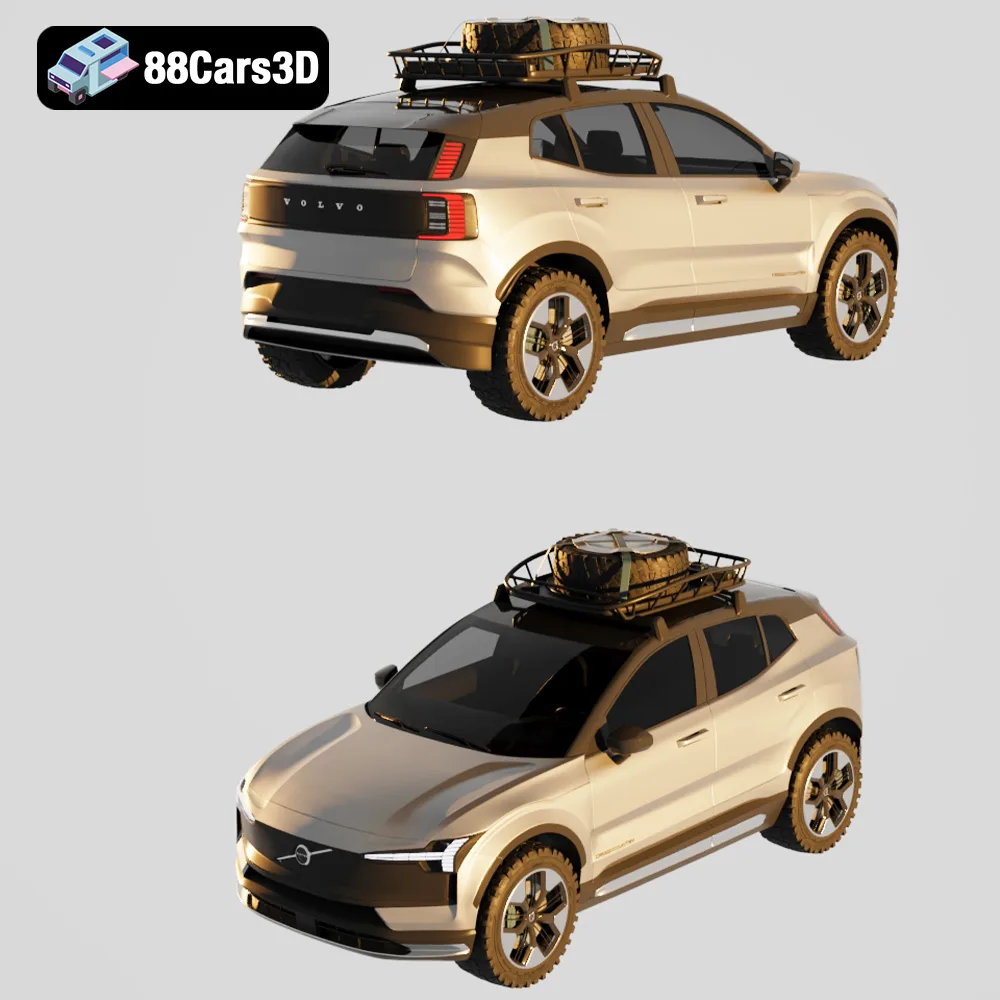
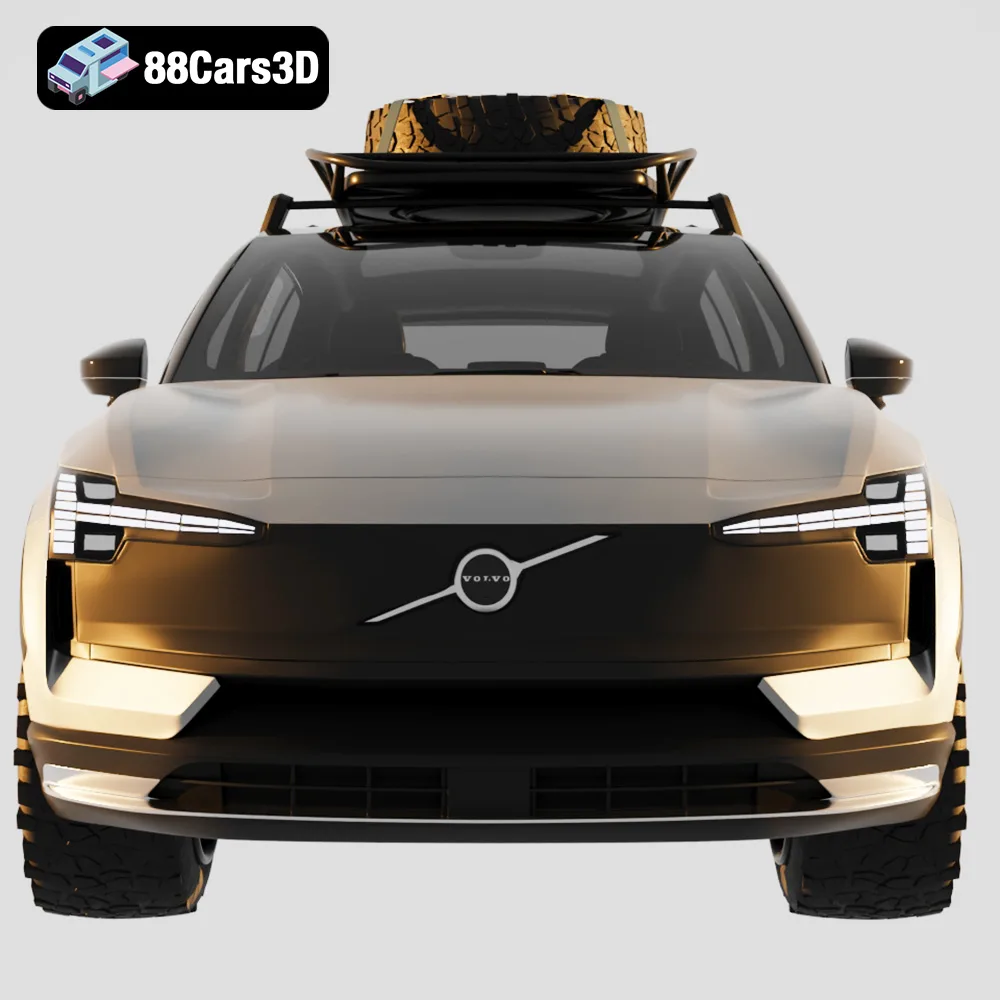
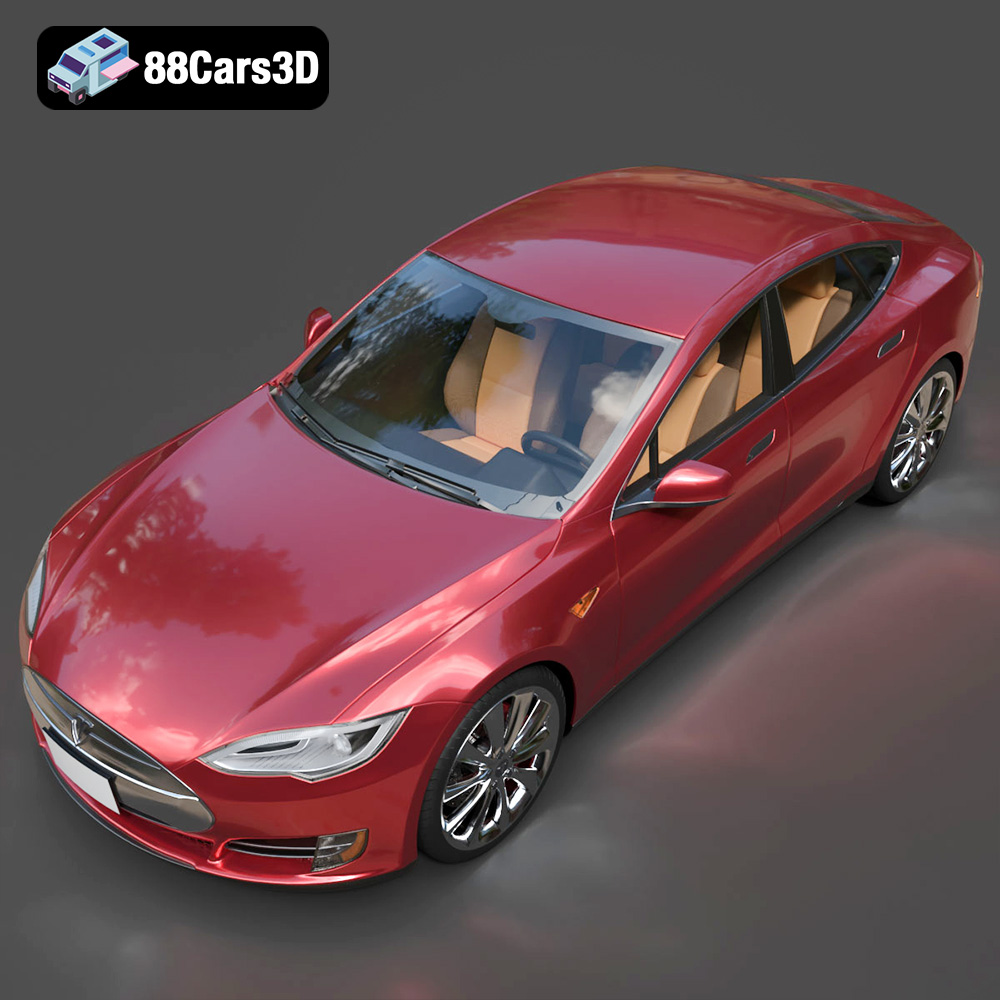
The Future of Mobility: Smart City EV 3D Models Bundle isn’t just a collection of generic cars; it’s a carefully curated selection of iconic and relevant electric vehicles, designed to elevate any modern digital project. Each model is chosen for its significance in the evolving automotive landscape and its visual impact.
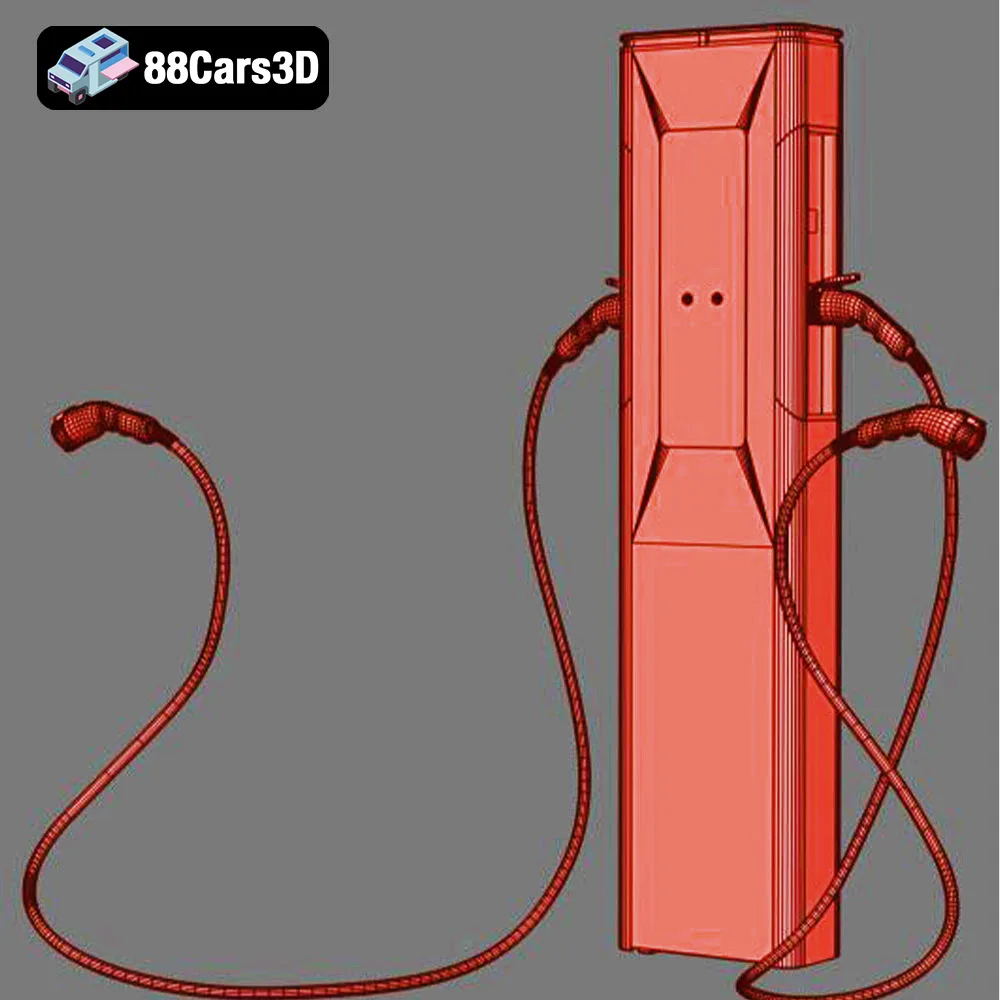
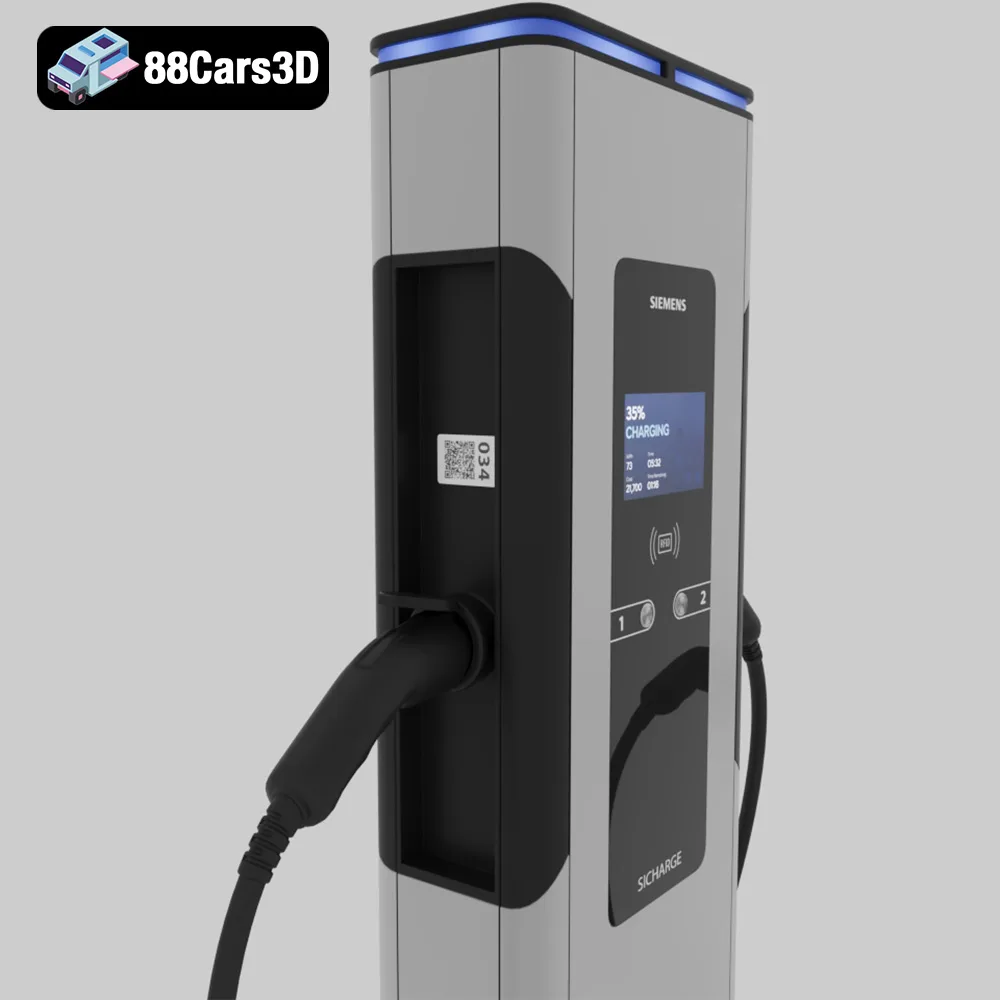
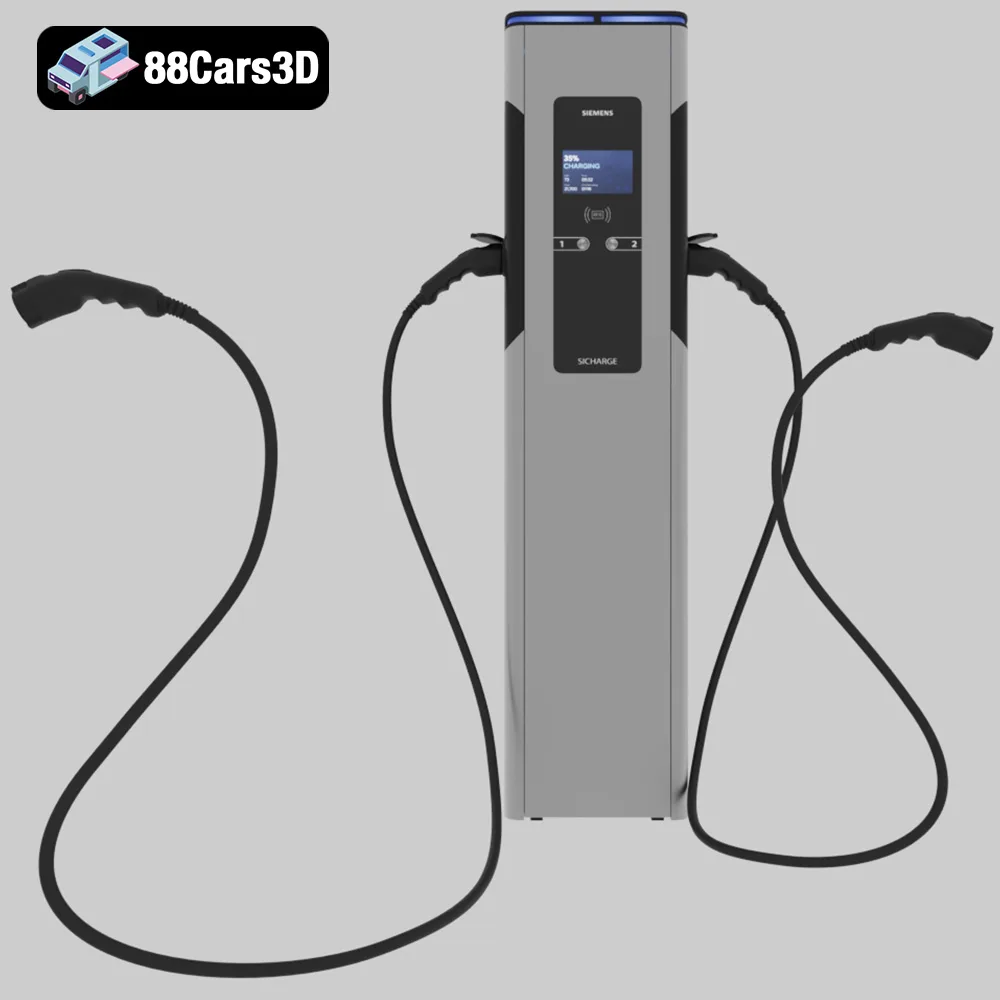
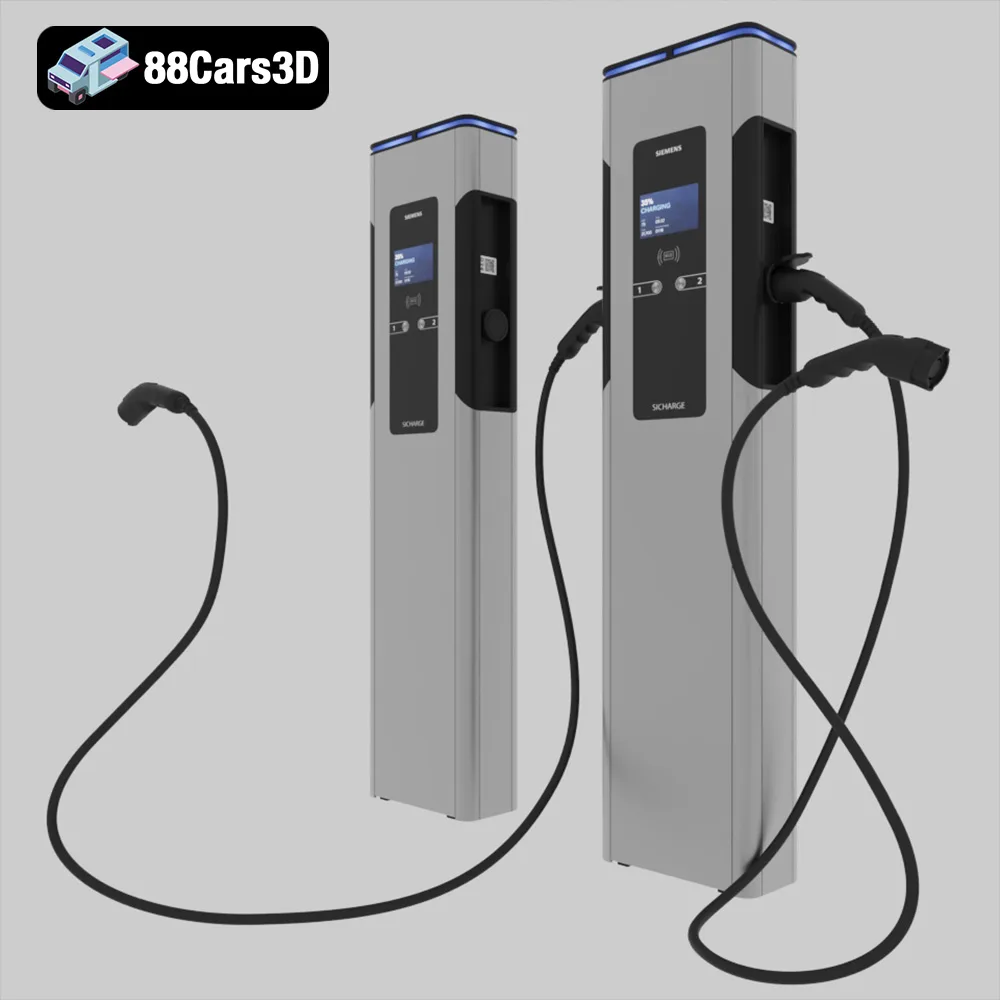
While the vehicles are undoubtedly the stars, the Siemens SiCharge EV Charging Station is the unsung hero that truly completes the smart-city narrative. In modern architectural renders, game environments, or virtual productions, realism hinges on these subtle yet vital environmental details. Dropping this ultra-detailed electric vehicle charger into a garage, parking lot, or streetscape instantly imbues the project with an authentic, contemporary feel. It’s a testament to the comprehensive nature of this bundle, providing not just the cars, but the infrastructure that supports them, turning a mere collection of models into a cohesive, believable smart-city ecosystem.
The true value of any 3D asset lies in its technical foundation. This bundle prioritizes professional-grade features:
The versatility of high-quality 3D car models, especially those within the Future of Mobility bundle, extends across numerous digital disciplines. Their technical specifications are tailored to meet the rigorous demands of different industries, ensuring professional-grade results.
For architectural visualization artists, the aesthetic and contextual relevance of vehicle assets can make or break a presentation. Parking a sleek Porsche Taycan or a robust Volvo EX30 next to a Siemens SiCharge station in a modern smart-home driveway instantly elevates the scene from good to outstanding. These 3D car models provide a sense of scale, lifestyle, and contemporary design to architectural renders. Artists can meticulously control lighting and material properties to achieve photo-realistic automotive rendering, ensuring the vehicles reflect the surrounding environment accurately, from the gleam of paint under a setting sun to the subtle reflections in the windows. The clean topology of these models ensures they subdivide smoothly, looking impeccable even in extreme close-ups, critical for high-resolution marketing materials and client presentations.
Game developers constantly seek optimized yet visually rich game assets. The Future of Mobility bundle delivers exactly that. The models’ mid-poly geometry ensures excellent real-time performance, making them ideal for populating open-world, near-future city simulators as drivable vehicles or high-quality background traffic. The intelligently separated parts (wheels, doors, steering) with correctly set pivot points are invaluable for rigging and implementing vehicle physics controllers within game engines like Unreal Engine and Unity. Importing these 3D car models via .fbx format into Unreal Engine is a straightforward process, allowing developers to quickly integrate them into vehicle blueprints, set up animations, and apply realistic physics. This accelerates the development cycle, allowing teams to focus on gameplay and immersive experiences.
In the burgeoning fields of virtual production, VFX shots, and interactive VR/AR experiences, fidelity is paramount. These high-quality 3D car models are perfect for automotive commercials, where cinematic camera angles and precise lighting are crucial. Their detailed design and accurate proportions translate exceptionally well onto large LED volumes used in virtual sets. Furthermore, for interactive VR EV configurators or AR applications that allow users to place vehicles in their real-world environment, the optimized .glb format provides efficient loading and smooth interaction. The ability to easily rig and animate these models ensures that they can be used for complex sequences, driving simulations, and dynamic visualizations, making them a versatile tool for storytelling and engagement.
The utility of 3D car models extends beyond digital screens, offering tangible results for diecast enthusiasts, model makers, and designers who wish to prototype or collect physical versions of these cutting-edge vehicles. The Future of Mobility bundle specifically caters to this audience with its inclusion of .stl files and detailed printing guidelines.
Transforming a digital 3D model into a physical object via 3D printing requires careful attention to technical specifications. The .stl format, being a triangulation of the model’s surface, is the universal language of 3D printers. For these highly detailed EV models, recommended scales typically range from 1:24, 1:32, to 1:43, balancing detail with manageability. Critical settings include a layer height of 0.04–0.05 mm (or up to 0.12 mm for FDM, though resin is preferred), ensuring intricate details like small grilles and headlights are accurately captured. Wall thickness, generally between 1.2–2.0 mm, is crucial for structural integrity, preventing parts from becoming too brittle. Infill settings (15–25%) contribute to the model’s strength without excessive material use. These considerations ensure that the resulting 3D printed objects are robust and retain the fine characteristics of the original digital 3D car models.
To truly capture the essence of these sophisticated electric vehicles, SLA/Resin printing is highly recommended over FDM. Resin printers can achieve significantly finer details, making subtle curves, sharp edges, and intricate features like the Volvo EX30’s Thor’s Hammer headlights or the Porsche Taycan’s aggressive wheels pop. Successful printing also depends on proper support structures, which are required for delicate overhangs like side mirrors, wheel arches, and subtle rear roof spoilers. Print orientation is another key factor: printing the body at an angle helps minimize layer lines on smooth surfaces, particularly the roof, ensuring a clean finish. Wheels and the charging station should ideally be printed separately to optimize detail and allow for easier post-processing and painting. After printing, post-processing steps such as sanding, priming, and applying authentic factory colors (like Volvo’s Sage Green or Glacier Silver, often paired with a gloss black roof) transform the raw print into a stunning, collectible miniature, a physical representation of these advanced 3D car models.
The strength of the Future of Mobility bundle lies not just in the quality of its individual assets, but in how seamlessly they can be integrated into diverse professional workflows, from detailed scene composition to dynamic real-time environments.
For artists working in Blender or 3ds Max, the inclusion of .blend and .max files provides the ultimate level of flexibility. In Blender, users can open the native file and immediately gain access to the full scene setup, including materials, modifiers, and potentially even rigging. This allows for deep customization, such as adjusting paint shaders, swapping wheel designs (if provided), or even integrating the vehicles into complex animated sequences. Similarly, 3ds Max users can leverage the .max files to tap into the powerful rendering capabilities of V-Ray or Corona. They can easily re-texture the 3D car models, create studio lighting setups for high-end automotive rendering, or animate the cars for compelling product showcases. The clean topology ensures that subdivision modifiers can be applied without artifacts, resulting in incredibly smooth and detailed surfaces, perfect for foreground hero shots in architectural visualizations or product launches.
For game developers and virtual production specialists using Unreal Engine, the bundle’s game assets are primed for efficiency. Importing the .fbx files is a straightforward process, and Unreal’s robust material editor allows for easy setup of realistic vehicle shaders, complete with reflective paint, dynamic glass, and emissive headlights. The properly set pivot points for wheels and steering components are crucial here; developers can quickly integrate these 3D car models into existing vehicle blueprints, enabling realistic physics, collision detection, and drivable mechanics. Populating expansive smart city environments becomes a much faster process, as these optimized models can be duplicated and scattered efficiently, creating believable traffic flows and dynamic scenes without causing performance bottlenecks. Whether for an open-world game or an interactive architectural walkthrough, these assets from 88cars3d.com significantly reduce development time and enhance visual fidelity.
The digital world is rapidly evolving, and with it, the demand for high-quality, relevant 3D assets. The transition to electric vehicles marks a pivotal moment in automotive design, and artists, developers, and designers need tools that reflect this future. The The Future of Mobility: Smart City EV 3D Models Bundle (5-in-1 Pack) perfectly addresses this need, offering a meticulously crafted collection of modern electric vehicles and essential charging infrastructure. Whether you’re an architectural visualizer seeking to ground your projects in contemporary realism, a game developer building the next-generation smart city, or a hobbyist eager to 3D print your own miniature fleet, this bundle provides the technical excellence and visual fidelity required.
From the iconic lines of the Tesla Model S to the futuristic presence of the AVATR 11, the practical elegance of the Volvo EX30, and the performance luxury of the Porsche Taycan, complemented by the essential Siemens SiCharge station, these 3D car models are designed for immediate impact and long-term utility. Their optimized topology, accurate scaling, and comprehensive file format support ensure seamless integration into any professional workflow, making them invaluable game assets and automotive rendering tools. By choosing this bundle from 88cars3d.com, you’re not just acquiring 3D models; you’re investing in the future of digital content creation, empowering your projects with cutting-edge, culturally relevant assets. Elevate your next project and embrace the future of mobility today.
The Future of Mobility 3D Models Bundle is the ultimate, eco-conscious collection designed for modern architectural visualization (ArchViz), smart-city game environments, and forward-thinking digital showrooms. As the world transitions to electric vehicles, 3D artists need premium, realistic EV assets to make their renders culturally relevant and visually striking. This comprehensive 5-in-1 package provides exactly that. Instead of sourcing these high-quality models individually (Total Value: €184.95), this bundle gives you four of the most recognizable modern electric vehicles plus a highly detailed EV charging station at an unbeatable discount.
$89.99
archviz-pack
avatr-11
car-bundle
eco-friendly
electric-vehicle-3d-model
ev-bundle
ev-charger-3d
game-ready
porsche-taycan
smart-city
tesla-model-s
volvo-ex30