Get 50% OFF All Premium 3D & STL Models!

In the rapidly evolving landscape of digital content creation, the demand for realistic and impeccably detailed 3D assets has never been higher. From blockbuster video games to cutting-edge automotive configurators and breathtaking architectural visualizations, high-quality 3D car models are the unsung heroes that bring these visions to life. They are the backbone of immersive experiences, providing designers, developers, and artists with the foundational elements to craft compelling narratives and simulations.
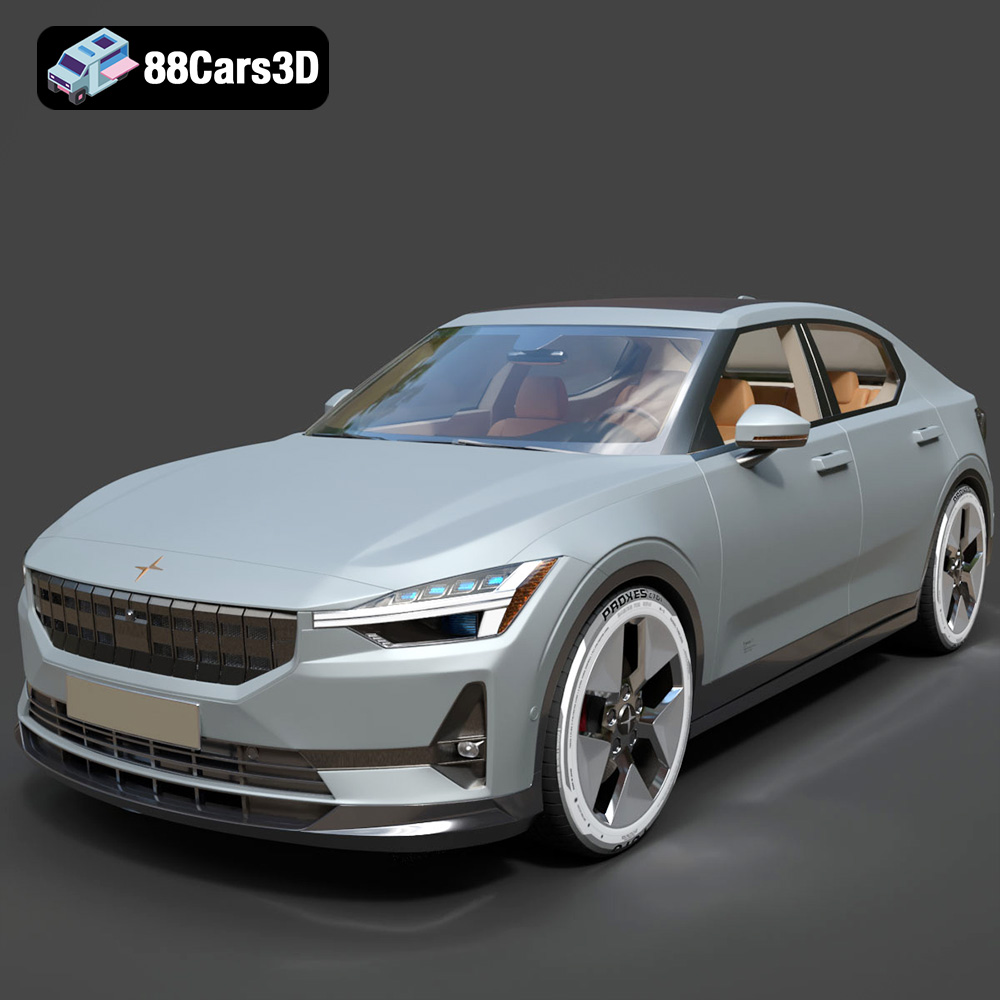
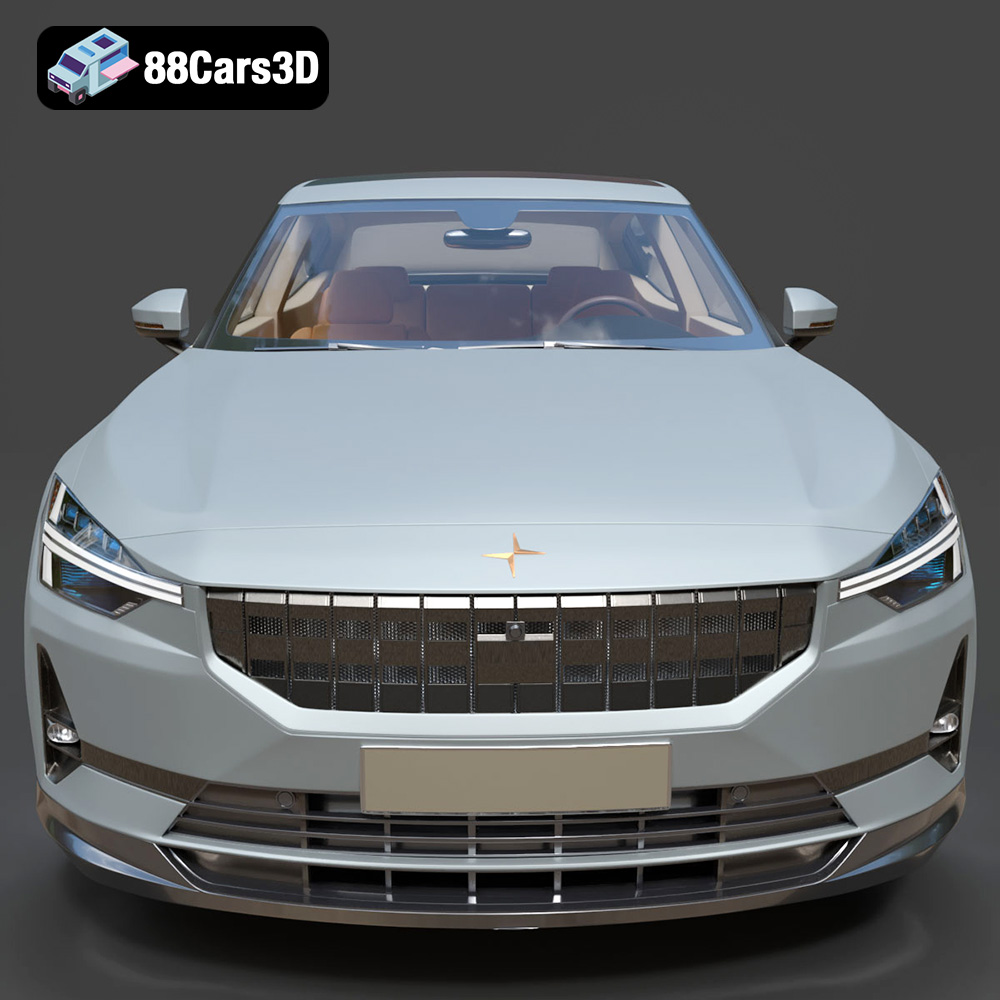
The quest for photorealism and functional accuracy in 3D assets is a continuous journey, one that requires meticulous attention to detail, clean topology, and optimized materials. A premium 3D model isn’t just about aesthetics; it’s about performance, versatility, and ease of integration into diverse professional workflows. This is precisely where models like the Polestar 2 2023 3D Model from 88cars3d.com stand out, offering an exceptional blend of visual fidelity and technical robustness for a myriad of applications.
The digital realm thrives on realism, and nowhere is this more evident than in the automotive sector. Whether showcasing a new vehicle, simulating a driving experience, or creating a virtual showroom, the quality of the 3D car model directly impacts the user’s perception and engagement. Investing in superior 3D models translates into more impactful presentations and a higher standard of digital output.
For automotive designers and marketing teams, rendering is a crucial step in the product lifecycle. High-fidelity 3D car models allow for the creation of stunning visuals long before a physical prototype exists. The Polestar 2 2023 3D Model, with its clean topology and realistic materials, enables artists to produce photorealistic images and animations that are virtually indistinguishable from photographs. This precision is vital for advertising campaigns, design reviews, and customer engagement, where every reflection, curve, and material texture contributes to the overall impression.
In the world of game development, 3D car models are central to racing simulations, open-world adventures, and even casual mobile games. Developers require assets that are not only visually appealing but also optimized for real-time performance. This means models with efficient poly counts, well-laid-out UVs, and PBR (Physically Based Rendering) ready materials. A high-quality model like the Polestar 2 ensures smooth frame rates and believable physics interactions, enhancing player immersion and gameplay satisfaction. Its game-engine-ready formats simplify the integration process, allowing developers to focus on game mechanics rather than asset optimization.
Augmented Reality (AR) and Virtual Reality (VR) are transforming how we interact with digital content. Automotive configurators that let customers explore a car in their driveway, virtual showrooms, and training simulations all depend on robust 3D assets. For AR/VR, models must be light enough for real-time interaction while retaining critical visual detail. The Polestar 2 2023 3D Model, optimized for these platforms, allows for interactive, immersive experiences where users can inspect the vehicle from every angle, customize options, and even “sit” inside without ever stepping into a dealership. This ability to bridge the physical and digital provides unparalleled levels of engagement.
Choosing the right file format is as critical as selecting a high-quality 3D model itself. Different formats are optimized for distinct purposes, workflows, and software ecosystems. Understanding their strengths and limitations is key to a smooth and efficient production pipeline. The Polestar 2 2023 3D Model from 88cars3d.com exemplifies this versatility by offering a comprehensive suite of formats, ensuring compatibility with virtually any professional application.
The extensive range of formats available for the Polestar 2 2023 3D Model highlights its adaptability and the foresight in providing solutions for various professional demands, reinforcing the value proposition of 88cars3d.com as a source for versatile 3D car models.
When selecting 3D car models, especially for professional projects, quality is paramount. The Polestar 2 2023 3D Model from 88cars3d.com is a prime example of an asset engineered for excellence, combining visual accuracy with technical efficiency. Its design mirrors the real-world vehicle with a dedication to both form and function, making it an invaluable addition to any digital library.
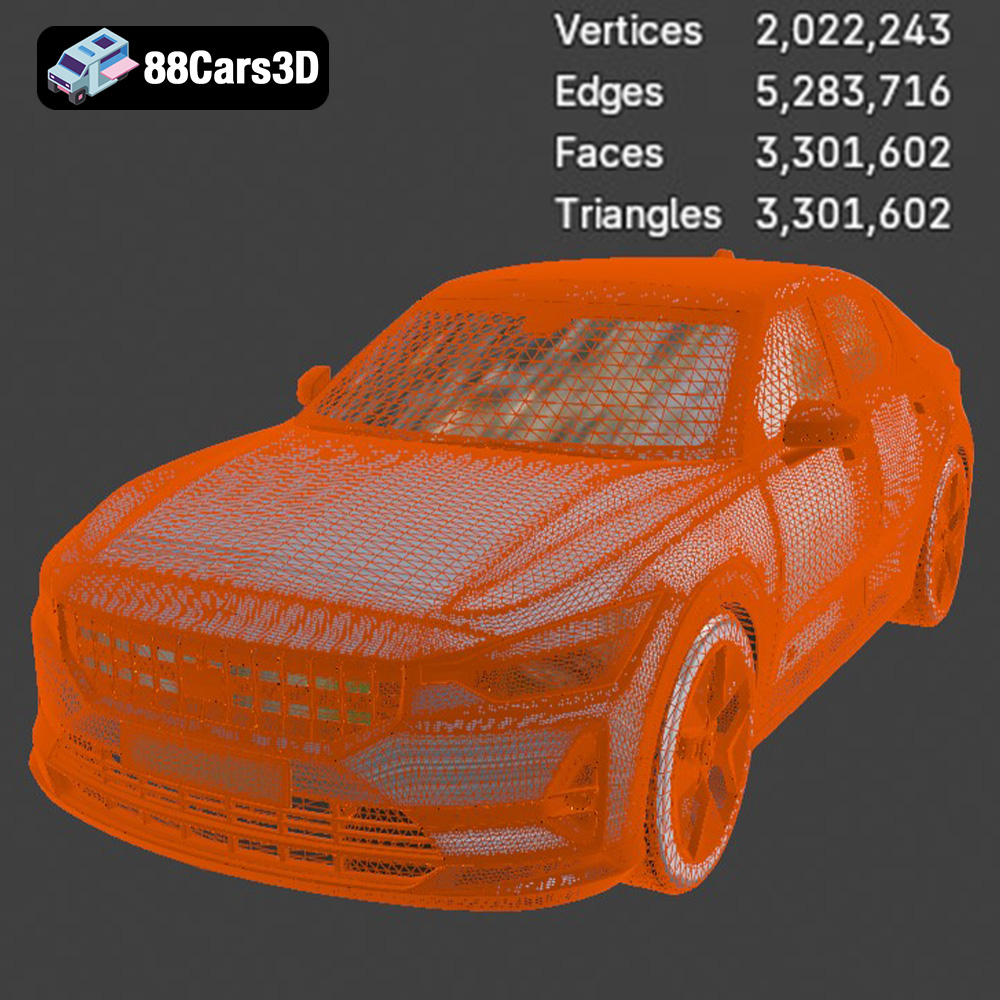
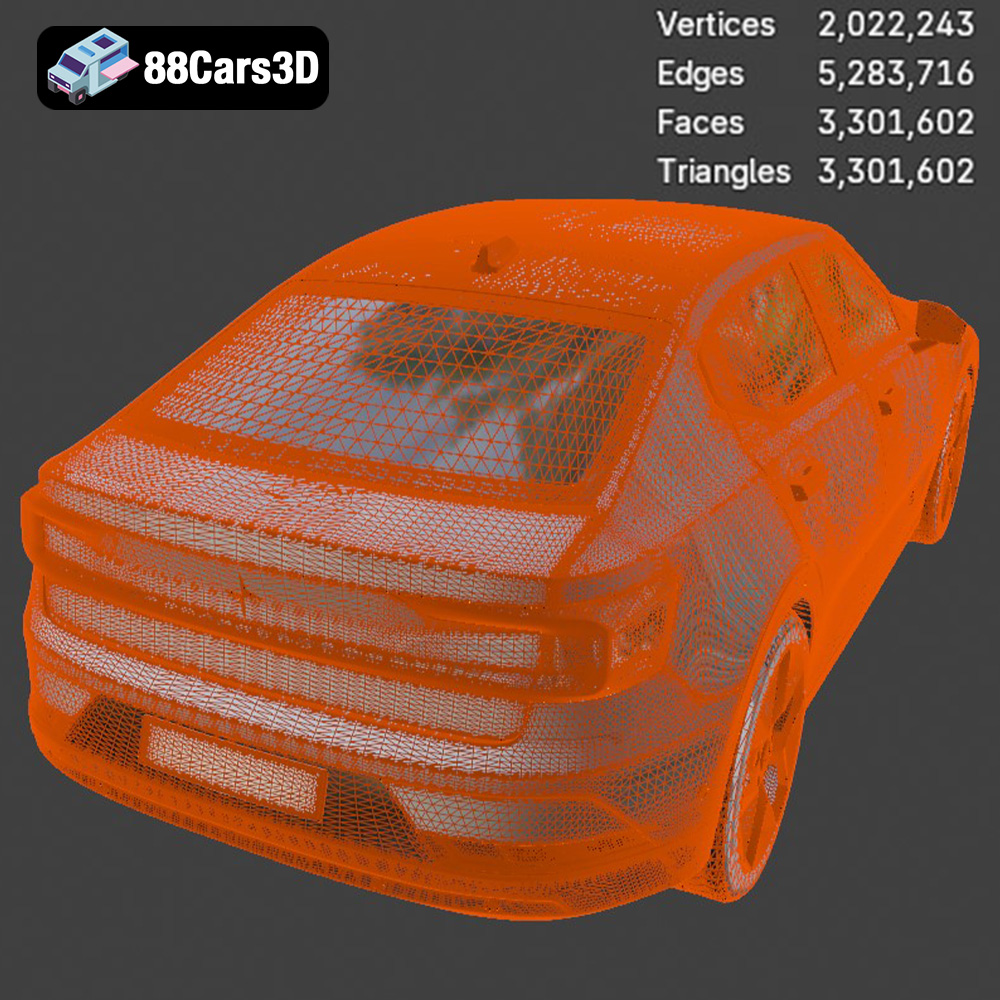
The core of any high-quality 3D model lies in its geometry and topology. The Polestar 2 model boasts clean, optimized geometry, typically characterized by an efficient polygon count (e.g., around 150,000-300,000 polygons for a detailed car, with variations for LODs). This ensures a balance between visual detail and performance. Clean topology, meaning well-distributed quads (four-sided polygons) and efficient edge loops, is critical for smooth deformations during animation and perfect shading during rendering. This meticulous approach prevents unsightly artifacts, ensures predictable subdivision surface results, and simplifies further modifications, making the model highly versatile for various tasks from close-up renders to real-time simulations.
Beyond the mesh itself, the authenticity of a 3D car model is significantly enhanced by its materials and textures. The Polestar 2 2023 3D Model features realistic materials, likely employing a PBR (Physically Based Rendering) workflow. This means textures for albedo (color), roughness, metallic, normal maps, and potentially ambient occlusion are accurately calibrated to mimic real-world surfaces like car paint, glass, rubber, and chrome. Such attention to detail in material creation allows the model to react believably to different lighting conditions, producing stunning reflections, accurate refractions through glass, and lifelike surface characteristics that greatly enhance photorealism in rendering.
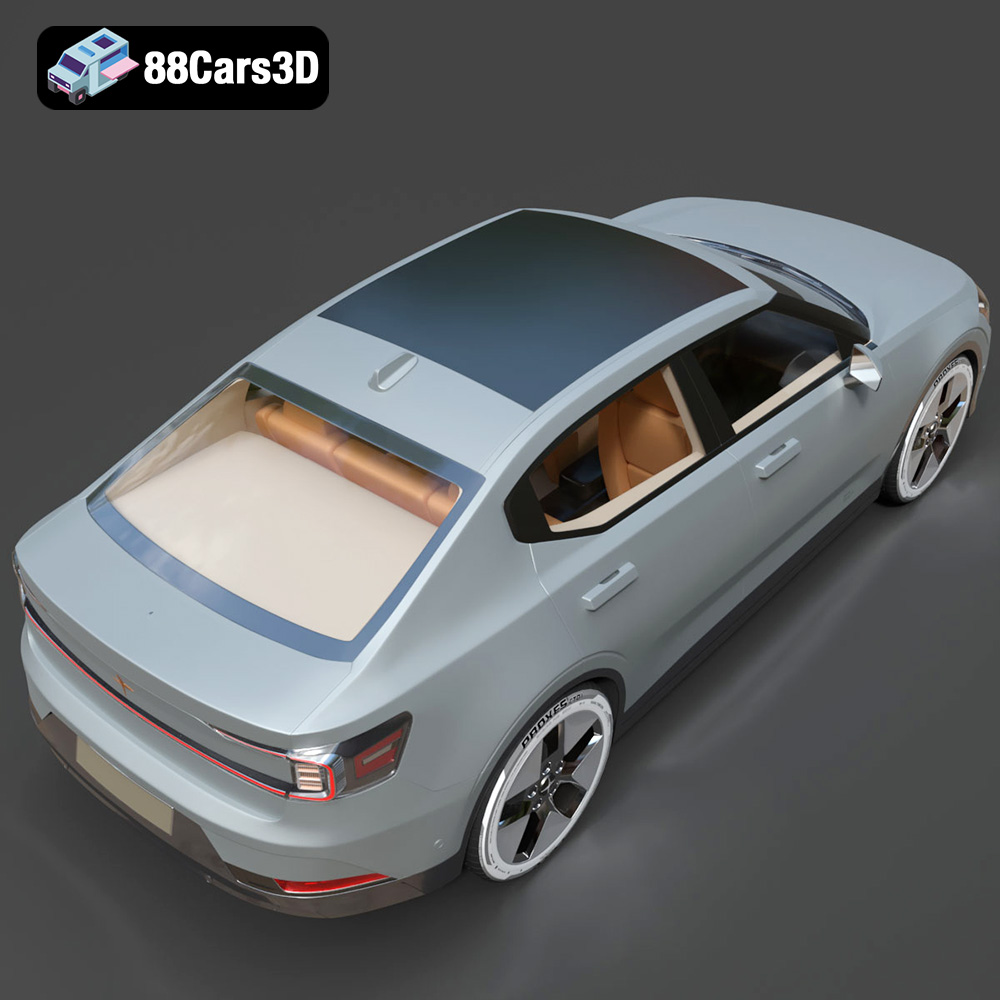
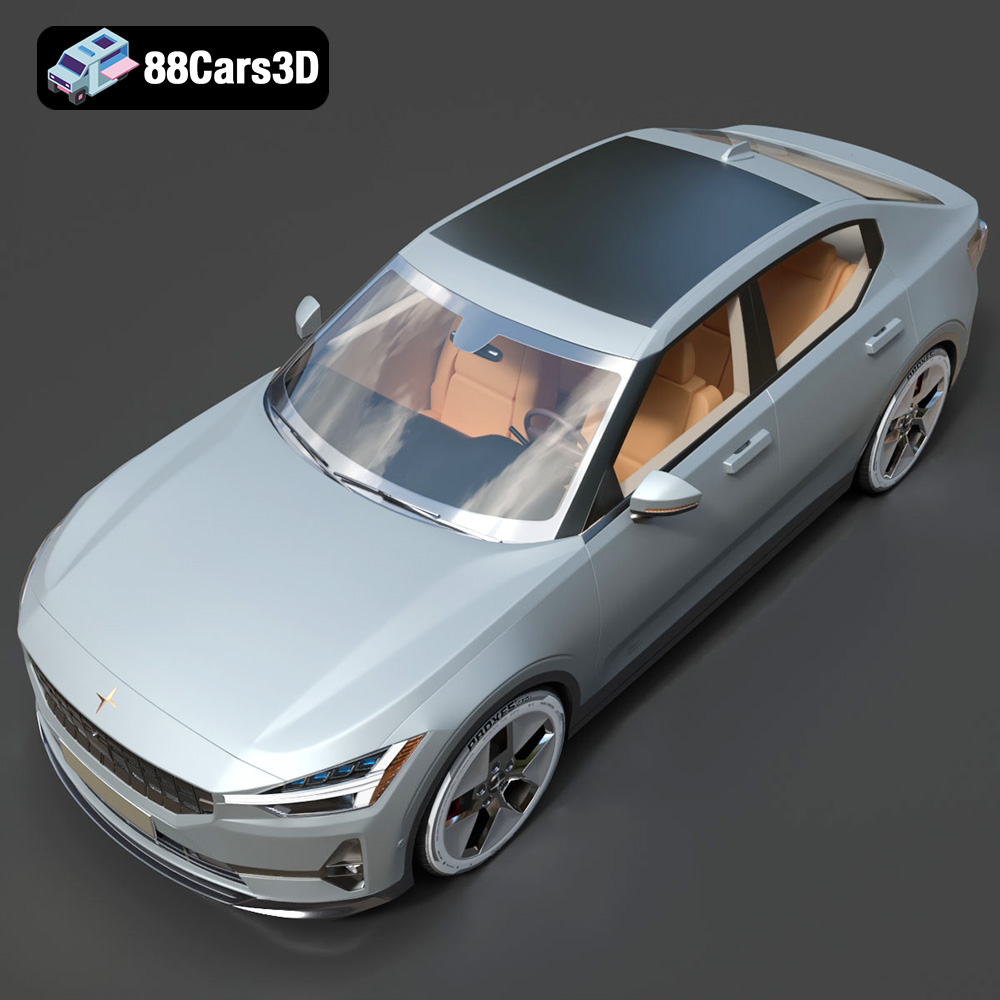
A truly professional 3D car model doesn’t stop at the exterior. The Polestar 2 model is described as having a carefully detailed exterior and interior. This means not only are the external panels, lights, wheels, and badges accurately modeled, but the interior cabin also features significant detail. This can include the dashboard layout, seats, steering wheel, door panels, and even smaller elements like infotainment screens and air vents. This comprehensive detailing makes the model suitable for a wider range of applications, from driving simulations with cockpit views to architectural visualizations where the car might be seen through a building’s windows, offering a complete and believable digital representation.
The true value of a versatile 3D asset, such as the Polestar 2 2023 3D Model, lies in its seamless integration into diverse professional workflows. Its multi-format availability and professional-grade construction mean it’s ready to be deployed across a spectrum of industries.
For high-end automotive rendering, 3ds Max remains a dominant force, often paired with powerful renderers like V-Ray or Corona. The .max file format of the Polestar 2 model provides artists with a pre-configured scene or an easily importable asset.
A typical workflow involves importing the .max file, verifying materials (which are often already set up for common renderers), adjusting lighting environments (HDRI maps are common), and setting up camera angles. The clean geometry of the Polestar 2 ensures smooth subdivisions and reflections, while its realistic materials respond accurately to global illumination. Artists can then experiment with different paint finishes, rim materials, and studio lighting setups to create breathtaking marketing visuals, showcasing the car’s sleek lines and modern aesthetic with unparalleled realism.
The gaming industry demands efficient and visually rich assets. With the Polestar 2 2023 3D Model offering both .fbx and .unreal formats, integration into Unreal Engine is streamlined.
Developers can import the .fbx file, which typically brings in the mesh, PBR textures, and material assignments. They would then set up collision meshes, configure Levels of Detail (LODs) to optimize performance across different distances, and integrate the model into the game’s physics system. If the “.unreal” format signifies a pre-configured Unreal asset, this process is even simpler, potentially requiring just dragging and dropping the asset into a project. The optimized nature of the model ensures smooth performance, contributing to an immersive driving experience in racing games or realistic background vehicles in open-world environments. The robust geometry also allows for realistic damage modeling, if desired.
In architectural visualization (arch-viz), vehicles serve as crucial context elements, grounding a scene in reality and providing scale. A premium 3D car model like the Polestar 2 elevates the professionalism of any architectural rendering.
Using the .max or .blend files, architects and visualization specialists can easily place the Polestar 2 model into their exterior or interior scenes. Its detailed interior makes it suitable for views looking into a parking garage or through a showroom window, while its sophisticated exterior design complements modern building aesthetics. For product showcases, the Polestar 2 can be placed on a virtual turntable or in a stylized environment to highlight its design features, making it an excellent asset for presenting electric vehicle technology or smart home integration concepts.
The versatility of the Polestar 2 2023 3D Model extends beyond traditional rendering and game development, opening doors to innovative applications in emerging technologies and niche fields. This adaptability underscores the quality and comprehensive nature of the assets available on 88cars3d.com.
Augmented and Virtual Reality platforms are redefining user interaction with products. The .glb format of the Polestar 2 model is specifically optimized for these immersive environments. Imagine an AR app where a potential buyer can project the Polestar 2 into their driveway, walk around it, change its color, and even peek inside, all rendered in real-time on their smartphone or tablet. In a VR showroom, users could explore the car’s features, sit in the driver’s seat, and experience its digital cockpit in full 3D. The model’s optimized geometry and PBR materials ensure that these AR/VR experiences are both visually compelling and performant, providing a truly interactive and engaging product exploration.
While often used for digital rendering, high-quality 3D models can also bridge the gap to the physical world through 3D printing. The .stl format provided for the Polestar 2 3D Model is the industry standard for additive manufacturing.
Designers or enthusiasts can use this file to print scaled-down physical prototypes of the Polestar 2. This is invaluable for educational purposes, creating custom desk models, or even for early-stage physical design reviews. The model’s clean mesh translates into a more accurate and error-free print, reducing the need for extensive post-processing or mesh repair, demonstrating the practical application of digital assets in physical fabrication.
The Polestar 2 2023 3D Model is also an excellent resource for educational and training purposes. Imagine using the model in a driving simulator for driver education, allowing students to learn vehicle dynamics and road safety in a controlled virtual environment.
Automotive technicians could use a highly detailed version of the model to understand the car’s components, practice virtual repairs, or learn about its electric powertrain without needing a physical vehicle. The ability to dissect and interact with a precise digital twin fosters a deeper understanding and provides a safe, cost-effective training solution. Its realistic detailing makes these simulations highly credible and engaging for learners.
The landscape of digital content creation continues to expand, driven by the relentless pursuit of realism and immersion. High-quality 3D car models are no longer just an advantage but a necessity for professionals across industries, from game development and automotive rendering to AR/VR experiences and architectural visualization. The versatility, technical precision, and stunning visual fidelity of assets like the Polestar 2 2023 3D Model exemplify the pinnacle of digital automotive design.
By providing meticulously crafted geometry, realistic materials, and a comprehensive array of file formats including .blend, .fbx, .obj, .glb, .stl, .ply, .unreal, and .max, 88cars3d.com ensures that creators have the ideal tools to integrate the Polestar 2 into any project seamlessly. This commitment to quality not only saves valuable production time but also elevates the standard of digital output, empowering artists and developers to realize their most ambitious visions. For anyone seeking to infuse their digital projects with unparalleled automotive realism, the Polestar 2 2023 3D Model is an exceptional choice, readily available to drive your creativity forward.
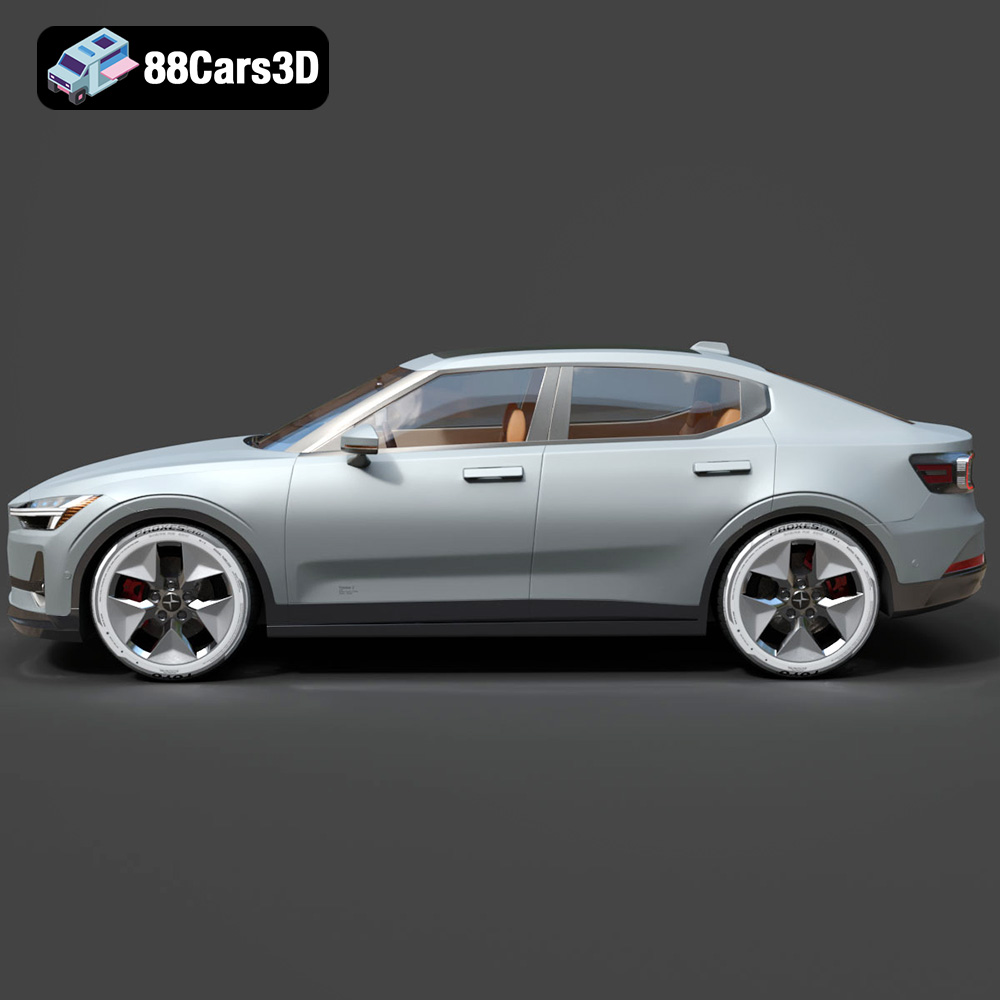
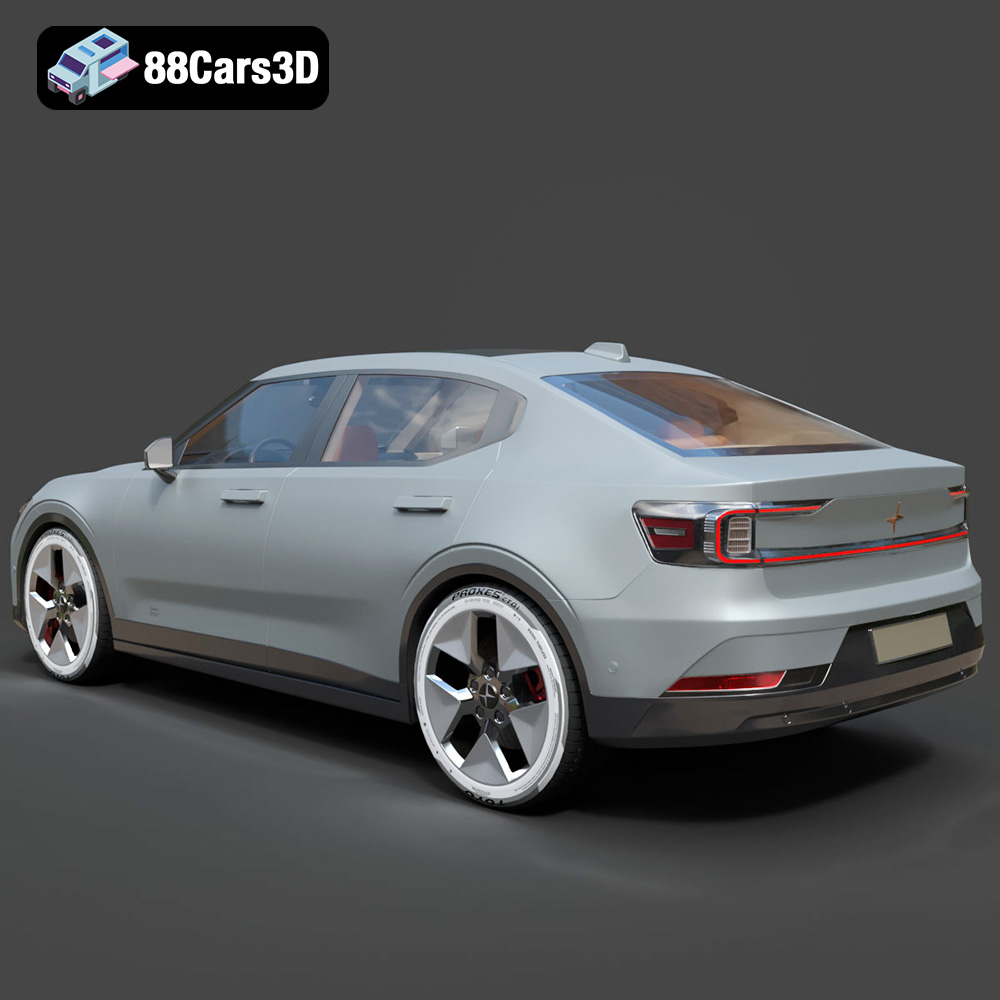
Experience exceptional realism with the Polestar 2 2023 3D Model, meticulously crafted to replicate the sleek, modern design of this cutting-edge electric fastback. Every curve and detail has been modeled to provide an authentic digital representation. This model features clean topology and accurate geometry, ensuring optimal performance across various applications. With realistic materials and a carefully detailed exterior and interior, it offers a professional-grade asset ready for immediate integration into your projects. Perfect for a wide range of uses, this 3D asset excels in game development, automotive rendering, augmented and virtual reality (AR/VR) experiences, and architectural visualizations. Its versatile nature makes it an excellent choice for animators, developers, and designers. Available file formats include: .blend – Editable Blender file with materials and lighting setup, .fbx – Game-engine ready format for Unreal Engine and Unity, .obj – Standard 3D model format compatible with all major software, .glb – Optimized for AR/VR and web-based visualization, .stl – Suitable for 3D printing and prototyping, .ply – Detailed polygon mesh for analysis and visualization, .unreal – Pre-configured for Unreal Engine use, .max – Editable 3ds Max file for rendering and animation. Tags: .polestar, .2, .polestar2, .electricvehicle, .ev, .sedan, .fastback, .car3dmodel, .rendering, .simulation, .gameasset, .arvr, .blend, .fbx, .obj, .glb, .stl, .ply, .unreal, .max
$19.99
.2
.arvr
.blend
.car3dmodel
.electricvehicle
.ev
.fastback
.fbx
.gameasset
.glb
.max
.obj
.ply
.polestar
.polestar2
.rendering
.sedan
.simulation
.stl
.unreal