Get 50% OFF All Premium 3D & STL Models!

In the rapidly evolving landscape of digital visualization, the demand for incredibly detailed and accurate 3D assets is paramount. From hyper-realistic automotive rendering to immersive game development and cutting-edge AR/VR experiences, the quality of a 3D model can make or break a project. Designers, artists, and developers constantly seek assets that not only look authentic but also integrate seamlessly into diverse workflows, saving invaluable time and resources.
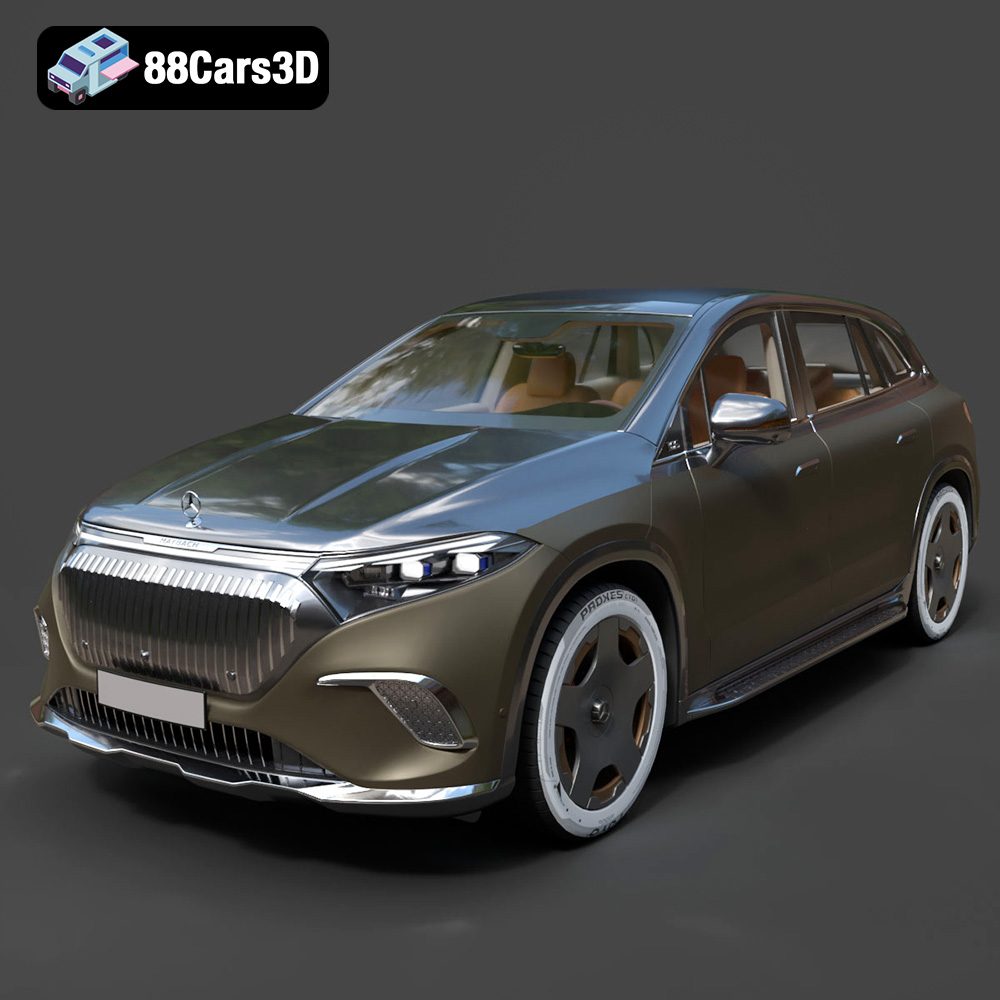
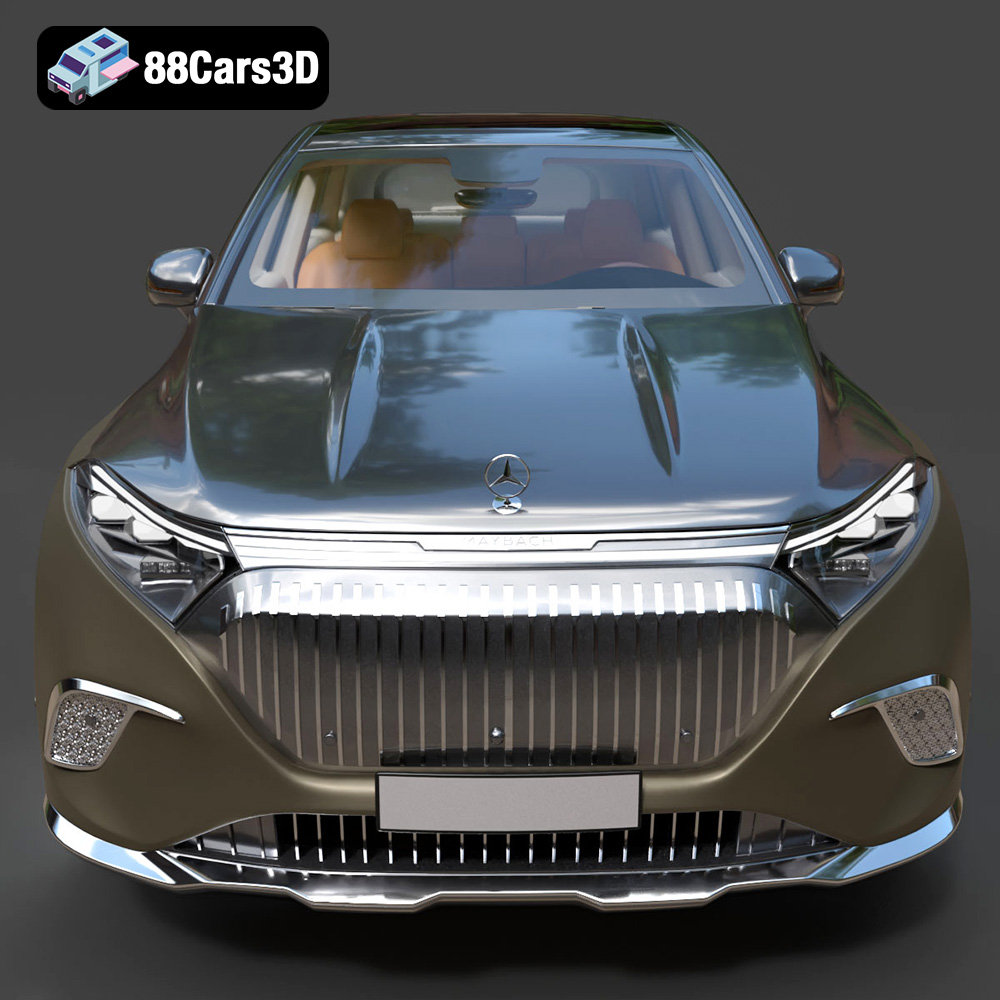
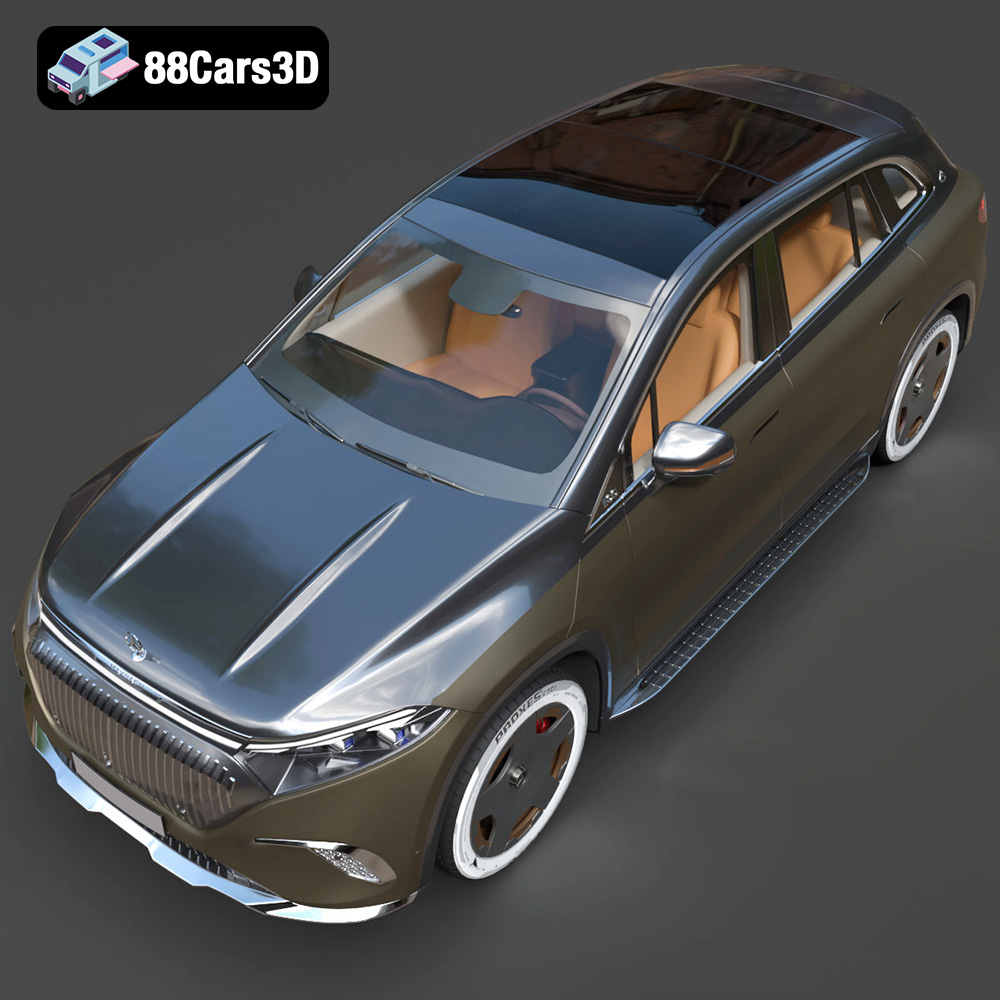
Today, we delve into the world of high-fidelity 3D car models, exploring their technical intricacies, versatile applications, and the profound impact they have on various industries. Our journey centers around a prime example of digital craftsmanship: the Mercedes-Benz EQS SUV Maybach 3D Model. This meticulously crafted digital replica of the premium electric vehicle stands as a testament to the level of detail and quality available to professionals. It captures the distinct design elements, elegant curves, and prominent stance of this luxury SUV, making it an exceptional foundation for any project demanding automotive excellence.
The role of 3D car models extends far beyond simple visual representation. They are fundamental tools that empower creative professionals to push boundaries, iterate designs rapidly, and deliver unparalleled visual fidelity. Investing in a high-quality asset like the Mercedes-Benz EQS SUV Maybach 3D Model from 88cars3d.com is not merely a purchase; it’s an investment in efficiency and excellence.
For automotive designers and engineers, 3D models are the digital clay. They enable precise visualization of vehicle concepts, allowing for intricate details to be examined from every angle before physical prototypes are even considered. A model with clean geometry and accurate proportions ensures that design evaluations are based on true-to-life representations. This precision is critical for identifying potential aesthetic or ergonomic issues early in the design cycle, saving significant costs and time associated with physical prototyping.
High-fidelity 3D car models serve as the vital link between conceptual design and tangible reality. They allow marketing teams to create compelling promotional materials long before a vehicle rolls off the assembly line. Imagine a luxury automotive configurator where potential buyers can explore every nuance of the Mercedes-Benz EQS SUV Maybach, customize its interior, and visualize it in various environments – all made possible by a robust 3D model. This capability not only enhances customer engagement but also provides invaluable market feedback.
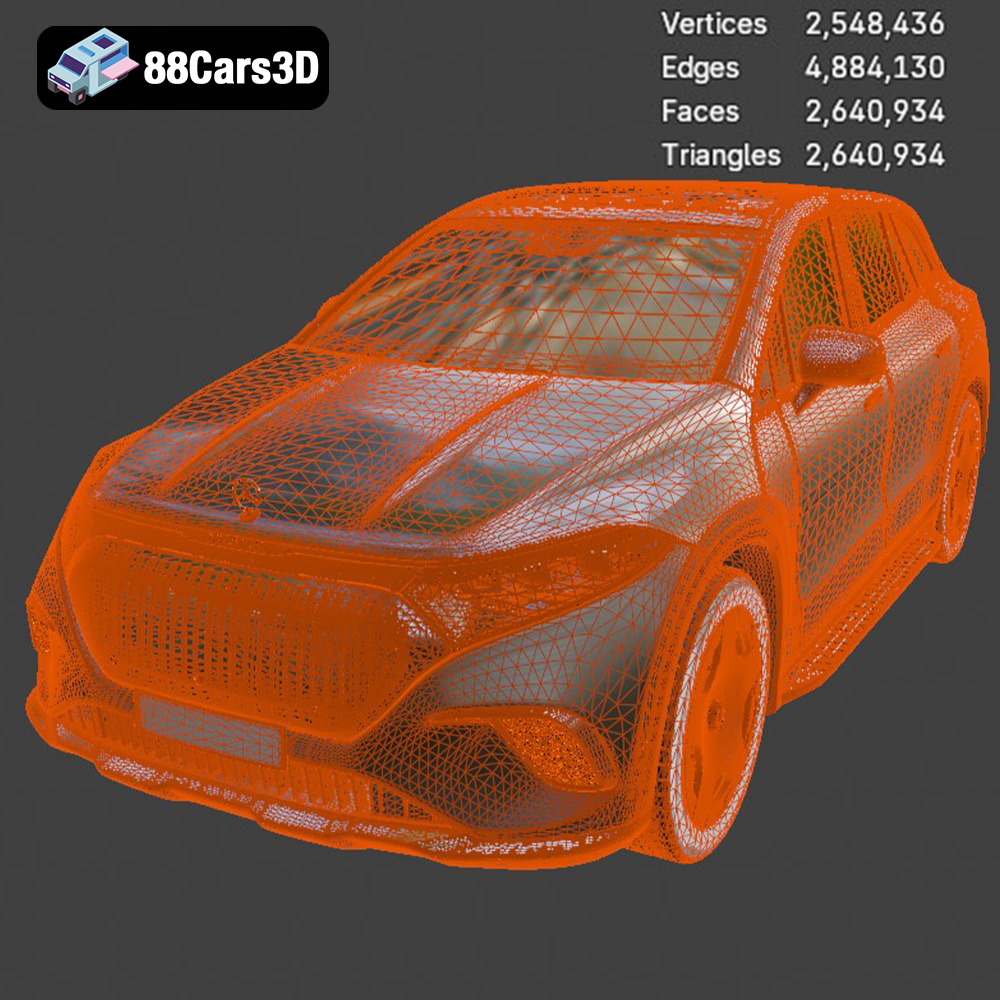
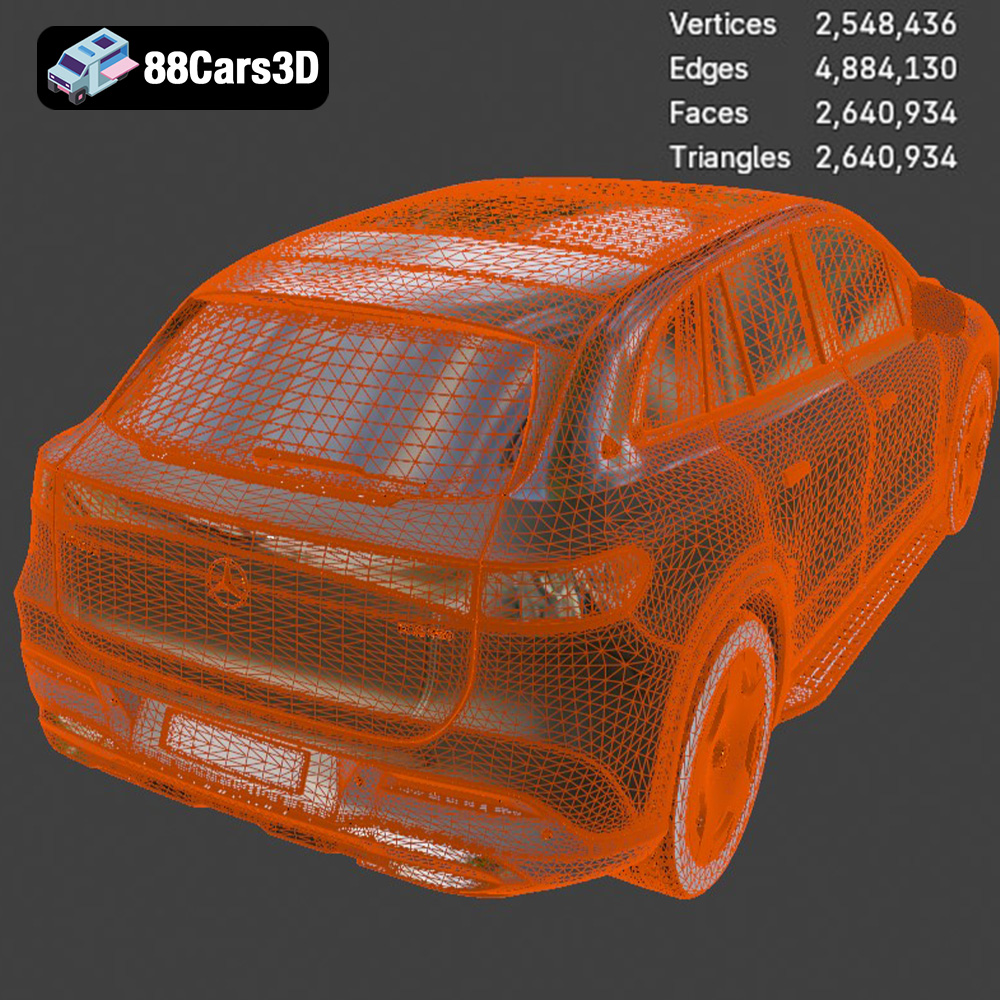
Developing a complex 3D car model from scratch is a labor-intensive and expensive undertaking, requiring expert 3D artists, extensive reference materials, and specialized software. For many studios, purchasing a ready-to-use, professionally detailed asset like the Mercedes-Benz EQS SUV Maybach 3D Model is a far more efficient and economical solution. These pre-optimized models arrive with clean topology, realistic materials, and often multiple file formats, allowing artists to immediately integrate them into their projects without the overhead of initial model creation or extensive cleanup.
The versatility of a 3D model is often defined by the range of file formats it supports. Each format is designed for specific use cases, offering unique advantages in terms of compatibility, data integrity, and pipeline efficiency. When acquiring a premium asset like the Mercedes-Benz EQS SUV Maybach 3D Model, understanding these formats is crucial for maximizing its utility across various software and platforms.
The `.blend` format is native to Blender, an incredibly popular open-source 3D creation suite. When you acquire a `.blend` file for the Mercedes-Benz EQS SUV Maybach, you’re not just getting the model; you’re getting a complete, editable Blender scene. This typically includes the model’s geometry, its realistic materials (often set up with PBR workflows), textures, lighting rigs, and sometimes even camera setups. For Blender artists, this means immediate access to a project that can be dissected, customized, and rendered directly. It offers maximum flexibility for modifying topology, adjusting shaders, or re-rigging components for animation, making it ideal for deep customization or learning from professional setups.
The Filmbox (`.fbx`) format is an industry-standard proprietary format developed by Autodesk, widely used for exchanging 3D data between different software applications. It’s particularly favored in game development and real-time visualization due to its robust support for geometry, materials, textures, animations, and even skeletal data. An `.fbx` version of the Mercedes-Benz EQS SUV Maybach 3D Model is highly optimized for import into game engines like Unreal Engine and Unity, preserving crucial data like UV maps for texturing and potentially LODs (Levels of Detail). While it’s excellent for transfer, direct editing of meshes is often done in the source software before exporting to `.fbx`.
The Wavefront OBJ (`.obj`) format is one of the oldest and most universally supported 3D file formats. It’s a simple, text-based format primarily used to define the geometry of 3D models – vertices, faces, normals, and UV coordinates. While it doesn’t typically embed animations or advanced material properties (these are usually stored in an accompanying `.mtl` file), its simplicity makes it incredibly compatible across virtually all 3D software. For the Mercedes-Benz EQS SUV Maybach, an `.obj` file guarantees that you can import the raw geometric data into any program, providing a reliable foundation for starting a new project or converting to other formats.
The GL Transmission Format Binary (`.glb`) is a binary version of the `.gltf` format, specifically designed for efficient transmission and loading of 3D scenes and models by engines and applications. It’s quickly becoming the standard for web-based 3D, augmented reality (AR), and virtual reality (VR) experiences due to its compact size and ability to embed all necessary assets (geometry, materials, textures, animations) into a single file. The `.glb` version of the EQS SUV Maybach is perfect for interactive 3D viewers on websites, AR applications on mobile devices, or lightweight VR presentations where performance and quick loading times are paramount. It supports Physically Based Rendering (PBR) materials, ensuring consistent visual quality across different platforms.
Stereolithography (`.stl`) is the de facto standard file format for 3D printing. It represents a 3D model as a collection of unconnected triangular facets, making it suitable for conveying surface geometry to 3D printers. An `.stl` file does not carry color, texture, or material information – only the shape. The Mercedes-Benz EQS SUV Maybach provided in `.stl` format would be specifically prepared for additive manufacturing, requiring a watertight mesh without errors. This format is crucial for creating physical prototypes or scale models of the luxury SUV.
The Polygon File Format (`.ply`) is a more comprehensive format than `.stl`, capable of storing a wider range of information, including color, transparency, surface normals, and various data types per vertex or face. It’s often used in applications that involve 3D scanning, CAD software, and scientific visualization where precise geometry and additional attribute data are important for analysis or rendering. A `.ply` version of the EQS SUV Maybach could be used for detailed structural analysis or for visualizing scan data in a CAD environment, offering more detail than a basic `.obj` or `.stl`.
The `.unreal` format denotes an asset specifically configured and optimized for direct import into Unreal Engine. This often means the model has already been processed with appropriate material setups, collision meshes, LODs, and potentially even blueprint functionality for immediate use within the engine. For game developers or real-time visualization specialists using Unreal Engine, the `.unreal` version of the Mercedes-Benz EQS SUV Maybach 3D Model from 88cars3d.com offers unparalleled ease of integration, minimizing setup time and ensuring optimal performance within the engine’s ecosystem.
The `.max` format is the native file type for Autodesk 3ds Max, a powerful 3D modeling, animation, rendering, and compositing software. Similar to the `.blend` file for Blender, a `.max` file of the Mercedes-Benz EQS SUV Maybach means you get the full 3ds Max scene. This includes all geometry, complex material definitions (e.g., V-Ray or Corona Renderer materials), lighting setups, cameras, and potentially animation data. It’s the ultimate format for professionals working in 3ds Max who require full editability, advanced rendering capabilities, or intricate animation control for automotive rendering or film projects.
Photorealistic automotive rendering is an art form that demands technical prowess and an eye for detail. A premium 3D car model like the Mercedes-Benz EQS SUV Maybach is the ideal canvas for creating stunning visuals that rival professional photography. The quality of the asset directly impacts the final render, allowing artists to focus on lighting, materials, and composition.
Using the `.max` file for the Mercedes-Benz EQS SUV Maybach, 3ds Max users have a powerful foundation. The workflow typically begins with importing the model, ensuring all parts are correctly scaled and pivoted. For rendering, industry-standard engines like V-Ray or Corona Renderer are often employed. The key to realism lies in lighting: a high-dynamic-range image (HDRI) coupled with strategic area lights can simulate realistic environments. Materials require meticulous tweaking – car paint shaders with multiple layers (base coat, clear coat, metallic flakes), realistic glass with proper refraction, and intricate leather textures for the interior are essential. Artists focus on subtle reflections and refractions, ensuring every curve of the EQS SUV Maybach catches the light authentically.
Blender artists leveraging the `.blend` file can achieve exceptional results using Cycles, Blender’s physically based path tracer. The nodal material system provides immense flexibility for creating complex shaders. PBR workflows are crucial, involving diffuse, roughness, metallic, normal, and displacement maps to define how light interacts with surfaces. The clean UV unwrapping on the Mercedes-Benz EQS SUV Maybach 3D Model ensures that textures wrap flawlessly, preventing distortions. Eevee, Blender’s real-time render engine, can also produce impressive visuals quickly, ideal for previews or less demanding projects, though Cycles typically offers the ultimate in photorealism for automotive rendering.
Even the best render can be elevated through post-production. Software like Adobe Photoshop or Affinity Photo is used for color grading, adjusting contrast, and enhancing details. Depth of field adds cinematic quality, drawing attention to specific features of the Mercedes-Benz EQS SUV Maybach. Subtle motion blur can convey speed, while atmospheric effects like fog or lens flares can add drama. Compositing the rendered vehicle into a realistic background plate, ensuring consistent lighting and perspective, is the final touch that blends the digital car seamlessly into its environment.
The realm of game development and real-time interactive experiences demands not only visual fidelity but also strict performance optimization. A premium 3D car model must be designed with these constraints in mind, offering a balance between detail and efficiency. The Mercedes-Benz EQS SUV Maybach 3D Model is engineered for this challenge, making it an excellent game asset.
For game developers, the `.fbx` and `.unreal` formats of the EQS SUV Maybach are invaluable. Upon import into Unreal Engine or Unity, the model typically undergoes further optimization. This includes generating Levels of Detail (LODs), where lower-polygon versions of the model are automatically swapped in when the vehicle is further from the camera, drastically reducing rendering overhead. Collision meshes, simpler representations of the vehicle’s shape, are essential for realistic physics interactions. Materials are often converted to engine-specific PBR shaders, and lightmap UVs are generated to allow for static lighting baking, which enhances visual quality without runtime performance cost. The clean geometry of the 88cars3d.com model simplifies this optimization process significantly.
Augmented Reality (AR) and Virtual Reality (VR) experiences require extremely efficient models to maintain high frame rates and prevent user discomfort. The `.glb` format of the Mercedes-Benz EQS SUV Maybach 3D Model is specifically optimized for these applications. Its compact nature and embedded assets ensure quick loading times on mobile devices or standalone VR headsets. Developers can integrate the model into AR apps that overlay the virtual vehicle onto the real world, allowing users to “place” the EQS SUV Maybach in their driveway, or create fully immersive VR showrooms where users can walk around and even “sit inside” the luxury electric SUV. Performance is key here, and the optimized nature of the model allows for smooth, responsive interactions.
Beyond entertainment, high-fidelity 3D car models are critical for professional simulations. The Mercedes-Benz EQS SUV Maybach 3D Model can be integrated into advanced driving simulators for driver training, research into human-machine interaction, or even for developing and testing autonomous vehicle algorithms. The accurate representation of the vehicle’s exterior and interior allows for realistic sensor simulation and precise interaction modeling, crucial for generating reliable training data and validating new technologies.
While often associated with digital screens, 3D models can also bridge the gap to the physical world through additive manufacturing. The availability of formats like `.stl` and `.ply` for the Mercedes-Benz EQS SUV Maybach 3D Model unlocks possibilities for tangible prototypes and scale models.
Before a 3D model can be printed, it needs specific preparation. The `.stl` and `.ply` formats provided for the Mercedes-Benz EQS SUV Maybach are already designed for this purpose. However, a crucial step involves ensuring the mesh is “watertight” – meaning there are no holes or disconnected faces that would confuse the 3D printer. This includes checking for manifold geometry and ensuring appropriate wall thickness for the chosen printing material and process. Scaling is also critical; a model created in meters for a digital scene needs to be precisely scaled down to millimeters or centimeters for a physical print. Supports often need to be strategically added to prevent overhangs from collapsing during the printing process.
3D printing allows designers to rapidly create physical mock-ups of the Mercedes-Benz EQS SUV Maybach at various scales. These prototypes are invaluable for design reviews, allowing stakeholders to hold, touch, and physically evaluate the vehicle’s form, proportions, and intricate details in a way that’s impossible with a screen-based model alone. This rapid prototyping cycle accelerates decision-making, helps validate aesthetic choices, and allows for early detection of potential manufacturing challenges. Whether it’s a small desk model or a larger-scale concept piece, the detailed geometry of the digital asset translates directly into a high-quality physical object.
The practical utility of a high-quality 3D car model is best illustrated through its application in various professional scenarios. The Mercedes-Benz EQS SUV Maybach 3D Model, with its detailed exterior and fully modeled interior, offers a versatile solution for numerous industries.
Imagine a global launch campaign for the real Mercedes-Benz EQS SUV Maybach. Marketing teams can leverage the 3D model to generate stunning, photorealistic images and animated commercials even before the physical car is produced. This allows for immense flexibility in creating diverse environments, lighting scenarios, and camera angles that would be costly or impossible with traditional photography. Online configurators, interactive brochures, and virtual showrooms are all powered by such detailed 3D assets, giving potential customers an unparalleled pre-purchase experience. The consistency and control offered by a digital model ensures brand messaging is impeccable across all platforms.
In architectural visualization, adding realistic context to a rendered building is crucial. Placing a high-quality car model like the Mercedes-Benz EQS SUV Maybach into an arch-viz scene immediately elevates its realism and helps convey scale. Whether it’s parked outside a luxury residence, driving through a modern cityscape, or showcased in a commercial development, a premium 3D car model transforms a static architectural render into a vibrant, believable environment. The attention to detail in the vehicle model complements the architectural design, creating a cohesive and compelling visual narrative. The clean topology and realistic materials mean it integrates seamlessly, without appearing out of place.
From blockbuster films to intricate animated sequences, 3D car models are indispensable in entertainment. The Mercedes-Benz EQS SUV Maybach 3D Model could be used in a feature film’s visual effects sequence, seamlessly blending with live-action footage for chase scenes or futuristic settings. In an animated short, it could become a central character, driving the narrative with its distinctive presence. The fully modeled interior is particularly valuable here, allowing for shots from within the vehicle, enhancing immersion and storytelling. The high-resolution textures and accurate geometry ensure that the model holds up even in close-up shots on the big screen.
The journey through the world of high-fidelity 3D car models reveals a landscape rich with technical innovation and creative potential. From the nuanced requirements of automotive rendering to the rigorous demands of game development and the tactile possibilities of 3D printing, a meticulously crafted asset like the Mercedes-Benz EQS SUV Maybach 3D Model stands as a cornerstone for success.
We’ve seen how specific file formats cater to distinct professional needs, how detailed geometry and PBR materials unlock photorealistic visuals, and how optimization techniques enable fluid real-time experiences. The ability to acquire such a versatile and production-ready asset, complete with a clean exterior and fully modeled interior, dramatically accelerates professional workflows and elevates the quality of any digital project.
For designers, artists, and developers seeking to integrate automotive excellence into their work, resources like 88cars3d.com provide an invaluable library of premium 3D car models. The Mercedes-Benz EQS SUV Maybach 3D Model exemplifies the quality and adaptability that modern professionals require to meet the ever-increasing demands of digital visualization. By embracing these advanced assets, you’re not just creating images; you’re crafting immersive experiences and pushing the boundaries of what’s possible in the digital realm.
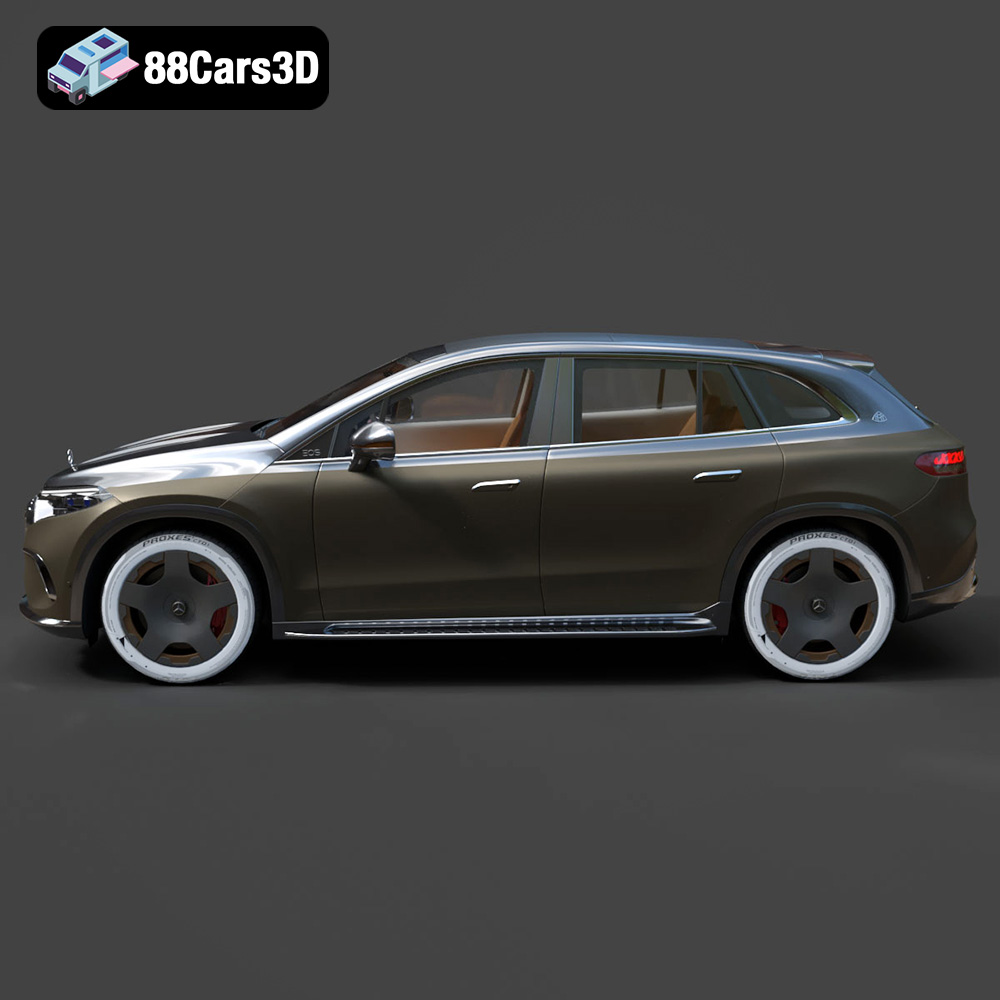
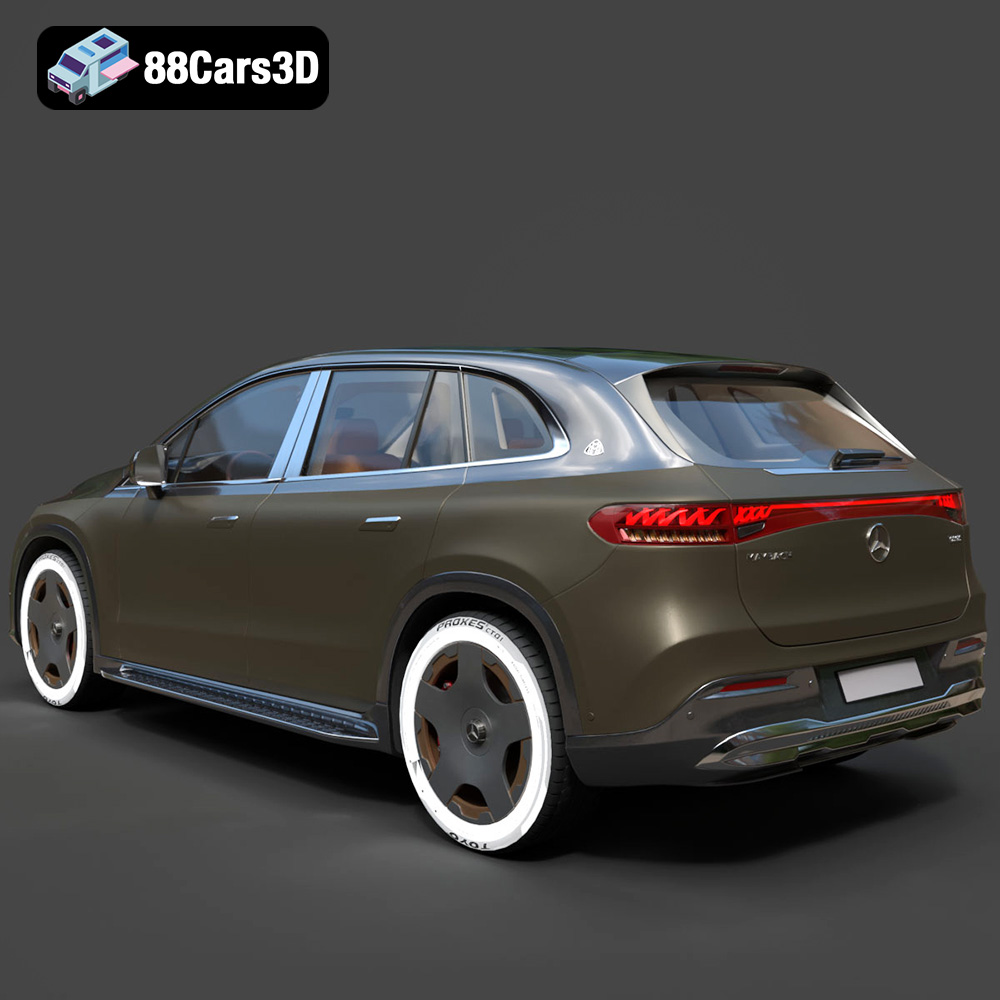
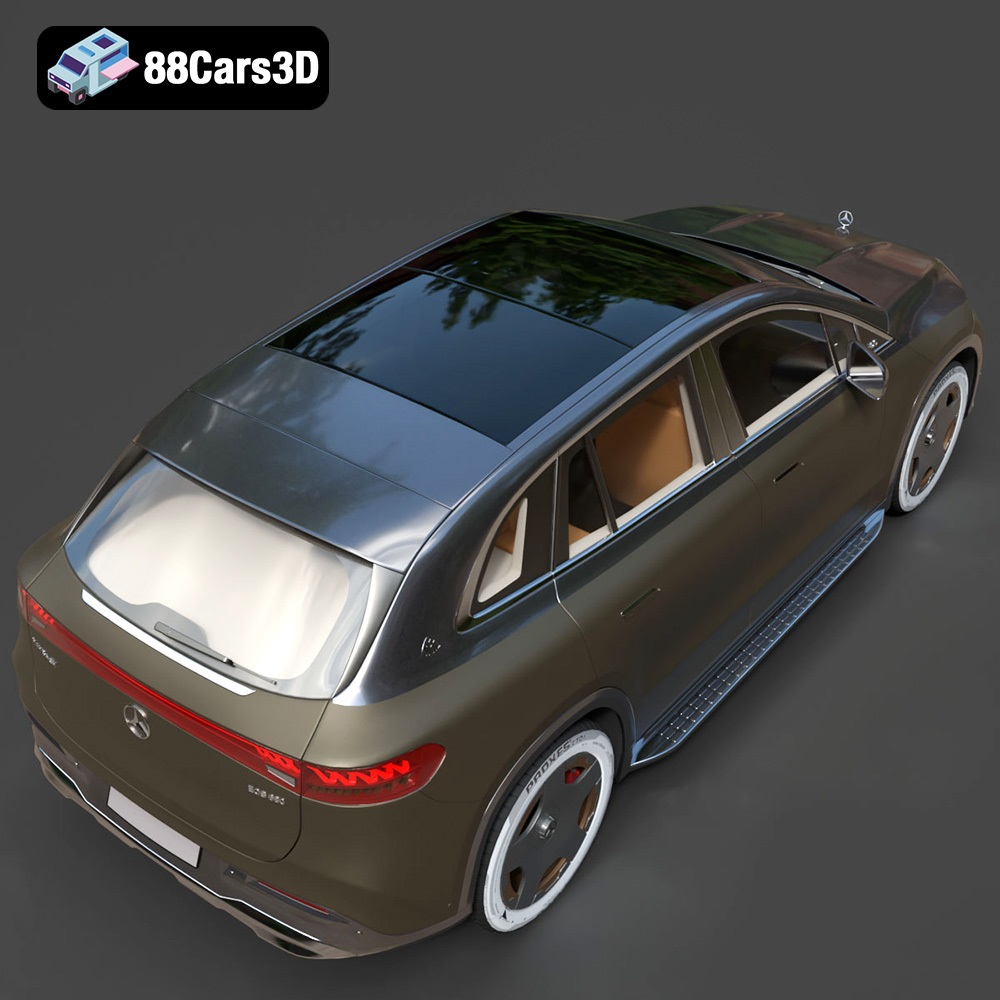
Discover the Mercedes-Benz EQS SUV Maybach 3D Model, a realistic and detailed digital replica of the premium electric vehicle. This model captures the distinct design elements, elegant curves, and prominent stance of the luxury SUV.
The asset features clean geometry, realistic materials, and professional detailing. With a meticulously crafted exterior and a fully modeled interior, it ensures a true-to-life representation suitable for close-up shots and immersive environments.
Ideal for various digital projects, this 3D model is excellent for game development, automotive rendering, AR/VR experiences, and architectural visualization.
$19.99
.arvr
.blend
.car3dmodel
.electricvehicle
.eqs
.ev
.fbx
.gameasset
.glb
.luxurysuv
.max
.maybach
.mercedesbenz
.obj
.ply
.rendering
.simulation
.stl
.unreal
SUV