Get 50% OFF All Premium 3D & STL Models!

In the dynamic world of 3D visualization, from cinematic automotive renders to immersive game environments and cutting-edge AR/VR experiences, the quality of your 3D assets is paramount. A beautifully crafted 3D car model can elevate a project from good to exceptional, offering unparalleled realism and design fidelity. Today, we’re diving deep into the intricate world of digital automotive assets, exploring how meticulously detailed models empower professionals across various industries.
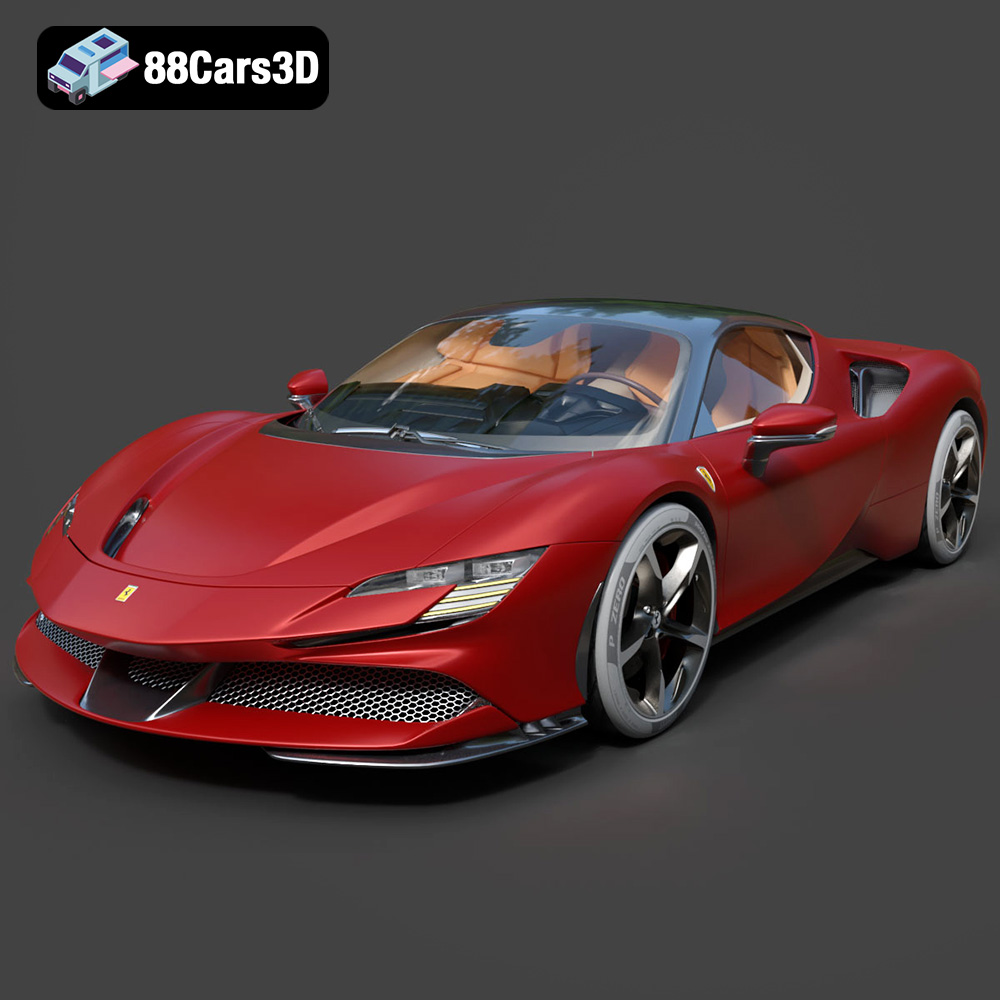
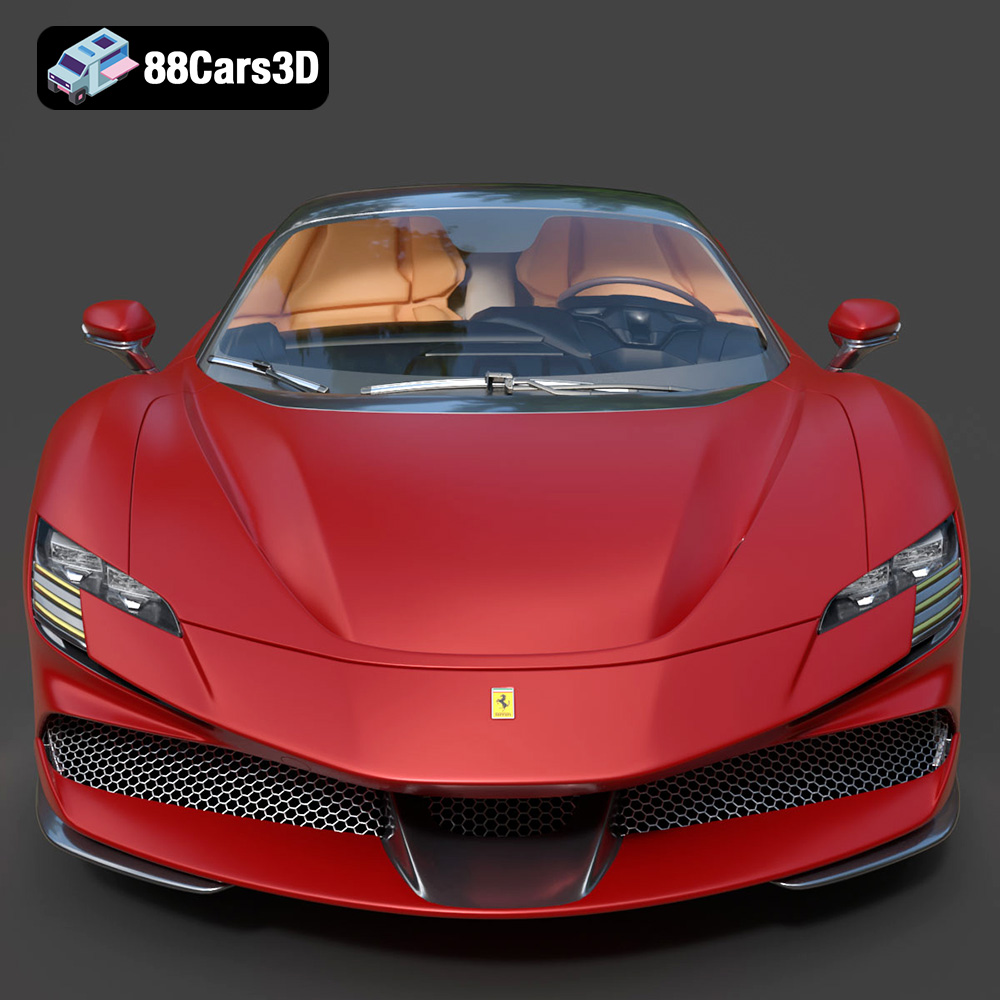
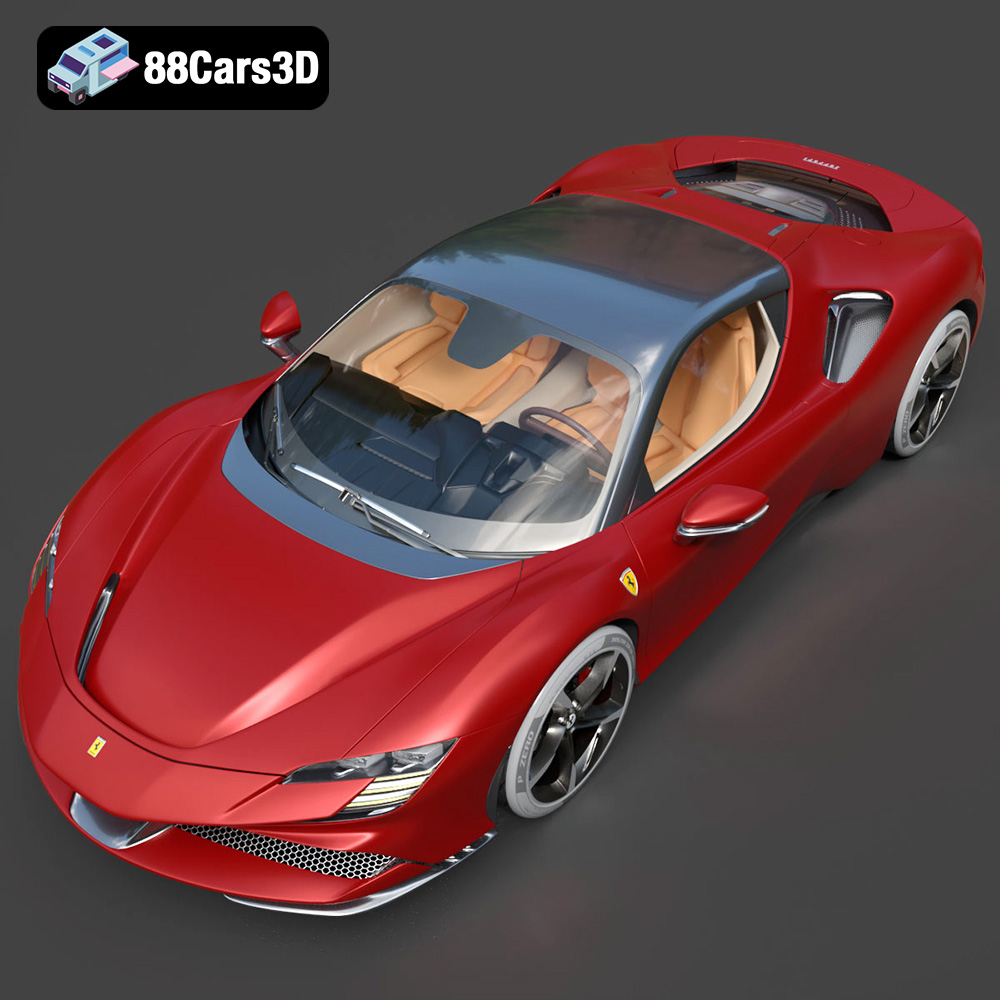
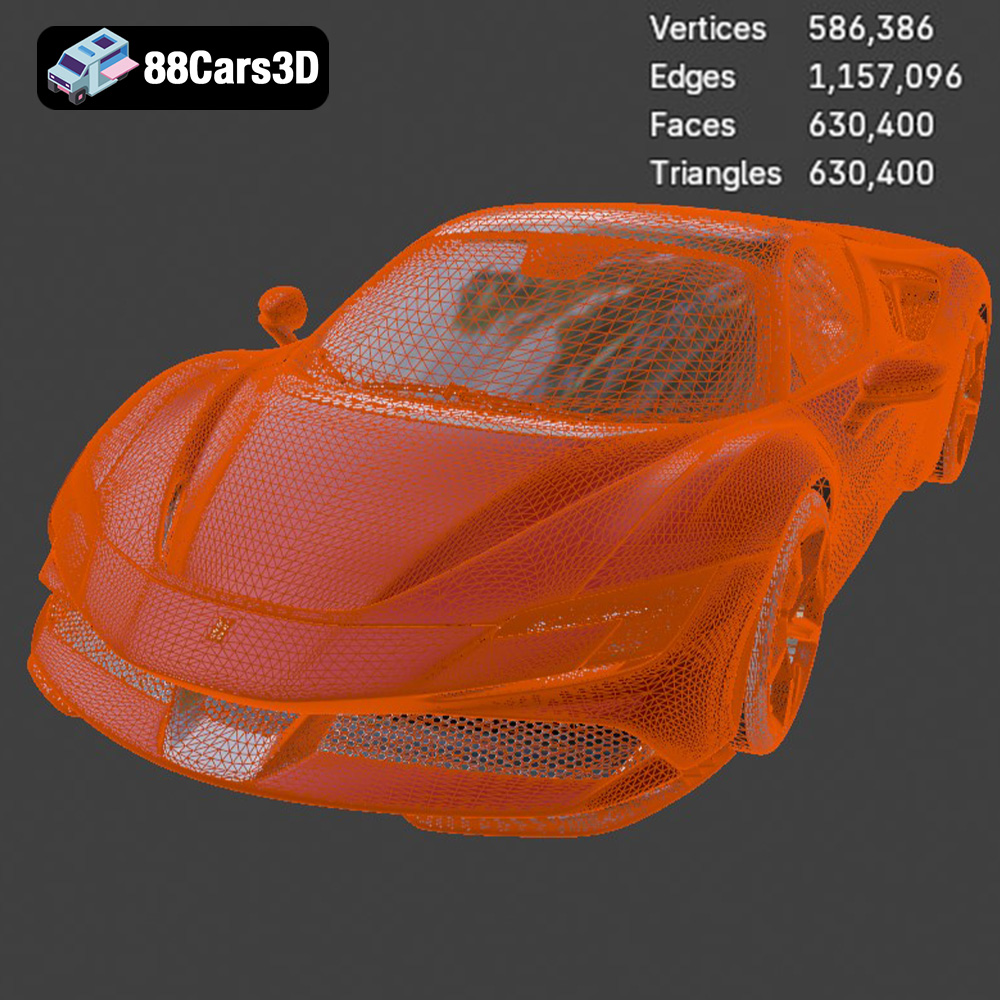
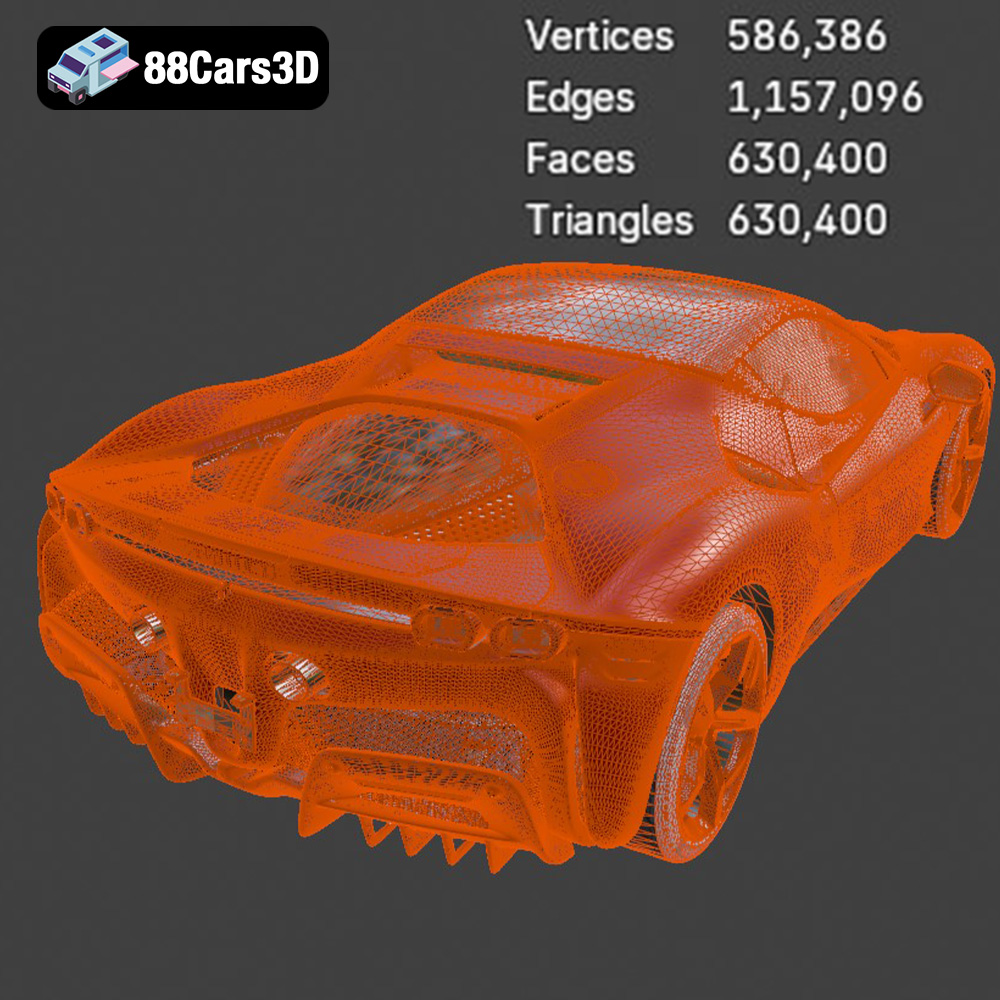
The demand for realism and precision in digital vehicles is higher than ever. Whether you’re a game developer striving for authentic driving physics, an architect needing realistic urban scene fillers, or a marketing specialist creating stunning product visualizations, the foundation of your success lies in the quality of your 3D car models. This is where a model like the Ferrari SF90 Stradale 2020 3D Model truly shines, embodying the pinnacle of automotive engineering and capturing every detail of this iconic Italian masterpiece with stunning accuracy. Its clean geometry, realistic materials, and professional-grade quality make it an ideal asset for a myriad of applications, directly contributing to professional-grade output.
Selecting the correct file format for your 3D car model is a critical decision that impacts workflow efficiency, compatibility, and the final output quality. Different formats are optimized for distinct purposes, from real-time rendering in game engines to high-fidelity static renders and even 3D printing. Understanding these nuances is key to leveraging assets like the Ferrari SF90 Stradale 2020 3D Model to their full potential.
The .blend format is Blender’s native file type, offering a complete and editable scene. When you receive a .blend file, you’re not just getting the mesh; you’re often getting the materials, textures, lighting setup, cameras, and even animation data, all neatly organized within the Blender environment. This makes it incredibly powerful for artists who use Blender as their primary DCC (Digital Content Creation) tool, allowing for immediate customization and iteration. The Ferrari SF90 Stradale 2020 3D Model, provided in this format, ensures that Blender users can dive straight into advanced rendering with Cycles or Eevee, modify topology, adjust shaders, or integrate it into complex scenes without any loss of data.
Autodesk’s .fbx (Filmbox) format is arguably the most widely adopted interchange format in the 3D industry, particularly popular for pipelines involving game development and animation. It supports a comprehensive range of 3D data, including geometry, materials, textures, animations, and skeletal data. Its robust nature makes it ideal for transferring assets between different software packages like Maya, 3ds Max, Blender, and directly into game engines such as Unreal Engine and Unity. For a 3D car model like the Ferrari SF90 Stradale, an .fbx file ensures that the asset is game-engine ready, preserving crucial data like UV maps for texturing and potentially LODs (Levels of Detail) for optimization.
The .obj (Wavefront Object) format is a venerable and universal standard for exchanging 3D geometry data. While it’s primarily a mesh format, capable of storing vertex positions, normals, texture coordinates (UVs), and face definitions, it typically references external .mtl (Material Template Library) files for material definitions. Its simplicity and widespread support mean almost any 3D software can import and export .obj files. It’s a reliable fallback for cross-software compatibility when more complex formats might cause issues. Although it doesn’t carry animation or rigging data, for static models or foundational geometry, .obj remains an indispensable tool, ensuring the Ferrari SF90 Stradale can be utilized in virtually any 3D application.
.glb (GLB format, an evolution of glTF – GL Transmission Format) is rapidly becoming the standard for 3D models on the web, in augmented reality (AR), and virtual reality (VR) applications. It’s designed to be a compact, single-file format that includes geometry, materials, textures, and even animations, making it highly efficient for streaming and display in browser-based viewers or mobile AR apps. Its optimization for real-time rendering makes it perfect for showcasing 3D car models like the SF90 Stradale on websites or integrating them into interactive AR/VR experiences without heavy loading times.
The .stl (Stereolithography) format is the de facto standard for 3D printing. It represents a 3D model as a collection of triangular facets, defining only the surface geometry of an object without color, texture, or material information. While not suitable for rendering or animation, its simplicity makes it perfect for conveying the essential form of an object to a 3D printer. If you ever wanted a physical model of the Ferrari SF90 Stradale, this is the format that would bring it to life from the digital realm, suitable for rapid prototyping and scale models.
The .ply (Polygon File Format or Stanford Triangle Format) is another common format for storing 3D data, often used in scientific visualization, CAD, and 3D scanning applications. It’s more flexible than .obj and .stl, capable of storing a wider range of properties, including color, transparency, normals, texture coordinates, and even reliability information for each vertex and face. This precision makes it valuable for detailed analysis or when working with highly accurate point cloud or mesh data derived from scans, offering a robust representation of the Ferrari SF90 Stradale’s intricate surfaces.
While not a universal file format in the traditional sense like .fbx or .obj, an .unreal asset usually refers to a pre-configured asset or a packaged UAsset file specifically prepared for direct import and use within Unreal Engine. This often means the model has already gone through optimization, material setup, and possibly even collision mesh generation within the engine’s ecosystem. Providing the Ferrari SF90 Stradale in an “unreal” specific format streamlines the workflow significantly for game developers and real-time visualization artists using Unreal Engine, minimizing setup time and ensuring optimal performance.
Similar to .blend for Blender, the .max format is Autodesk 3ds Max’s native project file. It contains the entire scene data, including geometry, modifiers, materials, textures, lighting, cameras, animation, and scene settings. For 3ds Max users, this format provides the most flexibility for editing, refining, and rendering the Ferrari SF90 Stradale. It allows direct access to all creation steps and parameters, making it indispensable for studios heavily invested in the 3ds Max ecosystem for high-end rendering and animation.
Automotive rendering is a specialized field that demands an acute understanding of light, materials, and composition to transform a 3D model into a captivating image. The Ferrari SF90 Stradale 2020 3D Model, with its “clean and efficient geometry” and “realistic and high-resolution materials,” provides an excellent foundation for achieving photorealistic results.
The secret to photorealism lies in the nuanced interplay of materials and textures. For a high-performance vehicle like the SF90 Stradale, this means accurately replicating intricate details: the subtle metallic flakes in the paint, the crisp reflections off the carbon fiber accents, the precise weave of interior fabrics, and the refractive properties of glass. High-resolution PBR (Physically Based Rendering) textures for albedo, roughness, metallic, normal, and displacement maps are crucial. Artists utilizing 3ds Max or Blender can leverage advanced shader networks to simulate complex material behaviors, ensuring that light interacts with the digital surface precisely as it would in the real world. The quality of the provided materials in the Ferrari SF90 Stradale 2020 3D Model significantly reduces the setup time, allowing artists to focus on artistic direction rather than technical configuration.
Effective lighting is what breathes life into a render. Automotive renders often benefit from sophisticated lighting setups, including HDRI (High Dynamic Range Image) environments for realistic global illumination, combined with targeted area lights, spot lights, and photometric lights to accentuate curves, reflections, and shadow play. Techniques like “light painting” involve placing multiple light sources to sculpt the vehicle’s form and highlight its design features. For dynamic shots, understanding how light catches the car’s surfaces as it moves, or as the camera tracks it, is key. Software like V-Ray, Corona Renderer, or Blender’s Cycles engine offers the tools to simulate these complex lighting scenarios, enabling artists to showcase the Ferrari SF90 Stradale in its most flattering light, from a sleek studio shot to a dramatic sunset drive.
For game developers, 3D car models are not just static assets; they are interactive elements that must perform flawlessly in real-time environments. The Ferrari SF90 Stradale 2020 3D Model is optimized for this demanding application, offering “game-engine ready format” options like .fbx and .unreal, ensuring smooth integration into popular platforms like Unreal Engine and Unity.
Game development requires a rigorous approach to asset optimization. Even a high-quality model like the Ferrari SF90 Stradale needs careful preparation to meet performance targets. This involves managing poly counts through LODs (Levels of Detail), where simpler versions of the model are rendered at greater distances. Proper UV mapping is essential for texture baking and efficient material rendering. Collision meshes must be accurately created to facilitate realistic interaction with the game world. Game artists leverage tools within Unreal Engine and Unity to import .fbx files, configure PBR materials, set up physics assets, and create blueprints or prefabs for in-game functionality. The provision of an .unreal file for the Ferrari SF90 Stradale 2020 3D Model simplifies this process, offering an asset that’s already largely configured for the engine’s pipeline.
Integrating a 3D car model into a game goes beyond just placing it in a scene. It involves creating an immersive experience where the vehicle feels like a natural part of its environment. This includes accurate scale, believable physics, and interaction with environmental elements like reflections, shadows, and particle effects (e.g., dust, tire smoke). For racing games or open-world simulations, having a diverse library of high-quality 3D car models, like those available at 88cars3d.com, allows developers to populate their worlds with believable traffic or offer players a range of desirable vehicles. The stunning realism of the SF90 Stradale model enhances the overall immersion, making every virtual drive a more compelling experience.
The utility of high-quality 3D car models extends far beyond traditional rendering and gaming. Augmented Reality (AR), Virtual Reality (VR), and scientific visualization are burgeoning fields that rely heavily on detailed 3D assets to create interactive and informative experiences. The Ferrari SF90 Stradale 2020 3D Model, with its .glb format optimization, is perfectly suited for these advanced applications.
In AR and VR, 3D car models enable users to interact with vehicles in new and exciting ways. Imagine placing a virtual Ferrari SF90 Stradale in your driveway via an AR app, walking around it, and examining its interior from any angle. Or stepping into a VR showroom where you can virtually “test drive” the vehicle and customize its features. These applications demand optimized models with efficient geometry and textures that can render smoothly on mobile devices or VR headsets. The .glb format, included with the Ferrari SF90 Stradale model, is specifically tailored for these real-time, interactive, and often web-based experiences, making it an invaluable asset for designers creating next-generation digital showcases and virtual product configurators.
Beyond marketing and entertainment, 3D car models are indispensable tools in automotive design and engineering. Before a single physical prototype is built, designers and engineers use highly accurate 3D models for form studies, aerodynamic simulations, ergonomic analysis, and clash detection. The “clean and efficient geometry” of a model like the Ferrari SF90 Stradale allows for precise measurements and detailed analysis. Even further, the .stl and .ply formats provided with the model are perfect for rapid prototyping through 3D printing or for generating highly accurate mesh data for reverse engineering and quality control. This early-stage digital validation saves significant time and resources in the manufacturing process, highlighting the critical role of professional-grade 3D assets in real-world product development.
In any professional 3D production pipeline, time is money, and quality is reputation. Investing in high-quality 3D car models like those found at 88cars3d.com provides a significant competitive advantage. The Ferrari SF90 Stradale 2020 3D Model is a prime example of an asset that delivers on these crucial fronts.
Creating a complex 3D car model from scratch is a monumental undertaking, requiring hundreds, if not thousands, of hours from skilled 3D artists. From initial blueprint modeling to detailed surfacing, UV unwrapping, texturing, and material development, the process is labor-intensive. By purchasing a “professional-grade quality” asset such as the Ferrari SF90 Stradale 2020 3D Model, studios and freelancers can bypass this extensive creation phase entirely. This allows them to allocate their resources to other critical aspects of their project, such as scene composition, animation, VFX, or interactive development. The availability of multiple file formats (.blend, .fbx, .obj, .glb, .stl, .ply, .unreal, .max) further enhances this efficiency, ensuring compatibility with virtually any professional pipeline and minimizing conversion headaches.
High-quality assets contribute to a consistent and professional standard across all projects. When working on a series of renders, a game, or an AR application, using assets that maintain a high level of detail, accurate proportions, and clean topology ensures a cohesive and polished final product. Sub-standard models can introduce errors, visual glitches, or performance bottlenecks that undermine the overall quality and professionalism of a project. The “clean geometry” and “realistic and high-resolution materials” of the Ferrari SF90 Stradale 2020 3D Model guarantee that the foundational asset itself is robust and reliable, providing a consistent benchmark for excellence in any creative endeavor. This commitment to quality is what distinguishes leading projects and studios in the competitive 3D visualization market.
The world of 3D visualization continues to evolve, and the demand for highly detailed, technically sound 3D car models remains constant. From the hyper-realistic renders that grace advertising campaigns to the immersive virtual worlds of gaming and the interactive experiences of AR/VR, the quality of your digital assets dictates the quality of your output. The Ferrari SF90 Stradale 2020 3D Model stands as a testament to the meticulous craftsmanship required in creating such assets, offering clean geometry, realistic materials, and a professional-grade quality that caters to a wide array of applications.
By understanding the nuances of different file formats and leveraging assets optimized for specific workflows, professionals can significantly enhance their production pipelines. Whether you’re working in 3ds Max, Blender, Unreal Engine, or developing for AR/VR, models like the Ferrari SF90 Stradale provide an invaluable starting point, saving countless hours and elevating the realism of your projects. Explore the extensive collection of high-quality 3D car models at 88cars3d.com to find the perfect asset for your next groundbreaking creation and push the boundaries of digital automotive artistry.
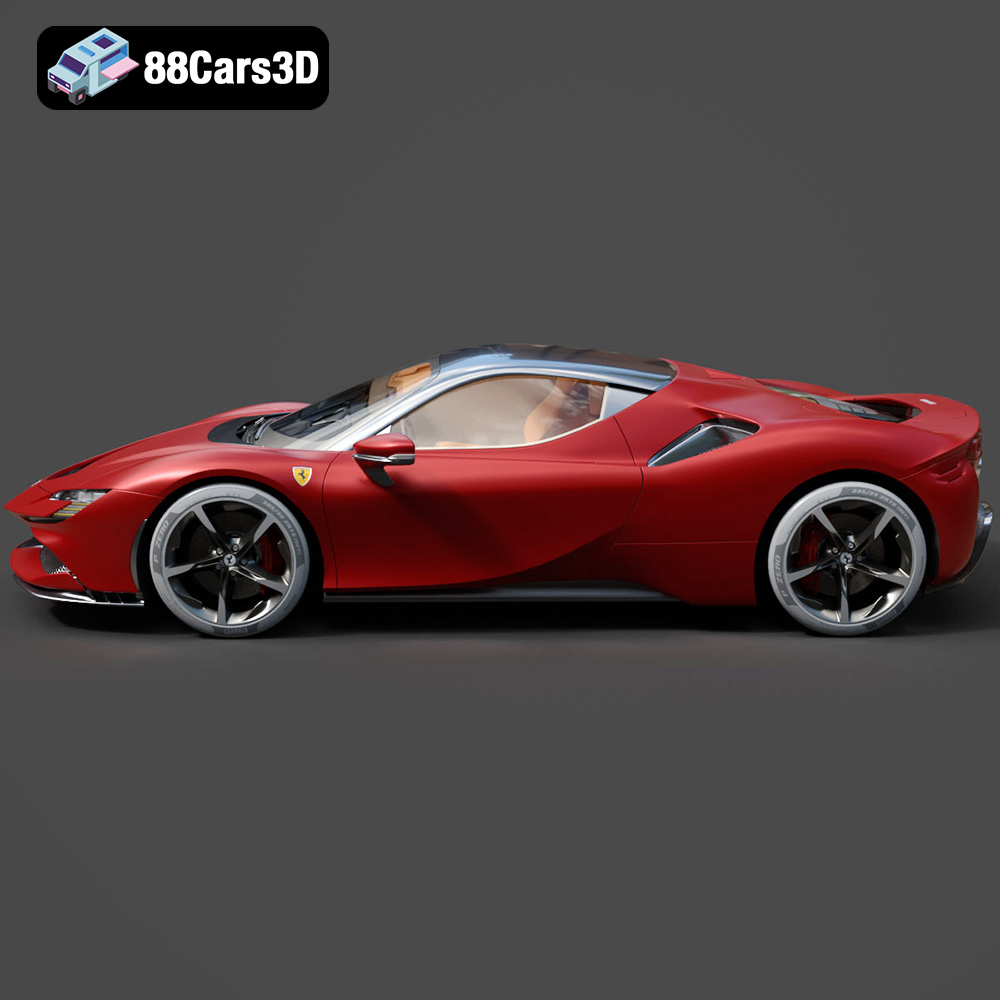
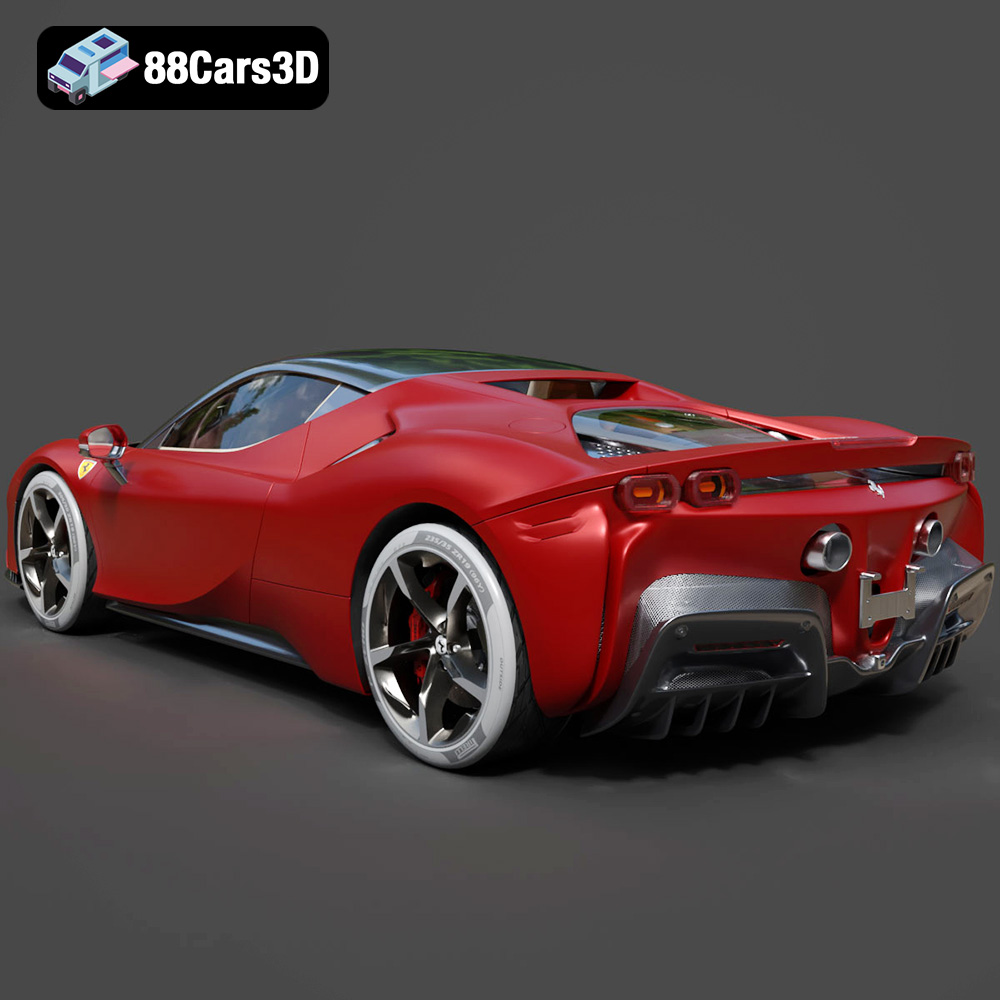
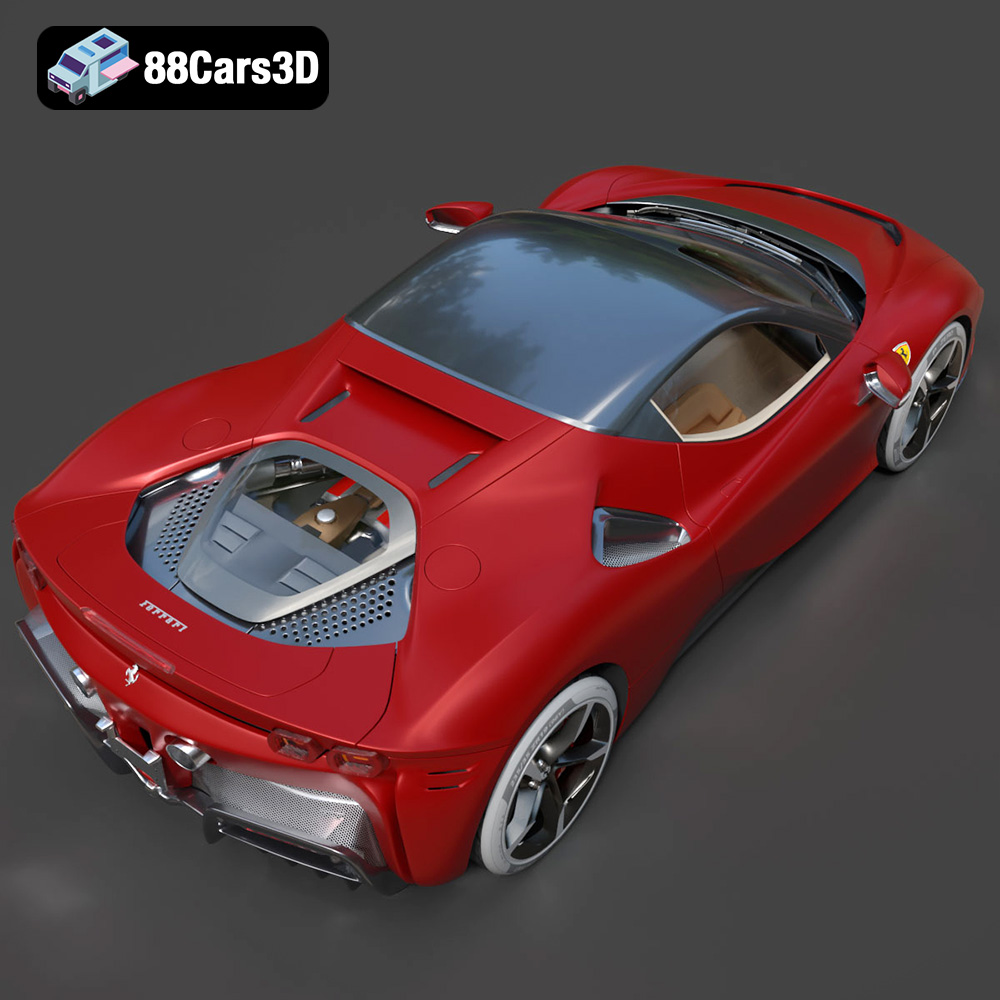
Experience the pinnacle of automotive engineering with our meticulously crafted 3D model of the Ferrari SF90 Stradale. This model embodies the perfect fusion of hypercar performance and cutting-edge technology, capturing every detail of the iconic Italian masterpiece with stunning accuracy.
Our 3D model features clean geometry, ensuring seamless integration into any project. Realistic materials and textures enhance the visual fidelity, delivering a lifelike representation that stands out in any application. Created with professional quality in mind, this model is optimized for a variety of uses, from game development to high-end rendering.
Key Features:
Applications:
Provided File Formats:
$19.99
.arvr
.blend
.car3dmodel
.fbx
.ferrari
.gameasset
.glb
.max
.obj
.ply
.rendering
.sf90
.sf90stradale
.simulation
.sportsCar
.stl
.stradale
.unreal