Get 50% OFF All Premium 3D & STL Models!

In today’s visually-driven world, the demand for high-fidelity 3D assets is insatiable, especially within the automotive industry. From groundbreaking game development to photorealistic architectural visualizations and immersive AR/VR experiences, meticulously crafted 3D car models are the bedrock of compelling digital content. These aren’t just simple geometric shapes; they are complex digital replicas, embodying the essence of real-world vehicles with stunning accuracy and detail.
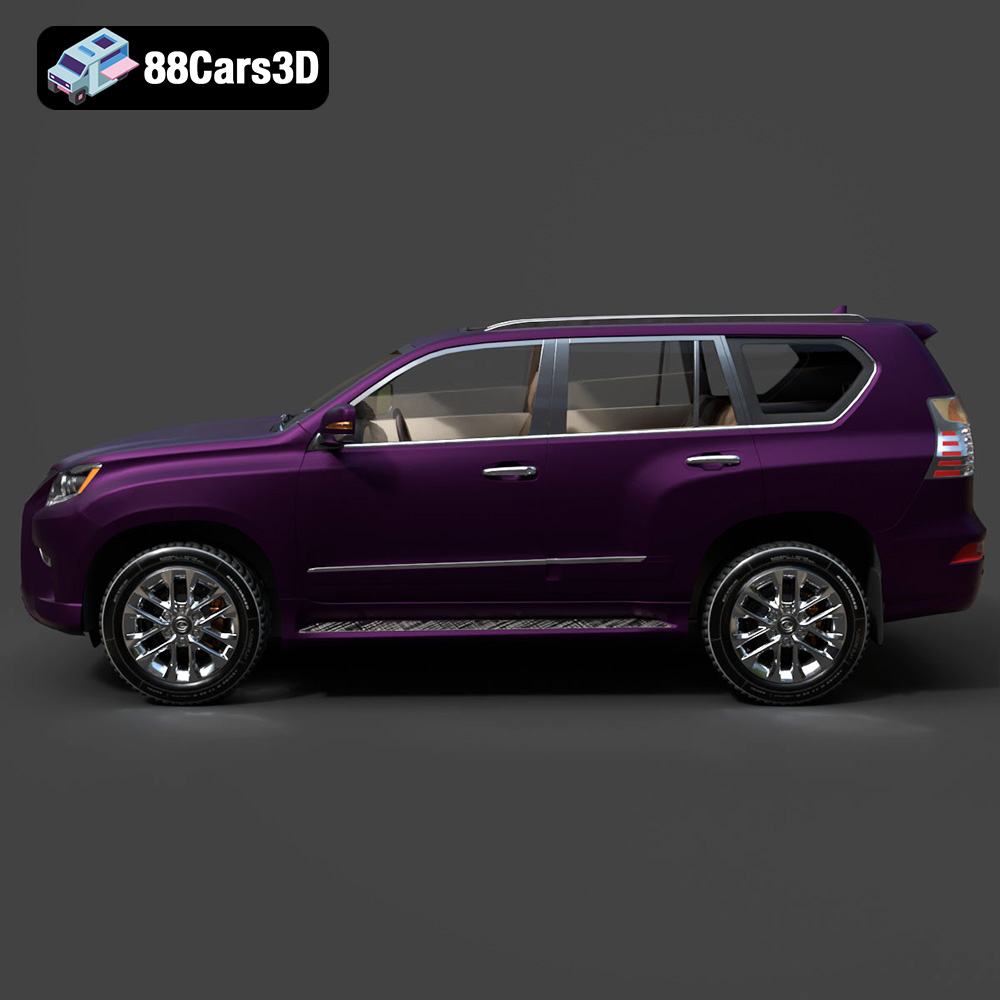
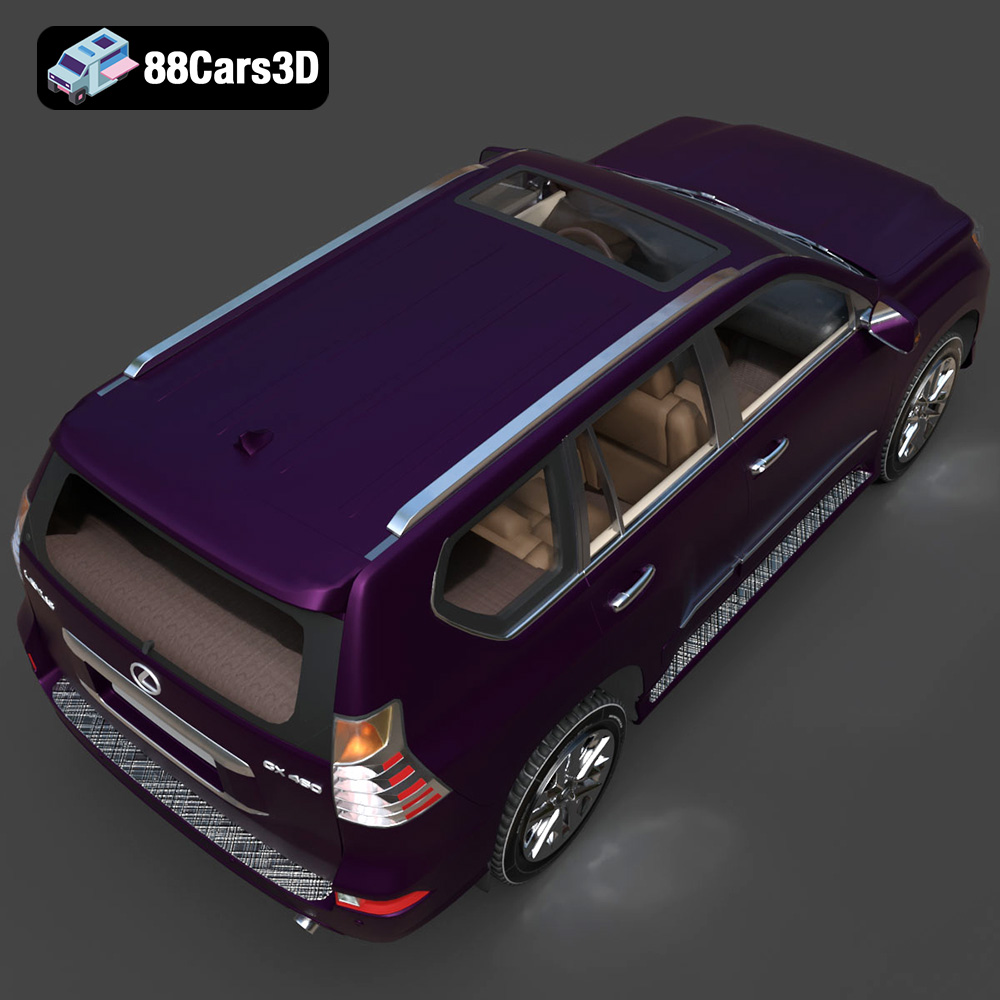
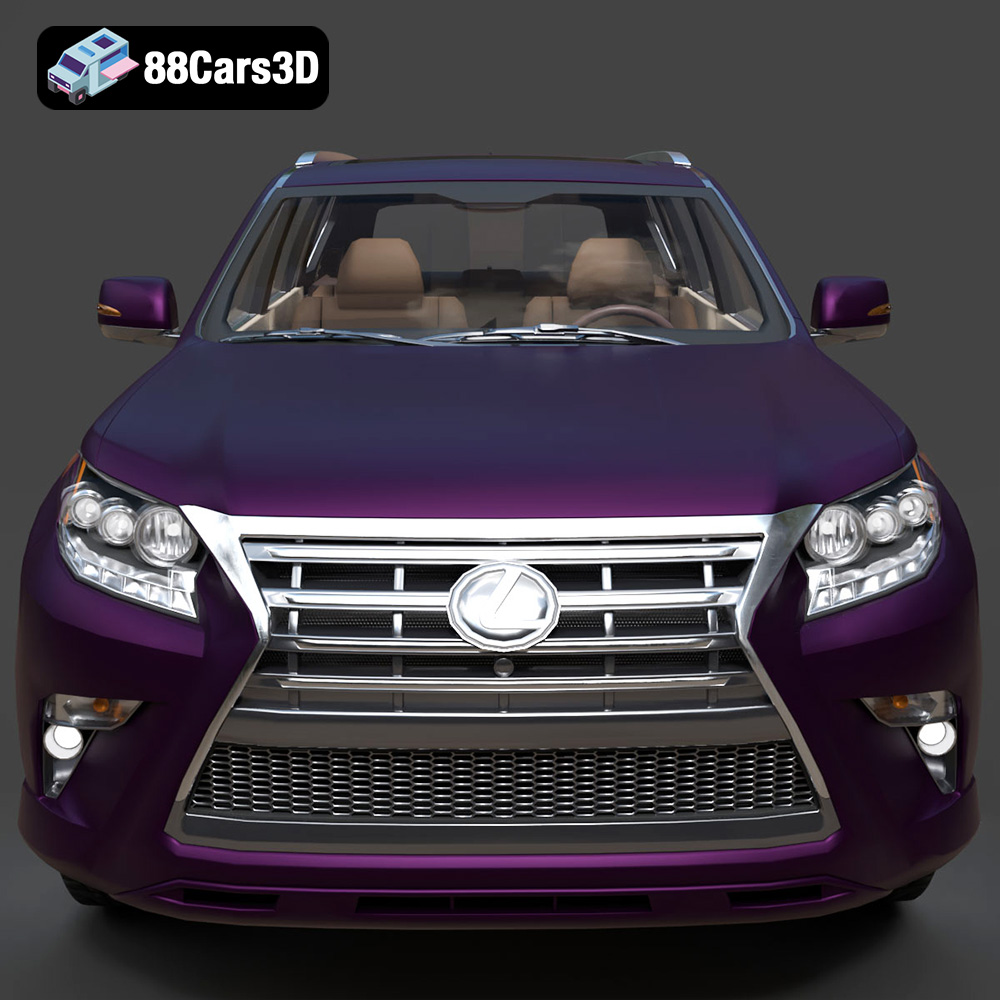
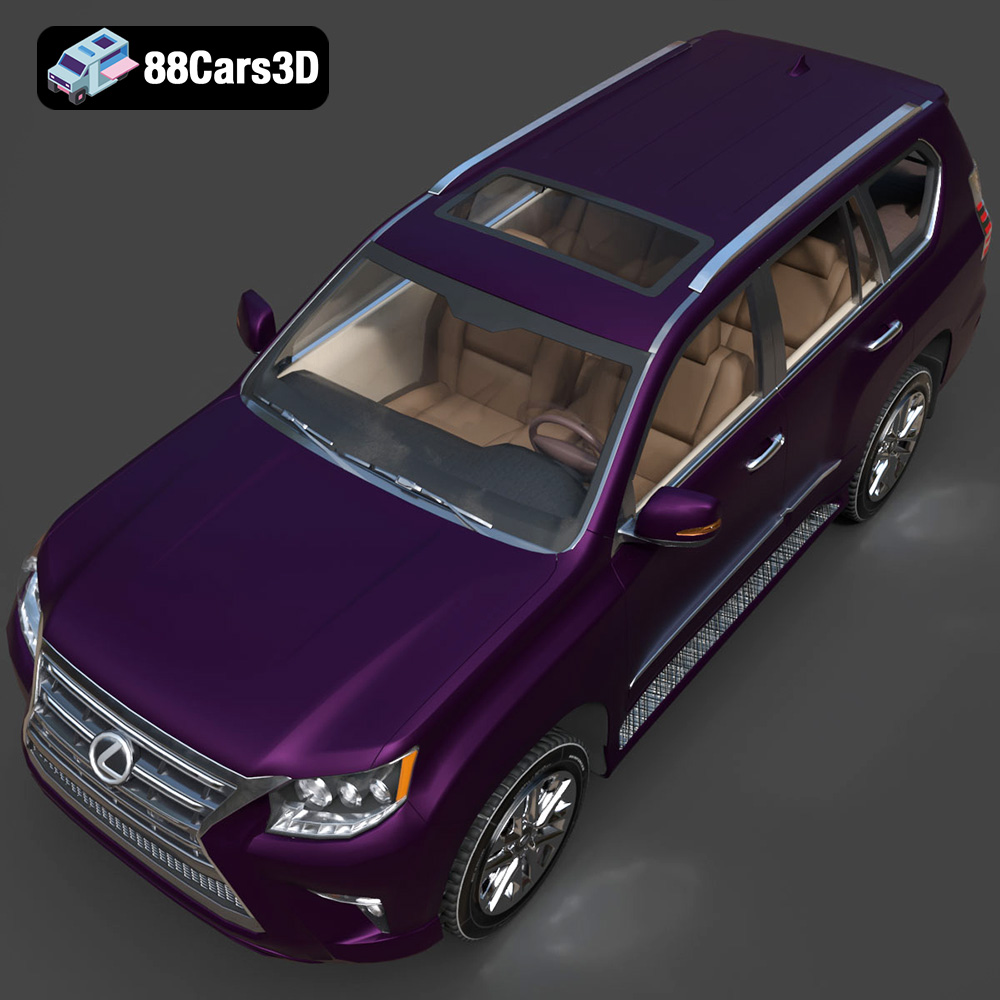
The journey from a physical car to a versatile digital asset involves a blend of artistic skill and technical mastery. It’s about capturing every curve, every reflection, and every material property to ensure the digital representation is indistinguishable from its physical counterpart. This level of dedication is particularly evident in premium assets like the Lexus GX460 2014 3D Model, a stellar example of precision modeling that brings an iconic SUV to life in the digital realm. Such models empower creators across various industries to produce professional-grade visuals and interactive experiences that captivate and engage audiences.
The versatility of a 3D model often hinges on its compatibility across different software and platforms. This compatibility is defined by its file format, each serving specific purposes and offering unique advantages. Understanding these formats is crucial for any professional working with 3D assets, as selecting the right one can streamline workflows and optimize performance. The Lexus GX460 2014 3D Model, for instance, provides a comprehensive suite of formats, ensuring its adaptability for virtually any project.
The .blend format is Blender’s native file type, acting as a complete scene package. When you download a .blend file, you’re not just getting the model; you’re often getting the entire project environment. This includes the mesh, materials (with all their nodes and textures properly linked), lighting setups, cameras, animations, modifiers, and even scene settings. For artists working within Blender, this offers unparalleled flexibility. It allows for immediate editing, tweaking materials, adjusting lighting, or even dissecting the model’s construction to learn professional techniques. This format is ideal for deep customization, extending the life and utility of the base model.
FBX (Filmbox) is an industry-standard format developed by Autodesk, widely adopted for its excellent interoperability, especially in game development and animation. It’s designed to carry a vast array of data, including geometry, materials (with texture references), rigging, skinning, and animations. For real-time engines like Unreal Engine and Unity, .fbx is often the go-to choice due to its robust support for these complex data types, allowing for seamless import of detailed 3D car models like the Lexus GX460, ready for immediate integration into game levels or interactive simulations. It’s a binary format, making it efficient for handling large data sets.
OBJ (or .obj) is one of the oldest and most universally supported 3D file formats. It’s a simple, text-based format primarily used to store geometric data (vertices, normals, texture coordinates, and faces). While it supports material references through an accompanying .mtl file (Material Template Library), it doesn’t embed animations or rigging. Its strength lies in its widespread compatibility; nearly every 3D software package can import and export .obj files. This makes it an excellent choice for basic mesh exchange between different applications, serving as a reliable fallback when more complex formats present issues.
.glb is the binary version of glTF (Graphics Language Transmission Format), designed specifically for efficient transmission and loading of 3D scenes and models by applications. Its “transmission-optimized” nature means it’s highly efficient for web-based 3D, augmented reality (AR), and virtual reality (VR) applications. A single .glb file can contain geometry, textures, animations, and PBR (Physically Based Rendering) materials, all in a self-contained package. This makes it perfect for quickly deploying interactive 3D content on websites or within AR/VR apps, ensuring the Lexus GX460 3D model can be easily viewed and manipulated in these cutting-edge environments.
STL (Stereolithography) is a standard file format for 3D printing and CAD software. It represents a 3D model as a series of connected triangular facets, defining the surface geometry without any color, texture, or material information. Its simplicity makes it universally compatible with 3D printers and slicing software. When a model like the Lexus GX460 is provided in .stl format, it’s prepared for physical realization, allowing designers to rapidly prototype or create physical scale models for tangible product evaluation or display.
PLY (Polygon File Format, or Stanford Triangle Format) is designed for storing 3D data from 3D scanners. It’s capable of storing not only geometry but also properties like color, transparency, normals, texture coordinates, and even reliability information for each vertex or face. While not as universally used as .obj or .fbx for general model exchange, .ply is particularly valuable in scientific, engineering, and CAD applications where precise mesh data and associated properties are critical for analysis, measurement, or high-fidelity reproduction.
While not a traditional open file format like .fbx or .obj, the inclusion of “.unreal” typically signifies an asset that has been specifically prepared and optimized for direct import or even pre-packaged within Unreal Engine project structures. This often means textures are correctly linked, materials are set up using Unreal’s PBR system, LODs (Levels of Detail) might be configured, and collision meshes could be included. This “engine-ready” state significantly reduces the setup time for developers, allowing them to drop the Lexus GX460 2014 3D Model directly into their Unreal projects with minimal fuss, maximizing efficiency for real-time applications.
The .max format is the native file type for Autodesk 3ds Max, a powerful 3D modeling, animation, and rendering software. Similar to .blend, a .max file contains the entire scene data, including geometry, materials, lighting, cameras, animations, and render settings. Providing a model in .max format is invaluable for professionals who primarily use 3ds Max for high-end rendering, architectural visualization, or sophisticated animation projects. It offers full editability and control over every aspect of the scene, enabling seamless integration and customization for tasks ranging from detailed product showcases to complex cinematic sequences.
Creating a premium 3D car model is far more than just extruding polygons. It’s a meticulous process that demands both artistic vision and rigorous technical execution, ensuring the digital asset is not only visually stunning but also functionally robust across diverse applications. The Lexus GX460 2014 3D Model exemplifies this balance, delivering both aesthetic appeal and technical excellence.
The foundation of any high-quality automotive 3D model is precision. This involves studying reference images, blueprints, and even physical vehicles to accurately capture every curve, panel gap, and unique design characteristic. For the Lexus GX460, this means replicating its distinctive grille, the intricate headlight designs, the subtle contours of its body panels, and even the interior elements that convey its luxury status. This level of detail ensures that whether the model is viewed up close in a render or in a game engine, its authenticity remains uncompromised. Precision extends to the scale and proportions, ensuring the digital model mirrors the real-world vehicle exactly.
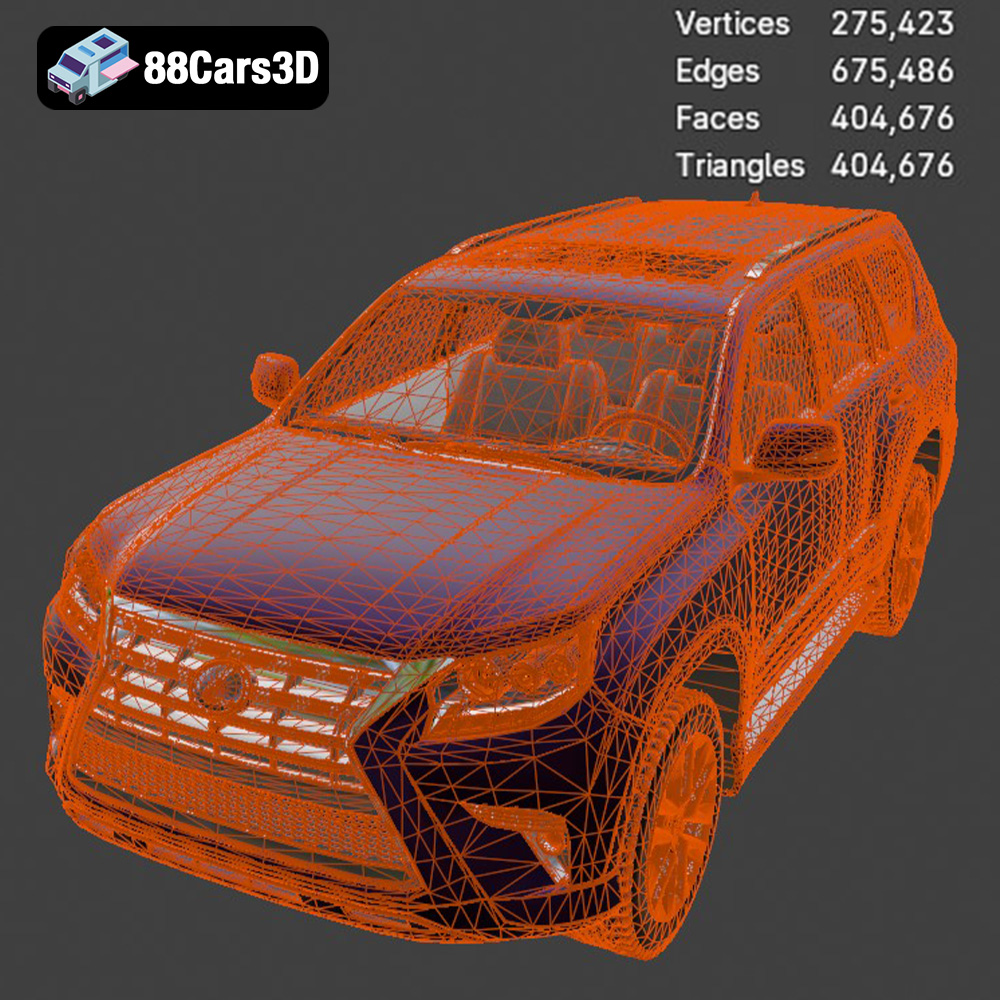
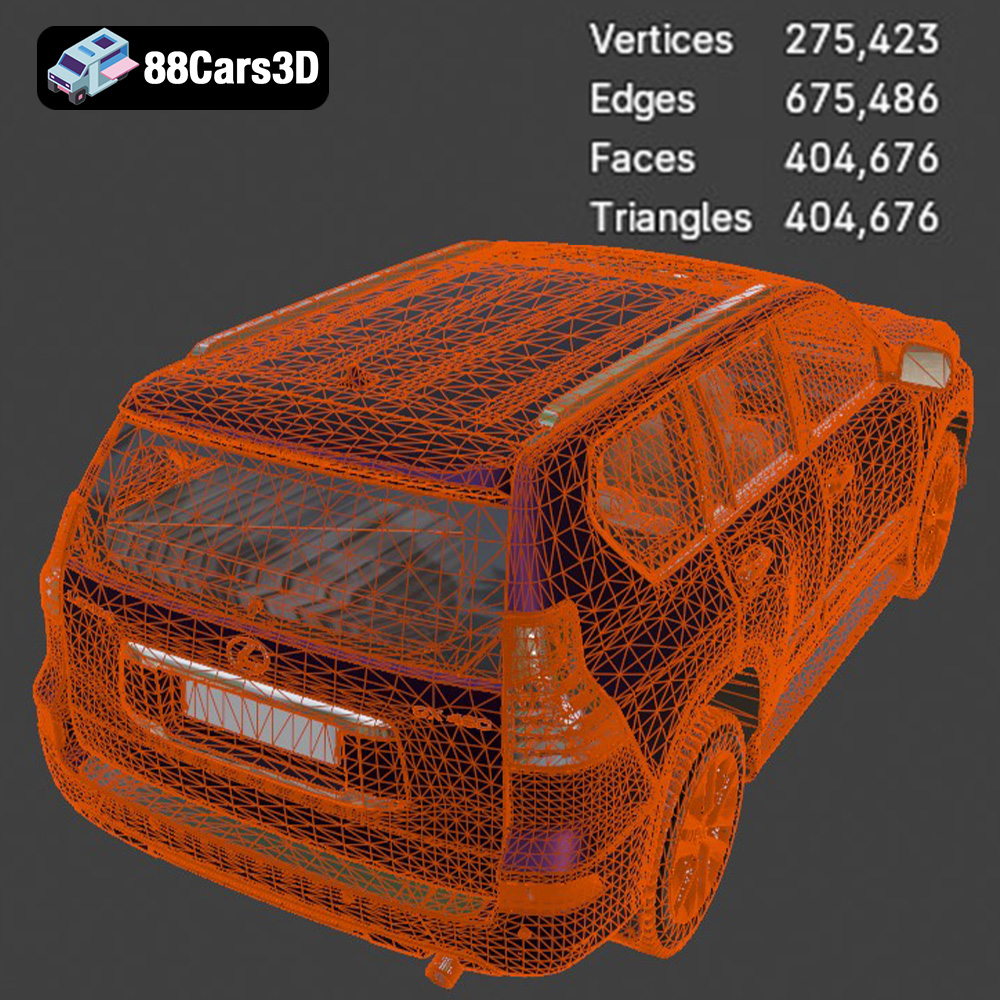
Achieving realism without sacrificing performance is a critical challenge in 3D modeling, especially for game assets or AR/VR applications. This is where optimized geometry comes into play. A professional 3D car model features clean topology, meaning the mesh is constructed with efficient polygon distribution (an optimized polygon count) that allows for smooth deformation if animated, while also being economical enough for real-time rendering. Texturing is equally vital; high-resolution textures, often leveraging UV mapping, meticulously capture surface details like paint reflectivity, tire tread patterns, and interior fabric textures. The Lexus GX460 2014 3D Model boasts this optimized geometry and fully textured surfaces, ensuring it performs optimally across various platforms while looking incredibly realistic.
Modern rendering relies heavily on Physically Based Rendering (PBR) pipelines, which simulate how light interacts with surfaces in the real world. This involves creating materials with accurate albedo (base color), roughness, metallic, normal, and ambient occlusion maps. For an automotive model, PBR is essential for rendering realistic car paint that reflects light subtly, glass that refracts and reflects appropriately, and interior materials that feel tactile and authentic. The integration of realistic materials using PBR principles in models like those from 88cars3d.com ensures that the Lexus GX460 2014 3D Model will render beautifully under various lighting conditions, achieving true photorealism in high-end visualizations.
The true value of a versatile 3D asset lies in its seamless integration into diverse professional production pipelines. The Lexus GX460 2014 3D Model, with its multiple file formats and professional-grade construction, serves as an invaluable component for a wide array of digital projects, from cinematic renders to interactive experiences.
For architectural visualization studios, advertising agencies, or product design firms, photorealism is paramount. Integrating a high-quality 3D car model into a scene can dramatically elevate its visual impact. Imagine the Lexus GX460 parked outside a newly designed luxury residence in an architectural render, or featured prominently in a glossy automotive advertisement. Using the provided .max file, artists can easily import the model into 3ds Max, apply advanced V-Ray or Corona Renderer materials, fine-tune lighting, and position cameras to create stunning, lifelike imagery. The clean geometry and optimized textures ensure that render times are manageable while delivering breathtaking detail and realism, providing an instant focal point for any visualization project.
The gaming industry constantly pushes the boundaries of visual fidelity and interactive realism. Developers require 3D car models that are not only visually accurate but also optimized for real-time performance. The Lexus GX460 2014 3D Model, available in .fbx and specific .unreal formats, is perfectly suited for integration into popular game engines like Unreal Engine and Unity. With pre-configured materials and optimized polygon counts, developers can quickly drop the model into their game worlds, populate urban environments, create driving simulations, or design interactive showrooms. The readiness of these game assets significantly accelerates development cycles, allowing teams to focus on gameplay mechanics and overall user experience.
Augmented Reality (AR), Virtual Reality (VR), and WebGL-based experiences offer new frontiers for showcasing products and engaging users. For these applications, file size and loading efficiency are critical. The Lexus GX460 2014 3D Model’s .glb format is tailor-made for these environments. It allows for a lightweight, self-contained asset that can be seamlessly integrated into AR apps for mobile devices, VR environments for headsets, or interactive 3D viewers directly within a web browser. This enables users to explore the Lexus GX460 in an immersive, interactive way, from viewing it parked in their driveway via AR to taking a virtual tour of its interior in VR, all with minimal latency and high visual quality.
The utility of high-quality 3D car models extends beyond mere visual representation. They serve as foundational assets for complex simulations and even physical prototyping, offering tangible benefits in engineering, training, and design validation.
In fields requiring precision and real-world replication, such as driver training simulators or autonomous vehicle development, accurate 3D models are indispensable. The Lexus GX460 2014 3D Model can be integrated into physics-based simulation environments to mimic real-world driving dynamics. This allows engineers to test vehicle behavior, evaluate sensor performance, or train drivers in a safe, controlled digital environment. The clean geometry and precise scale make it suitable for applying complex physics properties, enabling realistic suspension, tire, and body dynamics. This capability transforms a visual asset into a powerful engineering tool, pushing the boundaries of what’s possible in automotive simulation.
While digital visualization is powerful, sometimes a physical model is necessary for tactile evaluation, client presentations, or creating collectible replicas. The inclusion of the .stl format for the Lexus GX460 2014 3D Model opens up avenues for 3D printing. Designers can take the digital model, scale it to their desired size, and send it to a 3D printer to create a physical prototype. This rapid prototyping capability allows for quick iterations on design ideas, provides a tangible representation for marketing materials, or even enables the creation of detailed scale models for display. It bridges the gap between the virtual design space and the physical world, offering a complete solution for product development and showcase.
Investing in high-quality 3D car models from reputable marketplaces like 88cars3d.com is not just a purchase; it’s a strategic decision that offers significant advantages for any digital production, saving time, enhancing quality, and ensuring consistency.
Creating a high-fidelity 3D car model from scratch is an incredibly time-consuming and resource-intensive endeavor. It requires specialized skills in modeling, UV mapping, texturing, and material creation, often taking hundreds of hours for a single vehicle. By utilizing a professionally crafted, ready-to-use asset like the Lexus GX460 2014 3D Model, studios and individual artists can drastically cut down on production timelines and reallocate valuable resources. This efficiency allows teams to focus on core project objectives, whether it’s developing compelling gameplay, crafting immersive narratives, or refining architectural designs, rather than getting bogged down in foundational asset creation.
The quality of individual assets directly impacts the overall professionalism and visual appeal of a project. Using assets with clean geometry, optimized topology, realistic materials, and accurate proportions ensures a consistent level of quality across all elements of a scene. The Lexus GX460 2014 3D Model exemplifies this commitment to excellence, providing an asset that meets industry standards for visual fidelity and technical robustness. This consistency not only enhances the viewer’s experience but also builds confidence in the project’s overall production value, leaving a lasting impression of quality and attention to detail.
The digital landscape is constantly evolving, demanding increasingly realistic and versatile 3D assets across various industries. From high-octane game development to stunning architectural visualizations, and the burgeoning fields of AR/VR, the need for exceptional 3D car models is clearer than ever. The Lexus GX460 2014 3D Model stands out as a prime example of such an asset, meticulously crafted to meet the rigorous demands of professional production pipelines.
Its comprehensive package of file formats, including .blend, .fbx, .obj, .glb, .stl, .ply, .unreal, and .max, underscores its adaptability for virtually any project. Whether you’re aiming for cinematic automotive rendering, developing an immersive game experience, crafting interactive AR applications, or even prototyping with 3D printing, this model provides the precision, detail, and optimization required for outstanding results. By choosing high-quality pre-made assets like this, available on 88cars3d.com, creators can streamline their workflows, save valuable time and resources, and consistently deliver projects that not only meet but exceed professional standards. Elevate your next digital endeavor with assets that truly drive innovation and visual excellence.
Discover the exceptional realism and precision of the Lexus GX460 2014 3D Model. Crafted with meticulous attention to detail, this digital asset perfectly replicates the powerful stance and luxurious design of the iconic SUV, making it an outstanding addition to your digital library.
Designed for optimal performance, this model features clean geometry, realistic materials, and an optimized polygon count. Every exterior curve and interior element has been modeled to deliver professional quality results. The asset is fully textured and ready for immediate deployment in your chosen software.
Whether you are developing an immersive video game, creating photorealistic architectural visualizations, producing interactive AR/VR experiences, or conducting automotive simulations, this versatile 3D model adapts seamlessly to any demanding production environment.
This comprehensive package includes multiple industry-standard file formats to ensure maximum compatibility:
$19.99
.arvr
.blend
.car3dmodel
.fbx
.gameasset
.glb
.gx460
.lexus
.luxury
.max
.obj
.offroad
.ply
.rendering
.simulation
.stl
.unreal
SUV