Get 50% OFF All Premium 3D & STL Models!

The automotive world has long captivated designers, engineers, and enthusiasts alike. From the sleek lines of a supercar to the imposing presence of a luxury sedan, vehicles represent a fusion of art and advanced engineering. In the digital realm, capturing this essence requires an equally meticulous approach, transforming physical marvels into stunning 3D car models that power everything from blockbuster video games to cutting-edge architectural visualizations and immersive AR/VR experiences.
For professionals seeking the zenith of digital automotive representation, the demand for high-fidelity, game-ready assets is constant. This is where precision-engineered 3D models like the Lexus LS 500 2018 become indispensable. The Lexus LS 500 itself is a masterpiece of Japanese luxury, known for its distinctive spindle grille, elegant coupe-like silhouette, and a driving experience defined by meticulous Takumi craftsmanship. Translating this level of detail into a digital asset is a formidable task, but when done right, it unlocks a universe of creative possibilities, making it a prime example of the caliber of 3D car models available on platforms like 88cars3d.com.
The choice of a 3D model file format is paramount, dictated by the intended application and the software ecosystem. Each format brings its own strengths, whether it’s full editability, universal compatibility, or optimization for specific real-time or visualization pipelines. Understanding these distinctions is crucial for anyone working with 3D car models.
The .blend format is Blender’s native file type. It’s incredibly powerful because it stores everything associated with a Blender project: the 3D geometry, materials (including complex PBR setups), textures, animations, rigging, lighting, cameras, and even scene layouts and scripts. For users deeply integrated into the Blender ecosystem, a .blend file offers maximum flexibility. You can open it and immediately start editing the mesh, adjusting materials, re-posing components, or integrating the model into a larger Blender scene. This makes it ideal for custom modifications or when Blender is the primary DCC (Digital Content Creation) tool for a project, offering an unparalleled level of control and editability.
.fbx (Filmbox) is arguably the most widely adopted interchange format in the 3D industry, particularly favored for game development and animation pipelines. Developed by Autodesk, FBX excels at preserving a broad range of data, including geometry, materials (though often simplified, requiring re-setup in the target application), textures (often embedded or referenced), animations, rigging, and even scene hierarchies. Its robust nature makes it ideal for transferring assets between different software packages like 3ds Max, Maya, Blender, Unity, and Unreal Engine. For real-time applications, FBX is the go-to for exporting game assets due to its efficient handling of animation data and scene structure.
The .obj (Wavefront OBJ) format is a venerable and highly compatible file type, often referred to as a “universal” format. While it primarily focuses on geometry (vertices, normals, UVs, and faces), it can also reference external .mtl (material) files for basic material properties and texture paths. OBJ files are excellent for cross-software compatibility when complex animations or scene hierarchies aren’t required. Its simplicity ensures that almost any 3D software can import and export it reliably. It’s a solid choice for sharing static models or as a fallback when other formats present issues, offering a clean mesh representation.
.glb (GL Transmission Format Binary) is the binary version of glTF, a royalty-free specification for the efficient transmission and loading of 3D scenes and models by applications. GLB bundles the 3D model, textures, and materials into a single, self-contained binary file, making it incredibly efficient for web-based 3D, AR (Augmented Reality), and VR (Virtual Reality) experiences. Its compact size and ease of integration make it perfect for virtual showrooms, online configurators, and mobile AR applications where quick loading and broad browser compatibility are essential.
The .stl (Stereolithography) format is the undisputed standard for 3D printing. It represents the surface geometry of a 3D object using a collection of interconnected triangles, without any color, texture, or material information. For designers looking to transform their digital 3D car models into physical replicas, an STL file is a prerequisite. It’s crucial for slicing software to interpret the model’s geometry and generate print instructions. The Lexus LS 500 2018 3D Model, for instance, can be converted to .stl for high-fidelity physical display models.
.ply (Polygon File Format, or Stanford Triangle Format) is a versatile format for storing 3D data, particularly useful for scanned data, CAD, and scientific applications. It can store a variety of properties including color, transparency, surface normals, and range data, making it more comprehensive than OBJ in some respects. While less common for general game assets, it’s valuable when precision mesh data and additional per-vertex or per-face information are critical, such as in reverse engineering or detailed analysis of 3D forms.
The .unreal format isn’t a standalone file type but rather refers to assets meticulously prepared and often directly exported or packaged for seamless integration into Unreal Engine projects. This implies a workflow where models are optimized, have correct material setups (PBR, instance materials), LODs (Levels of Detail), collision meshes, and sometimes even pre-configured blueprints. When a vendor provides an “.unreal” file, it signifies an asset that has been specifically tailored to leverage Unreal Engine’s features, minimizing import hassles and maximizing performance in real-time environments.
The .max format is the native file type for Autodesk 3ds Max. Similar to .blend, it saves the entire scene, including geometry, materials, textures, lighting, cameras, animations, and modifiers. For professionals working within a 3ds Max pipeline, the .max file provides full access to the original project, allowing for intricate adjustments, re-animation, or integration into complex scenes. It’s the most flexible option for users who require deep customization and leverage 3ds Max for their primary rendering and animation tasks.
Creating a truly exceptional 3D car model is an intricate art form, balancing aesthetic accuracy with technical optimization. The Lexus LS 500 2018 3D Model exemplifies this balance, offering a premium asset for a wide range of professional applications.
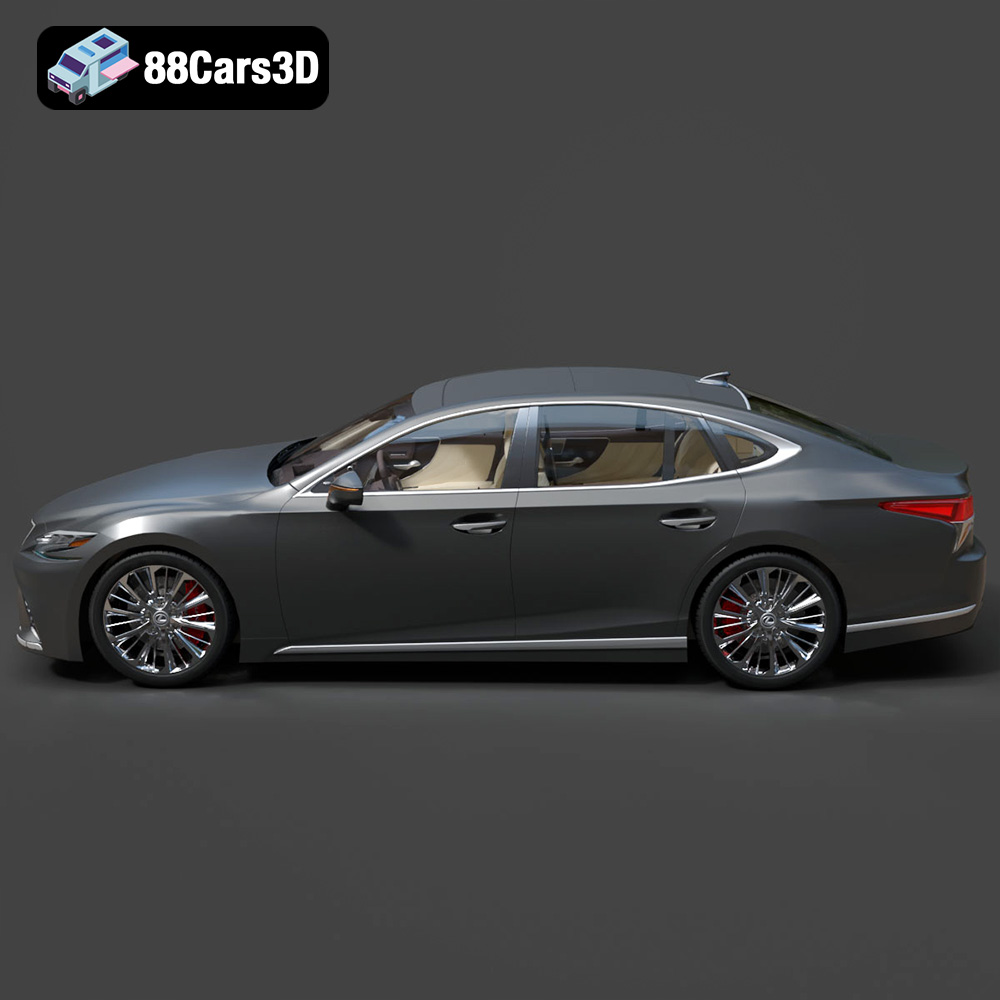
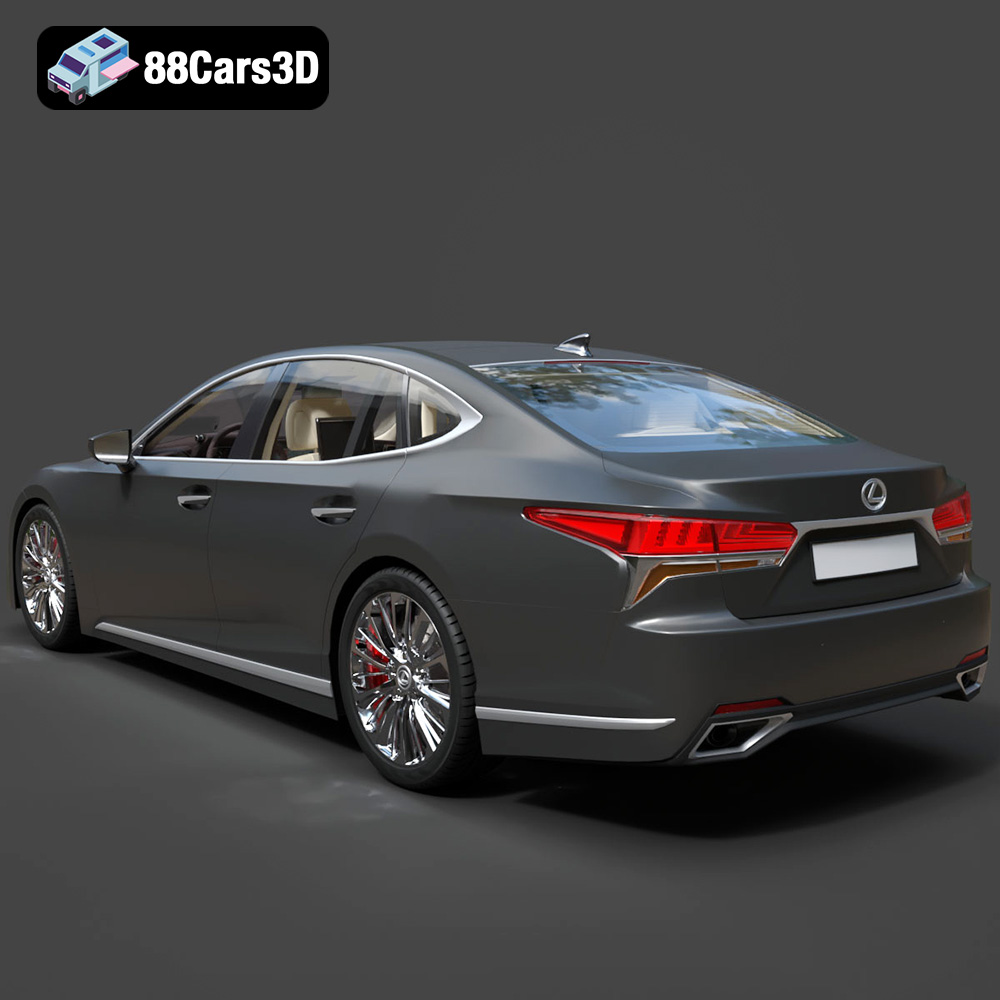
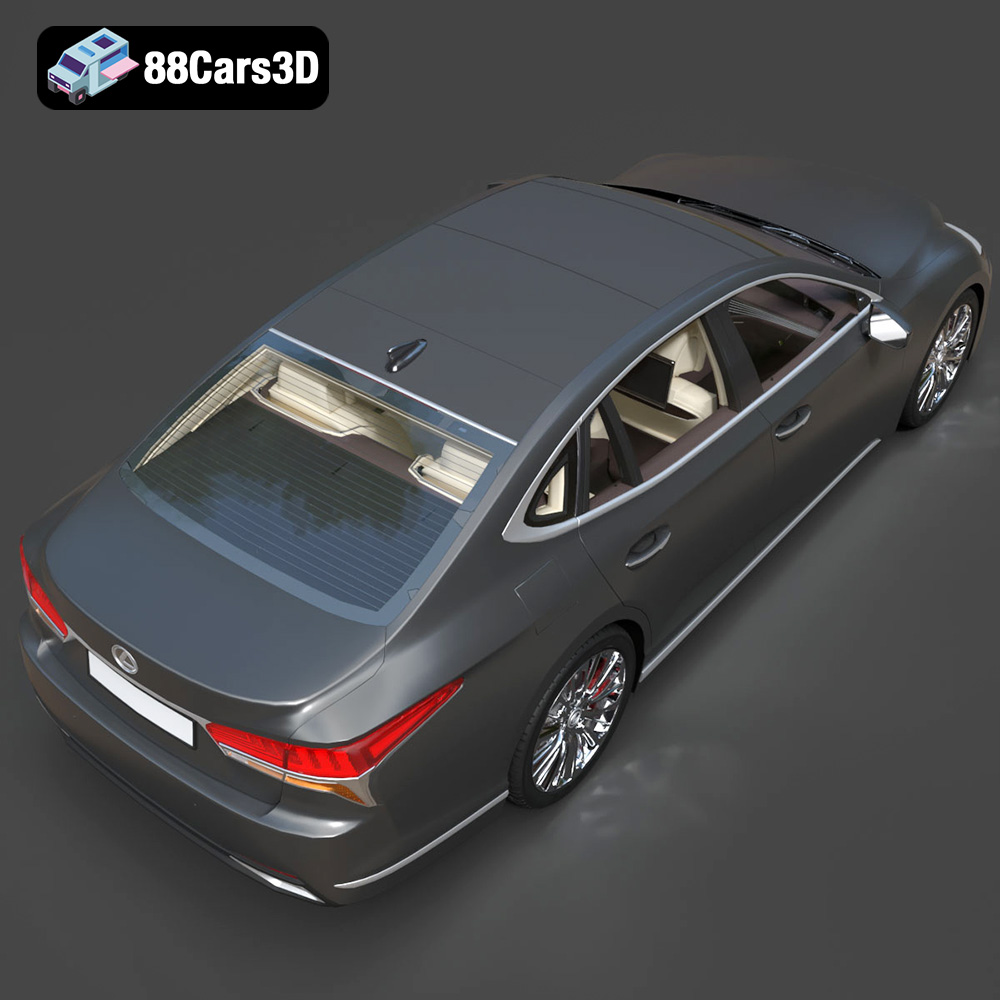
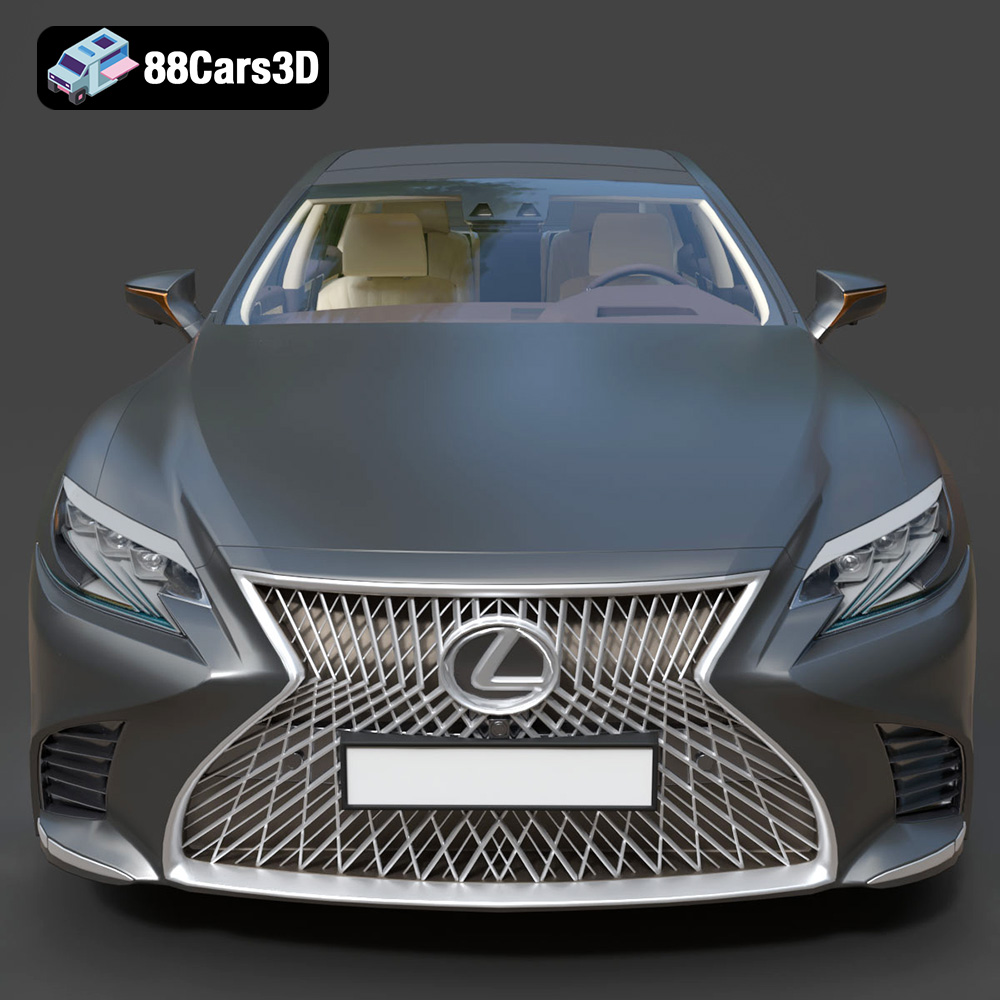
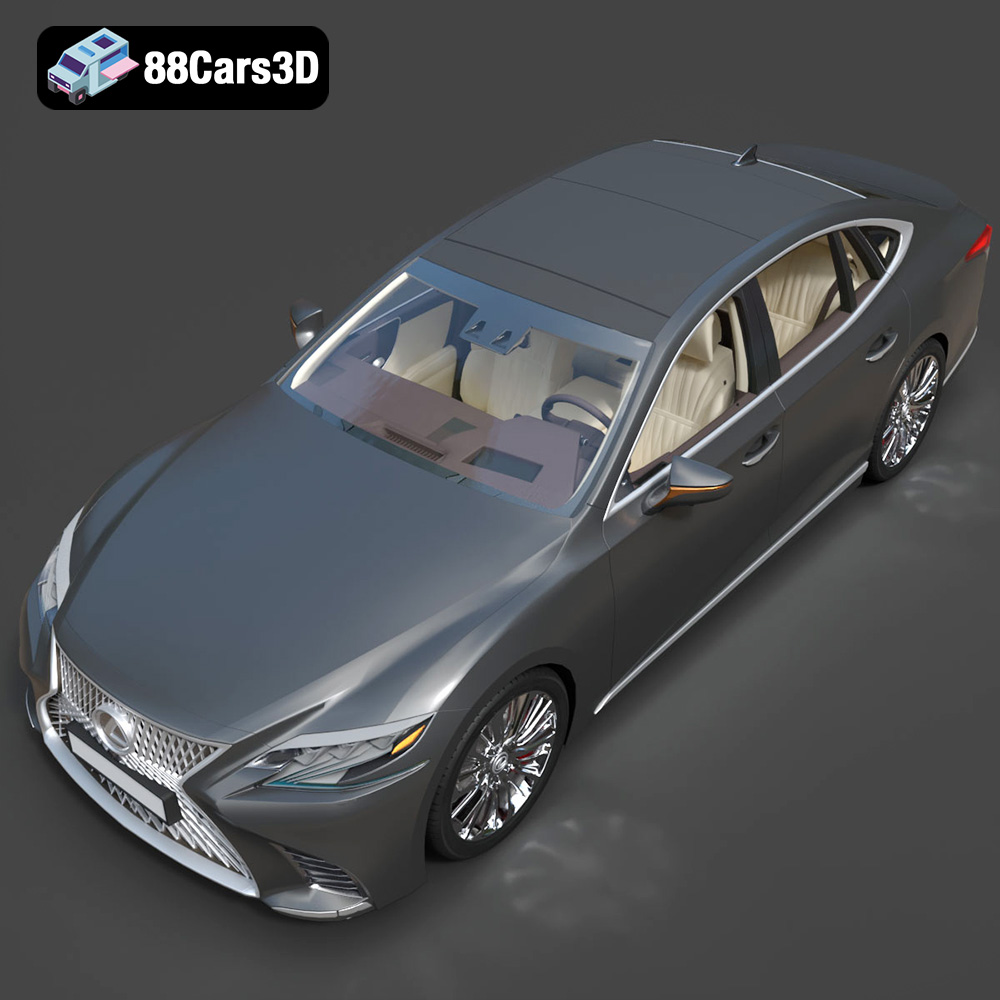
The Lexus LS 500 is not just a car; it’s a statement of refined luxury and aggressive elegance. Replicating this in a 3D model requires an obsessive attention to detail. This particular model captures the striking spindle grille, which is itself a complex piece of automotive sculpture, with intricate mesh geometry faithfully recreated. The elegant coupe-like silhouette, a hallmark of the LS 500’s design, is preserved through accurate frame geometry and flowing lines. Details like the Z-shaped LED headlights, L-shaped taillights with internal projector detailing, and the integrated dual exhaust finishers with chrome accents are meticulously modeled, conveying the vehicle’s dynamic road presence even in a digital environment. These exterior features are critical for automotive rendering, where the smallest discrepancy can break immersion.
Beyond the exterior, the interior of a luxury vehicle like the Lexus LS 500 is a sanctuary of comfort and technology. For applications like AR/VR experiences, virtual showrooms, or even in-game first-person views, a detailed cockpit is non-negotiable. This 3D model doesn’t disappoint, featuring luxurious leather-trimmed seating with intricate quilting and stitching details. The digital instrument cluster and center infotainment display are recreated in high resolution, along with accurately placed center console controls, trackpad, shifter, and pedals. This level of interior fidelity is essential for driving simulations, virtual product configurators, and cinematic architectural renderings where the vehicle’s interior might be a focal point, enabling truly immersive digital experiences for users. Such attention to interior detail sets high-quality 3D car models apart.
A superior 3D car model is only as good as its utility in a professional production pipeline. The Lexus LS 500 2018 3D Model from 88cars3d.com is designed for seamless integration across various demanding workflows, from cinematic rendering to interactive real-time applications.
For high-end automotive rendering, software like Autodesk 3ds Max and Blender are industry staples. The included .max and .blend files for the Lexus LS 500 2018 3D Model provide artists with immediate access to the raw assets, configured for optimal performance and visual fidelity. In 3ds Max, artists can leverage its robust rendering engines like V-Ray or Corona to create photorealistic images and animations. The model’s clean geometry and high-resolution textures mean less time spent on mesh repair and more on creative lighting, material adjustments (like custom metallic or pearl finishes), and camera angles. Similarly, Blender users can utilize Eevee for real-time visualization or Cycles for physically accurate ray-traced renders, taking advantage of the native .blend file’s comprehensive scene data. This flexibility allows for stunning brand campaigns, lifestyle scene creation, and studio lighting setups that truly showcase the vehicle’s luxury.
Game development and interactive AR/VR experiences demand models optimized for real-time performance without compromising visual quality. The Lexus LS 500 2018 3D Model, with its optimized topology of approximately 200,000 triangles, strikes this perfect balance. For Unreal Engine, the .fbx and dedicated .unreal files facilitate a streamlined import process. Developers can quickly set up PBR (Physically Based Rendering) materials, leverage Unreal’s powerful lighting systems, and integrate the model into open-world environments or racing simulations. The model’s real-world scale and proper pivot setup for steering, wheel rotation, and suspension travel are critical for realistic vehicle physics and animation in both Unreal and Unity. This “game-ready” designation ensures that the asset is not just visually appealing but also technically sound for demanding interactive applications.
Imagine a luxury car brand wanting to launch a virtual showroom or an online configurator. A model like the Lexus LS 500 2018 is ideal. Using formats like .glb for web-based AR/VR or .fbx for dedicated applications, designers can create interactive experiences where customers can explore the car in 3D, change body colors, modify tire textures, and adjust material finishes in real-time. The optimized polycount ensures smooth performance on various devices, from high-end VR headsets to mobile phones. This direct application showcases the commercial value of high-quality 3D car models, transforming how consumers interact with products before they even step into a physical dealership.
The versatility of a well-crafted 3D car model extends far beyond static renders, opening doors to dynamic interactive experiences and even physical manifestations.
For game developers, 3D car models are central to creating believable and engaging virtual worlds. The Lexus LS 500 2018 3D Model, with its optimized polycount and game-ready features, is perfect for a variety of genres. In open-world games, it can serve as a detailed traffic vehicle, adding realism to urban environments. For racing titles, its accurate geometry and animatable components (wheels, suspension, steering) allow for dynamic physics and high-fidelity close-ups during gameplay or cinematic sequences. Even in simulators, the detailed cockpit and real-world scale contribute to an authentic driving experience, offering players an unparalleled level of immersion. The inclusion of various file formats ensures compatibility across different game engines, making it a valuable asset for any development studio.
Augmented Reality (AR) and Virtual Reality (VR) are transforming how we interact with digital content, particularly in product showcases and educational tools. A meticulously detailed 3D car model is the backbone of these experiences. The Lexus LS 500 2018 3D Model is perfectly suited for immersive virtual showrooms where users can walk around, inspect, and even virtually “sit inside” the car. For AR, it can be projected into real-world environments, allowing customers to visualize the vehicle in their driveway or office. The .glb format, specifically, is optimized for these browser-based and mobile AR/VR applications, ensuring efficient loading and smooth interaction, making it an excellent tool for marketing, sales, and training.
The journey of a 3D model doesn’t always end on a screen. For enthusiasts, collectors, or even automotive designers prototyping new concepts, 3D printing offers the ability to bring digital models into the physical world. The Lexus LS 500 2018 3D Model is convertible to the .stl format, making it suitable for 3D printing. While some details like very thin meshes might require minor adjustments for printability, the clean geometry provides an excellent foundation. Recommended scales (1:12, 1:18, 1:24) cater to hobbyists and professional model makers. Emphasizing resin printing for fine details and providing specific settings for layer height, wall thickness, infill, and supports guides users through the process of creating a high-quality physical replica, complete with post-processing for authentic factory colors and metallic finishes.
The true value of a professional 3D car model lies in its underlying technical specifications, which dictate both its visual fidelity and its performance across diverse platforms.
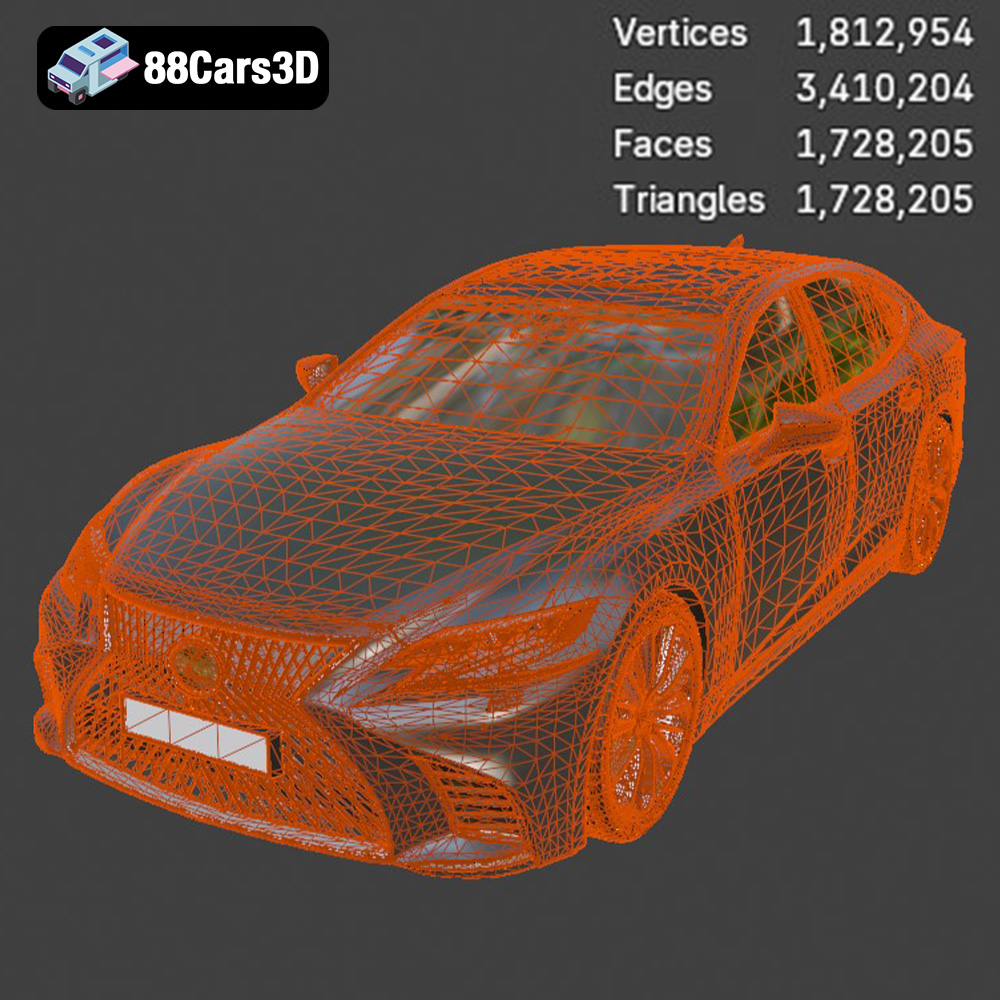
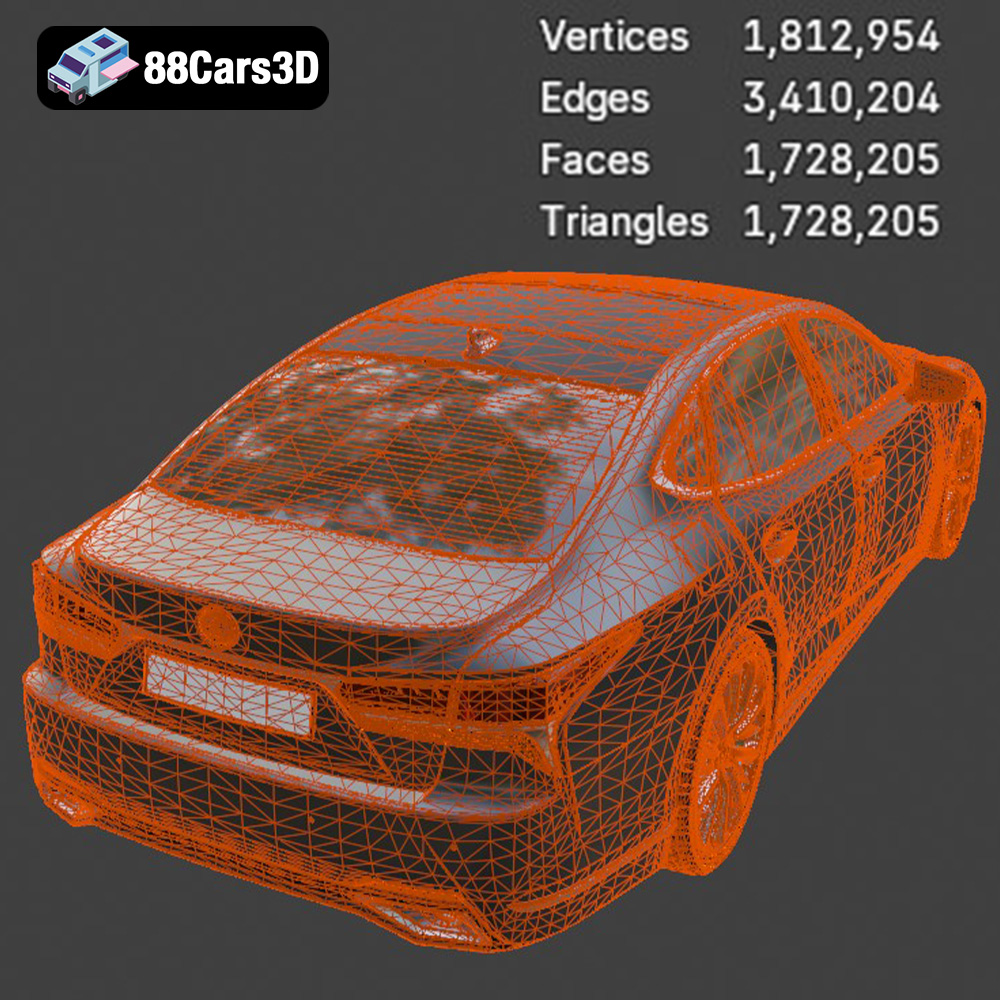
The Lexus LS 500 2018 3D Model boasts an optimized topology with approximately 200,000 triangles. This specific polycount is a critical balancing act. For real-time engines like Unreal and Unity, an excessively high polycount can cripple performance, leading to low frame rates. Conversely, too few polygons result in blocky, unrealistic models. 200,000 triangles hits a sweet spot, allowing for high-end visual realism – capturing the intricate curves and sharp edges of the LS 500 – while remaining perfectly suitable for real-time applications. This optimization means less processing power is needed per frame, freeing up resources for other demanding game elements or higher frame rates in VR. Clean geometry, free from n-gons or non-manifold edges, further ensures stability and ease of modification in any 3D software.
Photorealistic rendering in modern pipelines relies heavily on Physically Based Rendering (PBR) materials. This model is designed with PBR workflows in mind, implying carefully crafted normal maps, roughness maps, metallic maps, and diffuse textures that accurately simulate how light interacts with different surfaces of the car. The high-resolution textures ensure that even up close, details like paint flake, tire tread, leather grain, and interior stitching remain crisp and believable. The ability to customize material finishes (matte, gloss, metallic, chrome) further enhances its utility, allowing artists to match specific production requirements or creative visions, from a showroom-pristine finish to a weathered road veteran look.
Beyond static representation, dynamic interaction is key for many applications. This 3D model comes with separate wheels, doors, suspension, and steering components, each with properly set pivots. This is essential for animation. For a racing game, realistic wheel rotation, independent suspension travel, and accurate steering input are vital. For an architectural visualization, animating the opening of doors or the turning of wheels adds a layer of realism and interactivity. The inclusion of customization options, such as changing body colors or adapting lighting, means that the model can be tailored to fit virtually any scenario, making it a highly adaptable asset for professionals needing dynamic and interactive 3D car models.
The landscape of automotive design, marketing, and entertainment is rapidly evolving, driven by advancements in 3D technology. High-quality digital assets like the Lexus LS 500 2018 3D Model are at the forefront of this transformation.
In the automotive industry, the speed of design iteration is crucial. Having highly accurate 3D models of existing vehicles or design concepts allows engineers and designers to rapidly test new ideas, simulate performance, and visualize changes without the need for expensive physical prototypes. These digital twins can be integrated into virtual reality environments for collaborative design reviews, enabling teams to identify potential issues and refine aesthetics much earlier in the development cycle. This significantly reduces costs and time-to-market, streamlining the entire design and manufacturing process.
The power of interactive 3D content in marketing and sales cannot be overstated. Beyond traditional static images and videos, 3D car models enable immersive product configurators, augmented reality ads, and virtual showrooms that offer unparalleled customer engagement. Prospective buyers can explore every detail of a vehicle, customize it to their exact specifications, and even visualize it in their own driveway, all from the comfort of their home. This not only enhances the customer experience but also provides valuable data on preferences and trends, informing future product development and sales strategies. The Lexus LS 500 2018 3D Model perfectly exemplifies the type of asset needed to drive these innovative marketing initiatives.
In the entertainment sector, high-fidelity 3D car models are essential for creating the realistic vehicles found in modern video games, cinematic productions, and immersive simulations. The demand for visually stunning and technically optimized game assets continues to grow. Beyond entertainment, these models are increasingly used in educational and training simulations, teaching driving skills, vehicle mechanics, or even emergency response procedures in a safe, virtual environment. The versatility and technical excellence of 3D car models like those found on 88cars3d.com are therefore not just a luxury but a necessity for pushing the boundaries of what’s possible in digital content creation.
The digital age has ushered in an era where the fidelity and versatility of 3D assets are paramount for success across a myriad of industries. From captivating automotive rendering to immersive game assets and innovative AR/VR experiences, the foundational element remains a meticulously crafted 3D model. The Lexus LS 500 2018 3D Model stands as a testament to this commitment to excellence, offering unparalleled detail, optimized performance, and broad compatibility across professional workflows.
Whether you’re an automotive visualization artist striving for photorealistic renders, a game developer building the next open-world hit, or an AR/VR innovator designing an interactive showroom, this model provides the technical sophistication and visual accuracy required to elevate your projects. With its game-ready topology, comprehensive file format support, and intricate detailing, it’s more than just a model; it’s a versatile tool designed to meet the rigorous demands of modern digital production. Explore this and other premium 3D car models at 88cars3d.com, and unlock the full potential of your creative vision.
The 2018 Lexus LS 500 is the pinnacle of Japanese luxury, featuring a striking spindle grille, elegant coupe-like silhouette, and a powerful twin-turbo V6 engine. Known for its meticulous Takumi craftsmanship, whisper-quiet ride, and aggressive yet refined styling, the LS 500 represents the intersection of executive comfort and cutting-edge automotive design. From its complex front fascia to the dual exhaust outlets, every curve is captured to convey its dynamic road presence.
This highly detailed, game-ready 3D model boasts optimized topology (approximately 200,000 triangles), ensuring top-tier visual fidelity without sacrificing real-time performance. Designed with clean geometry and high-resolution textures, it delivers photorealistic results ideal for modern game development, immersive AR/VR experiences, high-end animation, and architectural visualization.
Perfect for luxury car configurators, urban open-world games, cinematic architectural renderings, and high-end brand showcases.
.blend, .fbx, .obj, .glb, .stl, .ply, .unreal, .max
Tags:
lexus, ls-500, 2018, luxury-sedan, executive-car, game-ready, low-poly, optimized, car-3d-model, game-asset, rendering, vr-ar, blend, fbx, obj, glb, stl, ply, unreal, maxBMW 328 Mille Miglia Touring Coupe 3D Model 3D Printable STL
$19.99
.2018
.blend
.fbx
.glb
.lexus
.max
.obj
.ply
.rendering
.stl
.unreal
car-3d-model
executive-car
game asset
game-ready
low-poly
ls-500
luxury-sedan
optimized
VR/AR