Get 50% OFF All Premium 3D & STL Models!

In the dynamic world of 3D design and visualization, the demand for high-quality, production-ready assets is ceaseless. From the gritty realism of next-generation video games to the polished perfection of architectural renders and immersive virtual experiences, the foundation of any compelling visual project lies in its foundational models. Automotive design, in particular, requires an unparalleled level of precision and detail, where every curve, seam, and material choice can make or break the illusion of reality. This is where meticulously crafted 3D car models become indispensable, empowering artists and developers to bring their visions to life with efficiency and fidelity.
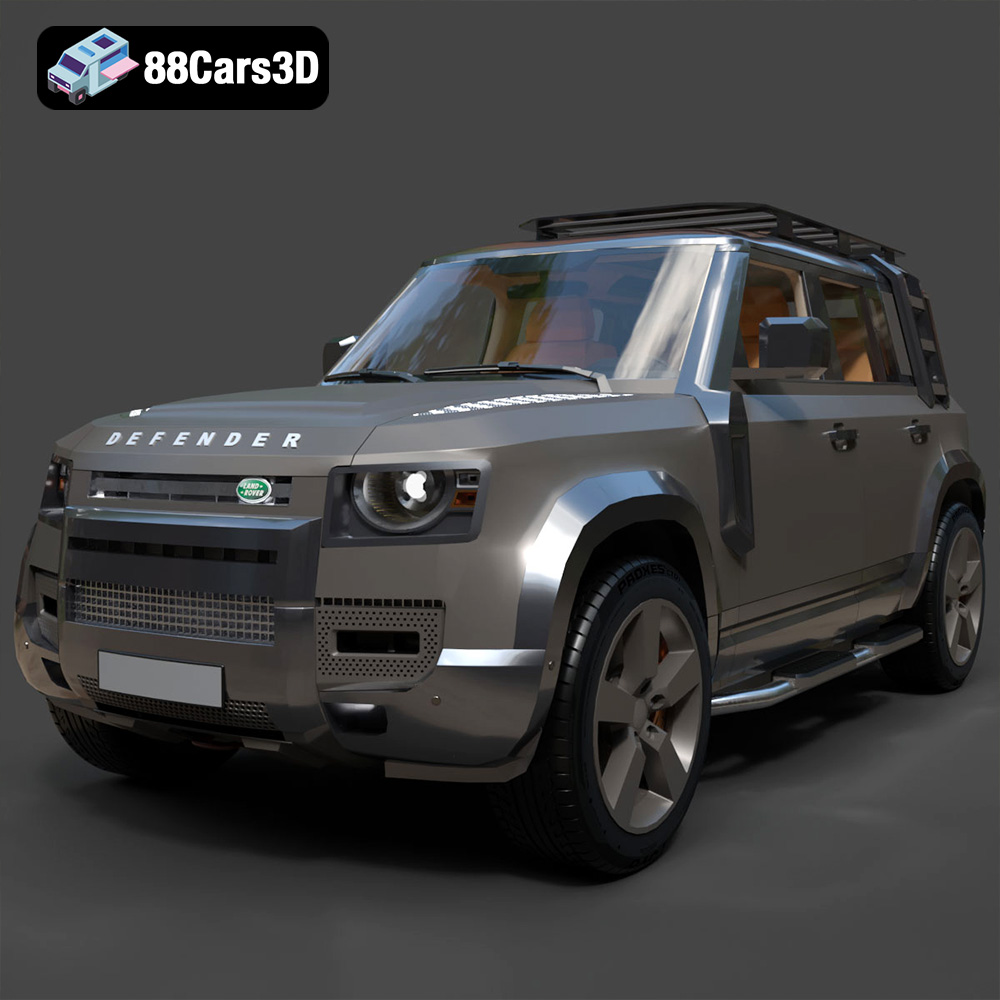
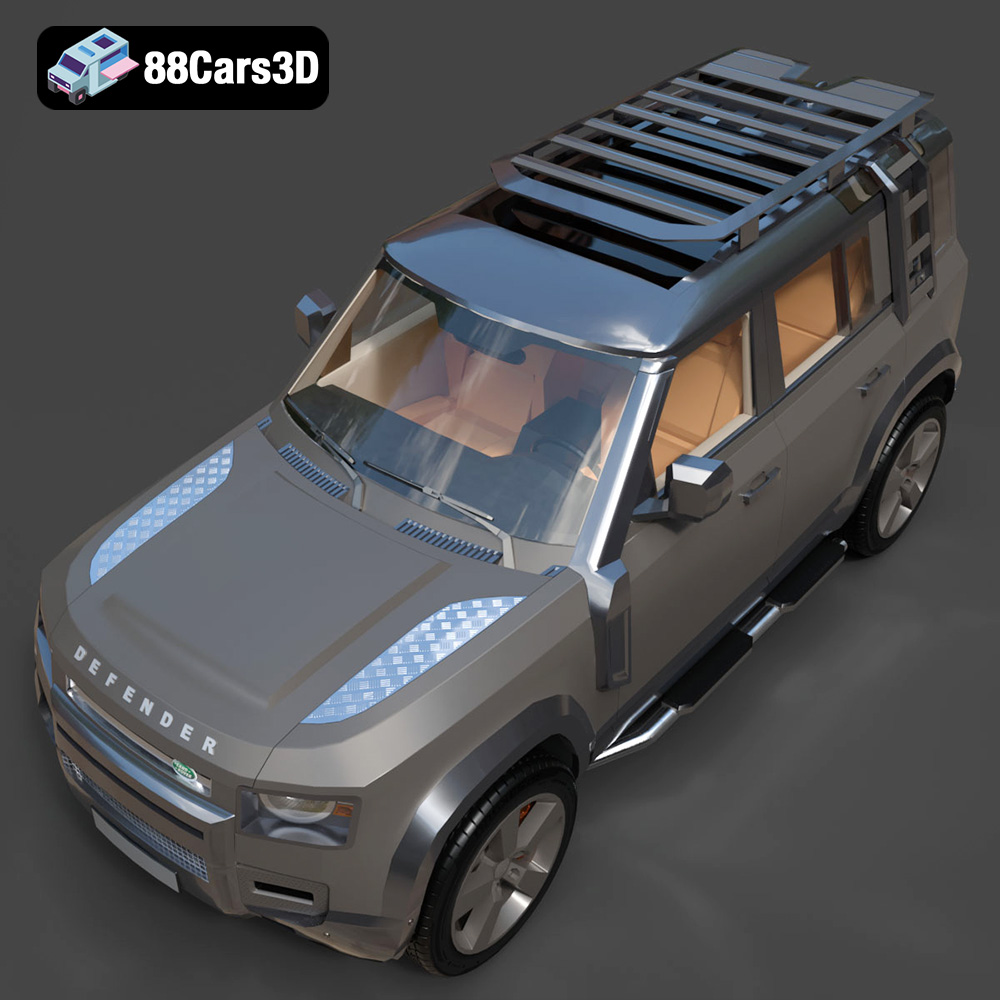
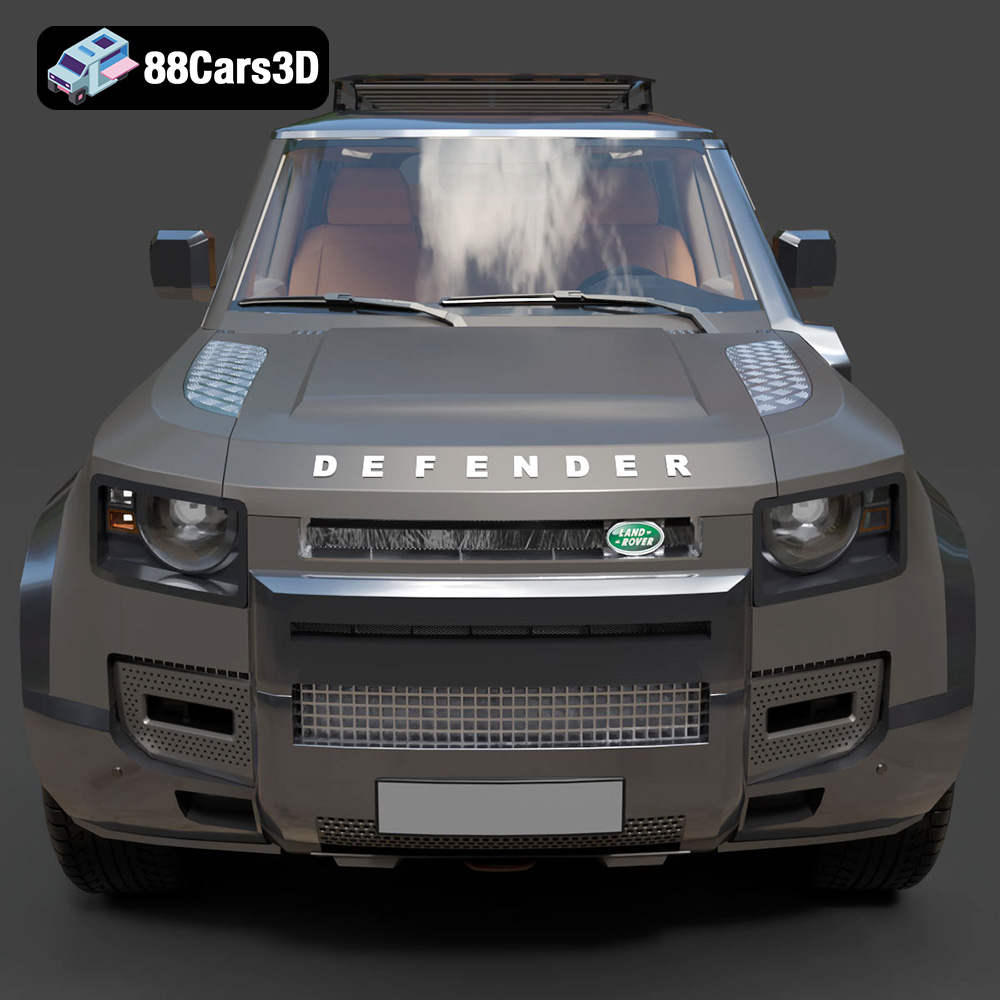
Among the most iconic vehicles, the Land Rover Defender stands as a symbol of rugged capability and timeless design. Its distinctive silhouette and adventurous spirit make it a prime candidate for any project requiring a blend of utility and aesthetic appeal. Today, we’ll delve into how a premium asset like the Land Rover Defender EXPLORER PACK-001 3D Model from 88cars3d.com can revolutionize various professional workflows, from game development and cinematic rendering to AR/VR experiences and even 3D printing. This model isn’t just an object; it’s a versatile toolkit, offering clean geometry, high-resolution textures, and a suite of formats designed to slot seamlessly into virtually any production pipeline.
The journey of a vehicle, from an initial sketch to a finished production model, is a complex dance of engineering and artistry. In the digital realm, automotive rendering and 3D modeling have similarly evolved, moving from rudimentary polygon structures to hyper-realistic simulations indistinguishable from photographs. This evolution is driven by advancements in software, hardware, and the ever-increasing expectations of audiences.
Historically, automotive design relied heavily on physical clay models and engineering blueprints. The advent of CAD (Computer-Aided Design) software revolutionized this by allowing designers to create precise digital models, primarily for manufacturing purposes. However, these early CAD models often lacked the visual fidelity required for marketing or entertainment. The gap between engineering precision and visual appeal was vast. Modern 3D car models bridge this gap, integrating the accuracy of CAD with the artistic freedom needed for stunning visualizations. A model like the Land Rover Defender EXPLORER PACK-001 is a testament to this convergence, offering both structural integrity and visual richness.
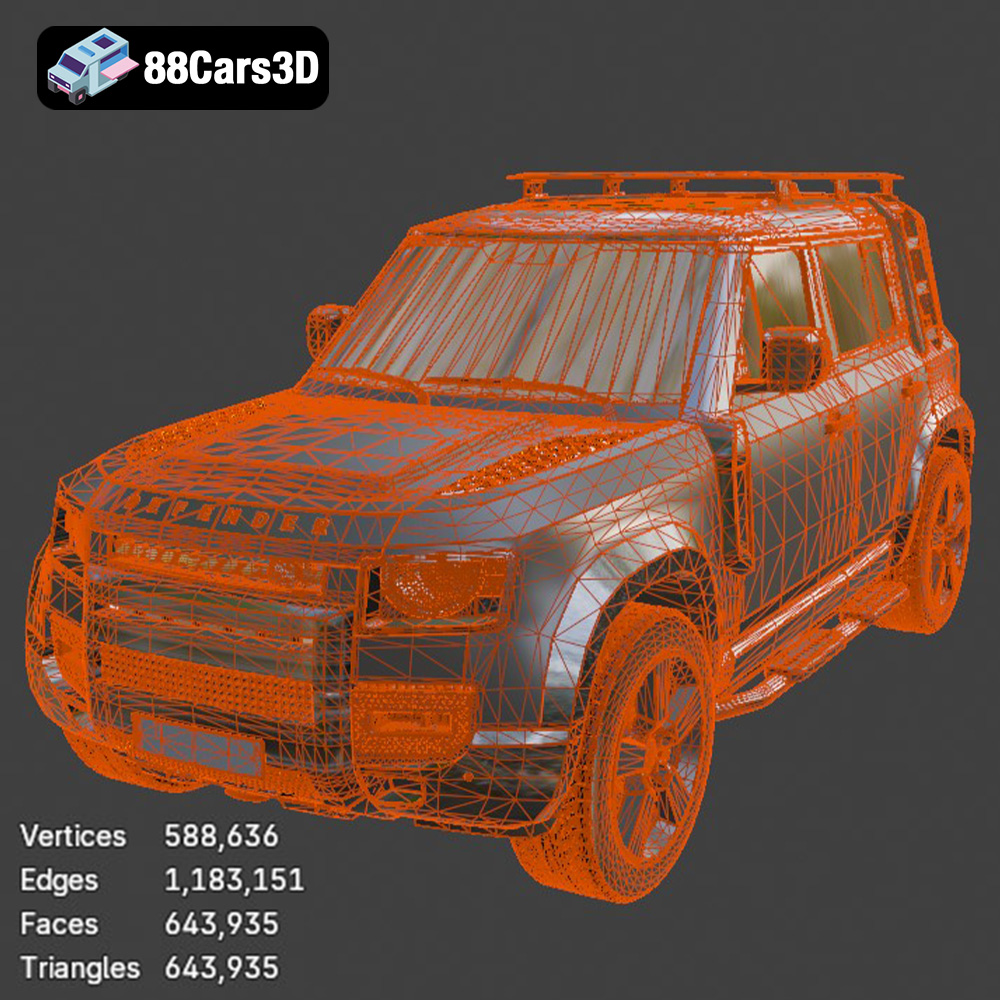
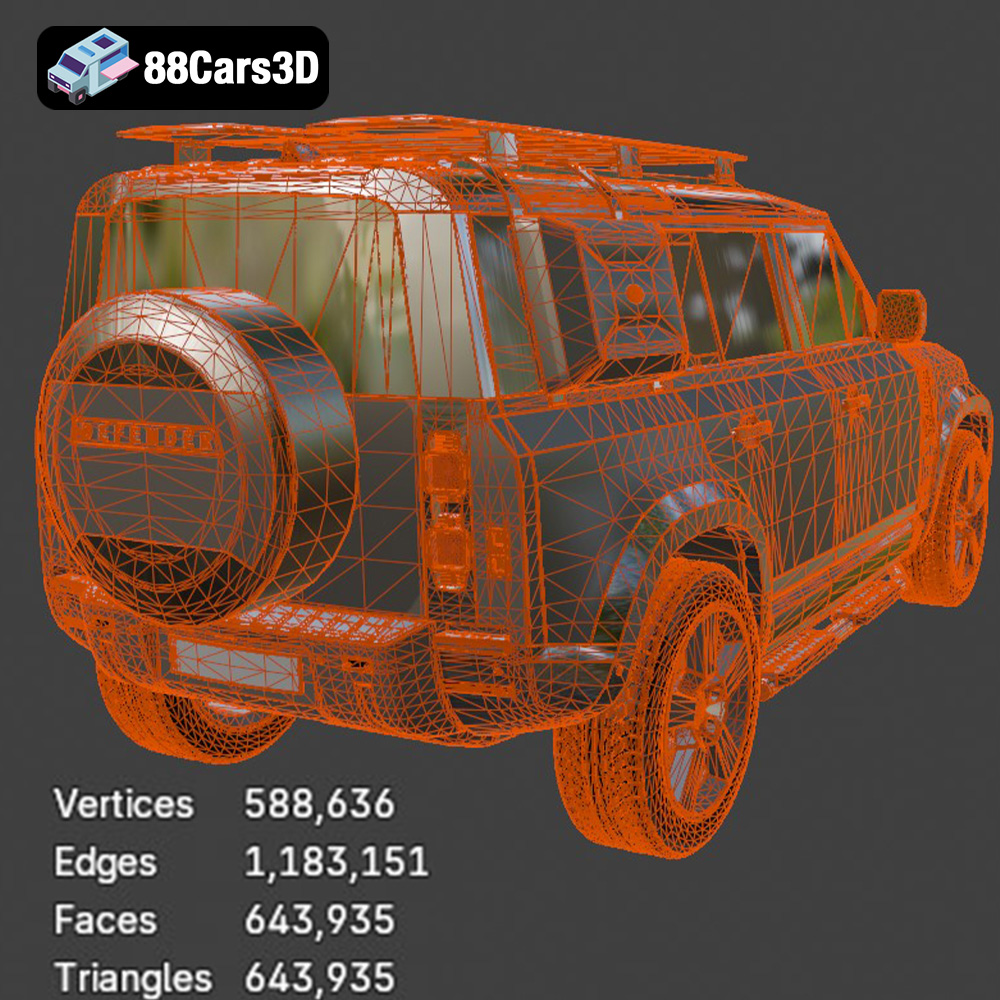
For any 3D asset, especially a vehicle, detail is paramount. Clean geometry, characterized by optimized polygon counts and well-structured topology, ensures smooth deformations during animation and efficient rendering. It also makes the model easier to modify or adapt. High-resolution textures, on the other hand, provide the surface realism – the subtle imperfections of paint, the intricate patterns of tire treads, or the material variations of the interior. The Land Rover Defender EXPLORER PACK-001 3D Model exemplifies this commitment to detail, featuring meticulously crafted surfaces and materials that stand up to close-up scrutiny, making it an ideal game asset or rendering centerpiece.
One of the critical aspects that defines the versatility and utility of any 3D model is the range of file formats it supports. Different formats serve different purposes, offering specific advantages for various software, engines, and applications. The Land Rover Defender EXPLORER PACK-001 3D Model provides a comprehensive suite of formats, ensuring maximum compatibility and flexibility for professionals across the industry. Understanding when and why to use each format is crucial for an efficient workflow.
The .blend format is native to Blender, one of the most popular open-source 3D creation suites. When you acquire a .blend file, you’re getting a fully editable Blender scene. This typically includes the 3D model, its materials, textures, a lighting setup, and often a camera configuration. For artists primarily working in Blender, this is the most direct and convenient format. It allows for immediate modification, animation, and rendering within the Blender environment without any import/export issues or loss of data fidelity. For the Land Rover Defender EXPLORER PACK-001, the .blend file means you can instantly dive into customizing the vehicle, setting up custom renders, or integrating it into larger Blender projects with all its material definitions intact.
The .fbx (Filmbox) format is an industry-standard proprietary file format developed by Autodesk, widely used for exchanging 3D data between different software applications. It excels at carrying not just mesh data, but also animation, rigging, textures, and material information. For game development, .fbx is often the go-to choice due to its robust support in game engines like Unreal Engine and Unity. Its optimized structure makes it excellent for real-time applications where performance is key. The .fbx version of the Land Rover Defender is “game-engine ready,” meaning it’s likely optimized for polygon count, has proper UV mapping, and potentially includes basic material assignments that translate well into engine pipelines, making it an invaluable game asset.
The .obj (Wavefront OBJ) format is one of the most widely supported and universal 3D file formats. It’s a simple, human-readable text file that stores geometric data, including vertices, normals, UV coordinates, and faces. While it doesn’t typically store animation or advanced material properties within the file itself (it often relies on an accompanying .mtl file for basic material definitions), its ubiquitous compatibility makes it a safe bet for cross-software workflows. If you need to import the Land Rover Defender into a less common 3D application or convert it to another format, .obj is an excellent intermediate choice, ensuring that the core mesh data is preserved.
The .glb (GL Transmission Format Binary) format is a relatively newer standard, rapidly gaining traction for web-based 3D, augmented reality (AR), and virtual reality (VR) applications. It’s an optimized, self-contained format that bundles 3D models, textures, animations, and PBR (Physically Based Rendering) materials into a single file. This makes it incredibly efficient for streaming and displaying 3D content directly in browsers or mobile AR/VR environments. The .glb version of the Land Rover Defender is specifically “optimized for AR/VR and web-based visualization,” meaning it’s likely carefully prepared for real-time performance on constrained hardware, making it perfect for interactive web experiences or mobile AR apps.
The .stl (Stereolithography) format is the de facto standard for 3D printing. It represents a 3D model as a series of connected triangles, essentially describing the surface geometry without color, texture, or other properties. While it’s not suitable for rendering or animation, its simplicity makes it ideal for additive manufacturing. If you plan to create a physical prototype or a scale model of the Land Rover Defender, the .stl file is what your 3D printer will understand. The inclusion of this format highlights the versatility of the model for both digital and physical applications, offering another dimension to its use cases.
The .ply (Polygon File Format) is another popular format for storing 3D data, particularly scan data and models with complex geometry. It can store a wider range of properties than .obj, including color, transparency, and sometimes even normal vectors per vertex or face. It’s often used in academic research, 3D scanning, and CAD/CAM applications where precise geometrical representation is crucial. The “detailed polygon mesh” aspect of the .ply file for the Land Rover Defender suggests it’s a robust representation suitable for detailed analysis, measurement, or highly specific CAD integrations, offering a level of precision beyond standard rendering needs.
The .unreal designation implies a file that has been specifically prepared and potentially packaged for direct import or even existing within an Unreal Engine project. This could mean it’s not just an .fbx, but perhaps an asset pack with specific material instances, blueprints, or even level elements pre-configured for the engine. For users working in Unreal Engine, this offers significant time savings, as the model is “pre-configured for Unreal Engine use,” minimizing the setup time for materials, collisions, and other engine-specific properties. This makes the Land Rover Defender an immediate plug-and-play solution for developing interactive experiences or high-fidelity real-time renders within Unreal.
The .max format is the native file format for Autodesk 3ds Max, a powerful 3D modeling, animation, rendering, and compositing software. Similar to the .blend file for Blender, the .max file provides a fully editable project scene within 3ds Max. This includes the model, materials, textures, lighting, and camera setups. For professionals who rely on 3ds Max for architectural visualization, product rendering, or high-end animation, the .max file is essential. It allows for complete control over the Land Rover Defender model, enabling advanced rendering techniques, complex animation sequences, and seamless integration into existing 3ds Max projects without any data translation issues.
The inclusion of these diverse formats for the Land Rover Defender EXPLORER PACK-001 3D Model underscores its versatility. Whether you’re a game developer, an architect, a product designer, or an AR/VR content creator, 88cars3d.com ensures you have the right tools for the job, minimizing workflow friction and maximizing creative potential.
The true value of a premium 3D car model like the Land Rover Defender EXPLORER PACK-001 lies in its seamless integration into diverse professional pipelines. From automotive design studios to game development houses and architectural visualization firms, these assets serve as critical building blocks.
For game developers, time is always a critical factor. Crafting every asset from scratch is often unfeasible, especially for complex objects like vehicles. A high-quality game asset like the Land Rover Defender allows studios to fast-track development. The included .fbx and .unreal formats are specifically designed for this purpose. Developers can quickly import the model, apply collision meshes, set up LOD (Level of Detail) systems, and integrate it into gameplay mechanics. The model’s “clean geometry” ensures it’s optimized for real-time rendering, preventing performance bottlenecks in demanding game environments. Whether it’s for an open-world adventure, a racing simulator, or a military simulation, this Defender model provides a robust foundation.
Architectural visualization (ArchViz) and cinematic rendering demand photorealistic results. Placing a vehicle within an architectural scene can dramatically enhance its realism, scale, and narrative. The Land Rover Defender, with its rugged appeal, can perfectly complement a modern cabin in the wilderness or a sleek urban development. For these applications, the .max and .blend files are invaluable, offering full control over materials, lighting, and environmental effects within industry-standard rendering engines like V-Ray, Corona Renderer, or Cycles. Artists can manipulate the vehicle’s position, animate it, or customize its appearance to match specific project requirements, achieving stunning, photorealistic automotive rendering without the need to model the vehicle themselves.
Two powerhouses in the 3D world, Unreal Engine and Blender, offer distinct yet complementary workflows for utilizing premium 3D car models. The Land Rover Defender EXPLORER PACK-001 is particularly well-suited for both, thanks to its extensive format support.
Unreal Engine is renowned for its real-time rendering capabilities and its use in creating blockbuster games, virtual production, and high-fidelity simulations. The inclusion of a dedicated .unreal file and an optimized .fbx for the Land Rover Defender means artists can quickly integrate this iconic SUV into their projects. Once imported, developers can leverage Unreal’s powerful material editor to create physically accurate shaders, set up dynamic lighting scenarios, and implement intricate physics for vehicle movement. The clean geometry and optimized textures are crucial here, ensuring smooth framerates even in complex scenes. Imagine a driving simulator, an interactive product configurator, or a virtual film set where the Defender dynamically interacts with its environment – all made possible with this engine-ready asset.
Blender, with its comprehensive feature set, offers unparalleled flexibility for 3D artists. The .blend file for the Land Rover Defender EXPLORER PACK-001 provides a complete scene, ready for immediate use. Artists can:
The full editability of the .blend file makes it a fantastic starting point for any Blender user looking for a high-quality vehicle asset, from creating marketing visuals to developing intricate scenes for an indie game.
While real-time applications are growing, offline rendering still holds its ground for absolute photorealism in various industries. The Land Rover Defender EXPLORER PACK-001 3D Model excels in this arena, offering the fidelity needed for the most demanding visualization projects.
3ds Max has long been a cornerstone of architectural visualization and product design. The .max file included with the Land Rover Defender model is a complete project file, ready for import into this powerful software. Artists can then utilize industry-leading renderers like V-Ray or Corona Renderer to push the visual boundaries. The model’s “high-resolution textures and realistic materials” truly shine here. Imagine a perfectly lit studio render showcasing the vehicle’s paint reflections, the subtle gleam of its chrome accents, or the fine details of its interior. The robust geometry allows for advanced lighting calculations, global illumination, and depth of field effects, resulting in images that are virtually indistinguishable from real-world photography. This makes the Defender model an ideal choice for high-impact marketing materials or convincing client presentations.
Consider an architectural firm presenting a new luxury eco-lodge concept situated in a remote, rugged landscape. Simply showcasing the building isn’t enough; they need to convey a lifestyle. By integrating the Land Rover Defender EXPLORER PACK-001 3D Model into their renders, they can immediately establish context. The Defender parked outside the lodge suggests adventure, exploration, and a connection to nature. The firm can use the .max file to place the vehicle, adjust its color to match brand aesthetics, and fine-tune its reflections to interact realistically with the simulated environment. This not only enhances the visual appeal but also tells a more complete story, making the architectural design more relatable and immersive for potential clients.
The utility of high-quality 3D car models extends far beyond traditional screens, moving into interactive and tangible realms. The Land Rover Defender EXPLORER PACK-001 is perfectly positioned for the exciting applications of Augmented Reality (AR), Virtual Reality (VR), and 3D printing.
AR and VR are transforming how we interact with digital content. For automotive applications, this means everything from virtual showrooms where customers can explore a vehicle in full 3D to interactive training simulations for mechanics. The .glb file included with the Defender model is specifically “optimized for AR/VR and web-based visualization.” This means it’s designed to be lightweight enough for real-time performance on mobile devices and VR headsets, while retaining visual quality. Imagine holding your phone up and seeing a virtual Land Rover Defender parked in your driveway, or donning a VR headset to sit inside its meticulously rendered interior. These immersive experiences are powerful tools for marketing, education, and product demonstration, and they rely on well-prepared 3D car models like this one.
The inclusion of an .stl file for the Land Rover Defender EXPLORER PACK-001 opens up a fascinating avenue: 3D printing. While not for animation or rendering, the .stl format is the standard for producing physical objects from digital designs. This allows designers, hobbyists, or even marketing teams to create tangible prototypes, scale models, or custom parts. For instance, an engineer could print a scale model of the Defender to test physical concepts or create a unique desk ornament. This capability bridges the digital and physical worlds, offering a concrete outcome from a digital asset. The “detailed polygon mesh” in the .ply format also provides a precise geometric basis for such physical realizations, ensuring accuracy in the printed output.
Regardless of the application, maximizing both visual fidelity and performance is key when working with 3D car models. The quality of a base asset, such as the Land Rover Defender EXPLORER PACK-001 from 88cars3d.com, significantly simplifies this process, but understanding best practices remains essential.
While modern hardware can handle increasingly complex models, maintaining an efficient polygon budget is crucial, especially for real-time applications like games or AR/VR. High-quality models typically feature “clean geometry,” meaning polygons are distributed intelligently to capture detail where it’s needed without unnecessary density. For game assets, implementing a Level of Detail (LOD) system is paramount. This involves creating multiple versions of the model, each with progressively fewer polygons, which are swapped out based on the camera’s distance. The initial clean mesh of the Land Rover Defender makes creating these LODs much simpler and more effective.
Physically Based Rendering (PBR) materials are the industry standard for achieving photorealistic results. They simulate how light interacts with surfaces in a physically accurate way, requiring textures like Albedo (color), Normal (surface detail), Roughness (micro-surface imperfections), and Metallic (metallic properties). The “high-resolution textures and realistic materials” of the Land Rover Defender EXPLORER PACK-001 suggest it comes with a well-defined PBR texture set. Proper texture management, including efficient UV mapping to prevent stretching or distortion, and intelligent texture packing, ensures optimal visual quality while keeping memory footprint reasonable across all included formats like .blend, .max, and .fbx.
The diverse range of file formats offered with the Land Rover Defender EXPLORER PACK-001 3D Model is a testament to prioritizing compatibility and future-proofing. By providing .fbx for universal game engine use, .obj for broad software compatibility, and native files like .blend and .max for specific DCC (Digital Content Creation) tools, 88cars3d.com ensures that artists have options. Choosing an asset that offers such flexibility not only streamlines current projects but also safeguards against future software changes or pipeline evolutions. Investing in high-quality, multi-format 3D car models reduces technical overhead and allows artists to focus on creative output.
In the ever-expanding landscape of 3D visualization and interactive experiences, the foundation of any successful project is built upon the quality and versatility of its assets. The journey from conceptual design to a fully realized digital environment is significantly accelerated and enhanced by leveraging meticulously crafted 3D car models.
The Land Rover Defender EXPLORER PACK-001 3D Model stands as a shining example of such an asset. Its “meticulously crafted for realism and accuracy” design, coupled with “clean geometry, high-resolution textures, and realistic materials,” positions it as an invaluable tool for a wide array of professional applications. Whether you’re a game developer seeking a robust game asset for a new title, an architect aiming for compelling automotive rendering in your visualizations, or an innovator exploring the frontiers of AR/VR, this model provides the fidelity and flexibility required. Its comprehensive suite of file formats – .blend, .fbx, .obj, .glb, .stl, .ply, .unreal, and .max – ensures seamless integration into virtually any workflow, minimizing friction and maximizing creative potential.
By choosing high-quality, production-ready assets like the Land Rover Defender EXPLORER PACK-001 3D Model, available at 88cars3d.com, professionals can save countless hours, enhance the visual impact of their projects, and confidently deliver stunning results across various industries. It’s more than just a model; it’s a gateway to bringing complex, detailed automotive visions to life with unparalleled ease and precision.
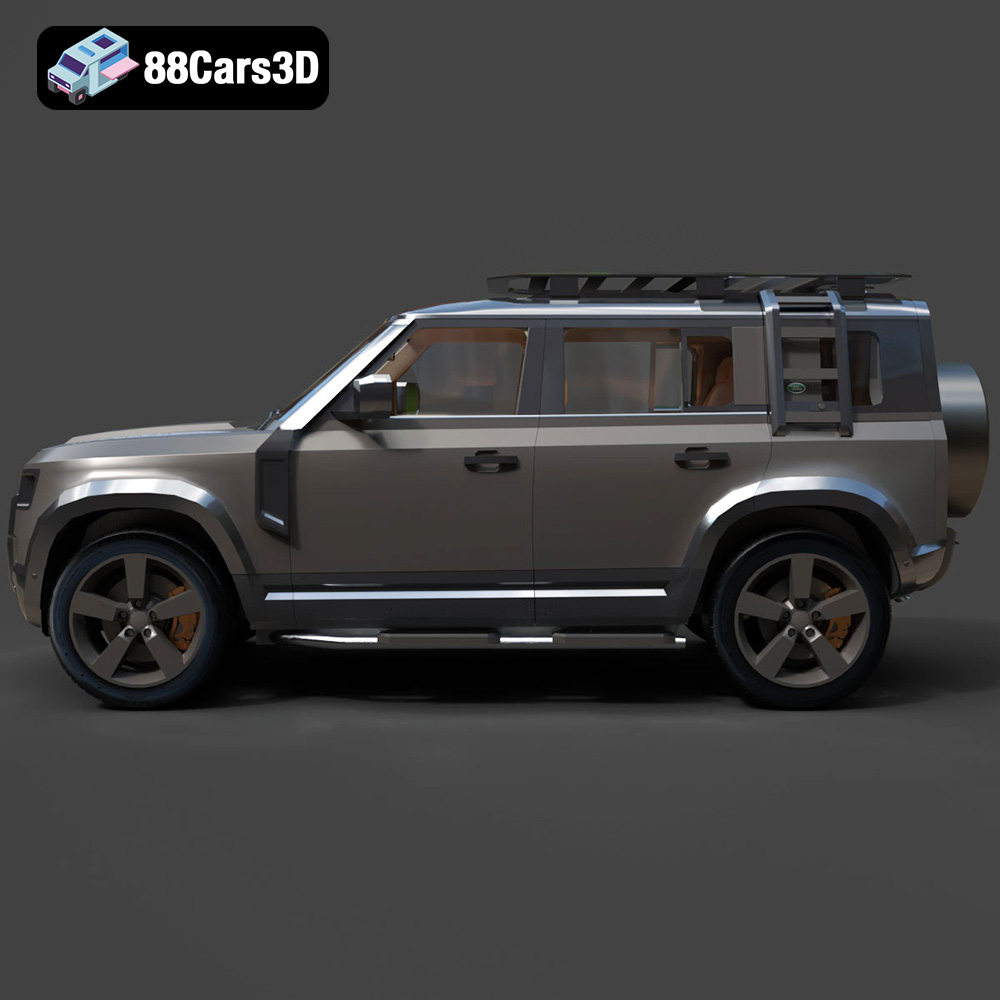
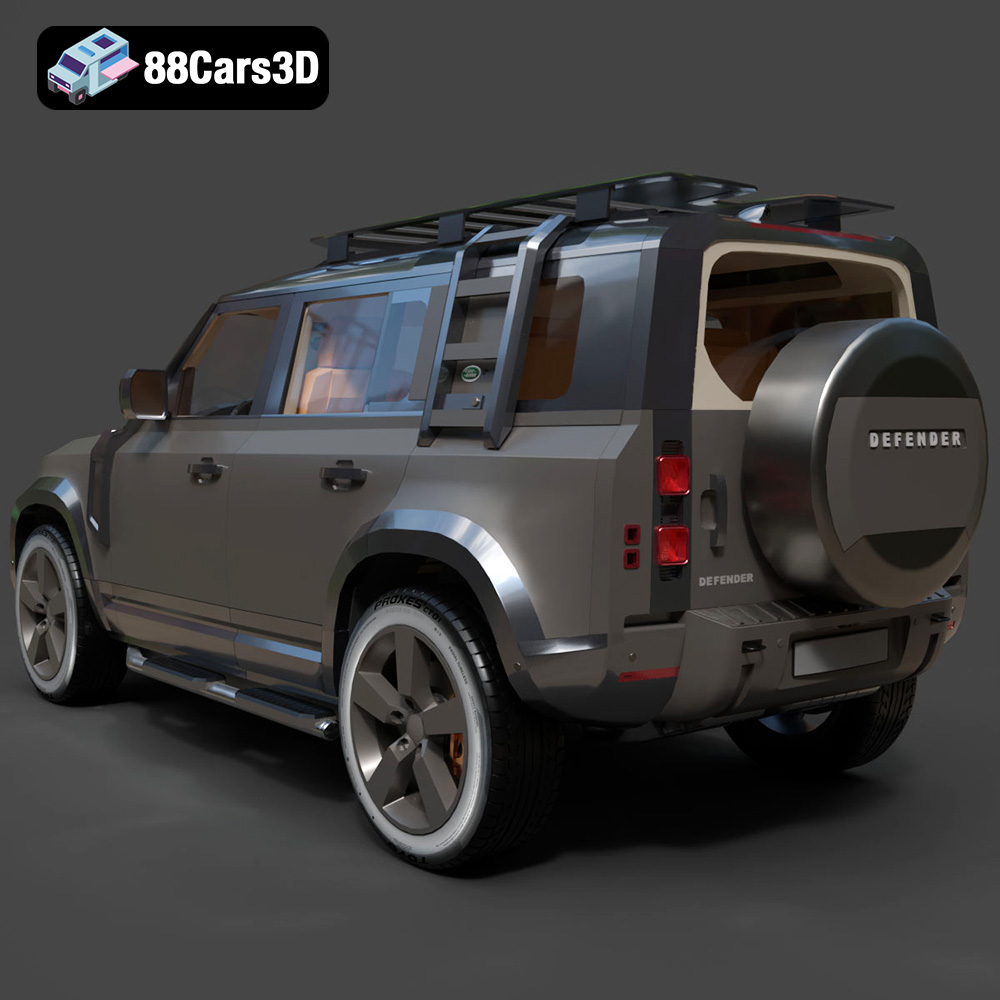
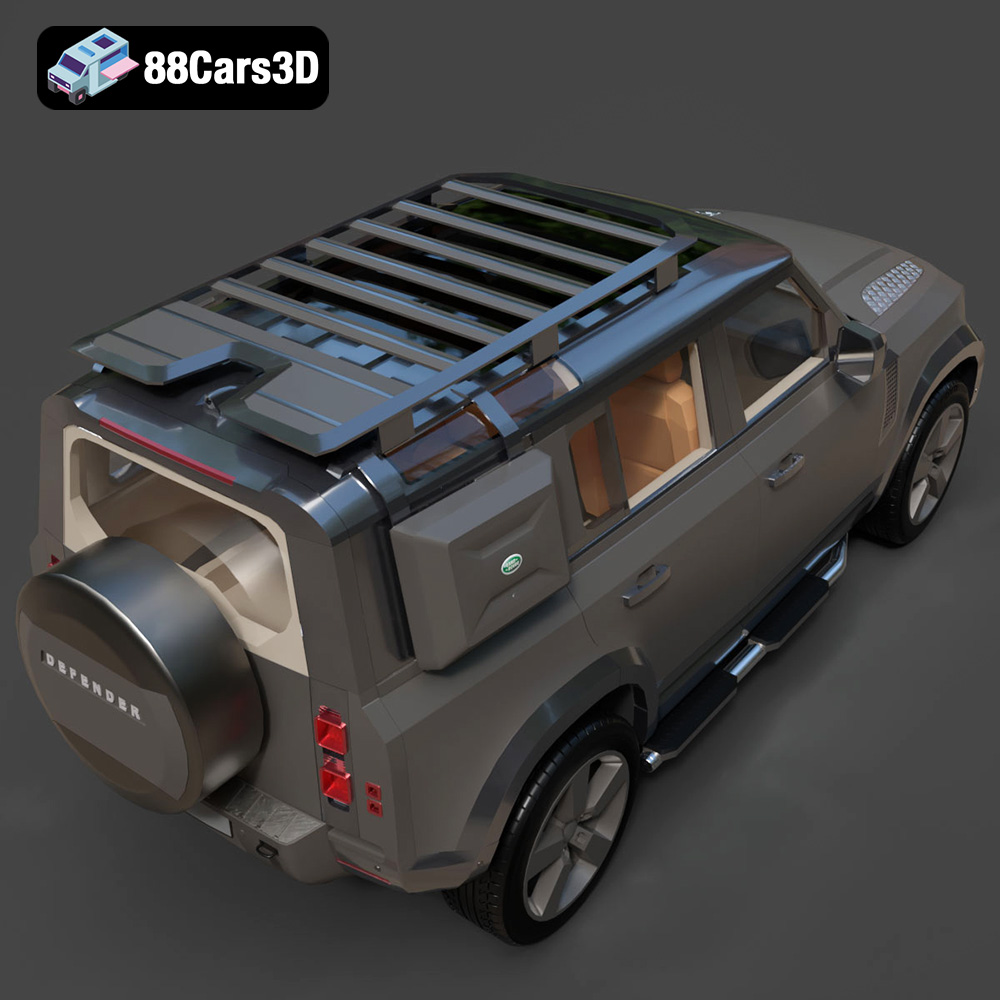
Explore the detailed Land Rover Defender EXPLORER PACK-001 3D Model, meticulously crafted for realism and accuracy. This model features clean geometry, allowing for seamless integration into any project. High-resolution textures and realistic materials enhance the visual fidelity, providing a professional-quality asset suitable for various applications.
This 3D model is perfect for game development, architectural visualization, rendering projects, augmented reality (AR), virtual reality (VR), and simulations. Its versatility and attention to detail make it an invaluable addition to any 3D artist’s toolkit.
The following file formats are included:
$19.99
.arvr
.blend
.car3dmodel
.defender
.explorerpack
.explorerrpack001
.fbx
.gameasset
.glb
.landrover
.max
.obj
.ply
.rendering
.simulation
.stl
.unreal
SUV