Get 50% OFF All Premium 3D & STL Models!

In the dynamic world of digital content creation, the foundation of any compelling visual experience often lies in the quality of its 3D assets. From breathtaking cinematic sequences and immersive game worlds to cutting-edge architectural visualizations and interactive AR/VR experiences, the demand for realistic, meticulously crafted 3D models has never been higher. Vehicles, in particular, present a unique challenge and opportunity due to their complex mechanical designs, reflective surfaces, and integral role in conveying realism and context.
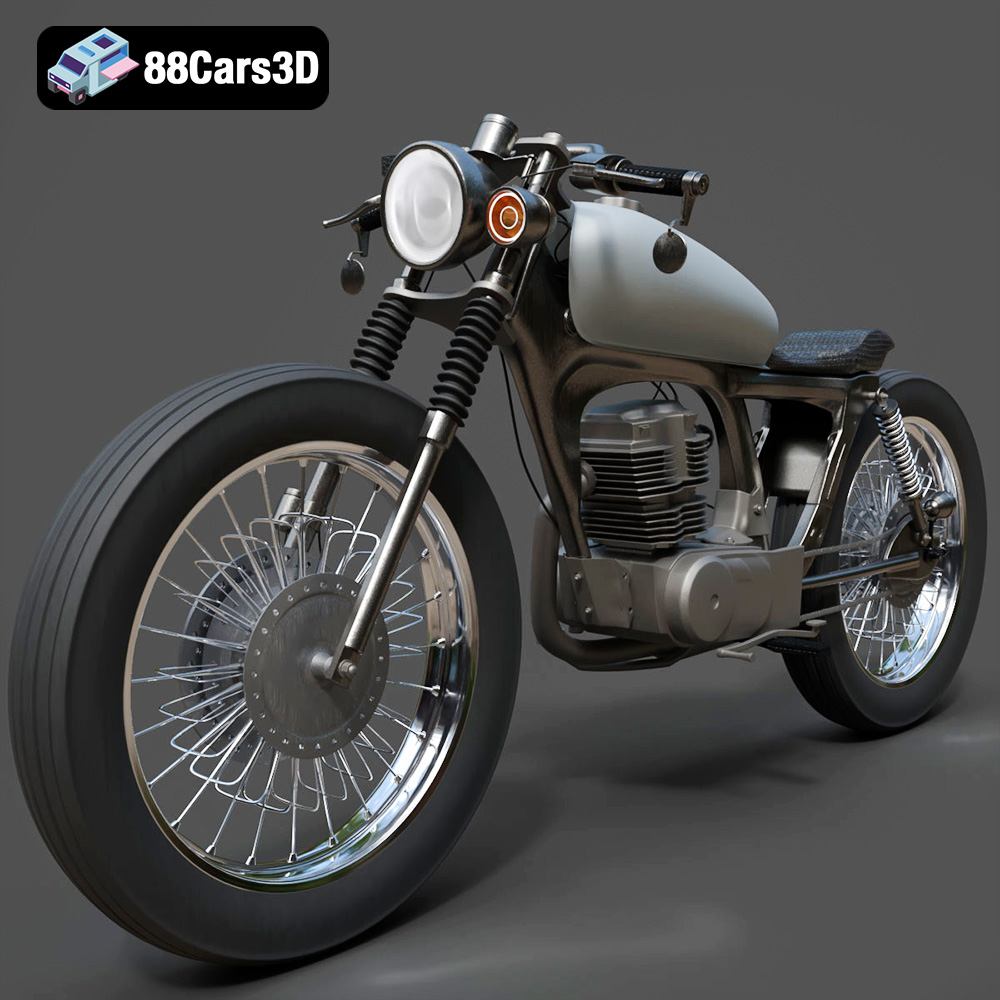
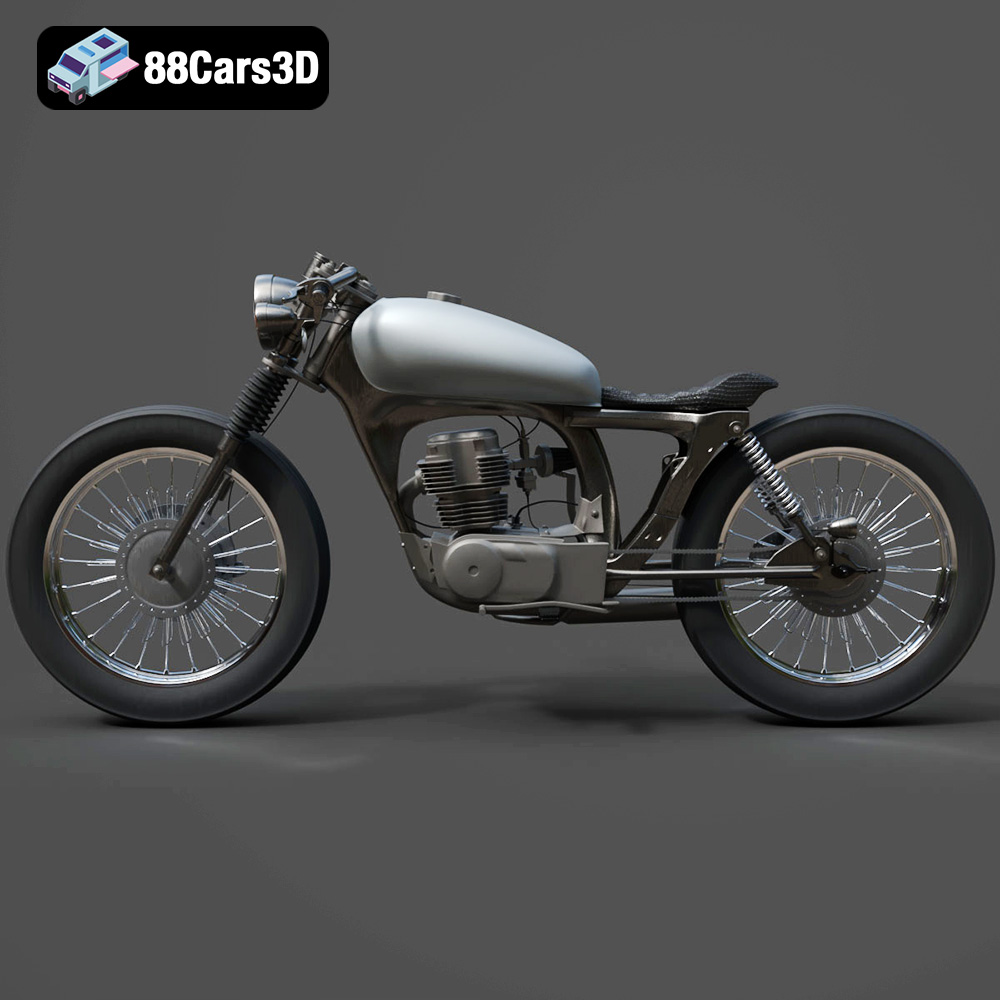
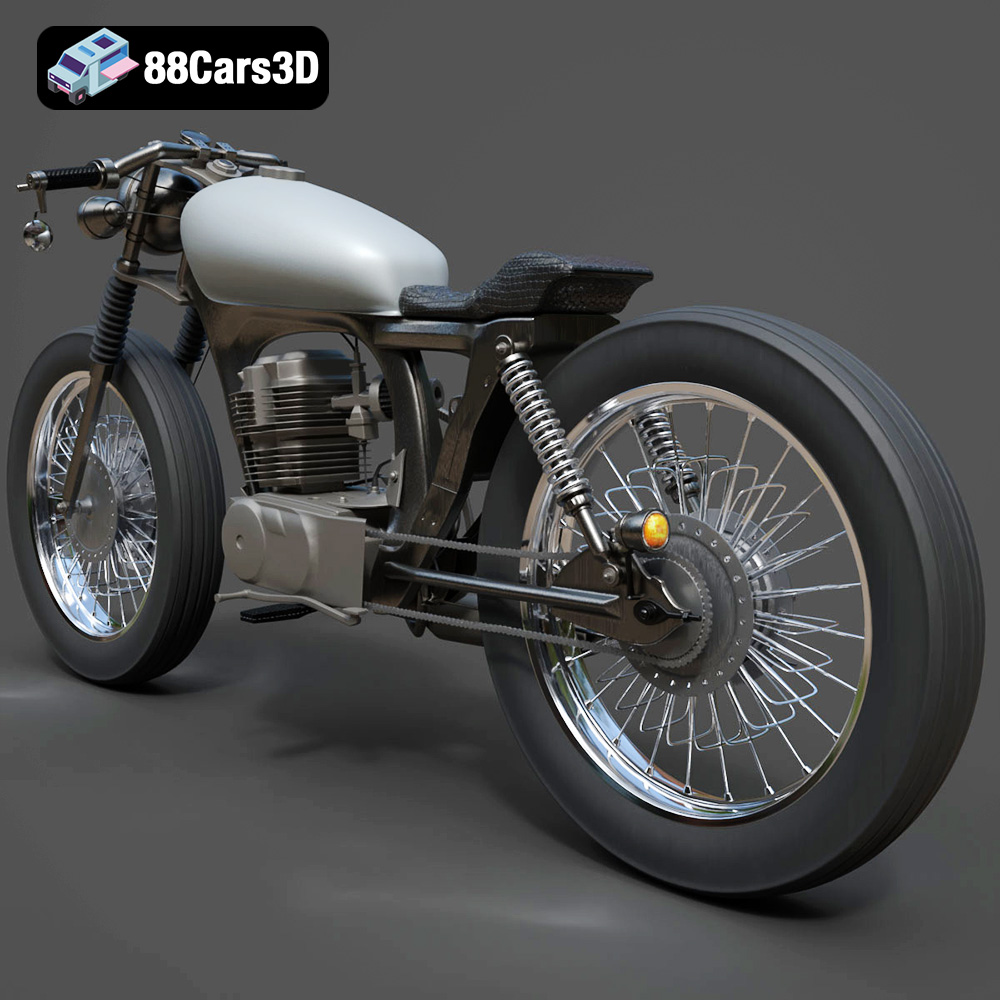
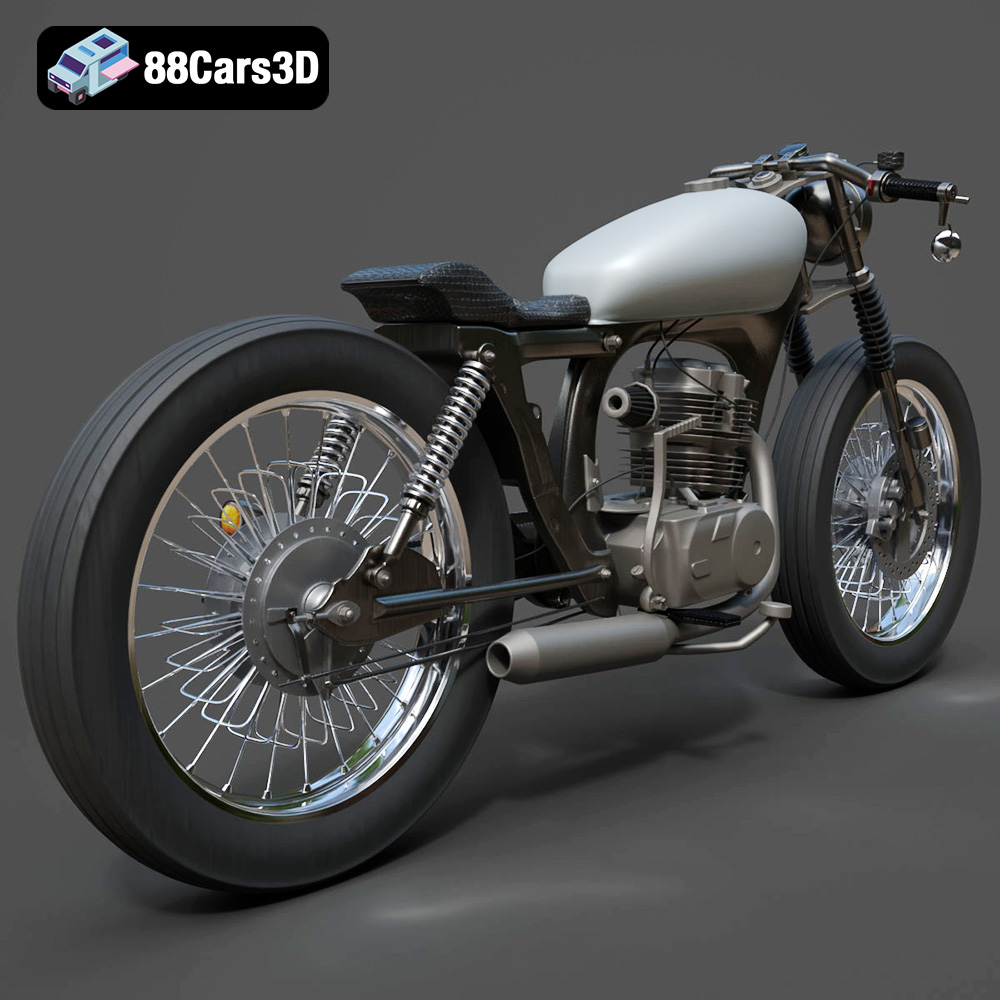
Today, artists and developers require assets that not only look authentic but are also technically robust and versatile enough to integrate seamlessly into diverse production pipelines. This is where a high-quality, pre-built 3D model becomes an invaluable asset. Imagine a model that perfectly captures the essence of a real-world vehicle, ready to be dropped into your scene with minimal setup. Consider, for instance, the Honda CG125 Motorcycle 3D Model – a faithful recreation of this iconic commuter bike. Its intricate details and clean geometry make it an ideal starting point for a myriad of projects, eliminating the laborious process of modeling from scratch and allowing creators to focus on artistic direction and innovation.
Throughout this comprehensive exploration, we will delve into the technical intricacies, practical applications, and workflow efficiencies that high-quality 3D models, such as the Honda CG125, bring to the table. We will explore how these assets empower professionals across various industries, from automotive rendering to game development and beyond, by providing a robust foundation for their creative endeavors.
The versatility of a 3D model often hinges on the array of file formats it provides. Each format serves a specific purpose, optimized for different software, engines, or end-use applications. Understanding these distinctions is crucial for any professional working with 3D assets, ensuring smooth integration and optimal performance. The Honda CG125 Motorcycle 3D Model, for example, offers an extensive suite of formats, catering to virtually every professional workflow.
The .blend file is the native format for Blender, a powerful open-source 3D creation suite. When you receive a .blend file like that for the Honda CG125, you’re not just getting the model; you’re typically getting a fully editable Blender scene. This often includes materials, textures, lighting setups, and sometimes even basic animation rigs. This format is ideal for Blender users who want to dive straight into customizing the model, tweaking shaders, adjusting scene lighting, or integrating it into an existing Blender project. It offers the most flexibility for those working within the Blender environment, preserving all scene data in its original editable state.
.fbx (Filmbox) is arguably one of the most widely adopted proprietary file formats for 3D data exchange, particularly favored in game development and animation pipelines. Developed by Autodesk, FBX files can store not only mesh data but also animations, rigs, cameras, lights, and PBR materials. Its robust support for animations and hierarchical structures makes it the go-to format for exporting models to game engines like Unreal Engine and Unity, or between different 3D software packages. For the Honda CG125 Motorcycle 3D Model, the .fbx variant ensures it’s game-engine ready, often optimized for performance and featuring proper UVs for texture mapping.
The .obj (Wavefront Object) format is a universal standard known for its simplicity and wide compatibility. It’s an open, non-proprietary format that primarily stores geometric data (vertices, normals, texture coordinates, and faces). While it doesn’t typically store animations or advanced material properties within the file itself (materials are often referenced by a companion .mtl file), its universality makes it compatible with almost every 3D software application on the market. If you need a clean mesh to import into an obscure piece of software or simply want the raw geometry, .obj is often the most reliable choice for assets like the Honda CG125.
.glb (GL Transmission Format Binary) is a relatively newer format that has rapidly gained traction, especially for web-based 3D, augmented reality (AR), and virtual reality (VR) applications. It’s a single-file, self-contained format that embeds all necessary data – mesh, materials, textures, animations – making it highly efficient for streaming and display in browsers or XR platforms. The .glb version of the Honda CG125 is specifically optimized for these real-time, lightweight environments, ensuring quick loading times and seamless interactive experiences on various devices.
.stl (Stereolithography) is the most common file format used for 3D printing. It represents a 3D model as a collection of unconnected triangles, forming the surface geometry of an object. Crucially, STL files do not contain color or texture information, focusing purely on the physical shape. The .stl format for the Honda CG125 allows enthusiasts or designers to bring the digital model into the physical world through 3D printing, whether for prototyping, creating scale models, or even custom parts.
The .ply (Polygon File Format) is another popular format for storing 3D data, particularly suited for storing data from 3D scanners. It can store not only geometry but also color, transparency, and normal data per vertex or per face. While less common for everyday asset exchange, it excels in applications requiring high precision mesh data, such as scientific visualization, CAD analysis, or when working with highly detailed point cloud or scanned data. The .ply option for the Honda CG125 might be beneficial for engineers or analysts needing detailed surface information.
When a product like the Honda CG125 Motorcycle 3D Model includes an .unreal file, it typically signifies a pre-configured asset or a project file specifically tailored for Unreal Engine. This isn’t a single universal file format like .fbx, but rather a package or specific setup designed to be imported directly into an Unreal Engine project. This could mean pre-setup materials (with PBR maps assigned), collision meshes, LODs (Levels of Detail), and even blueprints for interaction, saving significant time in the engine integration process and ensuring the model performs optimally within Unreal’s demanding real-time environment.
Finally, the .max file is the native format for Autodesk 3ds Max, a leading software in architectural visualization, motion graphics, and high-end rendering. Similar to .blend, a .max file offers a fully editable scene, preserving all aspects of the project, including complex modifier stacks, animation curves, render settings, and advanced material networks. For professionals heavily invested in the 3ds Max ecosystem, the .max version of the Honda CG125 provides maximum flexibility for intricate rendering setups and detailed animation projects.
The inclusion of such a diverse range of formats with the Honda CG125 Motorcycle 3D Model underscores its professional-grade quality and adaptability, ensuring that whether you’re a game developer, an architect, a renderer, or a 3D printing enthusiast, you have the right tool for the job.
Automotive rendering is a specialized field that blends artistic vision with technical precision. It’s about more than just showcasing a vehicle; it’s about evoking emotion, highlighting design intricacies, and creating photorealistic imagery that can be indistinguishable from a real photograph. High-quality 3D car models and motorcycle models are the cornerstone of this process.
The quest for photorealism in rendering hinges on two critical elements: materials and lighting. A model like the Honda CG125 Motorcycle 3D Model comes with realistic materials already applied, which is a significant time-saver. These materials are typically PBR (Physically Based Rendering) ready, meaning they accurately simulate how light interacts with surfaces in the real world. This involves meticulously crafted textures for diffuse color, roughness, metallic properties, normal maps for surface detail, and sometimes even emissive or subsurface scattering maps for specific components.
Consider an automotive manufacturer or a custom bike builder looking to showcase their latest model or a classic restoration. Instead of expensive physical photoshoots, they can leverage high-quality 3D models. The Honda CG125 Motorcycle 3D Model could be placed in a luxurious virtual showroom, complete with dynamic lighting that cycles through different moods, or rendered in a realistic urban environment, highlighting its commuter appeal. These renders can then be used for product brochures, website imagery, social media campaigns, or interactive online configurators. The ability to generate countless perspectives, color variations, and environmental backdrops from a single 3D asset offers unparalleled flexibility and cost-efficiency in marketing and sales.
Game development demands a delicate balance between visual fidelity and real-time performance. High-quality 3D car models and motorcycle models are essential, but they must be optimized to run smoothly on various hardware platforms. This is where assets designed for game engines truly shine.
When a model like the Honda CG125 is provided in formats like .fbx or even a dedicated .unreal package, it’s designed with game development in mind. This means specific technical considerations are addressed:
The integration process typically involves:
For game studios seeking high-quality vehicles without the significant overhead of creating them in-house, marketplaces like 88cars3d.com offer an invaluable resource. The Honda CG125 Motorcycle 3D Model provides a ready-made asset that can be quickly integrated and customized, accelerating development timelines for titles that feature realistic vehicles, whether as player-controlled elements, environmental dressing, or dynamic AI traffic.
The utility of high-fidelity 3D models extends far beyond traditional rendering and game development, venturing into the burgeoning fields of augmented reality (AR), virtual reality (VR), and even physical fabrication through 3D printing.
AR and VR are transforming how we interact with digital content, offering immersive experiences that blend virtual objects with the real world or transport users to entirely new environments. 3D car models and motorcycle models are particularly compelling in these contexts:
The focus on optimized geometry and efficient texture packing in assets designed for AR/VR, like the .glb version of the Honda CG125, ensures smooth performance even on mobile or less powerful standalone VR hardware.
3D printing allows for the rapid prototyping and production of physical objects directly from digital models. The inclusion of an .stl file with the Honda CG125 Motorcycle 3D Model opens up a whole new dimension of possibilities:
When preparing an .stl for 3D printing, considerations such as wall thickness, watertight geometry, and appropriate scaling are crucial. A high-quality source model ensures that these preparations are straightforward and result in an accurate physical output.
The true value of a professional 3D asset, such as the Honda CG125 Motorcycle 3D Model available on 88cars3d.com, lies in its underlying technical craftsmanship. It’s not just about looking good; it’s about being built correctly from the ground up to ensure versatility and ease of use across various platforms and applications.
The product description highlights “every component, from the engine to the frame, has been meticulously modeled to ensure accuracy and visual fidelity.” This level of detail signifies:
The emphasis on “realistic materials” indicates that the model is designed to work within a Physically Based Rendering (PBR) workflow, which is the industry standard for achieving photorealism. This typically involves:
The combination of meticulous modeling and expertly crafted PBR materials ensures that the Honda CG125 Motorcycle 3D Model is not just visually appealing but also technically sound, making it a reliable asset for serious production work.
In any professional creative pipeline, time is a precious commodity. The decision to use pre-made, high-quality 3D assets is often driven by the need for efficiency without compromising on visual excellence.
Building a complex 3D model like the Honda CG125 from scratch is a labor-intensive process, requiring significant hours from skilled 3D artists for modeling, sculpting, UV mapping, texturing, and optimization. By purchasing a professional-grade asset from a marketplace like 88cars3d.com, individuals and studios can drastically reduce development time and costs. This allows teams to allocate resources to other critical areas of a project, such as level design, animation, or interactive features.
When working on large projects, maintaining consistent quality across all assets can be challenging. High-quality commercial models adhere to industry best practices in terms of topology, UVs, and PBR material setup. This consistency ensures that the asset will behave predictably across different rendering engines and lighting conditions, integrating seamlessly with other professionally created content. The “clean geometry and realistic materials” of the Honda CG125 model guarantee a baseline of quality that would be difficult and time-consuming to replicate for every asset from scratch.
Having a ready-to-use foundation asset frees artists and developers to focus on the more creative and project-specific aspects. Instead of spending weeks modeling a motorcycle, they can immediately begin texturing it to match a specific brand identity, rigging it for custom animations, designing unique environments around it, or implementing advanced interactive features. The Honda CG125 Motorcycle 3D Model, with its robust set of included file formats and professional detailing, acts as a launchpad for creativity, allowing for extensive customization without the need to start from zero.
The digital landscape is constantly evolving, with increasing demands for visual realism and immersive experiences. Whether you’re a professional automotive renderer striving for photorealism, a game developer building vast interactive worlds, an AR/VR innovator crafting next-generation experiences, or simply a hobbyist exploring the possibilities of 3D printing, the quality of your foundational assets can make all the difference. Investing in expertly crafted 3D models is not merely a convenience; it is a strategic decision that enhances efficiency, ensures quality, and ultimately empowers creative freedom.
The Honda CG125 Motorcycle 3D Model stands as a prime example of such an indispensable asset. Its meticulous detail, clean geometry, realistic materials, and comprehensive file format support (including .blend, .fbx, .obj, .glb, .stl, .ply, .unreal, and .max) make it an incredibly versatile tool for virtually any project. From high-end cinematic rendering to optimized real-time game environments and even tangible 3D prints, this model provides a robust and reliable foundation.
By leveraging such professional-grade assets, creators can bypass the arduous initial stages of 3D production and dive straight into refining their vision, experimenting with new ideas, and delivering truly impactful results. For anyone serious about high-quality 3D content, exploring the diverse collection of 3D car models and motorcycle models available on 88cars3d.com is an essential step towards elevating their projects and maximizing their creative potential.
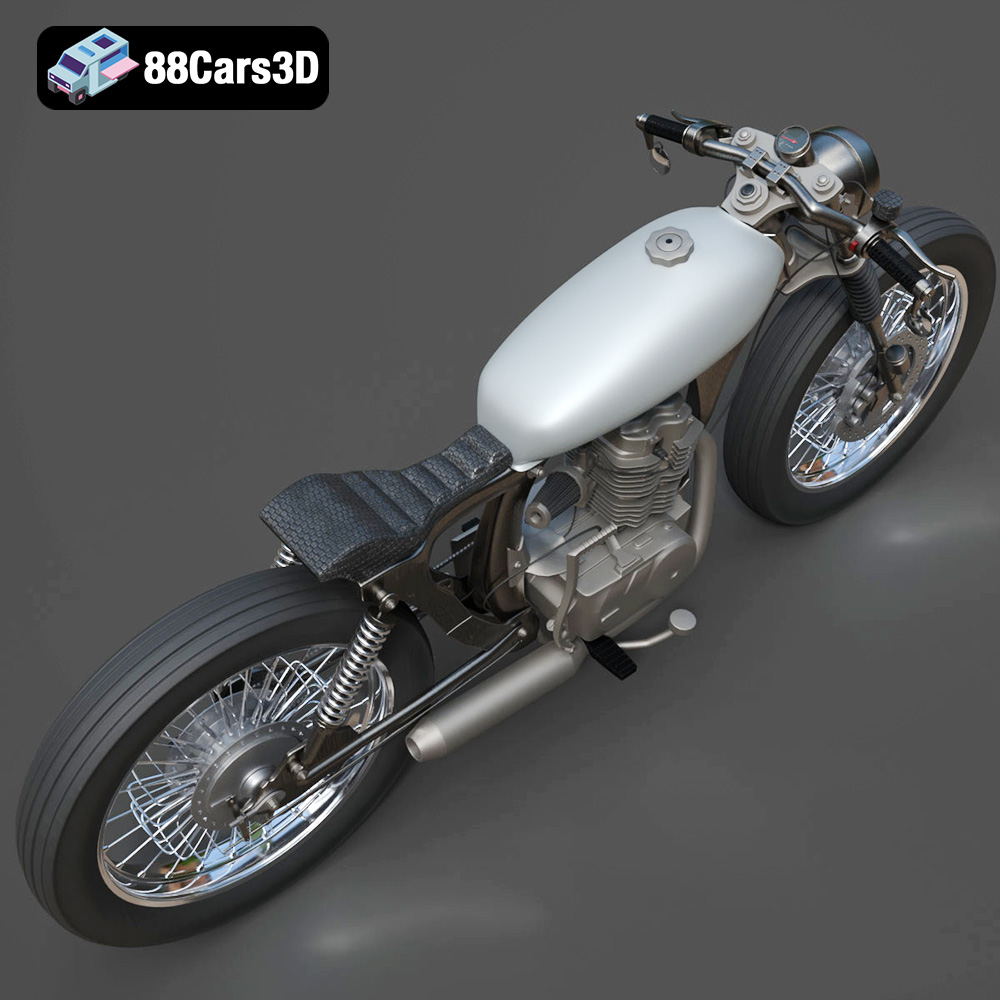
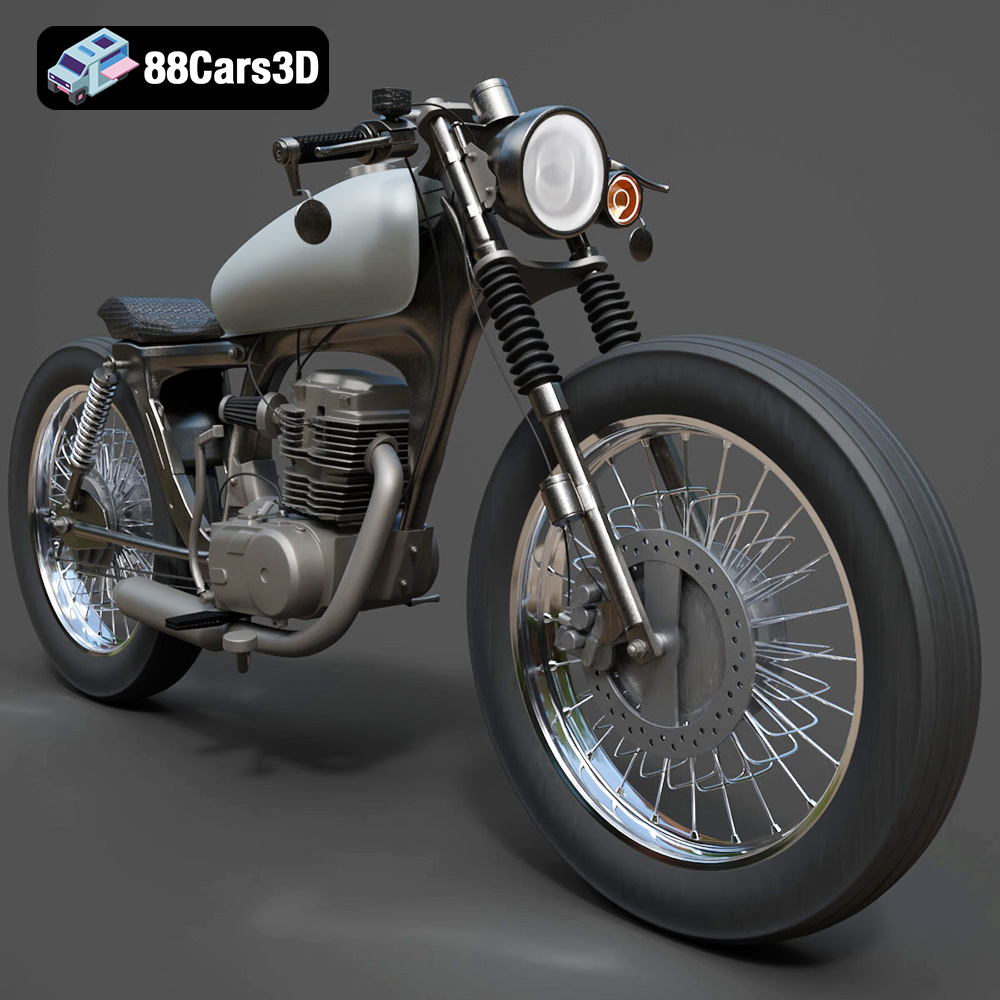
Immerse yourself in the intricate details of the Honda CG125 Motorcycle 3D Model, a faithful recreation of this iconic commuter bike. This model has been crafted to provide a high degree of realism, making it suitable for a wide array of applications.
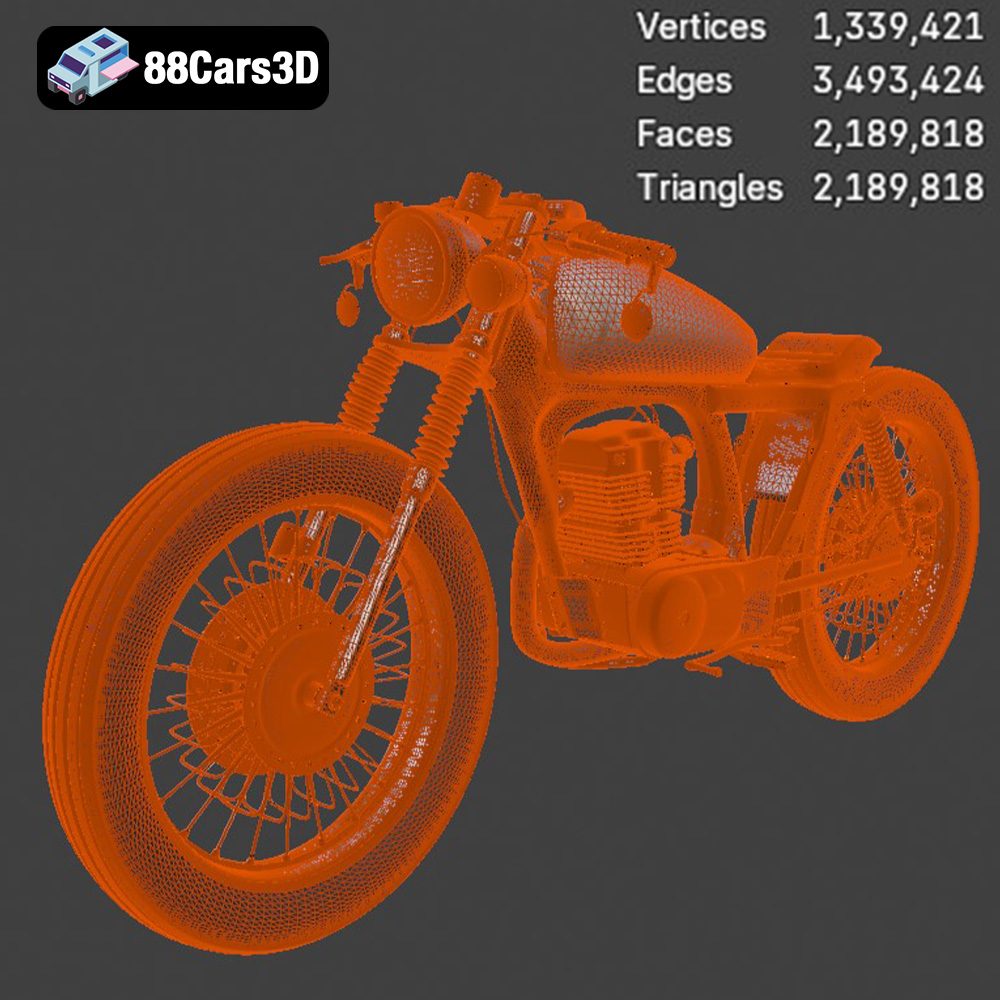
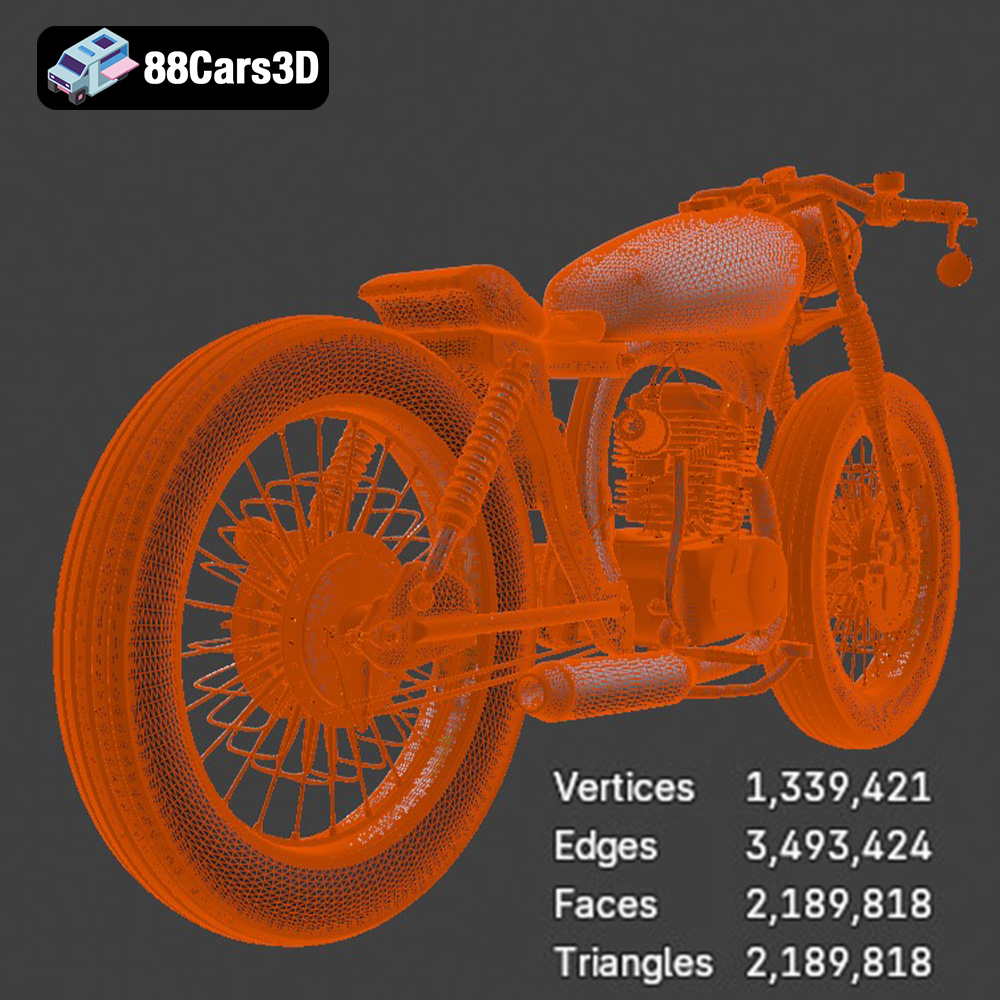
Every component, from the engine to the frame, has been meticulously modeled to ensure accuracy and visual fidelity. The model features clean geometry and realistic materials, providing a professional-grade asset ready for integration into your projects.
This 3D model is ideal for game development, rendering projects, AR/VR experiences, and architectural visualizations. Its versatility makes it a valuable addition to any 3D artist’s toolkit.
The following file formats are included:
$19.99
.arvr
.bike3dmodel
.blend
.cg125
.cg125motorcycle
.commuterbike
.fbx
.gameasset
.glb
.honda
.max
.motorcycle
.obj
.ply
.rendering
.simulation
.stl
.unreal