Get 50% OFF All Premium 3D & STL Models!

In the rapidly evolving landscape of digital content creation, the demand for high-fidelity 3D assets is more critical than ever. From cinematic visual effects to immersive game environments, and from sophisticated product visualizations to advanced architectural renders, the quality of a 3D model can make or break a project. Automotive design, in particular, stands at the forefront of this digital revolution, requiring meticulous attention to detail and unparalleled realism. This pursuit of perfection is precisely what professional 3D car models offer, transforming abstract concepts into tangible, stunning visuals.
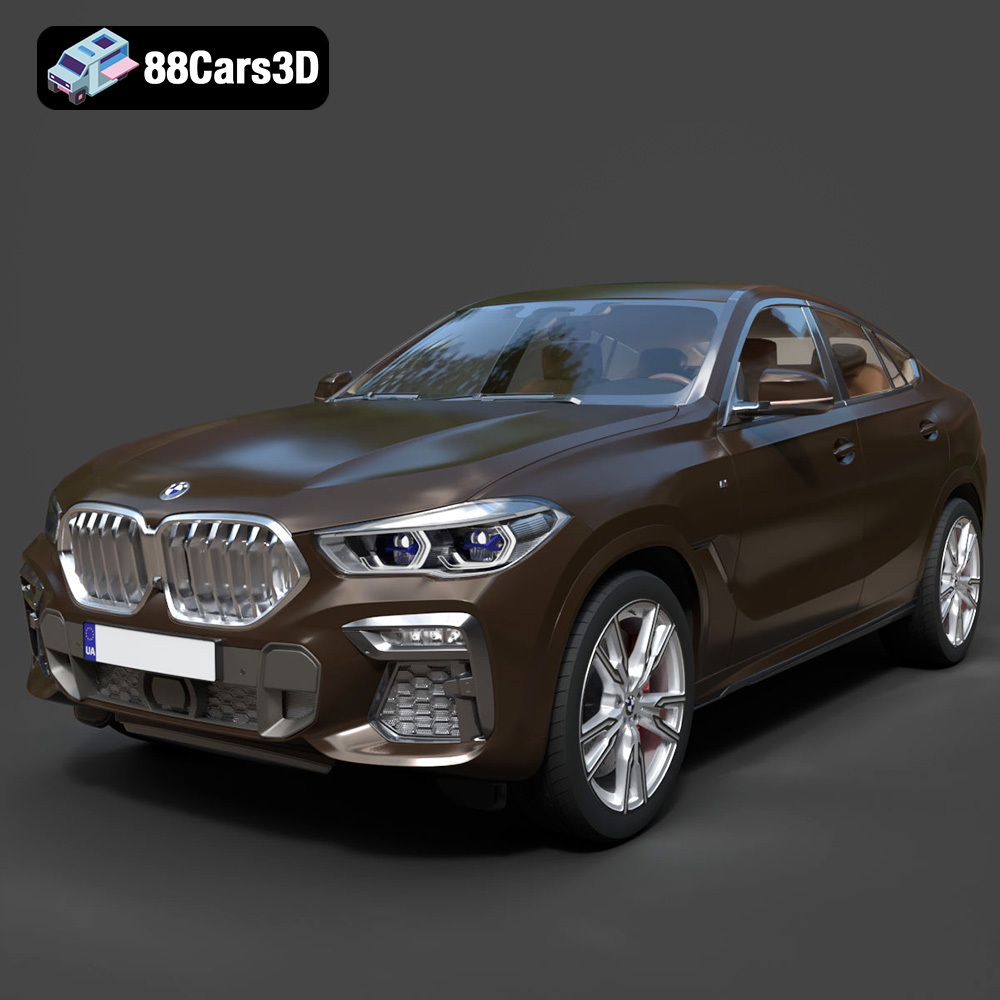
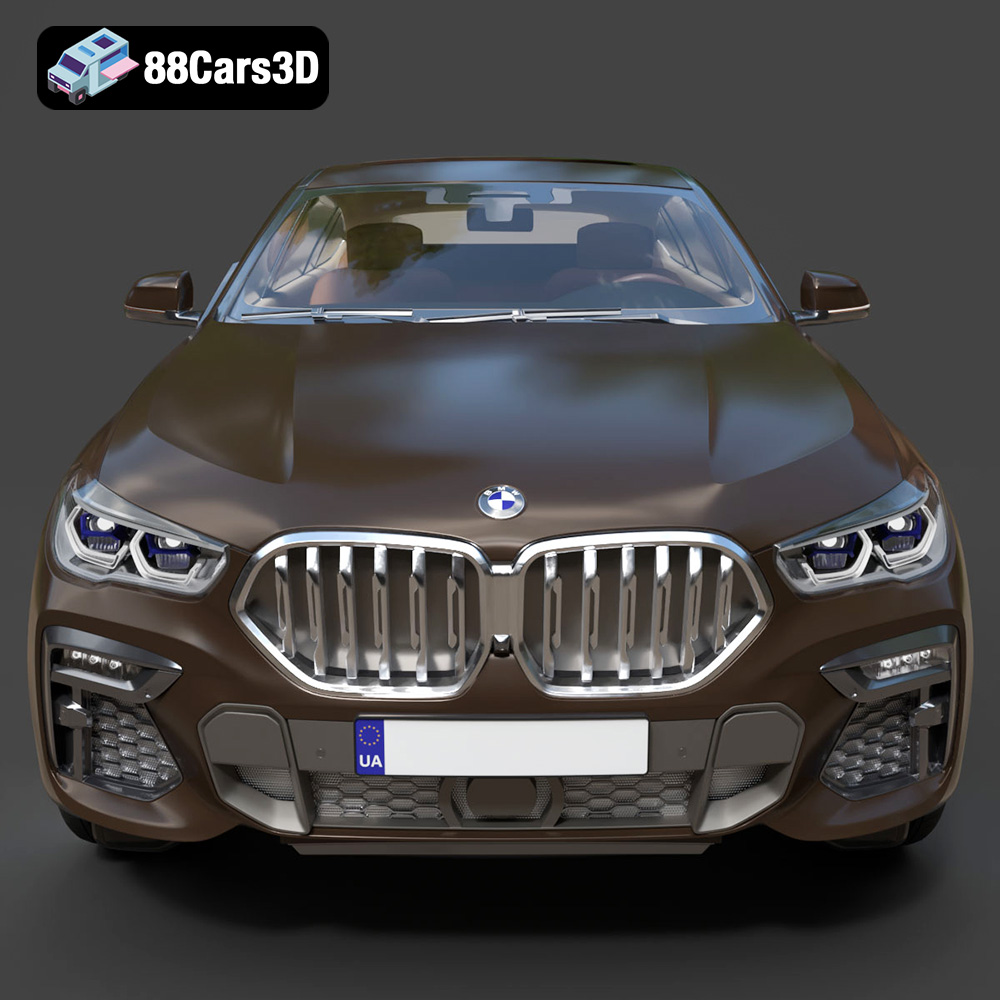
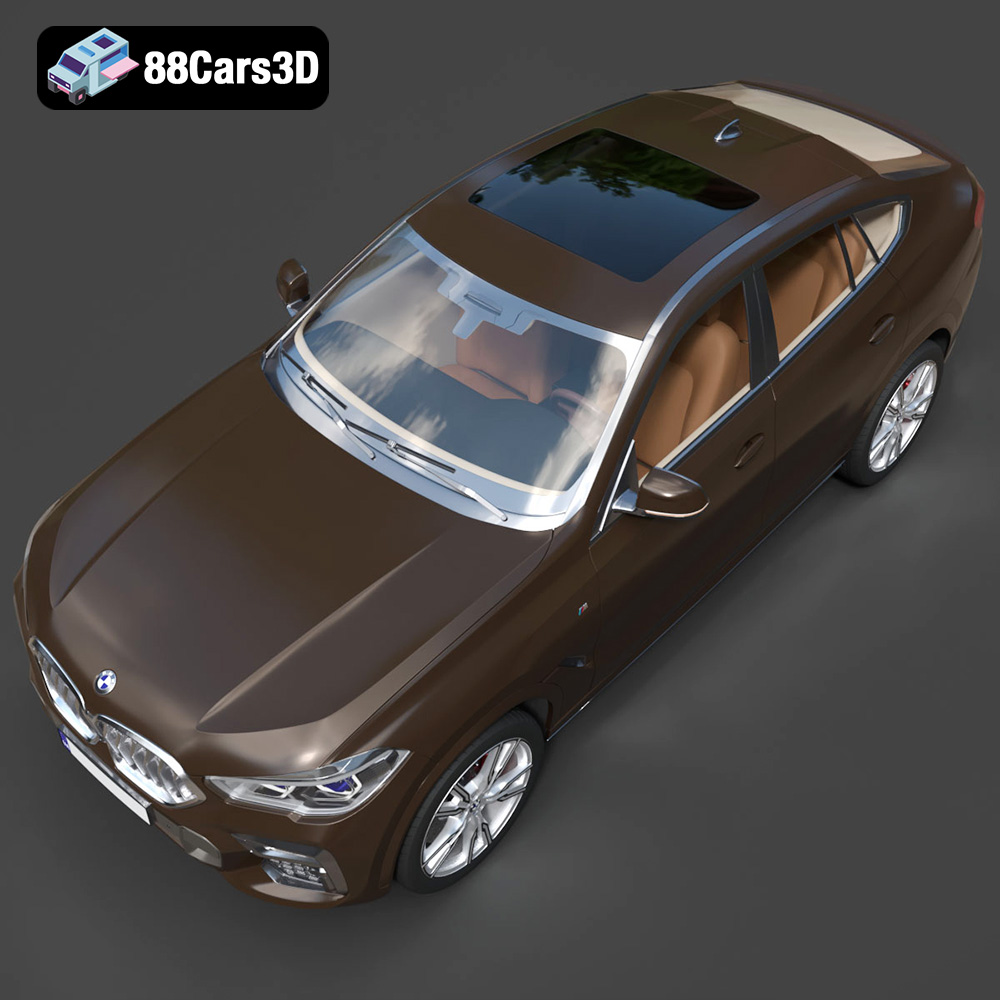
Today, we’re exploring the intricacies that define a truly professional 3D vehicle asset, exemplified by the BMW X6 (Mk3) (G06) M Sport 2020 3D Model. This particular model isn’t just a digital representation; it’s a testament to the blend of artistry and technical precision required in modern 3D production. Its meticulous craftsmanship captures the distinct proportions, aggressive styling, and luxurious detailing that make the real-world Sports Activity Coupe so iconic. Whether you’re a seasoned professional seeking to elevate your projects or an enthusiast looking to understand the mechanics behind digital realism, the principles governing such a model are universally applicable across various creative pipelines. From game development to AR/VR experiences, understanding the underlying technology of assets like the BMW X6 model from 88cars3d.com is essential for achieving professional-grade results.
The versatility of a professional 3D model hinges significantly on its compatibility across different software and platforms. This is where understanding various file formats becomes paramount. Each format serves a specific purpose, optimized for particular workflows, and knowing which one to use can streamline your projects immensely. The BMW X6 (Mk3) (G06) M Sport 2020 3D Model is a prime example of an asset that offers a comprehensive selection of industry-standard file formats, ensuring it can be seamlessly integrated into virtually any creative pipeline.
The .blend format is native to Blender, a powerful open-source 3D creation suite. When you receive a .blend file, you’re getting a fully editable scene that typically includes the mesh, materials, textures, lighting setups, and even camera configurations. This makes it incredibly valuable for artists who work primarily in Blender, allowing them to dive directly into rendering, animation, or further modification without any conversion hurdles. For the BMW X6 model, the .blend file provides a complete, ready-to-render environment, making it an excellent starting point for high-quality automotive rendering within Blender’s ecosystem, leveraging either the Cycles path tracer or the real-time Eevee renderer.
Autodesk’s .fbx (Filmbox) format is arguably the most widely used interchange format in 3D production. It excels at preserving complex scene data, including geometry, materials, animations, and even rigging information, across different software applications. Its robustness makes it ideal for game development, serving as a primary conduit for assets destined for Unreal Engine, Unity, and other real-time pipelines. When you import an .fbx file of the BMW X6 model into a game engine, you can expect its geometry, UVs, and PBR (Physically Based Rendering) material assignments to translate accurately, minimizing setup time and ensuring visual consistency.
The .obj (Wavefront OBJ) format is a venerable and highly compatible format, primarily used for transferring 3D geometry between different software packages. While it typically doesn’t carry complex material or animation data as effectively as .fbx, it’s a rock-solid choice for pure mesh transfer. Virtually all 3D software can import and export .obj files, making it a universal fallback. For the BMW X6 model, an .obj file provides the core mesh data, which can then be easily imported into any major 3D application for texturing and rendering with native materials.
.glb (GL Transmission Format Binary) is a modern, efficient, and increasingly popular format designed specifically for web-based 3D, augmented reality (AR), and virtual reality (VR) applications. It bundles all necessary assets—geometry, materials, textures, and even animations—into a single binary file, making it fast to load and easy to deploy. The .glb version of the BMW X6 model is perfect for showcasing the vehicle directly in a browser, integrating it into AR apps on mobile devices, or populating lightweight VR scenes, offering interactive experiences with minimal performance overhead.
The .stl (Stereolithography) format is the de facto standard for 3D printing. It represents a 3D model as a collection of unconnected triangular facets, making it simple for slicing software to interpret and prepare for printing. While it doesn’t carry color or texture information, its reliability for geometry makes it indispensable for physical prototyping or creating miniature replicas. The .stl variant of the BMW X6 model is specifically prepared for output to a 3D printer, allowing designers to produce physical models for concept validation or display.
.ply (Polygon File Format) is another format for storing 3D data, particularly useful for scanned data, CAD applications, and scientific visualization. It can store a wider range of properties than .obj, including color, transparency, and even texture coordinates for each vertex or face. Its precision makes it suitable for detailed analysis or when a robust representation of complex mesh data is required. For certain visualization or analysis tasks of the BMW X6 model, the .ply format can provide a detailed polygon mesh with rich per-vertex information.
A dedicated .unreal file (often a .uasset or pre-configured content package) signifies an asset specifically prepared and optimized for Unreal Engine. This means the model often comes with proper scaling, collision meshes, PBR materials set up within Unreal’s shader system, and potentially even LOD (Level of Detail) variations. This format ensures a ‘plug-and-play’ experience, dramatically reducing the time and effort required to integrate the BMW X6 model into a high-fidelity real-time environment within Unreal Engine, making it invaluable for game developers and architectural visualizers alike.
Finally, the .max format is the native file type for Autodesk 3ds Max, a leading software in architectural visualization, animation, and high-end rendering. Like .blend, a .max file provides a complete scene, including the model, materials (often V-Ray or Corona specific), lighting, cameras, and animation data. For professionals working in 3ds Max, the .max version of the BMW X6 model allows for immediate access to an editable project, perfect for integrating into complex scenes, creating photorealistic renders, or developing sophisticated animations.
The availability of these diverse formats for the BMW X6 (Mk3) (G06) M Sport 2020 3D Model from 88cars3d.com underscores its utility and adaptability across a myriad of professional applications.
Automotive rendering is an art form, demanding a sophisticated understanding of lighting, materials, and camera work to achieve photorealism. A high-quality 3D car model, such as the BMW X6 (Mk3) (G06) M Sport 2020 3D Model, serves as the perfect canvas for these techniques.
Modern rendering relies heavily on PBR materials, which simulate how light interacts with surfaces in the real world. This involves complex shader networks that define properties like metallicness, roughness, normal maps for fine details, and ambient occlusion. The BMW X6 model features realistic materials that are designed to seamlessly interact with diverse lighting scenarios. This means its paint gleams authentically, the chrome reflects realistically, and the interior leathers exhibit appropriate subsurface scattering and texture, all contributing to an exceptional level of visual accuracy. Clean UV mapping is crucial here, ensuring textures are applied without distortion and maintain their real-world scale and fidelity.
Effective lighting is paramount. Studio lighting setups, often involving HDRI (High Dynamic Range Image) environment maps combined with targeted area lights, are common for showcasing vehicles. HDRI backgrounds provide realistic ambient light and reflections, crucial for reflective surfaces like car paint and windows. For dramatic effects, rim lighting, key lighting, and fill lighting are carefully placed to highlight the car’s contours and emphasize its form. For the BMW X6 model, experimenting with different HDRIs can instantly transport the vehicle to various environments, from a sunny desert to an urban nightscape, all while maintaining its intrinsic realism due to its robust PBR material setup.
In 3ds Max, artists often leverage powerful render engines like V-Ray or Corona Renderer. The .max file provided with the BMW X6 model would typically include pre-configured materials for these engines, allowing for immediate high-quality renders. Workflows involve setting up a camera, adjusting the environment (e.g., V-Ray Dome Light with an HDRI), and fine-tuning material parameters. Complex scenes can involve placing the car in a realistic architectural setting, showcasing its presence within a luxury context. In Blender, the Cycles render engine offers unbiased, physically accurate rendering, while Eevee provides real-time feedback for faster iterations. The .blend file of the BMW X6 model would come with an optimized setup for these, allowing artists to rapidly produce stunning visuals. Both software packages allow for detailed manipulation of meshes, UVs, and materials, ensuring that every curve and surface of the BMW X6 model can be perfectly presented.
The transition of a highly detailed 3D car model from a visualization asset to a game-ready asset involves specific optimization strategies to ensure performance without compromising visual fidelity. Assets like the BMW X6 (Mk3) (G06) M Sport 2020 3D Model are engineered with this versatility in mind, offering formats ideal for real-time environments.
While cinematic renders can handle millions of polygons, game engines require a careful balance. High-quality 3D car models for games are often characterized by an optimized poly count – enough detail to look great, but not so much as to bog down the engine. This is achieved through efficient modeling techniques and the strategic use of normal maps to simulate high-poly details on lower-poly meshes. Additionally, Level of Detail (LOD) systems are critical. An asset will have multiple versions: a high-poly mesh for close-ups, and progressively lower-poly versions for when the car is further away. The .fbx and .unreal formats of the BMW X6 model would typically include these optimizations or be structured to facilitate their creation, ensuring smooth performance in game engines like Unreal Engine and Unity.
For game developers, the .fbx and specifically the .unreal formats are invaluable. The .fbx provides a robust means to import the model’s geometry, skeletal meshes (if animated), and PBR material definitions. Within Unreal Engine, the .unreal file or associated content package for the BMW X6 model would likely come with pre-configured blueprints, material instances, and collision meshes, ready for immediate placement in a level. This includes correctly set up PBR materials, ensuring the vehicle’s paint, glass, and interior textures react appropriately to Unreal’s advanced lighting system (e.g., Lumen or baked lighting). Similarly, Unity developers can leverage the .fbx to import the model, apply PBR materials compatible with Unity’s Universal Render Pipeline (URP) or High-Definition Render Pipeline (HDRP), and integrate it into interactive gameplay loops. The seamless integration capabilities of this model allow game studios to focus on gameplay mechanics and world-building rather than extensive asset preparation.
Beyond visual fidelity, integrating a 3D car model into a game involves setting up realistic physics. This includes collision meshes that accurately represent the vehicle’s boundaries, wheel colliders for suspension and traction, and center of mass adjustments. The precise geometry and accurate proportions of the BMW X6 model provide an excellent foundation for configuring these physics parameters, enabling developers to create convincing driving experiences. Whether for racing games, open-world simulations, or interactive configurators, the foundational quality of the 3D model directly impacts the realism of the vehicle’s behavior.
The utility of a high-quality 3D car model extends far beyond traditional rendering and game development. Its precise engineering opens doors to immersive AR/VR experiences, sophisticated simulations, and even tangible 3D prints.
Augmented Reality (AR) and Virtual Reality (VR) are transforming how we interact with digital content. For automotive applications, AR can place a virtual car in a real-world environment via a smartphone or headset, allowing users to explore it as if it were truly present. VR can transport users into a fully immersive digital showroom or driving experience. The .glb format, optimized for these platforms, is crucial here. The BMW X6 model’s .glb version is lightweight and efficient, ensuring smooth performance on mobile devices and VR headsets. This allows potential buyers to “walk around” the car, inspect its interior, and even customize options in a highly interactive and engaging manner, offering a powerful tool for marketing and sales. Furthermore, the model’s detailed interior components guarantee outstanding results even in close-up AR/VR inspections.
High-fidelity 3D car models are indispensable for simulation and training. From autonomous vehicle development to driver training simulators, accurate digital replicas provide a safe and cost-effective environment for testing and learning. The precise edge flow and realistic materials of the BMW X6 model make it an ideal candidate for such applications. Its geometric accuracy ensures that sensor data (e.g., lidar, radar simulations) interacts correctly with the vehicle’s form, while visual fidelity enhances immersion for human operators. Whether it’s simulating aerodynamic performance, crash testing, or human-machine interface (HMI) interactions, a detailed model is foundational for realistic outcomes. The .ply format could even be used for detailed mesh analysis in specific simulation scenarios requiring precise surface data.
While 3D printing often focuses on mechanical parts, architectural models, or figurines, it also plays a significant role in automotive design for prototyping and concept validation. The .stl format of the BMW X6 model is specifically prepared for this purpose. Designers can print physical scale models to evaluate proportions, form, and aesthetics in a tangible medium before committing to expensive physical prototypes. This allows for quick iteration and hands-on feedback. Beyond professional design, enthusiasts can print their favorite models, creating display pieces that bridge the gap between the digital and physical realms. The accuracy of the digital model translates directly into the precision of the printed output.
What truly elevates a 3D car model from average to professional-grade is the underlying craftsmanship – the meticulous attention to detail in its geometry, texturing, and overall preparation. The BMW X6 (Mk3) (G06) M Sport 2020 3D Model stands as a benchmark in this regard, exemplifying the qualities demanded by top-tier production environments.
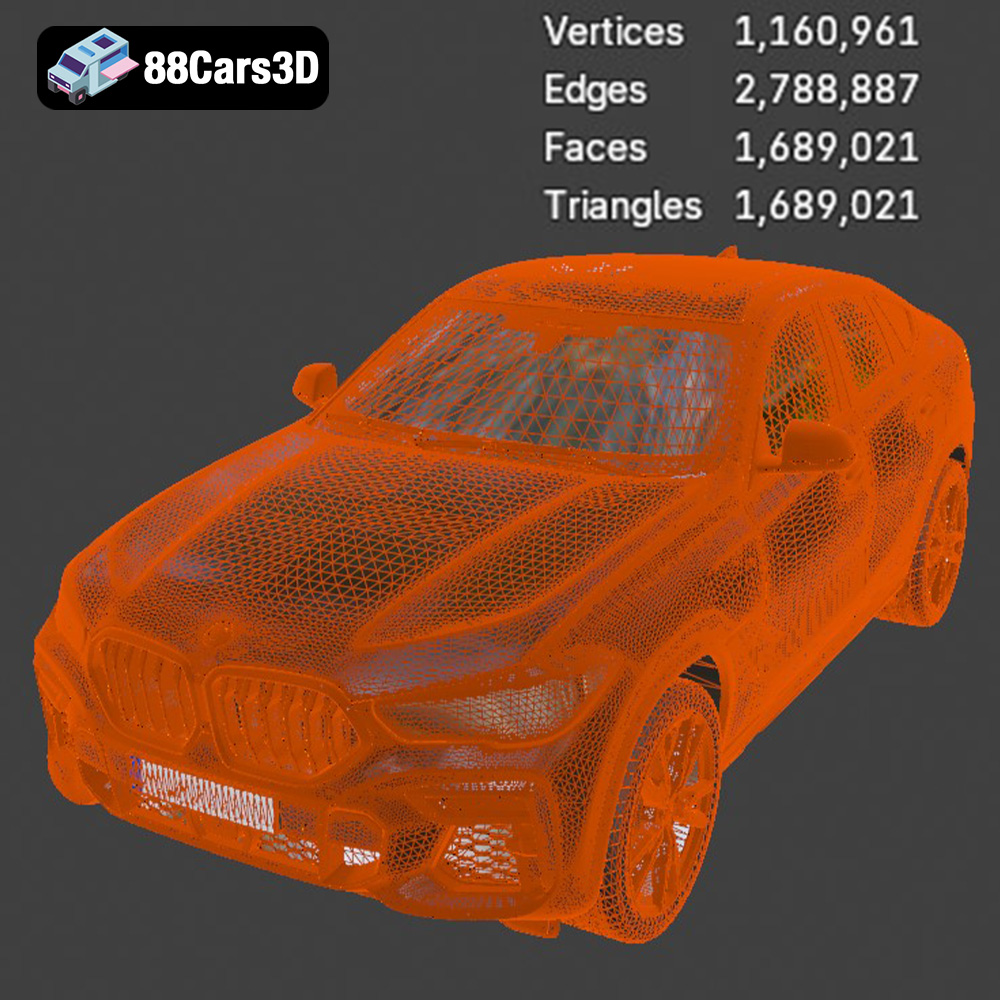
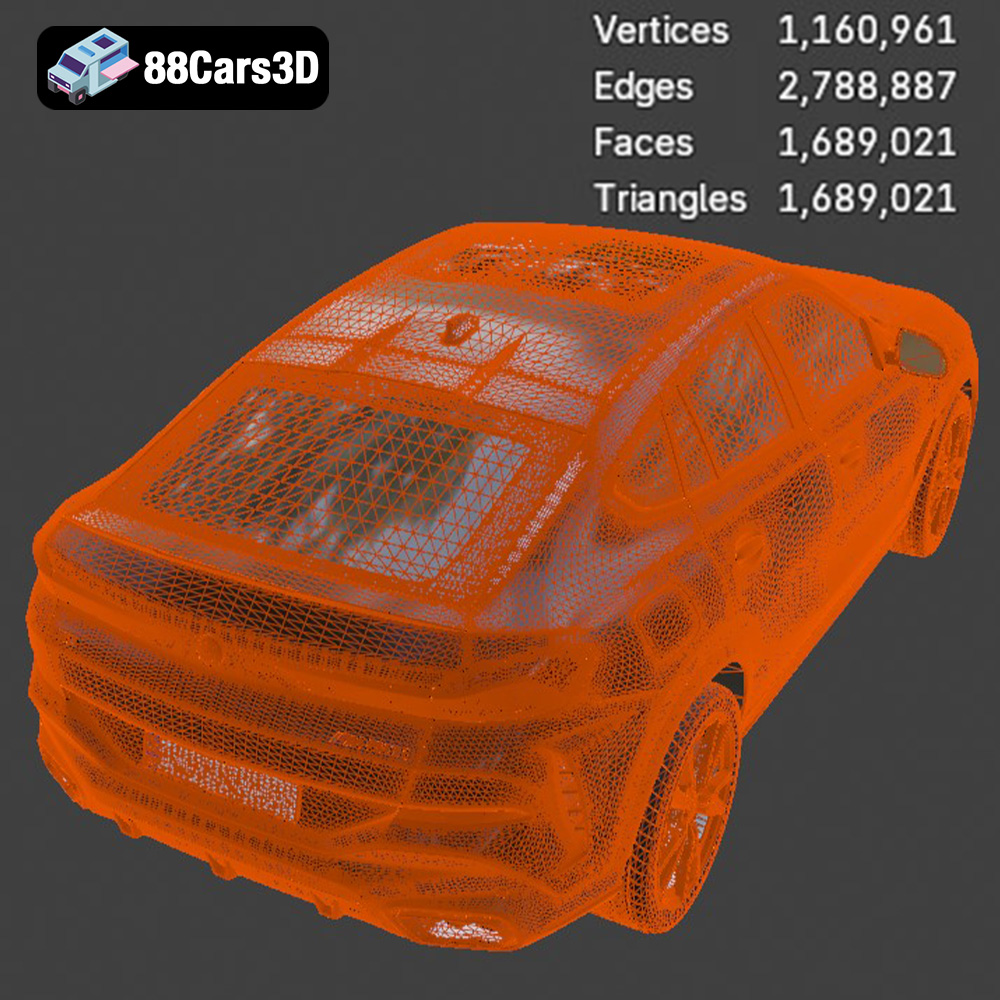
At the heart of any excellent 3D model is its geometry. Clean geometry means well-structured polygons (preferably quads for subdivision surfaces), minimal triangulation in areas that require smooth deformation, and no overlapping or rogue vertices. Precise edge flow ensures that the mesh accurately captures the curves and contours of the real vehicle. This is particularly important for automotive surfaces, where subtle reflections and highlights define the vehicle’s form. The BMW X6 model’s exceptionally clean geometry and precise edge flow not only contribute to its stunning visual quality but also make it easy to modify, unwrap, or animate, saving valuable production time for artists and studios.
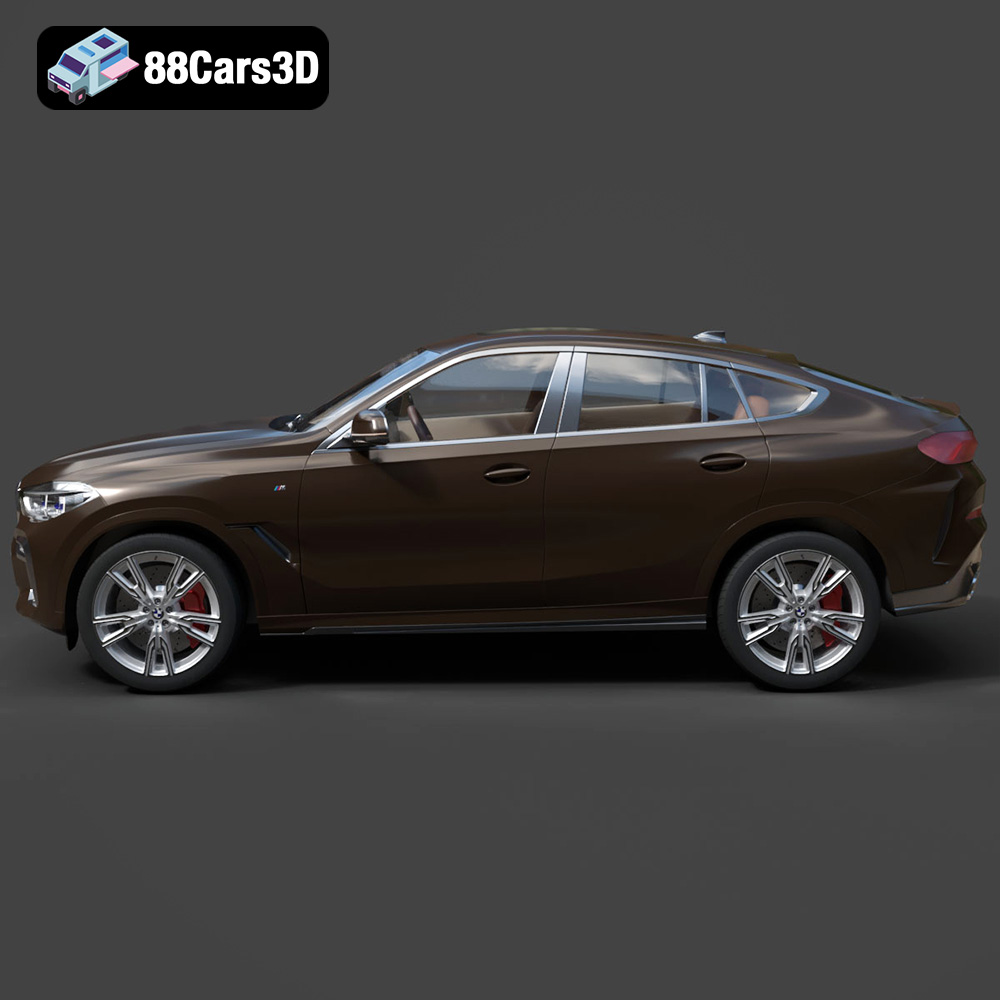
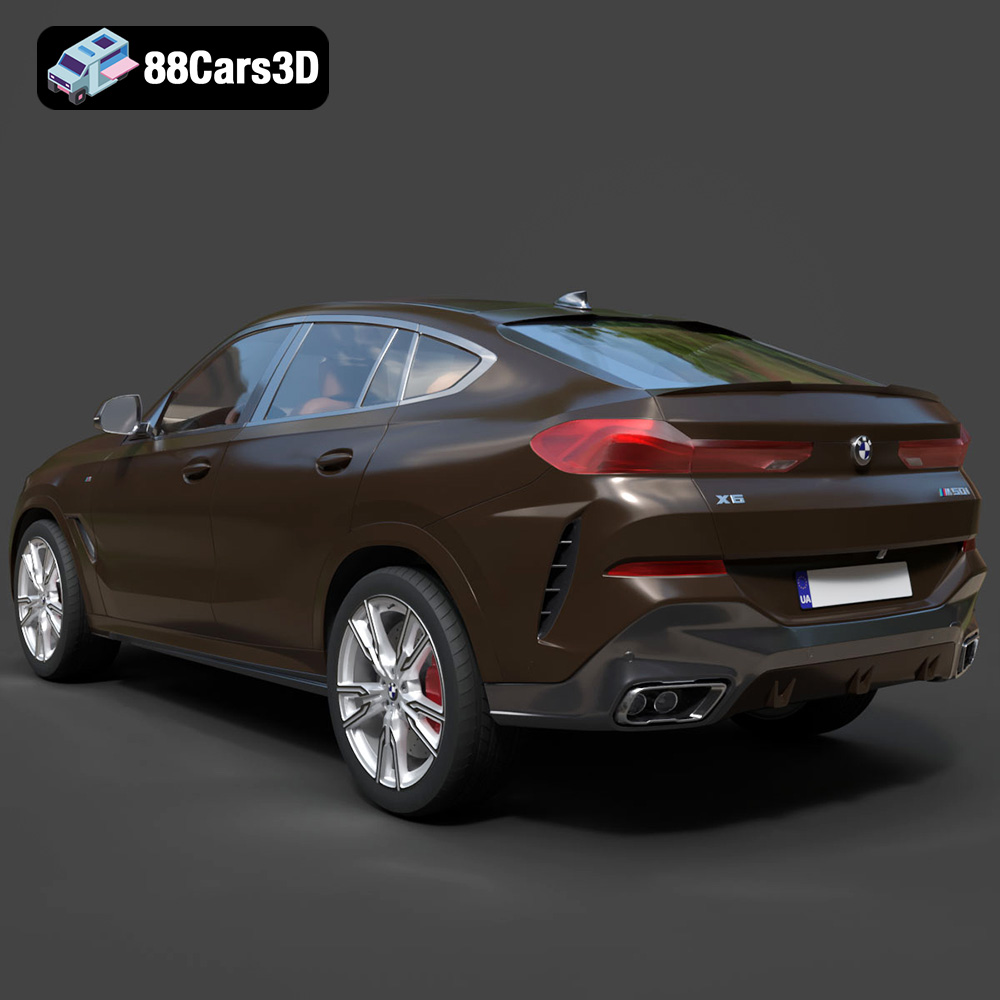
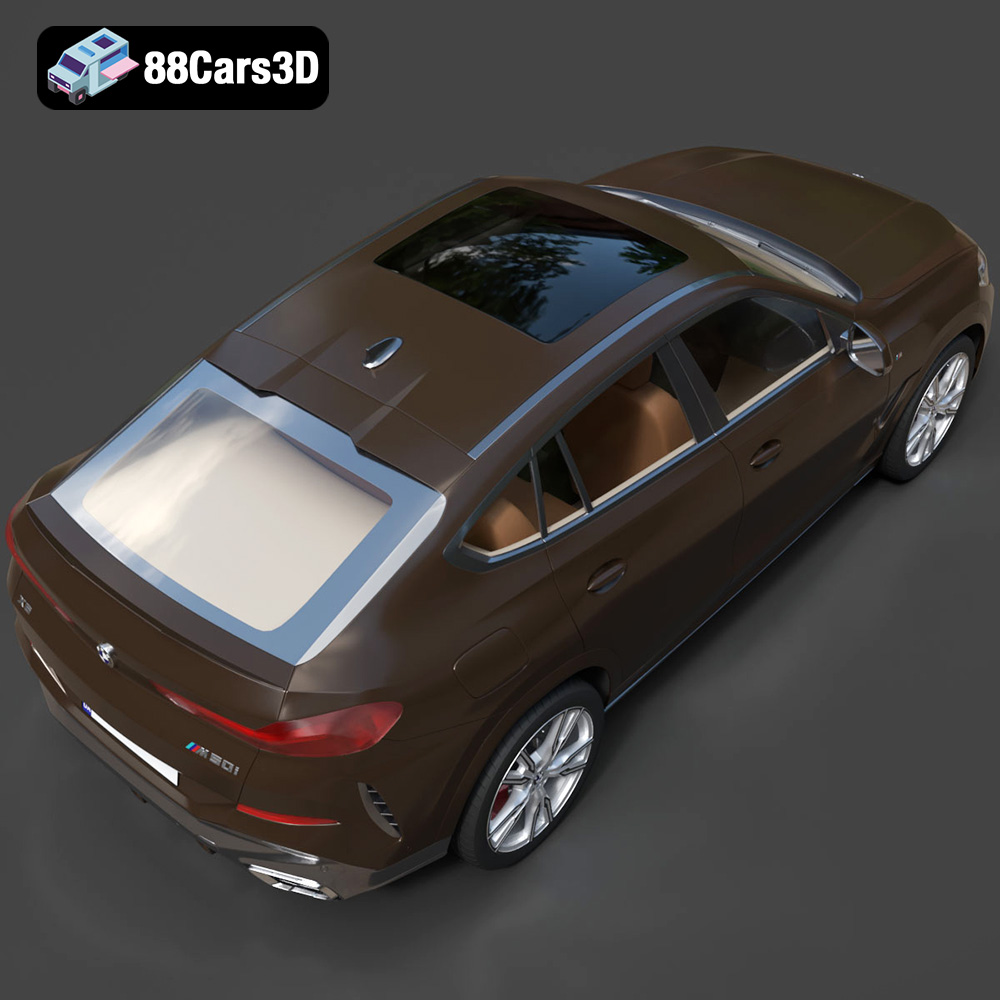
Replicating a real-world vehicle demands an obsessive commitment to accuracy. This means meticulously matching blueprints, reference images, and real-world measurements. Every panel gap, body line, vent, and badge must be faithfully recreated. The BMW X6 model accurately replicates the distinct proportions, aggressive styling, and luxurious detailing of the renowned sports activity coupe. This includes not just the exterior shell, but also the intricacies of headlights, taillights, wheels, and crucially, a fully detailed interior. Having these elements accurately modeled guarantees outstanding results, even in extreme close-up renders or detailed interior walkthroughs in AR/VR.
UV mapping is the process of flattening the 3D surface into a 2D space to apply textures. Optimized UVs are non-overlapping, efficiently packed, and minimize stretching, allowing for high-resolution textures to be applied seamlessly. Professional models will often include multiple UV sets: one for general PBR textures, another for lightmaps in game engines, and perhaps one for specific decals. The quality of UVs directly impacts the realism of the materials, ensuring that details like carbon fiber weaves, leather grain, and paint flakes appear correct from all angles. For the BMW X6 model, meticulously unwrapped UVs underpin its realistic materials, allowing it to seamlessly interact with diverse lighting scenarios and present a visually convincing digital twin.
Such a level of craftsmanship is not just about aesthetics; it’s about providing a foundation that empowers creators across all industries. This attention to technical detail is what makes models available on platforms like 88cars3d.com so valuable.
In the dynamic world of digital content creation, the pursuit of realism and efficiency is constant. As we’ve explored, the humble 3D car model is far more than just a visual asset; it’s a complex digital product embodying advanced technical principles and artistic precision. From its meticulously crafted geometry and precise edge flow to its physically based materials and diverse file format offerings, a professional model like the BMW X6 (Mk3) (G06) M Sport 2020 3D Model provides an unparalleled foundation for a vast array of applications.
Whether you’re an automotive designer visualizing a new concept, a game developer integrating high-performance vehicles into an immersive world, an architect placing a car in a realistic visualization, or an AR/VR creator building interactive experiences, the quality of your 3D assets directly impacts the final output. Understanding the nuances of file formats, rendering techniques, optimization strategies, and the underlying craftsmanship allows creators to leverage these tools to their fullest potential.
The BMW X6 (Mk3) (G06) M Sport 2020 3D Model exemplifies what a top-tier automotive 3D asset should be: versatile, accurate, and ready for immediate deployment across professional pipelines. It represents an indispensable resource for anyone seeking to achieve truly outstanding results in their digital projects. By choosing such meticulously engineered models, accessible through marketplaces like 88cars3d.com, creators can elevate their work, streamline their workflows, and focus on innovation, knowing that their foundational assets are built to the highest professional standards.
Experience unparalleled realism with the BMW X6 (Mk3) (G06) M Sport 2020 3D Model. This meticulously crafted digital asset accurately replicates the distinct proportions, aggressive styling, and luxurious detailing of the renowned sports activity coupe. Engineered with precision, this model provides an exceptional level of accuracy, making it an indispensable resource for creators seeking top-tier automotive models.
Key features include exceptionally clean geometry, precise edge flow, and realistic materials that seamlessly interact with diverse lighting scenarios. The accurately modeled exterior and fully detailed interior components guarantee outstanding results, even in close-up renders. Optimized for seamless integration into various pipelines, this model sets a professional standard for 3D vehicle assets.
This versatile 3D model is ideal for a broad spectrum of applications, including advanced visualization, game development, realistic rendering, and simulation projects. Whether deployed in augmented and virtual reality (AR/VR) environments or used for cinematic productions and architectural visualizations, it delivers consistent, professional-grade performance.
The package includes a comprehensive selection of industry-standard file formats to accommodate any workflow:
$19.99
.arvr
.blend
.bmw
.car3dmodel
.fbx
.g06
.gameasset
.glb
.luxurycar
.max
.mk3
.msport
.obj
.ply
.rendering
.simulation
.sportSUV
.stl
.unreal
.x6
SUV