Get 50% OFF All Premium 3D & STL Models!

In the dynamic world of digital content creation, the demand for exceptionally detailed and optimized 3D assets continues to surge. From cutting-edge video games to photorealistic architectural visualizations and immersive AR/VR experiences, the quality of 3D models directly impacts the final product’s appeal and performance. Automotive design, in particular, requires an unparalleled level of precision, capturing not just the aesthetics but also the engineering integrity of a vehicle. This comprehensive guide explores the intricacies of professional 3D car models, demonstrating how a meticulously crafted asset like the Mercedes-Benz GLB-Class Mk1 AMG Line 2019 can revolutionize various digital projects. We’ll delve into technical specifications, workflow integrations, and the diverse applications that benefit from such a premium digital replica.
Creating a truly exceptional 3D car model is a delicate balance between artistic vision and technical prowess. It’s about more than just replicating a vehicle’s shape; it’s about capturing its essence, its materials, and its dynamic presence in a way that is both visually stunning and functionally efficient. The journey from concept to a game-ready or render-ready asset involves numerous stages of careful modeling, texturing, and optimization.
The primary challenge in 3D modeling, especially for complex subjects like cars, is to strike an impeccable balance between visual fidelity and real-time performance. For high-end cinematic renders, polygon counts can soar, allowing for every minute detail to be present. However, for interactive applications like video games or AR/VR, excessive polygons lead to performance bottlenecks. A professional 3D car model, such as the Mercedes-Benz GLB-Class Mk1 AMG Line 2019, achieves this balance by employing optimized topology, meaning the mesh is constructed efficiently to convey maximum detail with the fewest possible polygons. This model, with its approximately 250,000 triangles, exemplifies this principle, offering stunning visuals without bogging down real-time engines. Furthermore, the application of Physically Based Rendering (PBR) textures ensures that materials react realistically to light, providing a foundation for authentic automotive rendering across diverse lighting conditions.
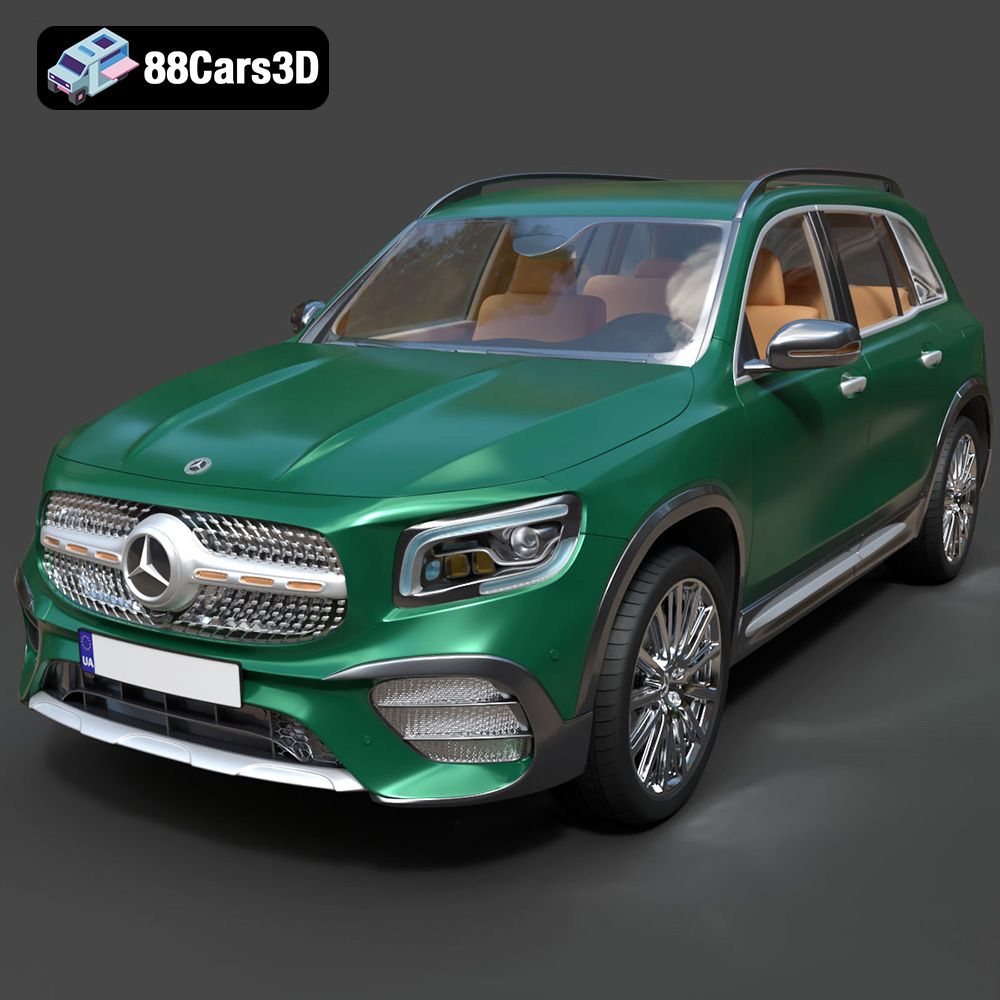
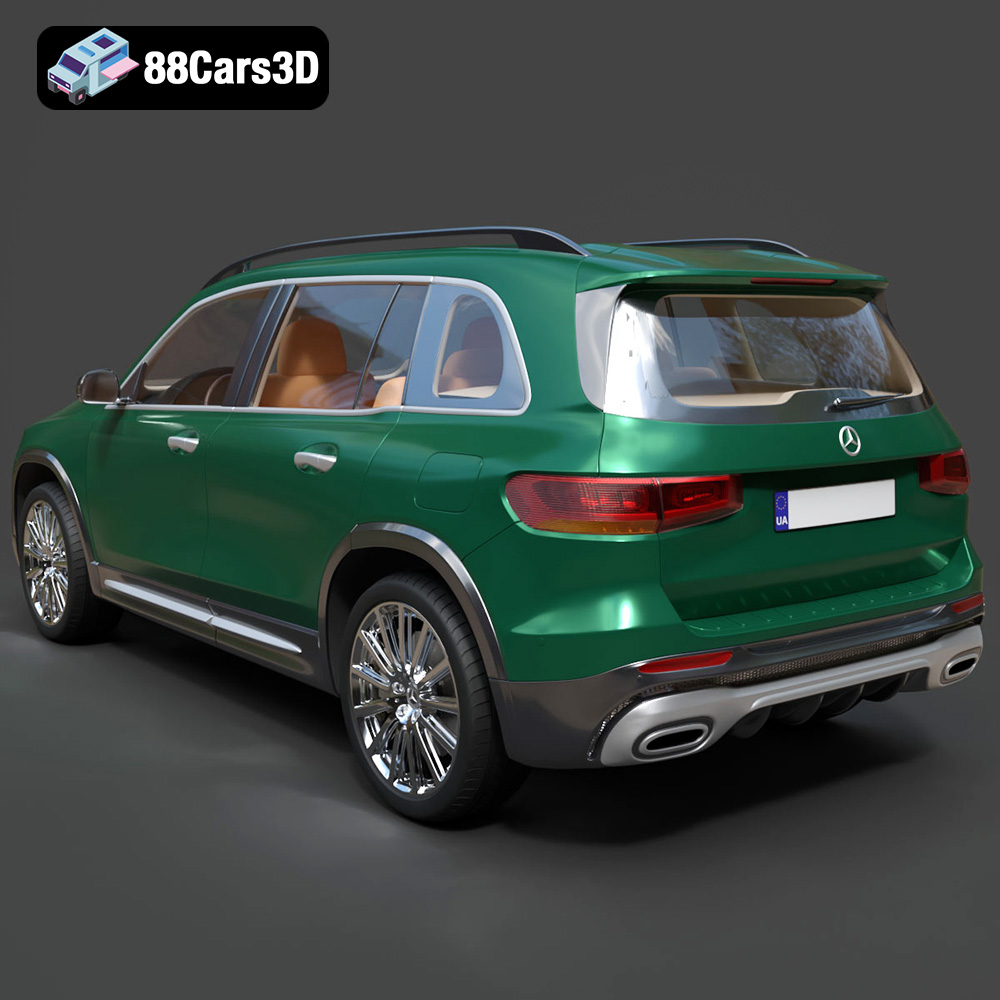
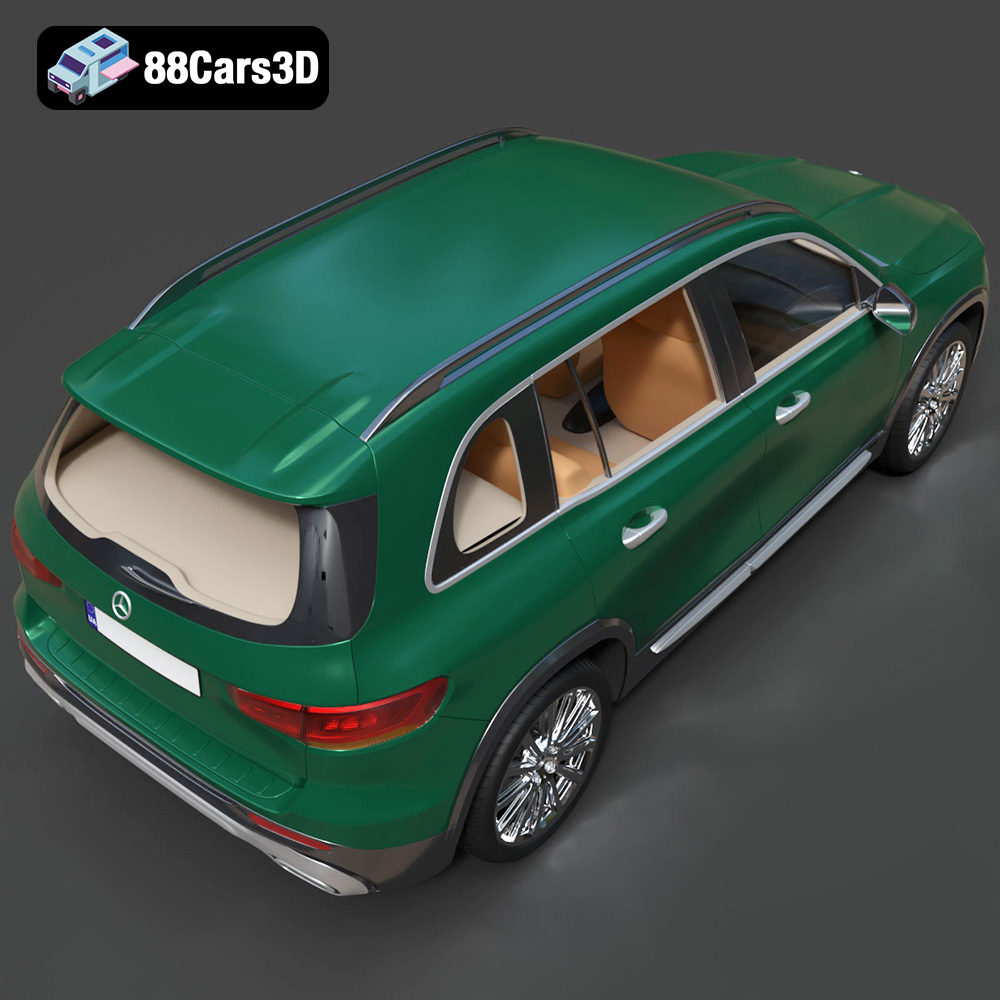
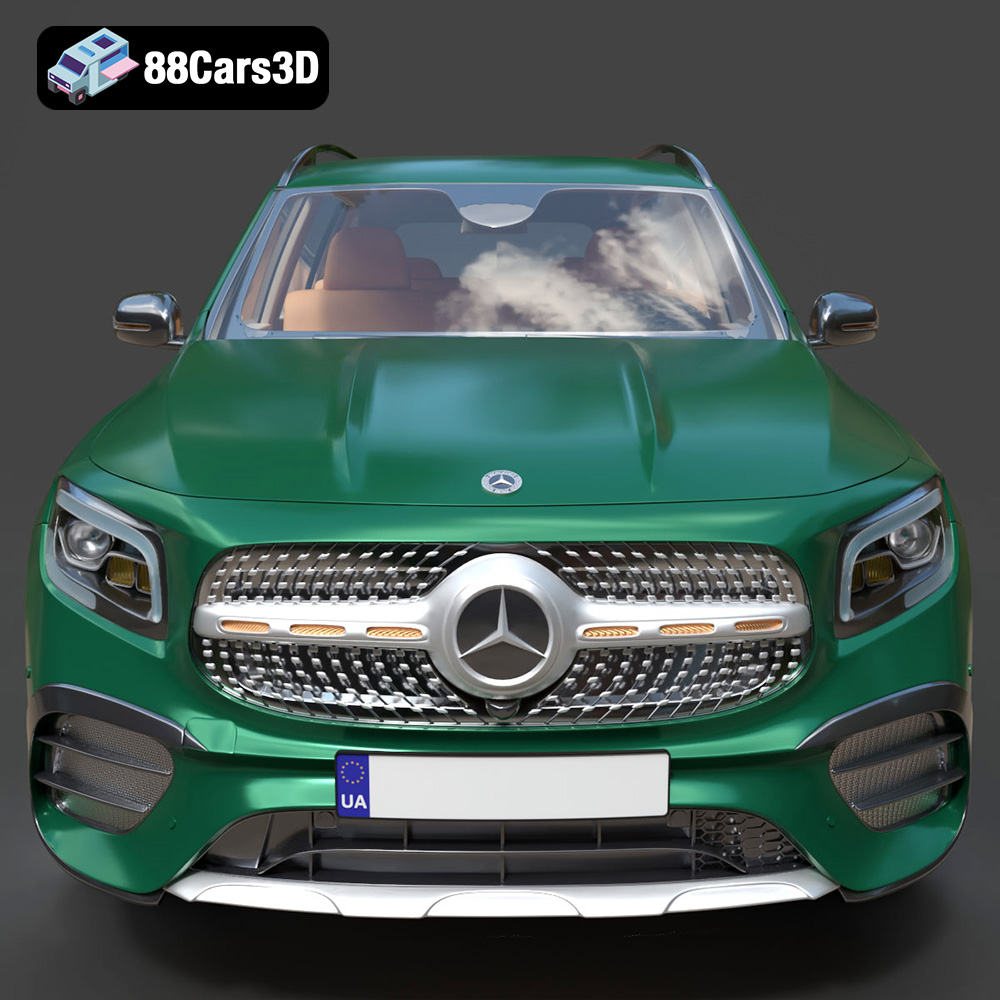
The Mercedes-Benz GLB-Class (Mk1) AMG Line 2019 3D model serves as an excellent illustration of what a premium automotive asset entails. This particular model captures the distinctive boxy silhouette, commanding stance, and aggressive AMG Line styling cues that define the real-world vehicle. From the signature diamond radiator grille and sporty front aprons to the prominent dual exhaust system, every striking curve and sophisticated detail has been meticulously recreated. The inclusion of accurate frame geometry, detailed engine block components, high-detail LED High Performance headlamps, and authentic AMG 5-twin-spoke light-alloy wheels underscores the commitment to authenticity. Inside, the model doesn’t disappoint, featuring detailed sport seating, a Nappa leather multifunction sports steering wheel, and an accurate MBUX dual-screen digital instrument cluster. This level of detail makes it an invaluable asset for any project demanding a true-to-life representation of this luxurious compact crossover SUV.
One of the most critical aspects of working with 3D car models, especially when sourcing from marketplaces like 88cars3d.com, is understanding the various file formats available. Each format serves a specific purpose, offering different levels of compatibility, feature support, and optimization for particular workflows. The Mercedes-Benz GLB-Class Mk1 AMG Line 2019 model thoughtfully provides a comprehensive suite of formats, ensuring maximum versatility for professional users.
The .blend format is the native file type for Blender, one of the most powerful and widely used open-source 3D creation suites. When you acquire a .blend file, you’re getting a complete Blender scene, including the model’s geometry, materials (often set up with Blender’s Cycles or Eevee render engines), textures, lighting, cameras, and any modifiers or animation data present. For artists working primarily in Blender, this is often the preferred format as it offers full editability and preserves all of the scene’s original properties, allowing for deep customization without any conversion artifacts or data loss. It’s ideal for those who want to integrate the model seamlessly into existing Blender projects or modify its structural components, materials, or animations.
.fbx (Filmbox) is an industry-standard 3D exchange format developed by Autodesk. It’s incredibly robust and widely supported across virtually all major 3D software and game engines, including Unreal Engine and Unity. FBX files can store not just mesh data but also materials, textures, animations, skinning, and camera information. Its strength lies in its ability to efficiently transfer complex scenes with animation, making it the go-to format for game development and real-time applications. For the Mercedes-Benz GLB-Class model, importing the .fbx into Unreal or Unity allows developers to quickly set up physics, add interactive elements, and prepare it for immersive environments, benefiting from its optimized geometry and PBR material definitions.
The .obj (Wavefront Object) format is one of the oldest and most universally supported 3D file formats. It’s a simple, text-based format that primarily stores mesh geometry (vertices, normals, texture coordinates, and faces). While it can reference external material files (.mtl) for basic color and texture assignments, it doesn’t typically store complex PBR material setups, animation, or scene hierarchy as robustly as FBX or native formats. However, its widespread compatibility makes it an excellent choice for static meshes or when you need to import a model into a less common 3D application. For many rendering projects where advanced materials can be recreated in the target software, .obj remains a reliable workhorse.
.glb (GL Transmission Format Binary) is an increasingly popular format optimized for web-based 3D, augmented reality (AR), and virtual reality (VR) applications. It’s a binary version of glTF, bundling all assets (geometry, textures, animations, PBR materials) into a single, compact file. This makes .glb incredibly efficient for streaming and loading in web browsers, mobile AR apps, and immersive VR experiences, where file size and loading times are critical. The Mercedes-Benz GLB-Class model in .glb format is perfectly suited for virtual showrooms, interactive product configurators on websites, or mobile AR apps where users can place the car in their real-world environment.
The .stl (Stereolithography) format is the de facto standard for 3D printing. It represents a 3D model as a series of connected triangles, describing only the surface geometry without color, texture, or other model attributes. While not suitable for rendering or animation, it is essential for sending models to 3D printers. The Mercedes-Benz GLB-Class model’s availability in .stl format means enthusiasts and professionals can create physical replicas, ranging from small display models to larger prototypes, utilizing the detailed exterior geometry for accurate physical representation.
The .ply (Polygon File Format) is another widely used format for storing 3D data, particularly from 3D scanners, CAD software, and scientific applications. It’s capable of storing not just geometry but also color, transparency, normals, and other attributes per vertex or face. While less common for general-purpose rendering than FBX or OBJ, .ply is valuable for applications requiring high precision mesh data or when working with point clouds. It offers a robust alternative for certain 3D printing workflows or for integrating the model into engineering analysis pipelines.
While not a standalone file format in the traditional sense, “.unreal” typically refers to an asset package or a specifically prepared FBX file that is optimized and configured for seamless import and use within Unreal Engine. This might involve specific material setups, collision meshes, LODs (Levels of Detail), and pivot points correctly oriented for Unreal’s coordinate system. The inclusion of an “unreal” specific asset for the Mercedes-Benz GLB-Class implies that the model has been pre-processed to meet Unreal Engine’s best practices, significantly streamlining the integration process for game developers and real-time visualization artists, minimizing setup time and maximizing engine performance.
The .max format is the native file type for Autodesk 3ds Max, a leading software for 3D modeling, animation, and rendering in architectural visualization, film, and game development. A .max file contains the complete 3ds Max scene, including geometry, materials (often V-Ray, Corona, or Arnold specific), lighting, cameras, animation, and modifiers. For artists working in 3ds Max, this provides the most comprehensive and editable version of the model, allowing for full control over every aspect of the scene for high-end rendering, complex animation sequences, or detailed design modifications.
The true value of a versatile 3D asset lies in its ability to integrate seamlessly into diverse professional pipelines. The Mercedes-Benz GLB-Class Mk1 AMG Line 2019 3D model, with its optimized geometry and extensive format support from 88cars3d.com, is engineered to excel across multiple industries.
For game developers, performance is paramount. The GLB-Class model’s ~250,000 triangle count strikes an excellent balance, offering high visual fidelity without imposing an undue burden on real-time rendering systems like Unreal Engine or Unity. The inclusion of PBR textures ensures materials look realistic under varied in-game lighting conditions, from bright daylight to moody night scenes. Crucially, the model features separate wheels, suspension, and steering components with proper pivot setups, enabling seamless animation for driving mechanics. Developers can easily import the .fbx or .unreal format, set up vehicle physics, implement robust suspension systems, and integrate the model into urban racing games, open-world simulators, or even interactive car showrooms within a game environment. Imagine a dynamic racing game where players can customize the GLB-Class, seeing realistic reflections off its metallic paint and the detailed interior through its windows, all running smoothly at high frame rates.
When photorealism is the ultimate goal, such as for advertising, product showcases, or architectural visualization, the Mercedes-Benz GLB-Class model provides an exceptional foundation. Using software like 3ds Max, Blender, Cinema 4D, or Maya, paired with advanced renderers like V-Ray, Octane, or Cycles, artists can achieve stunning results. The model’s intricate exterior features—from the crisp lines of the AMG body kit to the detailed LED headlamps and authentic AMG wheels—are perfectly suited for close-up shots. The detailed interior, with its accurate MBUX dual-screen system and sport seating, allows for compelling cockpit views. Workflow typically involves importing the .max, .blend, or .fbx file, setting up realistic studio lighting or HDRI environments, refining PBR materials for specific finishes (matte, gloss, metallic), and composing dramatic camera angles to highlight the vehicle’s luxurious appeal. This allows for the creation of marketing visuals that are virtually indistinguishable from real photography, saving considerable time and expense compared to traditional photo shoots.
The utility of high-quality 3D assets extends far beyond traditional screen-based rendering and gaming. The Mercedes-Benz GLB-Class model’s versatility makes it an ideal candidate for emerging technologies like Augmented and Virtual Reality, as well as the tangible world of 3D printing.
Augmented Reality (AR) and Virtual Reality (VR) are transforming how consumers interact with products, offering immersive and interactive experiences. The GLB-Class model, particularly in its optimized .glb format, is perfectly tailored for these applications. Its efficient geometry and embedded PBR materials mean it can be loaded quickly and rendered smoothly on various AR/VR platforms, including mobile devices. Businesses can create virtual showrooms where potential customers can explore the Mercedes-Benz GLB-Class from any angle, customize its colors and features in real-time, or even “place” the car in their driveway using mobile AR. This level of interaction fosters deeper engagement and allows for unique marketing opportunities, pushing the boundaries of traditional advertising. Imagine interacting with the car’s interior, opening doors, or even taking a virtual test drive, all powered by this high-fidelity game asset.
For hobbyists, model makers, and designers, the ability to physically hold a detailed replica of a digital asset is a fascinating prospect. The Mercedes-Benz GLB-Class model’s availability in .stl format opens the door to 3D printing. While 3D printing requires careful preparation, the detailed geometry of this model provides an excellent base. Recommended scales like 1:12, 1:18, or 1:24 allow for various display sizes. For optimal results, resin printing is often recommended to capture the fine details of the AMG Line styling, headlights, and interior features. Users would need to prepare the model by adding supports for complex overhangs (like the exhaust, mirrors, and steering wheel) and ensure proper wall thickness. Post-processing, including sanding, priming, and painting with authentic factory colors, can bring the digital model to life as a tangible, high-quality display piece. This fusion of digital and physical craftsmanship offers a unique dimension to working with 3D car models.
The robustness of any 3D model, especially complex automotive assets, is rooted in its technical specifications and how meticulously it has been optimized. The Mercedes-Benz GLB-Class Mk1 AMG Line 2019 model embodies a high standard of digital engineering.
At the core of this model’s versatility is its optimized geometry, boasting approximately 250,000 triangles. This poly count is a sweet spot, providing ample detail for close-up renders while remaining efficient enough for real-time applications. The model is built to real-world scale accuracy, ensuring it integrates correctly into scenes with other real-world objects or architectural designs. Furthermore, the inclusion of proper pivot setups for steering, wheel rotation, and suspension travel is a critical detail often overlooked in less professional models. This directly benefits animators and game developers, saving countless hours in rigging and setup. PBR texturing is applied meticulously, capturing the nuances of metal, glass, plastic, and leather. The detailed interior, featuring the MBUX system, sport seating with intricate stitching, and the Nappa leather steering wheel, is not just for show; it’s modeled with sufficient fidelity for first-person perspectives in VR or game environments, adding another layer of immersion.
Beyond its inherent quality, a truly professional 3D asset offers flexibility for customization. The Mercedes-Benz GLB-Class model is designed with adaptability in mind. Users can easily change body colors to any of Mercedes-Benz’s factory finishes (e.g., Mountain Grey, Cosmos Black) or apply custom finishes to match a specific project’s aesthetic. Tire textures can be swapped between street variants and winter treads, adding realism for seasonal scenarios. Material finishes, such as matte, gloss, metallic, or even carbon fiber accents, can be adjusted to create a unique look. The model also allows for easy adaptation of lighting, enabling artists to render the car convincingly in diverse environments, from sun-drenched coastal roads to moody urban nights. This level of customization ensures the model remains a relevant and valuable asset across a multitude of creative endeavors, making it a sound investment for any digital professional.
In a crowded digital marketplace, selecting the right 3D assets can make or break a project. Investing in high-quality 3D car models from a reputable source like 88cars3d.com offers significant advantages, translating directly into time savings, superior output, and creative freedom.
The Mercedes-Benz GLB-Class Mk1 AMG Line 2019 3D model exemplifies the rigorous standards upheld by 88cars3d.com. Every model is crafted with meticulous attention to detail, ensuring anatomical accuracy, optimized topology, and high-fidelity PBR texturing. This commitment to quality means professionals receive assets that are clean, error-free, and ready for immediate integration into demanding production pipelines. Instead of spending valuable time on retopology, UV unwrapping, or fixing mesh errors, artists can focus on the creative aspects of their projects. The blend of visual realism and performance optimization inherent in these models signifies a professional-grade asset designed to meet the expectations of even the most discerning clients and projects.
88cars3d.com stands as a premier destination for high-quality 3D car models, offering an extensive library of meticulously crafted vehicles. The availability of the Mercedes-Benz GLB-Class model in a wide array of formats (.blend, .fbx, .obj, .glb, .stl, .ply, .unreal, .max) showcases a deep understanding of industry needs and workflow compatibility. This versatility eliminates friction, allowing users to choose the format best suited for their specific software and application, whether it’s for game development, automotive rendering, AR/VR experiences, or 3D printing. By providing such comprehensive and professionally prepared 3D car models, 88cars3d.com empowers designers, developers, and artists to elevate their projects with stunning visual assets, saving time and resources while achieving outstanding results. When precision, versatility, and efficiency are paramount, the choice for premium 3D assets becomes clear.
The world of 3D modeling continues to evolve, and with it, the expectations for digital assets rise. A high-fidelity, optimized 3D car model like the Mercedes-Benz GLB-Class Mk1 AMG Line 2019 is far more than just a digital representation; it’s a versatile tool engineered to meet the demanding requirements of modern content creation. From its meticulously recreated exterior and interior details to its expertly optimized geometry and comprehensive file format support, this model is a testament to professional digital craftsmanship. Whether you’re a game developer seeking realistic vehicle assets, an automotive renderer striving for photorealism, an AR/VR creator building immersive experiences, or a hobbyist bringing digital designs to life through 3D printing, the GLB-Class model offers unparalleled quality and flexibility. By investing in premium assets from platforms like 88cars3d.com, professionals can streamline their workflows, enhance their creative output, and push the boundaries of visual excellence across every digital medium.
Experience the perfect blend of rugged versatility and premium luxury with our meticulous 3D model of the Mercedes-Benz GLB-Class (Mk1) AMG Line 2019. This compact crossover SUV stands out with its distinctive boxy silhouette, commanding stance, and aggressive AMG Line styling cues, including the signature diamond radiator grille, sporty front aprons, and prominent dual exhaust system. Designed to encapsulate the modern elegance and muscular heritage of the Mercedes-Benz brand, this digital replica captures every striking curve and sophisticated detail. This high-fidelity, game-ready 3D model is meticulously crafted with optimized topology (~250,000 triangles), striking an impeccable balance between exceptional visual realism and efficient real-time performance. Designed for maximum versatility, the model features PBR texturing and precise structural proportions, making it a premium asset for game engines, high-end rendering, and immersive interactive media. Perfect for urban racing games, luxury vehicle configurators, architectural visualizations, and mobile AR experiences.
$19.99
.2019
.blend
.fbx
.glb
.luxury suv
.max
.obj
.ply
.rendering
.stl
.unreal
amg-line
car-3d-model
compact-suv
game asset
game-ready
glb-class
low-poly
mercedes-benz
optimized
VR/AR