Get 20% OFF All Premium 3D & STL Models!

In the rapidly evolving landscape of digital content creation, the demand for realistic and versatile 3D assets has never been higher. From breathtaking cinematic sequences and immersive game worlds to precise architectural visualizations and cutting-edge AR/VR experiences, the quality of a 3D model can significantly impact a project’s overall fidelity and appeal. For automotive enthusiasts, designers, and developers alike, a meticulously crafted vehicle model is more than just an object; it’s a critical component that breathes life into their digital creations.
Today, we delve into the world of professional 3D car models, exploring what makes them exceptional and how they empower creators across various industries. We’ll specifically highlight an outstanding example of precision engineering in the digital realm: the Honda Metropolitan 2013 3D Model. This exceptionally detailed asset, available on 88cars3d.com, encapsulates the essence of what it means to be a production-ready model, offering unparalleled realism and seamless integration into diverse pipelines. Join us as we explore the technical intricacies and creative potential that such high-caliber assets bring to your projects.
Achieving true digital realism for automotive subjects is a multifaceted endeavor, demanding a blend of artistic vision and rigorous technical execution. A superior 3D car model, such as the Honda Metropolitan 2013 3D Model, is built upon a foundation of clean geometry, accurate proportions, and meticulously applied materials. These elements work in concert to deliver an asset that not only looks authentic but also performs flawlessly across different applications.
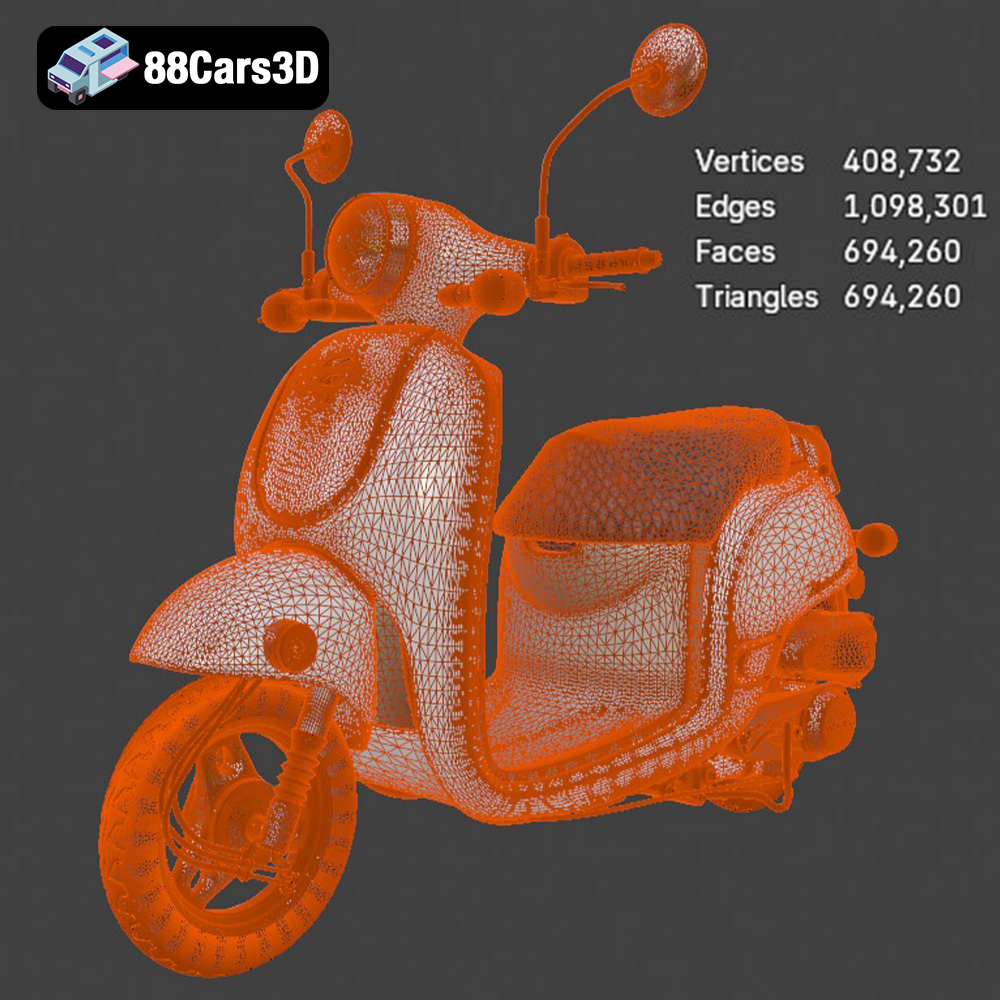
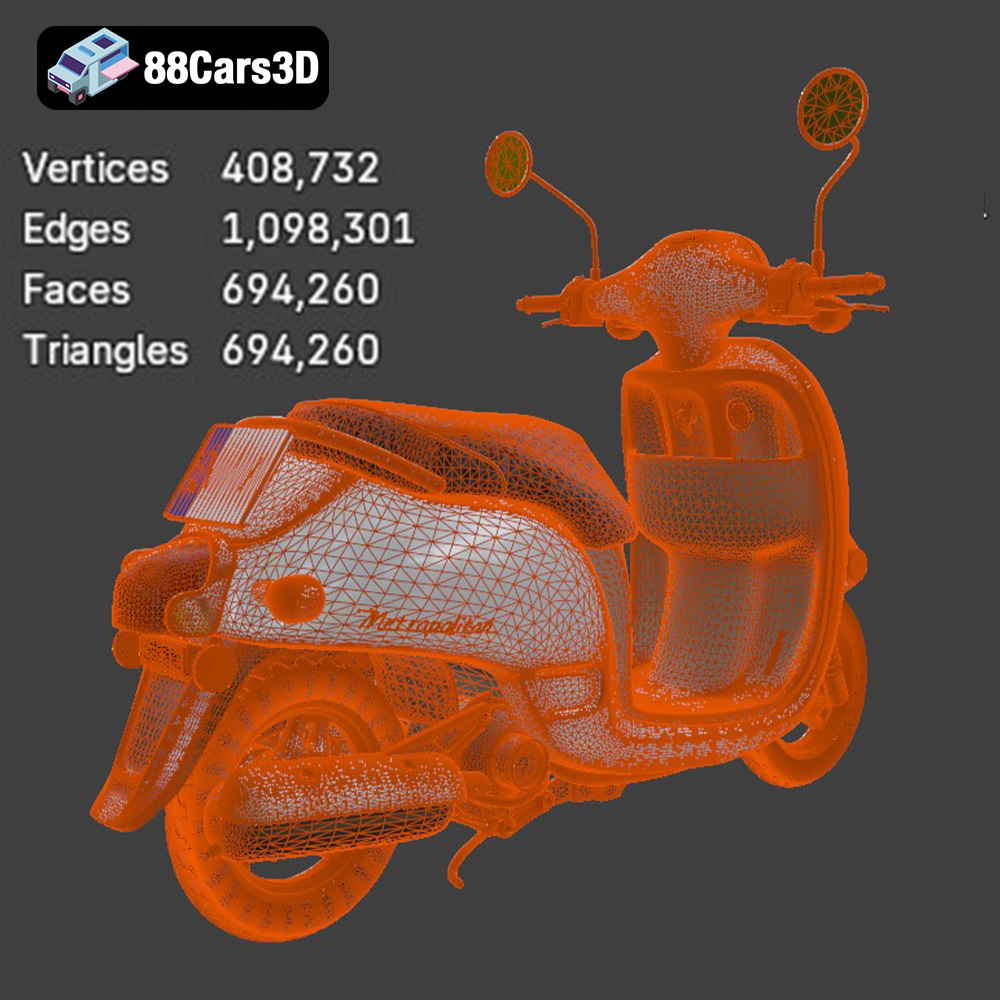
At the heart of any high-quality 3D model lies its geometry. For vehicles, this means more than just capturing the general shape; it requires obsessive attention to detail. Accurate proportions are paramount, ensuring that every curve, panel gap, and component aligns precisely with its real-world counterpart. The Honda Metropolitan 2013 3D Model exemplifies this, featuring true-to-life precision that captures the essence of the original vehicle. This level of accuracy is achieved through clean geometry and professional-grade construction, meaning the mesh is optimized with efficient polygon counts and well-structured edge loops.
Clean topology is critical for several reasons. It ensures smooth deformations during animation, facilitates easy UV mapping, and helps prevent rendering artifacts. Models with messy or overly dense meshes can lead to performance issues, increase file sizes unnecessarily, and complicate future modifications. Professionals understand that a clean wireframe is the backbone of a versatile and robust asset, making it easier to work with whether for high-fidelity automotive rendering or real-time game assets.
Beyond the mesh, the surface properties of a 3D car model are what truly sell its realism. Modern rendering engines rely on Physically Based Rendering (PBR) workflows, which demand accurate material definitions. This includes realistic textures for paint, chrome, rubber, glass, and plastics, all calibrated to react correctly to various lighting conditions. The Honda Metropolitan 2013 3D Model features realistic materials and expertly crafted surfaces, ensuring striking results under diverse lighting conditions.
This attention to material fidelity means that reflections, refractions, and diffuse properties are accurately represented, making the scooter look convincing whether it’s bathed in sunlight or parked under a streetlamp. High-resolution textures, normal maps, roughness maps, and metallic maps are applied meticulously to replicate the subtle imperfections and finishes of a real vehicle, from the slight sheen of the paint to the coarse texture of the tires. This level of detail is crucial for projects requiring top-tier visual fidelity, where every visual nuance contributes to the overall immersion.
The versatility of a professional 3D car model is often defined by its compatibility across different software and platforms. This hinges on the array of file formats it supports, each tailored for specific workflows and use cases. The Honda Metropolitan 2013 3D Model, for instance, is delivered in multiple industry-standard file formats, ensuring it can seamlessly integrate into virtually any production pipeline. Understanding these formats is crucial for optimizing your workflow and achieving your desired output, whether it’s for automotive rendering, game assets, or specialized applications.
The .blend format is the native file type for Blender, a powerful and widely-used open-source 3D creation suite. When you receive a .blend file, you’re getting a fully editable Blender scene complete with materials, lighting setups, cameras, and sometimes even animations or rigging. This format is ideal for artists who primarily work in Blender and need to dive deep into the model’s construction, make extensive modifications, re-light the scene, or integrate it into a larger Blender project. Its primary advantage is that it preserves all Blender-specific data, ensuring maximum flexibility and control within the software.
.fbx (Filmbox) is a proprietary file format developed by Autodesk, widely regarded as the industry standard for 3D data exchange, especially between different 3D software applications and game engines. It excels at preserving complex scene data including geometry, materials, textures, animations, and skeletal data. For game development, .fbx is ideal for Unreal, Unity, and real-time pipelines due to its robust support for animation and skeletal data. When dealing with intricate 3D car models or game assets, .fbx ensures that all relevant data transfers smoothly, making it a go-to for professional studios.
.obj (Wavefront OBJ) is another highly universal format. While it’s older and simpler than .fbx, it remains a cornerstone for cross-software compatibility. An .obj file primarily stores geometry (vertices, normals, UV coordinates, faces) and references external material files (.mtl) for surface properties. It’s excellent for static meshes and basic material information, making it compatible with virtually all major 3D software. For simple 3D car models that don’t require complex animations or advanced scene data, .obj offers a reliable and broadly supported solution.
.glb (GL Transmission Format Binary) is a relatively newer format designed for the efficient transmission and loading of 3D scenes and models in web and AR/VR applications. It packages geometry, materials, textures, and animations into a single binary file, optimizing it for rapid display. This makes it perfect for interactive web viewers, augmented reality experiences, and virtual reality environments where file size and loading speed are critical. When showcasing a 3D car model in a browser or an AR app, .glb ensures a smooth and performant experience.
The .unreal format, or rather a project containing engine-ready assets specifically configured for Unreal Engine, is a game-changer for real-time development. This isn’t a single file extension in the traditional sense, but rather a package that includes the imported meshes, materials, textures, and sometimes even blueprints or level setups within an Unreal Engine project structure. It means the asset is pre-configured for Unreal Engine use, saving countless hours of manual setup, material creation, and optimization for real-time environments. It’s an engine-ready asset, streamlining integration directly into your Unreal projects.
.stl (Stereolithography) is perhaps the most widely recognized file format for 3D printing. It represents a 3D model as a series of connected triangles, defining only the surface geometry without color or texture information. If your goal is to physically prototype a 3D car model, such as the Honda Metropolitan 2013, the .stl format is your essential output. It’s suitable for 3D printing and prototyping, acting as a bridge from the digital design to a tangible object.
.ply (Polygon File Format) is another format focused on describing 3D scanners’ outputs. It can store a variety of properties beyond just geometry, including color, transparency, and sometimes even surface normal information, for each vertex or face. While not as universally used as .obj or .fbx for general 3D work, .ply is a precision mesh format valuable for CAD, scientific analysis, or applications where exact point cloud or mesh data is required. It’s often employed in areas like reverse engineering or detailed visualization where robust mesh data is paramount.
Finally, the .max format is the native file type for Autodesk 3ds Max, a leading software in architectural visualization, animation, and high-end rendering. Similar to .blend for Blender, a .max file contains a full 3ds Max project, including models, materials, textures, lighting, cameras, and animation data. It offers full editability within 3ds Max, making it ideal for studios and professionals whose workflow is centered around this powerful platform for advanced rendering and animation of complex scenes, including intricate 3D car models.
A truly versatile 3D car model isn’t confined to a single purpose. The Honda Metropolitan 2013 3D Model stands as a testament to this versatility, engineered to excel across a broad spectrum of digital applications. Its high fidelity and optimized construction make it an invaluable asset for game development, architectural visualization, cinematic rendering, and cutting-edge AR/VR experiences.
For advertising agencies, product designers, and automotive marketing teams, high-quality automotive rendering is indispensable. The Honda Metropolitan 2013 3D Model provides the perfect foundation for creating stunning promotional animations, static beauty shots, and detailed product showcases. Its accurate proportions and refined curves ensure that every render accurately reflects the real-world scooter, making it suitable for high-resolution print media or broadcast commercials. Whether it’s showcasing a new color variant or demonstrating a feature in a dynamic cinematic, this model delivers outstanding visual fidelity under professional rendering conditions.
Imagine a digital showroom where potential customers can explore the scooter from every angle, or an interactive configurator allowing them to customize colors and accessories. The clean geometry and realistic materials mean that lighting artists can achieve photo-realistic results with ease, highlighting the scooter’s design nuances and material finishes. This level of detail saves significant time and resources compared to traditional photography or physical prototyping.
In the realm of game development, balancing visual quality with performance is a constant challenge. The Honda Metropolitan 2013 3D Model is built with performance in mind, making it an excellent game asset. Its professional-grade construction means it can be optimized for various levels of detail (LODs) to suit different platforms and graphical settings, from high-end PC titles to mobile games. As a vehicle asset, it can serve as a static background prop to populate urban scenes, a dynamic NPC vehicle, or even a player-controllable moped in a racing or open-world game.
The availability of the .fbx and .unreal formats specifically caters to game developers using Unreal Engine and Unity, allowing for seamless import and rapid integration. Developers can leverage its clean UVs and PBR materials to quickly set up shaders that look fantastic within real-time engines, accelerating the asset integration pipeline and freeing up artists to focus on other aspects of game design.
Augmented Reality (AR) and Virtual Reality (VR) are transforming how we interact with digital content, offering immersive experiences that blur the lines between the real and virtual. The Honda Metropolitan 2013 3D Model is perfectly suited for these emerging technologies, thanks to its optimized geometry and the inclusion of the .glb format.
In VR, this model could be part of a virtual city exploration, a training simulation for vehicle maintenance, or an interactive exhibit. In AR, users could “place” the scooter in their driveway using their smartphone, visualizing how it would look in real space before making a purchase. The model’s detailed yet efficient construction ensures smooth performance and quick loading times, which are crucial for maintaining immersion in AR/VR environments where lag can quickly break the user’s sense of presence.
The real power of a high-quality 3D car model lies in its ability to be effortlessly integrated into established professional workflows. The Honda Metropolitan 2013 3D Model, with its diverse file formats, is designed to be a plug-and-play asset for leading 3D software and game engines, significantly accelerating production timelines and maintaining consistent quality across projects.
For Blender artists, the provided .blend file is a complete package. Upon opening, you’ll find the Honda Metropolitan 2013 3D Model with its realistic materials and lighting setup already configured. This allows artists to immediately begin rendering, modify materials, or integrate the scooter into a larger scene. For example, a visualization artist could drop the model into an architectural scene of a modern city, adjusting the studio lighting or environmental HDRI to match the desired mood. The clean topology of the model ensures smooth subdivision for close-up renders, and the well-organized scene structure makes it easy to isolate parts for texturing adjustments or minor animation. The power of Blender’s Cycles or Eevee renderers can then be harnessed to produce stunning, photo-realistic output with minimal fuss.
Game developers utilizing Unreal Engine will find the .unreal (or highly compatible .fbx) format a godsend. Importing the asset is straightforward: drag and drop the .fbx into the Content Browser, or leverage the pre-configured .unreal package. Unreal Engine’s advanced material editor allows artists to further tweak the PBR materials, add decals, or even implement dynamic wear-and-tear effects. The clean UVs on the Honda Metropolitan 2013 facilitate easy texture streaming and efficient use of texture memory, critical for optimal performance in real-time. For interactive game assets, the model can be quickly integrated into a Blueprint, enabling functionality like driving mechanics, customizable features, or interactions with other game elements. This streamlined integration frees up valuable development time, allowing teams to focus on gameplay and immersive world-building.
3ds Max users benefit from the native .max file, providing full editability and leveraging 3ds Max’s robust toolset for animation and advanced rendering. An animator might rig the scooter for complex sequences, such as driving through traffic or performing stunts, utilizing the clean geometry for smooth deformations. For high-end automotive rendering, 3ds Max, often paired with renderers like V-Ray or Corona, can produce exceptionally detailed and physically accurate lighting scenarios. Imagine showcasing the Honda Metropolitan 2013 with intricate reflections on its polished paintwork, captured under the dynamic interplay of a studio light setup or a realistic exterior environment. The ability to manipulate every aspect of the model within its native environment ensures maximum creative control for demanding visualization projects.
In today’s fast-paced digital production environment, efficiency and quality are paramount. Sourcing production-ready 3D car models like the Honda Metropolitan 2013 from reputable marketplaces like 88cars3d.com offers significant advantages for individuals and large studios alike.
Creating a high-quality 3D car model from scratch is a monumental undertaking, requiring hundreds of hours from skilled 3D artists, modelers, and texture artists. By utilizing a pre-made, professionally crafted asset, project teams can bypass this intensive initial phase entirely. This translates directly into substantial time and cost savings. Instead of spending weeks on modeling and texturing, artists can immediately focus on scene assembly, lighting, animation, or integration into game engines. For tight deadlines or projects with limited budgets, leveraging ready-to-use assets is not just a convenience, but a strategic necessity.
When you purchase a model from a trusted source like 88cars3d.com, you are investing in a product that meets professional standards. The Honda Metropolitan 2013 3D Model, for example, is guaranteed to have clean geometry, optimized UVs, and realistic materials. This consistency in quality ensures that your final output will meet the visual fidelity expectations of your clients or audience. It eliminates the guesswork and potential pitfalls associated with creating assets in-house or using subpar models, providing a reliable foundation for any project requiring top-tier visuals. This is especially critical for brands and agencies that need to maintain a high standard across all their digital content.
With the foundational asset taken care of, creative teams are free to push the boundaries of their projects. Instead of getting bogged down in technical modeling challenges, they can explore more complex animations, develop richer interactive experiences, or focus on innovative environmental design. A production-ready 3D car model acts as a catalyst for creativity, enabling artists to bring their visions to life with greater speed and fewer technical hurdles. Whether you’re building a vibrant urban scene for a game or rendering an elegant product showcase, having a reliable and detailed vehicle asset like this Honda Metropolitan 3D Model enriches the visual narrative and opens up new avenues for digital storytelling.
The journey from concept to a compelling digital reality is paved with meticulous detail, technical expertise, and the right assets. High-quality 3D car models, exemplified by the Honda Metropolitan 2013 3D Model, are indispensable tools for professionals across automotive rendering, game development, architectural visualization, and AR/VR experiences. Its true-to-life precision, clean geometry, realistic materials, and support for multiple industry-standard file formats make it an exceptionally versatile and powerful asset.
From the foundational principles of clean topology and material fidelity to its seamless integration into workflows spanning Blender, Unreal Engine, and 3ds Max, this model demonstrates the profound impact a well-crafted digital asset can have. By leveraging such production-ready models, creators save invaluable time, ensure consistent quality, and unlock new creative potential. For those seeking to elevate their digital projects with top-tier 3D car models, 88cars3d.com stands as a premier destination, offering a curated selection of assets designed to meet the rigorous demands of professional production. Explore the Honda Metropolitan 2013 3D Model and discover how it can accelerate your journey to digital excellence today.
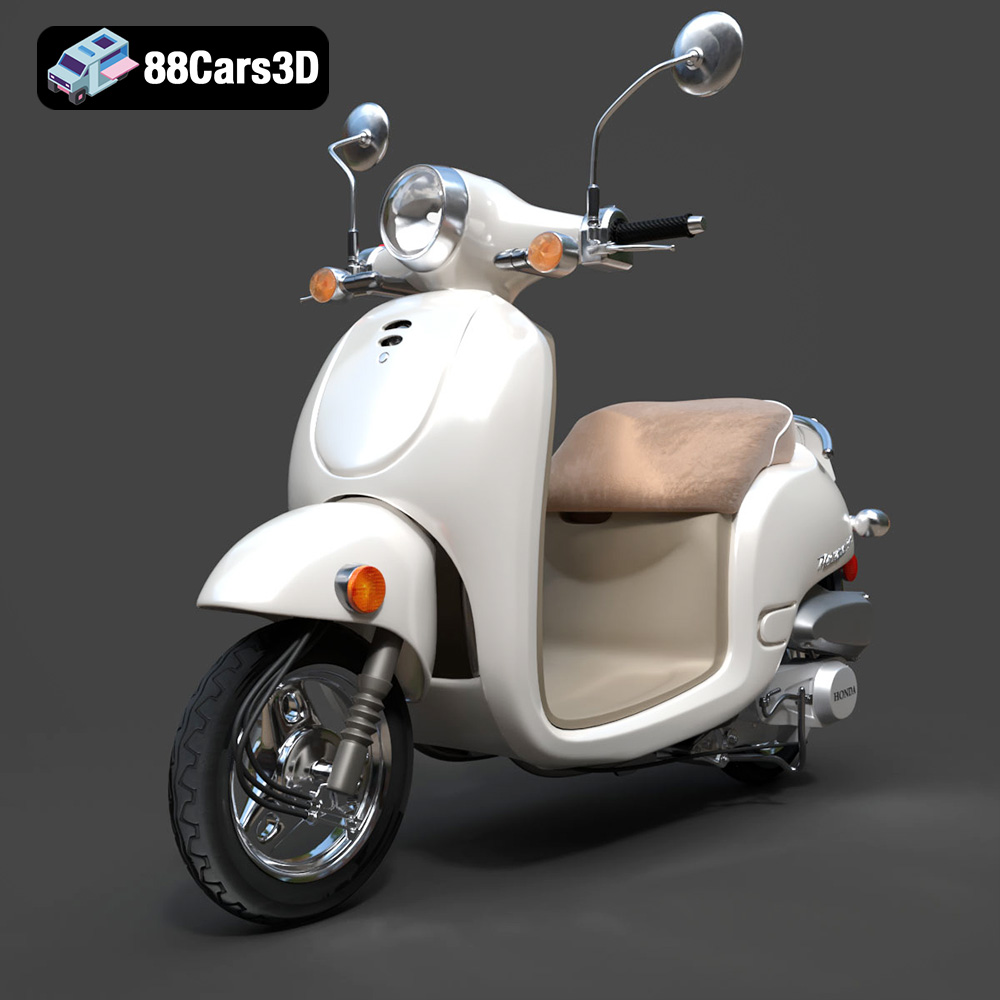
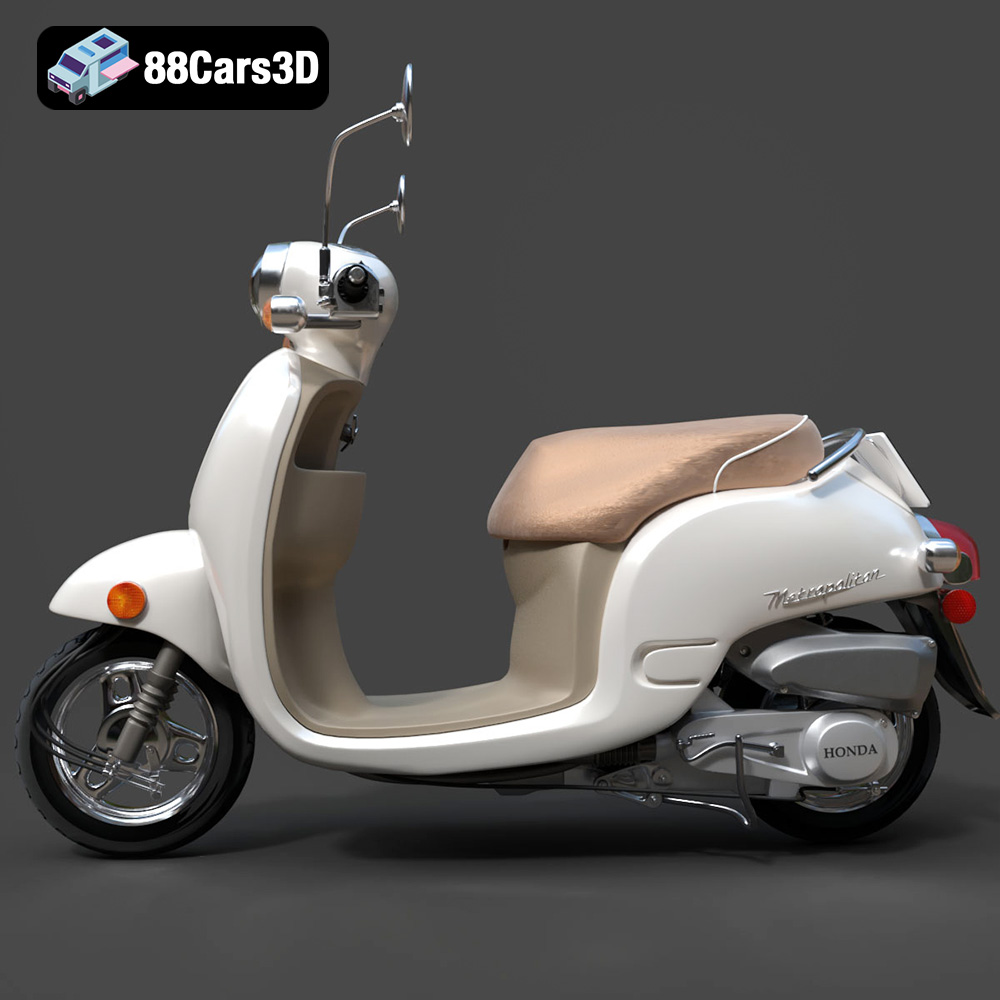
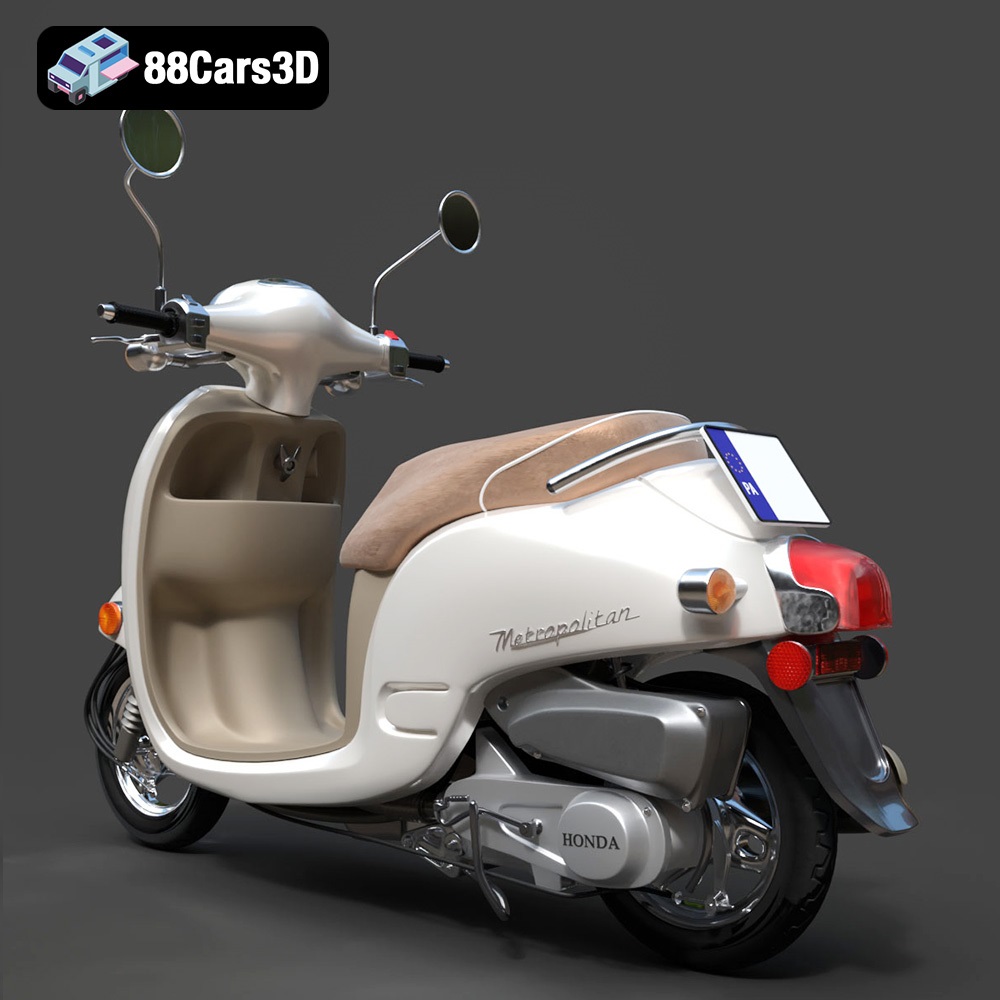
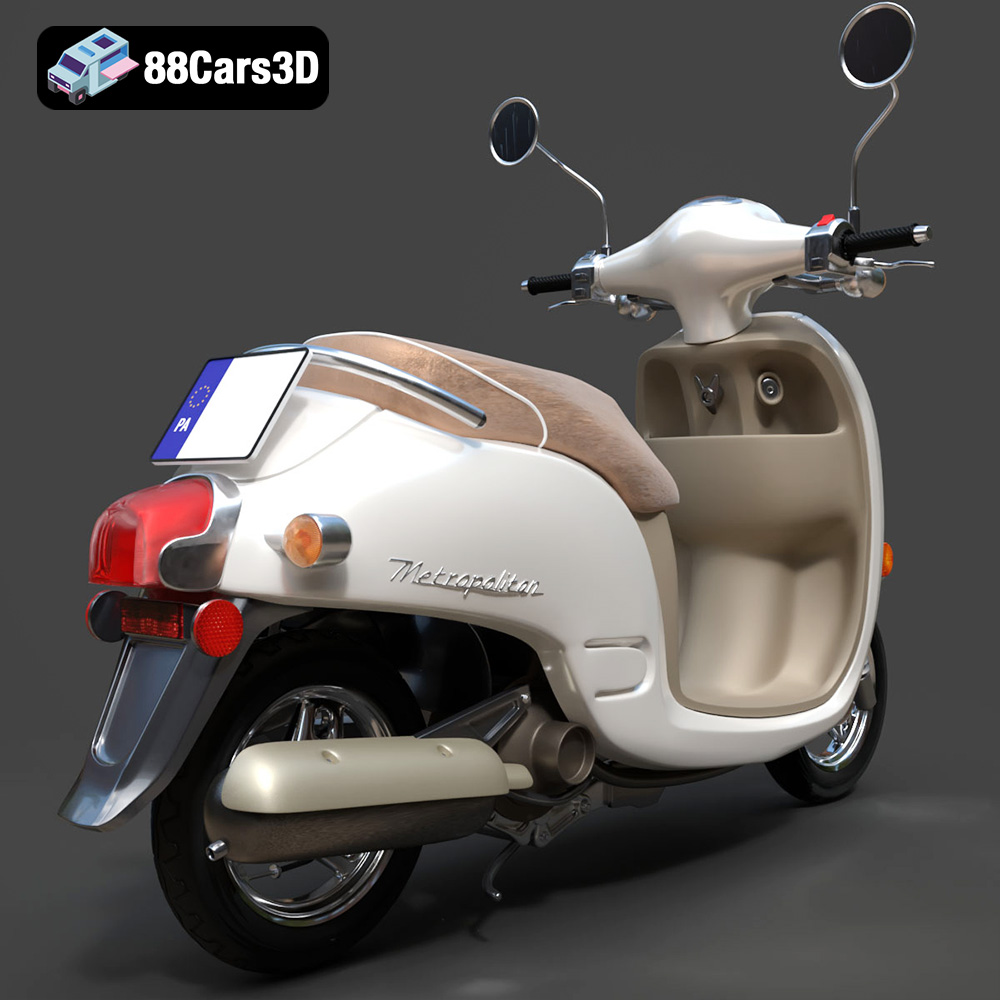
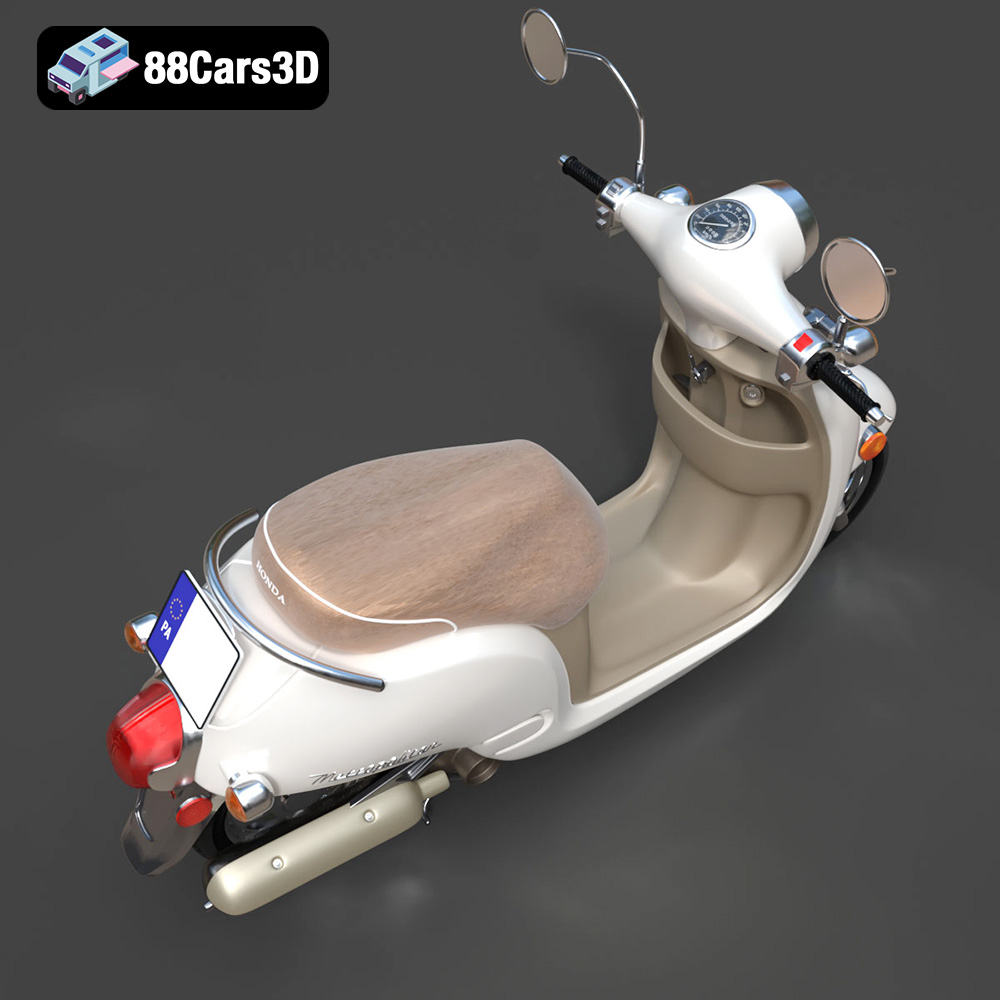
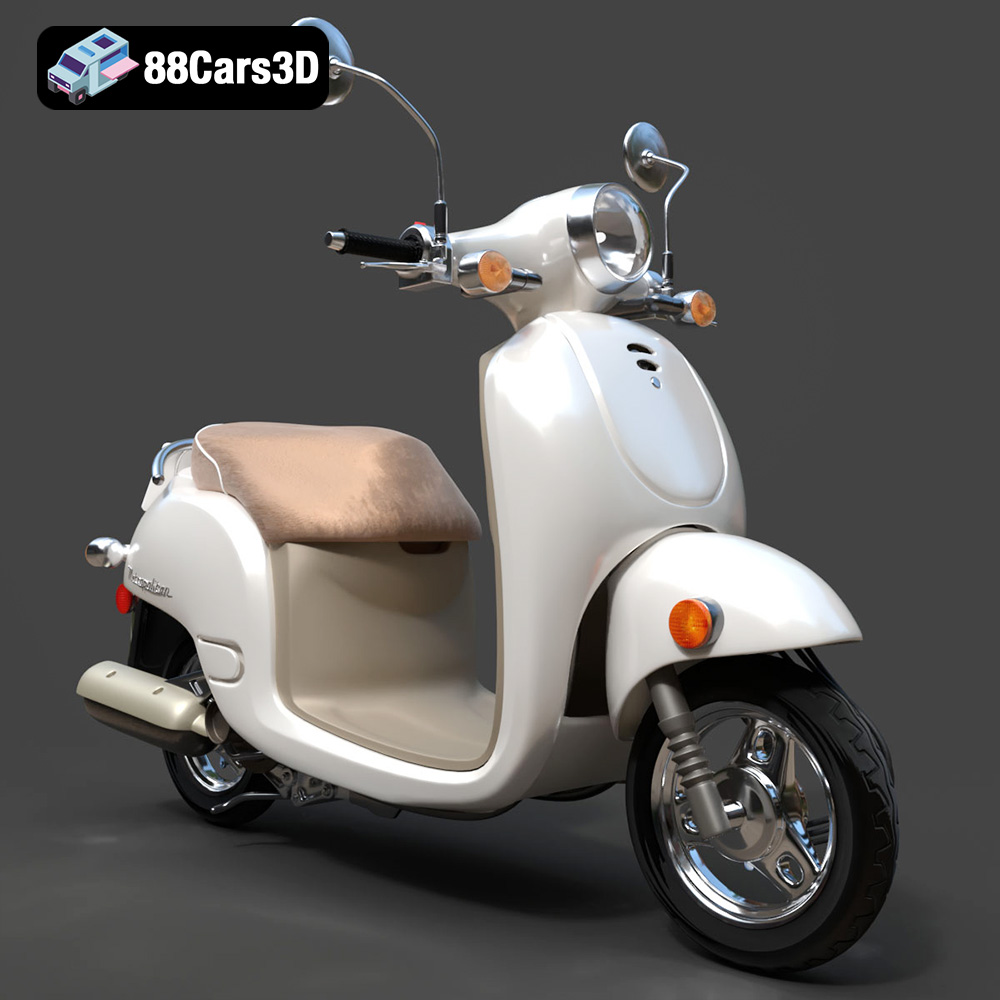
Experience realistic visualization with the Honda Metropolitan 2013 3D Model. This exceptionally detailed asset brings true-to-life precision to your projects, featuring accurate proportions and refined curves that capture the essence of the original vehicle. Built with clean geometry and professional-grade construction, this model is designed for seamless integration into various pipelines. It features realistic materials and expertly crafted surfaces, ensuring striking results under diverse lighting conditions. Every component has been meticulously modeled to provide top-tier realism without compromising performance. Perfect for a wide range of applications, this 3D model excels in game development, architectural visualization, cinematic rendering, and AR/VR experiences. Whether you are building an interactive simulation or producing dynamic promotional animations, this versatile vehicle asset delivers outstanding visual fidelity. The model is delivered in multiple industry-standard file formats to suit any workflow: .blend – Editable Blender file with materials and lighting setup; .fbx – Game-engine ready format for Unreal Engine and Unity; .obj – Standard 3D model format compatible with all major software; .glb – Optimized for AR/VR and web-based visualization; .stl – Suitable for 3D printing and prototyping; .ply – Detailed polygon mesh for analysis and visualization; .unreal – Pre-configured for Unreal Engine use; .max – Editable 3ds Max file for rendering and animation.
$19.99
.arvr
.blend
.car3dmodel
.fbx
.gameasset
.glb
.honda
.max
.metropolitan
.moped
.obj
.ply
.rendering
.scooter
.simulation
.stl
.unreal