Mastering Digital Automotive Excellence: A Deep Dive into Premium 3D Car Models
In the rapidly evolving landscape of digital content creation, the demand for high-fidelity 3D assets is more crucial than ever. From blockbuster game titles and cinematic visual effects to cutting-edge architectural visualizations and immersive AR/VR experiences, the quality of your 3D models directly impacts the professionalism and realism of your final output. Among these,
3D car models
stand as a pinnacle of complexity and detail, requiring meticulous craftsmanship to accurately capture the intricate designs and luxurious appeal of real-world vehicles.
Today, we’re taking a closer look at a prime example of such digital artistry: the
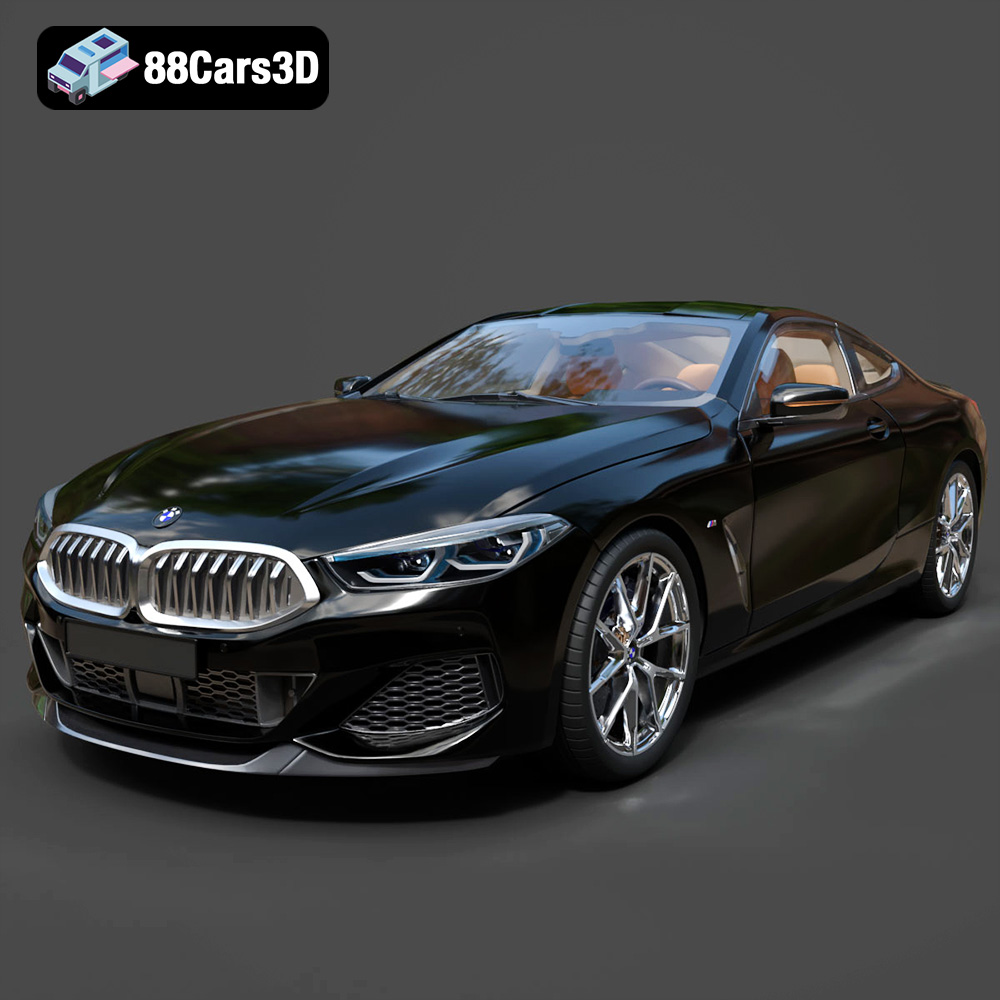
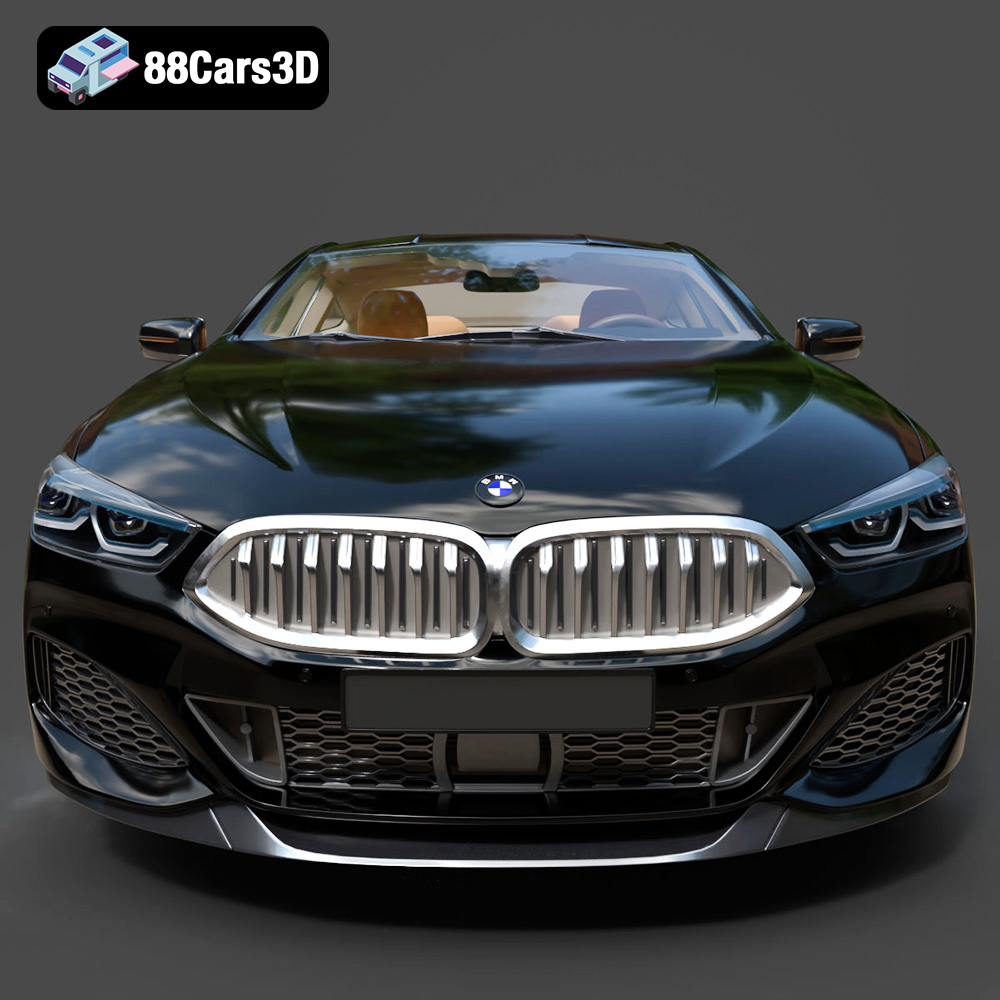
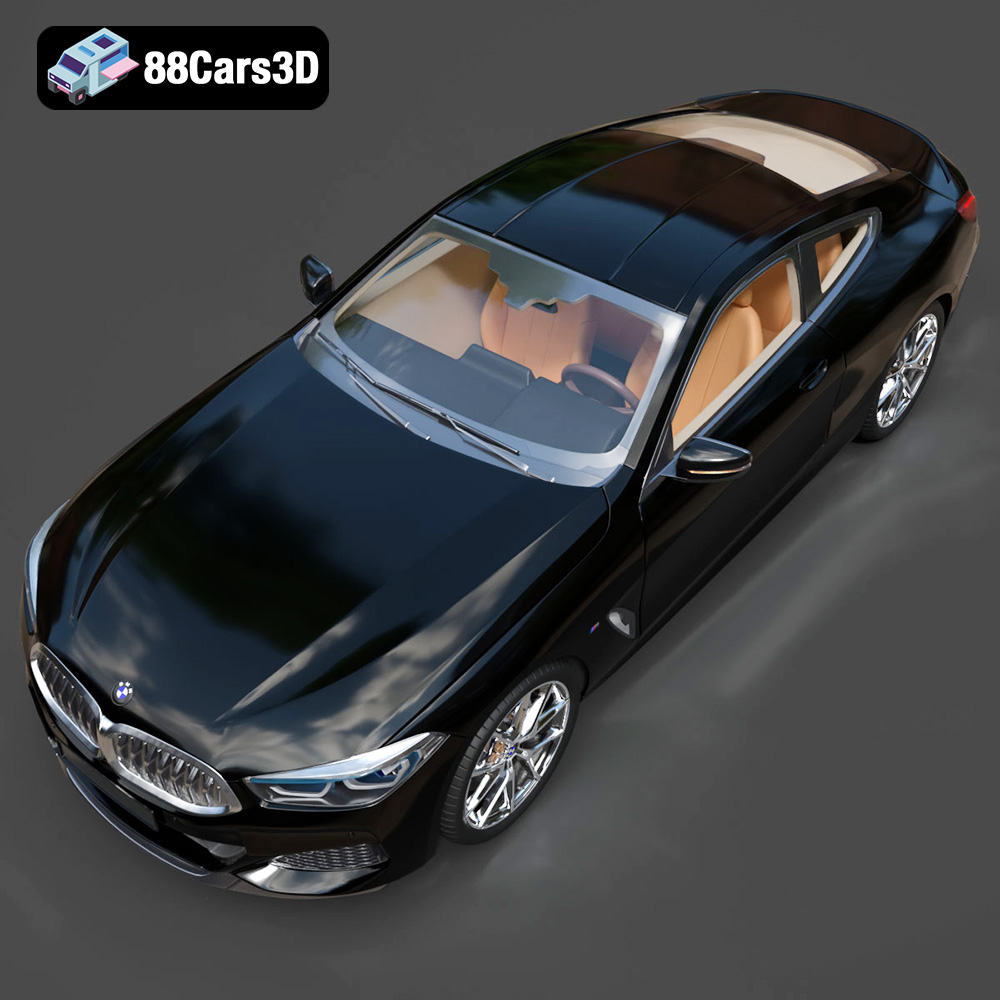
BMW 8 Series M850i Coupe 2019 3D Model
. This exceptional asset, available on 88cars3d.com, is not just a static representation; it’s a meticulously engineered digital twin designed for demanding professional workflows. Its clean geometry, optimized topology, and realistic materials make it an indispensable tool for anyone aiming to produce stunning automotive rendering, dynamic game assets, or compelling interactive simulations.
This article will explore the technical intricacies behind creating and utilizing such a sophisticated 3D vehicle model. We’ll delve into the foundational principles of 3D modeling, dissect the critical role of file formats, and illustrate how a high-quality asset like the BMW 8 Series M850i Coupe 2019 3D Model can elevate diverse digital projects, from photorealistic renders to real-time game environments and even physical prototypes.
The Art and Science of Crafting Premium 3D Car Models
Creating a premium 3D car model is a blend of artistic vision and engineering precision. It involves understanding the nuances of automotive design, the constraints of various digital pipelines, and the technical specifications required for optimal performance and visual fidelity. The
BMW 8 Series M850i Coupe 2019 3D Model
exemplifies these principles, offering a balance of aesthetic accuracy and technical robustness.
Precision Modeling and Topology Optimization
At the heart of any high-quality 3D model lies its geometry. For a vehicle like the BMW M850i, capturing the sleek curves, sharp creases, and subtle contours is paramount. This requires a strong foundation in polygon modeling, ensuring that the mesh is not only accurate but also efficient.
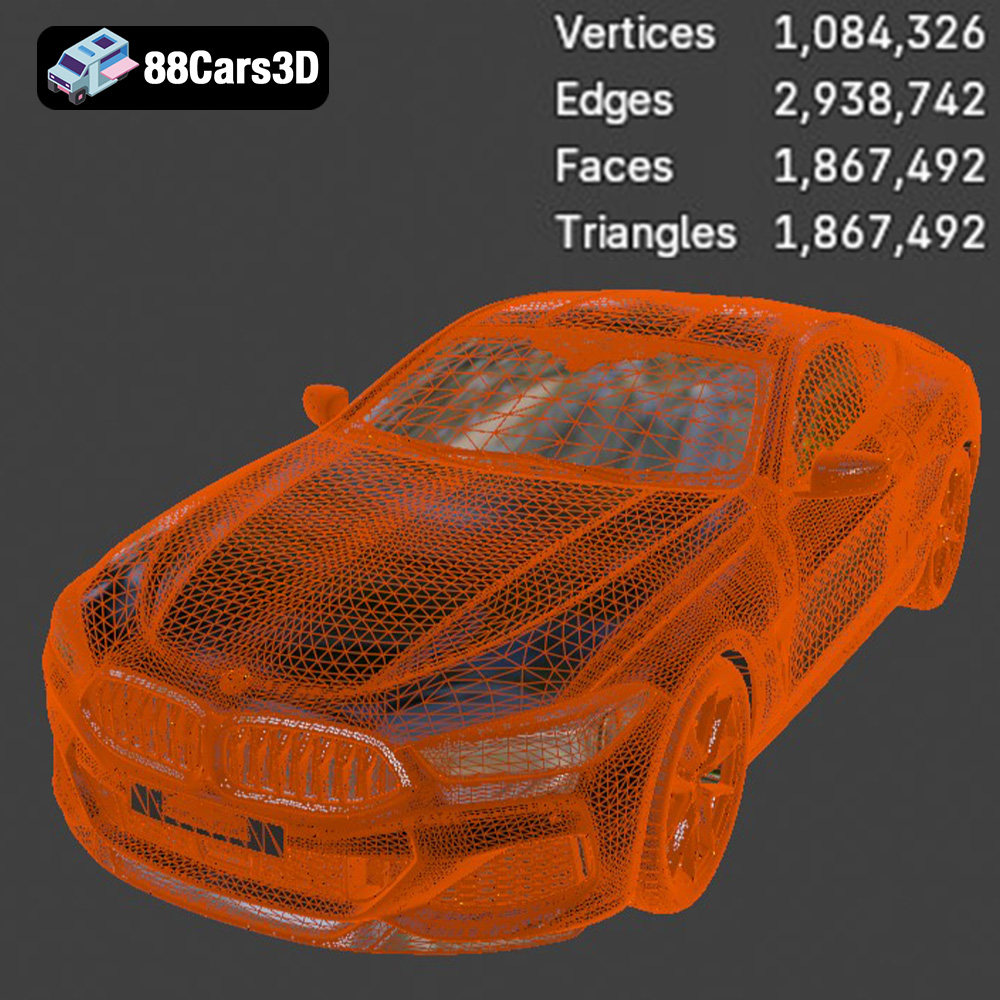
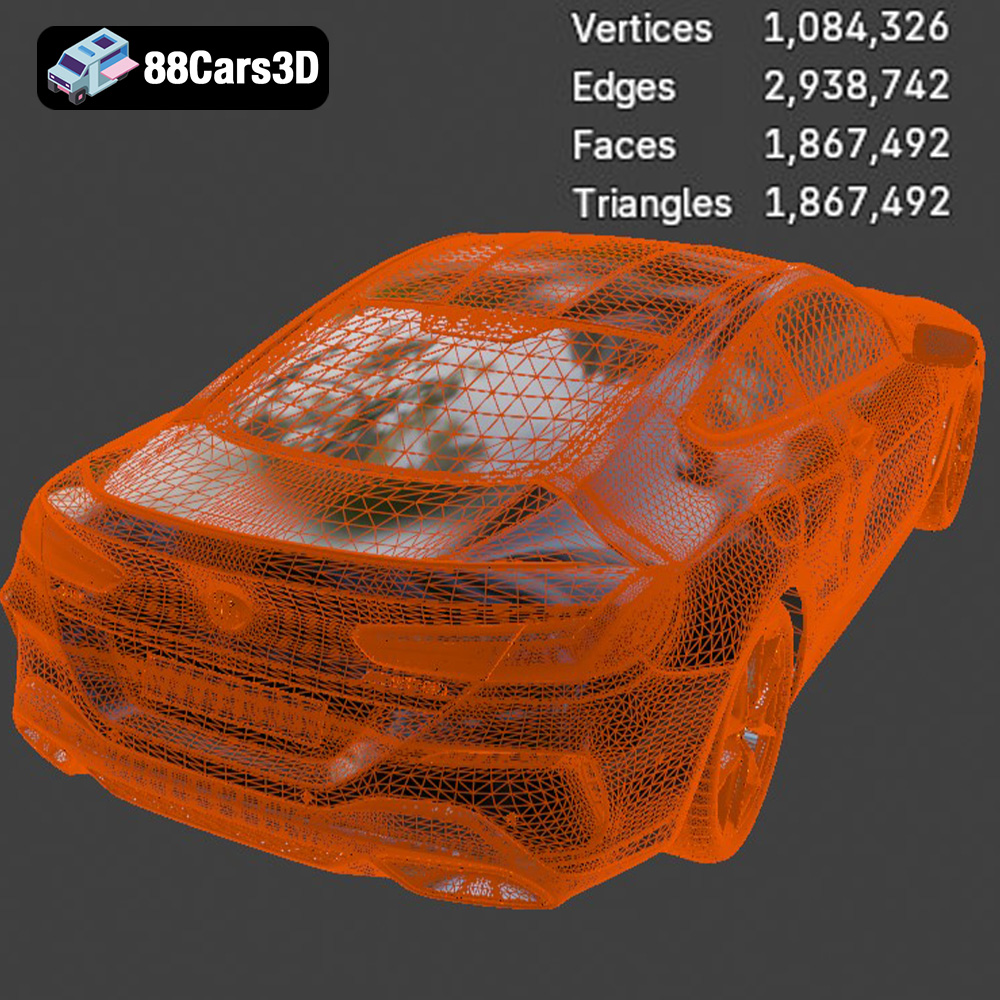
- Clean Geometry: Professional 3D car models feature clean, quad-based topology. This means avoiding N-gons (polygons with more than four sides) and excessive triangles in areas that need smooth deformation or subdivision. Clean geometry is crucial for maintaining crisp edges and smooth surfaces, especially when applying subdivision surface modifiers for high-resolution renders.
- Optimized Topology: “Optimized topology” refers to the efficient distribution of polygons. Key areas like wheel wells, door seams, and intricate grille patterns require a higher polygon density to maintain detail, while flatter surfaces can use fewer polygons without compromising visual quality. This optimization directly influences performance in real-time applications and reduces render times in offline engines. The BMW M850i Coupe model’s optimized topology ensures it performs seamlessly whether in a high-res cinematic or a fast-paced game engine.
- UV Unwrapping: Beyond the mesh itself, precise UV unwrapping is essential. This process lays out the 3D surface into a 2D map, allowing textures to be applied accurately without stretching or distortion. Well-organized UV maps are a hallmark of professional assets, ensuring flawless material application across all components of the car.
Material PBR Workflow and Texturing Excellence
Once the geometry is perfect, materials and textures bring the model to life. Modern 3D rendering heavily relies on Physically Based Rendering (PBR) workflows, which simulate how light interacts with surfaces in the real world, leading to incredibly realistic results.
- PBR Material System: PBR materials use a set of textures – typically Base Color (Albedo), Metallic, Roughness, Normal, and Ambient Occlusion – to define a surface’s properties. For the BMW 8 Series M850i Coupe 2019 3D Model, this means accurately recreating the sheen of its metallic paint, the reflectivity of its chrome accents, the subtle texture of its tires, and the intricate details of its interior finishes.
- High-Resolution Textures: The quality of textures directly correlates with visual fidelity. High-resolution textures, often 4K or even 8K, are used for critical components to ensure crispness even on close-up shots. These textures are painted or procedurally generated to match the real vehicle, capturing everything from paint imperfections to subtle wear and tear.
- Realistic Lighting Integration: While not part of the model itself, realistic materials truly shine when interacting with a sophisticated lighting setup. HDR (High Dynamic Range) image-based lighting, combined with carefully placed area lights, creates convincing reflections and shadows, making the “luxurious details” and “sporty silhouette” of the M850i Coupe truly pop in any automotive rendering scenario.
Understanding 3D Model File Formats
The versatility of a 3D model is largely defined by the file formats it supports. Different stages of a project, from initial modeling to final rendering, game integration, or 3D printing, demand specific formats optimized for particular tasks. The
BMW 8 Series M850i Coupe 2019 3D Model
from 88cars3d.com is exemplary in its comprehensive format support, catering to a wide array of professional needs. Understanding when and why to use each format is crucial for a streamlined workflow.
Versatility for Diverse Digital Pipelines
In a professional environment, assets often move between multiple software packages and platforms. A model that offers a variety of formats ensures maximum compatibility and reduces the overhead of conversions, which can sometimes lead to data loss or integrity issues. The provided suite of formats for the BMW M850i Coupe ensures that artists and developers can pick the most suitable option for their specific application, whether it’s high-fidelity
automotive rendering
, interactive
game assets
, or specialized prototyping.
Deep Dive into Each Format
Let’s break down the technical characteristics and ideal use cases for each format included with the BMW 8 Series M850i Coupe 2019 3D Model:
- .blend (Blender): This is Blender’s native file format. It’s a complete scene file, meaning it can store not just the 3D mesh and UVs, but also materials, textures, lighting setups, cameras, animations, rigging data, and even custom scripts.
- Use Case: Ideal for artists working primarily in Blender who need full editability and access to all scene components. It allows for advanced customization, animation, and rendering directly within Blender’s powerful environment.
- Technical Detail: Highly efficient and compact, especially when packaging external assets within the file. It’s fully editable and maintains all modifiers and procedural effects.
- .fbx (Filmbox): Developed by Autodesk, FBX is arguably the most widely used interchange format in the 3D industry. It supports not only geometry and UVs but also materials (often baked or simplified), textures, animation, skeletal rigs, and blend shapes.
- Use Case: Perfect for exporting models to game engines like Unreal Engine and Unity, as well as other 3D software (Maya, 3ds Max, Cinema 4D). It’s optimized for real-time applications due to its robust support for animation and skeletal data.
- Technical Detail: Can store complex scene hierarchies and is excellent for transferring animated assets. Textures are typically embedded or linked, making it easy to package game-engine ready models. The BMW M850i Coupe’s .fbx is specifically noted as “Game-engine ready.”
- .obj (Wavefront OBJ): A classic, universal 3D model format. OBJ files primarily store geometry (vertices, normals, texture coordinates, faces) and can link to an accompanying .mtl (material) file for basic material properties and texture references. It does not natively support animation or rigging.
- Use Case: An excellent choice for static mesh transfer between almost any 3D software. Highly compatible and a reliable fallback when other formats fail.
- Technical Detail: Simple plain-text format (or binary variants), making it robust. It’s excellent for geometry transfer but limited in terms of advanced material or animation data.
- .glb (GL Transmission Format Binary): GLB is the binary version of glTF (GL Transmission Format). It’s designed to be an efficient, compact, and single-file format for the transmission and loading of 3D scenes and models by engines and applications. It supports geometry, materials (PBR), textures, animations, and scene hierarchy.
- Use Case: Optimized for AR/VR applications, web-based 3D visualization, and mobile platforms. Its single-file nature makes it easy to embed and share.
- Technical Detail: Self-contained (embeds textures and other assets), making it highly portable. Focuses on runtime asset delivery, with efficient parsing for fast loading.
- .stl (Stereolithography): A standard format for 3D printing. STL files represent a 3D model as a collection of unconnected triangular facets, defining only the surface geometry. It does not store color, texture, or material information.
- Use Case: Essential for preparing models for additive manufacturing (3D printing). The BMW M850i’s .stl format allows for physical prototyping or scale model creation.
- Technical Detail: The accuracy of the printed model depends on the tessellation of the original mesh into triangles. A higher resolution mesh will result in a more detailed STL.
- .ply (Polygon File Format): A versatile format that can store various properties for geometry, including color, transparency, surface normals, and range data. It’s often used for data acquired from 3D scanners.
- Use Case: Suitable for detailed polygon meshes for analysis, scientific visualization, or scenarios where vertex color is crucial. Less common for general interchange but valuable for specific applications.
- Technical Detail: Can be ASCII or binary. Supports a wide range of properties per vertex and face, making it quite flexible for complex data.
- .unreal (Unreal Engine Asset): This isn’t a generic file format, but rather a pre-configured asset package specifically for Unreal Engine. It typically means the model has been imported, optimized, and set up within an Unreal Engine project, often including material instances, collision meshes, LODs (Levels of Detail), and possibly blueprints.
- Use Case: Direct import into an Unreal Engine project, saving significant time on setup. Ideal for game developers and real-time visualization artists using Unreal.
- Technical Detail: Reflects the native asset structure of Unreal Engine, ensuring optimal compatibility and performance within the engine’s ecosystem.
- .max (3ds Max): Autodesk 3ds Max’s native file format. Like .blend, it’s a complete scene file, storing all aspects of a 3ds Max project, including geometry, materials, lighting, cameras, animation, and plugin-specific data.
This comprehensive array of formats ensures that the
BMW 8 Series M850i Coupe 2019 3D Model
is truly a versatile asset, ready to integrate into virtually any professional 3D pipeline.
Unleashing the BMW M850i in Professional Automotive Rendering
For artists specializing in
automotive rendering
, the goal is photorealism – making a digital image indistinguishable from a photograph. A premium 3D car model like the BMW 8 Series M850i Coupe 2019 is the cornerstone of achieving this, providing a detailed and accurate foundation for stunning visuals.
Photorealism with Advanced Render Engines
Modern render engines are incredibly powerful, but their full potential is unlocked only with high-quality assets. The BMW M850i’s meticulously crafted geometry and PBR materials are designed to react accurately with advanced lighting models.
- Lighting Setups: Achieving photorealism begins with sophisticated lighting. High Dynamic Range Imagery (HDRI) environments are frequently used to simulate real-world lighting conditions, providing realistic reflections and ambient light. Complementary area lights and spot lights are then strategically placed to highlight the car’s sculpted forms and reflective surfaces, emphasizing its “sophisticated, sporty silhouette.”
- Camera and Composition: Just like real-world automotive photography, virtual camera placement, focal length, depth of field, and composition are critical. The BMW M850i’s detailed exterior and interior allow for tight close-ups that reveal “luxurious details” without sacrificing quality, making it perfect for dynamic hero shots or detailed product showcases.
- Render Settings: Advanced renderers like V-Ray, Corona Renderer, and Octane Render leverage global illumination and physically accurate material shaders to produce breathtaking results. Artists can fine-tune settings for ray tracing, path tracing, and denoising to achieve clean, noise-free images that truly bring the M850i to life.
Case Study: Architectural Visualization & Product Marketing
The applications for such a high-fidelity car model extend beyond just isolated vehicle renders.
Integrating High-Fidelity Car Models into Game Development and Real-Time Experiences
The world of game development and real-time visualization demands a delicate balance between visual fidelity and performance. A high-quality
3D car model
must be optimized to run smoothly within strict performance budgets while still looking stunning. The
BMW 8 Series M850i Coupe 2019 3D Model
is specifically designed for these demanding environments, offering formats like .fbx and .unreal to streamline integration.
Optimization for Unreal Engine and Unity
Game engines like Unreal Engine and Unity are powerful platforms for creating interactive experiences. Integrating a detailed car model requires specific optimization techniques to ensure smooth framerates without compromising visual quality.
- Levels of Detail (LODs): A critical optimization technique, LODs involve creating multiple versions of the model, each with progressively fewer polygons. The highest detail model is used when the car is close to the camera, and lower detail versions are swapped in as the car moves further away. This dramatically reduces the polygon count rendered per frame, improving performance. The BMW M850i model’s “optimized topology” provides an excellent base for generating efficient LODs.
- Collision Meshes: For vehicles in games, accurate collision detection is essential. Simplified collision meshes are created, separate from the render mesh, to handle physics interactions without the computational overhead of the high-polygon visual model.
- Efficient Material Setup: PBR materials for games are often optimized for real-time rendering. This includes using texture atlases (combining multiple textures into one) to reduce draw calls and ensuring materials are set up to work efficiently with the engine’s lighting and shader systems. The .unreal format provided with the BMW M850i Coupe 2019 3D Model suggests that these optimizations have already been considered, offering an “engine-ready asset for real-time environments.”
AR/VR and Interactive Simulations
Augmented Reality (AR), Virtual Reality (VR), and interactive simulations place even higher demands on performance due to the need for stereoscopic rendering and maintaining low latency for a comfortable user experience. The BMW M850i model’s versatility makes it suitable for these cutting-edge applications.
- Performance Budget: AR/VR applications have very tight performance budgets, often requiring models to be highly optimized with aggressive LODs and streamlined materials. The .glb format, designed for web and AR/VR, is particularly useful here, offering a compact and efficient representation of the model.
- Interactive Elements: In simulations, the car model needs to be more than just visually accurate; it must also be functionally interactive. This can involve setting up interactive doors, working dashboards, or realistic physics behavior, all built upon the clean foundation of the base 3D model.
Rigging and Animation Considerations
Beyond static representation, many projects require the vehicle to move. The foundational quality of a 3D car model directly impacts the ease and realism of its animation.
Beyond Visualization: 3D Printing and Digital Prototyping
While the digital realm is where 3D car models primarily reside, their utility extends into the physical world through technologies like 3D printing. The
BMW 8 Series M850i Coupe 2019 3D Model
, with its inclusion of .stl and .ply formats, bridges this gap, offering avenues for physical creation and detailed analysis.
From Screen to Physical Object with .stl and .ply
3D printing has revolutionized prototyping and manufacturing, allowing for the rapid creation of physical objects from digital designs. The process relies on precise file formats that communicate the exact geometric information to the 3D printer.
- .stl for Additive Manufacturing: The .stl (Stereolithography) format is the industry standard for 3D printing. It represents the surface of a 3D model as a series of connected triangles. The quality of the 3D print directly correlates with the resolution of the .stl mesh – a denser mesh will result in a smoother, more detailed physical model. The BMW M850i’s .stl output ensures that every curve and detail, from its grille to its intricate wheel design, can be accurately reproduced in physical form.
- Precision and Scale: When preparing for 3D printing, careful consideration must be given to scale, wall thickness, and printability. A well-constructed 3D model, like the M850i, provides a solid foundation, allowing artists and engineers to easily scale the model for desktop FDM printers or industrial-grade SLS machines, producing anything from small collectibles to larger-scale prototypes.
- .ply for Analysis and High-Precision Output: The .ply (Polygon File Format) can store more detailed information than .stl, including vertex colors and normals. While less common for direct 3D printing, it’s invaluable for reverse engineering, quality control, or scientific analysis of 3D scan data. For the BMW M850i, this format could be used for advanced visualization or analysis of its surface integrity before physical production.
Rapid Prototyping and Design Iteration
The ability to quickly move from a digital design to a physical object is a game-changer for industrial design and engineering firms.
- Physical Mock-ups: Designers can use the 3D printed BMW M850i model to create physical mock-ups, allowing them to evaluate the car’s aesthetics, proportions, and tactile feel in a tangible way. This is particularly useful for assessing custom modifications or new design concepts.
- Design Iteration: 3D printing enables rapid design iteration. A designer can make digital changes to the BMW M850i 3D model, print a new version, and physically evaluate the changes within hours or days, significantly accelerating the development cycle compared to traditional manufacturing methods. This makes the model a valuable tool not just for visualization but for tangible design exploration.
Elevating Your Workflow with Premium Assets from 88cars3d.com
In the fast-paced world of 3D production, time is a precious commodity. Creating highly detailed
3D car models
from scratch is an incredibly time-consuming and skill-intensive process. This is where a trusted resource like 88cars3d.com becomes invaluable, offering a curated selection of production-ready assets that empower professionals to focus on creativity rather than foundational modeling.
The Value of Pre-built, Production-Ready Models
Acquiring pre-built 3D models from a reputable marketplace offers significant advantages for individuals and studios alike.
The 88cars3d.com Commitment to Quality
88cars3d.com is dedicated to providing artists and developers with the best possible resources for their projects. Their commitment to technical excellence and product versatility is evident in every model they offer.
- Curated Selection: The marketplace focuses specifically on high-quality 3D car models, ensuring that every asset meets stringent standards for realism and usability across various platforms. Whether you’re working on
automotive rendering
, game development, or AR/VR experiences, you’ll find assets tailored to your needs.
- Comprehensive Packages: As demonstrated by the BMW M850i Coupe 2019 3D Model, products on 88cars3d.com often come with a wide array of file formats, making them adaptable to virtually any professional pipeline. This foresight ensures that your investment provides maximum flexibility.
- Boosting Productivity: By providing production-ready
game assets
and visualization models, 88cars3d.com empowers creators to achieve stunning results faster, allowing more time for creative exploration and project refinement. This support for diverse workflows underscores why many professionals turn to 88cars3d.com for their high-end automotive 3D needs.
Conclusion
The journey through the creation and application of a premium 3D car model highlights the multifaceted demands of modern digital production. From the painstaking precision of modeling and texturing to the critical selection of file formats for diverse pipelines, every aspect contributes to the final impact of your digital project. The
BMW 8 Series M850i Coupe 2019 3D Model
stands as a testament to this intricate craftsmanship, offering a robust, versatile, and visually stunning asset for any professional endeavor.
Whether your goal is to create breathtaking
automotive rendering
, develop immersive
game assets
, craft interactive AR/VR experiences, or even explore physical prototyping, having access to high-quality
3D car models
is paramount. By choosing meticulously crafted models that support a wide range of formats like those available on 88cars3d.com, you are investing in efficiency, quality, and the unparalleled ability to bring your creative visions to life with stunning realism.
Elevate your digital projects today by exploring the professional-grade 3D car models offered by 88cars3d.com, and unlock a new level of realism and productivity in your workflow.
Featured 3D Model
BMW 8 Series M850i Coupe 2019 3D Model
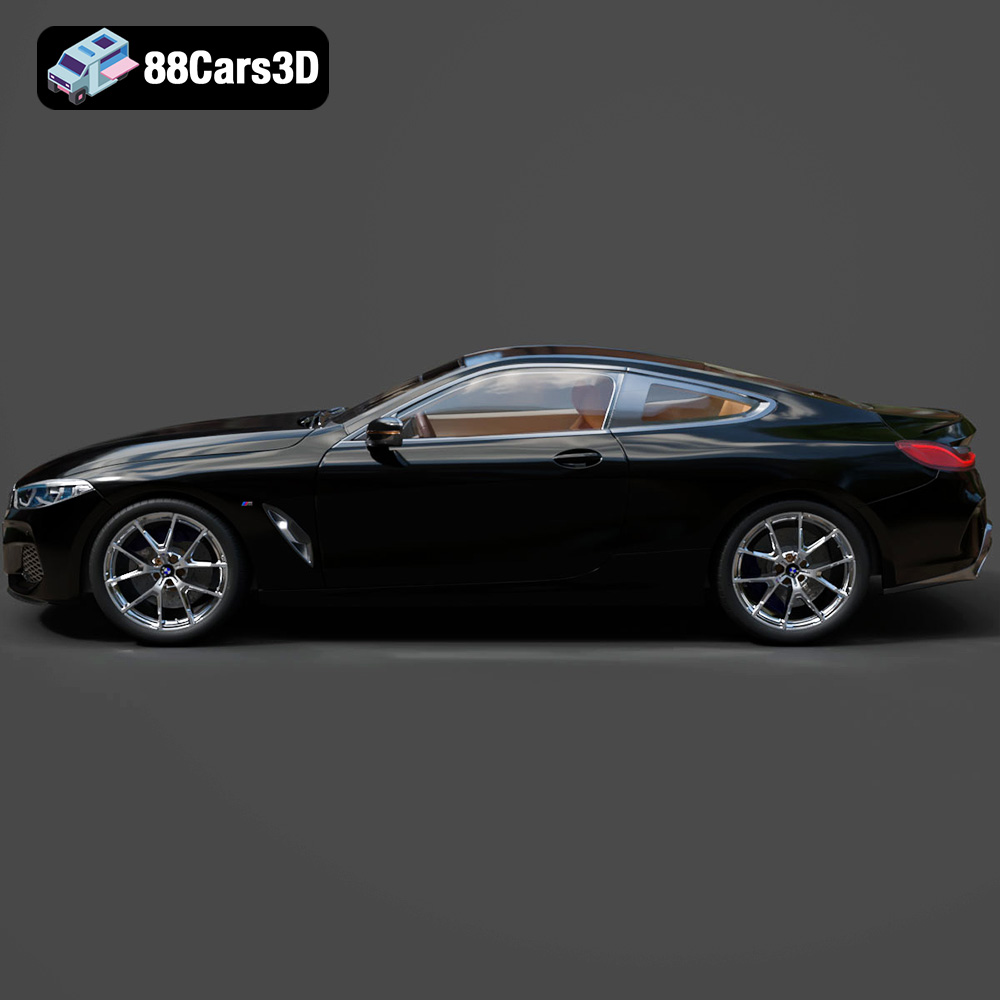
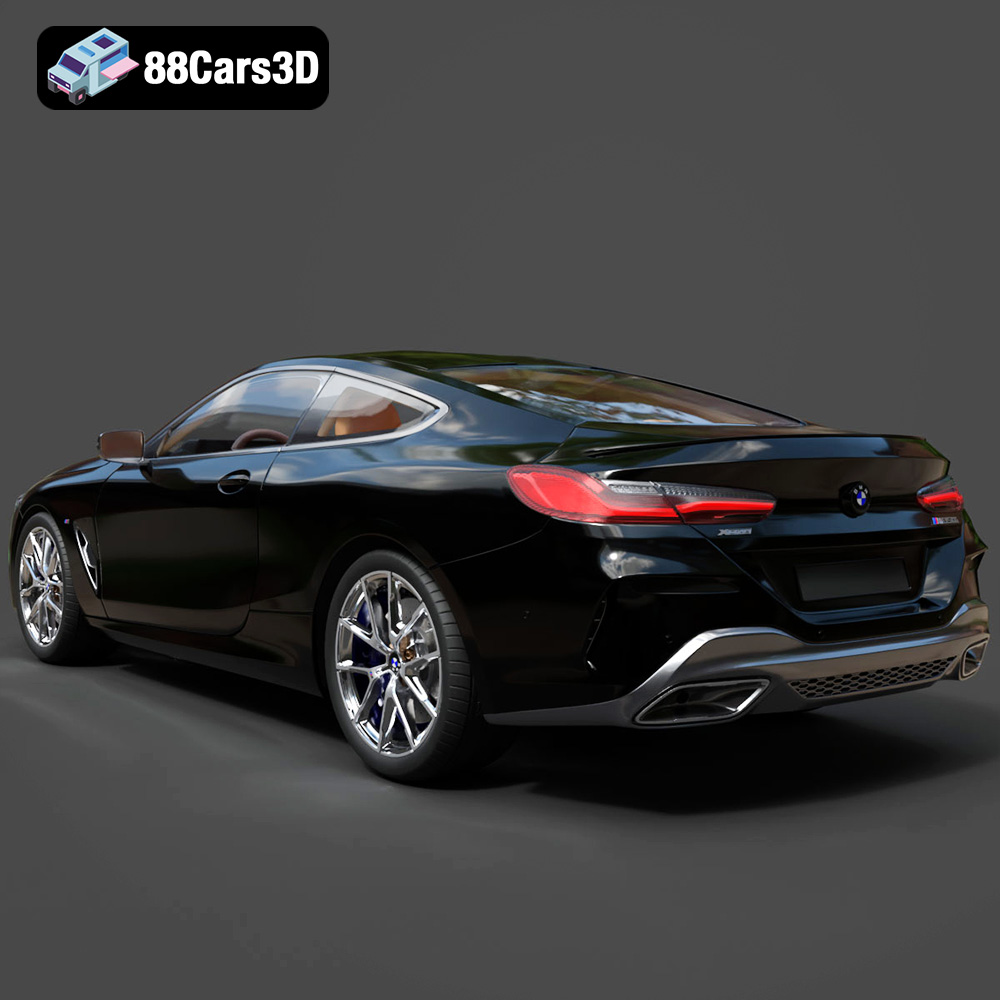
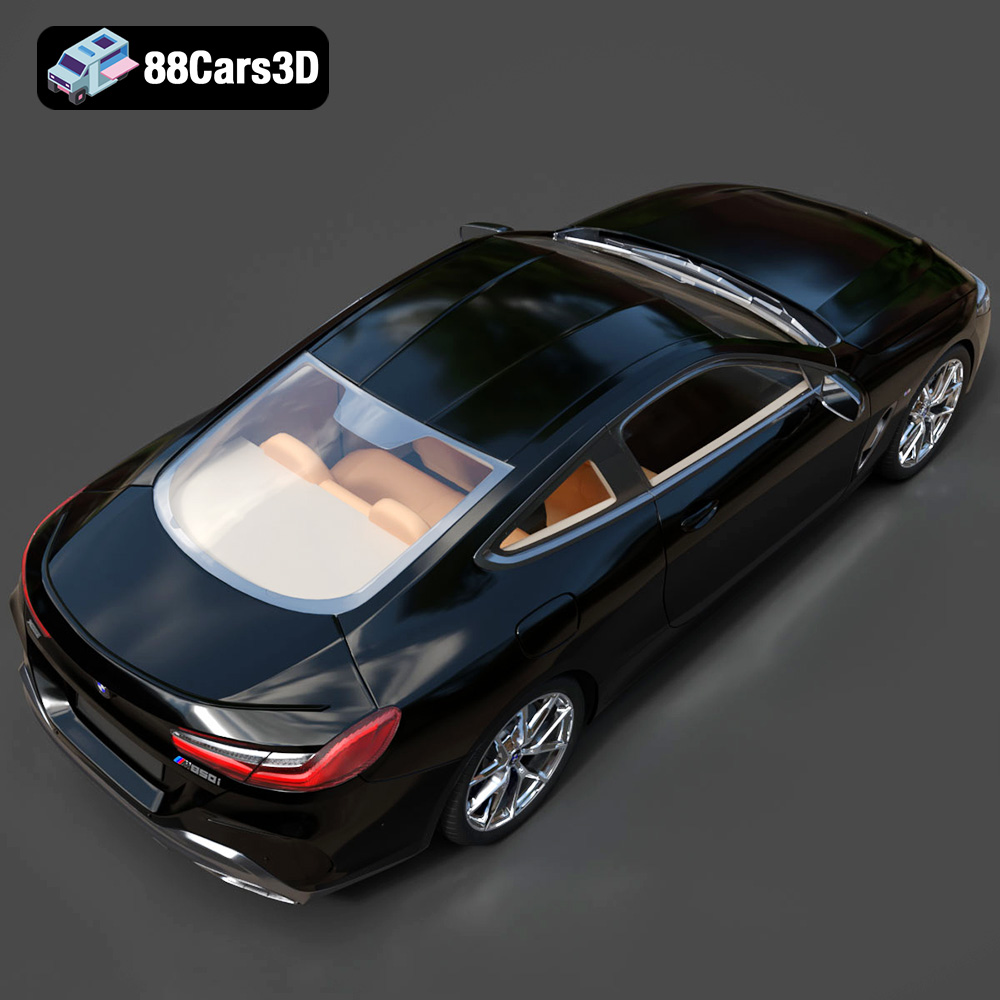
Experience the exceptional realism of the BMW 8 Series M850i Coupe 2019 3D Model, expertly crafted to bring authentic automotive design to your digital projects. This meticulously built digital asset captures the sophisticated, sporty silhouette and luxurious details of the renowned coupe, providing a stunning visual centerpiece for any scene.
Featuring clean geometry and optimized topology, this model is equipped with realistic materials, delivering professional standards without compromising performance. The carefully modeled exterior and accurate interior detailing ensure seamless integration and smooth rendering across various creative pipelines.
Perfectly suited for demanding workflows, this versatile 3D model excels in game development, architectural visualization, photorealistic rendering, cutting-edge AR/VR experiences, and interactive simulation.
This comprehensive package includes the following formats:
- .blend – Editable Blender file with materials and lighting setup
- .fbx – Game-engine ready format for Unreal Engine and Unity
- .obj – Standard 3D model format compatible with all major software
- .glb – Optimized for AR/VR and web-based visualization
- .stl – Suitable for 3D printing and prototyping
- .ply – Detailed polygon mesh for analysis and visualization
- .unreal – Pre-configured for Unreal Engine use
- .max – Editable 3ds Max file for rendering and animation
$19.99
View This Model
Related Tags
.8series
.arvr
.blend
.bmw
.car3dmodel
.coupe
.fbx
.gameasset
.glb
.luxurycar
.m850i
.max
.obj
.ply
.rendering
.simulation
.sportsCar
.stl
.unreal