Get 20% OFF All Premium 3D & STL Models!

In the rapidly evolving landscape of digital content creation, the demand for realistic, high-quality 3D assets has never been more critical. From cinematic automotive rendering to immersive game development and sophisticated AR/VR experiences, the underlying quality of your 3D models directly impacts the final output’s believability and impact. Professionals across industries understand that cutting corners on asset quality can lead to costly rework, compromised visuals, and ultimately, a less engaging user experience.
High-fidelity 3D models are not merely about looking good; they are about functional excellence. Clean geometry, optimized topology, accurate UV mapping, and meticulously crafted materials are the hallmarks of a professional-grade asset. These technical attributes ensure seamless integration into diverse software pipelines, allow for efficient rigging and animation, and provide the necessary foundation for photorealistic rendering. Without these foundational elements, even the most powerful rendering engines or real-time environments will struggle to produce convincing results. It’s about efficiency, scalability, and delivering consistent, high-standard projects.
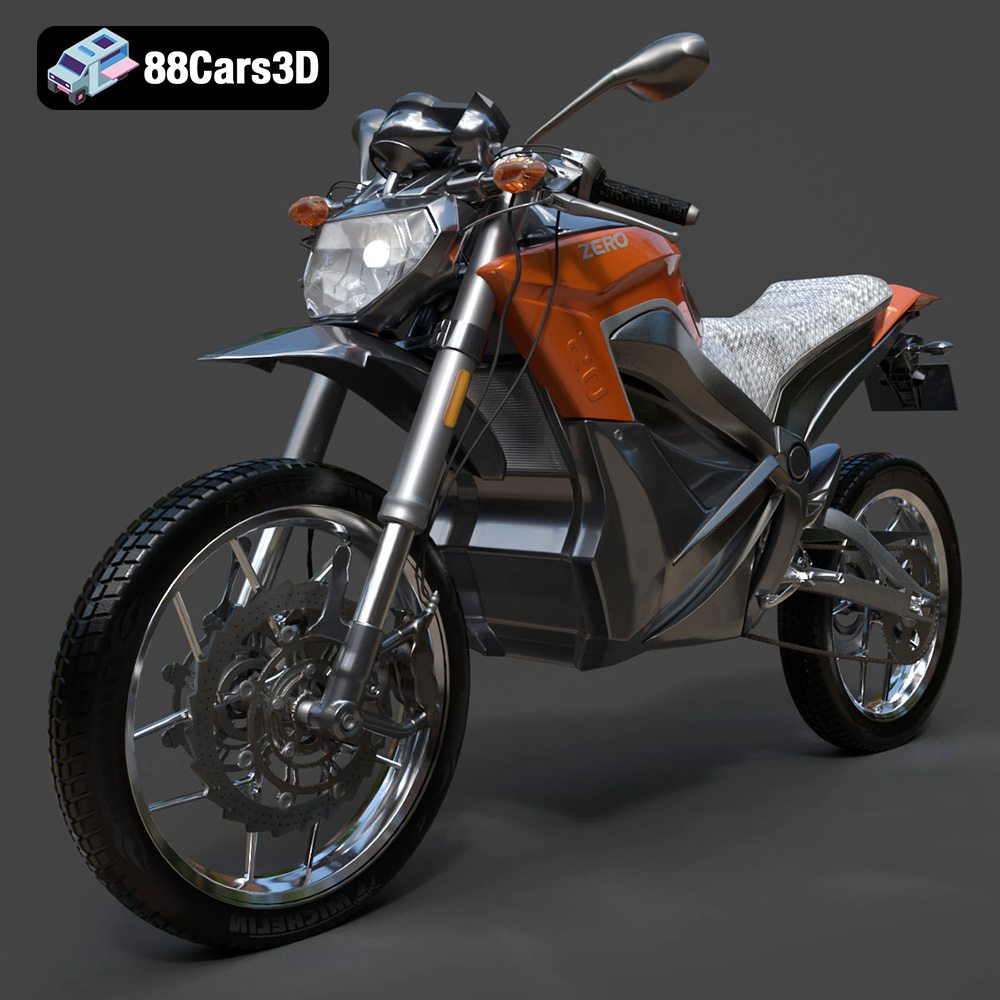
For those seeking to elevate their projects, the Zero Motorcycles S ZF8.5 3D Model stands as a testament to unparalleled realism and professional craftsmanship. This digital asset is not just a visual representation; it’s an authentic, detailed replica of the innovative electric motorcycle, engineered for advanced digital projects. Its clean geometry, accurate proportions, and realistic materials are designed to integrate effortlessly into various professional workflows, from creating striking cinematic visuals to populating interactive environments. Whether you’re working on a demanding automotive rendering project or developing the next generation of game assets, this model offers the precision and fidelity required to impress.
The versatility of a professional 3D model is often measured by its accessibility across different software and platforms. This necessitates an understanding of various file formats, each tailored for specific purposes and workflows. The Zero Motorcycles S ZF8.5 3D Model, for instance, comes packaged in a comprehensive suite of industry-standard formats, ensuring maximum compatibility and utility for any project. Choosing the right format is crucial for maintaining model integrity, optimizing performance, and streamlining your production pipeline.
The .blend format is native to Blender, a powerful open-source 3D creation suite. A .blend file typically encapsulates an entire Blender scene, including the 3D model, its materials, textures, lighting setups, cameras, animations, and even physics simulations. This format is ideal for users deeply embedded in the Blender ecosystem, offering full editability and access to all modifiers and non-destructive workflows. When you receive a .blend file like that of the Zero Motorcycles S ZF8.5, you gain complete control over every aspect of the model, making it perfect for custom modifications, detailed animation projects, or integrating into a complex Blender scene without any loss of data.
As the native format for Autodesk 3ds Max, the .max file contains all the project data within a 3ds Max scene. This includes geometry, materials, textures, lighting, cameras, animation data, and scene settings. 3ds Max is a staple in architectural visualization, broadcast animation, and high-end automotive rendering. The .max format provides complete editability within the software, allowing professionals to manipulate every element, create sophisticated rigs, or develop intricate animations. For those leveraging 3ds Max, the Zero Motorcycles S ZF8.5 .max file ensures seamless integration into their established pipelines, preserving all scene information for immediate use or further customization.
The .fbx (Filmbox) format is an industry-standard proprietary file format developed by Autodesk for 3D content interchange. Its strength lies in its ability to store not just geometry, but also materials (though often simplified), textures, animations, skinning, and camera data. This makes .fbx invaluable for transferring assets between different 3D software applications and, critically, for game engines like Unreal Engine and Unity. For a model like the Zero Motorcycles S ZF8.5, an .fbx file offers an excellent balance between fidelity and portability, making it “game-engine ready” by efficiently packaging complex data for real-time rendering environments, ensuring optimized performance while retaining visual quality.
The .obj (Wavefront OBJ) format is one of the oldest and most widely supported 3D file formats. It primarily stores geometric data, including vertices, UV coordinates, and normals, along with references to external material files (.mtl). While it doesn’t store animation or complex scene data, its simplicity and near-universal compatibility make it an indispensable “lowest common denominator” for transferring models between virtually any 3D software. The Zero Motorcycles S ZF8.5 in .obj format guarantees that you can open and work with the model regardless of your primary 3D application, making it a robust choice for foundational integration or as a fallback option.
.glb (GL Transmission Format Binary) is a modern, royalty-free format designed for efficient transmission and loading of 3D scenes and models into AR, VR, and web-based applications. It packages geometry, materials, textures, and animation into a single, self-contained binary file, optimizing file size and load times. This format is crucial for delivering immersive experiences and interactive web content. For the Zero Motorcycles S ZF8.5, the .glb version is specifically optimized for quick deployment in augmented reality applications, virtual reality tours, or interactive product viewers on websites, providing a streamlined path to cutting-edge visualization.
The .stl (Stereolithography) format represents a 3D model as a collection of unconnected triangular facets, making it the de facto standard for 3D printing and rapid prototyping. It does not store color, texture, or material information, focusing purely on the surface geometry. If your project involves physically producing a miniature replica or a component of the Zero Motorcycles S ZF8.5, the .stl file is what you need. Its precision in defining surface geometry ensures accurate translation from digital to physical, perfect for design validation or creating tangible assets.
The .ply (Polygon File Format) is another widely used format for storing 3D models, particularly useful in academic and research contexts for storing raw scan data. It can store a wider range of properties than .obj or .stl, including color, transparency, surface normals, and even confidence values, for each vertex and face. This makes it a preferred format for applications requiring detailed geometric analysis, reverse engineering, or high-fidelity visualization of complex meshes. For the Zero Motorcycles S ZF8.5, the .ply format offers a precision mesh suitable for in-depth analysis or integration into specialized CAD or engineering simulation software.
While not a universal file extension in the same way .fbx or .obj are, the “.unreal” mention implies a model that has been specifically prepared or optimized for direct use within Unreal Engine. This often means the asset includes an Unreal project file or a highly configured .fbx with materials and textures already set up within the Unreal editor’s conventions. This tailored approach significantly reduces setup time for developers using Unreal Engine, offering a plug-and-play experience. The Zero Motorcycles S ZF8.5 3D Model specifically prepared for Unreal Engine ensures maximum compatibility and performance within real-time environments, leveraging Unreal’s advanced rendering capabilities without extensive manual configuration.
The quest for photorealism in automotive rendering is an ongoing challenge, demanding meticulous attention to detail in every aspect of the 3D pipeline. From the intricacies of material science to the subtleties of environmental lighting, each element plays a crucial role in bringing a digital vehicle to life. The Zero Motorcycles S ZF8.5 3D Model provides an exceptional starting point for achieving stunning renders.
At the heart of photorealistic rendering are Physically Based Rendering (PBR) materials. PBR workflows simulate how light interacts with surfaces in the real world, based on principles of physics. This means defining properties like metallicness, roughness, normal maps, and diffuse color. The Zero Motorcycles S ZF8.5 3D Model comes with realistic materials already tailored for advanced digital projects, likely employing PBR textures. This allows artists to quickly achieve accurate surface responses, whether it’s the sleek, reflective bodywork, the matte texture of the tires, or the intricate details of the electrical components. Leveraging these pre-configured PBR materials in software like 3ds Max with V-Ray or Corona Renderer, or Blender with Cycles, significantly cuts down on material setup time, allowing focus on artistic direction.
Even the most detailed 3D car models will fall flat without compelling lighting. Lighting is not just about illumination; it’s about mood, storytelling, and revealing the form and surface characteristics of the model. High Dynamic Range Images (HDRIs) are a popular choice for environment lighting, offering realistic global illumination and reflections. Combining HDRIs with targeted area lights, spot lights, and volumetric effects can create dramatic and convincing scenes. For the Zero Motorcycles S ZF8.5, consider using studio lighting setups to highlight its sleek design, or placing it in an urban environment to showcase its electric agility. Experimenting with different light temperatures, intensities, and shadow qualities is key to achieving that high-impact, professional render.
Rendering is rarely the final step. Post-processing in image editing software like Photoshop or compositing in tools like Nuke or After Effects adds the crucial final layer of realism and artistry. This involves color grading, adding subtle depth of field, motion blur, lens flares, and atmospheric effects. Even minor adjustments to contrast and saturation can dramatically enhance the perceived realism. For the Zero Motorcycles S ZF8.5, a touch of chromatic aberration or a subtle vignette can give the render a photographic quality, further blurring the line between digital and reality. These techniques are essential for achieving the polished, professional look seen in high-end automotive marketing and visualization.
Game development demands a unique blend of visual fidelity and performance optimization. While a beautiful render is static, a game asset must perform flawlessly in real-time, often alongside hundreds or thousands of other assets. The Zero Motorcycles S ZF8.5 3D Model is described as “game-engine ready,” indicating its suitability for this demanding environment.
The “optimized polygon structure” of the Zero Motorcycles S ZF8.5 3D Model is critical for game development. High-poly models are fantastic for cinematic rendering but can cripple frame rates in a game engine. Game-ready assets typically involve a balance, often using techniques like LOD (Level of Detail) where lower-polygon versions of the model are swapped in when the object is further from the camera. The model’s clean geometry is crucial here, as it allows for easier LOD generation, efficient UV unwrapping for texture baking, and streamlined rigging. Developers can integrate this model into Unreal Engine or Unity, confident that its inherent optimization will contribute positively to game performance without sacrificing visual quality at appropriate distances.
For an interactive game environment, vehicles often need to be animated – wheels turning, suspension reacting, handlebars steering. The clean topology of the Zero Motorcycles S ZF8.5 makes it easier to rig for animation. Rigging involves creating a skeletal structure that can be manipulated to control the mesh. A well-constructed model facilitates precise weight painting and inverse kinematics setup, allowing for realistic movement and interaction within the game engine. Developers can implement complex physics simulations, allowing players to experience dynamic handling and collisions with a high degree of fidelity, all built upon a robust underlying 3D asset.
Imagine creating a futuristic open-world game set in a bustling metropolis. Populating this city with diverse, realistic vehicles is crucial for immersion. The Zero Motorcycles S ZF8.5 3D Model can serve as a prime example of an asset used to create a vibrant, eco-conscious transportation system. Players might ride it through virtual streets, or it could be part of AI traffic. Its “electric motorcycle” nature could even be a narrative point within the game, highlighting sustainable urban living. With multiple formats like .fbx and .unreal included, integrating this specific model into an Unreal Engine or Unity project is straightforward, accelerating the asset pipeline for expansive game worlds. This capability to integrate high-quality 3D car models seamlessly into game development streamlines production and elevates the user experience.
The applications for high-quality 3D models extend far beyond traditional rendering and game development. Augmented Reality (AR), Virtual Reality (VR), and architectural visualization are rapidly expanding fields where detailed 3D assets are indispensable for creating immersive and informative experiences.
AR and VR offer revolutionary ways to showcase products. Imagine a potential customer virtually “sitting” on the Zero Motorcycles S ZF8.5 in a VR showroom, inspecting every detail from multiple angles, or using an AR app to place the life-sized motorcycle in their driveway via their smartphone. The model’s “optimized for AR/VR and web-based visualization” .glb format is tailor-made for these scenarios. This allows businesses to create interactive, engaging product demonstrations that transcend geographical barriers, offering an unparalleled level of interaction before a physical purchase. Such experiences are not just promotional; they are powerful sales tools, bringing the product directly to the customer in a highly engaging format.
In architectural visualization, the context of a building or environment is as important as the structure itself. Populating exterior renders with realistic vehicles adds scale, life, and a sense of realism. The Zero Motorcycles S ZF8.5 3D Model can be strategically placed in the foreground of a residential complex rendering, an urban street scene, or a sleek corporate plaza to enhance its believability. Its accurate proportions and realistic materials ensure it looks natural within the digital environment, complementing the architectural design without distracting from it. This application of 3D motorcycle models adds significant value to presentations, helping clients visualize the complete living or working experience.
Beyond static renders, high-quality 3D models like the Zero Motorcycles S ZF8.5 are crucial for advanced design and simulation. Vehicle designers can integrate the model into virtual prototyping environments to test ergonomic considerations, analyze visual aesthetics under different conditions, or even run basic physics simulations. In educational or training simulations, the model can be used to teach maintenance procedures, driving dynamics, or safety protocols in a safe, virtual setting. The versatility provided by formats like .ply for detailed mesh analysis and .stl for 3D printing enables further innovation, bridging the gap between digital design and physical realization.
The true measure of a professional 3D model lies beneath its polished surface. Technical excellence in geometry, UV mapping, and adherence to industry standards ensures not just aesthetic appeal, but also long-term usability and flexibility across diverse projects. The Zero Motorcycles S ZF8.5 3D Model exemplifies these critical technical considerations.
Clean geometry and optimized topology are non-negotiable for high-quality 3D assets. This means the mesh is primarily composed of quads (four-sided polygons), with an efficient edge flow that follows the natural contours of the object. Such careful construction makes the model easier to subdivide for higher detail, animate without distortion, and modify without introducing artifacts. The Zero Motorcycles S ZF8.5 3D Model’s “clean geometry” ensures that artists can confidently push its detail level, apply deformations, or integrate it into complex scenes without encountering common issues like shading errors or unpredictable behavior during rendering or real-time interaction. This commitment to underlying quality is what separates a truly professional model from amateur work.
UV mapping is the process of unfolding a 3D mesh into a 2D space, allowing textures to be accurately painted and applied. “Realistic materials” in the Zero Motorcycles S ZF8.5 product description implies that its UVs are meticulously laid out, free from stretching or overlapping, and optimized for PBR workflows. This allows artists to apply high-resolution textures – diffuse, normal, roughness, metallic maps – that perfectly align with the model’s surfaces, capturing every scratch, seam, and material variation. Well-executed UVs are also vital for baking ambient occlusion, lightmaps, and other detail passes, significantly contributing to the model’s visual fidelity and making it an excellent asset for advanced automotive rendering and visualization projects.
Investing in high-quality 3D models from reputable sources like 88cars3d.com is an investment in the future of your projects. A professionally built model, like the Zero Motorcycles S ZF8.5, is inherently scalable. Its optimized polygon structure means it can be used efficiently in real-time applications requiring lower poly counts, while its clean topology allows for easy subdivision to achieve ultra-high detail for close-up renders or cinematic sequences. The inclusion of multiple industry-standard file formats further future-proofs the asset, ensuring it remains compatible with evolving software and pipelines. This versatility maximizes the value of the digital asset, making it a reliable foundation for current and future creative endeavors.
In the competitive world of 3D content creation, the difference between good and exceptional often lies in the quality of your foundational assets. High-fidelity 3D car models and vehicle assets are no longer a luxury but a necessity for professionals aiming to deliver compelling renders, immersive game experiences, and cutting-edge AR/VR applications. The meticulous detail, optimized structure, and broad format compatibility of products like the Zero Motorcycles S ZF8.5 3D Model empower artists and developers to achieve their creative visions without compromising on technical integrity or visual realism.
By understanding the nuances of file formats, the intricacies of rendering pipelines, and the demands of real-time engines, you can strategically leverage assets that not only look incredible but also perform flawlessly across diverse platforms. The Zero Motorcycles S ZF8.5 is more than just a model; it’s a testament to professional craftsmanship, designed to integrate seamlessly into your workflow and elevate your projects. Explore this and other premium 3D models at 88cars3d.com to unlock new levels of digital realism and efficiency in your next automotive rendering, game development, or visualization endeavor.
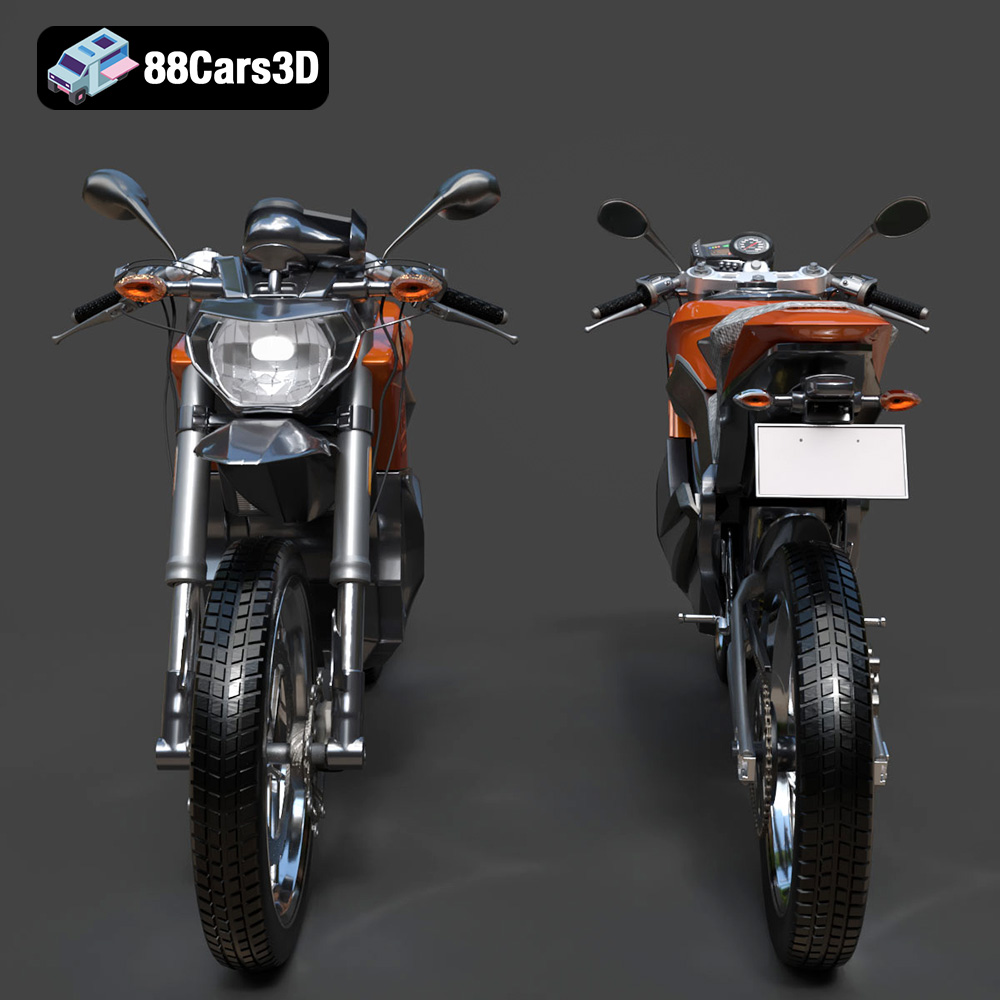
Experience unparalleled realism with the Zero Motorcycles S ZF8.5 3D Model. Crafted for professionals, this digital asset brings realistic detailing to life, offering an authentic representation of the innovative electric motorcycle. Designed with precision, the model features clean geometry, accurate proportions, and realistic materials tailored for advanced digital projects.
Built to meet strict professional standards, this 3D model ensures seamless integration into various pipelines. Its optimized polygon structure maintains exceptional visual fidelity while keeping performance steady. Whether you are rendering striking cinematic visuals or building interactive environments, the detailed exterior and intricate components guarantee an impressive output.
This versatile 3D model is perfect for a wide range of applications. It excels in game development, offering realistic assets for immersive simulations and environments. It is equally suited for architectural visualizations, vehicle design showcases, and cutting-edge AR/VR experiences. From complex simulation software to promotional rendering, this digital asset adapts effortlessly to your creative needs.
The Zero Motorcycles S ZF8.5 3D Model is provided in multiple industry-standard file formats to ensure maximum compatibility:
$19.99
.arvr
.blend
.car3dmodel
.electricmotorcycle
.fbx
.gameasset
.glb
.max
.motorcycle
.obj
.ply
.rendering
.simulation
.stl
.szf85
.unreal
.zeromotorcycles