Get 20% OFF All Premium 3D & STL Models!

In the dynamic world of digital content creation, the difference between a good project and an exceptional one often lies in the quality of its foundational assets. Whether you’re an automotive designer visualizing a new concept, a game developer building an immersive racing experience, or a VFX artist creating breathtaking cinematics, the demand for realistic, production-ready 3D models is constant. Precision, detail, and versatility are paramount, especially when dealing with iconic vehicles that command respect and admiration.
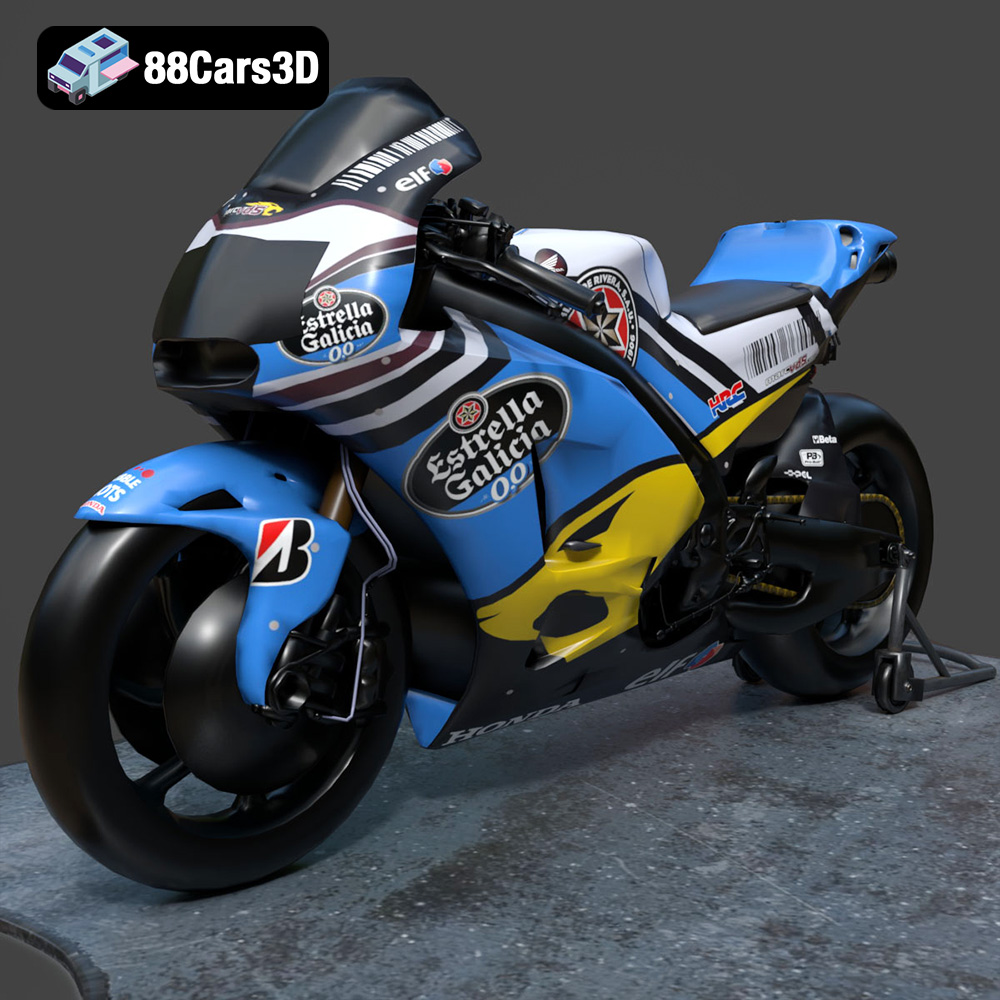
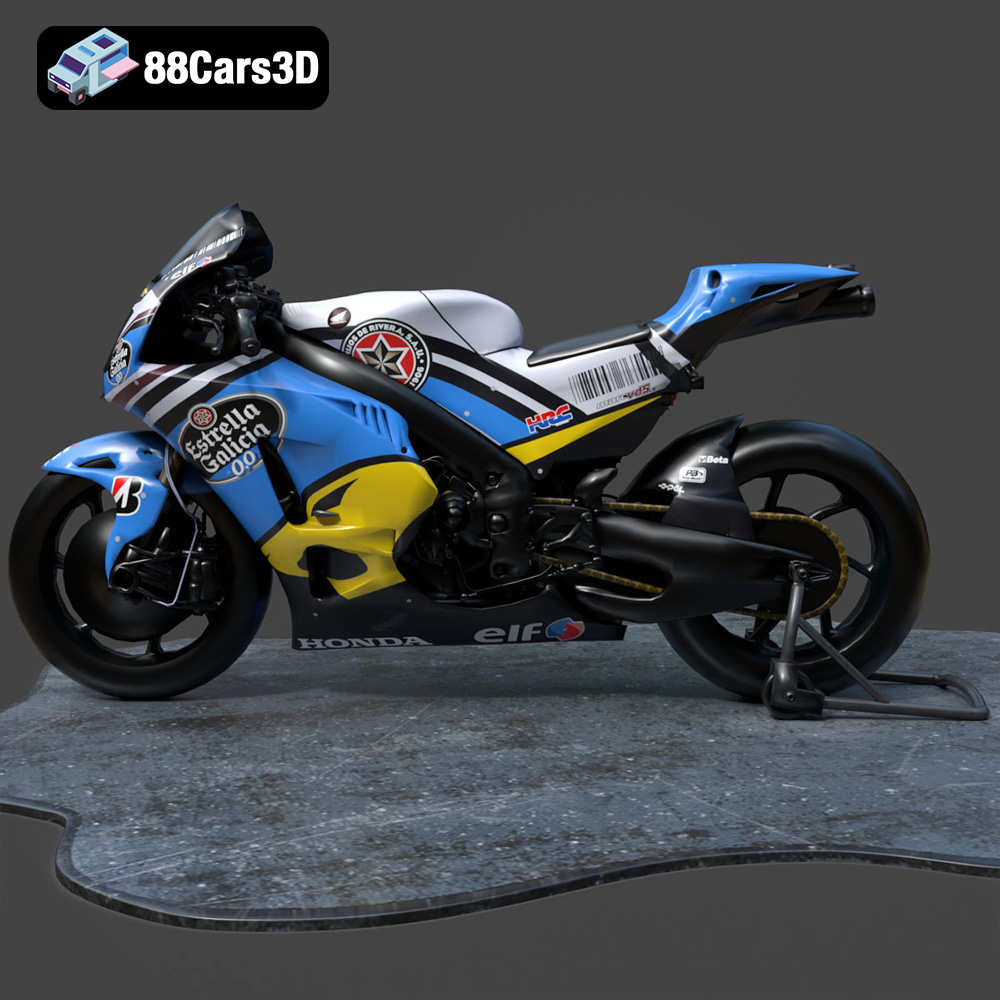
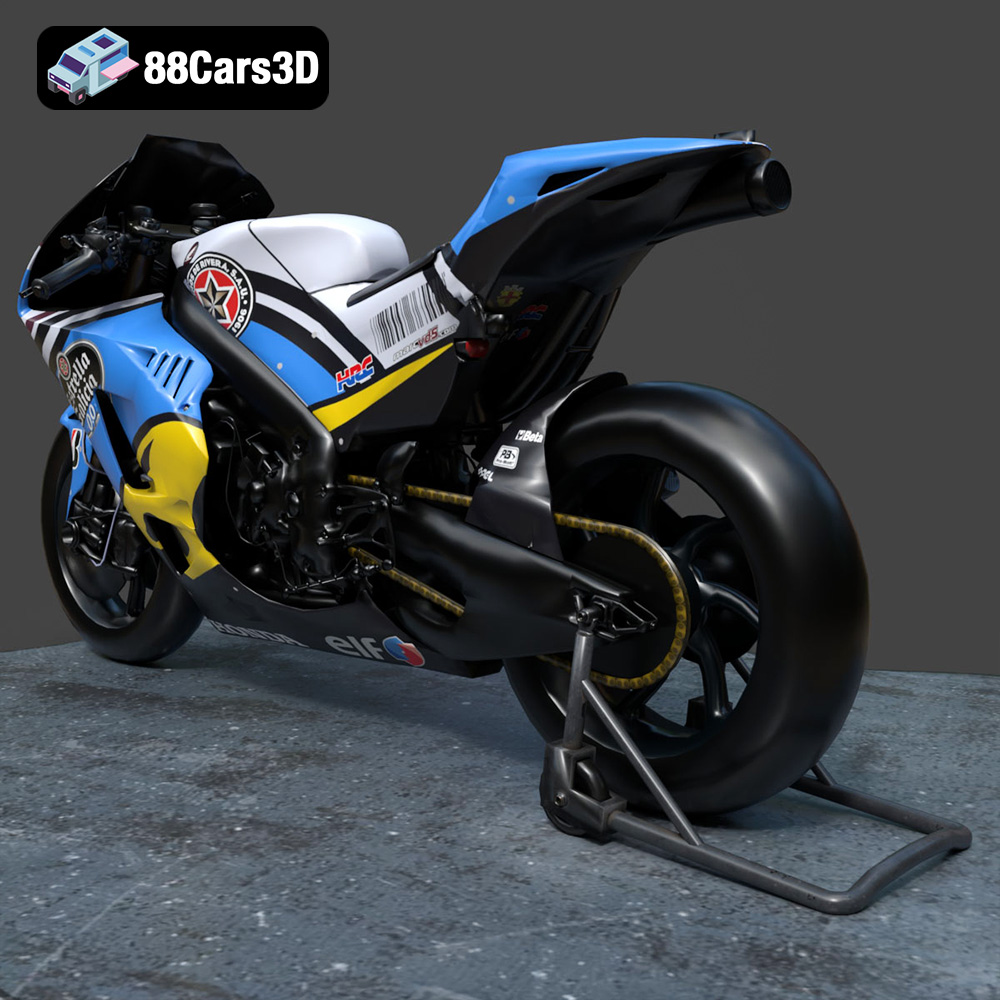
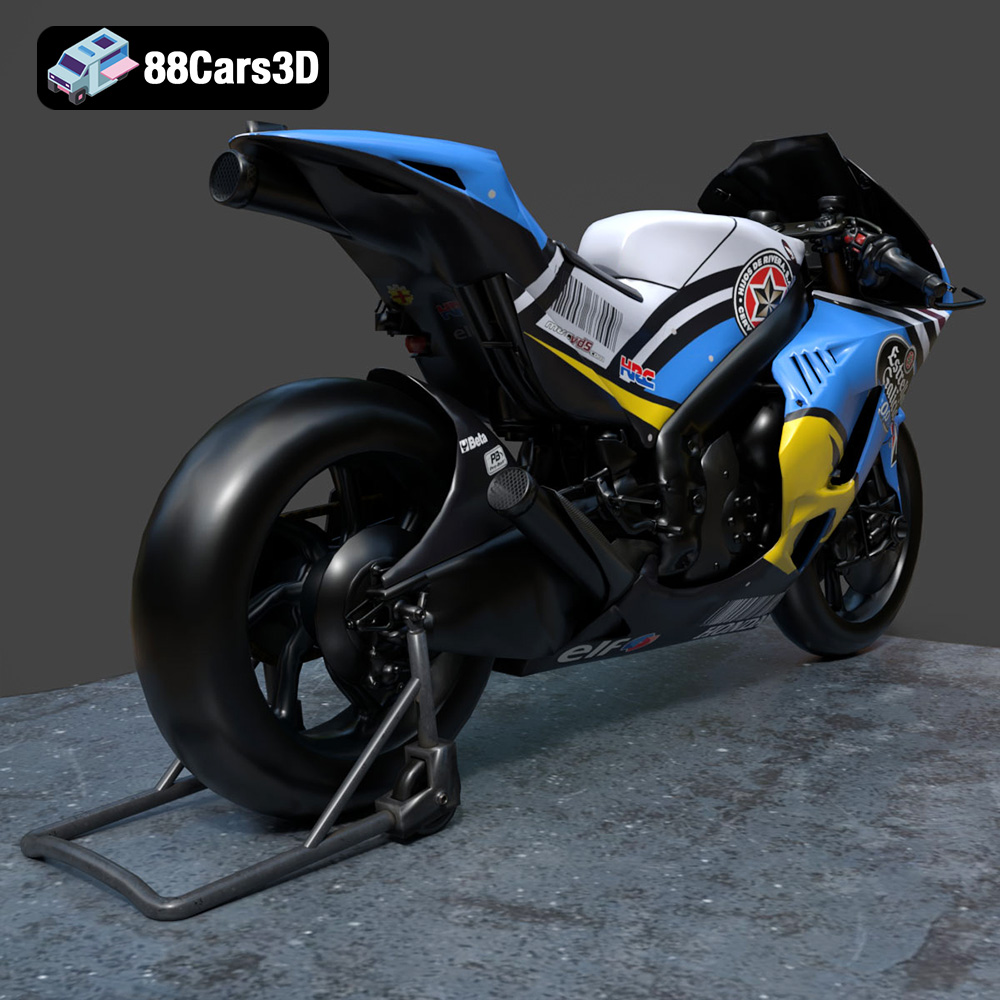
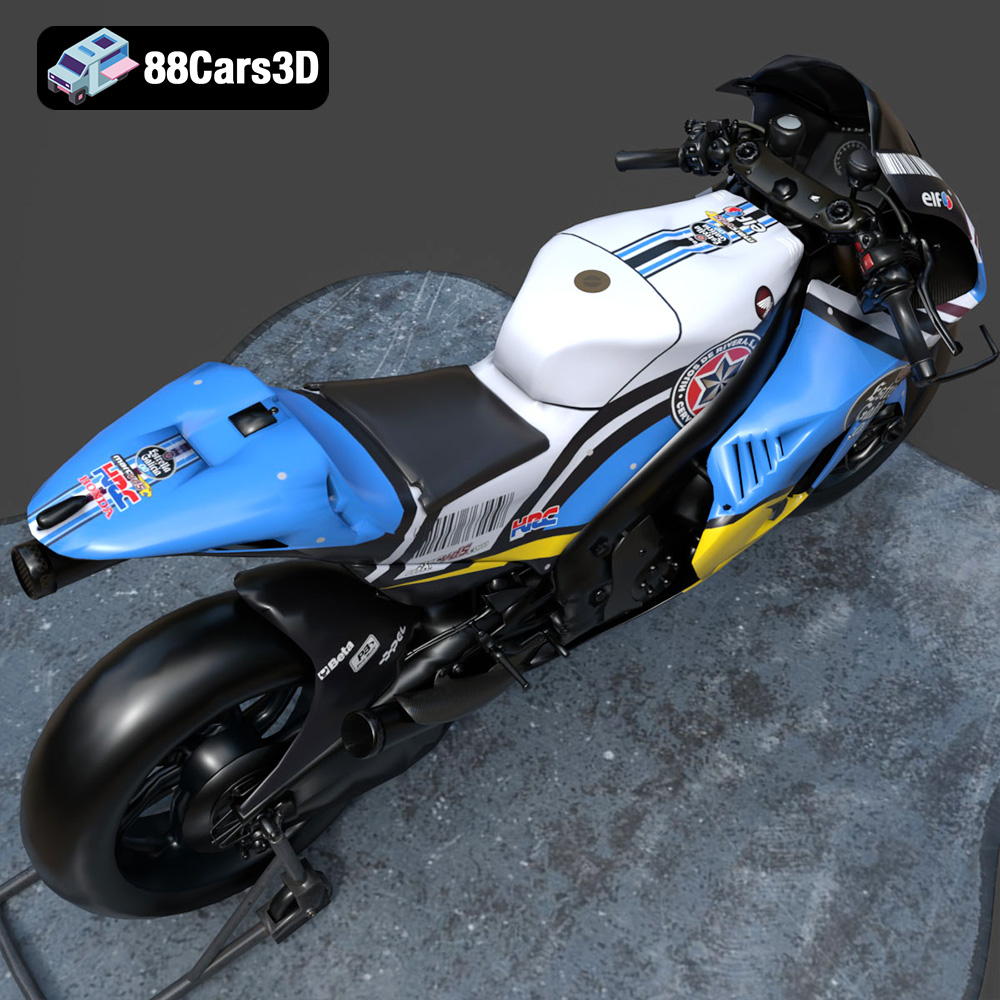
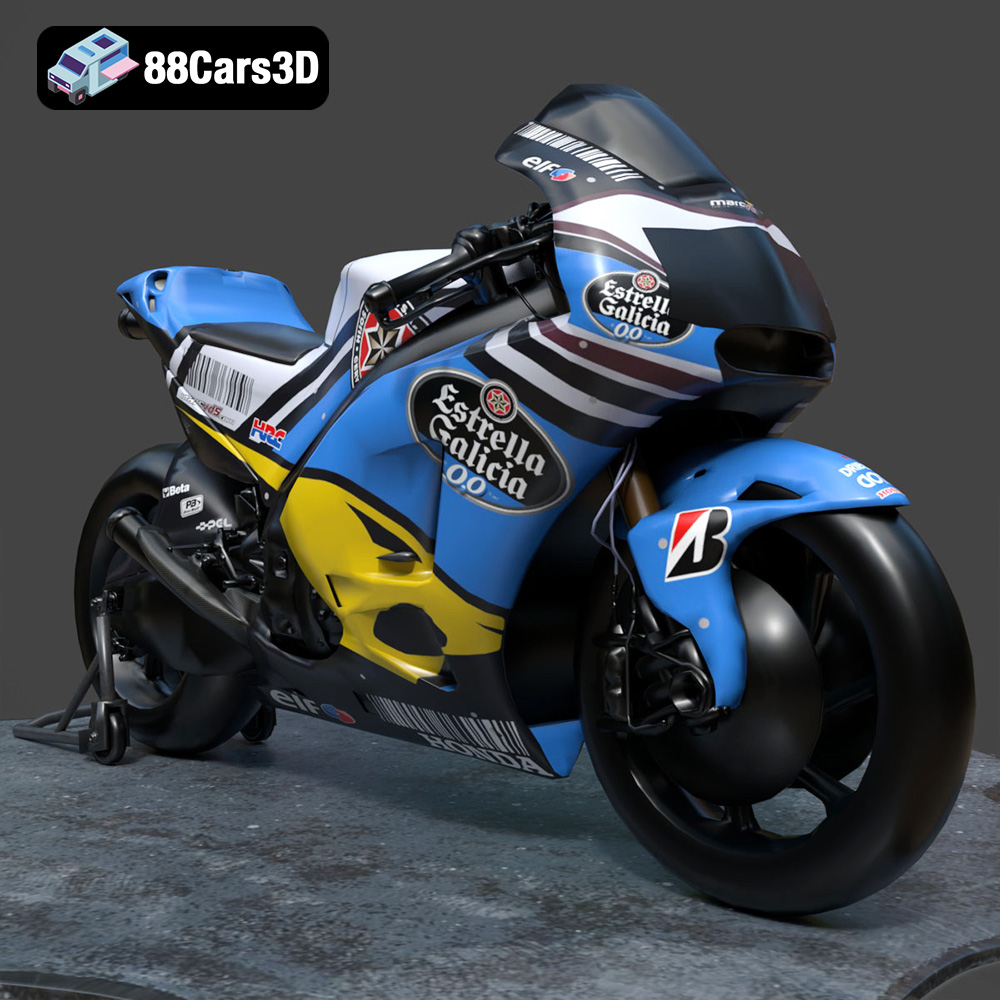
Enter the Honda RCV-213-001 3D Model, an embodiment of engineering excellence and aesthetic appeal, meticulously translated into the digital realm. This isn’t just a collection of polygons; it’s a meticulously crafted digital twin designed to elevate any project it becomes a part of. From the gleaming aerodynamics of its fairings to the intricate mechanical components of its racing engine, every element has been carefully considered to provide stunning visual fidelity and unparalleled performance across a spectrum of applications. Such high-caliber 3D car models are the backbone of professional visualization, gaming, and interactive media, offering creators the robust tools they need to bring their visions to life.
The digital age has transformed how we interact with and perceive physical objects. High-fidelity 3D models are no longer just static representations; they are dynamic tools that drive innovation across industries. For vehicles like the Honda RCV-213-001, replicating every curve and component digitally requires a blend of artistic skill and technical precision, ensuring the model is not only visually accurate but also functionally adaptable for various software environments and end-uses.
Automotive designers rely heavily on 3D models for concept development, prototyping, and marketing. A high-quality 3D model allows for rapid iteration of designs, detailed ergonomic studies, and photorealistic visualizations long before a physical prototype is ever built. For a racing motorcycle like the RCV-213-001, precise geometry ensures that airflow simulations are accurate, material responses are realistic under different lighting conditions, and the emotional impact of the machine is fully conveyed. This translates into more informed design decisions and more compelling marketing materials, reducing costs and accelerating development cycles.
In game development, the challenge is to strike a delicate balance between visual realism and real-time performance. High-detail 3D models of vehicles must be optimized with varying levels of detail (LODs), efficient UV mapping, and well-structured materials to ensure smooth gameplay at high frame rates. The Honda RCV-213-001 3D Model, designed with clean geometry and game-engine-ready formats, exemplifies this balance. It allows developers to create breathtaking racing sequences without sacrificing performance, making it a prime asset for modern racing simulations and open-world games.
Augmented Reality (AR) and Virtual Reality (VR) are revolutionizing how we interact with digital content. For these immersive platforms, detailed and optimized 3D models are absolutely crucial. An AR application might allow a potential buyer to view the Honda RCV-213-001 in their garage, scaled accurately, while a VR experience could put them in the saddle of the racing machine. The efficiency of formats like .glb, included with this model, is critical for delivering smooth, interactive experiences on these demanding platforms, ensuring that users feel fully present within the digital environment.
Navigating the world of 3D modeling often means understanding a plethora of file formats, each with its own strengths, weaknesses, and intended applications. A truly versatile 3D model, such as the Honda RCV-213-001 available on 88cars3d.com, provides a comprehensive suite of these formats to ensure maximum compatibility and utility across diverse professional pipelines. Understanding which format to use and when is a cornerstone of efficient 3D workflow.
What truly sets a premium 3D model apart is its underlying technical execution. The Honda RCV-213-001 3D Model is not just aesthetically pleasing; it is structurally sound and optimized for performance. This meticulous approach ensures that creators can achieve photorealistic results and smooth real-time performance without wrestling with messy geometry or incomplete data.
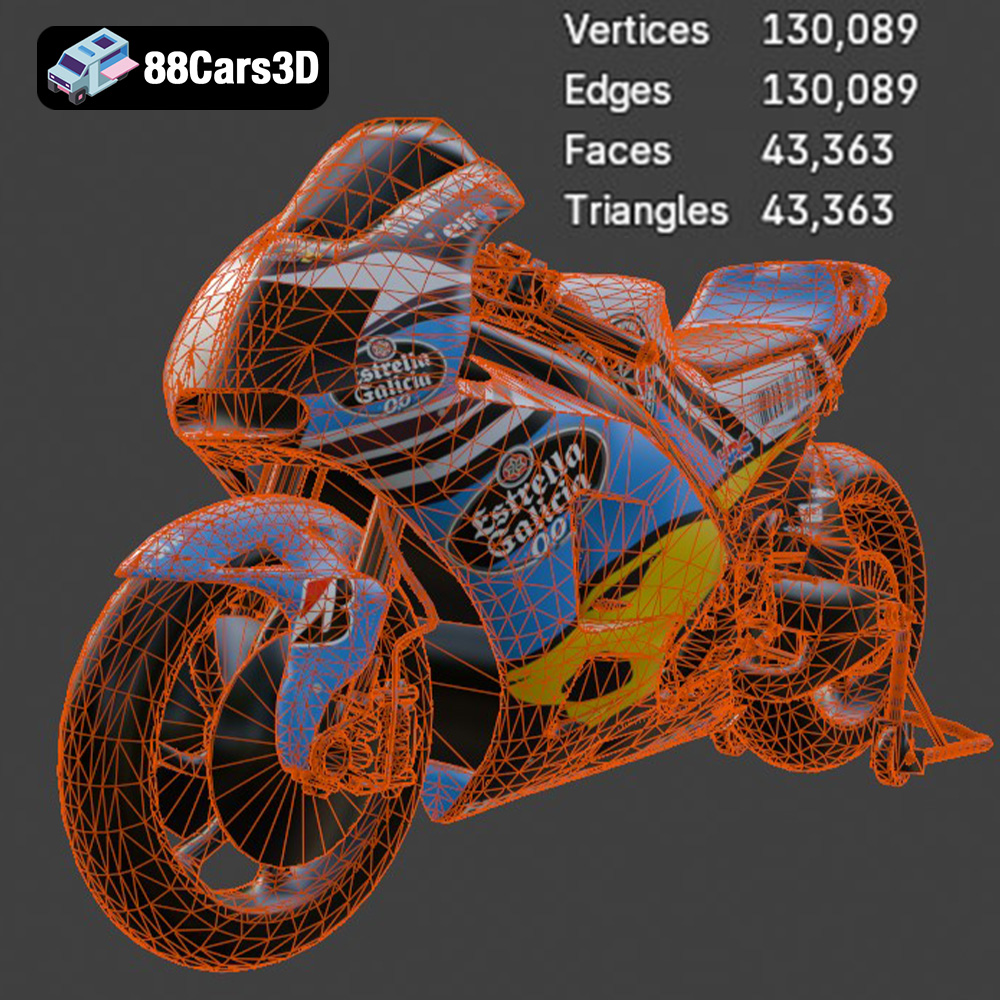
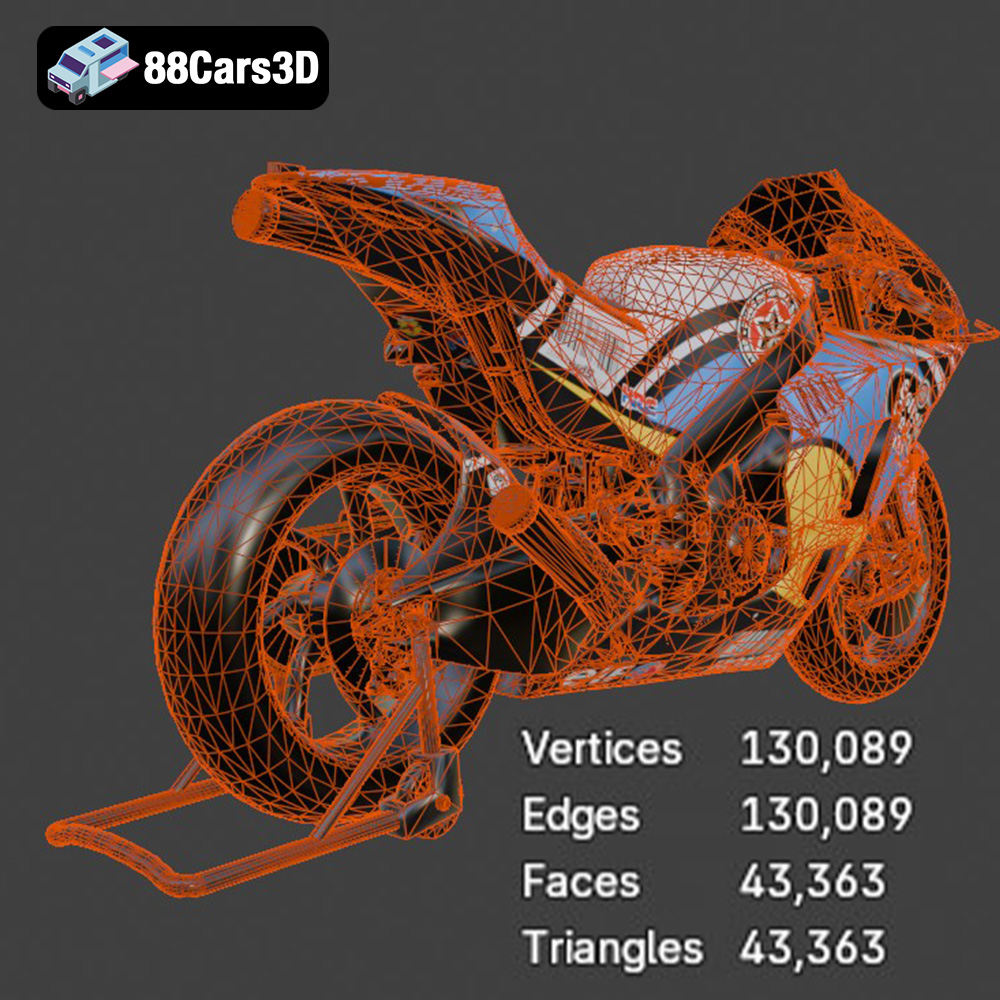
The core of any high-quality 3D model is its geometry and topology. The RCV-213-001 model boasts clean, efficient quad-based topology, which is crucial for smooth subdivision, deformation (if animated), and realistic shading without artifacts. A typical high-fidelity model of this complexity might range from 150,000 to 300,000 polygons, carefully distributed to capture intricate details like the engine block, suspension, and brake calipers without being overly dense where unnecessary. Complementing this is professional UV mapping: non-overlapping, efficiently packed UV islands ensure textures are applied seamlessly and without distortion. Multiple UV sets may even be included—one for diffuse/normal maps and another for lightmaps in game engines, optimizing both visual quality and engine performance.
Realistic materials are essential for bringing a 3D model to life. The Honda RCV-213-001 utilizes a Physically Based Rendering (PBR) workflow, a standard in modern rendering and game development. This means the materials are defined by properties like Albedo (base color), Metallic, Roughness, Normal, and Ambient Occlusion maps. These maps interact with light in a physically accurate way, mimicking how real-world materials behave. The result is believable reflections on painted surfaces, metallic sheens on chrome parts, and subtle imperfections that add to the model’s authenticity, making it indistinguishable from reality in a well-lit scene.
Professional 3D model creation always involves a strategic balance between visual fidelity and performance optimization. For the Honda RCV-213-001, this means the model is supplied with a level of detail appropriate for high-quality rendering, but also structured in a way that allows for easy optimization for real-time applications. This might involve easily generated LODs for game engines, or a modular structure that allows parts to be hidden or simplified. The clean geometry also facilitates faster viewport navigation and rendering, making the model a joy to work with in any professional setting.
A truly versatile 3D model is one that seamlessly integrates into diverse professional workflows. The Honda RCV-213-001 3D Model, with its multiple file formats and professional-grade build, is designed to be a plug-and-play asset for a variety of creative endeavors.
For cinematic quality renders, 3ds Max and Blender offer robust toolsets. With the included .max and .blend files, users gain access to the model’s complete scene setup, often including materials, lighting, and camera configurations. In 3ds Max, artists can leverage powerful renderers like V-Ray or Corona to produce photorealistic automotive rendering. They can animate the motorcycle, simulate complex camera movements, and create stunning visual effects. Similarly, Blender users can utilize Cycles or Eevee to achieve breathtaking results, tweaking PBR materials, adding procedural textures, and composing dynamic scenes. The clean geometry of the Honda RCV-213-001 ensures smooth subdivision surfaces and accurate light interaction, critical for achieving that high-end look.
For game developers, time is of the essence. The .fbx and specifically the .unreal files of the RCV-213-001 significantly streamline the integration process into Unreal Engine. These formats ensure correct scaling, proper material assignments, and often include basic collision geometry and pre-set LODs. Developers can quickly import the model, apply any necessary game logic, and integrate it into a racing simulation or an interactive environment. Its optimized mesh and PBR textures mean less work on the developer’s end to achieve a high visual standard, allowing them to focus on gameplay and other core development tasks.
The future of digital interaction is increasingly moving towards augmented and virtual reality. The .glb format included with the Honda RCV-213-001 is purpose-built for these applications. Developers can effortlessly load the model into AR frameworks like Apple’s ARKit or Google’s ARCore, or integrate it into VR environments built with engines like Unity or Unreal. Its optimized structure ensures rapid loading times and smooth performance, critical for maintaining immersion in AR/VR experiences. Imagine showcasing the motorcycle in a virtual showroom, allowing users to inspect it from all angles, or even placing it virtually in a real-world setting through their smartphone camera.
The utility of high-quality 3D models extends far beyond digital screens. For products like the Honda RCV-213-001, the ability to transition from a virtual asset to a physical object opens up new avenues for design, prototyping, and even collectible creation.
The .stl file format is the universal language of 3D printing. By providing the Honda RCV-213-001 in this format, 88cars3d.com empowers users to transform the digital model into a tangible collectible or a physical prototype. While the level of detail achievable in a 3D print depends on the printer’s capabilities, a well-structured .stl derived from a high-fidelity model ensures that the complex contours and intricate parts of the motorcycle are accurately preserved. This is invaluable for enthusiasts wanting a desk model or for designers needing a quick physical mockup.
Beyond simple printing, the .ply format offers capabilities for more advanced manufacturing and analysis. Its ability to store additional data like vertex colors and normals makes it suitable for applications where precise geometric information is needed for quality control, reverse engineering, or even specialized manufacturing processes. For engineers or product designers, the .ply file of the Honda RCV-213-001 can serve as a robust data source for simulations, measurements, or as a reference for creating tooling and jigs, pushing the boundaries of what’s possible with a digital asset.
In a marketplace flooded with digital assets, discerning creators understand that true value lies in quality, versatility, and reliability. 88cars3d.com is committed to providing exactly that, offering a curated selection of high-quality 3D car models that meet professional standards across the board. The Honda RCV-213-001 3D Model is a prime example of this commitment, offering more than just a model; it offers a foundation for success.
One of the greatest time-savers for any professional is starting with an asset that’s already production-ready. The Honda RCV-213-001 comes with clean geometry, optimized UVs, and PBR materials, meaning less time spent on tedious cleanup and more time dedicated to creative output. This immediate usability translates directly into increased efficiency and higher-quality results, whether for a tight deadline project or a passion endeavor. Investing in such assets from reputable sources like 88cars3d.com ensures you’re building on a solid, professional foundation.
The inclusion of a wide array of file formats—.blend, .fbx, .obj, .glb, .stl, .ply, .unreal, and .max—is a testament to the model’s versatility. This comprehensive package ensures that no matter your software of choice or your project’s final application, the Honda RCV-213-001 3D Model can be seamlessly integrated. This adaptability is invaluable for studios and freelancers alike, providing the flexibility needed to tackle anything from photorealistic automotive rendering to interactive game environments and physical prototypes.
The digital landscape demands assets that are not only visually striking but also technically robust and highly adaptable. The Honda RCV-213-001 3D Model stands as a testament to this principle, offering unparalleled detail, professional-grade optimization, and comprehensive file format support for virtually any creative endeavor. Whether your goal is to produce breathtaking automotive rendering, develop an immersive game asset, create compelling AR/VR experiences, or even embark on 3D printing, this model provides the precision and flexibility required for top-tier productions.
By providing such a versatile and meticulously crafted asset, 88cars3d.com empowers digital artists and developers to push the boundaries of realism and creativity. Elevate your projects with high-quality 3D car models that are built for performance and visual fidelity. The Honda RCV-213-001 is more than just a motorcycle; it’s a gateway to exceptional digital storytelling and innovation.
Experience true realism with the Honda RCV-213-001 3D Model, meticulously crafted to represent the iconic racing motorcycle. This model is engineered to provide stunning visual fidelity, making it an exceptional choice for automotive enthusiasts and digital creators.
Key features of this 3D model include clean geometry, realistic materials, and a professional quality build. Every detail, from the aerodynamic fairings to the intricate mechanical components, has been modeled to deliver a highly accurate digital twin of the original vehicle.
This asset is highly versatile and perfect for a wide range of applications. Whether you are working on game development, rendering, AR/VR experiences, or professional visualization projects, this model provides the performance and aesthetic precision required for top-tier productions.
The following file formats are included with your download:
Tags: .honda, .rcv213001, .motorcycle, .racingbike, .car3dmodel, .rendering, .simulation, .gameasset, .arvr, .blend, .fbx, .obj, .glb, .stl, .ply, .unreal, .max
$19.99
.arvr
.blend
.car3dmodel
.fbx
.gameasset
.glb
.honda
.max
.motorcycle
.obj
.ply
.racingbike
.rcv213001
.rendering
.simulation
.stl
.unreal