Get 20% OFF All Premium 3D & STL Models!

In today’s visually driven world, the demand for exceptionally realistic and versatile 3D car models has never been higher. From blockbuster game titles and cinematic advertisements to intricate architectural visualizations and immersive AR/VR experiences, a high-fidelity vehicle asset is often the cornerstone of a compelling project. Artists, designers, and developers constantly seek models that not only look stunning but also integrate seamlessly into diverse professional workflows, saving invaluable time and ensuring consistent quality.
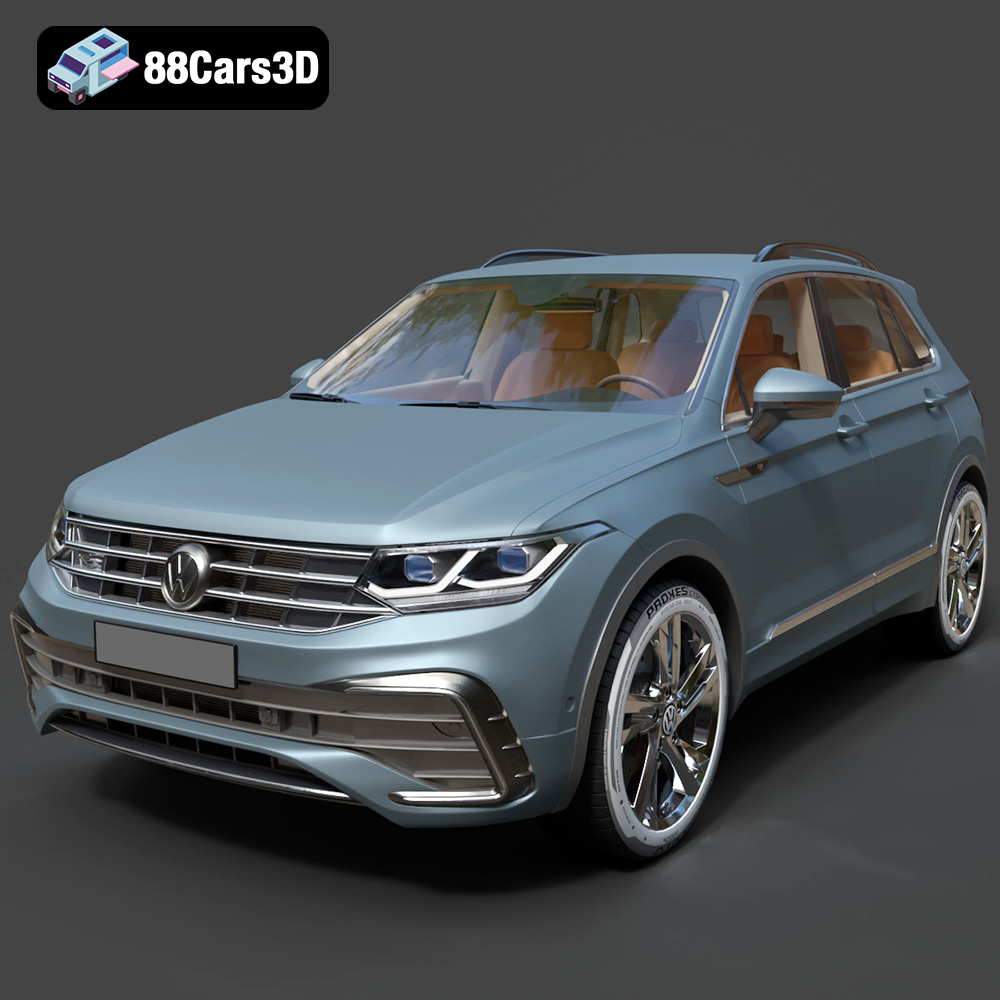
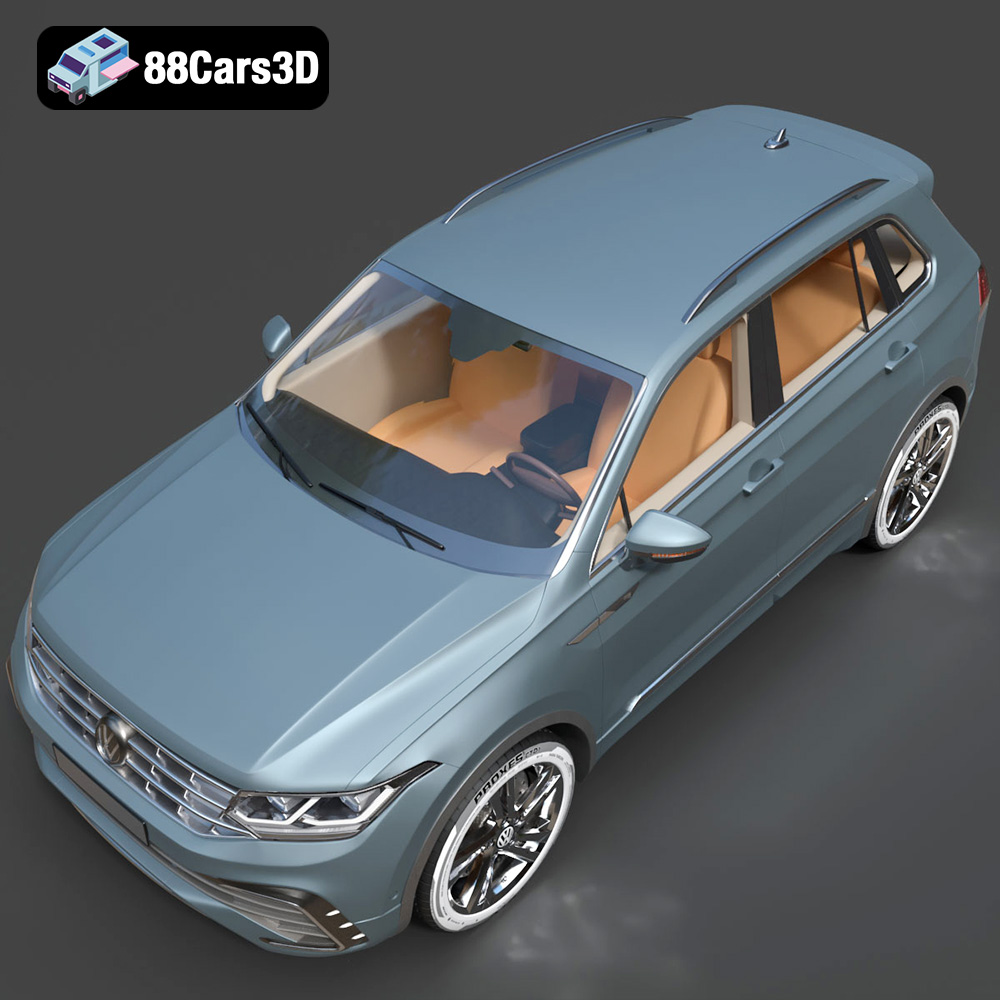
It’s within this demanding landscape that the Volkswagen Tiguan 2021 3D Model emerges as a standout asset. This meticulously crafted digital replica goes beyond mere aesthetics, offering the clean geometry, accurate proportions, and realistic materials that professionals expect. Whether you’re aiming to render a photorealistic scene, drop an authentic SUV into a game environment, or use it for product visualization, understanding the technical underpinnings of such a model is crucial. Let’s delve into the intricate world of 3D automotive assets and discover what makes models like the Volkswagen Tiguan 2021 a game-changer for digital creators.
The journey of a vehicle, from initial concept sketch to a consumer driving it off the lot, is increasingly intertwined with 3D visualization. Long before physical prototypes are built, or even detailed engineering drawings are finalized, 3D models allow designers to explore forms, test aerodynamics, and visualize interiors with unprecedented speed and accuracy. This digital genesis extends far beyond the design studio, impacting every stage of a car’s lifecycle.
In the initial design phases, rough 3D models help sculpt the car’s overall silhouette and proportions. As design progresses, these models gain fidelity, incorporating detailed panel gaps, intricate headlight designs, and precise interior ergonomics. Engineers use these models for simulations, testing crashworthiness, airflow, and passenger comfort in virtual environments. Marketing teams leverage highly polished versions for launch campaigns, creating stunning imagery and animations that captivate potential buyers. The Volkswagen Tiguan 2021 3D Model, for instance, perfectly captures the production-ready aesthetic, making it ideal for post-launch marketing, configurators, or educational materials that showcase its modern styling and dynamic stance.
The bridge between design intent and marketing reality is often forged in the renderer. Photorealistic automotive rendering has become an art form, capable of producing images indistinguishable from actual photographs. These renders are used in brochures, online advertisements, and configurators, allowing customers to visualize their dream car in custom colors and trims. A high-quality 3D car model, such as those found on 88cars3d.com, provides the foundational asset for these endeavors. It means that the Volkswagen Tiguan 2021 can be placed in any virtual environment – from a bustling city street to a serene mountain pass – with full control over lighting, reflections, and camera angles, producing visuals that resonate deeply with an audience.
The versatility of a 3D model often hinges on its availability in various file formats, each serving specific purposes and compatible with different software pipelines. Understanding these formats is paramount for any professional working with 3D assets, as choosing the right one can significantly impact workflow efficiency, model fidelity, and final project outcomes. The Volkswagen Tiguan 2021 3D Model exemplifies this versatility by offering a comprehensive suite of formats, catering to virtually any professional need.
The provided file formats for the Volkswagen Tiguan 2021 3D Model cover a broad spectrum of applications:
This comprehensive array of formats ensures that the Volkswagen Tiguan 2021 3D Model, available on 88cars3d.com, is a truly versatile asset, ready for any challenge a professional project might present.
Achieving photorealism in automotive rendering is a complex undertaking that relies on meticulous attention to detail across multiple technical aspects. It’s not just about having a high-resolution mesh; it’s about how that mesh is constructed, how materials interact with light, and how the entire scene is lit. The Volkswagen Tiguan 2021 3D Model is built with these principles in mind, ensuring it stands up to the closest scrutiny.
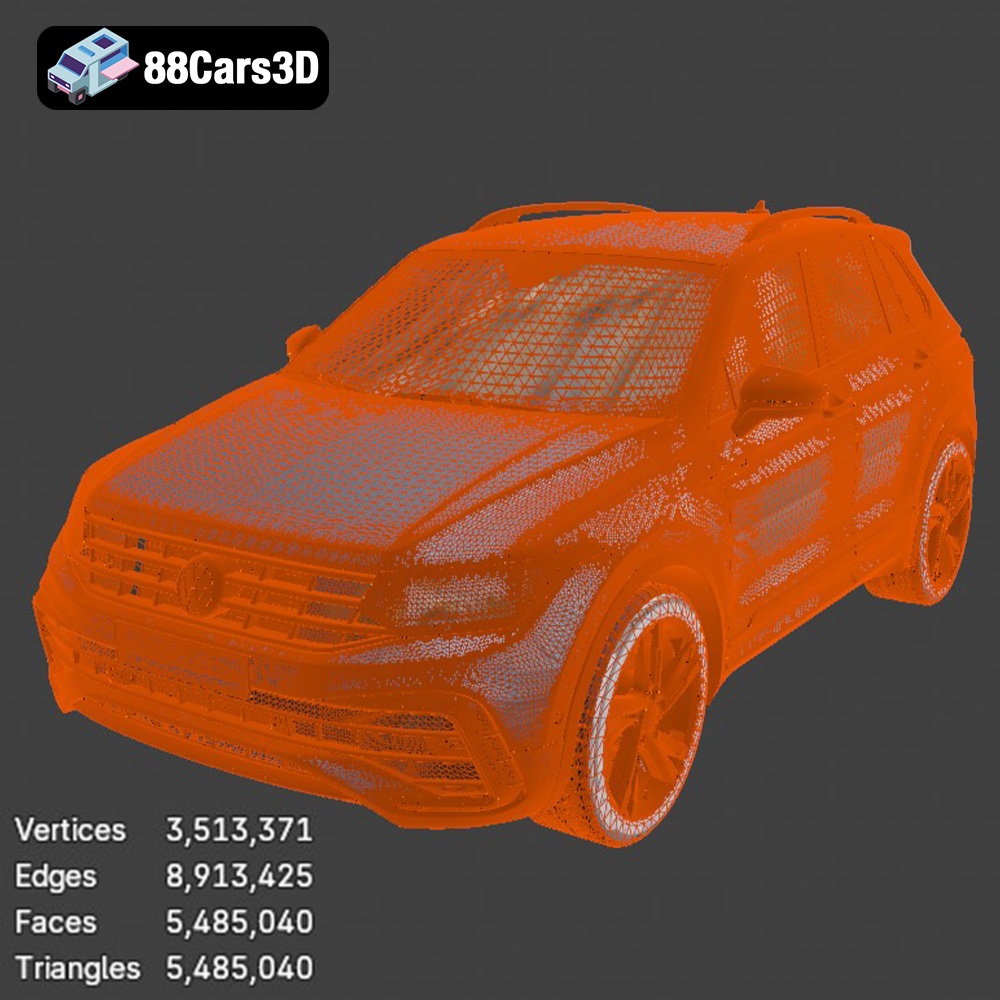
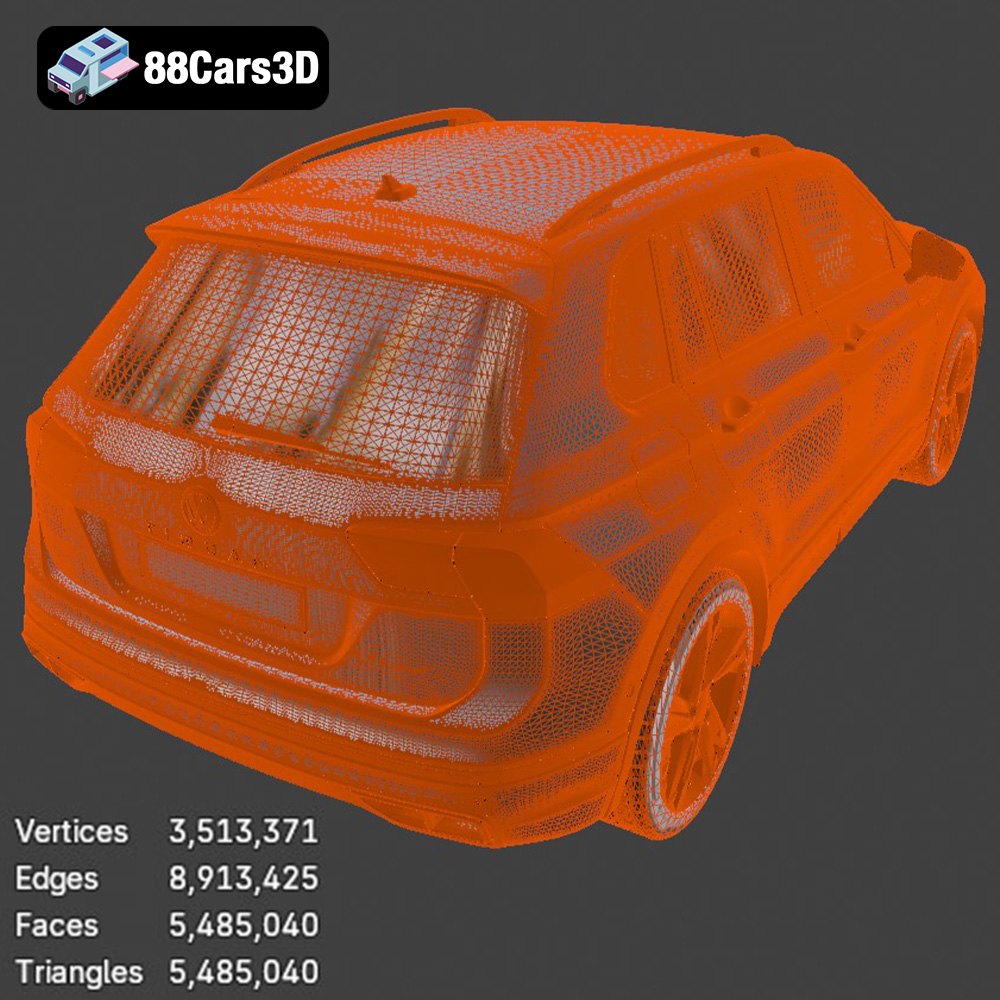
The foundation of any great 3D model is its geometry and topology. A professional-grade 3D car model, like the Tiguan 2021, features “clean geometry” – meaning efficient polygon distribution without unnecessary complexity, n-gons (polygons with more than four sides), or overlapping faces. This ensures smooth subdivision, artifact-free deformation, and accurate reflections. “Well-structured topology” is crucial, with edge loops following the natural curvature and panel lines of the vehicle, which is vital for both realistic deformation if animated, and for clean rendering of highlights and shadows. Furthermore, precise UV mapping is indispensable. Well-laid UVs prevent texture stretching and allow for intricate detailing with high-resolution texture maps, ensuring that logos, paint flakes, and subtle surface imperfections are rendered accurately and without distortion.
Realistic materials are arguably the most critical component of photorealistic rendering. Automotive paint, with its complex multi-layer structure (primer, base coat, clear coat, metallic flakes), is notoriously challenging to replicate. High-quality 3D car models come with PBR (Physically Based Rendering) materials that accurately simulate how light interacts with surfaces, accounting for properties like albedo, metallicness, roughness, and normal mapping. For the Volkswagen Tiguan 2021, this means that reflections on the bodywork will behave as they would in real life, tires will have a convincing rubber texture, and glass will refract and reflect light appropriately. Integrating these materials effectively within renderers like V-Ray, Corona, or Cycles requires a deep understanding of shader networks and texture blending techniques.
Even the most perfect 3D model will look flat without proper lighting. In professional rendering pipelines using software like 3ds Max or Blender, lighting is an art and a science. Techniques often involve a combination of HDRI (High Dynamic Range Image) environment maps for realistic global illumination and reflections, coupled with targeted area lights or spotlights to emphasize specific features or create dramatic effects. For an automotive render, subtle backlighting can highlight curves, while softbox-like area lights can bring out the glossy sheen of the paint. The .max and .blend files for the Volkswagen Tiguan 2021 3D Model often include pre-configured lighting setups, providing a strong starting point for artists to achieve stunning cinematic results quickly.
While cinematic rendering aims for absolute photorealism without immediate performance constraints, real-time applications like video games, AR/VR experiences, and interactive configurators demand a careful balance between visual fidelity and computational efficiency. High-quality 3D car models must be designed with optimization in mind to perform seamlessly in these demanding environments.
Game engines like Unreal Engine and Unity are engineered for real-time performance, and integrating 3D car models requires specific considerations. The Volkswagen Tiguan 2021 3D Model, with its .fbx and .unreal formats, is explicitly designed for this. When importing into Unreal, artists would typically ensure proper scale, apply engine-specific PBR materials (often using Substance Painter textures or directly within the engine), and set up collision meshes for realistic interaction. For racing games or open-world titles, the model might also require dynamic wear-and-tear effects or customizable paint jobs, which leverage the clean UVs and material IDs. The “game-engine ready” nature of the Tiguan model significantly reduces the setup time, allowing developers to focus on gameplay and interactivity.
Augmented Reality (AR) and Virtual Reality (VR) introduce even tighter performance budgets, often requiring models to render at very high frame rates (e.g., 90 FPS for comfortable VR) across two separate views. This means aggressive optimization is necessary. The .glb format, included with the Volkswagen Tiguan 2021 3D Model, is a prime example of a format optimized for this purpose. It compresses textures and geometry efficiently, making it suitable for deployment on mobile AR platforms or standalone VR headsets where processing power is limited. Developers need to meticulously manage poly counts, texture resolutions, and shader complexity to ensure a smooth, immersive experience without motion sickness. Leveraging models with already optimized topology and clean UVs, like those from 88cars3d.com, is a huge advantage.
A crucial technique for real-time optimization is the implementation of Levels of Detail (LODs). This involves creating multiple versions of the same 3D car model, each with progressively lower polygon counts. When the vehicle is close to the camera, the highest detail LOD is used; as it moves further away, lower detail LODs are swapped in, reducing the rendering load without a noticeable drop in visual quality. An efficient asset pipeline will automate this process. For a model like the Volkswagen Tiguan 2021, a professional asset would typically be prepared to easily generate LODs, ensuring scalability across different platforms and viewing distances, from an up-close AR interaction to a car seen in the distance in a racing simulation.
The utility of a high-quality 3D car model extends far beyond rendering stunning images or powering real-time experiences. Its precise geometry and accurate proportions make it an invaluable tool for a variety of other applications, demonstrating the true versatility of a well-crafted digital asset like the Volkswagen Tiguan 2021 3D Model.
The inclusion of .stl and .ply formats with the Volkswagen Tiguan 2021 3D Model highlights its potential for physical output and technical analysis. For engineers and product designers, the .stl file is a direct gateway to 3D printing. This allows for rapid prototyping of scale models, testing physical dimensions, or even creating custom accessories that precisely fit the vehicle’s form. While not for full-scale manufacturing, it’s invaluable for concept validation and iterative design. The .ply format, with its ability to store detailed mesh data, can be used in CAD software for more in-depth geometric analysis, perhaps for fitment studies or reverse engineering applications, offering a level of precision that few other formats can match.
Architectural Visualization (Arch-Viz) relies heavily on conveying a sense of scale, environment, and lifestyle. Placing realistic 3D car models within architectural renderings or interactive walkthroughs instantly brings a scene to life. A well-placed Volkswagen Tiguan 2021 adds a layer of realism to a newly designed driveway, a parking garage, or a bustling streetscape surrounding a building. It helps define the context and human scale of an environment, making a virtual space feel more lived-in and relatable. The detailed nature of the Tiguan model means it can be viewed up close without breaking immersion, a critical factor for high-end arch-viz projects where every detail matters.
In the fast-paced world of digital content creation, time is money, and quality is reputation. Sourcing high-quality, pre-made 3D car models like the Volkswagen Tiguan 2021 from reputable marketplaces such as 88cars3d.com offers significant advantages over creating assets from scratch. This isn’t just about convenience; it’s about strategic resource allocation and ensuring project success.
Modeling a car from the ground up, particularly to the professional standards required for the Volkswagen Tiguan 2021 3D Model, is an incredibly time-consuming process. It requires expert knowledge of hard-surface modeling, topology optimization, UV unwrapping, and material creation. By purchasing a pre-made, professional-grade asset, artists and studios can instantly access a ready-to-use model that has already undergone rigorous quality checks. This means less time spent on foundational asset creation and more time dedicated to creative direction, scene composition, animation, or interactive development. The assurance of clean geometry, accurate proportions, and realistic materials upfront means fewer headaches and reworks down the line.
Having a library of reliable 3D car models empowers creative professionals to experiment more freely. Instead of being bogged down by technical modeling challenges, they can focus on artistic expression – designing dynamic camera angles, perfecting lighting, or crafting compelling narratives around the vehicle. For projects with tight deadlines, the availability of versatile formats like .blend, .fbx, .obj, .glb, .stl, .ply, .unreal, and .max for the Volkswagen Tiguan 2021 ensures that the model can be immediately integrated into virtually any pipeline without conversion issues. This efficiency translates directly into faster project completion and higher client satisfaction, reinforcing the value proposition of platforms like 88cars3d.com for professional digital artists and studios.
The world of 3D visualization is a complex tapestry woven with technical precision and artistic vision. At its heart lies the need for high-quality assets that can adapt to a myriad of demands, from cinematic rendering to real-time game development, and even physical prototyping. The Volkswagen Tiguan 2021 3D Model stands as a testament to what a professional-grade asset should be: a meticulously crafted digital replica that offers clean geometry, accurate materials, and seamless integration across diverse workflows through its comprehensive file format support.
Whether you’re an automotive designer visualizing your next concept, a game developer populating an open-world environment, an architect enhancing a scene with contextual elements, or an AR/VR creator building immersive experiences, the technical prowess and versatility of this model make it an invaluable tool. It represents an investment in efficiency, quality, and creative freedom. For those seeking to elevate their projects with stunningly realistic and workflow-ready 3D car models, exploring the curated selection at 88cars3d.com is a logical first step towards driving digital success.
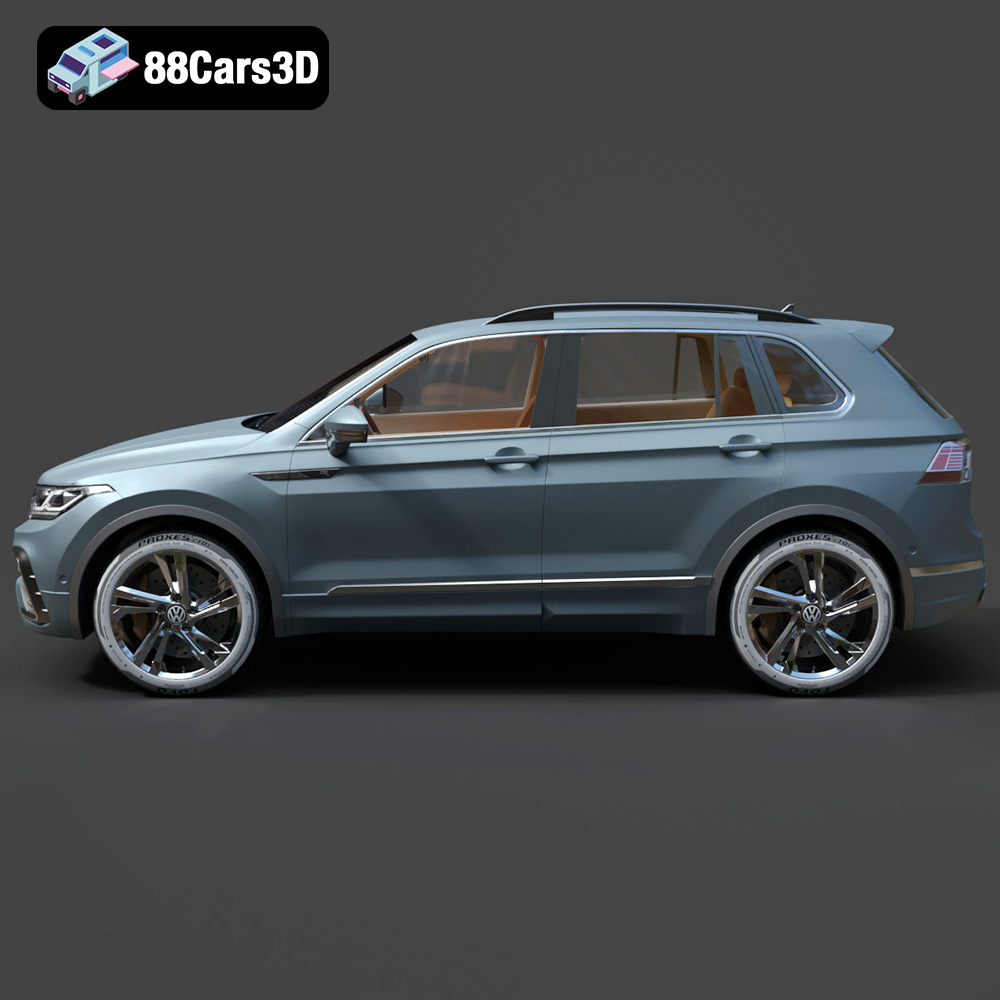
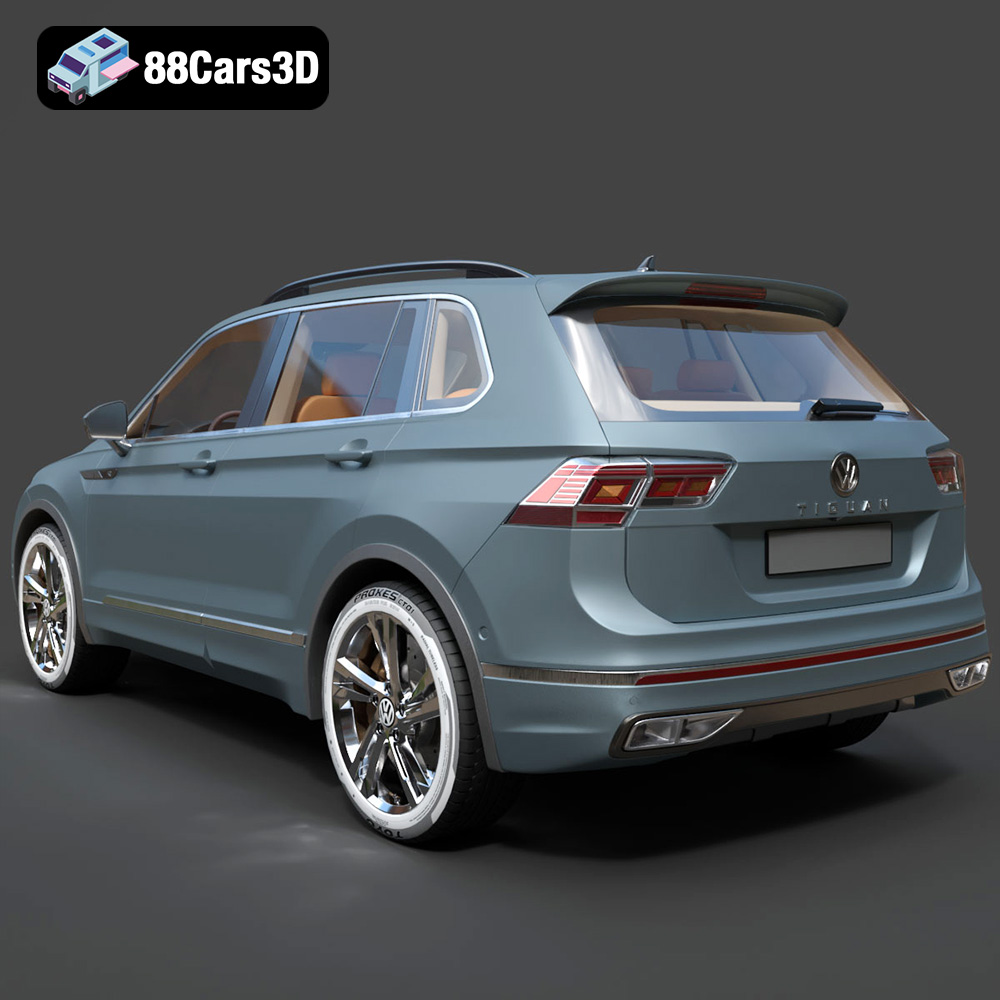
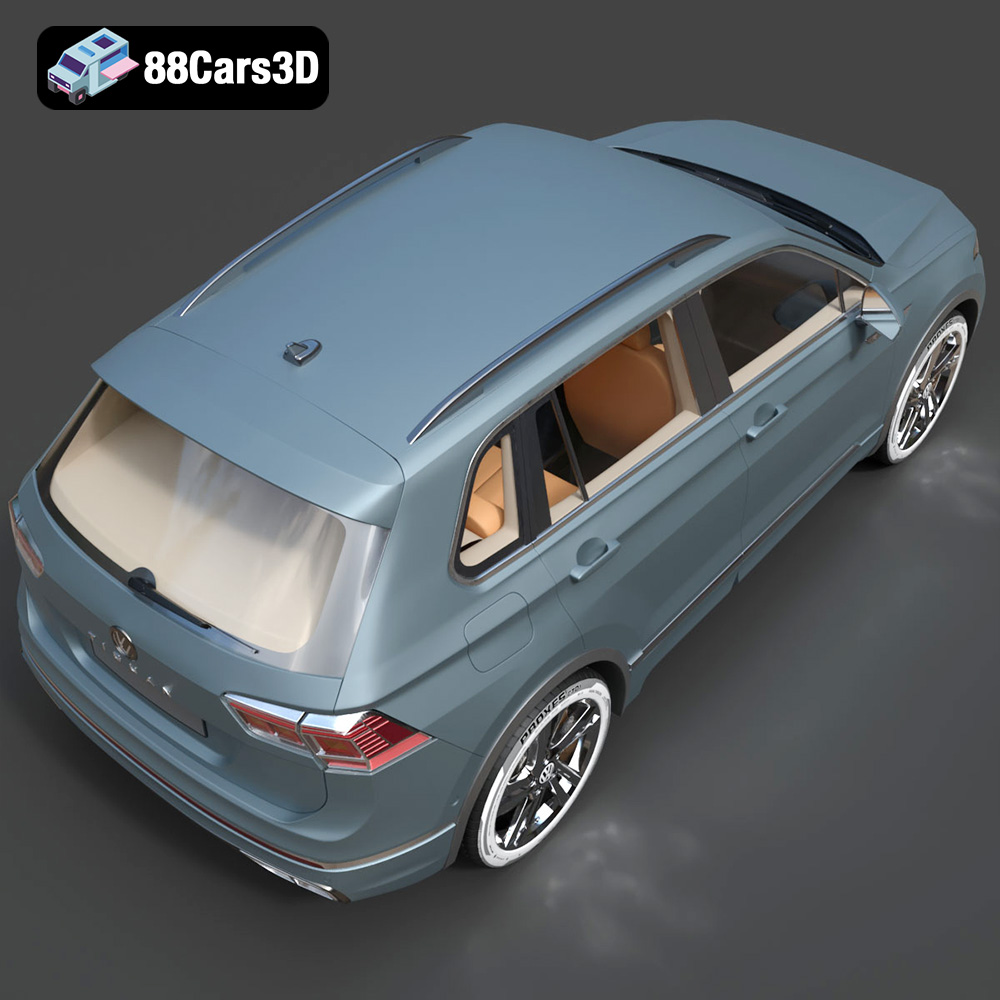
Experience the precision of the Volkswagen Tiguan 2021 3D Model, a realistic digital replica designed to meet professional standards. This model perfectly captures the modern styling, dynamic stance, and sophisticated details of the popular SUV, providing an exceptional asset for a diverse array of digital projects.
Engineered with an emphasis on performance and visual fidelity, this 3D vehicle features clean geometry, accurate proportions, and realistic materials. The well-structured topology allows for seamless workflow integration, ensuring outstanding results in both tight studio close-ups and expansive dynamic environments.
This versatile model is optimized for demanding applications, making it an excellent choice for game development, cinematic rendering, augmented and virtual reality (AR/VR) experiences, and architectural visualization. The comprehensive package is structured to integrate flawlessly into your preferred professional pipeline.
Available file formats include:
Tags: .volkswagen, .tiguan, .suv, .crossover, .car3dmodel, .rendering, .simulation, .gameasset, .arvr, .blend, .fbx, .obj, .glb, .stl, .ply, .unreal, .max
Tags:
.volkswagen, .tiguan, .suv, .crossover, .car3dmodel, .rendering, .simulation, .gameasset, .arvr, .blend, .fbx, .obj, .glb, .stl, .ply, .unreal, .max
$19.99
.arvr
.blend
.car3dmodel
.crossover
.fbx
.gameasset
.glb
.max
.obj
.ply
.rendering
.simulation
.stl
.tiguan
.unreal
.volkswagen
SUV