Get 20% OFF All Premium 3D & STL Models!

In the rapidly evolving landscape of digital creation, the demand for hyper-realistic and versatile 3D assets has never been greater. From cinematic automotive advertisements that blur the line between reality and CGI to immersive virtual experiences that transport users into meticulously crafted worlds, high-quality 3D car models are the unsung heroes of countless projects. They serve as the foundational building blocks for everything from design conceptualization and engineering visualization to cutting-edge game development and interactive AR/VR applications.
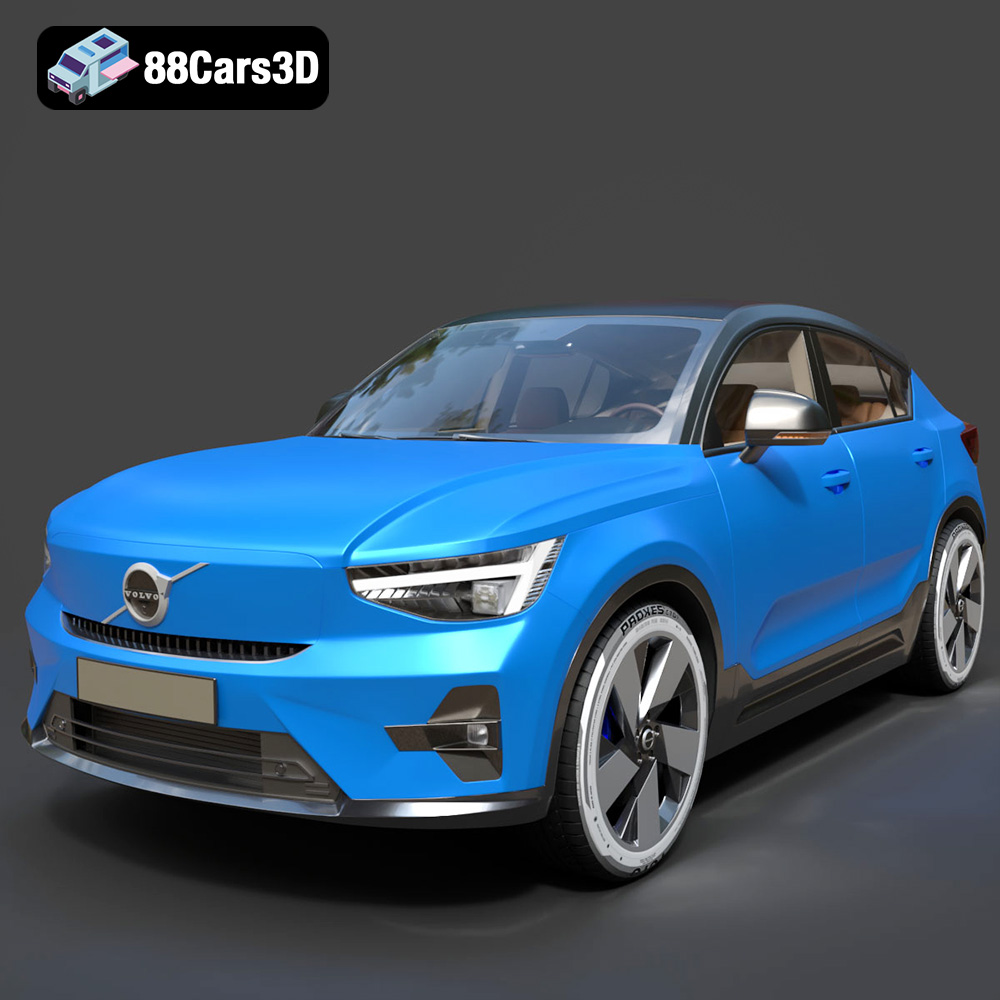
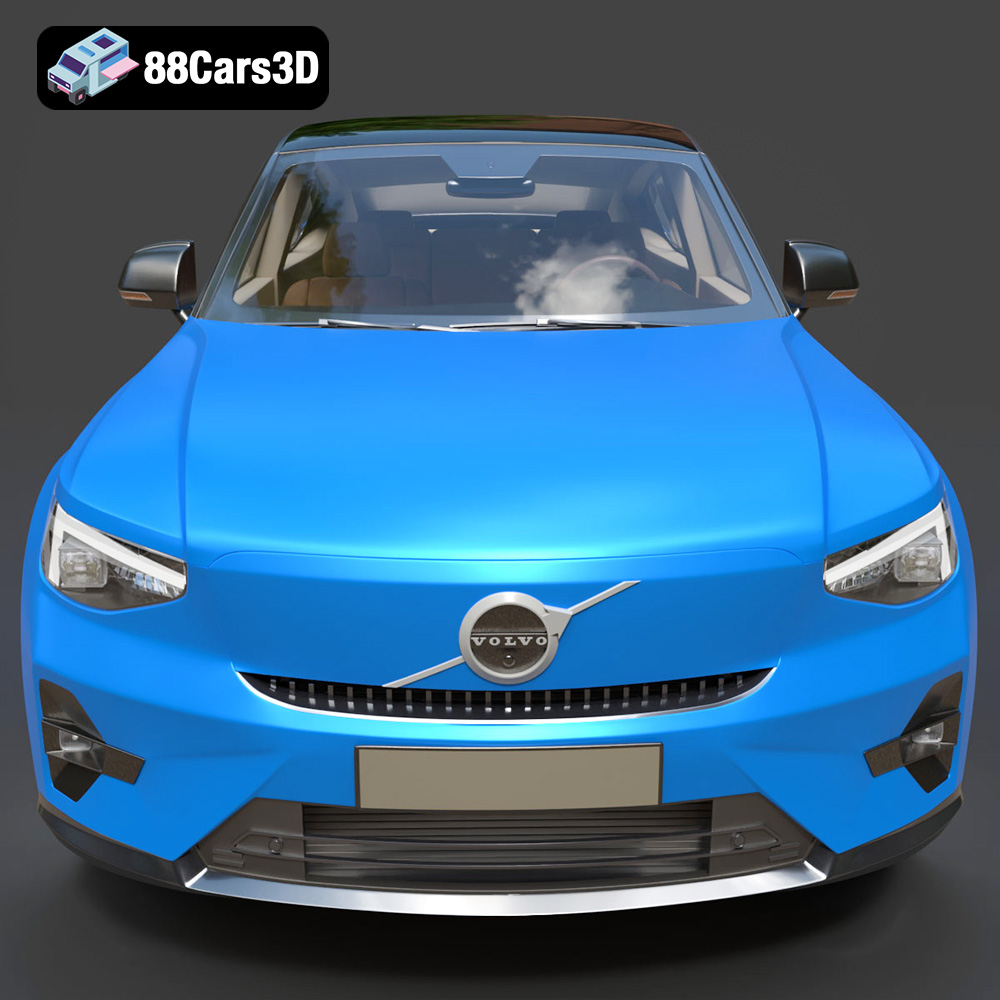
At the heart of this digital revolution lies the ability to accurately replicate real-world objects with astonishing detail and precision. Take, for instance, the Volvo C40 Recharge 3D Model – an exceptional example of an asset engineered to meet the stringent demands of professional workflows. Its meticulous craftsmanship, mirroring the actual vehicle’s proportions and sleek styling, makes it an invaluable resource for anyone looking to achieve unparalleled realism and streamline their production pipeline. Whether you’re a seasoned 3D artist, an automotive designer, or a game developer, understanding the intricacies of these digital assets is paramount to unlocking their full potential.
The versatility of a 3D model often begins with the array of file formats it supports. Each format is designed with specific use cases and software ecosystems in mind, acting as a crucial bridge between creation, modification, and deployment. Choosing the right format is not just a matter of compatibility; it’s about optimizing performance, preserving data integrity, and streamlining your entire workflow. The Volvo C40 Recharge 3D Model from 88cars3d.com stands out by offering a comprehensive suite of industry-standard formats, ensuring it can seamlessly integrate into virtually any professional pipeline.
The .blend format is native to Blender, the powerful open-source 3D creation suite. When you acquire a .blend file, you’re getting more than just geometry; you’re often receiving a fully editable Blender scene complete with materials, textures, lighting setups, and sometimes even animation rigs or modifiers. This provides unparalleled flexibility for artists who use Blender as their primary DCC (Digital Content Creation) tool, allowing for deep customization, tweaking of shaders, and direct integration into ongoing Blender projects. The Volvo C40 Recharge .blend file means artists can jump straight into rendering with Cycles or Eevee, or modify the mesh and materials to suit bespoke project needs without any import/export headaches.
.fbx (Filmbox) is an Autodesk-developed proprietary file format widely recognized as the industry standard for exchanging 3D data between different software applications. Its strength lies in its ability to encapsulate not just geometric data, but also complex scene information including materials, textures, cameras, lights, skeletal animations, and morph targets. This makes it ideal for game development, where assets need to move seamlessly between modeling software (like 3ds Max or Maya) and game engines such as Unreal Engine and Unity. For a model like the Volvo C40 Recharge, an .fbx file ensures that all aspects—from PBR materials to detailed UV maps—are preserved, ready for direct import into real-time environments, offering excellent fidelity and performance.
.obj (Wavefront OBJ) is one of the oldest and most universally compatible 3D file formats. It primarily stores geometric data, including vertices, normals, UV coordinates, and faces, and can reference external material (.mtl) files for basic color and texture information. While it doesn’t support advanced features like animation or rigging, its simplicity and widespread support make it an excellent choice for cross-software compatibility. If your primary need is to transfer clean, stable mesh data between different applications without concerns for complex scene setups, the .obj version of the Volvo C40 Recharge is a reliable choice for ensuring foundational geometry is preserved across virtually all 3D software.
.glb (GLB, short for GL Transmission Format Binary) is a modern, open-standard, and royalty-free 3D file format developed by the Khronos Group. It’s designed for efficient transmission and loading of 3D scenes and models in web and AR/VR applications. .glb packages all necessary data—geometry, materials, textures, animations—into a single binary file, making it highly optimized for performance-critical environments like web browsers, mobile AR apps, and virtual reality experiences. For showcasing the Volvo C40 Recharge in an interactive online configurator or an augmented reality app, the .glb format offers the best balance of visual quality and rapid loading times, enabling highly immersive digital engagements.
.stl (Stereolithography) is the de facto standard file format for 3D printing. It represents a 3D model as a series of connected triangles (a triangular mesh) without any color, texture, or material information. The key requirement for .stl files is that the mesh must be “watertight” – meaning it has no holes or gaps – to be successfully interpreted by 3D slicing software for printing. The availability of the Volvo C40 Recharge in .stl format means designers can move beyond screen visualization to physical prototyping, creating scale models for concept review, aerodynamic testing, or even miniature collectibles. This offers a tangible dimension to digital design, perfect for educational or hobbyist 3D printing applications.
.ply (Polygon File Format or Stanford Triangle Format) is a versatile format often used for storing 3D data from 3D scanners, CAD software, and scientific applications. It supports various properties for each vertex (color, normal, confidence, transparency) and face (color, texture coordinates), offering more descriptive capabilities than .obj. While not as universally adopted for general asset exchange as .fbx or .obj, .ply is excellent for precision mesh data, especially when dealing with high-resolution scans or for analytical purposes. For engineers or researchers needing detailed mesh analysis of the Volvo C40 Recharge’s form factor, the .ply format provides a robust foundation.
The .unreal designation often refers to assets that are specifically pre-configured or optimized for direct import and use within Unreal Engine. This typically means the model has been rigorously checked for polygon efficiency, proper UV mapping for lightmaps and textures, appropriate material setups (PBR), and sometimes includes LODs (Levels of Detail) or basic collision meshes. For professionals working with Unreal Engine, having a model like the Volvo C40 Recharge available as an .unreal-ready asset significantly reduces preparation time, allowing immediate integration into virtual production, game levels, or architectural visualizations without extensive re-working. This pre-optimization ensures the model runs smoothly and looks stunning within the engine’s real-time renderer.
Similar to .blend for Blender, the .max format is native to Autodesk 3ds Max, a leading software for 3D modeling, animation, and rendering. An editable .max file provides the complete scene, including complex modifiers, advanced material setups (often V-Ray or Corona-specific), sophisticated lighting environments, and animation data. This level of access is crucial for studios or individual artists who rely on 3ds Max for their high-end architectural visualization, product rendering, or automotive animation projects. The .max version of the Volvo C40 Recharge allows for complete control over every aspect of the model, enabling artists to modify its appearance, set up custom camera angles, and render highly detailed, photorealistic images or animations with specific render engines.
In the world of automotive marketing and design visualization, the distinction between a photograph and a rendering has largely vanished, thanks to advancements in 3D modeling and rendering technologies. Achieving this level of photorealism hinges on several critical factors: the quality of the 3D model, the sophistication of its materials, the accuracy of the lighting, and the capabilities of the rendering engine. High-fidelity 3D car models are indispensable in this process.
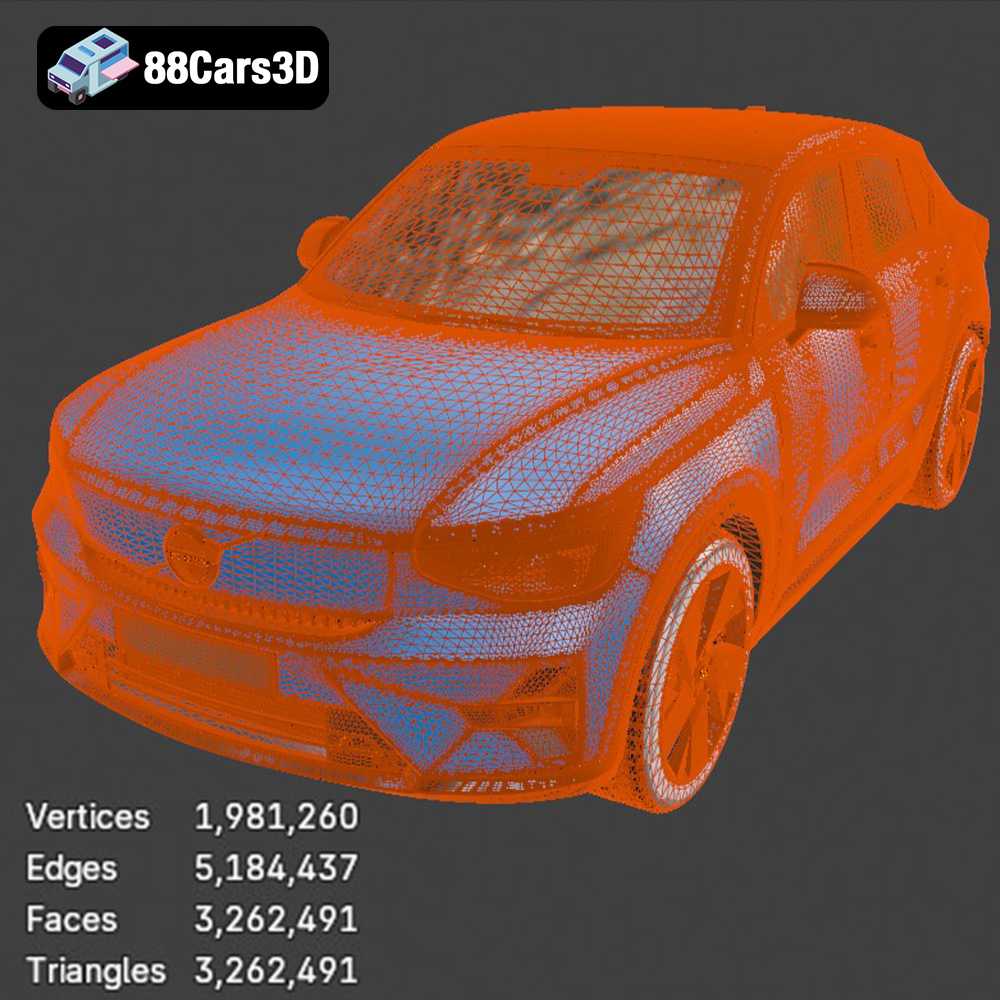
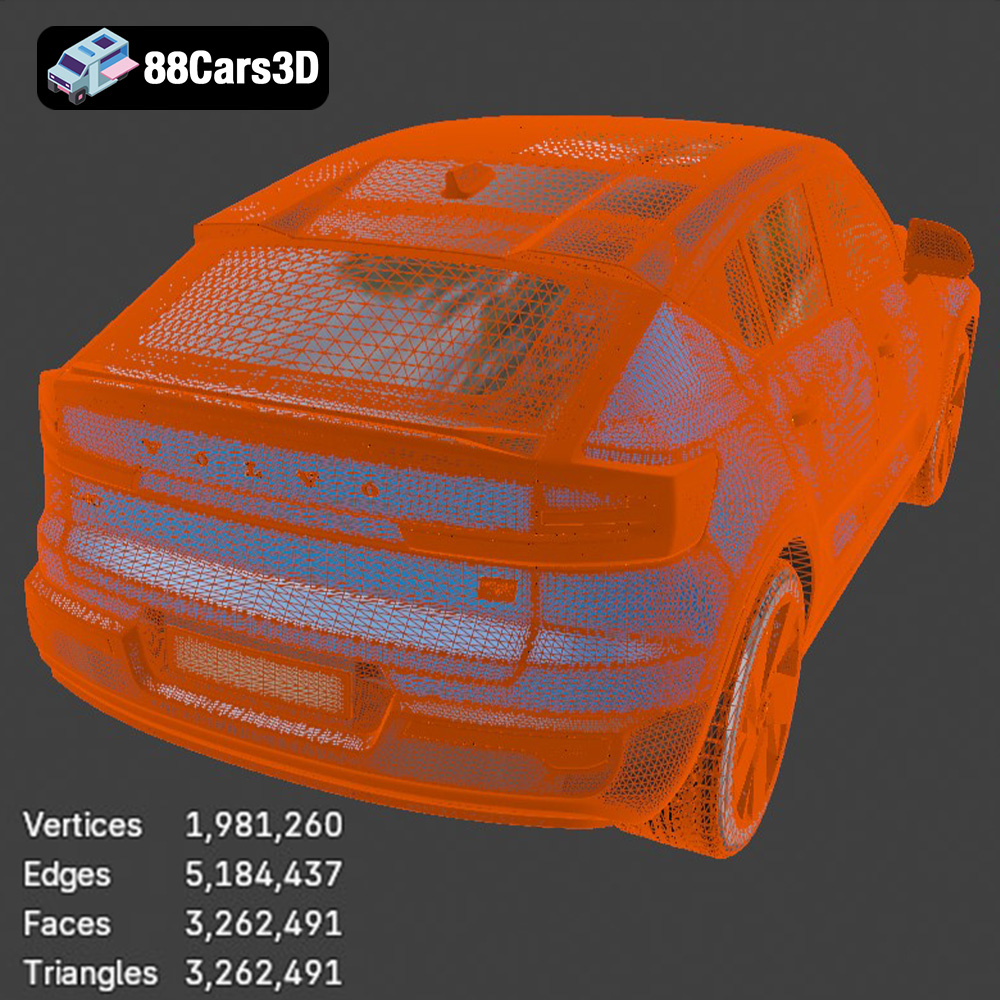
A superior 3D model, like the Volvo C40 Recharge, starts with impeccable geometry. This means clean, quad-based topology, precise surface curvature, and an accurate representation of the vehicle’s real-world dimensions. These details are paramount for producing stunning close-up shots and reflections that accurately capture the subtle nuances of automotive paint, glass, and chrome. Low-poly models might suffice for distant shots in a game, but for a hero shot in an advertisement, every panel gap, every curve transition, and every vent must be perfectly modeled.
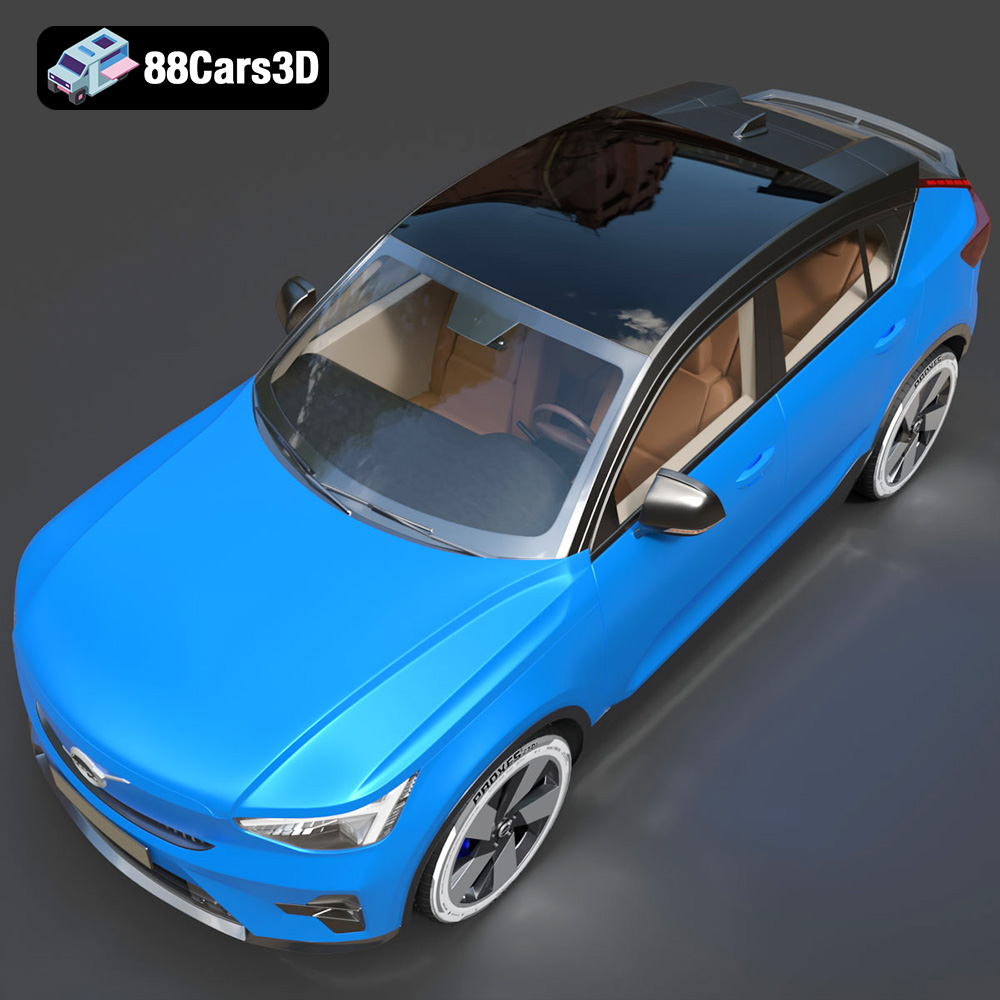
Furthermore, the inclusion of a fully modeled interior, as seen in the Volvo C40 Recharge 3D Model, dramatically enhances its versatility. For detailed dashboard components, seating, and steering wheel, an artist can create immersive interior shots or even virtual tours. This level of detail supports intricate camera movements and allows for extreme close-ups without breaking the illusion of reality, vital for product showcases or interactive experiences.
Photorealistic rendering heavily relies on physically based rendering (PBR) materials. These materials simulate how light interacts with surfaces in the real world, accounting for properties like albedo, roughness, metallicness, and normal maps. A high-quality 3D car model comes with well-defined UVs (Unwrapped UVs) that allow for precise texture application, ensuring realistic paint finishes, tire textures, and interior fabrics.
Artists commonly leverage software like 3ds Max or Blender, paired with powerful render engines such as V-Ray, Corona Renderer, Cycles, or Arnold. These tools allow for complex lighting setups, including HDRI (High Dynamic Range Image) environments that accurately reproduce real-world lighting conditions, and specific artificial lights to highlight design features. The carefully crafted materials of the Volvo C40 Recharge model are designed to react convincingly to these lighting scenarios, providing breathtaking reflections and refractions that are crucial for automotive visualization. Utilizing the .max or .blend file, artists can readily dive into these advanced setups, often finding pre-configured materials that serve as an excellent starting point.
Game development and real-time applications demand a different kind of optimization compared to offline rendering. While visual fidelity is still paramount, it must be balanced with performance. Every polygon, every draw call, and every texture contributes to the computational load. The best 3D car models for games are those that manage to strike this balance masterfully, providing stunning visuals without crippling frame rates.
For game assets, “clean, optimized geometry” is not just a buzzword; it’s a fundamental requirement. This involves careful polygon budgeting, ensuring that details are represented efficiently without excessive mesh density. Techniques like baking normal maps from high-poly models onto low-poly meshes are standard practice, allowing for detailed surface information to be displayed without the heavy geometry cost. The Volvo C40 Recharge 3D Model is described with optimized geometry, making it well-suited for such workflows.
Furthermore, implementing Levels of Detail (LODs) is crucial. LODs are simplified versions of the model that automatically switch in based on the camera’s distance, drastically reducing the poly count for objects further away from the player. A good game-ready asset, often available in .fbx or .unreal formats, will either include these LODs or be structured in a way that makes their creation straightforward.
Game engines like Unreal Engine and Unity have highly specialized import pipelines. Assets need to have correct scales, pivot points, and often specific material setups. The .fbx format is the industry standard for this due to its ability to transfer not just geometry but also materials, animations, and skeletal data. For a model like the Volvo C40 Recharge, having a “game-engine ready format” like .fbx or a pre-configured .unreal file means developers can skip significant cleanup and optimization steps. The model’s UVs must be properly laid out for optimal texture streaming and, crucially, for efficient lightmap baking within the engine, ensuring consistent lighting and shadows.
Beyond visual fidelity, functional aspects like collision meshes are vital for interactive experiences. These simplified, invisible meshes define the physical boundaries of the vehicle, allowing players to drive, collide, and interact realistically within the game world. When sourcing assets from platforms like 88cars3d.com, knowing that the models are designed for seamless integration saves invaluable development time and resources.
Augmented Reality (AR) and Virtual Reality (VR) are transforming how we interact with digital content, offering unprecedented levels of immersion. In these fields, 3D car models are not just viewed; they are experienced, interacted with, and even driven. From virtual showrooms to training simulations, the quality and optimization of the 3D model are paramount for a convincing and fluid user experience.
The demands of AR/VR are similar to game development in their emphasis on real-time performance. Smooth frame rates are crucial to prevent motion sickness and maintain immersion. This requires models with optimized polygon counts and efficient material setups. The Volvo C40 Recharge 3D Model, with its clean geometry and suitability for game engines, naturally extends its utility to AR/VR applications.
For web-based AR/VR experiences, the .glb format becomes incredibly powerful. Its single-file, optimized structure is perfect for rapidly loading models into browsers or mobile AR applications. Imagine a customer exploring the Volvo C40 Recharge in full 3D directly on a website, or placing it in their driveway using their smartphone’s AR capabilities. This interactive potential makes high-quality, web-optimized models incredibly valuable for marketing and sales.
Automotive manufacturers are increasingly investing in virtual showrooms, allowing potential buyers to explore vehicles in a highly interactive 3D environment. These applications enable customization of paint colors, wheel options, and interior trims in real time. The detailed interior of the Volvo C40 Recharge 3D Model, complete with dashboard components and seating, is a perfect fit for such applications, offering a comprehensive and realistic exploration experience that transcends traditional static images or videos.
Beyond sales, AR/VR models are utilized for engineering reviews, allowing designers and engineers to collaboratively inspect prototypes in a virtual space, identify design flaws, or test ergonomics without the need for expensive physical mock-ups. This iterative process is significantly accelerated by readily available, high-quality 3D assets that can be quickly imported and manipulated within these immersive environments.
While the digital realm is where most 3D car models reside, their utility isn’t confined to pixels. 3D printing has opened up new avenues for physical manifestation, turning digital designs into tangible objects. This process is invaluable for prototyping, scale modeling, and even creating intricate custom parts.
For 3D printing, the integrity of the mesh is paramount. Models must be “watertight,” meaning they have no holes, inverted normals, or self-intersecting geometry. These issues, while sometimes tolerable in rendering, can cause significant problems for 3D slicer software, leading to printing failures. The .stl format is the most common for 3D printing, and ensuring a model is available in this format, as the Volvo C40 Recharge 3D Model is, signals its readiness for physical output.
Creating a 3D printable version often requires additional steps like solidifying open surfaces, checking for manifold geometry, and ensuring sufficient wall thickness. A model prepared for .stl output has likely undergone these checks, saving artists and engineers considerable time in pre-production for printing.
Automotive designers frequently use 3D printing for rapid prototyping of components or to create scale models of entire vehicles. These physical models allow for tactile examination, aerodynamic testing in wind tunnels, or presentation to stakeholders. A highly accurate 3D model like the Volvo C40 Recharge can be scaled down and printed to produce miniature versions for display or concept validation. This bridges the gap between digital design and physical realization, offering a powerful tool for visual and functional assessment.
Beyond professional applications, 3D printing also allows enthusiasts and hobbyists to create their own custom models, dioramas, or collectible figures based on their favorite vehicles. The availability of high-quality 3D car models makes this creative endeavor accessible to a wider audience, transforming digital fandom into tangible artifacts.
In a fast-paced creative industry, efficiency is as critical as artistic vision. Sourcing pre-made, high-quality 3D assets can significantly accelerate production timelines, reduce costs, and free up valuable artist time to focus on truly unique aspects of a project. This is where specialized marketplaces like 88cars3d.com become invaluable.
Creating a high-fidelity 3D car model from scratch is a labor-intensive process, requiring hundreds of hours of modeling, texturing, and optimization by skilled artists. By purchasing a ready-to-use asset like the Volvo C40 Recharge 3D Model, studios and individual artists can drastically cut down on production time and associated costs. This allows for quicker turnarounds on projects, enabling them to meet tight deadlines and take on more assignments.
Moreover, the cost of a high-quality pre-made asset is often a fraction of what it would cost to commission a model from a professional 3D artist, making premium content accessible to a broader range of creators, from large studios to independent developers.
Reputable 3D asset marketplaces, such as 88cars3d.com, are known for their rigorous quality control. Models are typically checked for clean geometry, proper UV mapping, accurate proportions, and realistic material setups. This ensures that artists receive a reliable product that integrates seamlessly into their workflow without requiring extensive cleanup or repair. The detailed description of the Volvo C40 Recharge 3D Model, highlighting its “incredibly accurate proportions, sleek styling, and realistic textures,” speaks directly to this commitment to quality.
The provision of multiple industry-standard file formats further enhances this workflow advantage. Artists can choose the specific format that best suits their software and project requirements, confident that the underlying quality of the asset remains consistent across all versions. This flexibility minimizes conversion issues and allows for a more fluid creative process.
The digital automotive landscape is continually pushing the boundaries of realism and immersion. From the precision required for high-end cinematic renderings to the optimization crucial for smooth real-time game experiences and interactive AR/VR applications, high-quality 3D car models are the bedrock upon which these innovative projects are built. Understanding the technical nuances of geometry, materials, and file formats is key to harnessing their full potential.
The Volvo C40 Recharge 3D Model exemplifies what a truly versatile and meticulously crafted 3D asset can offer. Its accurate proportions, detailed interior, clean geometry, and availability in a comprehensive range of industry-standard file formats (.blend, .fbx, .obj, .glb, .stl, .ply, .unreal, .max) make it an ideal choice for a multitude of professional applications. Whether your goal is to produce stunning automotive rendering visuals, integrate a vehicle into a cutting-edge game, build an immersive AR/VR experience, or even create a physical prototype through 3D printing, this model provides the visual fidelity and technical flexibility needed to succeed.
By leveraging expertly crafted 3D car models from trusted sources like 88cars3d.com, creators can streamline their workflows, reduce development costs, and elevate the quality of their projects, ultimately driving the next generation of digital design and visualization.
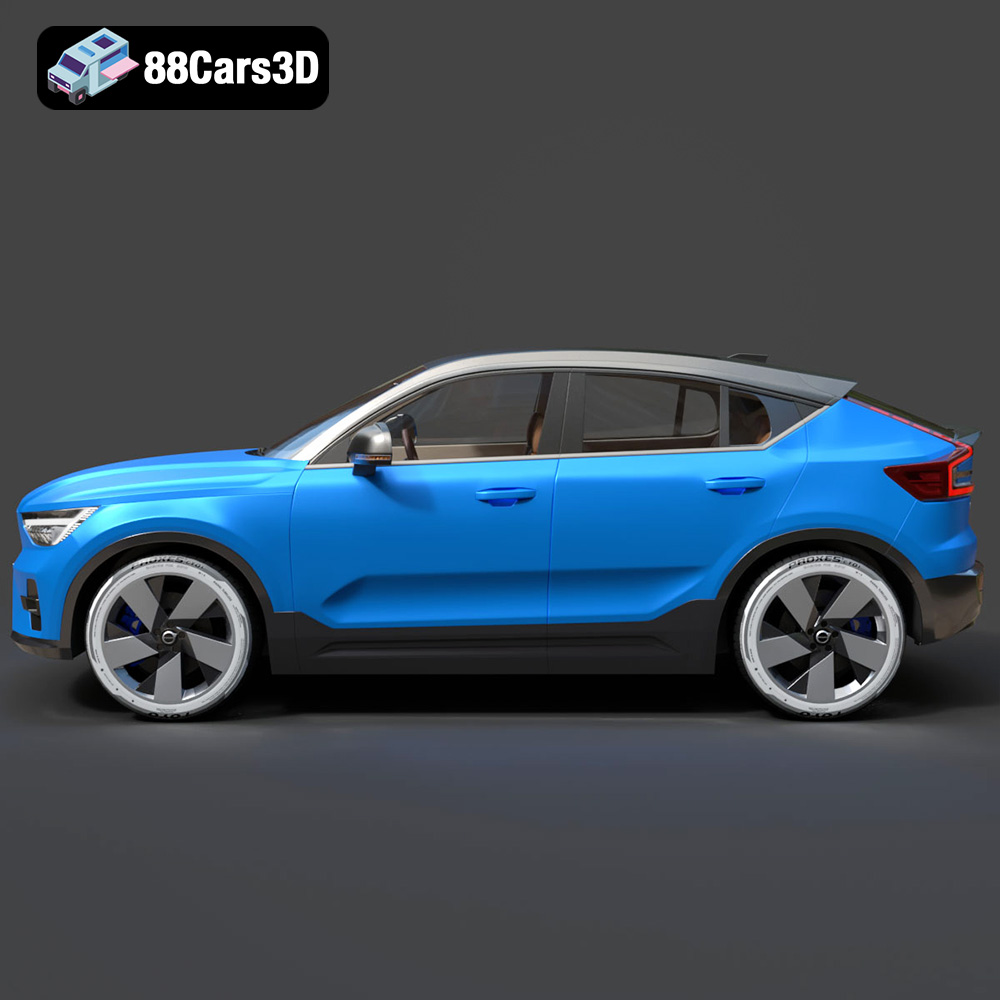
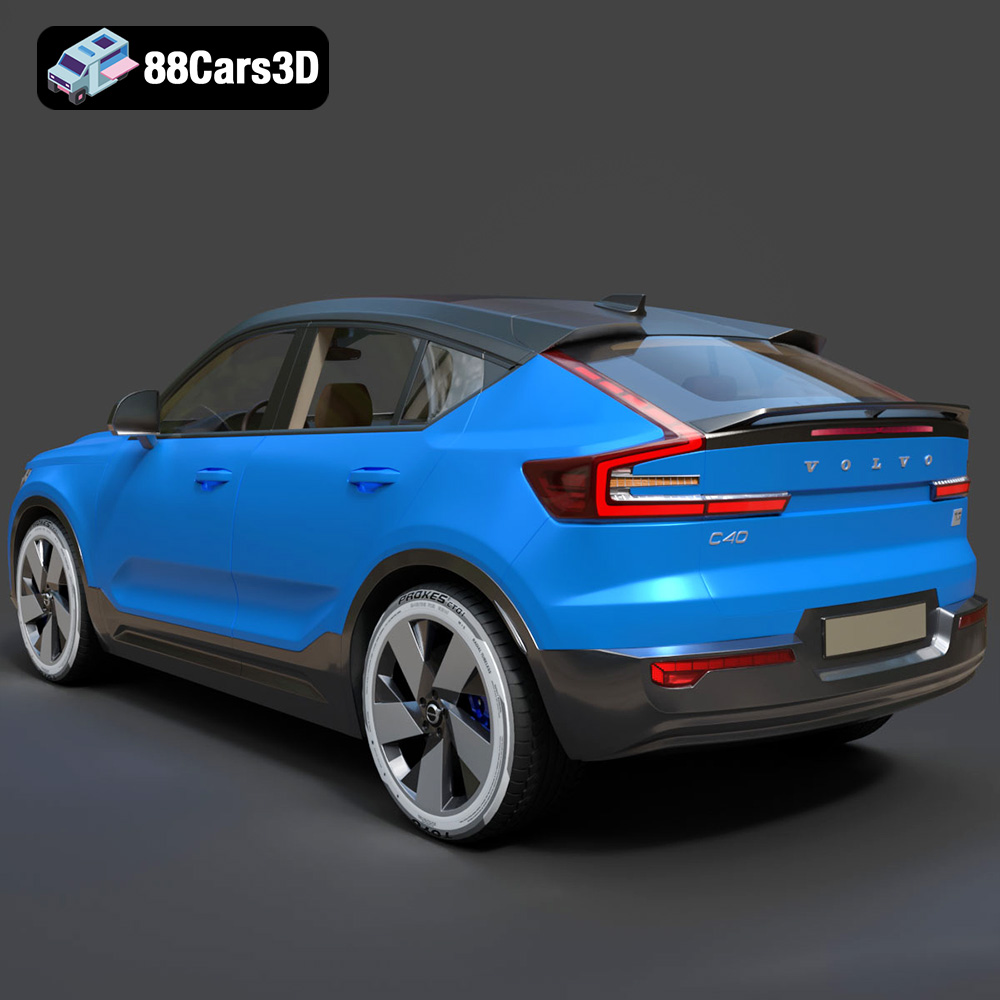
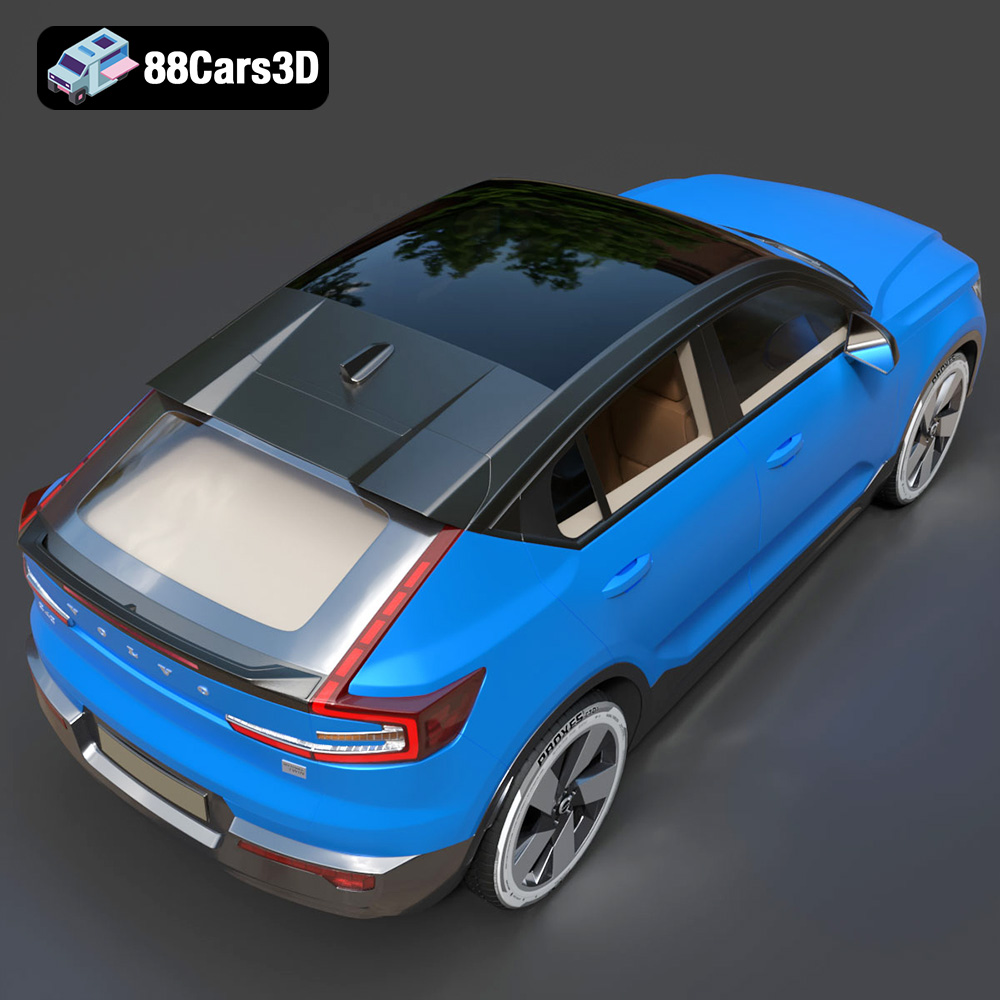
Discover the exceptional realism of the Volvo C40 Recharge 3D Model. Carefully crafted to mirror the actual vehicle, this 3D asset provides incredibly accurate proportions, sleek styling, and realistic textures ideal for any digital environment.
Featuring clean, optimized geometry and an intelligently organized structure, this model ensures seamless integration into your workflow. The exterior perfectly captures the distinctive aesthetic of the modern electric crossover, while the fully modeled interior presents detailed dashboard components and seating, enhancing its suitability for close-up shots and immersive experiences.
Whether you are developing cutting-edge video games, producing hyper-realistic automotive renderings, building interactive AR/VR applications, or conducting simulations, this versatile 3D model delivers outstanding performance and visual fidelity.
Available in a comprehensive range of industry-standard file formats to suit any pipeline:
Tags: .volvo, .c40, .recharge, .suv, .crossover, .electriccar, .ev, .car3dmodel, .rendering, .simulation, .gameasset, .arvr, .blend, .fbx, .obj, .glb, .stl, .ply, .unreal, .max
Tags:
.volvo, .c40, .recharge, .suv, .crossover, .electriccar, .ev, .car3dmodel, .rendering, .simulation, .gameasset, .arvr, .blend, .fbx, .obj, .glb, .stl, .ply, .unreal, .maxMercedes Benz CLS 500 3D Model 3D Printable STL
$19.99
.arvr
.blend
.c40
.car3dmodel
.crossover
.electriccar
.ev
.fbx
.gameasset
.glb
.max
.obj
.ply
.recharge
.rendering
.simulation
.stl
.unreal
.volvo
SUV