Get 20% OFF All Premium 3D & STL Models!

In the dynamic world of digital content creation, the demand for exceptionally detailed and accurate 3D assets continues to escalate. From blockbuster video games to cutting-edge architectural visualizations and high-stakes automotive marketing campaigns, the quality of your 3D models directly impacts the realism and credibility of your final output. This is particularly true for vehicles, where intricate curves, reflective surfaces, and complex interior components require meticulous attention to detail.
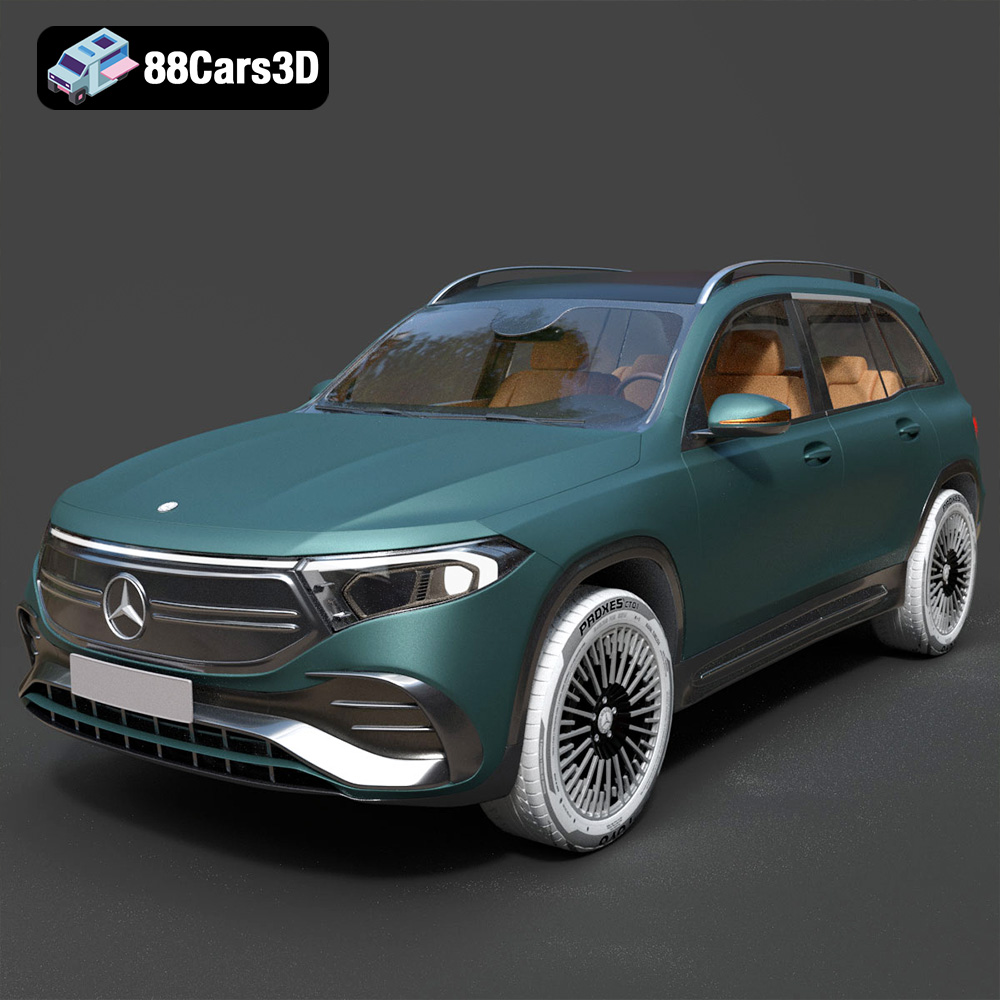
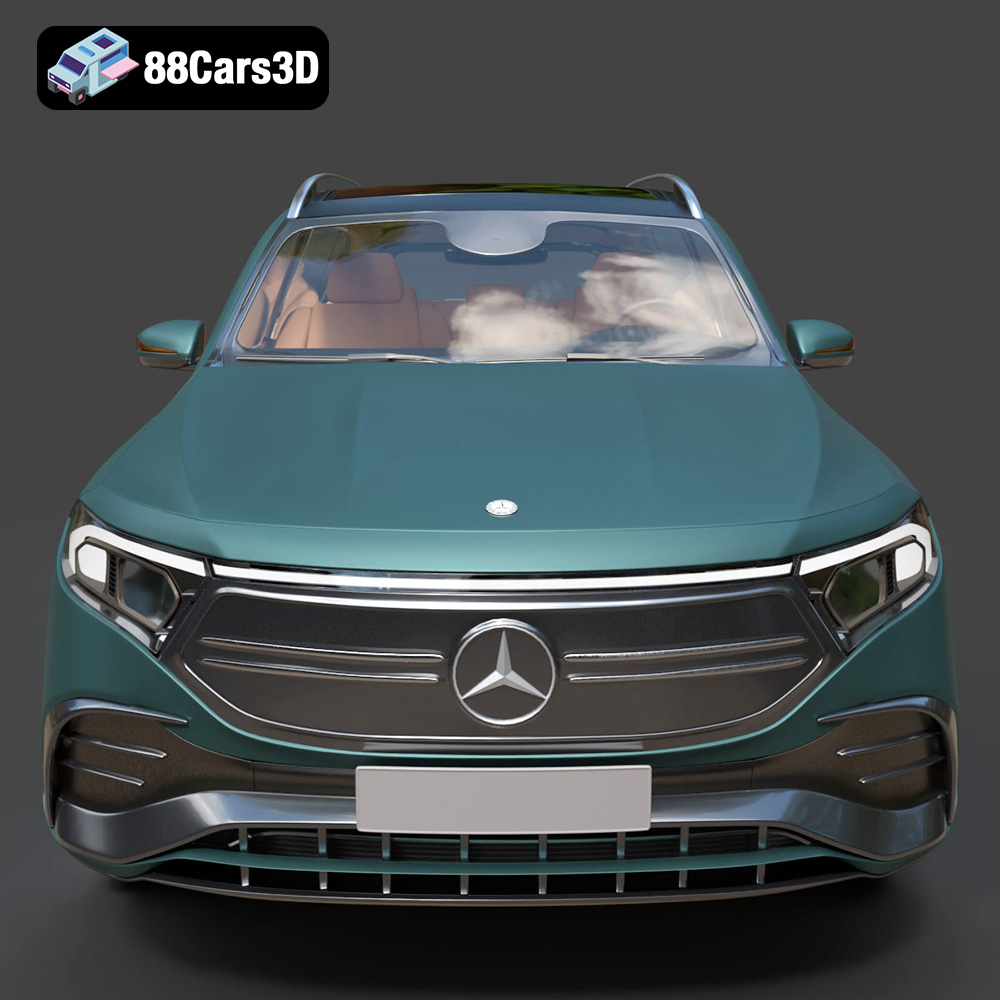
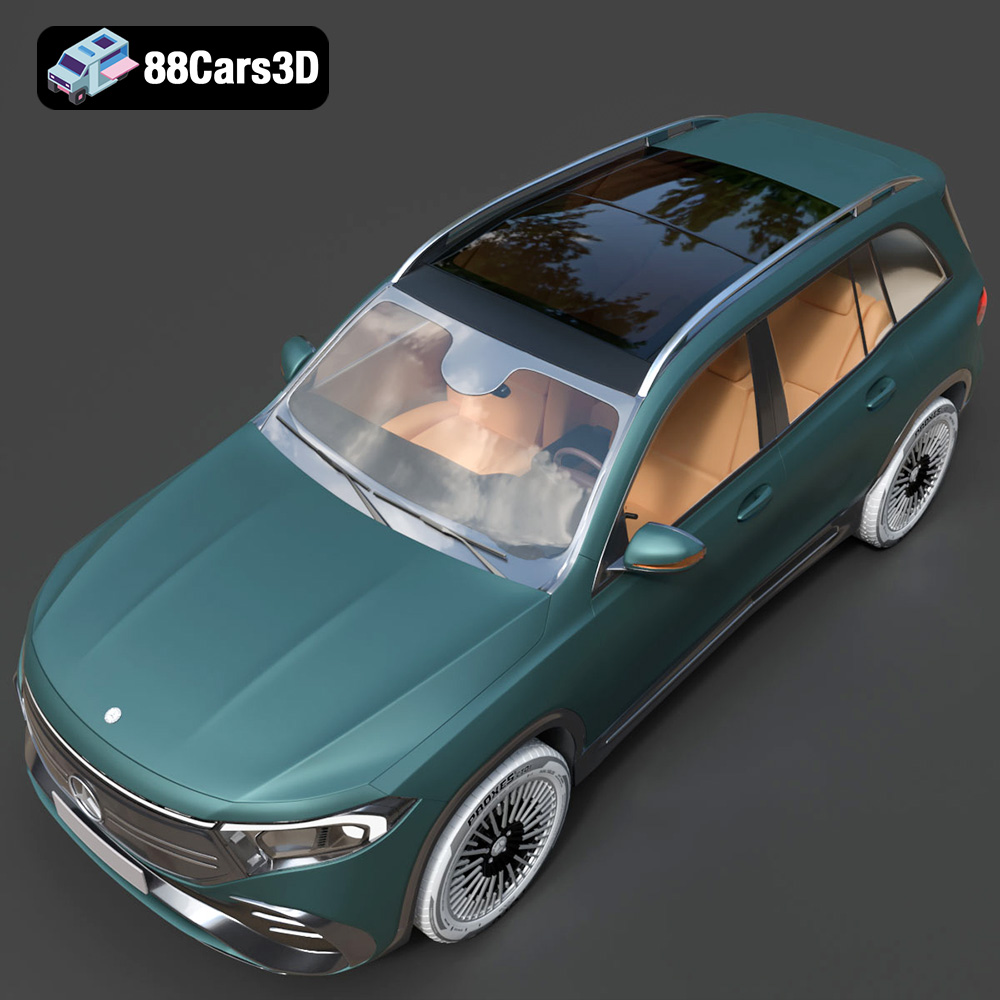
Navigating this landscape requires not just artistic skill but also a deep understanding of technical specifications, software workflows, and file format compatibility. A superior 3D model doesn’t just look good; it seamlessly integrates into diverse pipelines, saving invaluable development time and ensuring consistent, professional results. Today, we delve into the multifaceted applications and technical intricacies of leveraging premium 3D car models, exemplified by the stunning Mercedes-Benz EQB-001 3D Model available on 88cars3d.com. This meticulously crafted asset offers an unparalleled level of realism and versatility, making it an indispensable tool for any serious digital artist or developer.
The choice of a 3D model’s file format is often as critical as the model’s design itself, dictating its compatibility, functionality, and optimal use across various software and platforms. Professionals working with 3D car models must understand the strengths and limitations of each format to ensure a smooth workflow. The Mercedes-Benz EQB-001 3D Model is exemplary in its broad format support, catering to a wide array of needs.
The .blend format is the native file type for Blender, a powerful open-source 3D creation suite. When you acquire a .blend file for the Mercedes-Benz EQB-001 3D Model, you’re getting a fully editable Blender scene. This typically includes not just the raw mesh data, but also pre-configured materials, textures, lighting setups, and even camera angles. For users deeply integrated into the Blender ecosystem, this format offers the most flexibility for further customization, animation, and rendering using Blender’s Cycles or Eevee render engines. It’s ideal for artists who want to tweak every aspect of the model or integrate it into larger Blender-based projects.
.fbx (Filmbox) stands as a cornerstone in 3D data exchange, particularly favored in game development and animation pipelines. Its robust support for geometry, materials, textures, animations, and even skeletal deformation makes it the go-to choice for exporting assets to game engines like Unreal Engine and Unity. For the Mercedes-Benz EQB-001 3D Model, an .fbx file ensures that the model, its PBR materials, and potentially even simplified rigging (for doors, wheels, etc.) can be seamlessly imported and prepared for real-time environments. Developers rely on .fbx for its balance of comprehensive data retention and broad software compatibility.
The .obj (Wavefront OBJ) format is one of the oldest and most widely supported 3D file formats. It’s a universal standard, compatible with virtually all 3D software. An .obj file primarily stores geometric data: vertices, normals, UV coordinates, and face definitions, making it excellent for basic mesh exchange. While it typically doesn’t support advanced features like animation or complex material setups directly within the file (often relying on an accompanying .mtl file for basic material definitions), its simplicity ensures maximum compatibility. The Mercedes-Benz EQB-001 3D Model in .obj format is perfect for users who need a clean mesh that can be imported into any application for custom material application and rendering.
.glb (GL Transmission Format Binary) is rapidly gaining prominence, especially in the realms of Augmented Reality (AR), Virtual Reality (VR), and efficient web-based 3D viewing. It’s a binary version of the glTF format, designed for compact file sizes and quick loading. A key advantage of .glb is that it bundles all necessary assets—geometry, materials, textures, and even animations—into a single file, simplifying distribution. The Mercedes-Benz EQB-001 3D Model in .glb format is perfectly optimized for interactive online showrooms, mobile AR applications, and immersive VR experiences, where performance and ease of deployment are paramount.
.stl (Stereolithography) is the industry standard for 3D printing and rapid prototyping. It represents a 3D model as a series of connected triangles (a triangulated mesh), defining only the surface geometry without color, texture, or material information. While not suited for rendering, an .stl version of the Mercedes-Benz EQB-001 3D Model is invaluable for creating physical prototypes, scale models, or even custom parts through additive manufacturing. Ensuring the mesh is “watertight” (no holes) is critical for successful 3D printing.
The .ply (Polygon File Format) is another format focused on mesh data, often used for storing 3D scanner data, CAD models, and scientific visualizations. Similar to .obj, it defines geometry, but .ply can also store additional properties like color, normals, transparency, and even confidence values per vertex or face. This makes it a more versatile format for precision analysis or for models derived from scanning real-world objects. For detailed studies or specific analytical workflows, the Mercedes-Benz EQB-001 3D Model in .ply format offers a robust representation of its geometry.
The .unreal format signifies an asset that has been specifically configured and optimized for direct integration into Unreal Engine. This isn’t a standard interchangeable file format but rather an Unreal-specific asset package. It typically means the Mercedes-Benz EQB-001 3D Model comes pre-setup with proper material instances, collision meshes, Level of Detail (LOD) groups, and possibly even basic blueprint functionality. This dramatically streamlines the workflow for Unreal Engine developers, bypassing much of the manual import and setup process, allowing for immediate use in real-time simulations or games.
Finally, the .max format is the native file type for Autodesk 3ds Max, a leading software for 3D modeling, animation, and rendering in professional visualization studios. A .max file for the Mercedes-Benz EQB-001 3D Model provides the ultimate flexibility for 3ds Max users, including access to all modifiers, complex material setups (e.g., V-Ray or Corona materials), lighting rigs, and animation timelines. This format is ideal for high-end automotive rendering and producing cinematic quality animations, offering full creative control within a professional studio environment.
The availability of the Mercedes-Benz EQB-001 3D Model in such a comprehensive range of formats underscores its versatility and commitment to professional integration across virtually any digital project, a hallmark of the quality found on 88cars3d.com.
What truly elevates a 3D car model from a basic representation to a professional-grade asset is the meticulous attention to its underlying technical structure. The Mercedes-Benz EQB-001 3D Model excels in these critical areas, ensuring both visual fidelity and optimal performance.
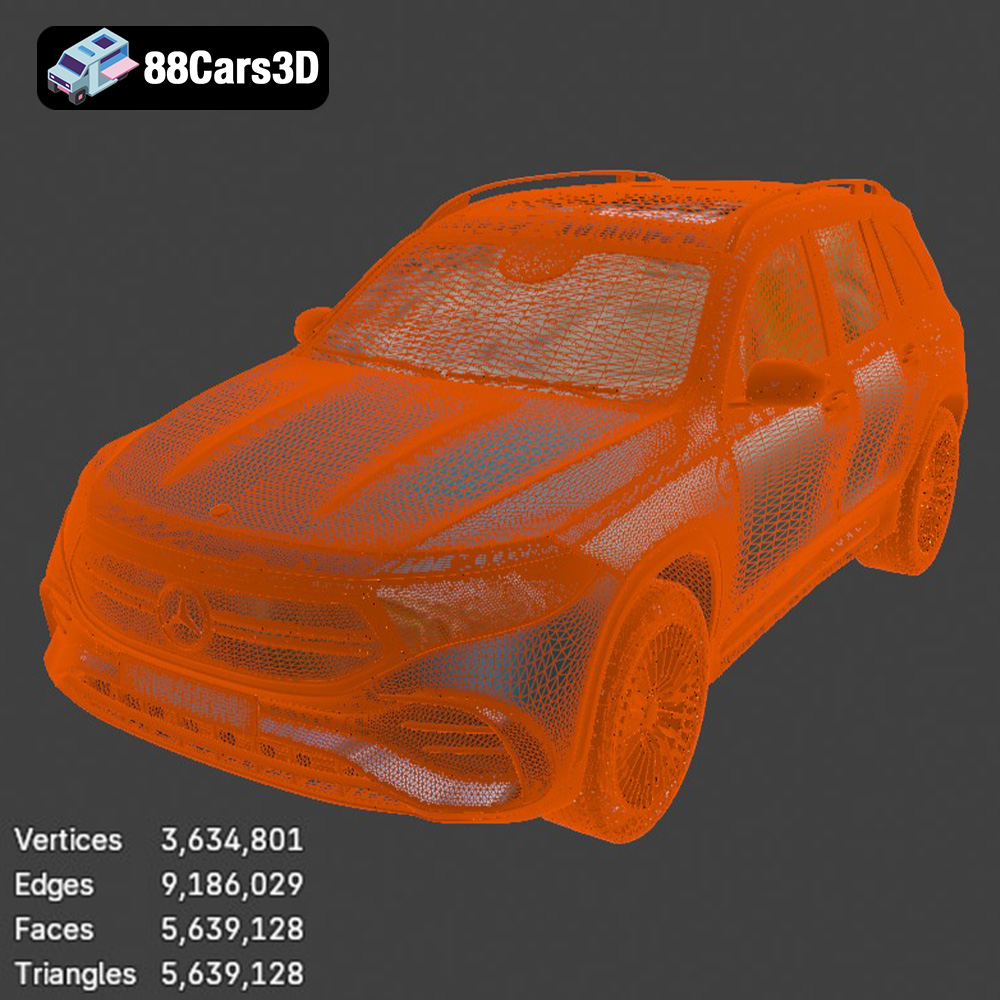
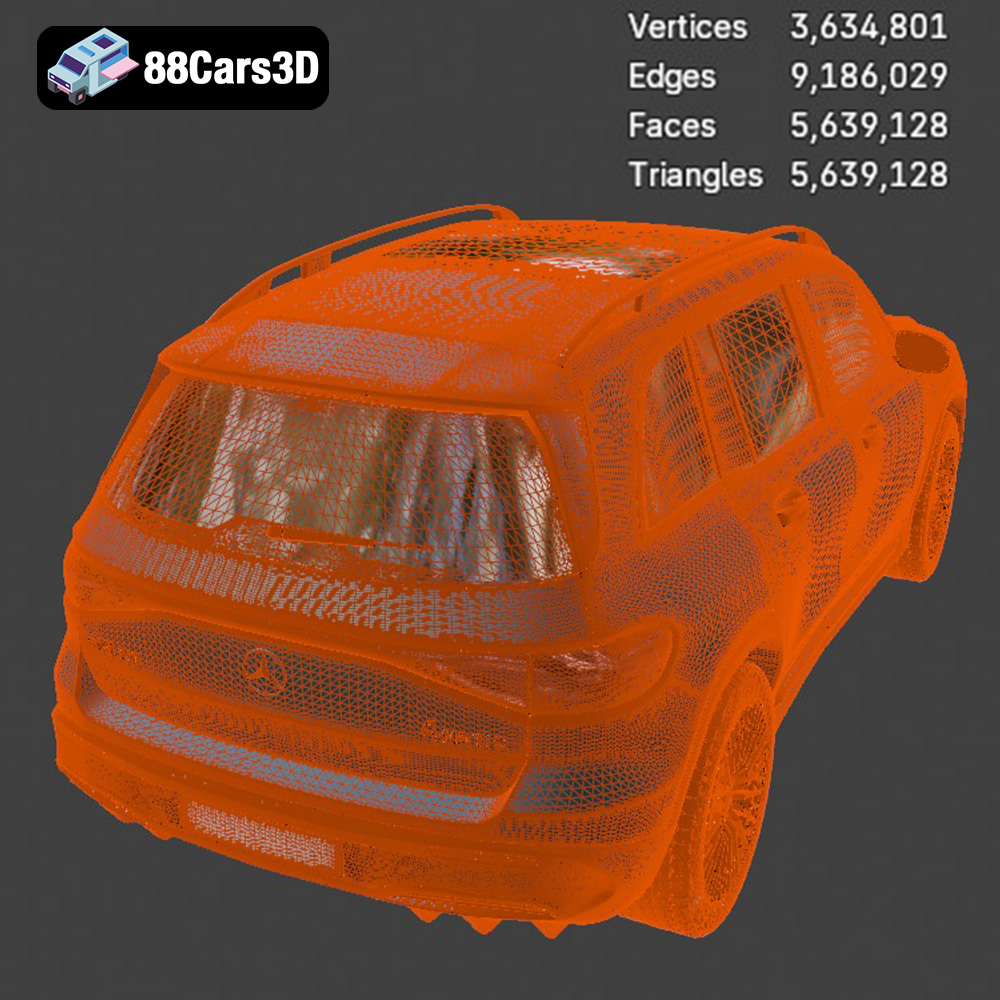
Clean geometry refers to a mesh that is free of errors, such as non-manifold edges, overlapping faces, or isolated vertices. Good topology, on the other hand, is about the efficient and intentional arrangement of polygons (usually quads) to facilitate smooth deformations, clean subdivision surfacing, and efficient UV unwrapping. For the Mercedes-Benz EQB-001, this means:
UV mapping is the process of flattening the 3D surface of a model into a 2D space, allowing textures to be applied accurately. For a complex object like the Mercedes-Benz EQB-001, precise UVs are non-negotiable:
The versatility of a high-quality asset like the Mercedes-Benz EQB-001 3D Model truly shines when integrated into diverse professional workflows. Its meticulous design and comprehensive file format support ensure seamless deployment across multiple disciplines.
For advertising agencies, automotive manufacturers, and visualization studios, photorealistic rendering is paramount. The Mercedes-Benz EQB-001 3D Model is engineered for this purpose:
For game developers and simulation engineers, performance is as crucial as visual fidelity. The Mercedes-Benz EQB-001 3D Model is optimized to perform exceptionally as a game asset:
The utility of a robust 3D car model extends far beyond conventional rendering and game development, opening doors to innovative applications across various industries.
While the primary focus of architectural visualization (archviz) is buildings, realistic context is vital. Populating street scenes, parking lots, or driveways with authentic vehicles like the Mercedes-Benz EQB-001 significantly enhances the believability and scale of an architectural render. It transforms a sterile building render into a vibrant, lived-in environment, making the project more appealing to clients and stakeholders. The high detail ensures that even up-close shots within an archviz project maintain photographic realism.
The burgeoning fields of AR and VR demand highly optimized yet visually stunning assets. The Mercedes-Benz EQB-001 3D Model, particularly in its .glb format, is perfectly suited for these immersive environments:
For designers, engineers, or enthusiasts, having an .stl or .ply version of the Mercedes-Benz EQB-001 3D Model means the digital can become physical. This enables:
In today’s fast-paced digital landscape, time is a precious commodity. Creating a high-fidelity 3D car model from scratch, especially one as complex and detailed as the Mercedes-Benz EQB-001, requires hundreds of hours of expert modeling, texturing, and optimization. By investing in pre-made, professional-grade assets, artists and studios can dramatically reduce development cycles, allowing them to focus on creative direction, scene assembly, and final polish.
The Mercedes-Benz EQB-001 3D Model from 88cars3d.com represents an exceptional value proposition. It embodies the pinnacle of digital craftsmanship, offering clean geometry, PBR materials, and broad format compatibility that integrates seamlessly into virtually any professional pipeline. Whether you’re a solo indie developer, a large game studio, an architectural visualization firm, or an advertising agency, having immediate access to such a high-quality asset allows for greater efficiency and consistently superior results. This model isn’t just a digital file; it’s a foundation for innovation, a catalyst for creativity, and a testament to the power of meticulously engineered 3D assets.
The journey through the capabilities and technical specifications of premium 3D car models reveals their indispensable role in modern digital creation. From the precise polygon flow required for flawless automotive rendering to the optimized material setups essential for immersive game assets, every detail counts. The Mercedes-Benz EQB-001 3D Model stands as a prime example of an asset that meets these stringent professional demands across a spectrum of applications, from cinematic animations to interactive AR/VR experiences.
By providing a comprehensive suite of file formats and an unwavering commitment to quality, resources like 88cars3d.com empower creators to achieve unparalleled realism and efficiency. Leveraging such expertly crafted assets not only elevates the visual fidelity of your projects but also streamlines your workflow, allowing you to bring your creative visions to life with confidence and precision. Investing in high-quality 3D assets is not just about convenience; it’s about setting a new standard for digital excellence in an increasingly competitive visual world.
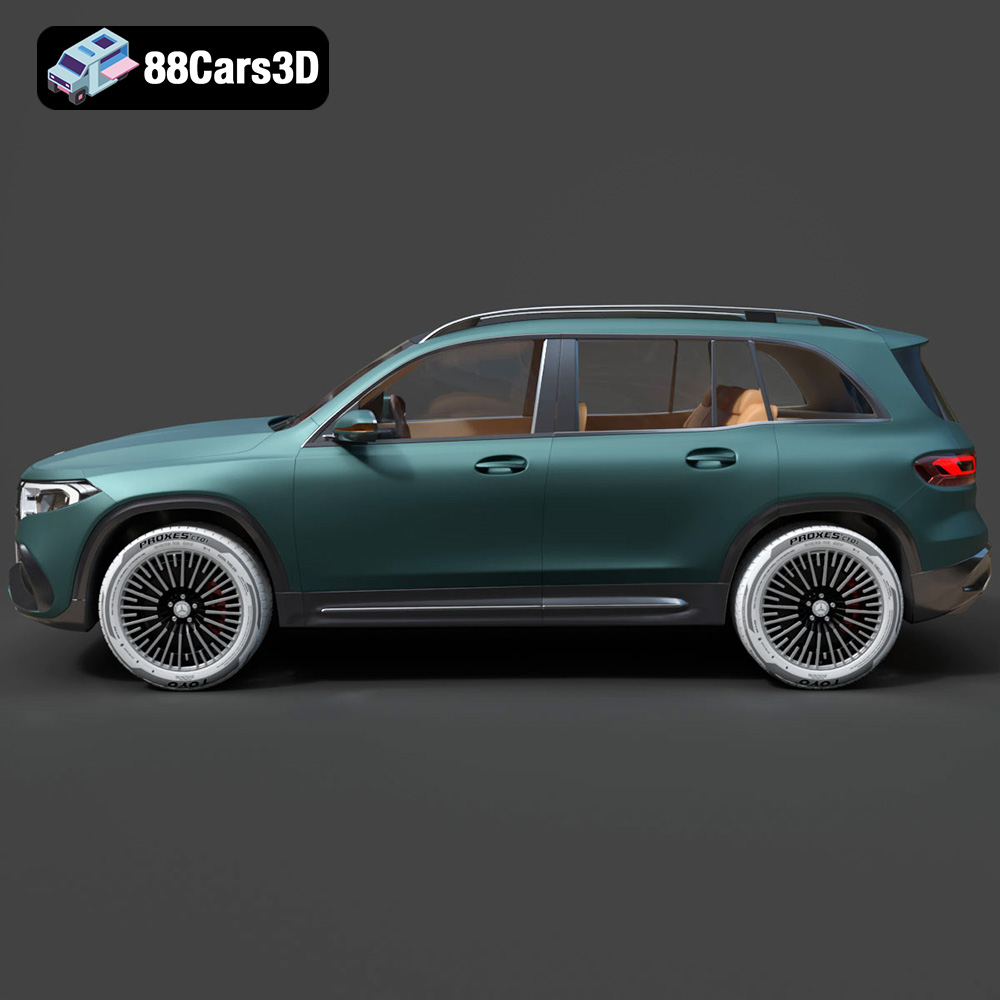
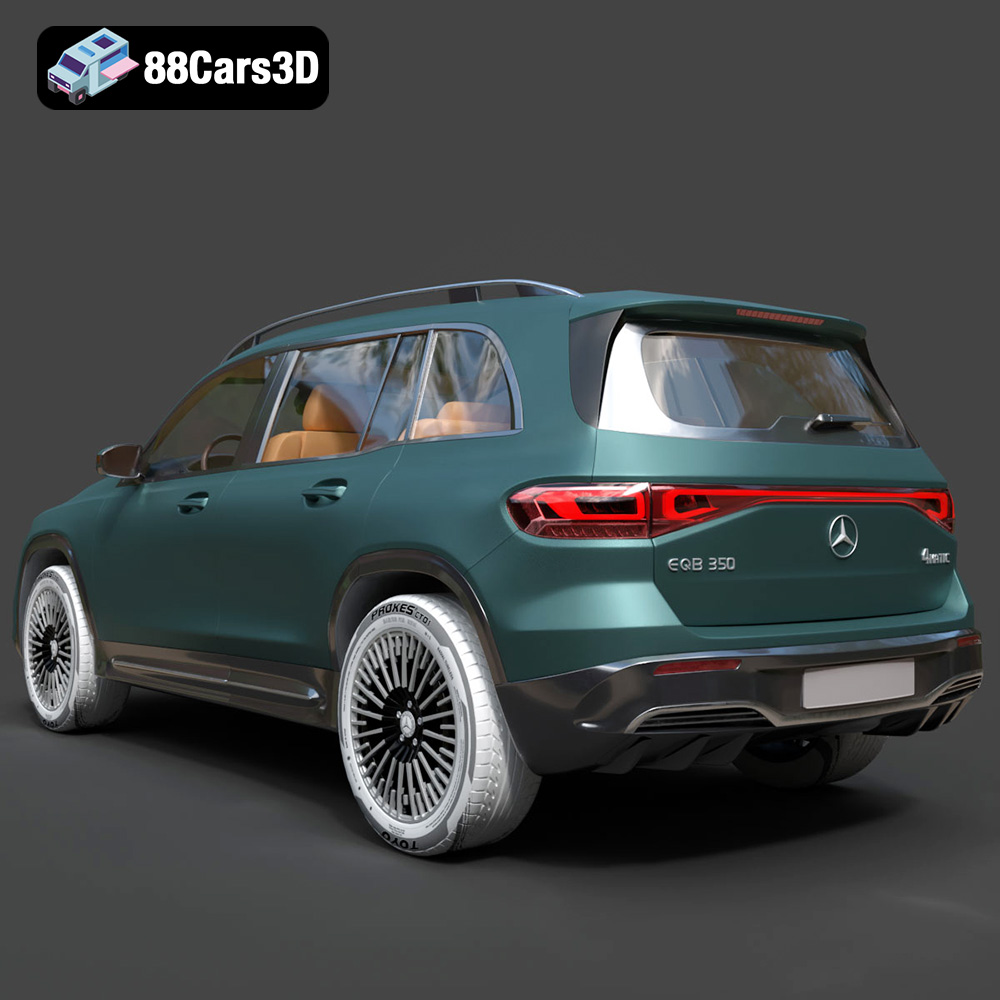
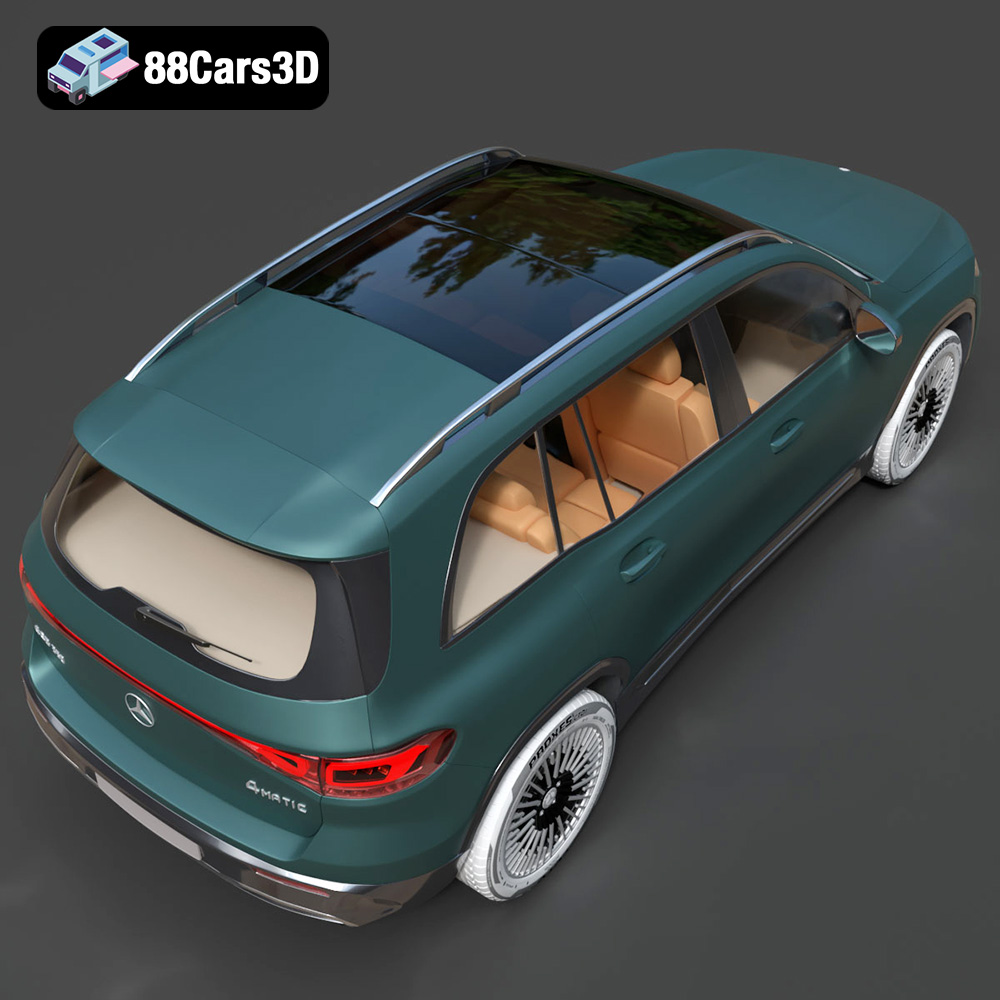
Discover the ultimate level of detail and realism with the Mercedes-Benz EQB-001 3D Model. Carefully crafted to replicate the true design of this modern vehicle, this model ensures precision and authenticity for any digital project.Engineered with professional quality in mind, the 3D model features impeccably clean geometry, seamless mesh flow, and highly realistic materials. Every exterior contour and interior element is precisely detailed to provide an exceptionally immersive visual experience.Perfect for a wide range of applications, this vehicle is an excellent choice for video game development, cinematic rendering, architectural visualization, and AR/VR experiences. Whether you are building an interactive simulation or generating photorealistic marketing materials, this 3D model seamlessly integrates into your workflow.Available file formats include:
Tags: .mercedesbenz, .mercedes, .eqb, .eqb001, .suv, .electriccar, .ev, .car3dmodel, .rendering, .simulation, .gameasset, .arvr, .blend, .fbx, .obj, .glb, .stl, .ply, .unreal, .max
$19.99
.arvr
.blend
.car3dmodel
.electriccar
.eqb
.eqb001
.ev
.fbx
.gameasset
.glb
.max
.mercedes
.mercedesbenz
.obj
.ply
.rendering
.simulation
.stl
.unreal
SUV