Get 20% OFF All Premium 3D & STL Models!

In the dynamic world of 3D visualization, the demand for high-quality assets is constant and ever-growing. From the intricate simulations of automotive engineering to the expansive open worlds of video games, a foundational element often overlooked yet critical is the integrity and fidelity of the 3D models themselves. Nowhere is this more apparent than with 3D car models, which demand exacting precision to convey realism, performance, and aesthetic appeal. These digital vehicles serve as more than just visual props; they are often the stars of the show, requiring a level of detail that can withstand intense scrutiny across various applications.
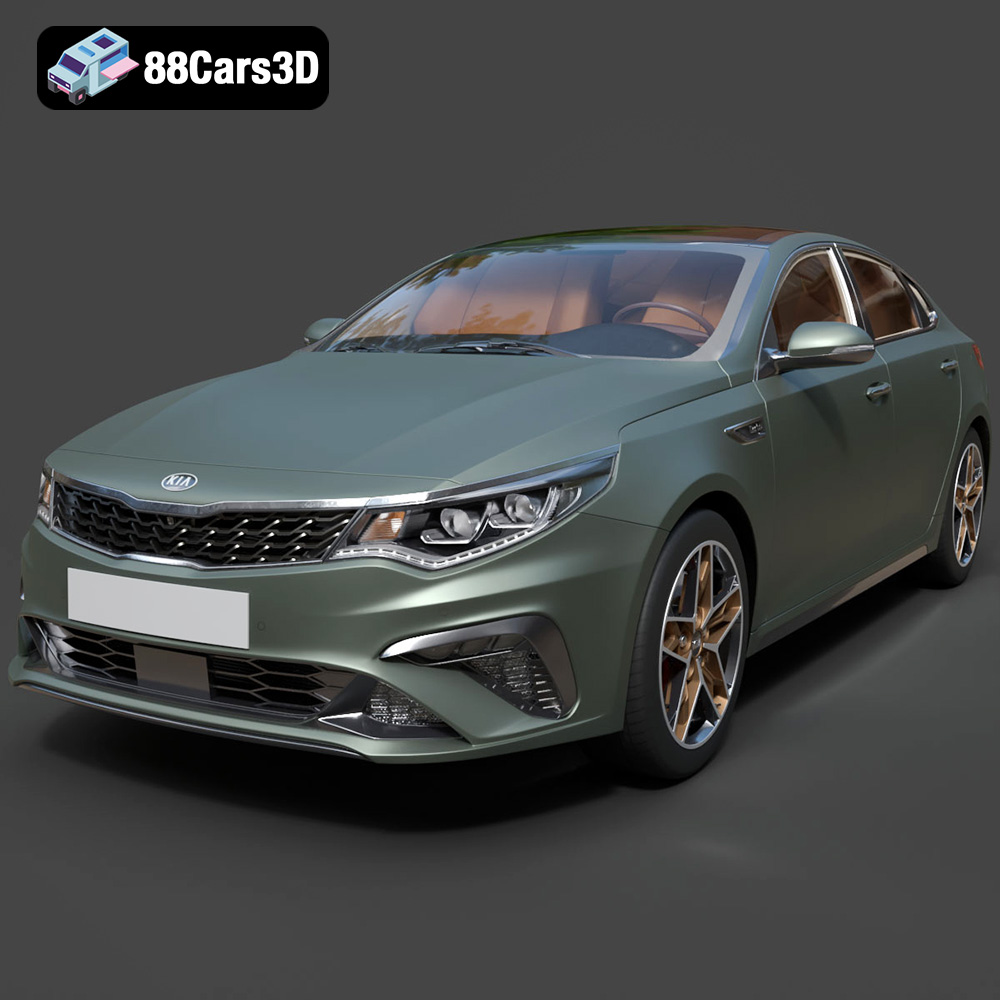
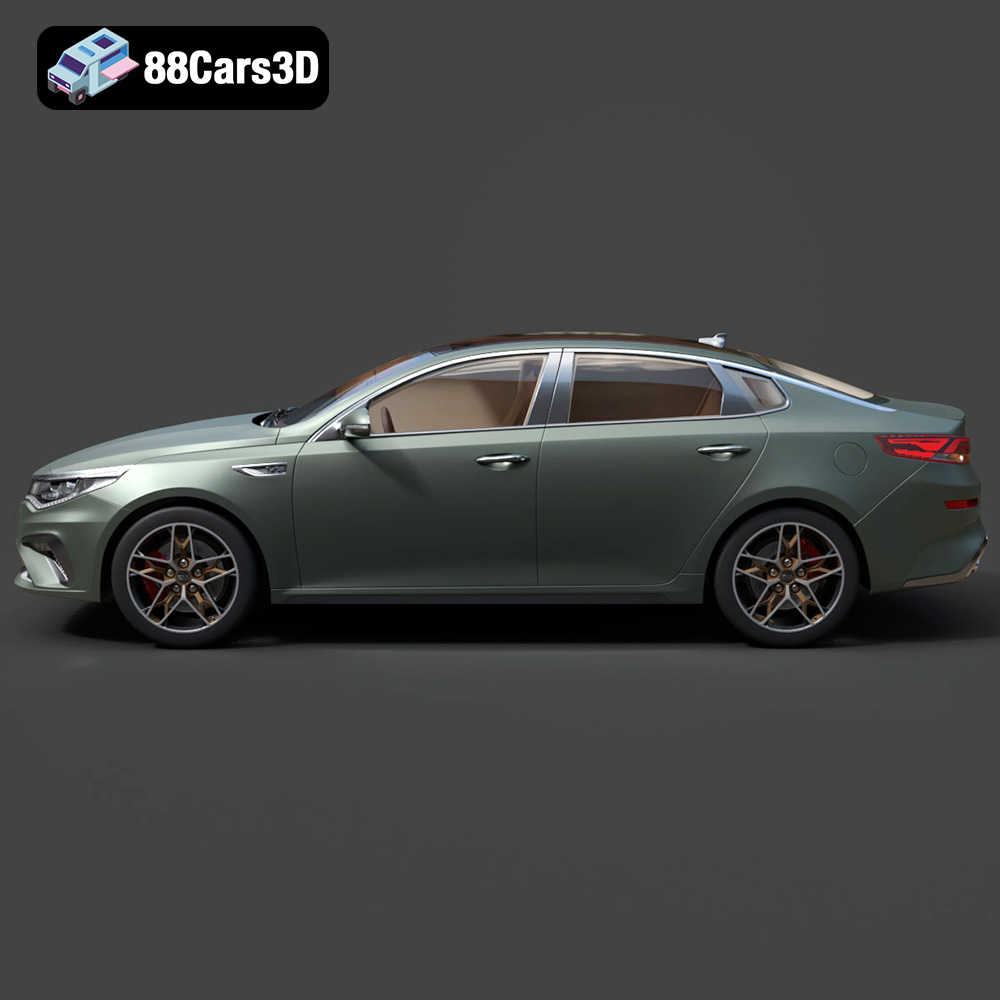
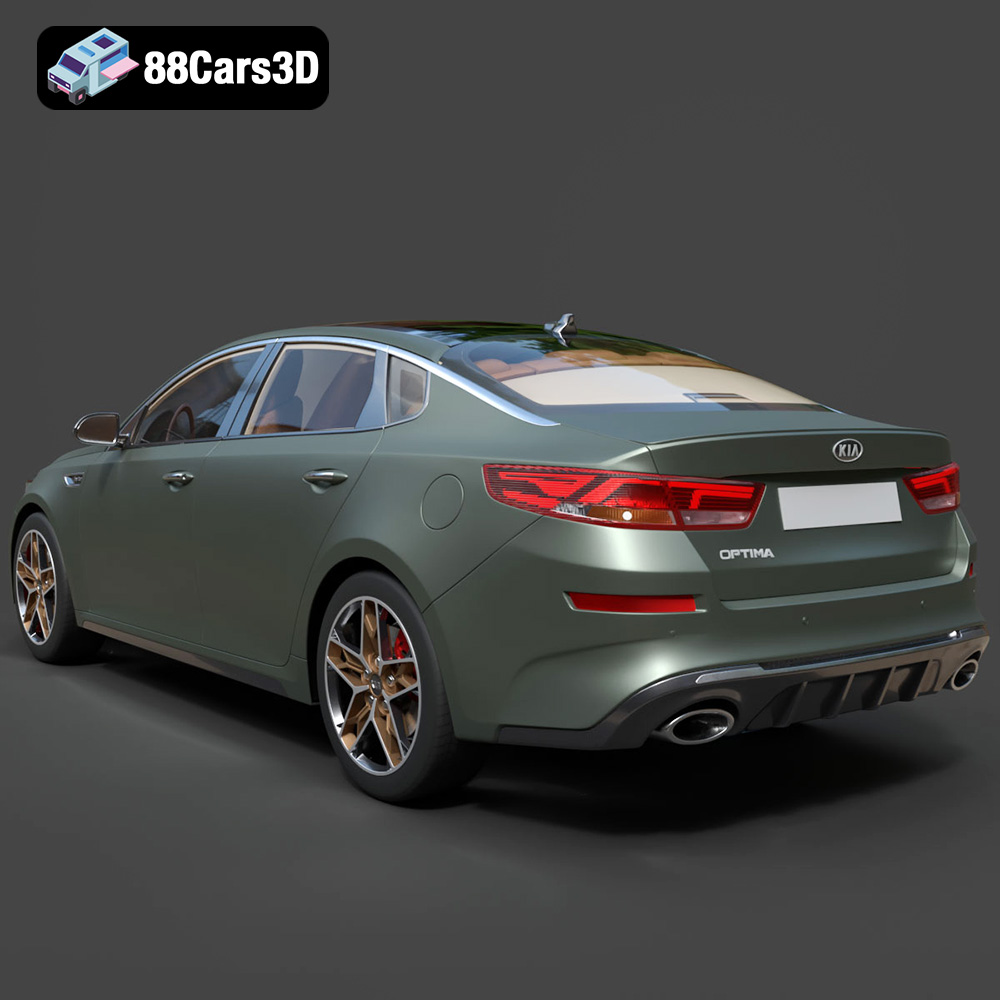
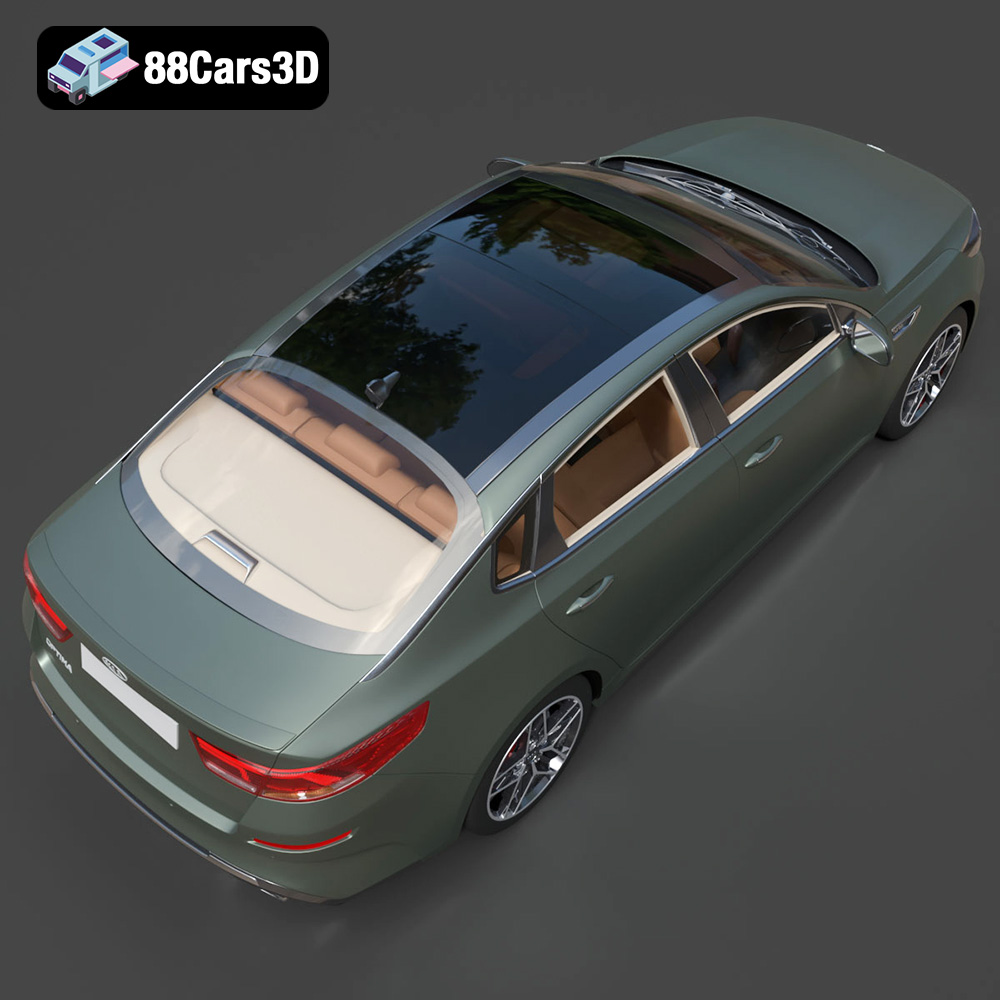
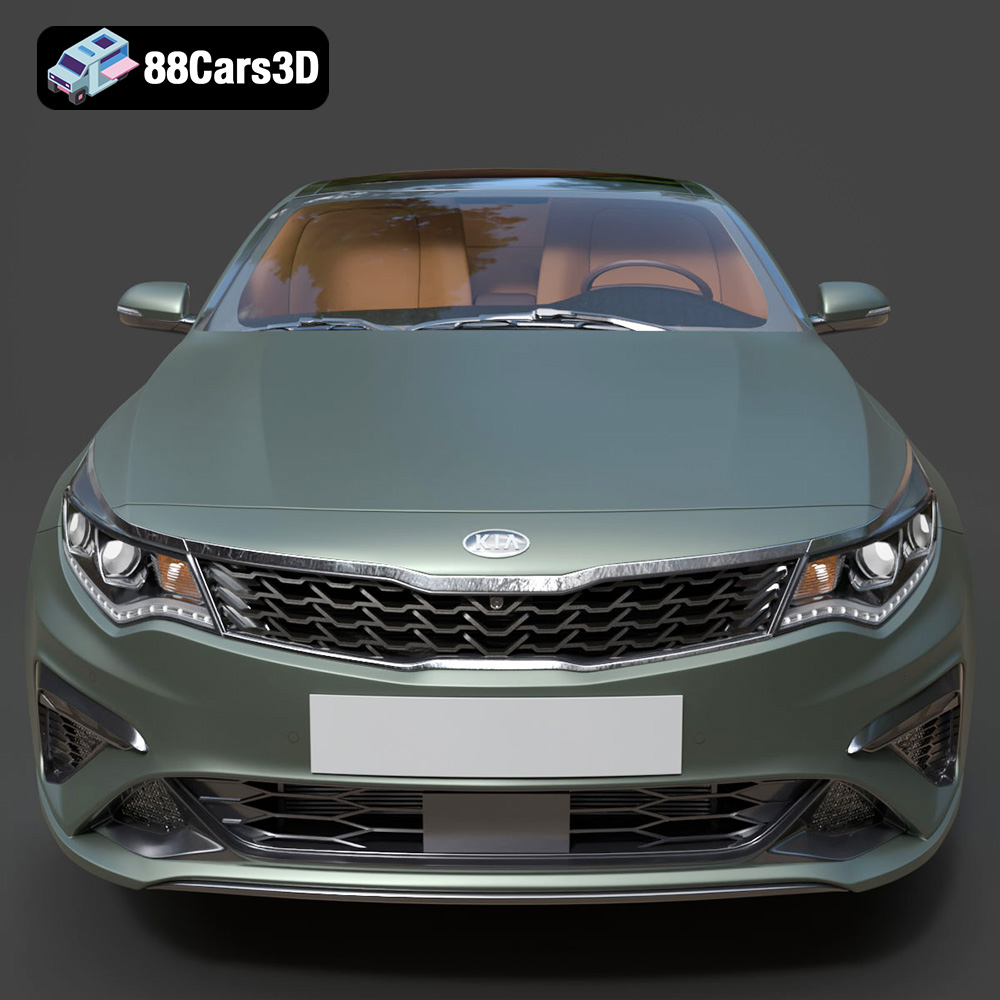
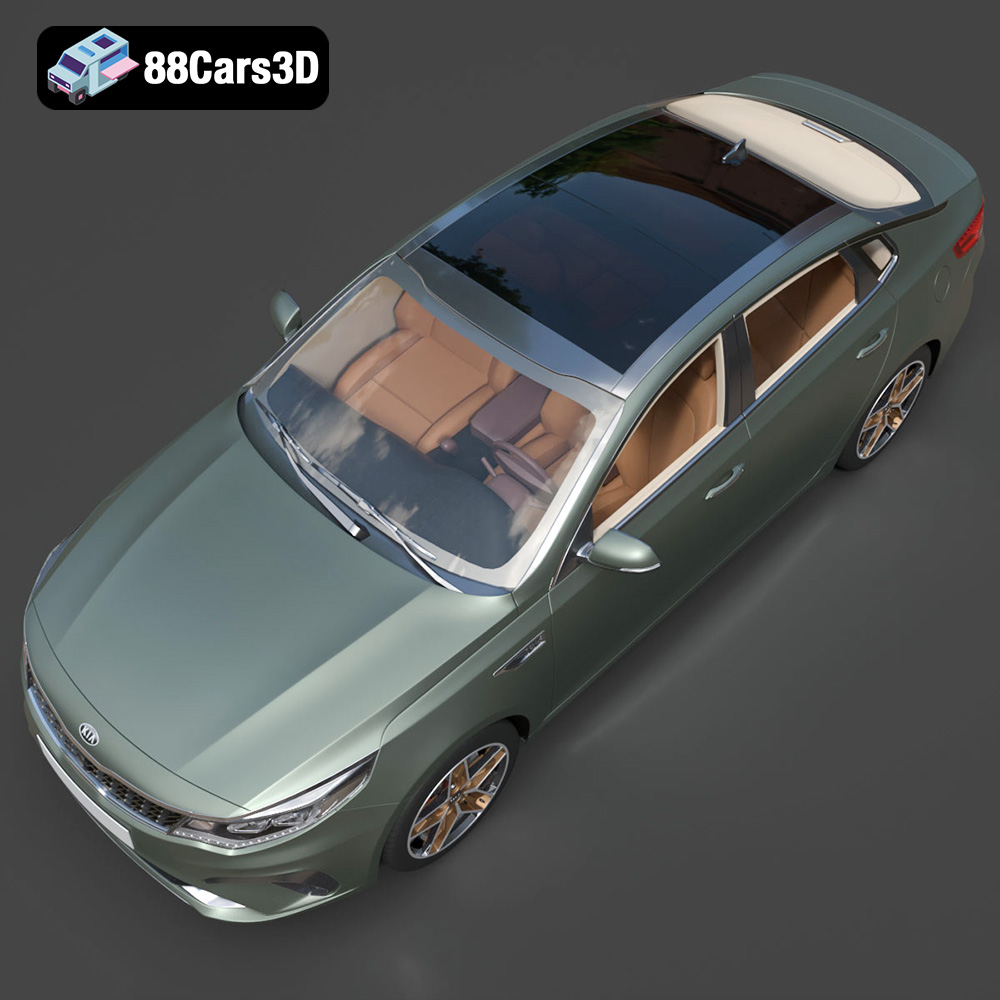
Consider a project requiring a contemporary sedan, a vehicle that balances everyday practicality with sleek design. The Kia Optima 2019 3D Model exemplifies the kind of precision and realism that professionals seek. It’s not just a generic car; it’s a meticulously crafted digital replica designed to capture the authentic proportions and dynamic styling of the actual vehicle. This level of detail ensures that whether you’re integrating it into an architectural visualization, a cinematic sequence, or a real-time game environment, the model will perform flawlessly and look stunning. Such assets are fundamental to producing compelling visual content and form the backbone of successful digital projects.
High-fidelity 3D car models are no longer a luxury but a necessity in numerous professional fields. They provide a versatile foundation for everything from marketing campaigns to complex engineering analyses. The accuracy of these models directly impacts the credibility and effectiveness of the final output, making them central to professional workflows.
The core purpose of a high-fidelity 3D car model is to replicate real-world objects with such precision that the digital twin is virtually indistinguishable from its physical counterpart. This involves not just surface aesthetics but also underlying structural integrity and proportional accuracy. For designers and artists, these models act as a bridge, allowing them to iterate, visualize, and present concepts with unparalleled realism. The Kia Optima 2019 3D Model, for instance, focuses on replicating the authentic styling and proportions, ensuring that any rendering or animation featuring it will possess a strong sense of believability.
While visual appeal is paramount, the functionality of a 3D car model within a given software environment is equally critical. A high-quality model is not just about poly count; it’s about optimized topology, clean geometry, and efficient UV mapping. These technical attributes ensure that the model can be easily animated, textured, and rendered without causing performance bottlenecks. For game developers, this means a smooth frame rate; for animators, it means responsive rigging; and for architectural visualizers, it means efficient rendering times. The models available at 88cars3d.com are typically designed with these performance considerations in mind, ensuring they are production-ready assets.
Navigating the diverse landscape of 3D applications requires a clear understanding of file formats. Each format has its strengths, ideal use cases, and technical nuances. Choosing the correct format for your project is crucial for compatibility, efficiency, and maintaining data integrity. High-quality 3D car models, like the Kia Optima 2019 3D Model, are often provided in multiple formats to cater to a broad spectrum of professional needs, ensuring seamless integration into various pipelines.
The .blend format is native to Blender, an open-source 3D creation suite renowned for its robust modeling, sculpting, animation, and rendering capabilities. When you acquire a .blend file, you’re not just getting the mesh; you’re often getting a fully editable Blender scene, complete with materials, textures, lighting setups, and sometimes even animation rigs. This format is ideal for users who primarily work within Blender and need the flexibility to modify every aspect of the model. It retains all scene information, making it perfect for creative professionals who want to delve deep into the model’s construction, adjust its PBR materials, or adapt the lighting to suit a specific scene. The Kia Optima 2019 3D Model in .blend format offers this level of comprehensive creative control.
The .fbx (Filmbox) format, originally developed by Kaydara and now owned by Autodesk, has become an industry standard for interoperability between different 3D software applications. It’s incredibly versatile, supporting not only mesh data but also materials, textures, animations, and camera information. This makes it ideal for game engines like Unreal Engine and Unity, as well as for transferring animated models between applications like Maya, 3ds Max, and Cinema 4D. Its widespread adoption makes it a go-to for complex production pipelines where multiple software packages are involved. The .fbx version of the Kia Optima 2019 3D Model is game-engine ready, signifying its optimized nature for real-time environments.
The .obj (Wavefront OBJ) format is one of the oldest and most universally supported 3D file formats. It’s a simple, text-based format that primarily stores geometric data – vertices, normals, UV coordinates, and faces. While it can reference external material (.mtl) files for basic color and texture information, it doesn’t typically embed animations or complex scene data. Its strength lies in its simplicity and unparalleled compatibility across virtually all 3D modeling software, making it an excellent choice for straightforward mesh exchange when complex scene information isn’t required. The .obj version of the Kia Optima 2019 3D Model ensures it’s compatible with any major software.
The .ply (Polygon File Format or Stanford Triangle Format) is another precision mesh format often used for storing 3D data from 3D scanners, CAD software, or for scientific visualization. It can store various properties beyond just geometry, such as color, transparency, and normal data for each vertex or face. While not as universally used in animation or game development as .fbx or .obj, it’s highly valued in applications requiring accurate, detailed polygon meshes for analysis or specialized visualization, particularly in reverse engineering or 3D scanning contexts.
The .glb (GL Transmission Format Binary) is the binary version of glTF, a royalty-free specification for the efficient transmission and loading of 3D scenes and models by applications. It’s quickly becoming the “JPEG of 3D” due to its optimization for web-based applications, AR (Augmented Reality), and VR (Virtual Reality). A .glb file packages the 3D model, textures, animations, and other scene data into a single, compact file, making it incredibly easy to share and embed on websites or deploy in mobile AR/VR experiences. The Kia Optima 2019 3D Model in .glb format is specifically optimized for these modern, immersive applications.
The .unreal format, or more precisely, assets packaged specifically for Unreal Engine, refers to the native asset structure within the Unreal Engine ecosystem. While not a standalone file format in the traditional sense like .fbx or .obj, it signifies that the asset has been meticulously prepared, optimized, and often pre-configured within Unreal Engine. This means materials are set up using Unreal’s PBR system, LODs (Levels of Detail) are often implemented, collision meshes are defined, and the asset is ready to be dropped directly into a scene with minimal further configuration. This saves significant time and effort for developers working within the Unreal environment, providing an “engine-ready asset” experience.
The .stl (STereoLithography) format is the de facto standard for 3D printing. It represents a 3D model as a series of connected triangles (a triangulated surface mesh) without color, texture, or other CAD attributes. Its simplicity makes it universally compatible with 3D printing software and hardware. When preparing a model for physical fabrication, an .stl file is essential. The Kia Optima 2019 3D Model provides an .stl variant, making it suitable for prototyping or creating physical replicas.
The .max format is the proprietary native file format for Autodesk 3ds Max. Similar to .blend, a .max file stores the entire scene, including all geometry, modifiers, materials, textures, lights, cameras, and animation data. It offers the most flexibility for users working within 3ds Max, allowing full control over the model’s parameters and facilitating advanced rendering and animation workflows with renderers like V-Ray or Corona. For professionals who use 3ds Max as their primary tool, the .max version of the Kia Optima 2019 3D Model is invaluable for deep customization and high-end rendering.
The quality of a 3D car model goes far beyond its visual appeal. Underneath the gleaming surface, a complex array of technical considerations dictates its usability, performance, and ultimate value. Professionals look for models that are not only beautiful but also meticulously engineered for efficiency and adaptability.
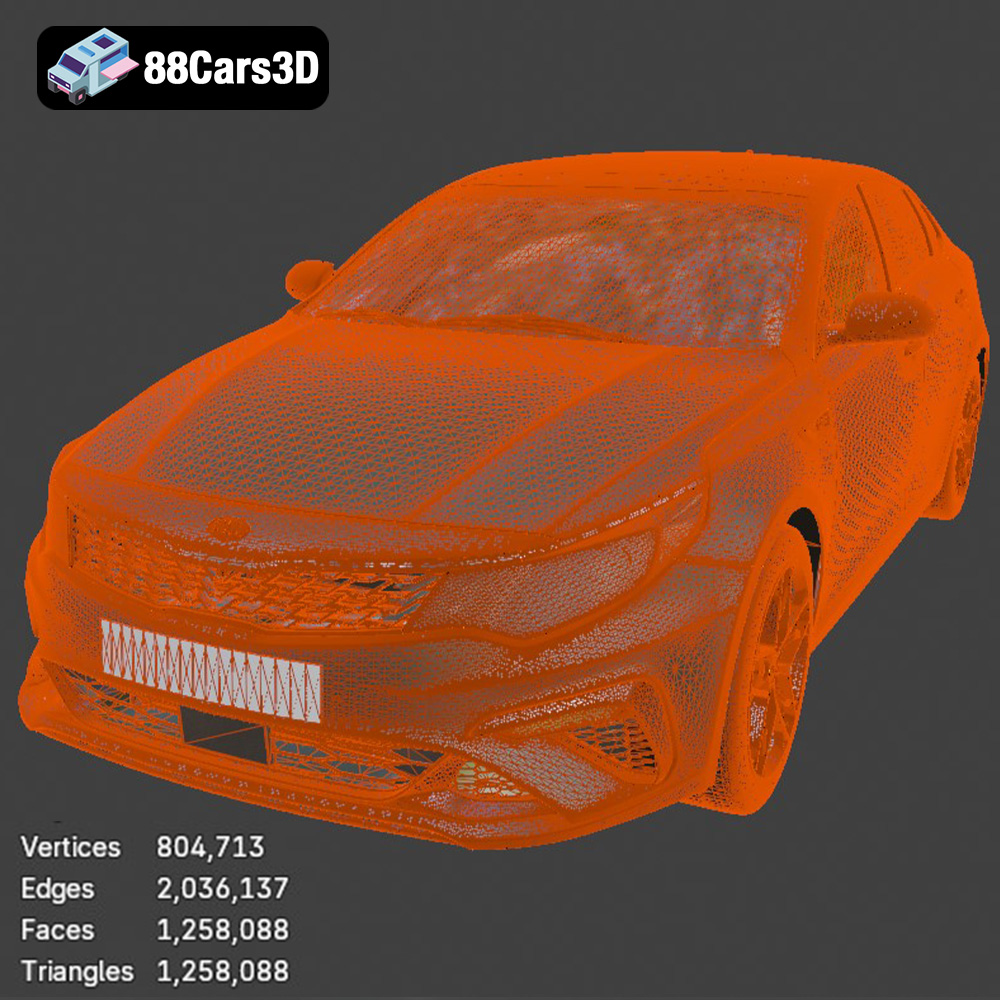
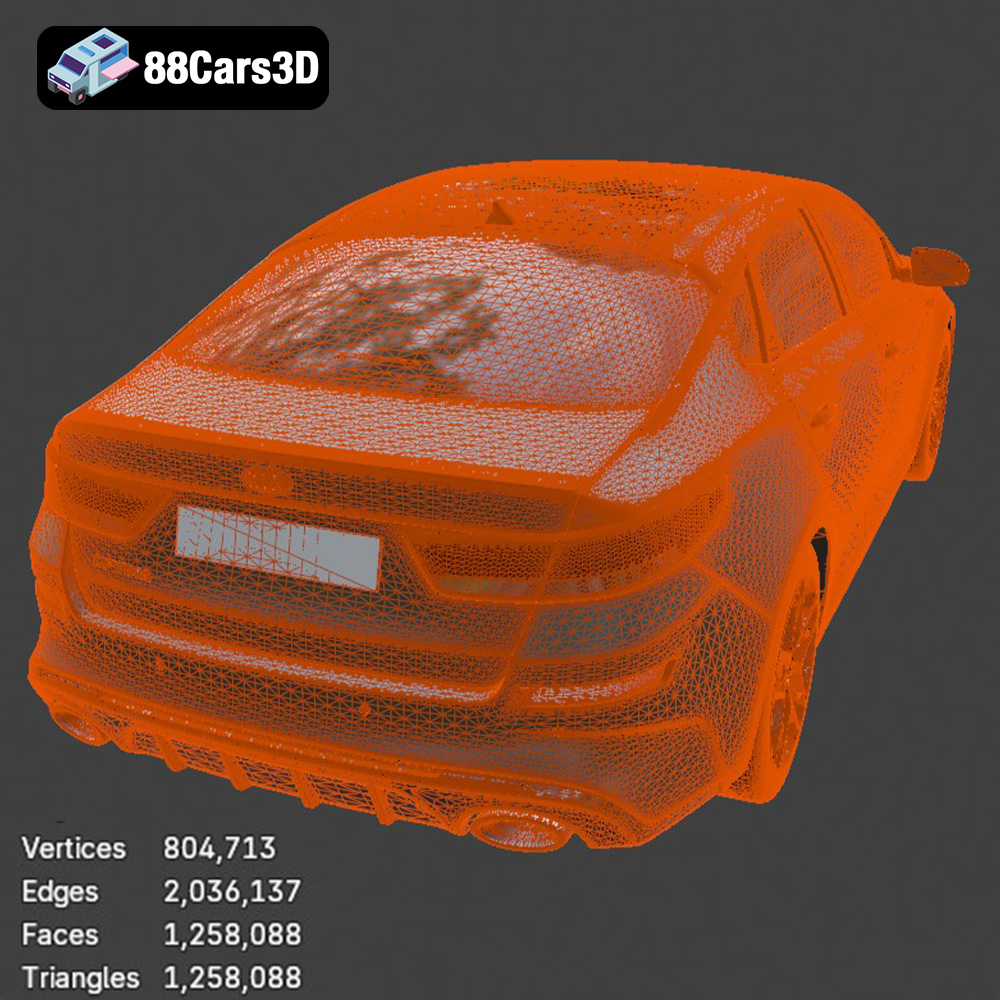
Optimal topology is the bedrock of a high-performing 3D model. This refers to the arrangement of polygons and edges, ensuring that the mesh is clean, efficient, and supports deformation well for animation. Good topology means minimal triangles, evenly distributed quads, and proper edge flow that follows the contours of the object. For 3D car models, this is critical around curved surfaces like fenders, doors, and the roof. An optimized mesh, like that of the Kia Optima 2019 3D Model, reduces poly counts without sacrificing visual detail, leading to faster render times, smoother real-time performance in game engines, and easier UV unwrapping. Poor topology, conversely, can lead to rendering artifacts, complex UVs, and animation issues, significantly hindering a project’s progress.
Photorealism in 3D rendering hinges heavily on the quality of materials and their textures, which are managed through Physically Based Rendering (PBR) workflows and efficient UV mapping. PBR materials accurately simulate how light interacts with surfaces (reflectance, roughness, metallic properties), leading to incredibly convincing results. Proper UV mapping is the process of unwrapping the 3D mesh into a 2D space, allowing textures to be applied without stretching or distortion. For vehicles, this often means multiple UV sets for different material types (paint, glass, chrome, rubber, interior fabrics). A professionally crafted model ensures clean, non-overlapping UVs and expertly configured PBR materials, making it easy to achieve stunning renders right out of the box, as promised by the Kia Optima 2019 3D Model’s realistic materials.
Accuracy in scale and proportion is non-negotiable for professional 3D car models. Whether for architectural visualization, where a car needs to fit realistically into a scene, or for vehicle simulations that require precise physical properties, incorrect scaling can derail an entire project. High-quality models are built to real-world dimensions, ensuring they integrate seamlessly into any scene without requiring manual adjustments that can introduce errors. This attention to detail underscores the professionalism of assets found on platforms like 88cars3d.com, where the emphasis is on true-to-life representation.
The versatility of high-quality 3D car models allows them to be seamlessly integrated into diverse professional workflows, empowering artists and developers to create breathtaking visuals and immersive experiences. Each application leverages specific technical attributes of the models.
For high-end automotive rendering, 3ds Max remains a cornerstone of the industry. Paired with powerful render engines like V-Ray or Corona, it allows for the creation of photorealistic images and animations that are virtually indistinguishable from real photography. The .max format of the Kia Optima 2019 3D Model provides artists with a fully editable scene, enabling them to manipulate studio lighting, adjust camera angles, and fine-tune material properties for bespoke renders. This workflow is crucial for marketing campaigns, product showcases, and cinematic productions where visual fidelity is paramount. Artists can leverage the clean geometry and realistic materials of such models to achieve stunning reflections, accurate shadows, and nuanced paint finishes that captivate audiences.
In game development, performance and visual quality must strike a delicate balance. Modern game engines like Unreal Engine and Unity rely on optimized 3D car models that can run efficiently in real-time environments while still looking superb. The .fbx and .unreal formats of the Kia Optima 2019 3D Model are specifically tailored for this purpose. They come game-engine ready, meaning they typically include optimized meshes, proper UVs, PBR material setups, and sometimes even pre-configured collision meshes and LODs (Levels of Detail). This dramatically accelerates the development pipeline, allowing designers to quickly populate virtual worlds with high-fidelity vehicles without extensive optimization work.
Augmented Reality (AR) and Virtual Reality (VR) are transforming how we interact with digital content, especially for automotive visualization. These immersive experiences demand models that are not only visually rich but also highly optimized for real-time performance on mobile devices or VR headsets. The .glb format, offered for the Kia Optima 2019 3D Model, is a prime example of an asset tailored for AR/VR. Its compact, all-in-one nature and web-friendliness make it ideal for deploying interactive car configurators, virtual showrooms, or training simulations where users can explore vehicles in a compelling, interactive 3D space.
The application of high-quality 3D car models extends across a multitude of industries, proving their worth as indispensable tools for communication, marketing, and development. Let’s explore some key real-world scenarios.
Automotive manufacturers and advertising agencies heavily rely on 3D car models to create stunning visuals for marketing campaigns. Instead of costly and time-consuming physical photoshoots, digital models allow for endless possibilities: placing a car in any conceivable environment, changing colors and configurations on the fly, and generating high-resolution images or animations from any angle. The Kia Optima 2019 3D Model, with its precision and realistic materials, could be a focal point in a virtual commercial, showcasing its design features in an urban setting or a scenic landscape, all without ever leaving the studio. This flexibility saves significant budget and time, while offering unparalleled creative control.
In the entertainment industry, 3D car models are central to visual effects (VFX) for film and television, and increasingly, virtual production. They are used to create realistic digital doubles for stunts, add background traffic, or even feature as hero vehicles in fantastical scenarios. The detailed geometry and PBR materials of models like the Kia Optima 2019 3D Model ensure they hold up to the scrutiny of the big screen. Virtual production environments, using technologies like Unreal Engine, allow filmmakers to compose shots and block scenes with digital vehicles in real-time on LED stages, blending physical and virtual elements seamlessly.
Beyond aesthetics, 3D car models play a crucial role in automotive engineering, design, and simulation. Engineers use highly accurate models for aerodynamic testing, crash simulations, and ergonomic studies. While these often start with CAD data, game-ready or rendering-ready models can be derived for visualization purposes – showing off new design features to stakeholders or simulating vehicle behavior in virtual test drives. The robust and accurate nature of assets from 88cars3d.com ensures that these models can be trusted for both visual presentation and certain types of conceptual analyses.
In a crowded marketplace of 3D assets, discerning professionals seek models that offer a superior blend of accuracy, optimization, and versatility. The Kia Optima 2019 3D Model distinguishes itself as a prime example of such a premium asset, meeting the rigorous demands of various industries.
The core value of the Kia Optima 2019 3D Model lies in its meticulous attention to detail. Designed to replicate the authentic proportions and dynamic styling of the actual vehicle, it provides exceptional accuracy. This isn’t just about looking good; it’s about providing a reliable digital representation that can be trusted for close-up renders, accurate simulations, or as a reference for custom modifications. The clean geometry, optimized topology, and realistic PBR materials ensure that the model retains its visual integrity and performs efficiently across different rendering engines and real-time environments.
A truly professional 3D model offers maximum compatibility, and the Kia Optima 2019 3D Model excels in this regard by being available in multiple versatile file formats. Whether your workflow is centered around Blender (.blend), 3ds Max (.max), or you need game-engine ready assets for Unreal Engine (.fbx, .unreal) or web-optimized models for AR/VR (.glb), this product covers all bases. This breadth of format support means less time spent on conversions and more time on creative development, making it an invaluable asset for any multi-platform project.
When sourcing 3D assets, reliability and quality are paramount. 88cars3d.com positions itself as a marketplace for high-quality 3D car models, ensuring that products like the Kia Optima 2019 3D Model adhere to industry standards with professional-grade surfacing. This commitment to quality means that professionals can acquire assets confidently, knowing they are investing in clean geometry, realistic materials, and optimized topology that will seamlessly integrate into their demanding workflows. The meticulous crafting ensures that these models are not just visually appealing but also technically sound and ready for immediate deployment in game development, architectural rendering, AR/VR experiences, film production, and automotive visualization.
The world of 3D visualization is continually evolving, demanding ever-higher standards for digital assets. High-quality 3D car models are central to this evolution, serving as critical components across a myriad of industries from game development and film production to architectural visualization and advanced engineering simulations. The emphasis on clean geometry, optimized topology, realistic PBR materials, and versatile file formats ensures that these assets are not just visually stunning but also technically robust and efficient within complex professional pipelines.
The Kia Optima 2019 3D Model stands as a testament to these principles, offering precision, authenticity, and broad compatibility that meets and exceeds industry expectations. By providing a product meticulously crafted to replicate a real-world vehicle, available in formats like .blend, .fbx, .obj, .glb, .stl, .ply, .unreal, and .max, it empowers artists and developers to integrate a production-ready asset into virtually any project. For those seeking to elevate their visual content with top-tier 3D car models, platforms like 88cars3d.com offer a reliable source for assets that deliver both aesthetic excellence and technical performance, streamlining workflows and enhancing creative output.
Experience precision and realism with the Kia Optima 2019 3D model. Designed to replicate the authentic proportions and dynamic styling of the actual vehicle, this model provides exceptional accuracy for various professional projects.
This model boasts clean geometry, realistic materials, and an optimized topology that ensures seamless integration into your workflow. It is meticulously crafted to meet industry standards with professional-grade surfacing.
Perfect for a wide range of applications, the Kia Optima 2019 3D model is ready to be utilized in game development, architectural rendering, AR/VR experiences, film production, and automotive visualization.
Available in multiple versatile file formats to ensure maximum compatibility:
Tags: .kia, .optima, .sedan, .familycar, .car3dmodel, .rendering, .simulation, .gameasset, .arvr, .blend, .fbx, .obj, .glb, .stl, .ply, .unreal, .max
$19.99
.arvr
.blend
.car3dmodel
.familycar
.fbx
.gameasset
.glb
.kia
.max
.obj
.optima
.ply
.rendering
.sedan
.simulation
.stl
.unreal