Get 20% OFF All Premium 3D & STL Models!

In the rapidly evolving digital landscape, the demand for high-quality, technically precise 3D assets is paramount across industries. From groundbreaking video games and cinematic visualizations to cutting-edge AR/VR experiences and detailed architectural renders, the integrity of a 3D model can define the success of an entire project. Nowhere is this more apparent than in the automotive sector, where photorealism and functional accuracy are non-negotiable. This pursuit of digital perfection is what drives creators to seek out meticulously crafted 3D car models that stand up to the most rigorous professional scrutiny.
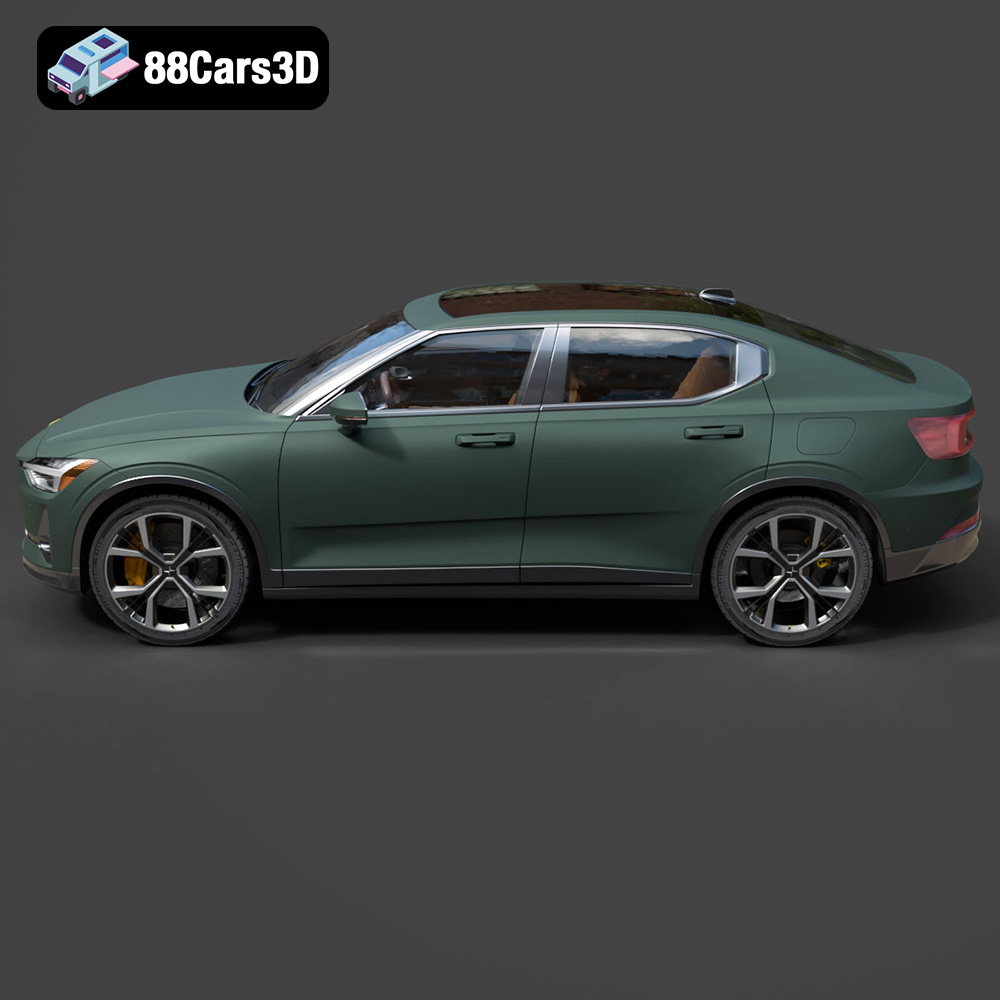
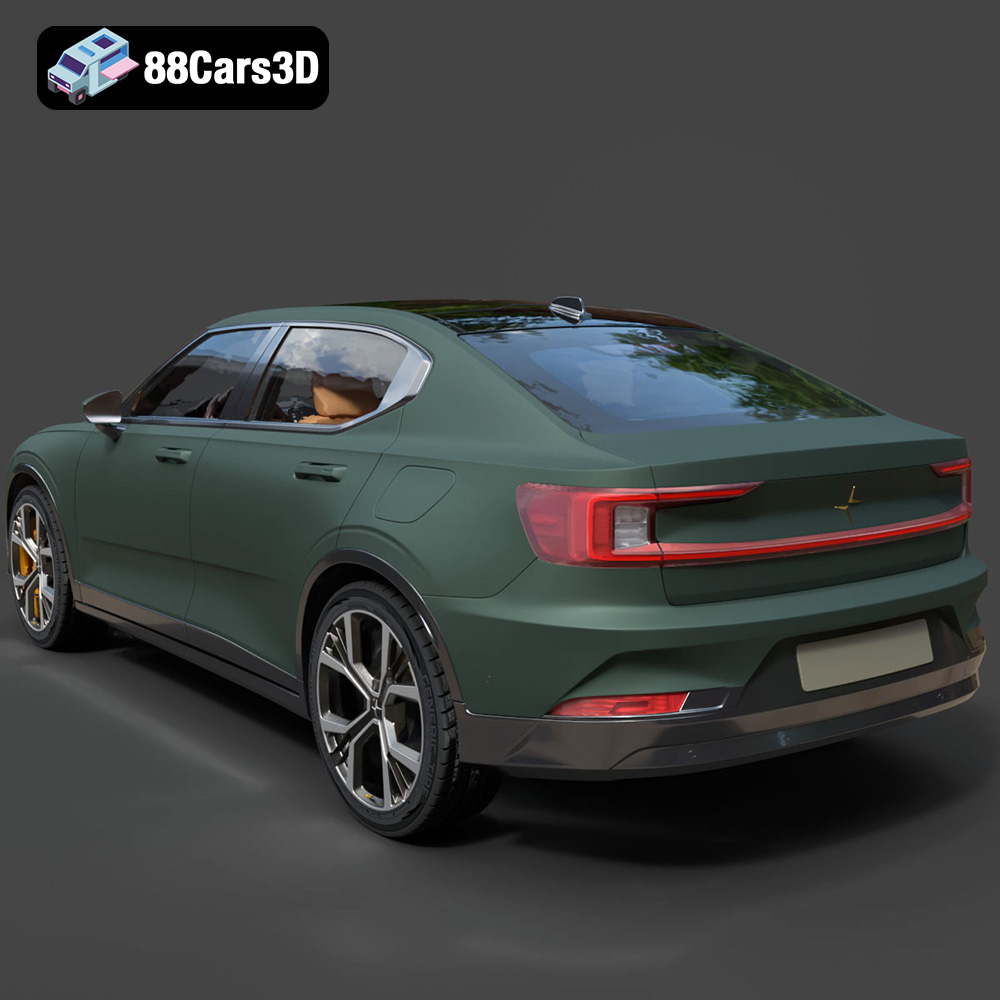
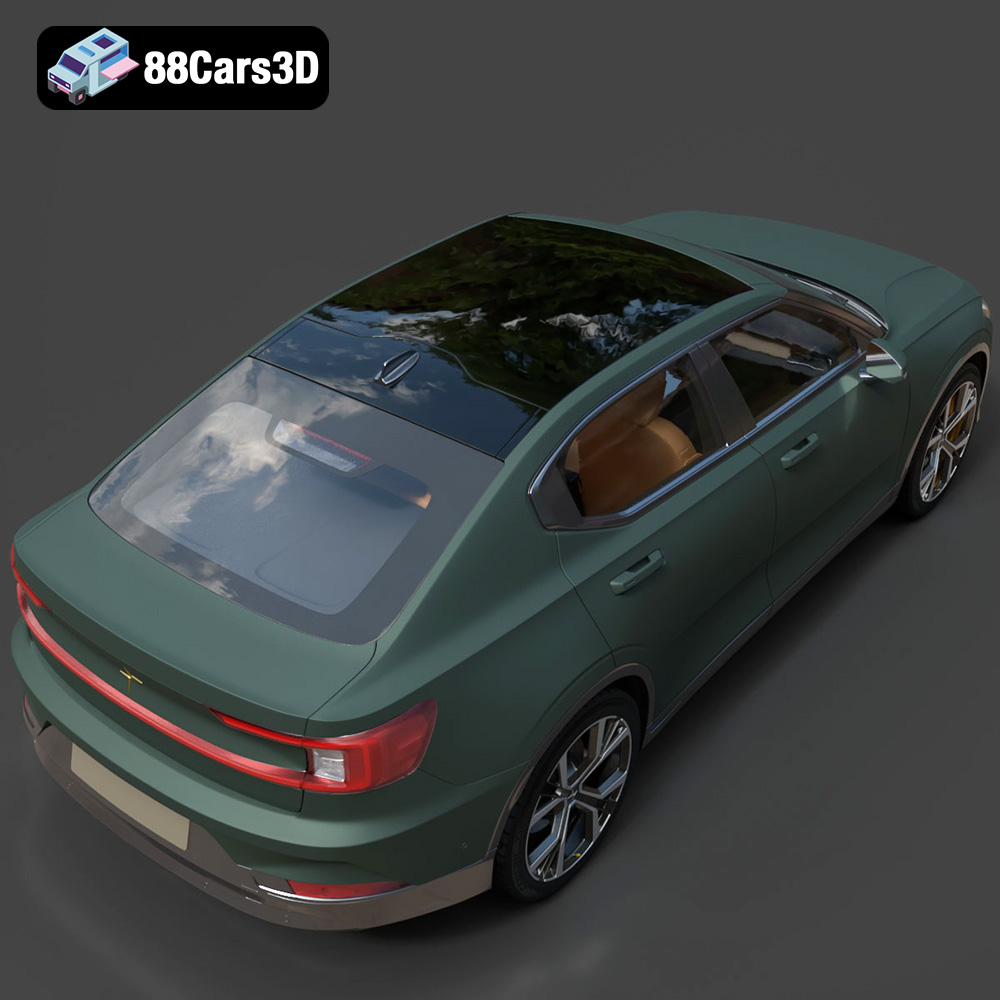
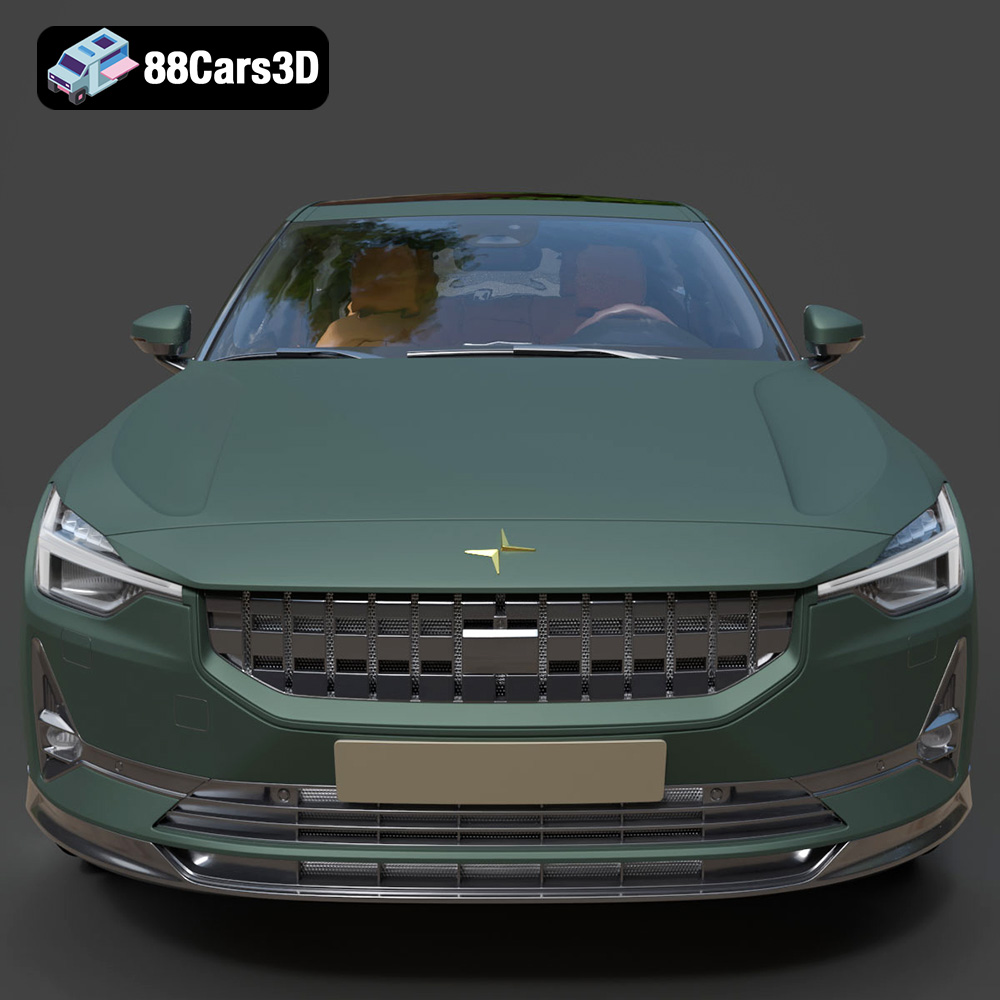
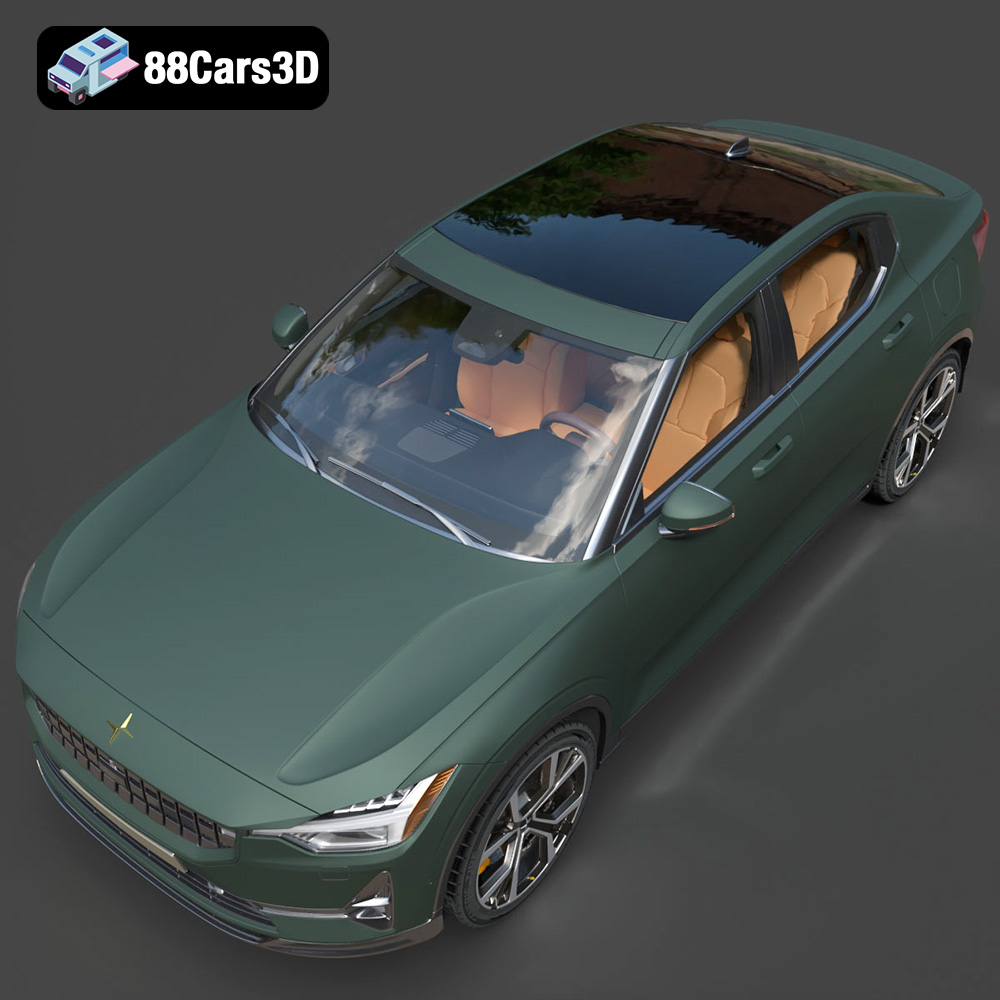
Today, we delve into the world of premium digital automotive assets by exploring a standout example: the Polestar 2 2020 3D Model Download. This exceptional model, available at 88cars3d.com, isn’t just a digital representation; it’s a versatile tool engineered to elevate any project it’s integrated into. With its sleek lines, innovative design, and sustainable ethos, the Polestar 2 itself is a marvel of modern engineering, and its digital counterpart mirrors this excellence, offering an optimized topology and a wealth of detail perfect for any professional application.
The journey of a vehicle from concept to road is long and complex, and digital design plays an increasingly critical role at every stage. In the 3D realm, creating compelling automotive visuals requires more than just artistic flair; it demands a deep understanding of geometry, materials, and optimization techniques. Professionals in various fields rely on 3D car models as foundational elements for their projects, whether for marketing, simulation, or entertainment.
The industry’s hunger for high-fidelity 3D assets stems from the ever-increasing expectations of audiences and clients. A blurry texture or an inaccurate proportion can break immersion in a game or undermine the credibility of an architectural visualization. For automotive rendering, every curve, every reflection, and every interior detail must be rendered with absolute precision. This is particularly true for premium brands like Polestar, where the design language itself communicates innovation and quality. Digital artists and studios invest significant time and resources into sourcing or creating assets that meet these exacting standards, making platforms like 88cars3d.com invaluable resources for professional-grade 3D car models.
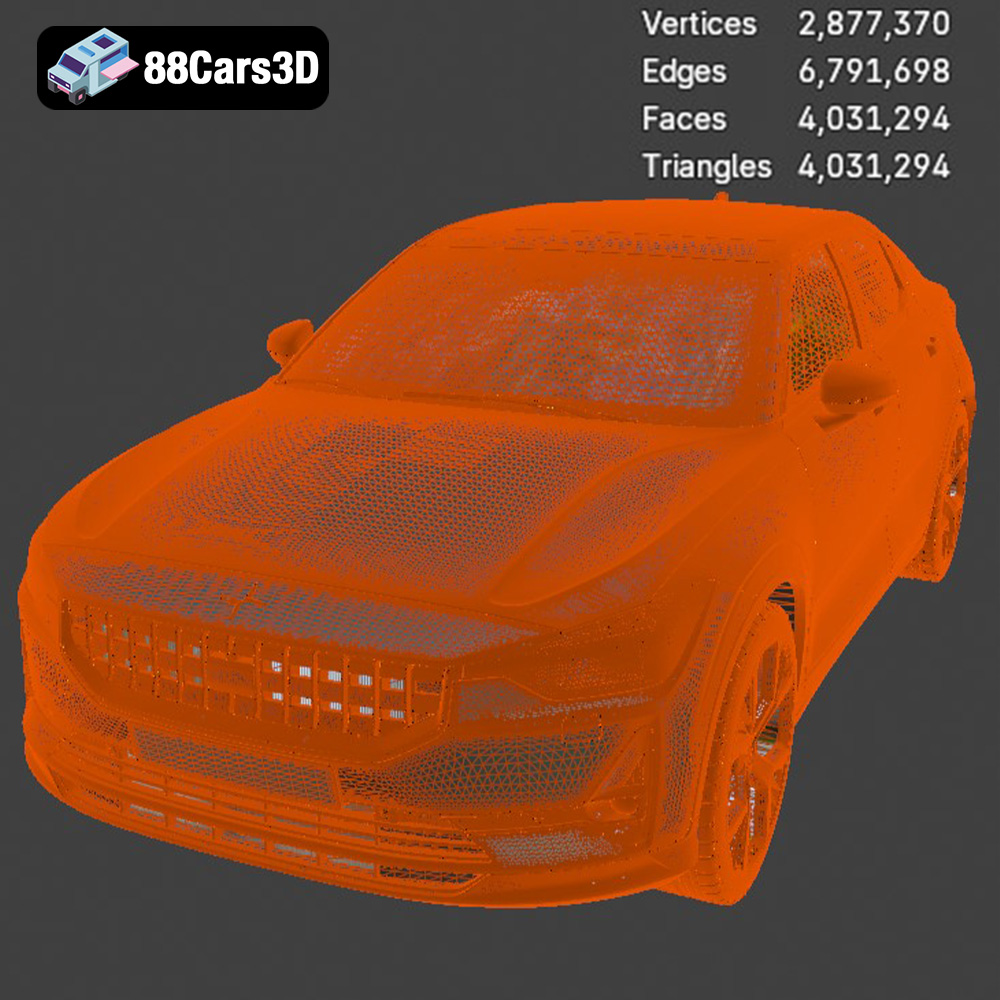
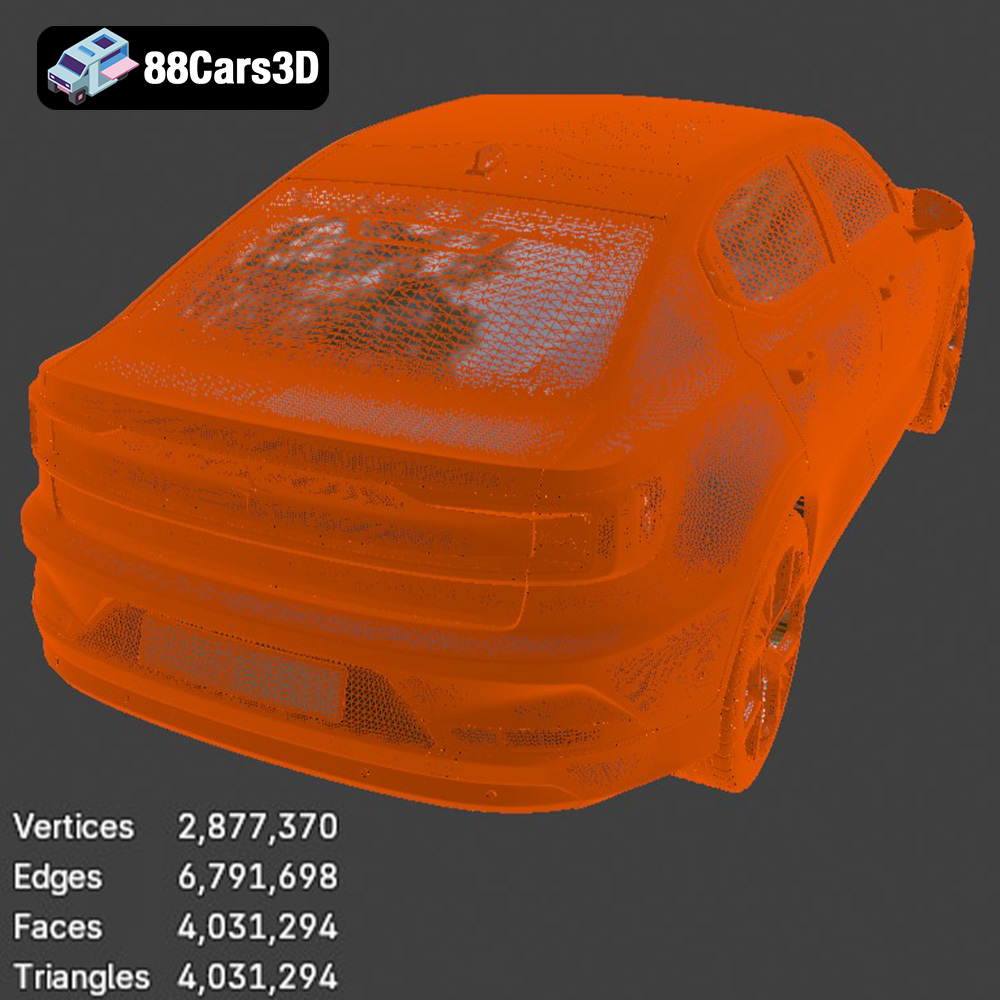
One of the biggest challenges in 3D asset creation, especially for real-time applications like games or AR/VR, is balancing visual realism with performance optimization. A model that looks stunning but cripples frame rates is ultimately unusable. Conversely, a highly optimized but visually simplistic model fails to deliver impact. The goal is to strike a perfect equilibrium, providing enough geometric detail and texture fidelity to achieve photorealism, while maintaining an efficient polycount and clean topology that allows for smooth performance across various platforms. The Polestar 2 2020 3D Model exemplifies this delicate balance, boasting an optimized topology with an estimated triangle count of 120,000, making it both visually rich and game-ready.
Navigating the world of 3D modeling often involves choosing the right file format for the job. Each format has its strengths, limitations, and preferred use cases, directly impacting compatibility, workflow, and final output. Understanding these distinctions is crucial for anyone working with 3D car models or any other complex digital asset. The Polestar 2 2020 3D Model download comes with a comprehensive suite of formats, ensuring maximum flexibility for diverse professional applications.
The .blend format is the native file type for Blender, the powerful open-source 3D creation suite. A .blend file can contain everything from mesh data, materials, textures, animations, rigging, lighting setups, and even entire scene descriptions. Its primary advantage is retaining all aspects of a Blender project, making it fully editable and ideal for users who wish to dive deep into the model’s structure, modify materials, adjust rigging, or create custom animations directly within Blender. For artists using Blender for automotive rendering or game asset preparation, the .blend file provides the most complete and versatile starting point for the Polestar 2 2020.
.fbx (Filmbox) is arguably the most widely adopted proprietary 3D file format for interchange between different 3D software packages. Developed by Autodesk, FBX supports geometry, materials, textures, animations, skeletal rigging, and even camera and light data. Its robust support for animation data makes it an ideal choice for game development, particularly for export to engines like Unreal Engine and Unity, and for transferring animated character or vehicle models between modeling, animation, and rendering applications. When working with the Polestar 2 2020 3D Model for real-time pipelines or complex animations in different software, .fbx is often the go-to format due to its widespread compatibility and comprehensive data transfer capabilities.
The .obj (Wavefront OBJ) format is a universal standard known for its simplicity and broad compatibility. It primarily stores geometric data—vertices, normals, texture coordinates, and faces—and can reference external material (.mtl) and texture files. While it lacks support for animation or rigging, its widespread acceptance across virtually all 3D software makes it an excellent choice for basic mesh transfer. If you need a clean, universal mesh of the Polestar 2 2020 without animations or complex scene data, .obj is a reliable option for cross-software compatibility, ensuring you can open and work with the model in almost any 3D application.
.glb (GL Transmission Format Binary) is the binary version of the glTF format, designed for efficient transmission and loading of 3D scenes and models by engines and applications. It’s a relatively newer format, rapidly becoming the standard for 3D content on the web, especially for AR, VR, and browser-based displays. A single .glb file can contain geometry, materials, textures, animations, and skeletal structures, making it highly self-contained and optimized for performance. For deploying the Polestar 2 2020 in interactive virtual showrooms, mobile AR experiences, or web-based configurators, the .glb format offers unparalleled efficiency and ease of integration.
.stl (Stereolithography) is the most common file format for 3D printing. It represents a 3D model as a series of connected triangles (a triangular mesh) without any color or texture information. Its strength lies in describing the surface geometry of a 3D object for manufacturing purposes. While not suitable for rendering or animation, the .stl format of the Polestar 2 2020 is perfect for hobbyists or designers looking to bring the digital model into the physical world through 3D printing, whether for display, prototyping, or scale models. It’s the essential format for translating digital designs into tangible objects.
.ply (Polygon File Format) is another format for storing 3D data, particularly useful for capturing and storing 3D scanner data. It can store not only geometry but also color, transparency, and other properties per vertex or face. While not as universally used as .obj or .fbx for general model transfer, .ply offers a robust way to preserve detailed mesh information, making it suitable for scientific visualization, CAD, or analysis where precision mesh data is critical. For specific high-precision applications or detailed inspection of the Polestar 2 2020’s geometry, the .ply format can be highly valuable.
The .unreal designation here refers to an asset specifically prepared and optimized for direct import and use within Unreal Engine. This typically means an FBX file that has been thoroughly cleaned, scaled, and set up with appropriate materials and collision meshes, ready for the Unreal content pipeline. While not a distinct file extension like .fbx, it signifies that the asset has undergone a specialized preparation process for seamless integration into Unreal projects. This “engine-ready” state means the Polestar 2 2020 can be dropped directly into an Unreal scene, saving significant setup time for game developers and real-time visualization artists.
The .max format is the native file type for Autodesk 3ds Max, a powerful 3D modeling, animation, rendering, and compositing software. Similar to .blend for Blender, a .max file contains all scene information specific to 3ds Max, including geometry, materials (with all their complex parameters), lights, cameras, animations, and modifiers. For professionals who primarily use 3ds Max for automotive rendering, animation, or architectural visualization, the .max file for the Polestar 2 2020 provides the most comprehensive and editable version of the model, allowing full control over every aspect of the asset within their preferred environment.
The Polestar 2 2020 3D Model exemplifies what makes a digital asset truly premium. It’s not merely a visual replica; it’s a meticulously engineered structure designed for performance and aesthetic excellence. Every aspect, from its exterior curves to its intricate interior, has been crafted with a discerning eye for detail and technical optimization, ensuring its versatility across a multitude of professional applications.
The Polestar 2 is renowned for its distinctive Scandinavian minimalist design, and this 3D model captures every nuance. The accurate fastback body geometry and aerodynamic proportions are immediately apparent, crucial for realistic automotive rendering. Beyond the primary body, key features like the signature pixel LED headlights and the continuous full-width rear lightbar sequence are faithfully recreated, contributing significantly to its identity. The model also includes detailed EV battery pack placement and an undercarriage, a level of detail often overlooked in lesser models but vital for accurate simulations or technical visualizations. Aerodynamic alloy wheel rims with realistic tire tread patterns and frameless side mirrors further enhance its visual integrity, making it ideal for close-up shots and high-resolution renders. Crucially, separate wheels, suspension, and steering components are included, allowing for advanced animation setups, a fundamental requirement for vehicle simulations and interactive experiences.
Stepping inside the virtual cabin of the Polestar 2 2020 reveals an equally impressive level of detail. The minimalist Scandinavian vegan interior design is accurately modeled, providing a clean yet sophisticated environment. Artists will appreciate the precisely modeled steering wheel and digital instrument cluster, which are essential for first-person viewpoints in gaming or immersive AR/VR experiences. The central portrait-oriented infotainment touchscreen display and the distinctive geometric gear selector add layers of authenticity, making the interior feel functional and real. This optimized geometry ensures that even from a first-person perspective, the cockpit holds up to scrutiny, offering a truly immersive experience for users.
The technical specifications of the Polestar 2 2020 3D Model highlight its versatility. With approximately 120,000 triangles, it strikes a near-perfect balance, being “game-ready” for real-time engines like Unreal and Unity while simultaneously possessing enough visual realism for high-end rendering. This optimized polycount is a critical advantage, reducing the performance overhead without sacrificing detail. Furthermore, the model adheres to real-world scale accuracy, based on actual vehicle chassis dimensions, ensuring that it integrates seamlessly into existing environments or scenes without scale adjustments. Proper pivot setup for steering, wheel rotation, and suspension travel is another key technical advantage, simplifying the animation process and enabling realistic vehicle dynamics straight out of the box. This attention to technical detail makes the model a robust foundation for any project.
The true value of a high-quality 3D asset lies in its seamless integration into diverse professional workflows. The Polestar 2 2020 3D Model is not just a static object; it’s a dynamic resource designed to empower creators across various fields. Its technical characteristics and multi-format availability make it an adaptable asset, streamlining production across different platforms and applications.
For game developers, finding a balance between visual fidelity and real-time performance is paramount. The Polestar 2 2020 3D Model is explicitly designed to be “game-ready” with its optimized polycount of around 120,000 triangles. This ensures smooth frame rates in demanding real-time environments without compromising visual quality. When working in Unreal Engine or Unity, developers can leverage the .fbx format for quick import, benefiting from its robust support for mesh, materials, and even skeletal animations if the model were rigged. The “unreal” specific version mentioned means the model is likely pre-scaled and organized for direct integration, minimizing setup time within the engine. This makes the Polestar 2 2020 an ideal candidate for open-world games, racing titles, or even realistic simulation environments, where high-quality vehicle assets are critical for player immersion and gameplay dynamics. The accurate pivot points for wheels and suspension further simplify the implementation of realistic vehicle physics, a core component of compelling driving experiences.
In the realm of high-end automotive rendering, photorealism is the ultimate goal. Studios utilize sophisticated renderers like V-Ray, Corona, Arnold, or Blender’s Cycles and Eevee to create stunning visuals for marketing campaigns, product showcases, and cinematic sequences. The Polestar 2 2020 3D Model, with its precise geometry and detailed components, serves as an excellent foundation for such projects. Professionals using 3ds Max can utilize the .max file for full editability, allowing them to adjust materials, add complex lighting setups, and apply intricate textures to achieve hyper-realistic results. Similarly, Blender artists can leverage the .blend file, which retains all native Blender data, to customize the model, integrate it into complex scenes, and render it using Cycles or Eevee. The model’s detailed exterior and interior features mean less time spent modeling from scratch and more time on lighting, shading, and composition, allowing artists to focus on creating captivating automotive visualizations that effectively communicate the brand’s premium appeal. From studio lighting setups to dynamic lifestyle scenes, this model provides the necessary detail and optimization.
The advent of Augmented Reality (AR) and Virtual Reality (VR) has opened new avenues for showcasing products, particularly in the automotive industry. Virtual showrooms and interactive configurators offer unparalleled opportunities for customer engagement. The Polestar 2 2020 3D Model is perfectly suited for these immersive applications. Its optimized geometry ensures smooth performance on AR/VR devices, which often have stricter performance budgets than traditional game consoles or PCs. The inclusion of the .glb format is particularly beneficial here, as .glb is specifically designed for efficient web and AR/VR deployment. This allows for the creation of interactive virtual experiences where users can explore the Polestar 2 2020, change colors, view the interior, and even place it in their real-world environment via AR, all in real-time. This level of interactivity transforms passive viewing into an engaging exploration, providing potential buyers with a rich and detailed understanding of the vehicle before it even hits the physical showroom.
While 3D car models are primarily digital assets, their utility extends far beyond the confines of a screen. For designers, hobbyists, and educators, the ability to translate a digital model into a physical object offers unique opportunities for prototyping, display, and hands-on learning. The Polestar 2 2020 3D Model supports this transition, offering capabilities for 3D printing that bring its sleek design into the tangible world.
The .stl format included with the Polestar 2 2020 3D Model is specifically designed for 3D printing. However, converting a model from a high-detail rendering asset to a print-ready file requires careful consideration of various settings to ensure a successful print. For this model, recommended scales of 1:12, 1:18, or 1:24 are provided, offering a good balance between detail and print size. Layer height is critical for capturing fine details; a low layer height of 0.04–0.12 mm is suggested, with resin printing being particularly recommended for its ability to reproduce intricate elements like the pixel LED headlights and lightbar. Wall thickness between 1.2–2.0 mm ensures structural integrity, while an infill of 20–30% offers a good balance between strength and material usage. Supports are required for overhanging parts such as mirrors, lightblades, and the steering wheel, preventing sagging during the printing process. Print orientation also plays a role; printing the frame angled can enhance structural integrity, while wheels are best printed separately for cleaner results and ease of post-processing. These considerations ensure that the printed Polestar 2 2020 model accurately reflects its digital counterpart.
A successful 3D print is often just the first step. To achieve a truly authentic and showroom-quality physical model of the Polestar 2 2020, post-processing is essential. This typically involves sanding to smooth layer lines and remove support artifacts, followed by the application of primer to create an even surface for painting. The real magic happens with the painting stage, where authentic factory colors with metallic finishes can be applied, mimicking the Polestar’s sophisticated palette. This meticulous attention to detail in post-processing allows enthusiasts to create highly realistic scale models, perfect for display or even as physical prototypes for design validation. The .stl format provides the precise geometry, and the careful post-processing brings it to life, offering a unique bridge between the digital and physical realms of automotive design.
Investing in a high-quality 3D asset like the Polestar 2 2020 3D Model from 88cars3d.com is about more than just obtaining a visually appealing car. It’s about acquiring a flexible tool that can be adapted and reused across multiple projects, maximizing its long-term value. Customization options and a robust underlying structure are key to making any 3D asset future-proof in the fast-paced world of digital content creation.
One of the significant advantages of a well-structured 3D model is its inherent customizability. For the Polestar 2 2020, this means artists can effortlessly change body colors, choosing from factory EV colors like Snow, Thunder, Magnesium, or even applying custom finishes to match a specific brand identity or artistic vision. Modifying tire textures to switch between all-season and performance variants adds another layer of realism and project specificity. Adjusting material finishes—from matte to gloss or metallic—allows for precise control over how the car interacts with light, crucial for achieving different moods and rendering styles. Furthermore, adapting lighting for different environments, whether it’s a dramatic studio setup or a dynamic outdoor scene, can drastically alter the perception of the vehicle. This flexibility ensures that the Polestar 2 model can be tailored to perfectly fit the unique requirements of any rendering, game, or AR/VR project, significantly enhancing its utility and creative potential.
In a creative industry where trends and technologies evolve rapidly, the longevity of a digital asset is a testament to its quality and thoughtful design. A high-quality 3D car model like the Polestar 2 2020 is an investment. Its optimized topology, accurate geometry, and clean file structure mean it remains relevant and functional even as software updates and new platforms emerge. Unlike hastily made or poorly optimized models that quickly become obsolete, a professionally crafted asset can be re-skinned, re-textured, and integrated into new pipelines with relative ease. This reusability across future projects, whether they involve new game engines, updated rendering technologies, or emerging AR/VR platforms, makes the Polestar 2 3D Model a valuable and sustainable resource for any professional or studio. It stands as a reliable foundation, ready to adapt to the creative demands of tomorrow, solidifying its place as a cornerstone asset in any digital library.
The world of 3D content creation demands not just artistry, but also technical precision and versatility. The Polestar 2 2020 3D Model download embodies these principles, offering a meticulously crafted digital asset that excels across diverse professional applications. From its optimized geometry for real-time game development to its detailed interior for immersive AR/VR experiences, and its pristine surfaces for high-end automotive rendering, this model delivers uncompromising quality.
Understanding the nuances of various 3D file formats, from the editable .blend and .max to the universal .fbx and .obj, and the specialized .glb for web AR/VR or .stl for 3D printing, empowers creators to leverage this asset to its fullest potential. The Polestar 2 2020 model provides a robust foundation for intricate animations, breathtaking visualizations, and compelling interactive content, streamlining workflows and enhancing project outcomes. Its balance of visual fidelity and technical optimization makes it an indispensable tool for anyone serious about digital automotive design.
For professionals seeking premium 3D car models that meet the highest industry standards, the Polestar 2 2020 3D Model from 88cars3d.com represents an excellent choice. It’s more than just a model; it’s a gateway to creating captivating digital experiences and stunning visual narratives, ready to drive your next project forward with unmatched precision and aesthetic appeal.
Discover the sleek and innovative Polestar 2 2020, a premium all-electric fastback that redefines Scandinavian minimalist design and sustainable performance. This cutting-edge EV features iconic visual elements such as signature pixel LED headlights, a striking full-width taillight blade, frameless mirrors, and a distinctively aerodynamic profile that sets it apart in the modern electric vehicle market. This premium 3D model boasts an optimized topology with an estimated triangle count of 120,000, striking the perfect balance between high-end visual fidelity and game-ready performance. Crafted with exceptional attention to detail, it is perfectly suited for high-end game development, interactive AR/VR experiences, animation, and hyper-realistic visualization. Perfect for urban racing games, sustainable tech showcases, architectural visualizations, and virtual showrooms.
$19.99
.blend
.ev
.fastback
.fbx
.glb
.max
.obj
.ply
.polestar
.rendering
.stl
.unreal
car-3d-model
electric-car
game asset
game-ready
low-poly
optimized
polestar-2
VR/AR