Get 20% OFF All Premium 3D & STL Models!

The automotive industry is in a constant state of evolution, pushing boundaries in design, performance, and sustainability. As electric vehicles (EVs) redefine luxury and utility, the demand for cutting-edge visualization tools to showcase these innovations has never been higher. High-fidelity 3D car models are no longer just supplementary assets; they are foundational elements in every stage of a vehicle’s lifecycle, from conceptual design and engineering visualization to marketing, game development, and interactive experiences.
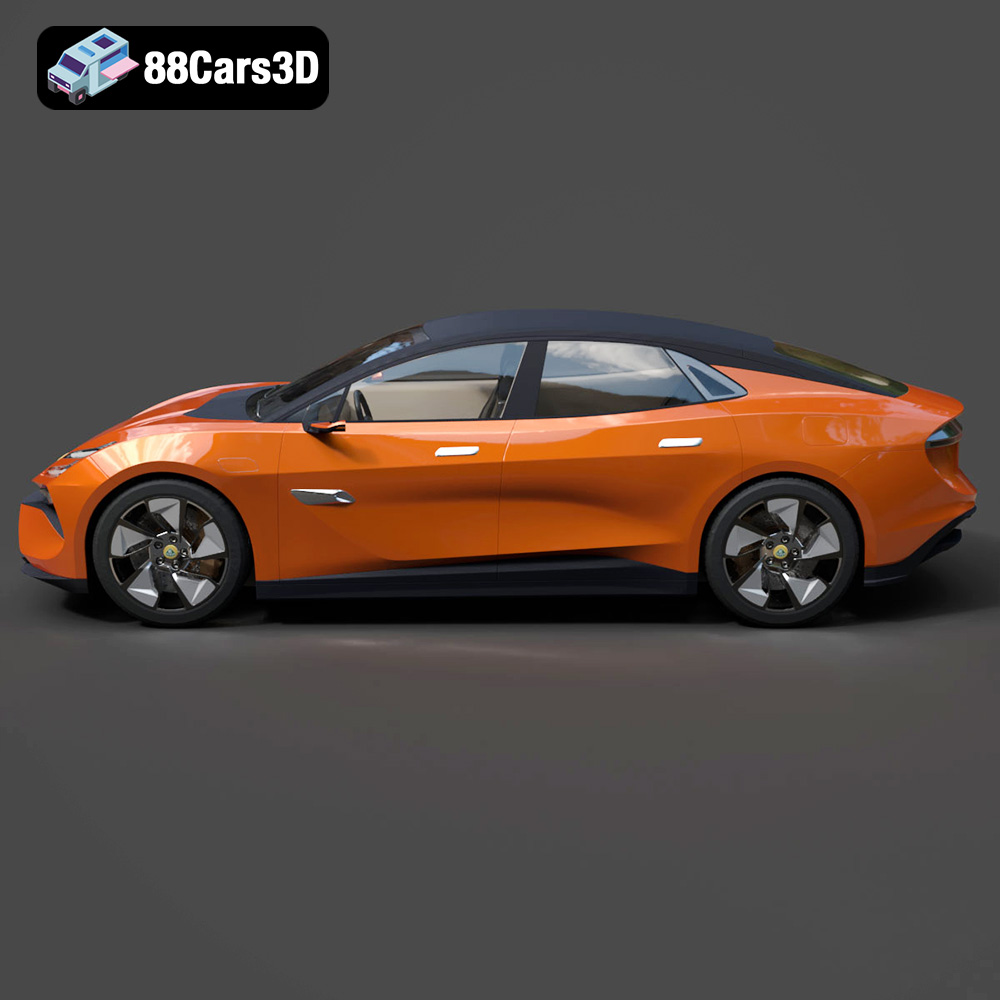
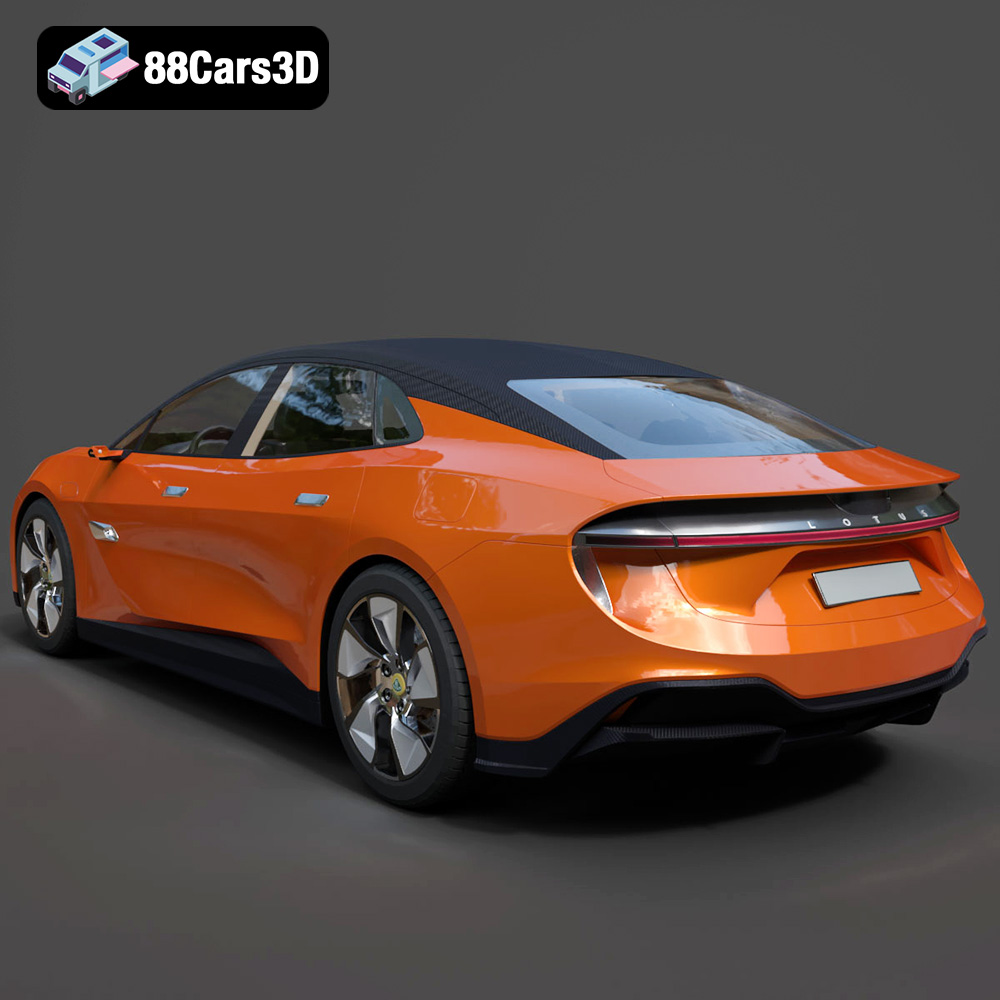
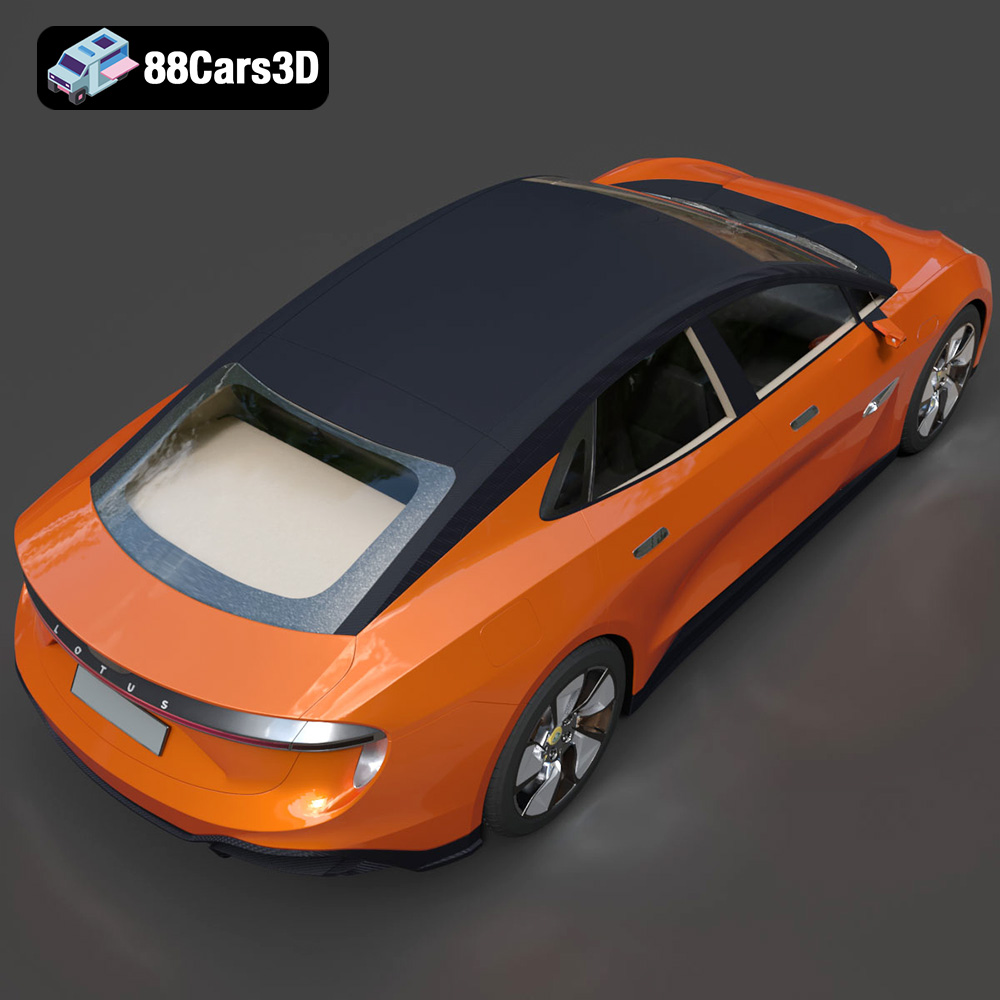
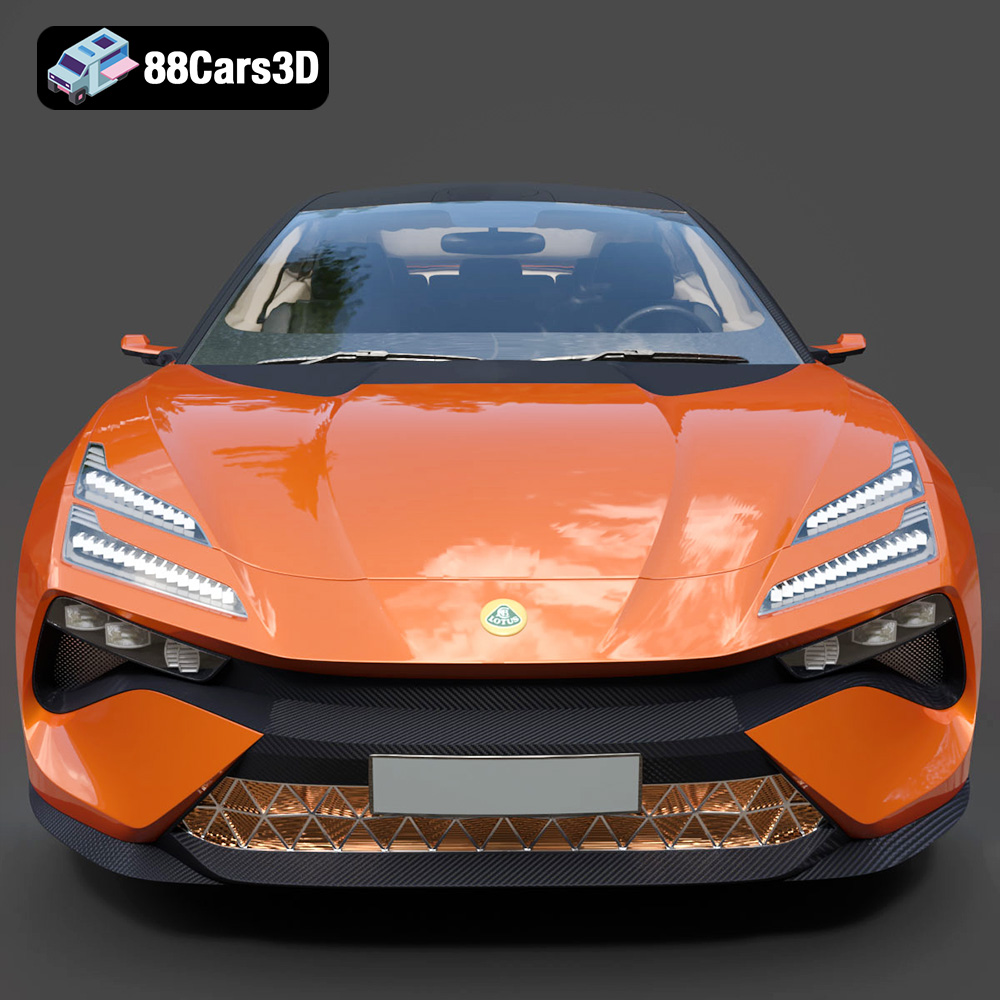
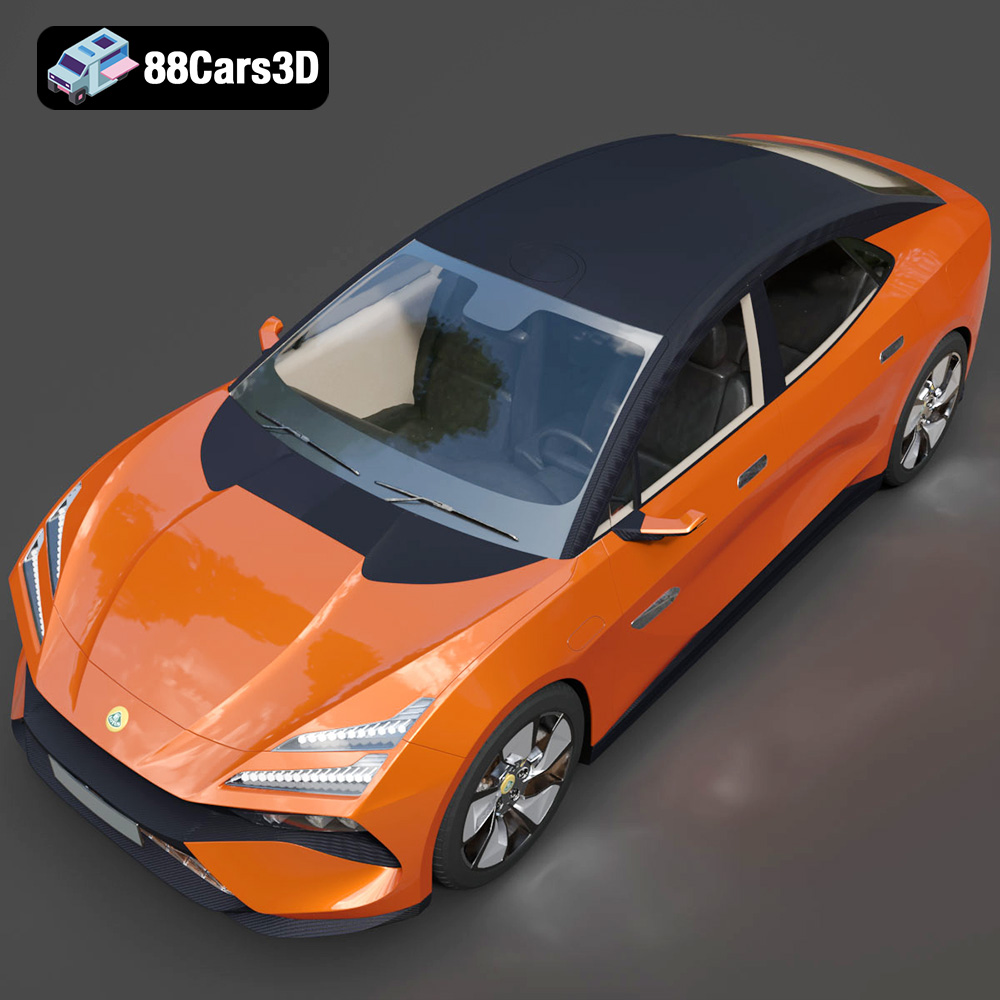
Consider the Lotus Emeya-001 2024, a vehicle that epitomizes the future of electric hyper-SUVs. Its innovative design and aerodynamic features require an equally sophisticated digital representation to truly convey its essence. A meticulously crafted 3D model of such a vehicle allows designers, marketers, and developers to explore every curve and detail, creating compelling visuals that resonate with audiences. This is where precision and technical excellence become paramount, ensuring that the digital twin is as impressive and functional as its real-world counterpart. Our exploration delves into how a superior 3D model, like the Lotus Emeya-001 2024 3D Model available at 88cars3d.com, empowers professionals across diverse sectors, offering a glimpse into the intricate workflows and technical considerations that elevate a digital asset from good to indispensable.
The world of 3D modeling relies heavily on a multitude of file formats, each designed with specific purposes, compatibilities, and optimizations in mind. Understanding these formats is crucial for any professional working with 3D assets, as selecting the correct one can dramatically impact workflow efficiency, render quality, and overall project success. The Lotus Emeya-001 2024 3D Model, for instance, offers a comprehensive suite of formats, ensuring its versatility across various applications.
The .blend format is native to Blender, a powerful and increasingly popular open-source 3D creation suite. A .blend file typically encapsulates an entire scene, including not just the mesh data of the model, but also materials, textures, lighting setups, cameras, animations, and even physics simulations. This makes it an ideal choice for users primarily operating within the Blender ecosystem, providing a fully editable and self-contained project. For the Lotus Emeya-001, the .blend file would offer artists the maximum flexibility for customization, allowing them to dissect the model, adjust shaders, or re-rig components with ease, leveraging Blender’s robust toolset for rendering with Cycles or Eevee.
.fbx (Filmbox) is a proprietary file format developed by Autodesk, serving as a widely accepted standard for 3D data interchange between various software applications, especially in game development and animation. It excels at preserving data like models, materials, textures, animations, and rigging information. Its strength lies in its ability to efficiently transfer complex scenes with minimal data loss. For real-time applications like Unreal Engine and Unity, the .fbx format is often the go-to, as it is optimized for game engine import, handling hierarchical data, skeletal animations, and blend shapes effectively. Importing the Lotus Emeya-001 as an .fbx ensures that all necessary components are correctly transferred for immediate use in an interactive environment.
The .obj (Wavefront OBJ) format is one of the oldest and most universal 3D file formats. It is renowned for its simplicity and broad compatibility across virtually all 3D software. An .obj file primarily describes the geometry of a 3D model – its vertices, faces, and UV coordinates – and can reference external .mtl (material template library) files for material definitions. While it doesn’t support animation or rigging, its widespread acceptance makes it excellent for basic model exchange, especially when clean mesh data is the priority. For users needing to import the Lotus Emeya-001 into less common software or simply requiring the raw mesh data, .obj provides a reliable, universally readable option.
.glb (GL Transmission Format Binary) is the binary version of glTF, a modern, royalty-free specification for the efficient transmission and loading of 3D scenes and models by engines and applications. It is specifically designed for web-based 3D, augmented reality (AR), and virtual reality (VR) applications due to its compact size, single-file nature (embedding textures and materials), and optimized runtime performance. The .glb format is ideal for showcasing the Lotus Emeya-001 in web viewers, mobile AR apps, or VR experiences, offering quick loading times and excellent visual fidelity on less powerful hardware.
.stl (STereoLithography) is the de facto standard file format for 3D printing. It represents a 3D model as a series of connected triangles, essentially describing only the surface geometry without color, texture, or material information. While simplistic, this triangulated mesh is precisely what 3D printers require to slice and build objects layer by layer. For rapid prototyping or creating physical scale models of the Lotus Emeya-001, the .stl file is indispensable, ensuring a clean and watertight mesh suitable for manufacturing.
The .ply (Polygon File Format) is another format that describes 3D objects as a collection of polygons. It is often used in scientific and engineering applications, especially for storing data from 3D scanners, and supports properties like color, transparency, texture coordinates, and even confidence values for each vertex. While less common for general animation, its ability to store detailed mesh data with additional attributes makes it valuable for precise geometric analysis, CAD integration, or specific visualization tasks of the Lotus Emeya-001 where intricate surface data is critical.
The .unreal format, or rather assets specifically prepared and packaged for Unreal Engine, signifies a model that has undergone optimization and configuration for seamless integration into the Unreal Engine ecosystem. This often means the model is already correctly scaled, has appropriate material setups (PBR), LODs (Levels of Detail), collision meshes, and potentially even blueprint functionality. For game developers or real-time visualization artists, a .unreal ready Lotus Emeya-001 significantly reduces setup time and ensures optimal performance and visual quality within the engine.
Similar to .blend for Blender, the .max format is native to Autodesk 3ds Max, a long-standing industry standard for 3D modeling, animation, and rendering. A .max file contains a complete scene, including geometry, lights, cameras, materials, modifiers, and animation data. It offers maximum editability and full access to 3ds Max’s extensive feature set, making it the preferred format for studios deeply integrated into the Autodesk workflow. The .max file for the Lotus Emeya-001 provides professionals with an editable project, allowing for intricate adjustments, custom animations, or high-end photorealistic renderings using renderers like V-Ray or Corona.
Automotive rendering is a specialized discipline that marries technical precision with artistic vision. It’s about more than just accurate geometry; it’s about conveying emotion, performance, and luxury through light, shadow, and material fidelity. A high-quality 3D car model, such as the Lotus Emeya-001 2024 3D Model, serves as the perfect canvas for professional render artists to create stunning visualizations.
For decades, Autodesk 3ds Max has been a cornerstone in high-end automotive rendering, often paired with powerful rendering engines like V-Ray or Corona Renderer. The .max file provided for the Lotus Emeya-001 allows artists to tap directly into this robust ecosystem. In 3ds Max, a typical workflow for photorealism involves: setting up an accurate lighting environment (often using HDRI maps combined with targeted area lights), applying physically based rendering (PBR) materials with precise reflections and refractions, and optimizing render settings for high sample rates. The Emeya’s sleek lines and distinct lighting require careful attention to how light interacts with its metallic paint, glass, and carbon fiber elements, ensuring every highlight and shadow enhances its luxurious appeal.
Blender offers two powerful rendering engines: Cycles for physically accurate, unbiased rendering, and Eevee for real-time, physically based rendering. The .blend file of the Lotus Emeya-001 is immediately ready for either. Cycles is ideal for marketing shots where absolute photorealism is paramount, delivering stunning results at the cost of longer render times. Artists can leverage its advanced features like volumetric lighting, complex global illumination, and sophisticated material nodes to create breathtaking visuals. Eevee, on the other hand, provides instant feedback and impressive quality suitable for rapid iterations, animatics, or even game cinematics. The choice between Eevee and Cycles often comes down to project requirements—speed for concept visualization, fidelity for final marketing assets.
Imagine a global launch campaign for the Lotus Emeya-001. A studio acquires the 3D model from 88cars3d.com. Using 3ds Max and V-Ray, artists craft a series of hero shots and a cinematic animation. They place the Emeya in various exotic environments—a sleek city skyline at dusk, a winding mountain road, or a futuristic charging station. By meticulously adjusting light rigs, camera angles, and depth of field, they highlight the vehicle’s aggressive stance, intricate grille design, and signature lighting. The model’s “realistic materials and textures” are crucial here, allowing the paint to shimmer, the wheels to glint, and the interior to exude luxury, all contributing to a compelling visual narrative that drives pre-orders and brand recognition.
The gaming industry thrives on realism and immersion. Integrating high-quality 3D car models is fundamental for creating believable virtual worlds, engaging racing simulations, and captivating interactive experiences. The Lotus Emeya-001 2024 3D Model is perfectly suited to serve as a premium game asset, thanks to its “clean and efficient geometry” and diverse file format support.
For game developers, the journey of a 3D model into a game engine like Unreal Engine or Unity involves crucial optimization steps. The provided .fbx and .unreal files for the Lotus Emeya-001 are game-engine ready, but further optimization might be necessary depending on the target platform and performance requirements. This typically includes creating Levels of Detail (LODs) – progressively simpler versions of the model that swap in as the camera moves further away, saving polygon count and rendering resources. PBR textures (Albedo, Normal, Roughness, Metallic, Ambient Occlusion maps) are vital for realistic material representation within the engine’s lighting system. Collision meshes are also created to define the physical boundaries for gameplay. A professionally crafted model like the Emeya-001 minimizes the effort required for these steps, as its base topology is already optimized for performance.
Virtual production, a rapidly growing field, merges real-time game engine technology with traditional filmmaking. High-fidelity 3D car models are central to this process, allowing filmmakers to place virtual vehicles into physical sets or LED volumes, achieve realistic lighting interactions, and pre-visualize complex scenes. The Lotus Emeya-001, once integrated into Unreal Engine, can be driven, animated, and filmed in real-time alongside live actors and practical effects, revolutionizing automotive commercials and film sequences. Its detailed exterior and interior can be rendered with cinematic quality, offering unprecedented creative freedom and cost savings.
Consider a next-generation open-world racing simulation where players can drive and customize a fleet of exotic electric vehicles. The developers acquire the Lotus Emeya-001 2024 3D Model from 88cars3d.com. Using the .fbx format, they import it into their engine (e.g., Unreal Engine). They then implement realistic physics, integrate engine sounds, and create various customization options for paint, wheels, and spoilers. The model’s “realistic materials and textures” are leveraged to ensure the car looks stunning under dynamic weather conditions and varying times of day. Players can then experience the thrill of driving the Emeya in a vast, immersive virtual world, pushing the boundaries of realism and engagement.
The applications of a high-quality 3D model extend far beyond traditional rendering and game development. Augmented Reality (AR), Virtual Reality (VR), and 3D printing represent innovative frontiers where detailed digital assets like the Lotus Emeya-001 2024 3D Model are transforming how we interact with products and designs.
AR and VR offer unparalleled opportunities for immersive product experiences. The .glb file format, specifically optimized for AR/VR and web, makes the Lotus Emeya-001 2024 3D Model an excellent candidate for these applications. Imagine potential customers exploring the Emeya in their driveway via an AR app, walking around it, changing its color, and even peering inside the cabin. In a VR showroom, they could sit virtually in the driver’s seat, interact with the dashboard, and experience the vehicle’s scale and presence as if it were real. These interactive experiences leverage the model’s “clean and efficient geometry” and “realistic materials” to provide compelling, engaging, and highly informative product demonstrations, bridging the gap between digital content and physical presence.
While the primary application of 3D models is digital, the ability to translate them into physical prototypes is invaluable for design validation and tangible visualization. The .stl and .ply formats provided for the Lotus Emeya-001 are perfectly suited for 3D printing and prototyping. Designers can print scale models to assess ergonomics, proportion, and aesthetic details that might be overlooked on a screen. Engineering teams can use these prints for aerodynamic testing in wind tunnels, or to quickly iterate on physical components. This tangible interaction with a complex design like the Emeya-001 allows for a deeper understanding and refinement before committing to costly full-scale manufacturing.
High-fidelity 3D models also serve as critical tools in collaborative design review processes. With the Lotus Emeya-001 2024 3D Model, geographically dispersed design teams can share, annotate, and review the vehicle’s design in a common virtual space. Using dedicated VR platforms or even web-based 3D viewers (leveraging the .glb format), stakeholders can perform virtual walkarounds, identify areas for improvement, and make informed decisions faster. This collaborative power significantly streamlines the design cycle, reducing communication overhead and accelerating product development, ultimately leading to a more refined and successful final product.
The true value of a professional 3D car model, such as the Lotus Emeya-001 2024 3D Model from 88cars3d.com, lies in its technical underpinnings. Beyond just looking good, a superior model is engineered for performance, versatility, and ease of use across a myriad of applications. This technical precision is what differentiates a consumer-grade model from an asset ready for high-stakes commercial projects.
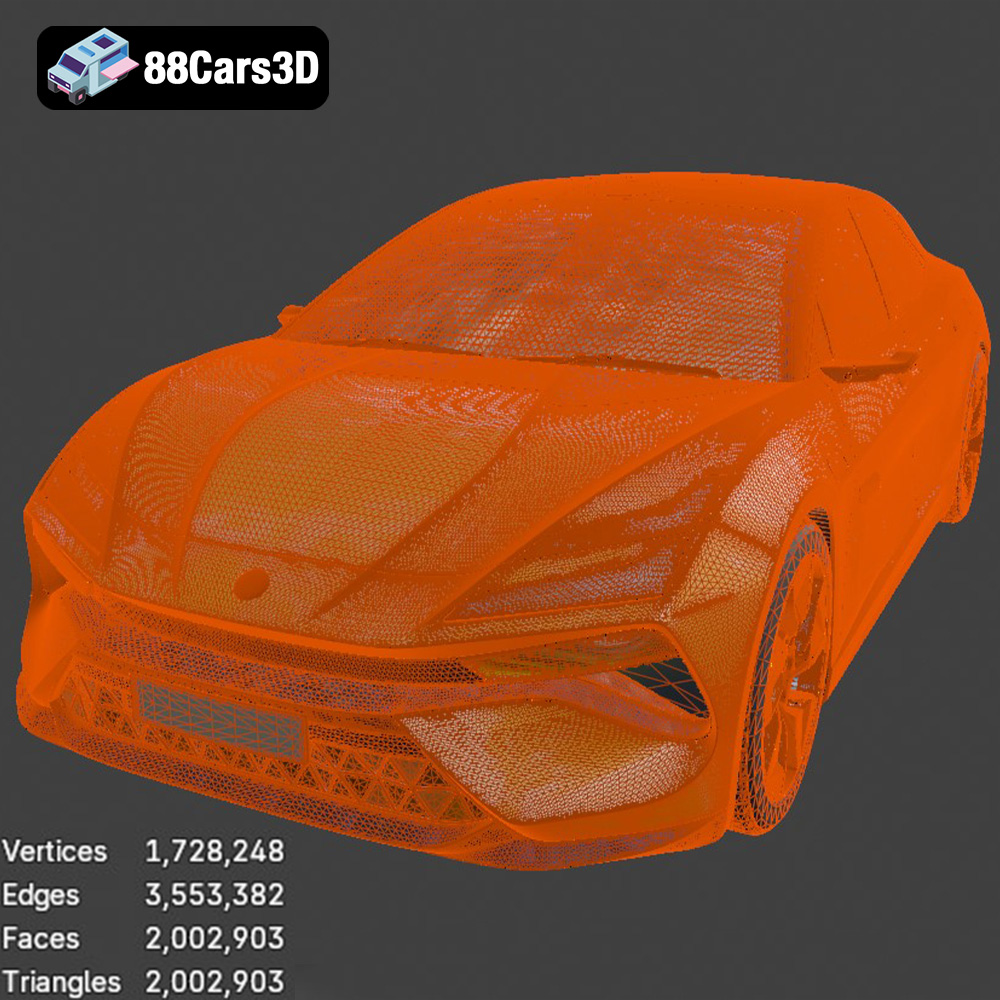
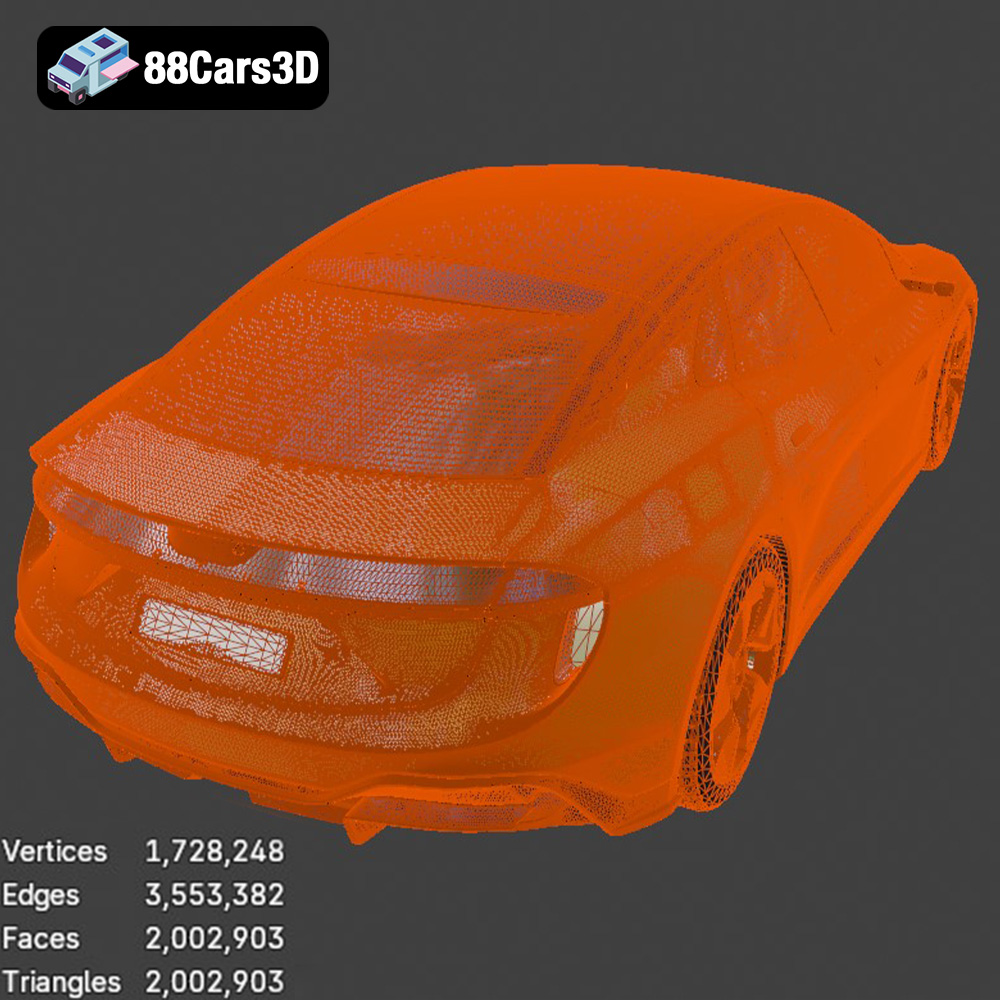
At the heart of any high-quality 3D model is its topology – the arrangement of its polygons. The description of the Lotus Emeya-001 model highlights its “clean and efficient geometry,” which is paramount. This means the mesh is primarily composed of quads (four-sided polygons), has a logical edge flow that follows the contours of the vehicle, and is free of common modeling issues like N-gons, non-manifold geometry, or flipped normals. Clean topology ensures smooth deformations for animation, produces predictable subdivision surfaces, and renders without artifacts. Equally important is efficient UV mapping – the process of flattening the 3D surface onto a 2D plane for texture application. Proper UVs are non-overlapping, minimized stretching, and organized logically, allowing for seamless texture painting and optimal resolution. This meticulous attention to detail makes the model adaptable for both close-up renders and real-time game engines.
The phrase “realistic materials and textures that bring the vehicle to life” speaks directly to the implementation of Physically Based Rendering (PBR) workflows. PBR materials accurately simulate how light interacts with surfaces in the real world, using a set of texture maps (Albedo/Base Color, Metallic, Roughness, Normal, Ambient Occlusion, etc.) to define surface properties. A professional 3D car model will come with high-resolution PBR texture sets that capture every nuance of the vehicle’s paint, glass, rubber, and metallic components. This fidelity ensures that the Lotus Emeya-001 looks consistent and accurate under any lighting condition, whether in a V-Ray render, an Unreal Engine scene, or a web-based GLB viewer. High-quality textures are critical for conveying the luxury and craftsmanship of a vehicle like the Emeya.
A truly professional 3D model is designed with scalability and future-proofing in mind. This means it can perform optimally across different platforms and fidelity requirements. For example, a model might include multiple LODs (Levels of Detail) to cater to varying performance needs in game engines or real-time applications. It should also be structured in a way that allows for easy modifications, updates, or integration into new technologies. The comprehensive set of provided file formats (.blend, .fbx, .obj, .glb, .stl, .ply, .unreal, .max) for the Lotus Emeya-001 2024 3D Model exemplifies this versatility. It ensures that regardless of how technology evolves or what new visualization challenges arise, the core asset remains adaptable and valuable, providing a long-term return on investment for any studio or individual.
The digital age has transformed the way we design, visualize, and interact with complex products like automobiles. High-quality 3D car models are no longer merely visual aids; they are indispensable tools that drive innovation, streamline workflows, and unlock new possibilities across industries. From the initial spark of conceptual design to high-end marketing campaigns, immersive gaming experiences, and cutting-edge AR/VR applications, the demand for technically precise and visually stunning digital assets is ever-increasing.
The Lotus Emeya-001 2024 3D Model stands as a prime example of such an asset. Its “meticulously crafted” geometry, “realistic materials and textures,” and comprehensive “provided file formats” demonstrate the commitment to quality required for professional endeavors. Whether you are a visualization artist aiming for photorealism in 3ds Max, a game developer building an immersive world in Unreal Engine, or a designer exploring physical prototypes via 3D printing, this model offers the flexibility and fidelity needed to succeed. Investing in such a high-caliber asset, readily available at 88cars3d.com, empowers creators to push the boundaries of their respective fields, bringing the future of automotive design into vivid digital reality today.
Experience the future of electric hyper-SUVs with our meticulously crafted 3D model of the Lotus Emeya-001. This model captures the innovative design and aerodynamic features of the Emeya, ensuring a realistic representation suitable for a variety of applications. From its sleek lines to its distinctive lighting, every detail has been carefully recreated.
$19.99
.arvr
.blend
.car3dmodel
.electricvehicle
.emeya
.emeya001
.fbx
.gameasset
.glb
.max
.obj
.ply
.rendering
.simulation
.stl
.unreal
lotus
SUV