Get 20% OFF All Premium 3D & STL Models!

In the rapidly evolving landscape of digital content creation, the demand for photorealistic assets is at an all-time high. From blockbuster films and immersive video games to cutting-edge architectural visualizations and interactive AR/VR experiences, the quality of 3D models directly impacts the believability and effectiveness of a project. Nowhere is this more apparent than in the automotive sector, where flawless digital replicas are essential for marketing, design iteration, simulation, and entertainment.
Imagine showcasing a vehicle with such fidelity that a viewer can almost feel the texture of the paint, see the reflection of the environment in its polished surfaces, or step inside its meticulously crafted interior. This level of detail is not merely a luxury; it’s a fundamental requirement for professionals seeking to captivate audiences and deliver impactful digital experiences. It requires an understanding of intricate modeling techniques, optimized geometry, realistic material creation, and seamless integration into diverse software pipelines.
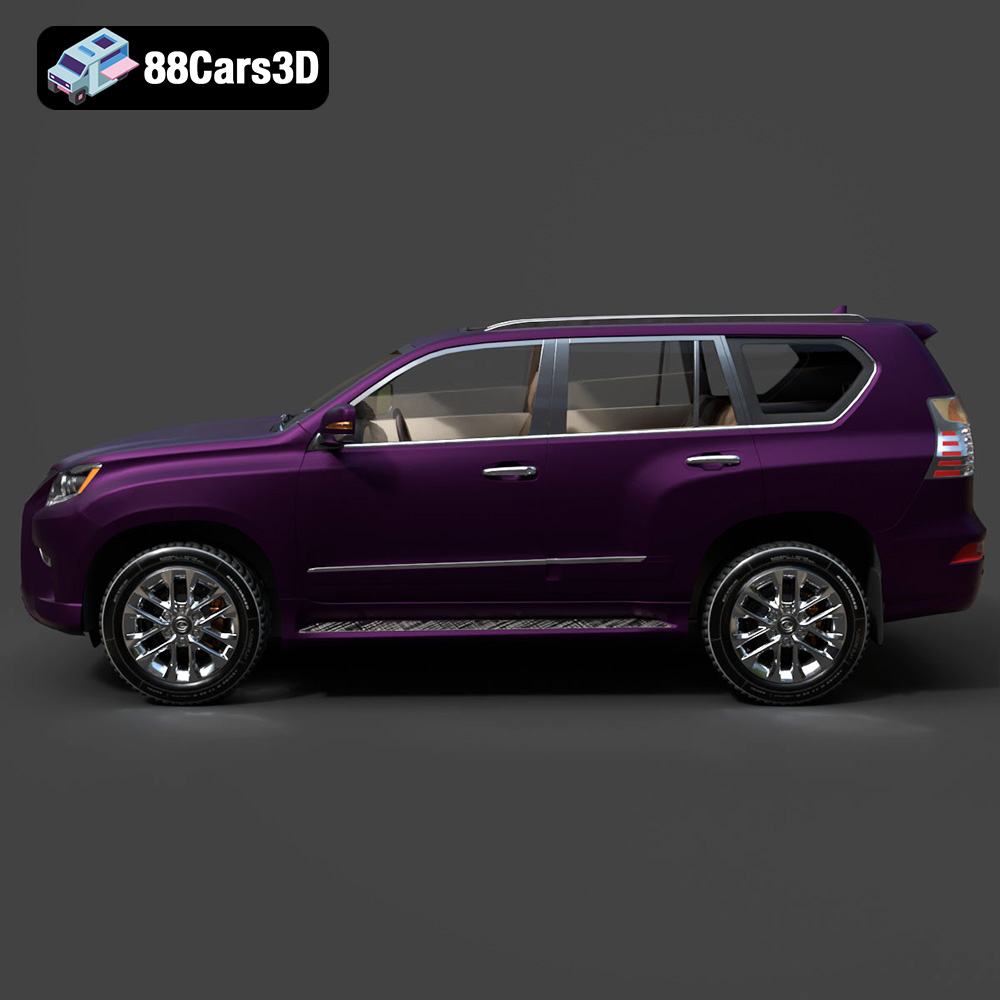
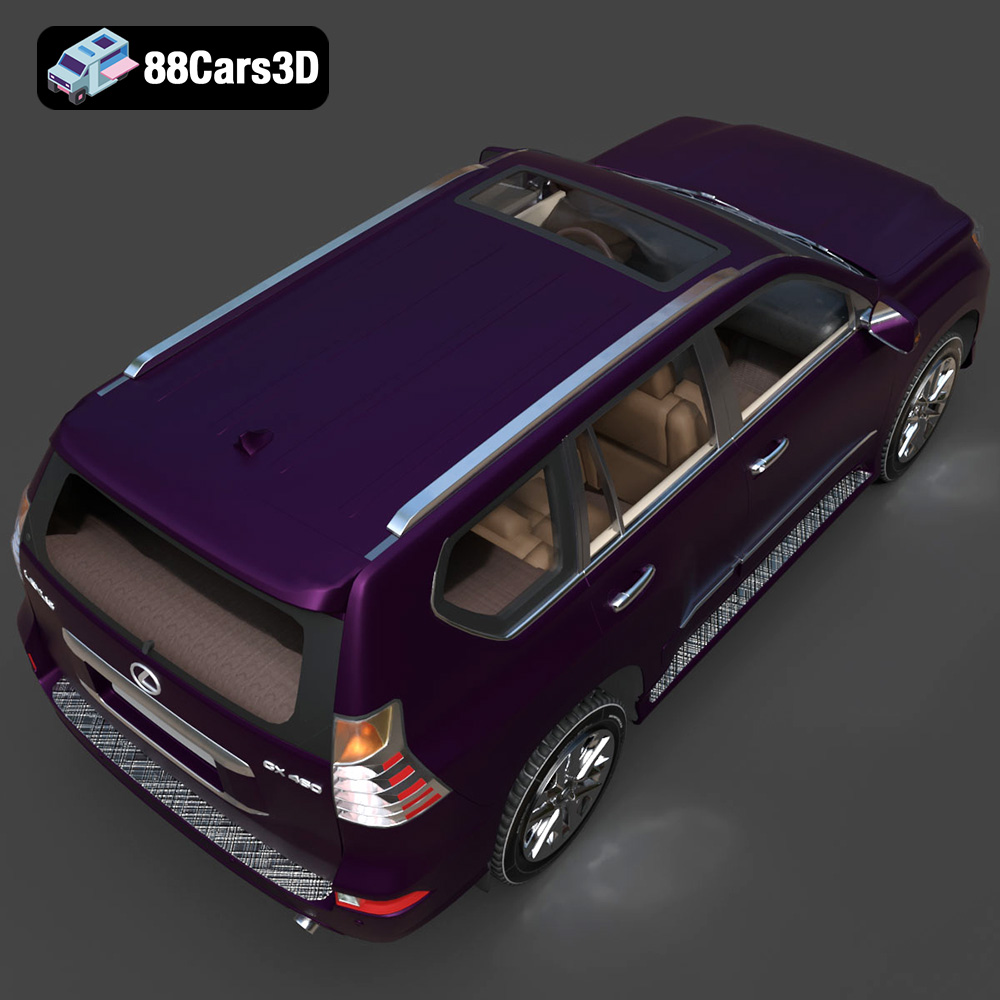
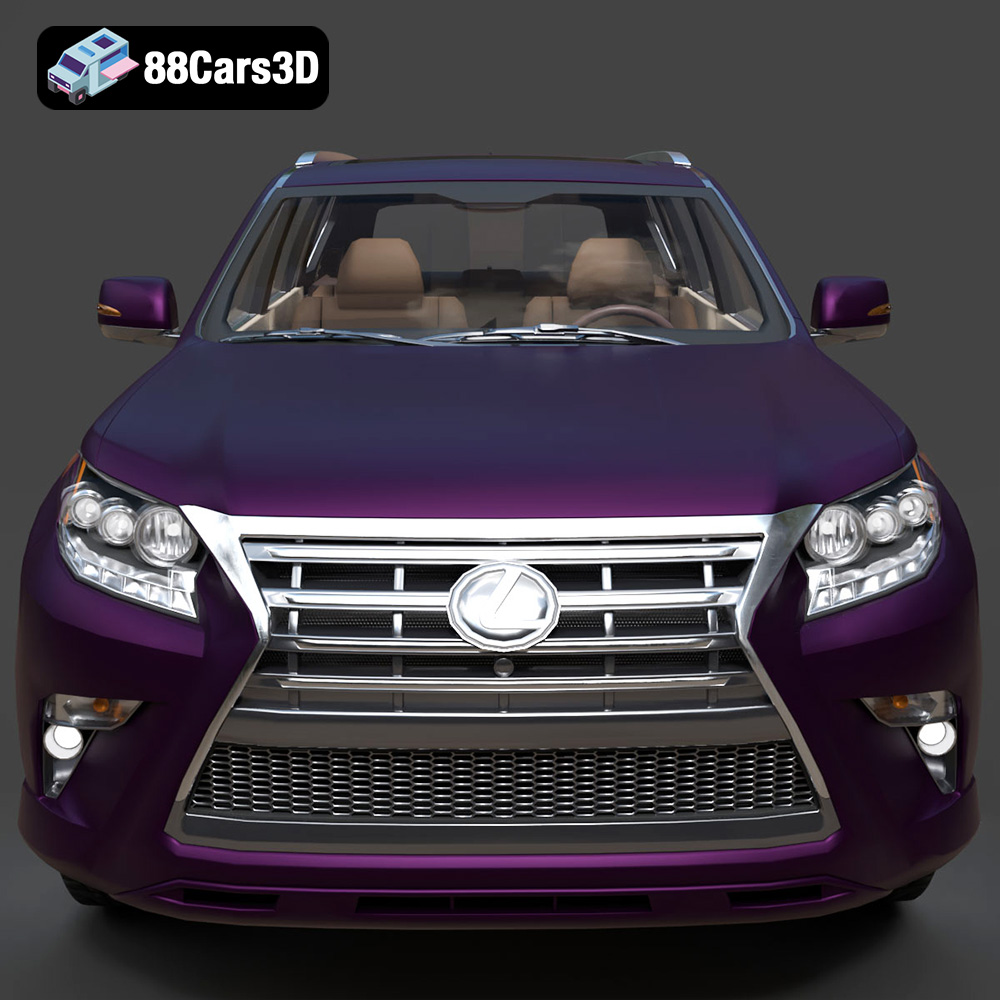
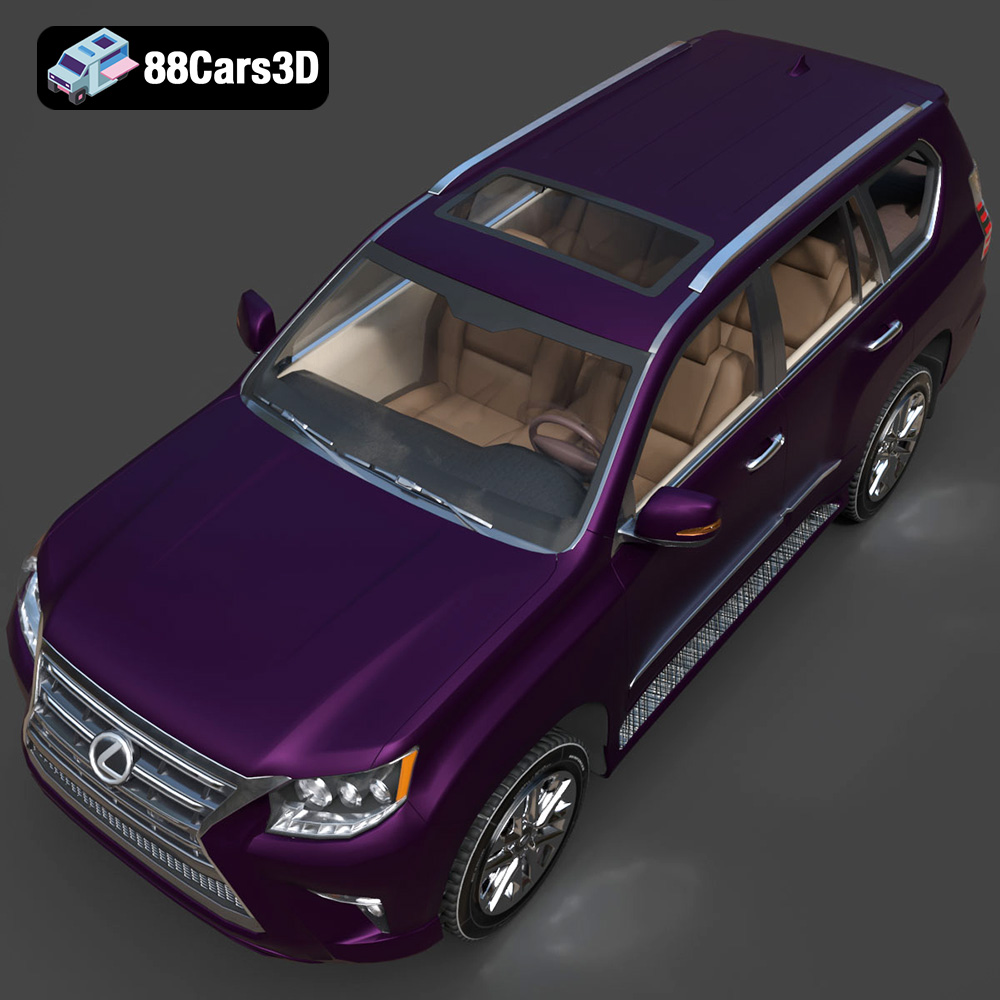
Today, we’ll delve into the multifaceted world of high-quality 3D car models, exploring their technical nuances, diverse applications, and the workflows that bring them to life. We’ll examine how assets like the Lexus GX460 2014 3D Model from 88cars3d.com serve as cornerstones for professional projects, providing the precision and versatility needed for demanding production environments.
A 3D car model is far more than just a collection of polygons; it’s a meticulously crafted digital sculpture, engineered to perform across various platforms and applications. The distinction between a generic model and a professional-grade asset is crucial, impacting everything from rendering quality to real-time performance and project flexibility.
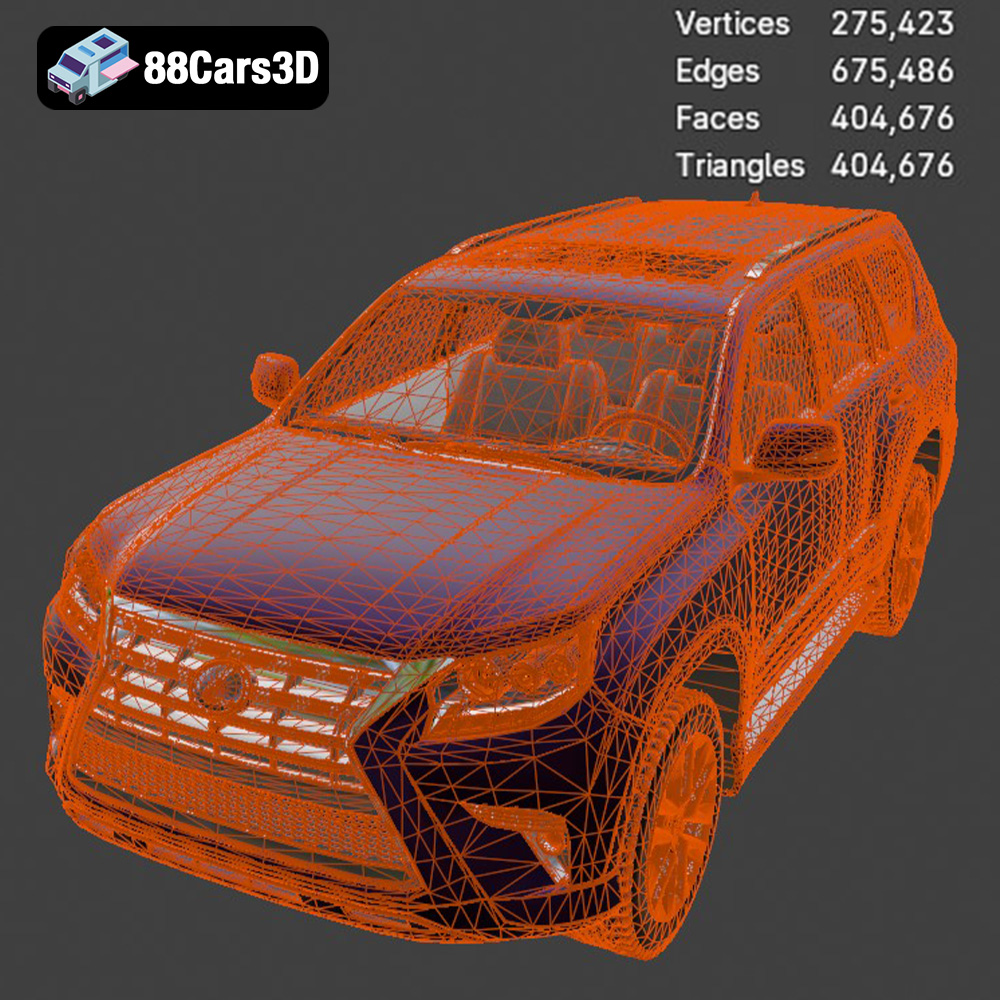
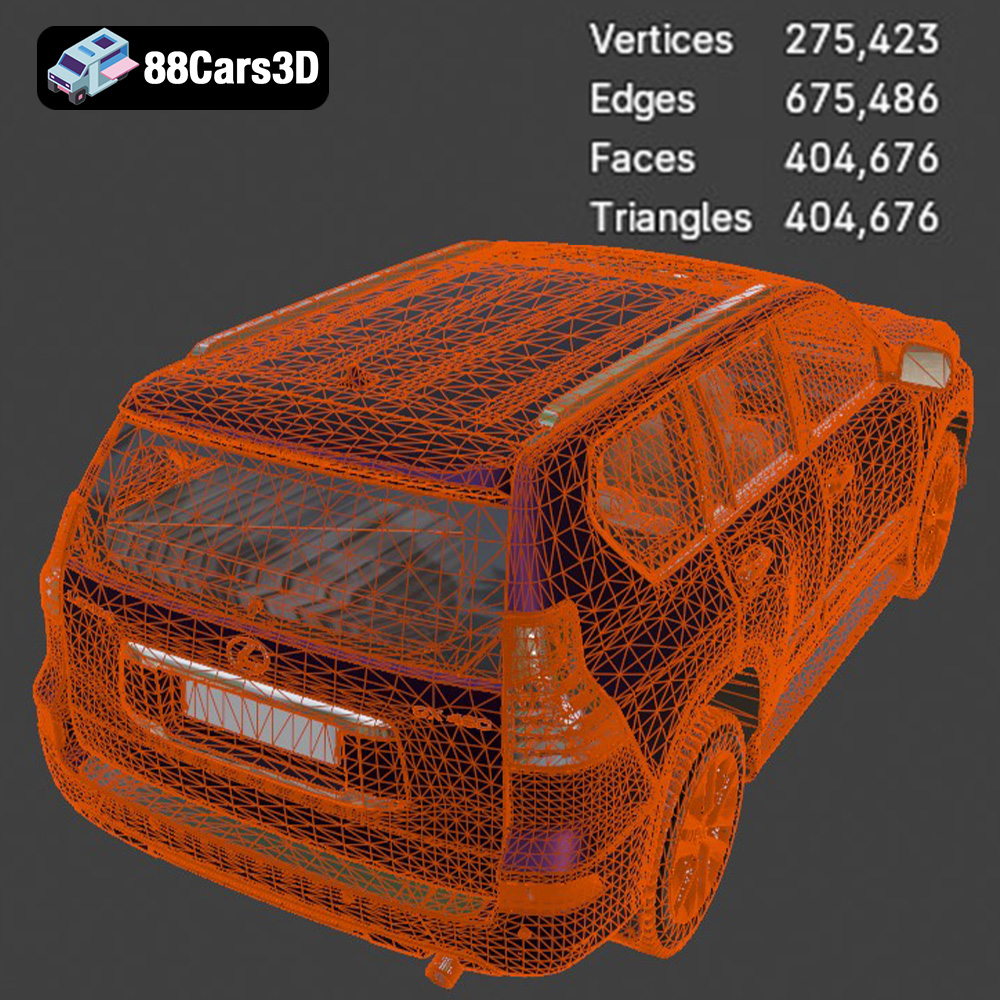
High-quality 3D car models, such as the Lexus GX460 2014 3D Model, are characterized by their adherence to real-world dimensions and intricate details. This means not just getting the overall silhouette right, but replicating subtleties like panel gaps, headlight housing intricacies, tire tread patterns, and interior dashboard layouts with painstaking accuracy. Such precision is achieved through a combination of expert modeling techniques, often involving NURBS surfacing for smooth curves, followed by conversion to optimized polygonal meshes. The topology – the arrangement of polygons – must be clean and organized, ensuring smooth subdivision, predictable deformation, and efficient UV mapping. This attention to detail is paramount for photorealistic rendering, where even minor inaccuracies can break the illusion.
Developing a high-fidelity 3D car model from scratch is an incredibly time-consuming and skill-intensive process. It requires hundreds of hours from experienced 3D artists, modelers, and texture artists. By investing in pre-made, professional-grade 3D car models, studios and individual creators can drastically cut down on production timelines and costs. A ready-to-use asset, complete with optimized geometry, PBR (Physically Based Rendering) materials, and clean UVs, means artists can focus immediately on scene assembly, lighting, animation, or game integration, rather than spending weeks on foundational modeling. This efficiency translates directly to faster project turnaround and more competitive bids.
One of the most compelling advantages of a well-engineered 3D car model is its inherent versatility. A single, robust asset can be deployed across a multitude of applications:
The Lexus GX460 2014 3D Model exemplifies this versatility, offering a robust foundation that can be adapted to these diverse professional demands.
The digital world of 3D modeling relies on a myriad of file formats, each serving specific purposes and excelling in different environments. Understanding these formats is crucial for any professional working with 3D assets, as it dictates compatibility, functionality, and workflow efficiency. The Lexus GX460 2014 3D Model is exemplary in its broad support, offering a comprehensive package of industry-standard files.
The .blend file format is native to Blender, the powerful open-source 3D creation suite. A .blend file typically encapsulates an entire scene, including mesh data, materials, textures, lighting setups, cameras, animation data, and even physics simulations. Its primary advantage is retaining full editability within Blender, allowing artists to modify geometry, tweak shaders, adjust lighting, or extend animations directly. For users deeply integrated into the Blender workflow, receiving a .blend file like that included with the Lexus GX460 is ideal, as it often comes with a pre-configured render-ready scene, saving significant setup time.
.fbx (Filmbox) is a proprietary file format owned by Autodesk, widely regarded as the industry standard for exchanging 3D data between various software applications, especially within game development pipelines. It supports geometry, materials (with some limitations on complex shader graphs), textures, animation, skeletal data, and even camera and light information. Its robustness and widespread support make it ideal for transferring assets to game engines like Unreal Engine and Unity. When working with .fbx, it’s common practice to bake textures and simplify materials to ensure optimal performance in real-time environments, a crucial step for 3D car models destined for games or AR/VR.
The .obj (Wavefront OBJ) format is one of the oldest and most universally supported 3D file formats. It’s a simple, text-based format that primarily stores geometry (vertices, normals, texture coordinates, and faces) and can reference external material (.mtl) and texture files. While it lacks support for animation, rigging, or advanced scene data, its widespread compatibility across virtually all 3D software makes it an excellent choice for basic mesh exchange. For the Lexus GX460, the .obj format ensures that users of any 3D package can import the core geometry and apply their preferred materials and textures.
.glb (GL Transmission Format Binary) is the binary version of glTF, an open-standard 3D file format developed by the Khronos Group. Often dubbed the “JPEG of 3D,” glTF/glb is specifically designed for efficient transmission and loading of 3D scenes and models by applications, especially on the web and in AR/VR contexts. It packages geometry, materials, textures, animations, and skeletal data into a single, compact file, minimizing overhead. Its optimization for real-time rendering and its native support in many web browsers and XR platforms make the .glb version of the Lexus GX460 invaluable for interactive online configurators or mobile AR applications.
.stl (Stereolithography) is another widely adopted format, primarily used for 3D printing and computer-aided manufacturing. It represents a 3D model as a series of connected triangles, describing only the surface geometry without color, texture, or material information. The simplicity of .stl makes it a universal choice for additive manufacturing, as most 3D printers and slicing software support it. For the Lexus GX460, an .stl file would enable users to physically print a miniature model or a detailed prototype of the vehicle, ideal for design review or collectibles.
.ply (Polygon File Format or Stanford Triangle Format) is a versatile format for storing 3D data, particularly suited for scanner data and point clouds. It can store geometry (vertices and faces) along with various properties for each vertex, face, or the entire mesh, such as color, transparency, surface normals, and texture coordinates. While less common for everyday asset exchange compared to .fbx or .obj, its ability to store rich attribute data makes it valuable for scientific visualization, 3D scanning workflows, or scenarios requiring detailed mesh analysis. The .ply variant of the Lexus GX460 offers a precise, data-rich representation of its geometry.
The .unreal designation implies a file that has been specifically prepared or even directly exported from or for Unreal Engine. While not a standalone file format in the traditional sense (Unreal primarily uses .fbx for import and then converts assets to its internal uasset format), a file package labeled ‘.unreal’ from a marketplace often means the model comes with pre-configured materials, collision meshes, LODs (Levels of Detail), and possibly even Blueprints, ready for immediate drag-and-drop into an Unreal project. This significantly streamlines the integration process for game developers or virtual production artists using Unreal Engine, making the Lexus GX460 2014 3D Model exceptionally valuable for such pipelines.
Finally, .max is the native file format for Autodesk 3ds Max, one of the most powerful and widely used 3D modeling, animation, and rendering software packages. Like .blend, a .max file stores a complete scene, including complex geometry, advanced materials (e.g., V-Ray, Corona), lighting setups, cameras, animation, and modifier stacks. Receiving the Lexus GX460 in .max format means users can access the original editable project, allowing for maximum flexibility in adjusting the model, materials, or animation within a professional rendering environment. This is particularly advantageous for high-end automotive rendering and animation studios.
The comprehensive range of formats offered for the Lexus GX460 2014 3D Model on 88cars3d.com underscores its adaptability and commitment to professional-grade versatility, ensuring compatibility with virtually any project requirement.
Achieving photorealistic automotive renders and compelling animations is a blend of technical mastery and artistic vision. High-quality 3D car models are the starting point, but the true magic happens in the rendering engine and post-production suite. The Lexus GX460 2014 3D Model provides an excellent foundation for these advanced workflows.
For many automotive visualization studios, 3ds Max remains a cornerstone due to its robust modeling tools, extensive plugin ecosystem, and powerful rendering capabilities. When working with an asset like the Lexus GX460 .max file, artists can leverage industry-leading renderers like V-Ray or Corona Renderer to achieve stunning realism.
Blender, with its comprehensive animation toolset, is perfectly suited for bringing 3D car models to life. Using the Lexus GX460 .blend file, artists can create dynamic sequences:
No render is complete without a robust post-production stage. Tools like Adobe Photoshop or After Effects are indispensable.
Game development presents unique challenges for 3D car models. While visual fidelity is crucial, performance in real-time environments is paramount. The Lexus GX460 2014 3D Model, with its game-engine ready formats, is designed to meet these demands.
Game engines like Unreal Engine and Unity require meticulous optimization to maintain high frame rates.
For interactive game experiences, the car needs to interact realistically with its environment.
To ensure smooth performance across different hardware and viewing distances, advanced techniques are employed.
The utility of high-quality 3D car models extends far beyond traditional rendering and game development, venturing into cutting-edge immersive technologies and physical prototyping.
Augmented Reality (AR) and Virtual Reality (VR) offer unparalleled opportunities for immersive product experiences. The .glb format of the Lexus GX460 2014 3D Model is tailor-made for these applications.
The .stl format of the Lexus GX460 2014 3D Model opens doors to physical creation.
Even outside direct automotive contexts, these models are invaluable.
Sourcing reliable, high-quality 3D assets is paramount for any professional project. The choice of marketplace and the quality of the models offered directly impact a project’s success. 88cars3d.com distinguishes itself by providing meticulously crafted 3D car models like the Lexus GX460 2014, designed to meet the rigorous demands of various industries.
Every model available on 88cars3d.com, including the Lexus GX460 2014 3D Model, undergoes a stringent quality control process. This ensures:
This dedication to technical excellence means that when you acquire a 3D car model from 88cars3d.com, you are investing in a production-ready asset that saves time and delivers superior results.
The comprehensive nature of the Lexus GX460 2014 3D Model package exemplifies the focus on user experience. Whether you are a freelance artist working in Blender, a game studio developing in Unreal Engine, or an architectural firm using 3ds Max for visualization, the availability of specific, optimized file formats streamlines your workflow. This multi-format support eliminates the need for complex conversions or extensive re-texturing, allowing artists to focus on creative tasks rather than technical troubleshooting. It also provides the flexibility to adapt the model for future needs or different project requirements with ease.
In a competitive digital landscape, the quality of your assets directly reflects on the professionalism of your work. Relying on sub-par or poorly optimized models can lead to visual inconsistencies, performance issues, and ultimately, a less impactful final product. By choosing a high-quality 3D car model from 88cars3d.com, you are making an investment in a foundational asset that enhances the overall quality and efficiency of your productions, allowing you to achieve stunning results across all your digital endeavors.
The world of 3D modeling for automotive design and visualization is a complex yet exhilarating domain, demanding a unique blend of artistic skill and technical proficiency. High-quality 3D car models are the unsung heroes of this industry, serving as indispensable tools for achieving realism, optimizing workflows, and creating truly immersive experiences across a myriad of applications—from photorealistic renders and dynamic animations to interactive game environments and groundbreaking AR/VR applications.
The Lexus GX460 2014 3D Model stands as a prime example of such a professional-grade asset. Its meticulous detail, optimized geometry, and comprehensive multi-format support (including .blend, .fbx, .obj, .glb, .stl, .ply, .unreal, and .max) ensure it is ready for immediate deployment in virtually any professional pipeline. Whether you’re an automotive designer iterating on concepts, a game developer crafting an expansive open world, a VFX artist bringing a cinematic scene to life, or an architect populating a realistic visualization, this model provides the precision and versatility required.
Investing in such a robust 3D model from a trusted source like 88cars3d.com not only ensures top-tier visual fidelity but also delivers significant advantages in terms of production efficiency and project flexibility. It empowers creators to push the boundaries of digital realism, saving valuable time and resources while delivering truly outstanding results.
Discover the exceptional realism and precision of the Lexus GX460 2014 3D Model. Crafted with meticulous attention to detail, this digital asset perfectly replicates the powerful stance and luxurious design of the iconic SUV, making it an outstanding addition to your digital library. Designed for optimal performance, this model features clean geometry, realistic materials, and an optimized polygon count. Every exterior curve and interior element has been modeled to deliver professional quality results. The asset is fully textured and ready for immediate deployment in your chosen software. Whether you are developing an immersive video game, creating photorealistic architectural visualizations, producing interactive AR/VR experiences, or conducting automotive simulations, this versatile 3D model adapts seamlessly to any demanding production environment. This comprehensive package includes multiple industry-standard file formats to ensure maximum compatibility: .blend – Editable Blender file with materials and lighting setup, .fbx – Game-engine ready format for Unreal Engine and Unity, .obj – Standard 3D model format compatible with all major software, .glb – Optimized for AR/VR and web-based visualization, .stl – Suitable for 3D printing and prototyping, .ply – Detailed polygon mesh for analysis and visualization, .unreal – Pre-configured for Unreal Engine use, .max – Editable 3ds Max file for rendering and animation.
$19.99
.arvr
.blend
.car3dmodel
.fbx
.gameasset
.glb
.gx460
.lexus
.luxury
.max
.obj
.offroad
.ply
.rendering
.simulation
.stl
.unreal
SUV