Get 20% OFF All Premium 3D & STL Models!

In the rapidly evolving world of digital visualization, automotive design, and interactive experiences, the demand for high-fidelity 3D assets has never been greater. Professionals across industries, from game developers and architectural visualizers to filmmakers and product designers, rely on accurate and optimized 3D car models to bring their visions to life. These digital replicas are more than just pretty pictures; they are fundamental building blocks that enable immersive simulations, compelling marketing campaigns, and cutting-edge virtual environments.
Modern audiences expect nothing less than photorealism, and achieving this often requires significant time and resources. Creating a complex vehicle model from scratch, complete with accurate proportions, intricate details, and optimized topology, can be a monumental task. This is where pre-made, professional-grade 3D car models become invaluable. They offer a solution that balances exceptional visual quality with workflow efficiency, allowing artists and developers to focus on creative direction and project implementation rather than foundational asset creation.
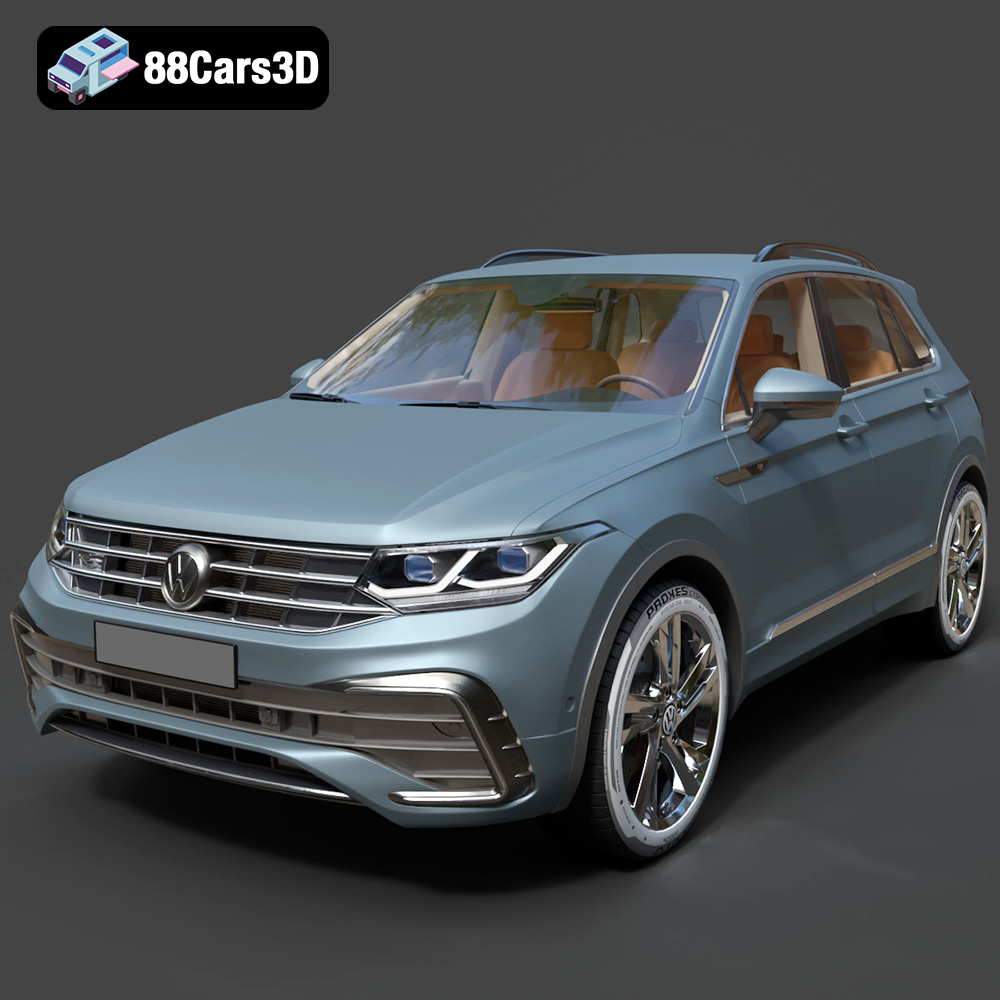
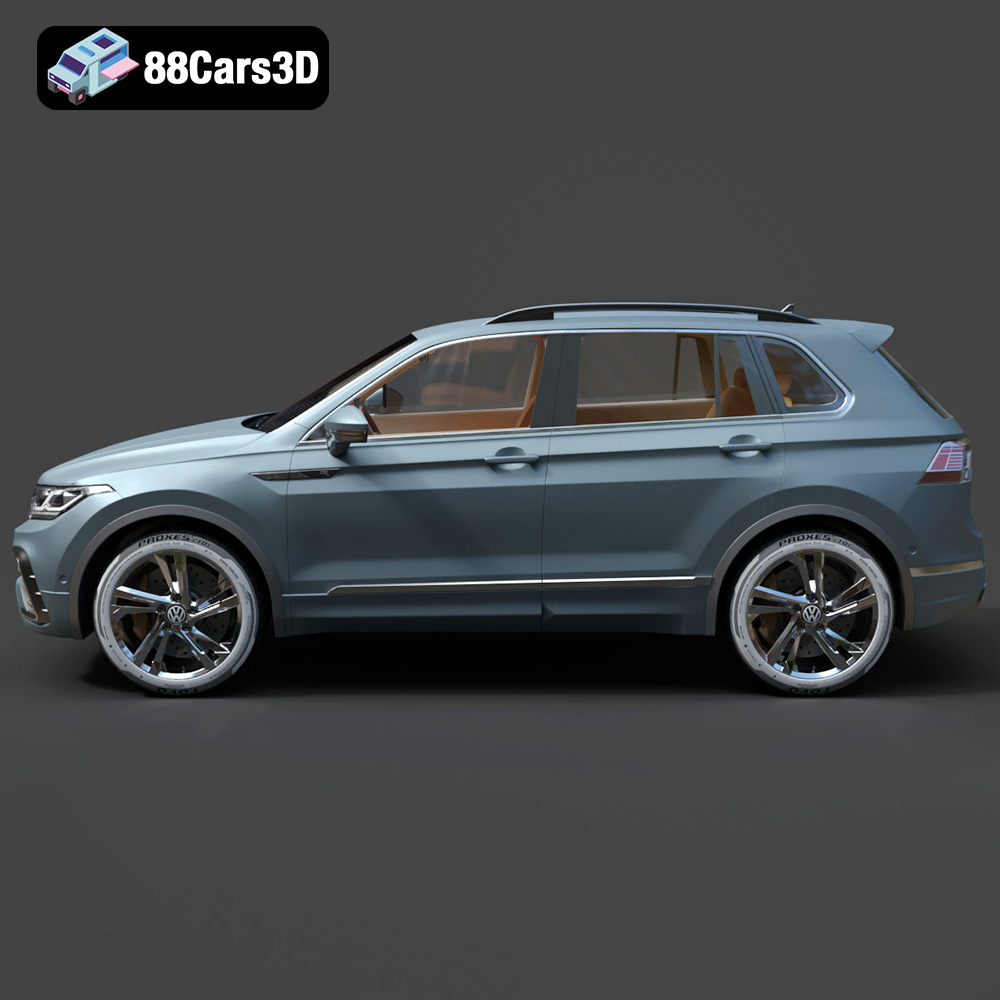
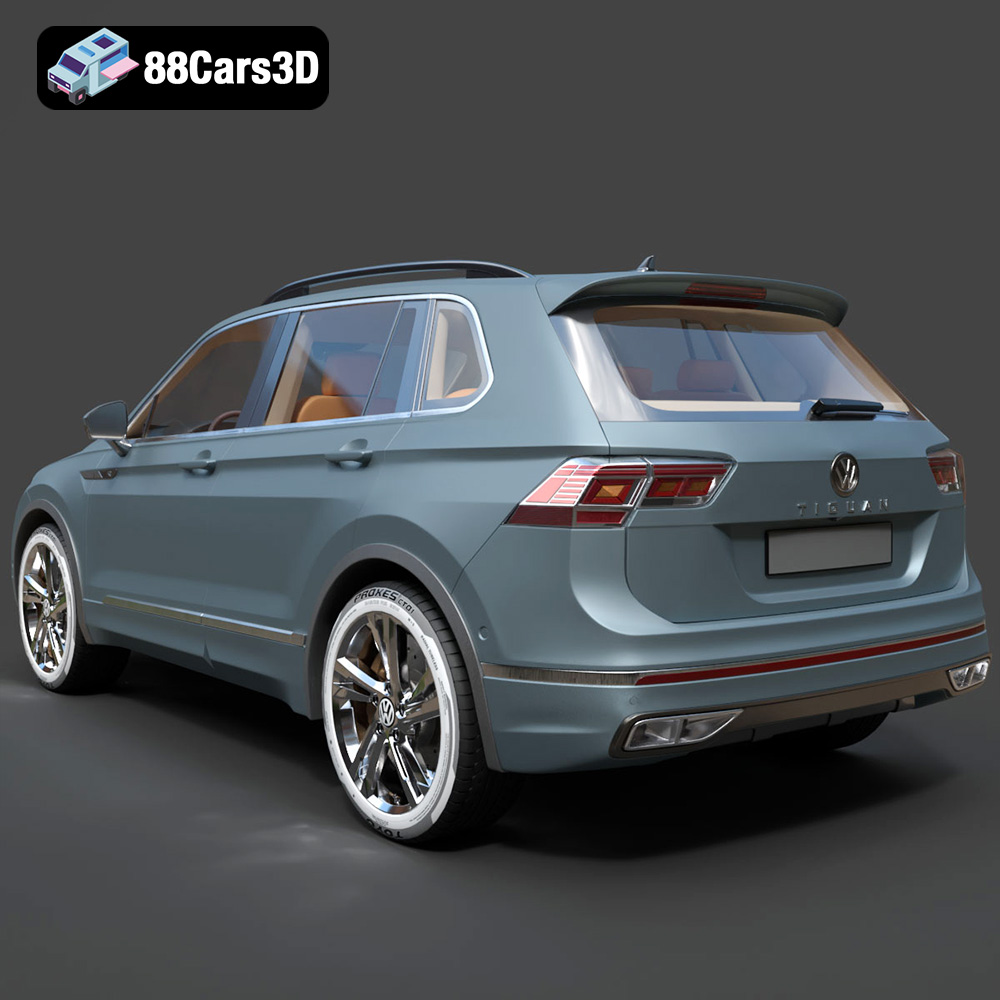
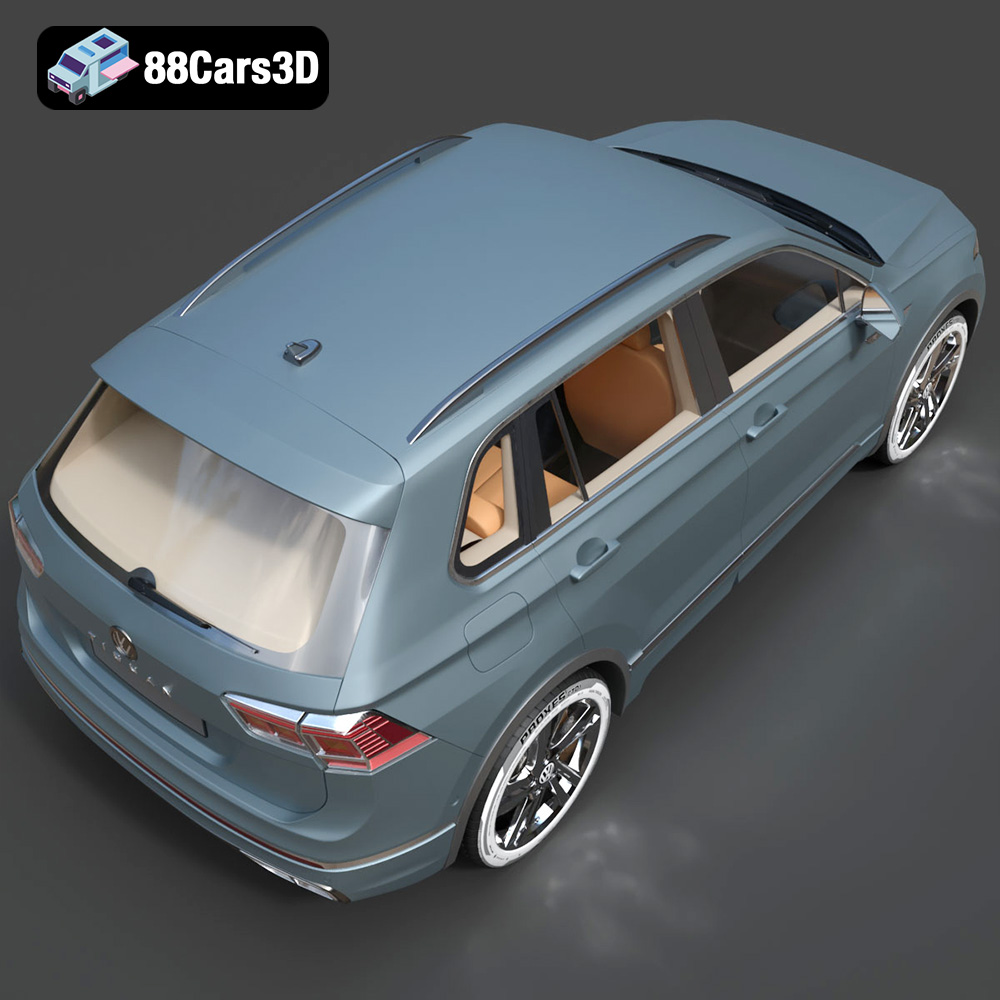
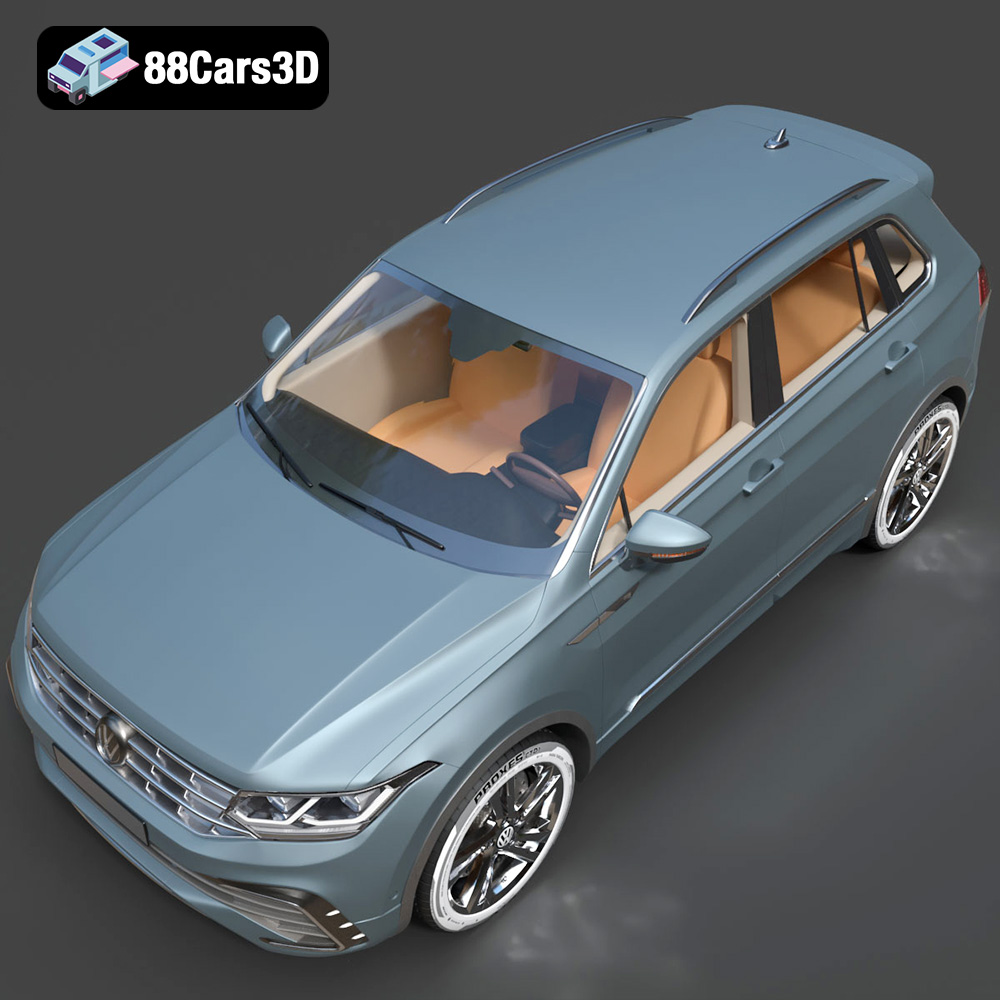
Among the vast array of available digital assets, some stand out for their exceptional quality and versatility. The Volkswagen Tiguan 2021 3D Model is a prime example of such a professional-grade asset. Designed to meet rigorous industry standards, this model captures the contemporary styling and sophisticated engineering of the popular SUV with remarkable precision. Its clean geometry, accurate proportions, and realistic materials make it an ideal choice for a diverse range of digital projects, from cinematic renders to real-time game environments. Whether you’re aiming for a tight studio close-up or an expansive dynamic scene, this model provides the visual fidelity and technical robustness required for outstanding results. Its comprehensive package, including multiple file formats, ensures seamless integration into virtually any professional pipeline.
The choice of file format for a 3D model is not merely a technicality; it’s a critical decision that dictates compatibility, functionality, and performance across different software and platforms. Understanding the nuances of each format is essential for professional workflows, ensuring that your 3D car models are utilized to their fullest potential. The Volkswagen Tiguan 2021 3D Model, for instance, is offered in a wide array of formats, each serving distinct purposes and optimizing for specific applications.
The .blend file format is native to Blender, the popular open-source 3D creation suite. When you acquire the Volkswagen Tiguan 2021 3D Model in .blend format, you gain access to a fully editable Blender scene. This typically includes the model’s mesh data, UV layouts, PBR (Physically Based Rendering) materials, lighting setups, and even potential animation rigs if applicable. For Blender artists, this means immediate access to the entire project structure, allowing for easy modifications, re-texturing, animation, and rendering within their preferred environment. It’s ideal for those who wish to delve into the model’s construction, make custom adjustments, or integrate it into complex Blender-specific scenes, leveraging Blender’s powerful rendering engines like Cycles or Eevee.
Autodesk’s .fbx (Filmbox) format has become the industry standard for exchanging 3D data, particularly within real-time pipelines such as Unreal Engine and Unity. It supports a comprehensive range of 3D data, including geometry, materials, textures, animations, and skeletal data. For game developers and those working on interactive experiences, the .fbx version of the Tiguan model is game-engine ready. It ensures that the model’s hierarchy, pivot points, and basic material assignments are preserved during import, significantly streamlining the asset integration process. It’s robust, widely supported, and excellent for ensuring consistency across different 3D applications and game engines.
The .obj (Wavefront OBJ) format is one of the oldest and most widely supported 3D file formats, making it a truly universal option. It primarily stores geometric data like vertices, normals, UV coordinates, and faces, often accompanied by an .mtl (material template library) file for basic material properties. While it doesn’t support advanced features like animation or scene hierarchy, its simplicity guarantees compatibility with virtually all major 3D software. For users needing a clean mesh for sculpting, retopology, or integrating into a diverse software pipeline where advanced features aren’t required from the file itself, the .obj version of the Volkswagen Tiguan 2021 3D Model offers unparalleled cross-software portability.
.glb (GL Binary) is the binary representation of the glTF (GL Transmission Format), a modern, open-standard format designed for efficient transmission and loading of 3D scenes and models by engines and applications. It bundles all necessary data (geometry, materials, textures, animations) into a single file, making it incredibly optimized for AR, VR, and web-based display. The .glb format for the Tiguan model is perfect for virtual showrooms, augmented reality apps, or any project where fast loading times and efficient rendering on various devices are crucial.
The .stl (Stereolithography) format is almost exclusively used for 3D printing and rapid prototyping. It represents a 3D model as a series of connected triangles, defining only the surface geometry without color, texture, or other advanced properties. While not used for rendering or animation, the .stl version of the Volkswagen Tiguan 2021 3D Model allows designers and engineers to physically manifest the digital design. It’s invaluable for creating scale models, concept prototypes, or even functional parts for research and development.
The .ply (Polygon File Format) is another widely used format for storing 3D data, often encountered in 3D scanning, scientific visualization, and CAD applications. Like .obj, it stores geometric data, but it can also include additional properties for vertices and faces, such as color, transparency, normals, texture coordinates, and even confidence values. This makes the .ply version of the Tiguan model particularly useful for projects requiring detailed analysis, precision engineering, or integration with point cloud data.
The .unreal file format denotes an asset that has been specifically packaged and configured for direct use within Unreal Engine. This often means it comes with pre-set materials using Unreal’s PBR workflow, potentially optimized LOD (Level of Detail) meshes, collision geometry, and even basic lighting or blueprint setups. For Unreal Engine developers, the .unreal version of the Volkswagen Tiguan 2021 3D Model significantly reduces setup time, allowing for immediate integration into projects with minimal tweaking.
Finally, the .max file is the native scene format for Autodesk 3ds Max. Similar to the .blend file for Blender users, the .max version of the Tiguan model provides a fully editable 3ds Max project. This includes not only the model’s geometry and materials but also any scene-specific settings like render setup, camera views, lighting rigs, and modifiers. It’s the go-to format for professionals who primarily work within 3ds Max for high-end architectural visualization, product rendering, or complex animation sequences, offering maximum flexibility and control within the 3ds Max environment.
The availability of such a diverse range of formats for the Volkswagen Tiguan 2021 3D Model underscores its professional-grade quality and adaptability, ensuring that regardless of your software preference or project requirements, there’s a version perfectly suited for your needs. This commitment to versatility makes high-quality assets from 88cars3d.com a smart investment.
High-quality 3D car models like the Volkswagen Tiguan 2021 are indispensable tools in various professional workflows, each demanding specific technical considerations and integration strategies. Their versatility allows them to serve multiple purposes, from static imagery to fully interactive experiences.
For high-end product visualization and cinematic rendering, 3ds Max remains a dominant force, often paired with powerful renderers like V-Ray or Corona Renderer. The .max file format of the Volkswagen Tiguan 2021 3D Model provides a perfect starting point. Artists can import the model, which typically comes with well-organized geometry and PBR-ready materials, into a 3ds Max scene. From there, the workflow involves:
The clean topology of the Tiguan model ensures smooth subdivisions for close-up renders, avoiding artifacts and providing a professional finish that rivals real-world photography.
In game development and real-time simulation, performance is paramount without sacrificing visual fidelity. The .fbx and especially the .unreal formats of the Volkswagen Tiguan 2021 3D Model are tailored for this environment. In Unreal Engine, the integration process typically involves:
A high-quality 3D car model like this one provides a solid foundation, saving countless hours that would otherwise be spent on modeling and optimizing, allowing developers to focus on gameplay and interactive elements.
The utility of high-quality 3D car models extends significantly into augmented reality (AR), virtual reality (VR), and architectural visualization. The .glb format is particularly beneficial for web-based AR/VR experiences, due to its optimized nature for quick loading and efficient rendering on various devices. Imagine a potential car buyer using their phone to “place” the Volkswagen Tiguan 2021 in their driveway, or walking around it in a virtual showroom. For architectural visualization, models like the Tiguan add a layer of realism and context to rendered scenes. Placing a photorealistic car in front of a newly designed building instantly grounds the structure in reality, conveying scale and enhancing the overall aesthetic appeal of the visualization.
The difference between a generic 3D model and a professional-grade asset lies in its technical foundation. For complex subjects like cars, this technical edge is what enables seamless workflows, realistic renders, and optimal performance across various applications. The Volkswagen Tiguan 2021 3D Model exemplifies these crucial technical considerations.
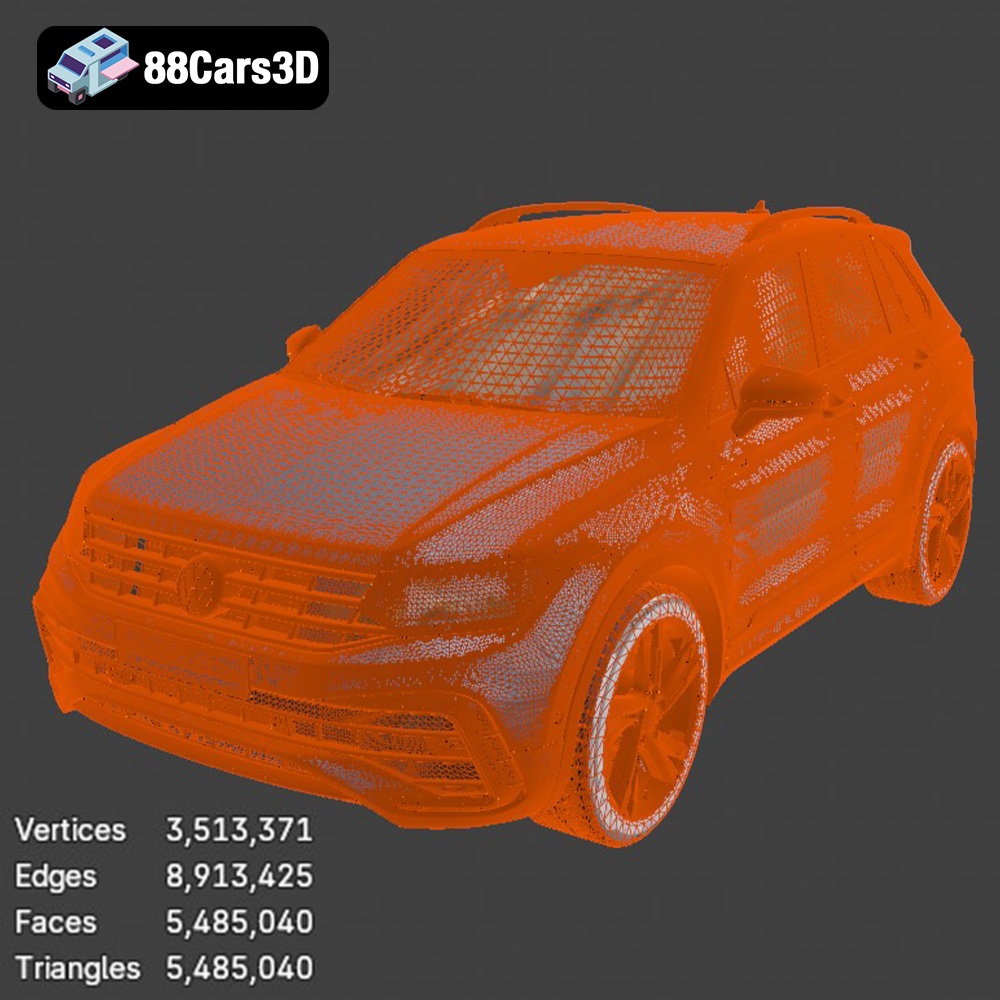
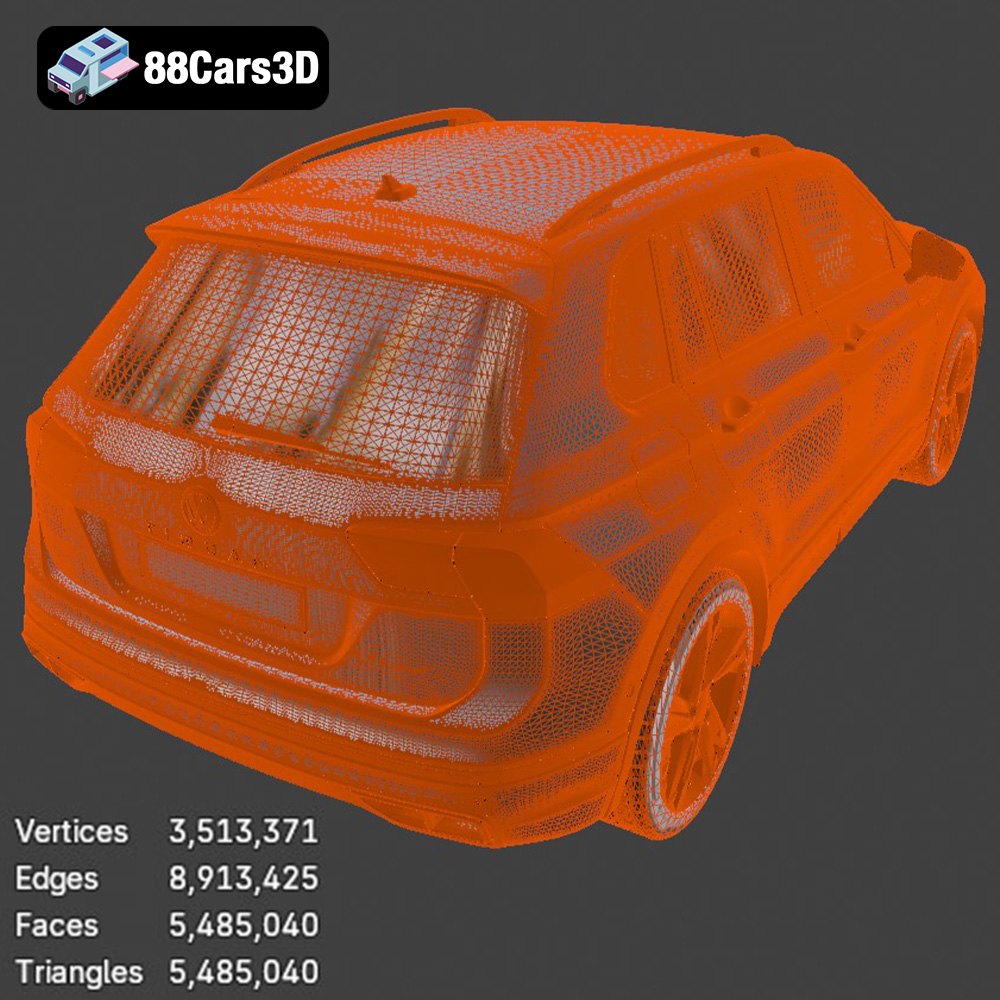
At the heart of any good 3D model is its topology – the arrangement of vertices, edges, and faces that form its surface. Professional 3D car models are built with clean, all-quad topology, ensuring smooth deformations, easy subdivision for high-resolution renders, and minimal artifacts. This means that when you zoom in for a close-up on the Tiguan model, the surfaces remain pristine and smooth, free from unsightly pinching or stretching. Poly count, or polygon count, refers to the number of faces in a model. While higher poly counts generally mean more detail, efficient models balance this with optimization, providing enough detail without overburdening render engines or game engines. The Tiguan model strikes this balance, offering detailed fidelity suitable for close-ups while being manageable for real-time applications.
UV mapping is equally critical. It’s the process of unfolding the 3D surface into a 2D plane, allowing textures to be applied accurately. Professional models feature clean, non-overlapping UV layouts, which are essential for applying PBR textures without distortion and for efficient texture packing. This meticulous UV work on the Volkswagen Tiguan 2021 3D Model means that its paint, headlights, tires, and interior elements will all receive crisp, realistic textures.
Modern rendering relies heavily on Physically Based Rendering (PBR), a shading and rendering approach that provides a more accurate representation of how light interacts with surfaces. PBR materials use a suite of texture maps (such as Albedo/Base Color, Metallic, Roughness, Normal, Ambient Occlusion) to define a surface’s properties. A high-quality 3D car model, like those found on 88cars3d.com, comes with meticulously crafted PBR textures. This ensures that the Volkswagen Tiguan 2021 3D Model’s metallic paintwork shines with accurate reflections, its glass surfaces refract light realistically, and its interior fabrics exhibit believable wear and texture, regardless of the lighting conditions. The attention to detail in material creation is what truly elevates a render from good to photorealistic.
While visual fidelity is important, performance is often a critical factor, especially in real-time applications like games or interactive simulations. Professional 3D artists optimize models by finding the sweet spot between detail and efficiency. This includes techniques such as:
The Volkswagen Tiguan 2021 3D Model’s engineering with “an emphasis on performance and visual fidelity” speaks directly to these optimization practices, making it suitable for even the most demanding interactive experiences.
The impact of high-fidelity 3D car models like the Volkswagen Tiguan 2021 extends across numerous industries, providing tangible benefits and driving innovation. These assets are not just artistic creations; they are powerful tools for communication, development, and marketing.
One of the most immediate applications for premium 3D car models is in automotive marketing. Before a physical prototype even exists, manufacturers can generate stunningly realistic images and animations for advertising campaigns, brochures, and online configurators. The Volkswagen Tiguan 2021 3D Model, with its accurate detailing and versatile file formats, could be used to:
This approach significantly accelerates time-to-market and offers unparalleled flexibility in visualizing product variations.
For industries focused on safety and innovation, 3D car models are critical components of advanced simulation environments. In sectors like professional driver training, military simulations, or even cutting-edge autonomous driving research, realistic vehicle models are paramount. The Volkswagen Tiguan 2021 3D Model could be integrated into:
The precision and structural integrity of a model like the Tiguan ensure that simulations are as close to reality as possible, enhancing the validity of research and training outcomes.
The gaming industry thrives on realism and immersion, and high-quality 3D car models are foundational to delivering compelling experiences. From racing games to open-world adventures, accurately represented vehicles elevate the user experience. The Volkswagen Tiguan 2021 3D Model could be featured in:
The “game-engine ready format” (FBX, Unreal) of the Tiguan model ensures developers can swiftly integrate it into their pipelines, optimizing it for real-time performance without compromising on visual fidelity.
Navigating the vast landscape of 3D assets can be challenging. For any professional project involving vehicles, selecting the right 3D car model is a critical decision that impacts not only the final visual quality but also the efficiency of your workflow and the overall success of the project.
Before committing to a 3D model, it’s essential to clearly define your project’s requirements. Consider the following:
A model like the Volkswagen Tiguan 2021 3D Model from 88cars3d.com addresses these concerns by offering a meticulously crafted asset that checks all these boxes, providing peace of mind for professionals.
The alternative to purchasing a pre-built model is to create one from scratch. While this offers ultimate control, it demands significant time, specialized skills, and resources. For many projects, particularly those under tight deadlines or budget constraints, high-quality pre-built assets offer a compelling value proposition:
Choosing a reliable source like 88cars3d.com ensures that you’re investing in assets that are not only visually impressive but also technically robust and workflow-friendly.
Investing in a high-quality 3D car model is a long-term decision. A well-constructed model can be reused across multiple projects, adapted for future technologies (e.g., higher-resolution textures, new renderers), and remain a valuable asset in your digital library for years to come. The initial effort to select a superior model pays dividends by consistently delivering professional results and providing a solid foundation for future innovation. The Volkswagen Tiguan 2021 3D Model, with its “clean geometry, accurate proportions, and realistic materials,” represents such an investment, offering enduring value to any creative professional.
In the dynamic realm of 3D visualization, the quality of your assets directly dictates the quality of your output. From photorealistic automotive rendering to immersive game development and cutting-edge AR/VR experiences, high-fidelity 3D car models are the unsung heroes that power professional projects. They bridge the gap between imagination and tangible digital reality, enabling artists, designers, and developers to push the boundaries of what’s possible.
The Volkswagen Tiguan 2021 3D Model stands as a testament to the meticulous craftsmanship and technical expertise required in creating truly professional assets. Its detailed geometry, PBR-ready materials, and availability in a multitude of crucial file formats (including .blend, .fbx, .obj, .glb, .stl, .ply, .unreal, and .max) ensure its versatility across virtually any modern digital pipeline. This model doesn’t just look good; it’s engineered for performance, designed for seamless integration, and built to withstand the rigorous demands of professional production environments. It exemplifies how a well-crafted digital replica can serve as a cornerstone for diverse applications, from marketing campaigns to advanced simulations.
For professionals seeking to elevate their projects with top-tier 3D car models, exploring reputable marketplaces like 88cars3d.com is a crucial step. Investing in assets that offer technical precision, visual fidelity, and broad compatibility not only streamlines your workflow but also significantly enhances the impact of your final deliverables. Whether you’re a seasoned game developer, a visionary architect, or a cinematic artist, the right 3D car model can unlock new creative possibilities and drive your projects towards unparalleled success. Discover the difference that professional-grade 3D assets can make for your next venture.
Experience the precision of the Volkswagen Tiguan 2021 3D Model, a realistic digital replica designed to meet professional standards. This model perfectly captures the modern styling, dynamic stance, and sophisticated details of the popular SUV, providing an exceptional asset for a diverse array of digital projects. Engineered with an emphasis on performance and visual fidelity, this 3D vehicle features clean geometry, accurate proportions, and realistic materials. The well-structured topology allows for seamless workflow integration, ensuring outstanding results in both tight studio close-ups and expansive dynamic environments. This versatile model is optimized for demanding applications, making it an excellent choice for game development, cinematic rendering, augmented and virtual reality (AR/VR) experiences, and architectural visualization. The comprehensive package is structured to integrate flawlessly into your preferred professional pipeline. Available file formats include: .blend, .fbx, .obj, .glb, .stl, .ply, .unreal, .max.
$19.99
.arvr
.blend
.car3dmodel
.crossover
.fbx
.gameasset
.glb
.max
.obj
.ply
.rendering
.simulation
.stl
.tiguan
.unreal
.volkswagen
SUV