Get 20% OFF All Premium 3D & STL Models!

In the dynamic world of digital content creation, the pursuit of realism and efficiency is paramount. Whether you’re a seasoned game developer crafting immersive open worlds, an architectural visualizer bringing urban landscapes to life, or an animator seeking to tell compelling stories, the quality of your assets directly impacts the final output. Among these, 3D car models stand as some of the most challenging yet rewarding assets to perfect, requiring meticulous attention to detail, accurate proportions, and optimized geometry. They are not merely static objects; they are vital components that can inject unparalleled authenticity and dynamism into any digital scene.
The demand for versatile, high-fidelity automotive assets has never been greater, spanning across industries from film and advertising to interactive simulations and virtual showrooms. For creators who understand that time is as valuable as artistic vision, sourcing pre-made, professionally crafted 3D car models is a strategic advantage. It allows artists and studios to bypass the arduous process of modeling from scratch, freeing them to focus on creative direction, scene composition, and the finer points of storytelling.
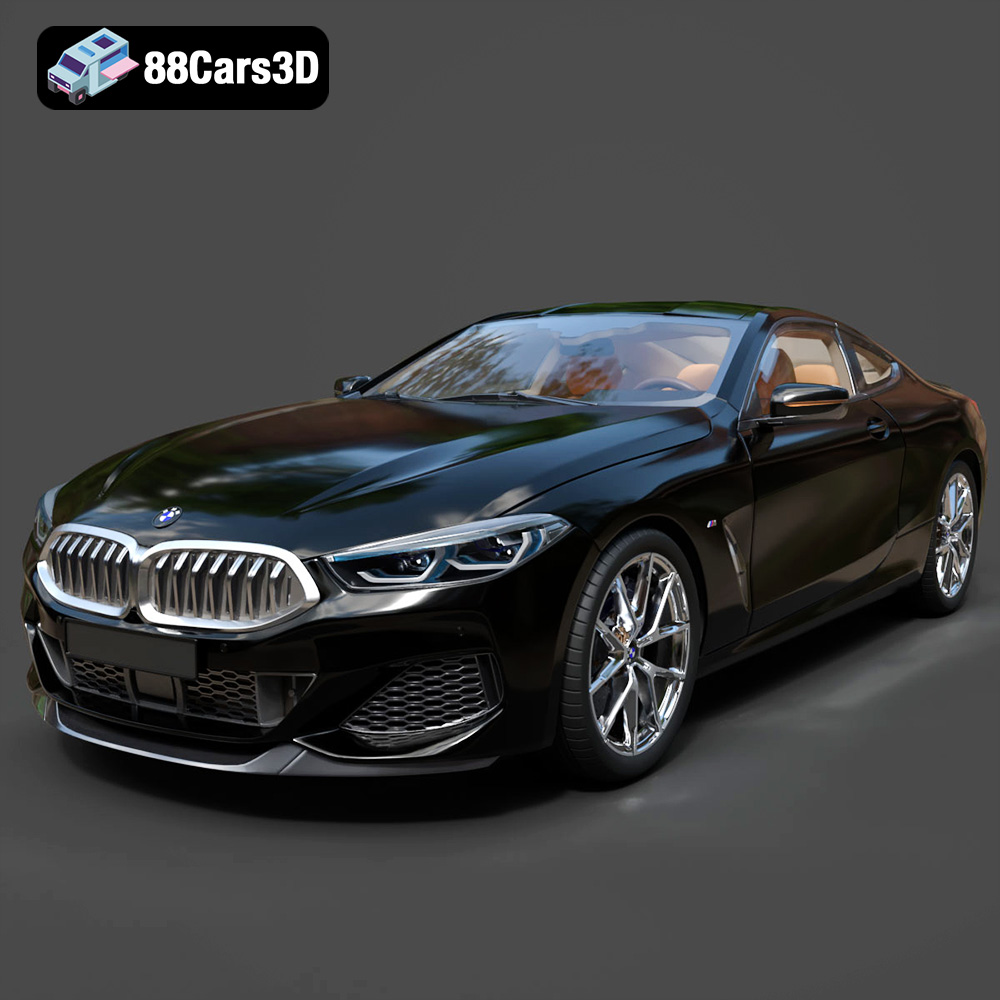
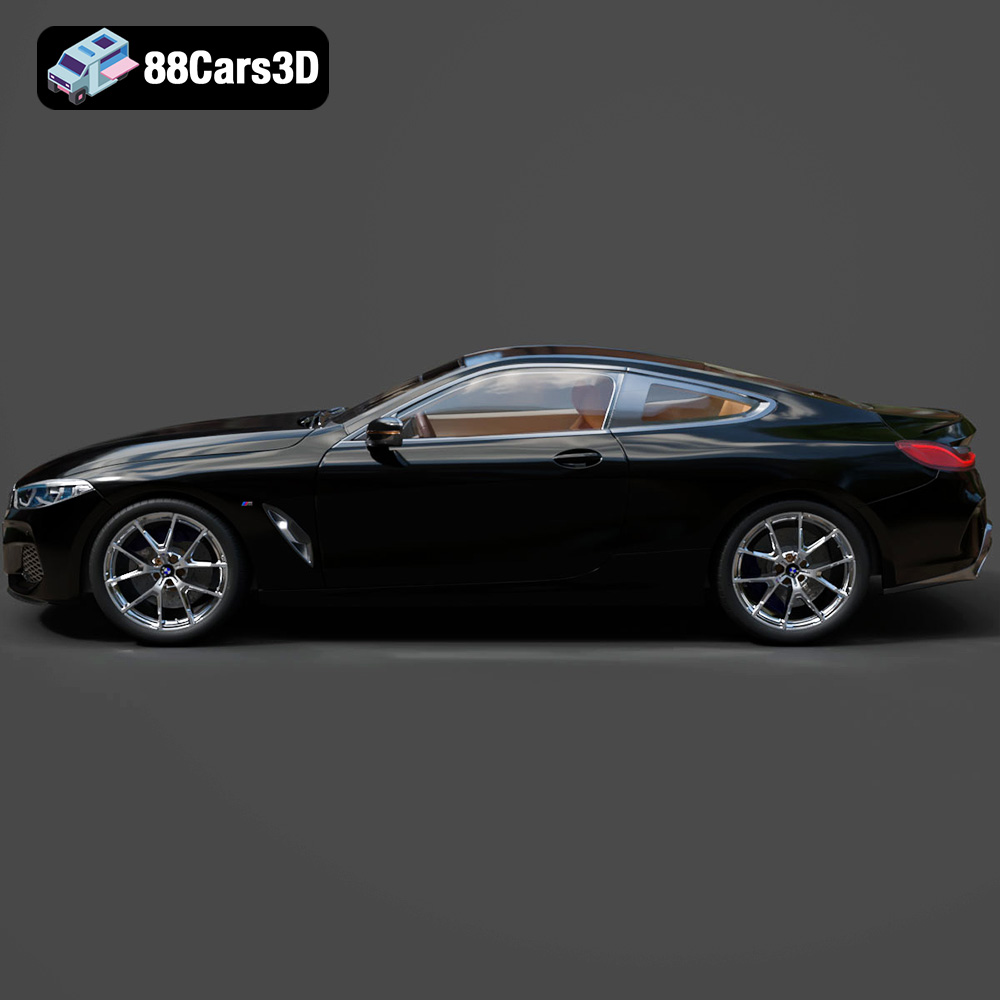
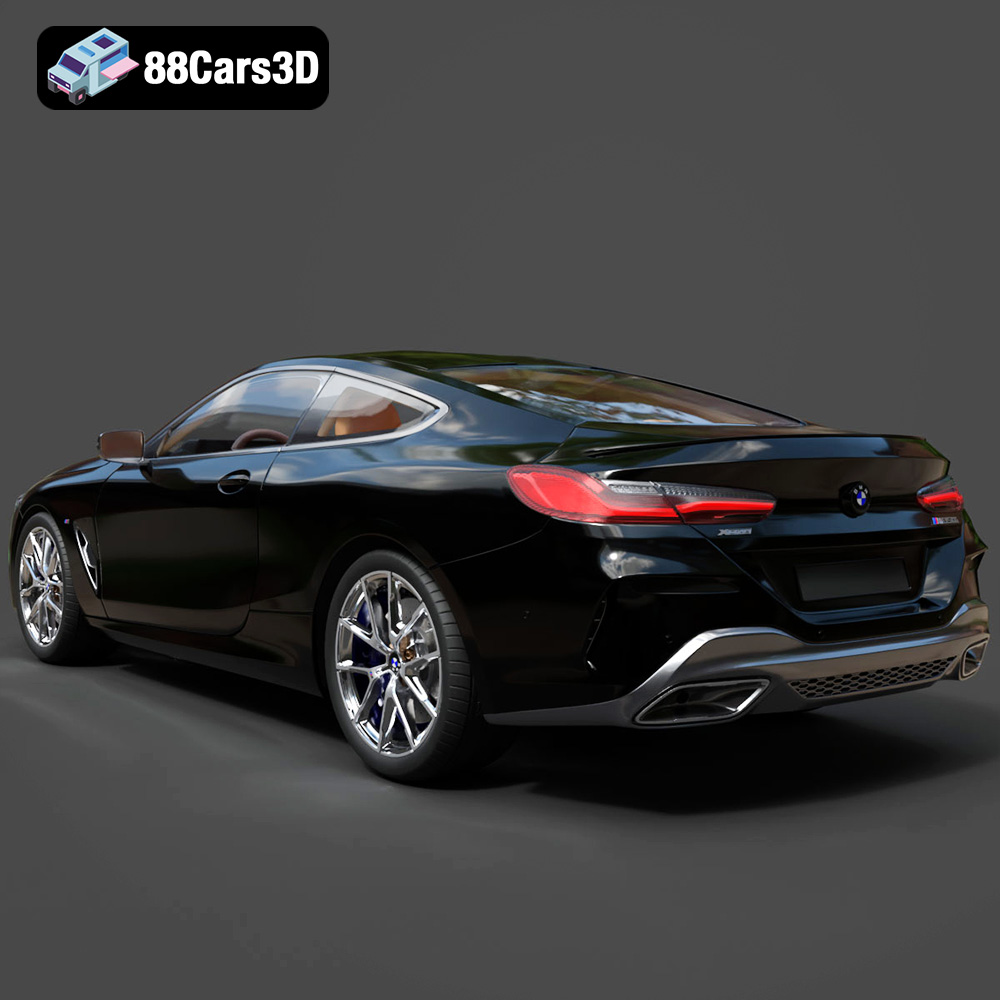
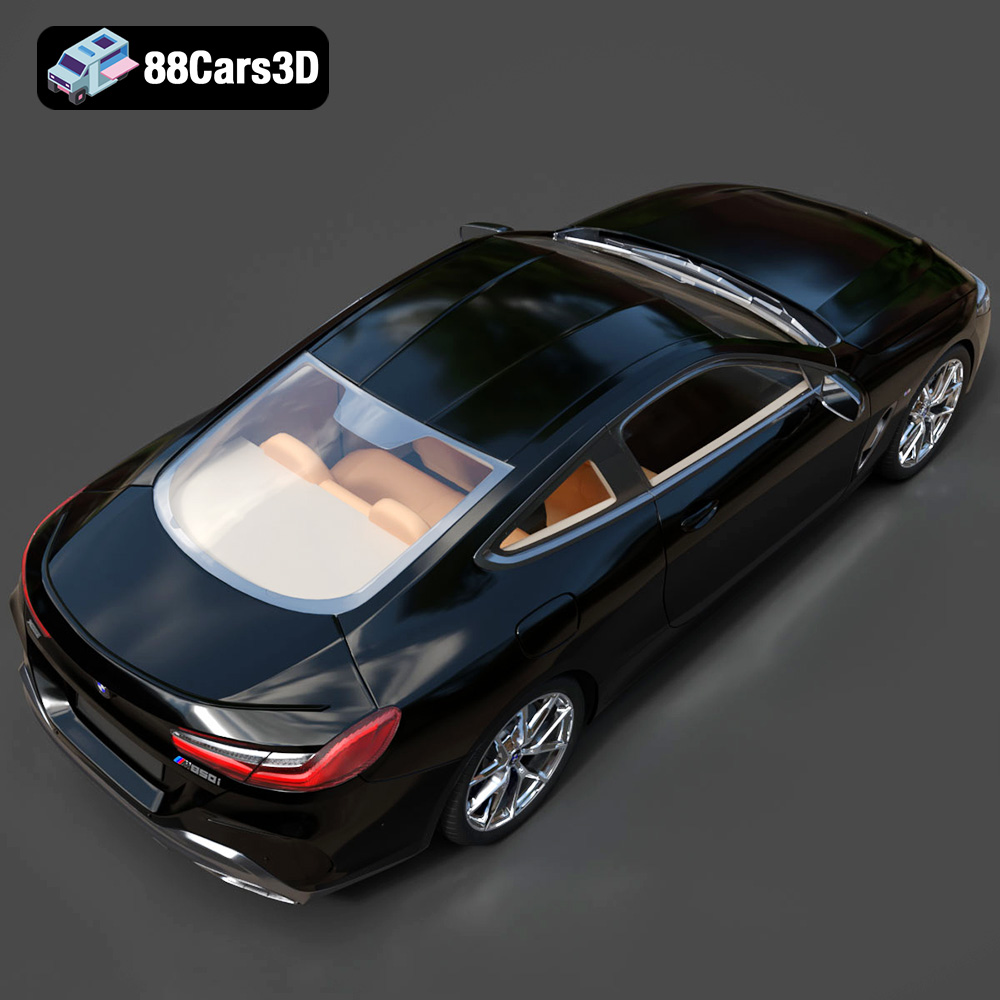
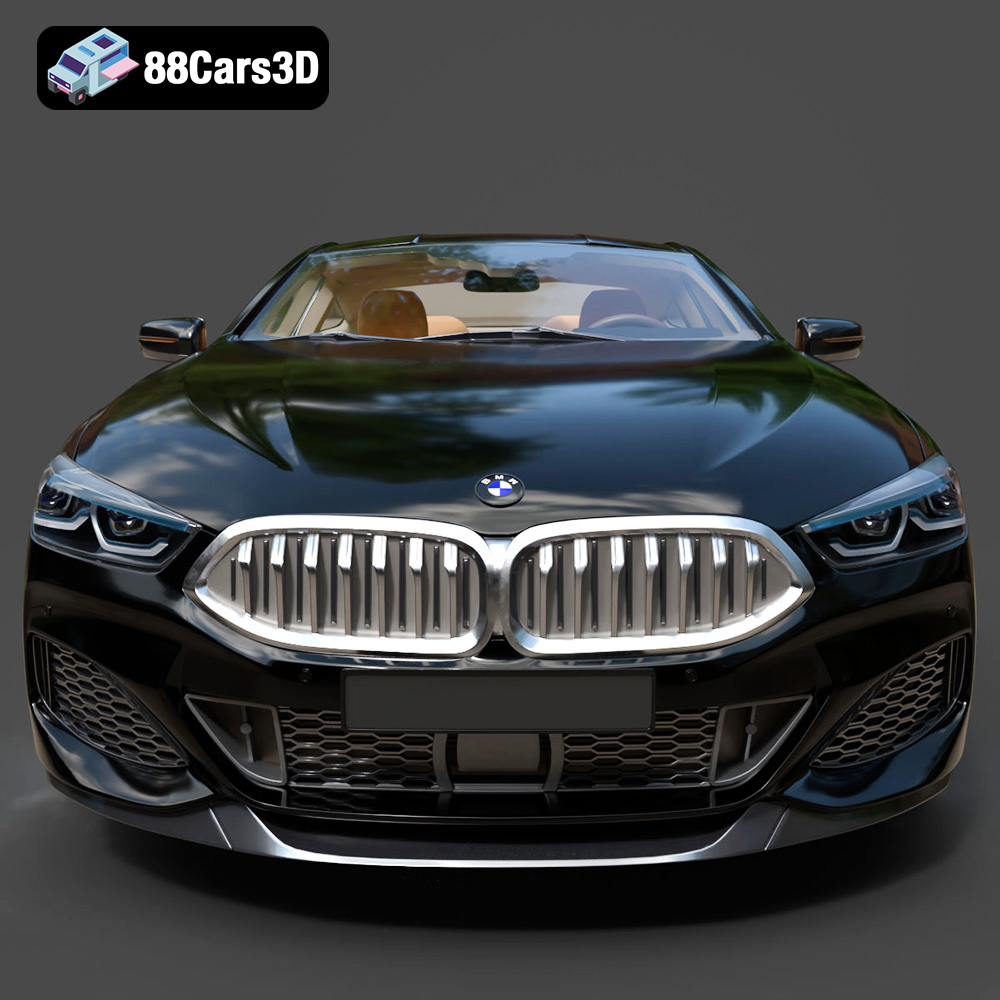
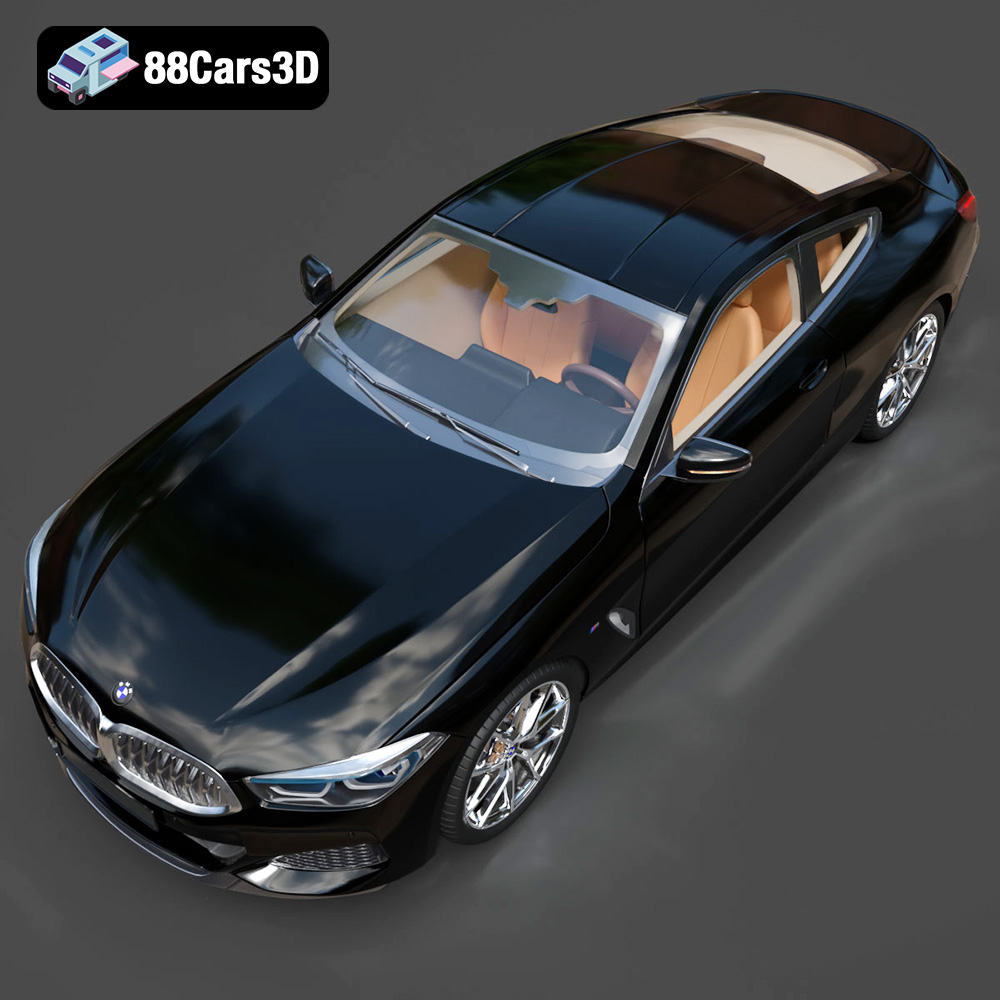
A prime example of such an asset is the BMW 8 Series M850i Coupe 2019 3D Model. This meticulously built digital asset captures the sophisticated, sporty silhouette and luxurious details of the renowned coupe, providing a stunning visual centerpiece for any scene. Its clean geometry, optimized topology, and realistic materials make it an ideal choice for professionals aiming for top-tier results. But what truly makes a 3D model indispensable, and how do these digital assets fit into diverse professional pipelines? Let’s delve into the technical intricacies and creative possibilities that high-quality 3D car models unlock.
The versatility of a 3D model often hinges on the range and quality of its accompanying file formats. Each format serves specific purposes, catering to different software, platforms, and stages of a professional workflow. Understanding these distinctions is crucial for seamless integration and optimal performance. The BMW 8 Series M850i Coupe 2019 3D Model, for instance, comes with a comprehensive package of formats, ensuring broad compatibility and utility across various creative pipelines.
The .blend format is native to Blender, a powerful open-source 3D creation suite. When you receive a .blend file, you’re getting a fully editable Blender scene, complete with materials, textures, lighting setups, and sometimes even animation data. This format is ideal for users working primarily within Blender, offering maximum flexibility for modifications. Artists can easily adjust topology, tweak materials using Blender’s node-based shader editor, or re-rig the model for custom animations. Its strength lies in preserving all aspects of the original project, making it perfect for those who need to deeply integrate the model into a Blender-centric pipeline without losing any details or setup.
Similar to .blend for Blender, the .max format is the proprietary file type for Autodesk 3ds Max, a leading software in architectural visualization, design visualization, and animation. A .max file provides an editable 3ds Max project, retaining all scene elements like geometry, cameras, lights, materials, and modifiers. This format is essential for professionals who rely on 3ds Max for their rendering, animation, or complex scene assembly. It allows for direct manipulation within a familiar environment, leveraging 3ds Max’s robust toolset for detailed scene setup and high-end rendering with engines like V-Ray or Corona.
.fbx (Filmbox) is arguably one of the most widely adopted 3D interchange formats, particularly for real-time applications. Developed by Autodesk, it supports not only geometry but also materials, textures, animations, and skeletal data. This makes it an ideal choice for transferring assets between different 3D software packages and, crucially, into game engines like Unreal Engine and Unity. Its robustness and widespread support ensure that the BMW M850i model, when exported as .fbx, will retain its visual integrity and structural information, making it game-engine ready for efficient asset pipelines.
The .obj (Wavefront OBJ) format is a universal standard known for its simplicity and wide compatibility. It primarily stores geometric data (vertices, normals, texture coordinates, and faces) and can reference external material (.mtl) files for color and texture information. While it doesn’t support animation or complex scene data, its widespread adoption means it can be imported into virtually any 3D software. For the BMW 8 Series M850i, the .obj version ensures that the core mesh data is accessible to any artist, regardless of their preferred modeling software, offering unparalleled cross-software compatibility.
.glb (GL Transmission Format Binary) is a relatively newer format gaining rapid traction, especially for web-based 3D, augmented reality (AR), and virtual reality (VR) applications. It’s a binary version of glTF, designed for efficient transmission and loading of 3D scenes and models. A .glb file encapsulates all necessary data—geometry, materials, textures, and animations—into a single, self-contained file. This optimization makes it perfect for interactive web viewers, AR experiences on mobile devices, or lightweight VR environments where performance and quick loading times are critical. For showcasing the BMW M850i in an interactive 3D viewer or an AR app, .glb is the format of choice.
The .stl (Stereolithography) format is the de facto standard for 3D printing. It represents a 3D model as a collection of triangular facets, defining the surface geometry without color or texture information. While not suitable for rendering or animation, it’s essential for transforming digital models into physical objects. The .stl version of the BMW 8 Series M850i allows designers and engineers to create physical prototypes, scale models, or custom parts, leveraging the precision of the digital asset for tangible output.
.ply (Polygon File Format) is a versatile format often used for storing 3D data from 3D scanners and for scientific and engineering applications. It can store various properties for each vertex and face, including color, transparency, normals, and even confidence values. While less common for general rendering, its ability to store detailed mesh data with precision makes it valuable for applications requiring accurate geometric analysis, reverse engineering, or high-fidelity visualization in CAD environments. For the BMW M850i, this format could be used for advanced simulation or detailed structural analysis.
The .unreal format, or more accurately, pre-configured assets for Unreal Engine, signifies a model that has been specifically prepared for the Unreal Engine environment. This often means the model comes with optimized meshes, PBR (Physically Based Rendering) materials set up with Unreal’s shader system, correct texture packing, and potentially even LODs (Levels of Detail) or collision meshes. This ‘engine-ready’ status dramatically reduces setup time for developers, allowing them to drag and drop the BMW 8 Series M850i directly into their Unreal projects, confident that materials and scaling will be correct, facilitating rapid game development and interactive experiences.
Photorealistic rendering is the holy grail for many 3D artists, especially when dealing with complex subjects like vehicles. It’s about more than just a good model; it’s the interplay of light, materials, and environment that breathes life into digital automotive art. A premium 3D car model, such as the BMW 8 Series M850i Coupe 2019, provides the perfect foundation for achieving stunning visual fidelity.
Achieving photorealism starts with mastering light. For automotive rendering, High Dynamic Range Images (HDRIs) are indispensable. An HDRI can encapsulate the full range of light intensity from a real-world environment, providing both realistic lighting and reflections that make a car model truly sit within a scene. Beyond global illumination from HDRIs, artists employ physical lights—area lights, spot lights, and even volumetric effects—to highlight specific features of the BMW M850i’s design, accentuate its curves, and create dramatic shadows. Understanding light bounces, color temperature, and the subtle interplay of direct and indirect illumination is critical to making the car look like it genuinely exists in that space.
The surface properties of a car are incredibly complex, from the metallic flakes in car paint to the subtle reflections of chrome and the nuanced textures of interior leather. Physically Based Rendering (PBR) workflows are essential here. The BMW 8 Series M850i 3D Model comes equipped with realistic materials, designed to react accurately to light. This involves meticulously crafted PBR textures for diffuse, roughness, metallic, normal, and even clear-coat layers for the paint. Developing a convincing car paint shader, for instance, often involves multiple layers: a base metallic paint layer, a clear coat with accurate reflections and refractions, and subtle subsurface scattering for certain plastics or rubber. The goal is to capture the interplay of light and surface that defines a luxury vehicle’s appeal.
Once the raw render is complete, post-processing is where the image truly comes alive. This stage involves techniques like color grading to establish mood, adding depth of field to draw the viewer’s eye, lens flares for visual interest, and subtle chromatic aberration to mimic camera optics. Exposure adjustments, contrast enhancements, and vignette effects can further refine the image, elevating it from a mere render to a cinematic visual. For a model like the BMW M850i, post-processing can emphasize its sleek lines, luxurious finish, and powerful stance, ensuring the final image resonates with professional-grade quality.
In the realm of video games, 3D car models are much more than visual assets; they are interactive elements that define gameplay, player experience, and overall world immersion. The challenge lies in balancing visual fidelity with performance, a tightrope walk that premium assets like the BMW 8 Series M850i Coupe 2019 3D Model navigate with expertise, thanks to their optimized topology and game-engine ready formats.
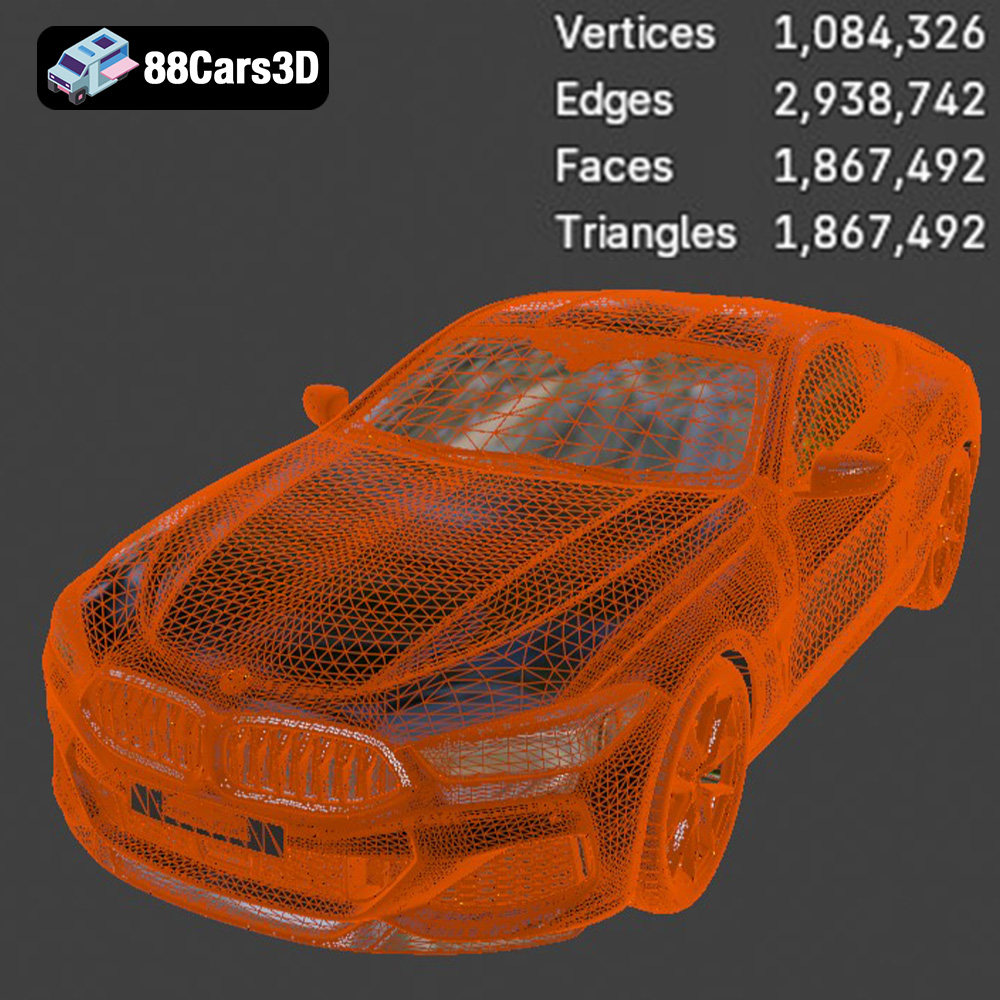
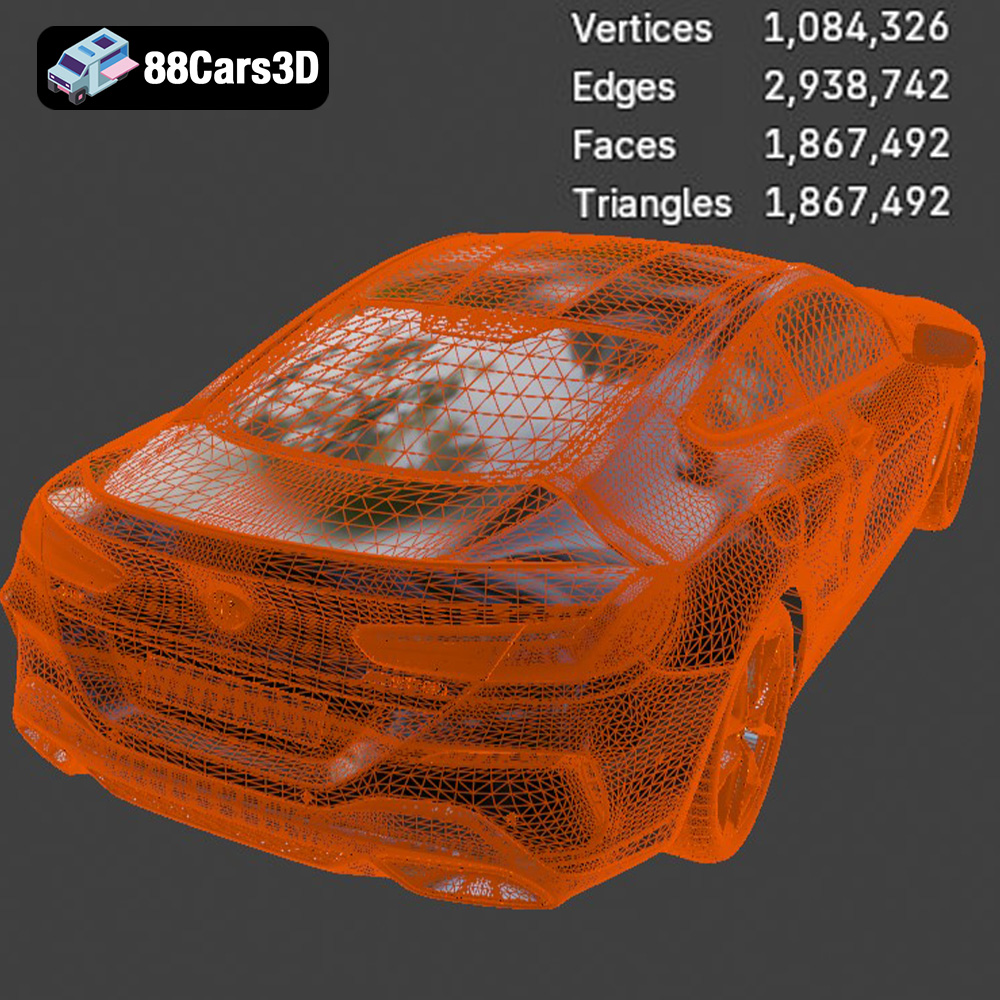
Game development demands efficiency. A single, high-poly model might look stunning in a static render, but it can cripple frame rates in a real-time environment. This is where optimization techniques become critical. The BMW 8 Series M850i model features clean geometry and optimized topology, making it inherently suitable for game engines. Further optimization often involves creating Levels of Detail (LODs) – progressively lower polygon versions of the model that swap in and out based on distance from the camera. Efficient UV mapping is also paramount, allowing artists to pack textures effectively and minimize draw calls, ensuring the car’s beautiful materials render quickly and correctly. Collision meshes are another vital component, defining the physical boundaries of the car for accurate physics and interactions within the game world.
Game engines like Unreal Engine and Unity provide powerful environments for bringing 3D car models to life. The .fbx and .unreal formats are specifically tailored for these pipelines. For Unreal Engine, a .unreal asset means the model is often pre-configured with PBR materials, collision data, and potentially even blueprint setups for interactive elements like doors or lights. Developers can import the BMW M850i model, apply physics assets, integrate it with a vehicle blueprint, and have it driving within minutes. Similarly, in Unity, the .fbx file can be imported, materials re-assigned or created using Unity’s shader graph, and the model integrated into a car controller system. The “game-engine ready” nature of assets from 88cars3d.com significantly accelerates the development cycle, allowing teams to focus on gameplay and user experience rather than asset preparation.
The choice of vehicle in a game can dramatically impact player engagement. An authentic, well-modeled car like the BMW M850i Coupe adds a layer of realism and aspiration. Imagine a racing game where players can customize and drive highly detailed, recognizable luxury vehicles, or an open-world adventure where every car encountered feels grounded in reality. These details contribute to a richer, more believable game world. Beyond visual appeal, the accuracy of the model’s physical properties (mass, dimensions) can be fed into physics simulations, ensuring realistic handling and damage models, further enhancing the immersive quality of the gameplay.
The utility of high-quality 3D car models extends far beyond traditional rendering and game development. Emerging technologies like Augmented Reality (AR), Virtual Reality (VR), and 3D printing are opening new frontiers for digital assets, transforming how we interact with and utilize virtual objects. The versatility of the BMW 8 Series M850i Coupe 2019 3D Model, with its array of formats, makes it an excellent candidate for these innovative applications.
AR and VR are revolutionizing how consumers interact with products, especially in the automotive sector. Imagine a virtual showroom where prospective buyers can “walk around” the BMW M850i, open its doors, explore the interior, and even change its color in real-time. Or an AR app that projects the car onto your driveway, allowing you to visualize its size and presence in a real-world context. The .glb format is tailor-made for these experiences. Its optimized structure ensures fast loading times and smooth performance on mobile devices and VR headsets, critical for maintaining immersion. High-fidelity models like those available on 88cars3d.com provide the visual authenticity necessary to make these interactive experiences truly compelling and believable.
While AR/VR brings digital models into the real world virtually, 3D printing takes them into the physical realm. The .stl format provided with the BMW 8 Series M850i Coupe 2019 3D Model is the gateway to this process. Designers can use this file to print physical prototypes for design review, create scale models for presentations, or even produce custom parts for hobby projects. The ability to quickly iterate from digital design to physical object is invaluable for engineers and product designers. The precision of a professionally modeled asset ensures that the printed output accurately reflects the digital blueprint, maintaining the integrity of the original automotive design.
In a professional environment, every decision, from tool selection to asset acquisition, is weighed against time, cost, and quality. High-quality 3D car models are not just aesthetic enhancements; they are strategic investments that streamline workflows and elevate project standards. Utilizing a model like the BMW 8 Series M850i Coupe 2019 from 88cars3d.com demonstrates a commitment to excellence and efficiency.
Modeling a complex vehicle like the BMW 8 Series M850i from scratch is an incredibly time-consuming endeavor, potentially requiring hundreds of hours for a skilled artist to achieve professional-grade detail and optimization. This effort translates directly into significant labor costs. By leveraging a pre-made, high-quality 3D car model, studios and individual artists can drastically reduce their production timelines and allocate their resources to other critical aspects of a project, such as creative direction, animation, or rendering setup. The modest investment in a premium asset pays dividends in saved time and accelerated project delivery.
When purchasing a 3D model, the assurance of quality is paramount. A model with clean geometry, optimized topology, accurate scaling, and realistic materials ensures that it will integrate seamlessly into various workflows without requiring extensive cleanup or rework. The BMW 8 Series M850i Coupe 2019 3D Model is described with these very attributes, indicating its suitability for demanding professional use. Such attention to detail prevents issues like shading artifacts, incorrect proportions, or material incompatibilities, which can be costly and time-consuming to fix. Professionals understand that a solid foundation is key to a polished final product, and premium assets provide just that.
Consider an architectural visualization project where a new luxury apartment complex needs to be showcased. Placing a generic, low-quality car in the driveway would detract from the scene’s realism and the overall presentation. However, integrating a highly detailed and recognizable vehicle like the BMW M850i Coupe 2019 3D Model instantly elevates the scene. It adds a touch of aspirational lifestyle, grounds the architecture in a believable context, and provides a focal point that enhances the narrative. The model can be rendered with the same meticulous attention to light and materials as the building itself, creating a harmonious and utterly convincing visual experience that captures the attention of clients and investors.
The journey through the intricate world of 3D car models reveals them to be far more than simple digital objects. They are complex assets, meticulously engineered to serve a multitude of purposes across diverse creative and technical pipelines. From generating photorealistic renders and enhancing immersive game environments to enabling cutting-edge AR/VR experiences and facilitating physical prototypes through 3D printing, high-quality automotive models are indispensable tools for modern digital artists and developers.
The availability of such versatile assets, like the BMW 8 Series M850i Coupe 2019 3D Model, exemplifies the commitment to excellence found at marketplaces like 88cars3d.com. With its clean geometry, optimized topology, realistic materials, and comprehensive suite of industry-standard file formats, it empowers creators to achieve professional-grade results with unprecedented efficiency. By understanding the nuances of file formats, the principles of advanced rendering, the demands of game development optimization, and the potential of emerging technologies, professionals can harness the full power of these digital masterpieces. Investing in a premium 3D car model is not just acquiring an asset; it’s investing in efficiency, quality, and the boundless potential of your creative vision.
Experience the exceptional realism of the BMW 8 Series M850i Coupe 2019 3D Model, expertly crafted to bring authentic automotive design to your digital projects. This meticulously built digital asset captures the sophisticated, sporty silhouette and luxurious details of the renowned coupe, providing a stunning visual centerpiece for any scene. Featuring clean geometry and optimized topology, this model is equipped with realistic materials, delivering professional standards without compromising performance. The carefully modeled exterior and accurate interior detailing ensure seamless integration and smooth rendering across various creative pipelines. Perfectly suited for demanding workflows, this versatile 3D model excels in game development, architectural visualization, photorealistic rendering, cutting-edge AR/VR experiences, and interactive simulation. This comprehensive package includes the following formats: .blend – Editable Blender file with materials and lighting setup, .fbx – Game-engine ready format for Unreal Engine and Unity, .obj – Standard 3D model format compatible with all major software, .glb – Optimized for AR/VR and web-based visualization, .stl – Suitable for 3D printing and prototyping, .ply – Detailed polygon mesh for analysis and visualization, .unreal – Pre-configured for Unreal Engine use, .max – Editable 3ds Max file for rendering and animation.
$19.99
.8series
.arvr
.blend
.bmw
.car3dmodel
.coupe
.fbx
.gameasset
.glb
.luxurycar
.m850i
.max
.obj
.ply
.rendering
.simulation
.sportsCar
.stl
.unreal