Get 20% OFF All Premium 3D & STL Models!

In the vibrant world of digital content creation, the demand for realism and precision is ceaseless. From blockbuster game titles to breathtaking automotive marketing campaigns and groundbreaking AR/VR experiences, the quality of 3D assets forms the bedrock of immersive visual storytelling. Among the most coveted and challenging assets to create are high-fidelity 3D car models, which require an exquisite blend of artistic vision and technical mastery.
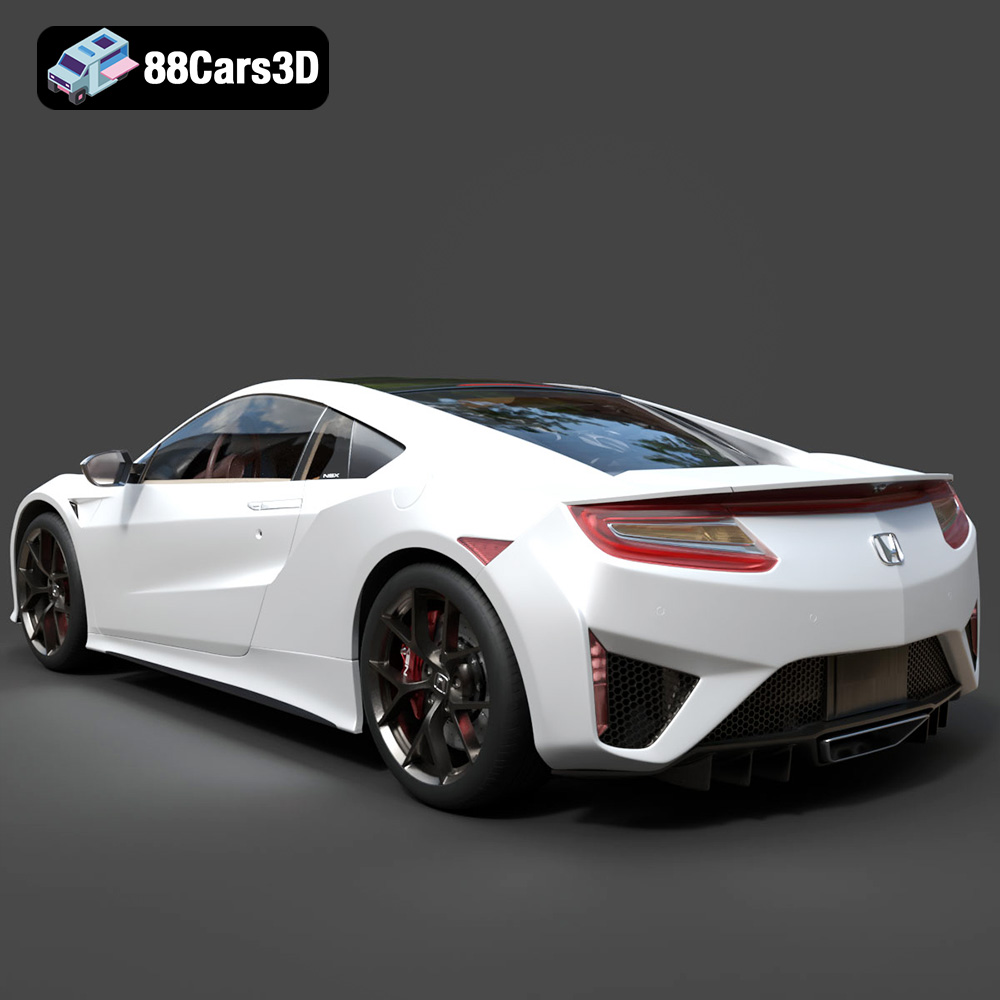
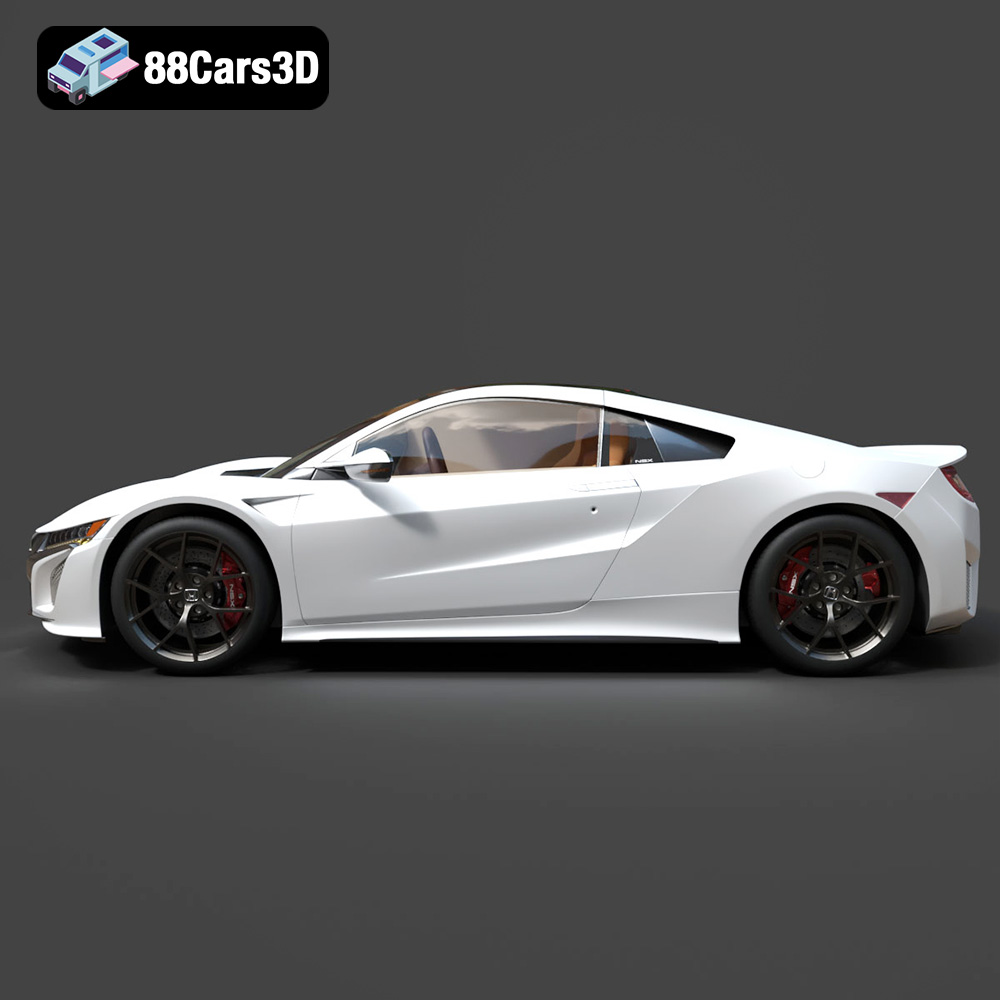
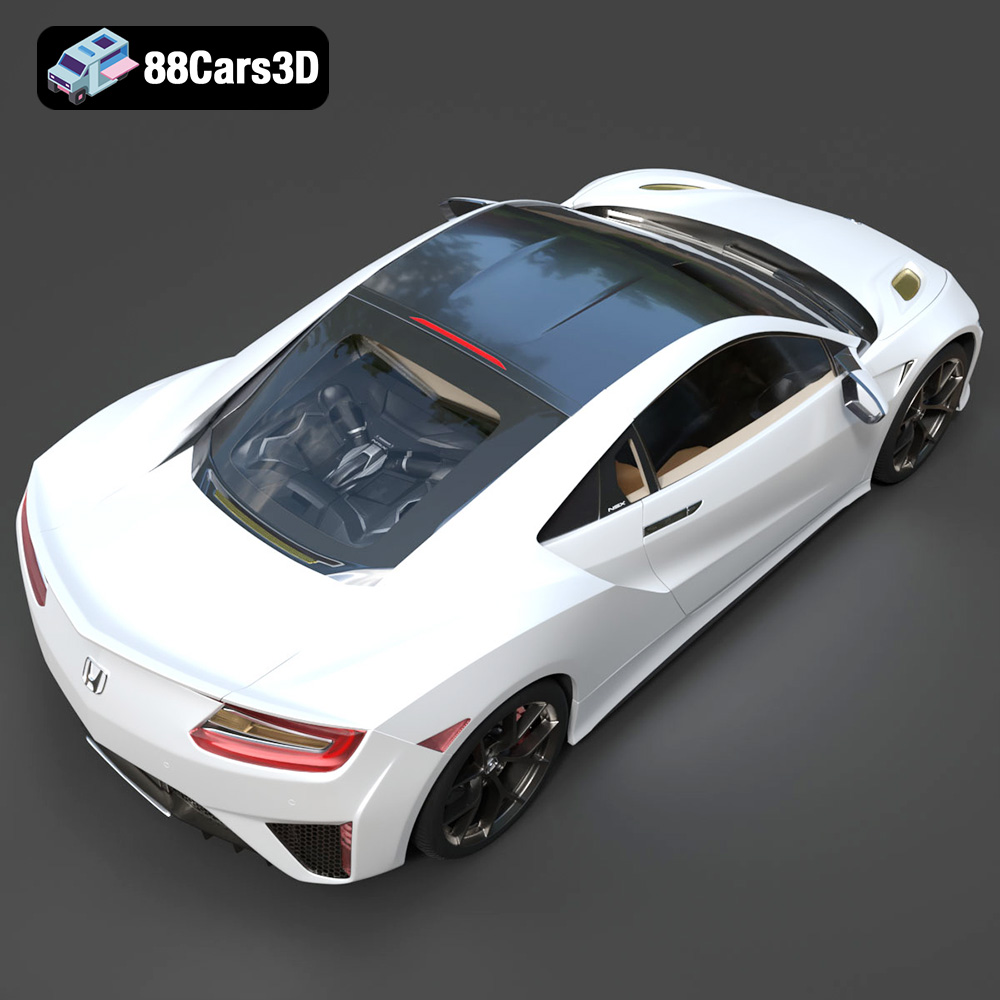
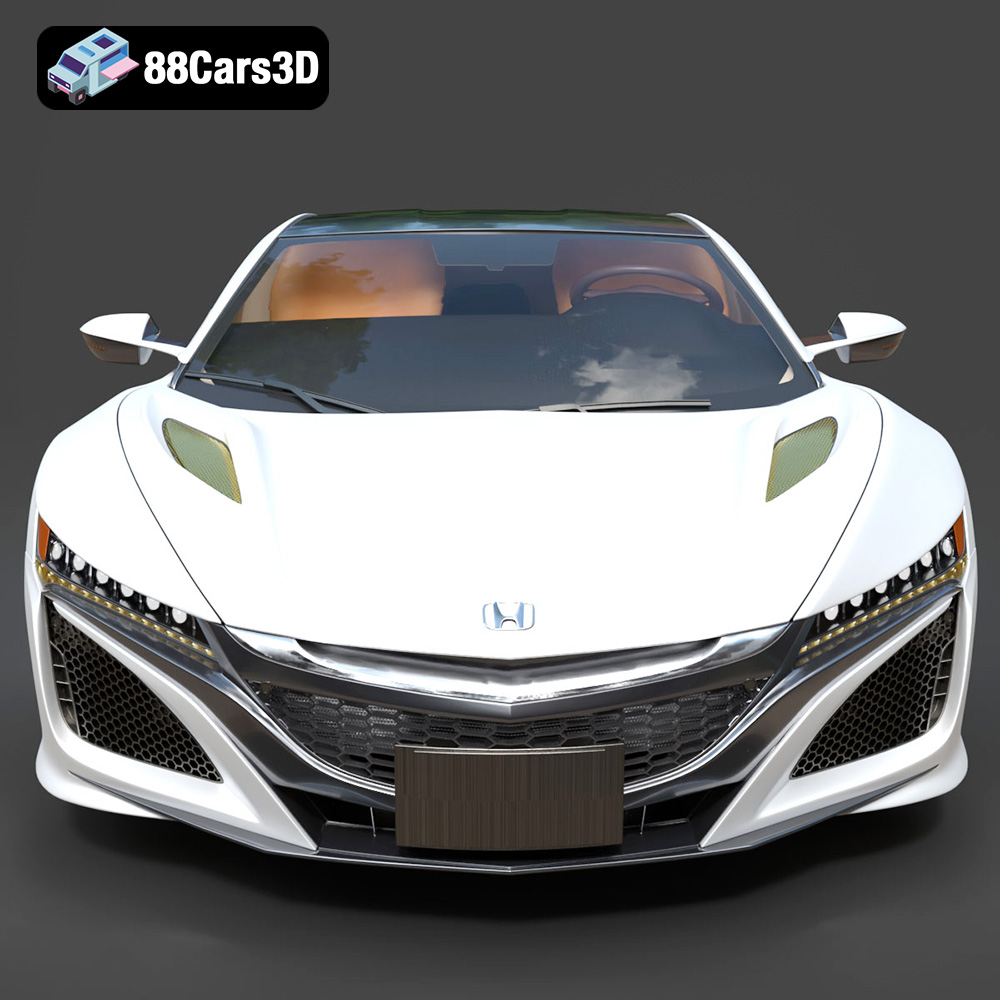
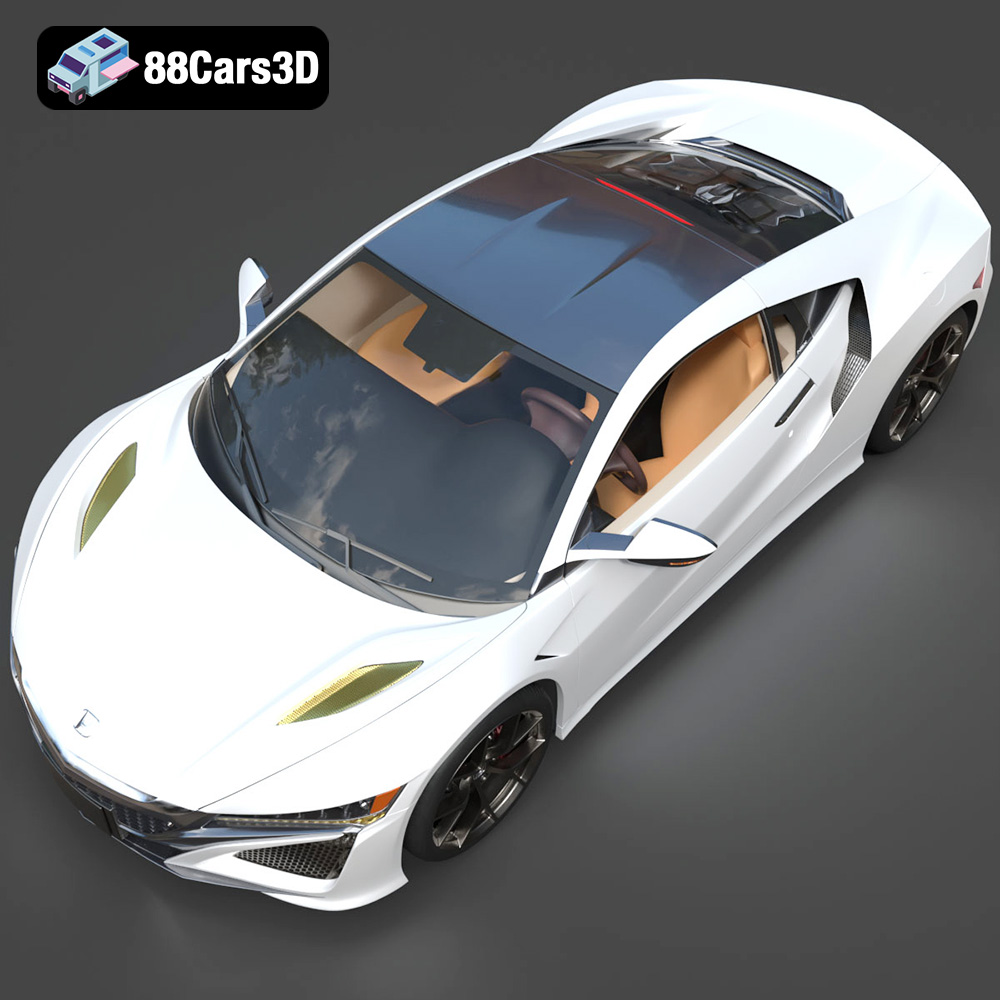
Imagine rendering a scene where every reflection shimmers accurately, every curve flows seamlessly, and the entire vehicle feels tangible, even in a virtual space. This level of detail isn’t just aesthetically pleasing; it’s crucial for delivering truly compelling experiences. Today, we’re diving deep into the intricate world of premium 3D vehicle assets, highlighting how meticulously crafted models like the Honda NSX 2017 3D Model elevate projects across various industries. This stunning representation of the legendary hybrid sports car, available on 88cars3d.com, encapsulates the pinnacle of digital automotive design, offering unparalleled realism and versatility for any professional workflow.
Creating a truly exceptional 3D car model is far more than just extruding polygons. It’s a meticulous process that balances artistic interpretation with engineering-level precision, demanding a keen eye for detail and a profound understanding of real-world physics and design.
The first step in crafting a high-fidelity 3D car model, such as the Honda NSX 2017, involves an exhaustive study of the real vehicle. This includes collecting extensive reference images, blueprints, and even CAD data when available, to ensure every dimension, every curve, and every subtle design cue is accurately translated into the digital realm. Proportion is paramount; even a slight deviation can make a model look “off” or unrealistic. Artists must understand automotive design language – the way panels meet, the flow of lines, and the interaction of light on different surfaces – to breathe life into the virtual vehicle.
For a model like the Honda NSX 2017, known for its sleek, aerodynamic lines and iconic stance, capturing these nuances is critical. It’s about more than just exterior shape; interior details, undercarriage components, and even engine bay elements (depending on the model’s intended use) contribute to the overall authenticity. This dedication to precision ensures that the finished 3D car model resonates with automotive enthusiasts and casual observers alike.
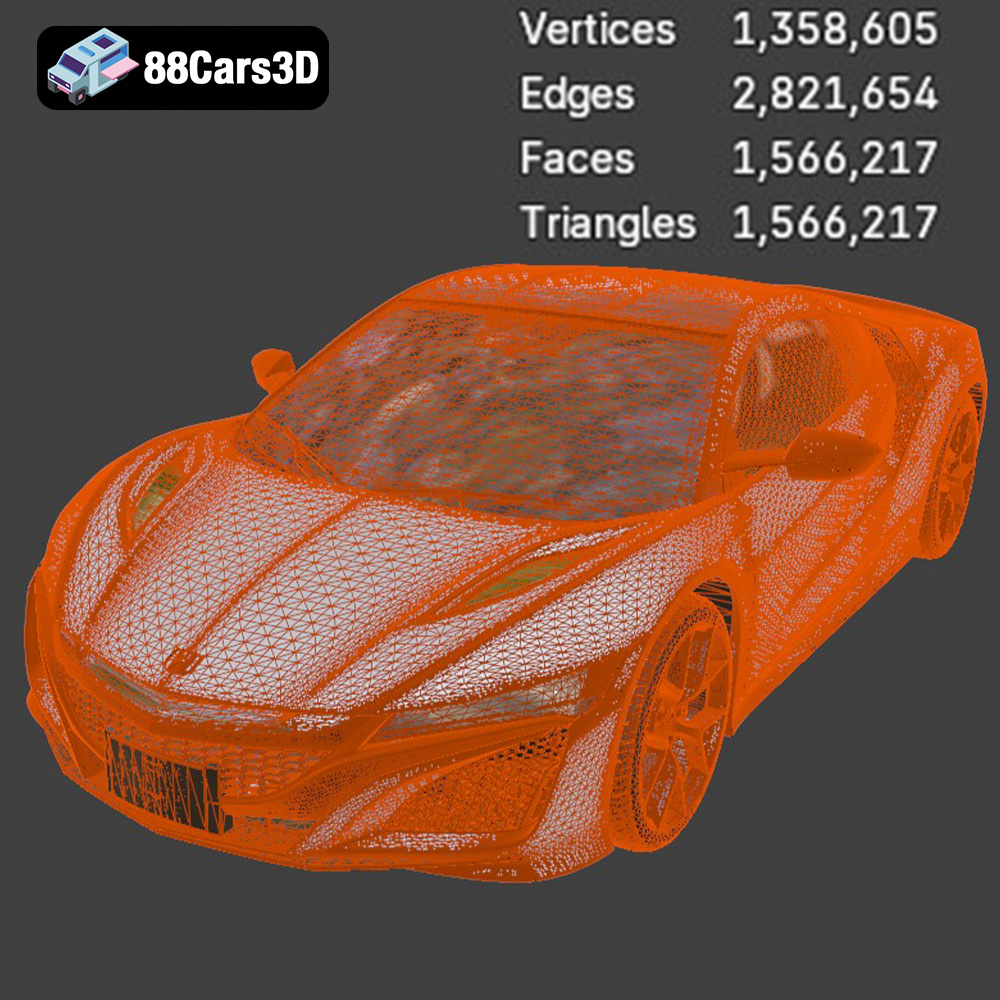
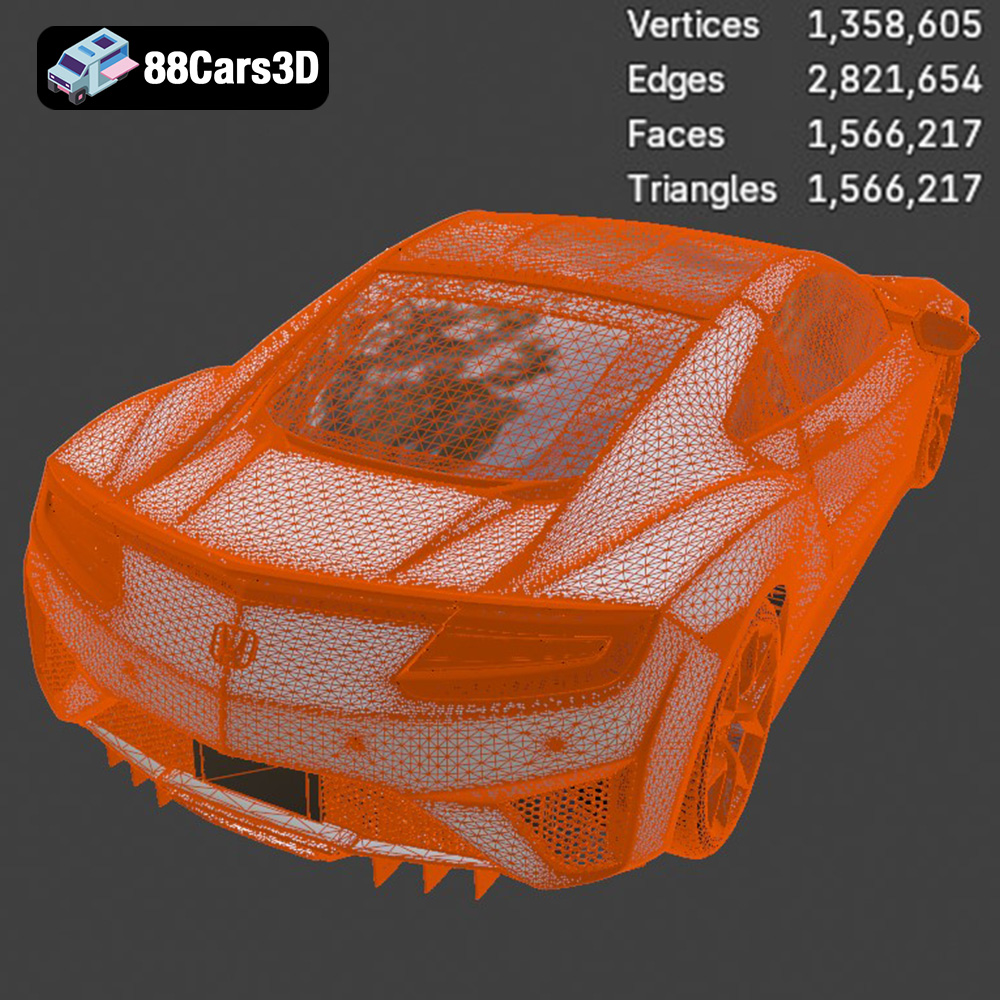
Beyond aesthetics, the technical foundation of a 3D car model is its geometry and topology. Clean geometry refers to a mesh that is free from artifacts, intersecting faces, or unnecessary complexity. Optimized topology, on the other hand, describes the strategic arrangement of polygons (usually quads) to facilitate smooth deformations, efficient UV unwrapping, and streamlined rendering.
Professional-grade polygon structures are crucial for animators and game developers. A well-constructed mesh allows for easy modification, smooth subdivision for high-detail renders, and efficient performance in real-time engines. For game assets, meticulous optimization involves reducing polygon counts without sacrificing visual fidelity, often through techniques like normal mapping and strategic tessellation. For cinematic rendering, while poly count might be higher, the underlying topology must still be clean to avoid shading artifacts and ensure seamless material application. The Honda NSX 2017 3D Model exemplifies these principles, boasting clean geometry and professional-grade polygon structures designed for versatility across demanding applications.
One of the most critical aspects of working with 3D car models, especially when integrating them into diverse projects, is understanding the array of file formats available. Each format serves specific purposes, offering unique advantages in terms of compatibility, data retention, and optimization. The Honda NSX 2017 3D Model, like many premium assets from 88cars3d.com, is delivered in multiple industry-standard formats to ensure maximum flexibility for creative professionals.
This wide array of formats ensures that regardless of your project requirements or software ecosystem, a high-quality 3D car model like the Honda NSX 2017 from 88cars3d.com can seamlessly integrate into your workflow.
The true test of a premium 3D car model lies in its ability to produce stunning, photorealistic renders. Automotive visualization is an art form in itself, demanding meticulous attention to materials, lighting, and environmental context.
Achieving photorealism is largely dependent on the quality of materials and textures. A high-fidelity 3D car model, such as the Honda NSX 2017, features professionally crafted materials that accurately simulate real-world surfaces – glossy paint, reflective chrome, textured tires, clear glass, and intricate interior fabrics. These materials often leverage Physically Based Rendering (PBR) workflows, which define how light interacts with surfaces based on real physical properties like roughness, metallicness, and normal maps.
The reflections on a car’s surface are particularly crucial. True-to-life reflections, as promised by the Honda NSX 2017 model’s description, are achieved through precise UV mapping (ensuring textures wrap correctly without stretching), high-resolution texture maps, and complex shader networks. These elements combine to give the vehicle its characteristic sheen, depth, and material authenticity, making it appear as if it exists within the rendered environment.
Just as in real-world photography, lighting is the ultimate sculptor of form in 3D rendering. Effective lighting setups can emphasize a car’s design, highlight its aerodynamic curves, and set the overall mood of a scene. Whether it’s the crisp, high-key lighting of a showroom, the dramatic interplay of shadows in an urban setting, or the warm glow of a sunset, lighting fundamentally impacts how the Honda NSX 2017 is perceived.
Advanced rendering techniques like global illumination (GI) and ray tracing are employed to simulate how light bounces off surfaces, creating realistic indirect lighting and soft shadows. High Dynamic Range (HDR) environment maps are also commonly used to provide realistic reflections and ambient lighting from real-world scenes. By expertly manipulating these elements, artists can transform a static 3D model into a captivating visual narrative.
The versatility of a high-quality 3D car model extends from static hero shots to complex animated sequences. For automotive commercials, product launches, or even virtual showrooms, animating the vehicle – showcasing its movement, opening doors, or highlighting interior features – adds a dynamic layer of engagement. Models designed with clean topology and proper pivot points (like those provided by 88cars3d.com) simplify the animation process, allowing for smooth camera movements, tire rotations, and other articulated parts.
Cinematic rendering pipelines demand extreme detail and performance. The Honda NSX 2017 3D Model, with its “exceptional detail for all your digital projects,” is perfectly suited for these high-stakes productions, providing the fidelity required to stand up to close-up shots and slow-motion sequences.
Beyond traditional rendering, 3D car models are central to interactive experiences, forming the backbone of racing games, open-world simulations, and immersive AR/VR applications. Here, optimization and engine compatibility become paramount.
In game development and AR/VR, rendering has to happen instantaneously, often 60 or 90 frames per second, to provide a fluid, responsive experience. This necessitates careful optimization of 3D assets. While high-poly models are excellent for cinematic renders, real-time engines often require lower poly counts, achieved through techniques like creating LODs (Levels of Detail).
LODs are simplified versions of the model that swap in and out depending on the camera’s distance, ensuring that close-up views retain detail while distant objects use fewer polygons, thus saving computational resources. The Honda NSX 2017 3D Model is designed with this in mind, with “game-engine ready” formats like .fbx and .unreal indicating its suitability for optimized real-time deployment without compromising visual integrity up close.
Seamless integration into game engines like Unreal Engine and Unity is a crucial feature for professional 3D car models. The .fbx format, with its ability to carry geometry, materials, and UVs, is the workhorse for this transfer. Beyond basic import, assets need proper material setup within the engine, collision meshes for realistic physics, and sometimes even vehicle blueprints or prefabs that define driving characteristics.
The Honda NSX 2017 3D Model, with its dedicated .unreal format, directly addresses this need, providing a pre-configured asset that developers can drop into their projects, saving significant time on setup and ensuring that the model looks and performs as intended within the powerful Unreal ecosystem. Similar considerations apply for Unity users, where a well-structured .fbx file ensures quick and accurate import.
Augmented Reality (AR) and Virtual Reality (VR) are transforming how we interact with digital content, bringing 3D models into our physical world or immersing us in entirely new ones. Automotive applications in AR/VR range from virtual showrooms and interactive car configurators to driving simulations and even virtual repair and maintenance training.
For these demanding environments, models need to be exceptionally well-optimized for performance and delivered in formats like .glb, which is specifically tailored for AR/VR and web-based visualization. The Honda NSX 2017 3D Model excels here, providing the fidelity required for professional production while maintaining the efficiency necessary for fluid, immersive AR/VR experiences, allowing users to inspect the car from every angle, manipulate its features, or even “drive” it in a virtual world.
In a fast-paced creative industry, time is money. Sourcing high-quality, pre-built 3D assets is not just a convenience; it’s a strategic advantage that allows studios and freelancers to deliver exceptional results efficiently.
Building a complex 3D car model like the Honda NSX 2017 from scratch can take hundreds of hours of a skilled artist’s time. This includes modeling, UV unwrapping, texturing, material creation, and optimization for various outputs. By purchasing a professionally crafted model from a reputable marketplace like 88cars3d.com, studios can dramatically reduce production timelines and allocate their internal resources to other critical project aspects, such as scene development, animation, or interactive logic.
This efficiency gain is particularly significant for smaller studios or individual artists who might not have the capacity to model every asset themselves. It allows them to produce high-end content that rivals larger productions, making premium 3D car models an indispensable part of modern workflows.
While pre-built, high-quality 3D car models are production-ready, they also offer extensive opportunities for customization. Artists can modify textures, change paint colors, add custom decals, or even integrate the model into entirely new environments. The clean geometry and well-organized file structure of models like the Honda NSX 2017 ensure that such modifications are straightforward and non-destructive.
For example, an automotive marketing agency might use the base Honda NSX 2017 3D Model to create various color configurations for a client, place it in different virtual environments to showcase its versatility, or even integrate it into a personalized customer experience. The adaptability of such assets ensures long-term value and utility across diverse projects.
High-fidelity 3D car models are at the forefront of automotive marketing, enabling brands to showcase new vehicles long before physical prototypes are available. They power stunning virtual launch events, interactive online configurators, and highly realistic advertising campaigns without the need for expensive photoshoots or film sets. Companies like Honda, for instance, leverage similar digital assets to present their vehicles with breathtaking realism, allowing potential buyers to explore every detail.
In product design, 3D models facilitate rapid prototyping and visualization, allowing engineers and designers to iterate on concepts, test aerodynamic properties, and visualize aesthetic changes in a virtual environment before committing to costly physical manufacturing. For example, a designer could take the core structure of the Honda NSX 2017 model and modify elements for a futuristic concept, using the high-quality base as a springboard for innovation.
When the success of your project hinges on the realism and performance of your 3D assets, choosing the right source is critical. 88cars3d.com stands out as a marketplace dedicated to offering high-quality 3D car models that meet the rigorous demands of professional production.
The commitment to “unparalleled realism” and “exceptional detail” for assets like the Honda NSX 2017 3D Model isn’t just marketing speak; it reflects a dedication to technical excellence. Each model is meticulously crafted with clean geometry, realistic materials, and professional-grade polygon structures. This meticulous attention to detail ensures that assets not only look good but are also technically sound and easy to work with across various software and pipelines.
From the precise capture of aerodynamic lines to true-to-life reflections and accurate proportions, models from 88cars3d.com are built to integrate seamlessly into any visual environment, providing the fidelity required for professional production.
Whether you’re a game developer creating the next racing simulation, an architect visualizing a sleek car parked in front of a new building, a filmmaker producing a cinematic sequence, or an AR/VR developer building an interactive experience, the diverse range of formats and inherent quality of models from 88cars3d.com makes them broadly applicable. The Honda NSX 2017 3D Model, for instance, is ideal for game development, architectural visualization, cinematic rendering, and AR/VR, proving its versatility as a hero asset or an interactive vehicle.
The journey from a real-world marvel like the Honda NSX 2017 to a pixel-perfect 3D car model is a testament to the incredible skill and technical prowess of digital artists. These assets are no longer just static images; they are dynamic, interactive components that drive immersion, accelerate production, and unlock new creative possibilities across industries.
By investing in high-fidelity 3D car models, such as the Honda NSX 2017 3D Model available on 88cars3d.com, creators gain access to a foundation of realism and versatility. These models are engineered for seamless integration, offering a comprehensive suite of file formats to suit any professional workflow, from architectural visualization and game development to cinematic rendering and cutting-edge AR/VR experiences. Embrace the power of precision and elevate your digital projects with assets that truly capture the essence of automotive excellence.
Experience unparalleled realism with the Honda NSX 2017 3D Model. Meticulously crafted to capture the sleek, aerodynamic lines and iconic stance of this legendary hybrid sports car, this model delivers exceptional detail for all your digital projects.
Key features include clean geometry, realistic materials, and professional-grade polygon structures. Every curve, panel, and interior element is designed to ensure seamless integration into any visual environment, providing true-to-life reflections and accurate proportions.
Perfect for a wide range of applications, this model excels in game development, architectural visualization, cinematic rendering, and AR/VR experiences. Whether used as a hero asset in an animation or an interactive vehicle in a virtual environment, it offers the fidelity required for professional production.
The model is delivered in multiple industry-standard file formats to ensure maximum compatibility:
$19.99
.arvr
.blend
.car3dmodel
.fbx
.gameasset
.glb
.honda
.max
.nsx
.obj
.ply
.rendering
.simulation
.sportsCar
.stl
.supercar
.unreal