Get 20% OFF All Premium 3D & STL Models!

The world of 3D modeling is a dynamic fusion of art and engineering, particularly when it comes to capturing the intricate beauty and technical prowess of automotive design. From the sleek lines of a concept car to the powerful stance of a sports roadster, creating a truly compelling 3D vehicle model requires a deep understanding of form, function, and digital craftsmanship. These assets are the lifeblood of countless industries, powering everything from cinematic CGI to interactive game experiences, and even advanced engineering simulations.
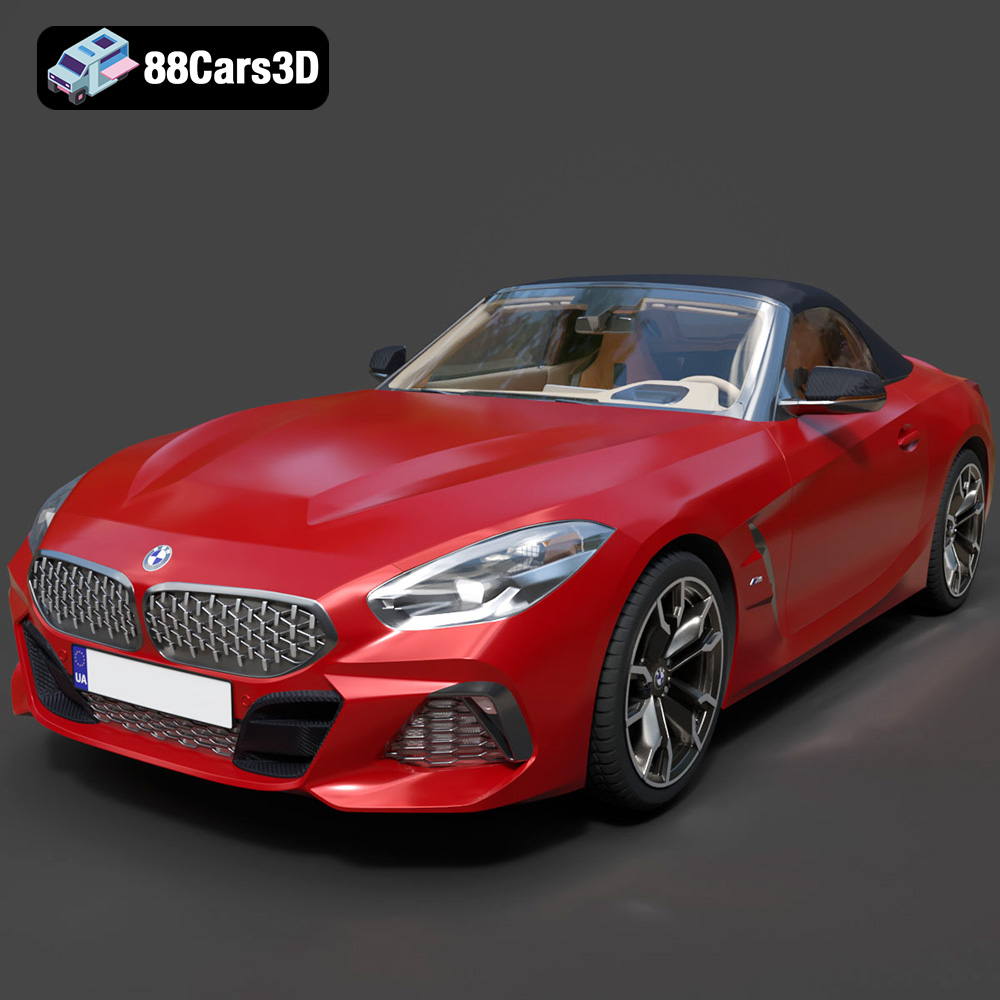
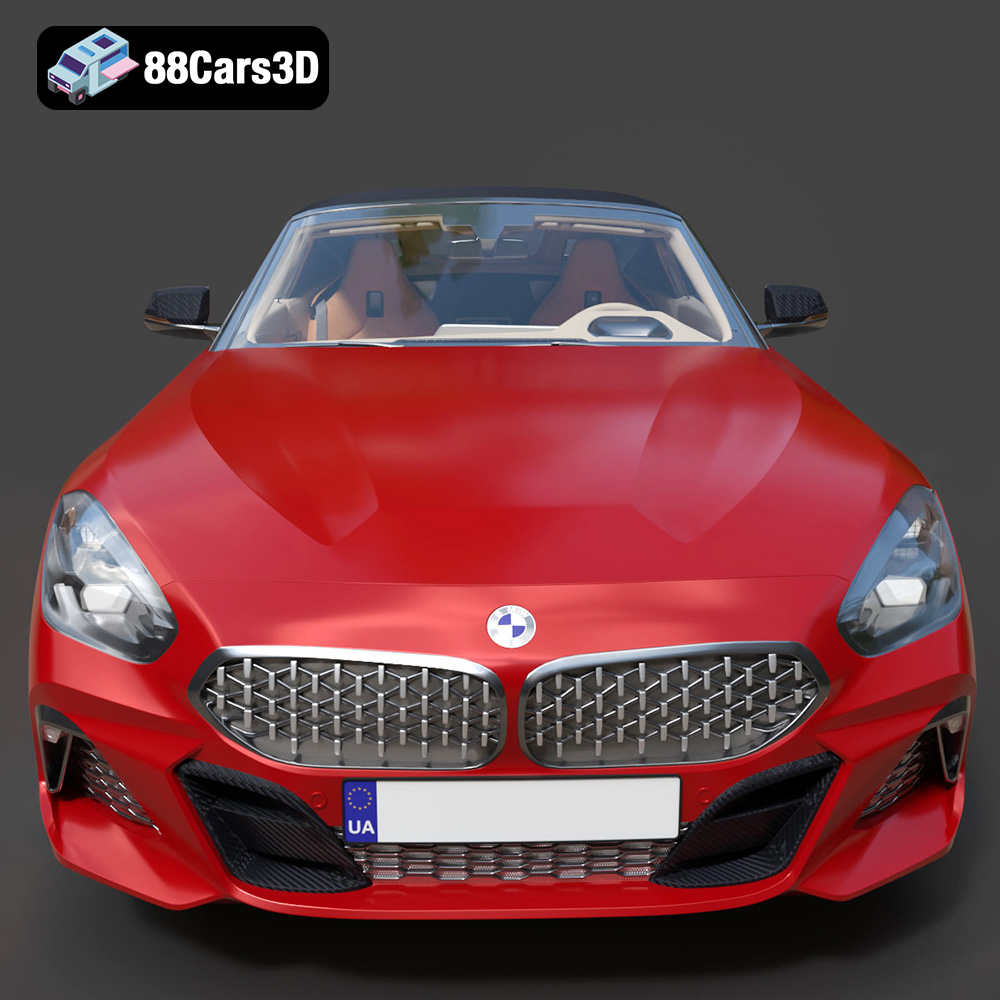
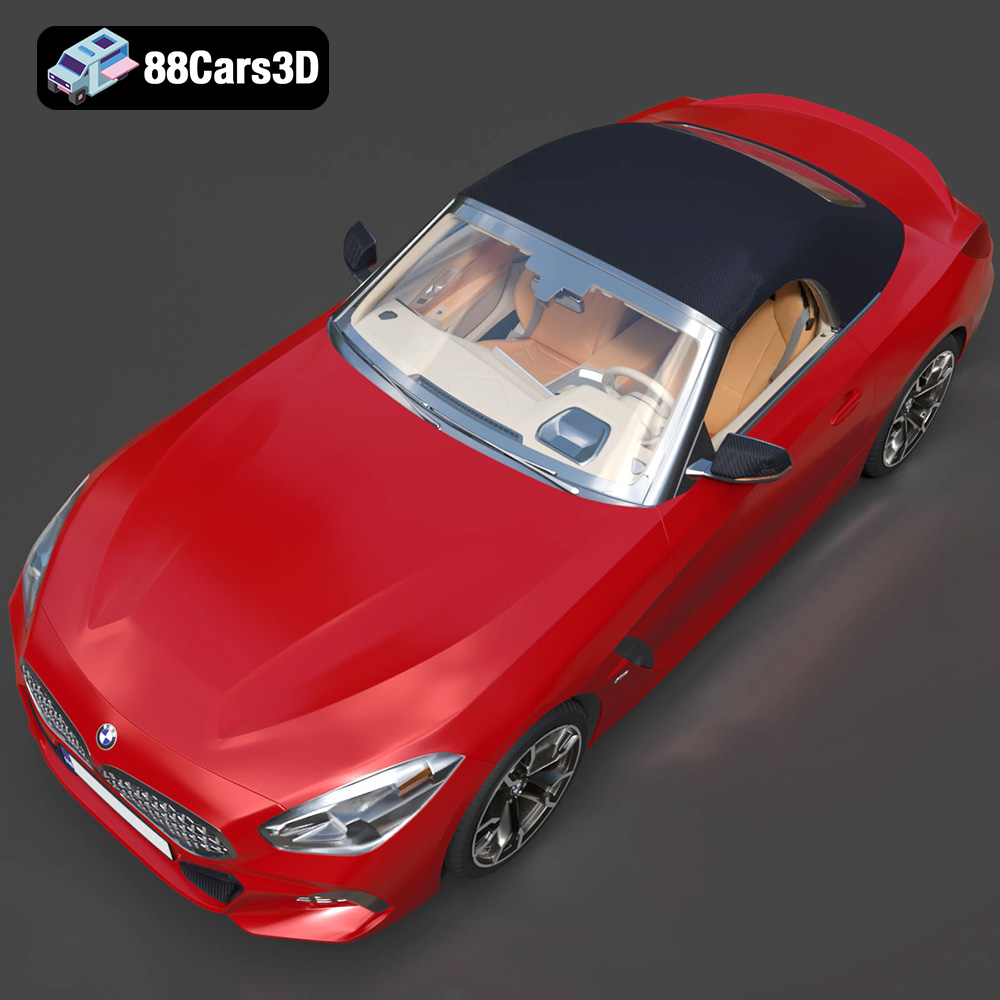
At the heart of this digital transformation are high-fidelity 3D car models, designed to meet the rigorous demands of professional pipelines. Consider, for instance, a masterfully crafted asset like the BMW Z4 Mk3 G29 Roadster M40i 2019 3D Model. This particular model exemplifies the pinnacle of digital automotive representation, offering an unparalleled level of detail and versatility that makes it an indispensable tool for designers, artists, and developers across the globe. It’s not just a digital replica; it’s a foundation for innovation, a canvas for creativity, and a catalyst for realism in any digital environment.
In an increasingly visual world, the fidelity of 3D assets directly correlates with the perceived quality of a project. Whether you’re pitching a new marketing campaign, developing a next-generation video game, or creating an architectural visualization, the vehicles within your scene need to be indistinguishable from their real-world counterparts. This demand for realism drives the need for meticulously crafted 3D car models.
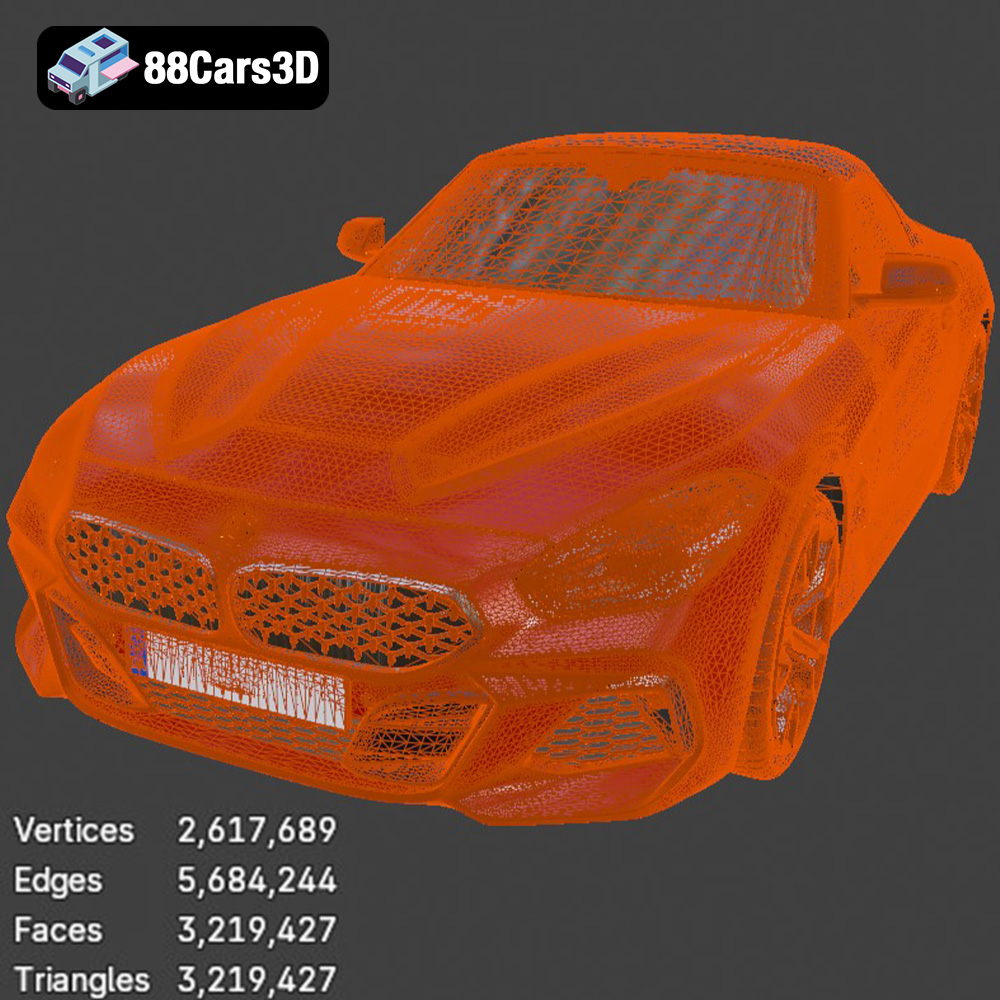
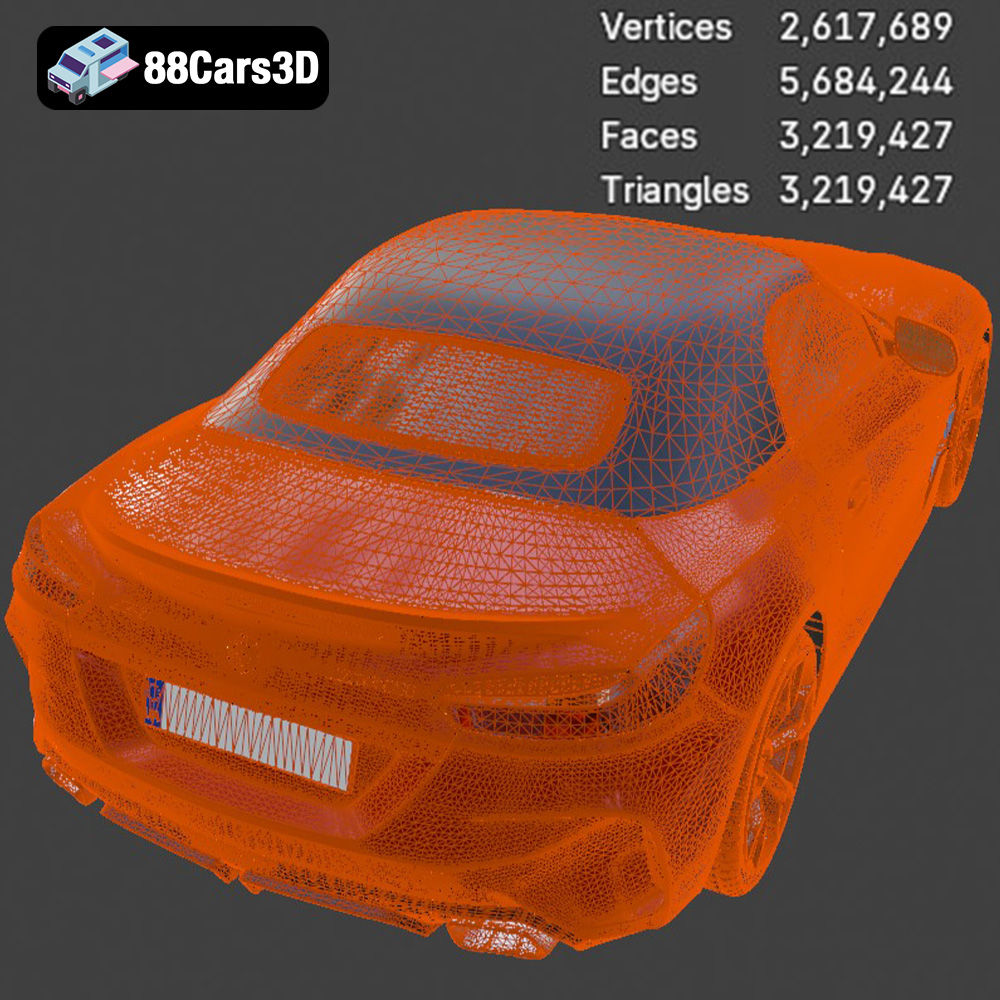
A high-quality 3D car model, such as the BMW Z4 Mk3 G29 Roadster M40i 2019 3D Model, is a testament to precision. It begins with accurate blueprints and photographic references, which are then translated into clean, optimized mesh geometry. Every panel gap, every contour line, every subtle reflection angle is painstakingly recreated. This level of detail isn’t merely aesthetic; it’s functional. For automotive rendering, the way light interacts with surfaces determines realism. Correct topology ensures smooth reflections, accurate shadow casting, and proper deformation during animation. Realistic materials, often based on Physically Based Rendering (PBR) principles, mimic real-world metallic flakes, clear coats, and leather textures, making the digital car feel tangible and authentic.
Beyond raw visual quality, production-ready 3D car models offer immense efficiency. Imagine the time and resources saved when an artist doesn’t have to model a complex vehicle from scratch. Instead, they can focus on integrating the asset, setting up scenes, perfecting lighting, and iterating on creative ideas. A pre-optimized model, complete with clean UVs, PBR textures, and appropriate mesh density, allows for seamless integration into various software environments, from 3ds Max for high-end rendering to Unreal Engine for real-time applications. This advantage is crucial in tight production schedules, enabling teams to deliver stunning results faster and more cost-effectively.
The versatility of a 3D model is often determined by the range of file formats it supports. Each format is designed with specific use cases and software ecosystems in mind, offering different advantages for various stages of a professional workflow. Understanding these distinctions is critical for anyone working with 3D car models, ensuring compatibility, data integrity, and optimal performance across diverse platforms.
When you acquire a premium asset like the BMW Z4 Mk3 G29 Roadster M40i 2019 3D Model from a reputable marketplace like 88cars3d.com, you’re not just getting a single file; you’re often getting a package of formats tailored for maximum utility. This multi-format approach ensures that whether your project is focused on game development, high-fidelity rendering, AR/VR experiences, or even 3D printing, you have the right version of the asset ready to go. Let’s delve into the specifics of the most common and powerful formats:
The availability of these diverse formats for the BMW Z4 Mk3 G29 Roadster M40i 2019 3D Model underscores its professional-grade nature, offering unparalleled flexibility to integrate it into virtually any digital production pipeline.
A highly detailed 3D car model transcends mere visual appeal; it becomes a versatile tool in professional workflows, serving a multitude of creative and functional purposes. The BMW Z4 Mk3 G29 Roadster M40i 2019 3D Model, with its clean geometry and realistic materials, is designed to integrate seamlessly into complex production pipelines, elevating the quality of various projects.
In architectural visualization (arch-viz), realistic vehicles are crucial for giving scale and life to rendered buildings and urban scenes. Placing a beautifully rendered BMW Z4 within a luxury apartment complex exterior or alongside a contemporary architectural marvel instantly adds a layer of realism and aspiration. For product marketing, this model becomes invaluable for showcasing the Z4 itself or other luxury products. Imagine a high-definition render of the Z4 parked elegantly, highlighting a new watch or a bespoke clothing line. The ability to manipulate lighting, camera angles, and environments digitally allows for endless creative possibilities without the logistical complexities and costs of a physical photoshoot.
The film, television, and advertising industries rely heavily on photorealistic 3D assets to create stunning visual effects. From dynamic car chases to subtle background elements, a detailed 3D car model like the Z4 can be integrated into live-action footage or form the centerpiece of a fully CGI sequence. The model’s clean topology and PBR materials are essential for achieving cinematic quality, ensuring that reflections, shadows, and textures hold up under close scrutiny and various lighting conditions. For broadcast graphics, such as news intros or sports segments, a well-rendered 3D car can add a touch of sophistication and excitement, grabbing viewer attention with its dynamic presence.
The interactive realm of video games and real-time applications presents a unique set of challenges and opportunities for 3D car models. Performance is paramount, yet visual fidelity cannot be sacrificed. The BMW Z4 Mk3 G29 Roadster M40i 2019 3D Model is ideally suited for these demanding environments, having been crafted with game engine compatibility in mind.
For game development, an asset must be optimized to run efficiently while maintaining visual quality. This often involves creating Levels of Detail (LODs), which are simplified versions of the model that automatically swap in at greater distances from the camera. A high-quality model like the Z4 from 88cars3d.com would ideally come with pre-generated LODs or be structured to facilitate their creation, reducing polygon counts for distant views without noticeable degradation. Additionally, accurate collision meshes are crucial for realistic physics and player interaction, ensuring the car behaves credibly within the game world.
Physically Based Rendering (PBR) has revolutionized real-time graphics, allowing materials to react realistically to light in game engines like Unreal Engine and Unity. The BMW Z4 model’s “realistic materials” are a direct nod to PBR principles. These materials typically consist of multiple texture maps (albedo, normal, metallic, roughness, ambient occlusion) that accurately describe surface properties. When imported via an .fbx or .unreal format, these PBR textures integrate seamlessly, giving the Z4 model its vibrant paint finish, reflective chrome, and textured interior within the game environment.
Augmented Reality (AR) and Virtual Reality (VR) are frontiers of immersive experience, and high-quality 3D car models are central to their appeal. Whether it’s a virtual showroom experience where customers can explore the Z4’s interior in VR, or an AR app that lets them “park” the car in their driveway, the model needs to be optimized for these specific platforms. The .glb format, included with this BMW Z4 model, is particularly adept at this, providing a lightweight, efficient package that performs well on mobile devices and VR headsets, delivering a fluid and realistic interactive experience.
Rendering is the art of transforming 3D data into a compelling 2D image or animation. For automotive projects, this process demands mastery of materials, lighting, and advanced rendering techniques to achieve photorealism. The BMW Z4 Mk3 G29 Roadster M40i 2019 3D Model provides an exceptional foundation for these pursuits.
The “realistic materials” of the Z4 model are critical for achieving photorealism in rendering. This involves meticulously crafted PBR textures that accurately represent metallic paint, carbon fiber accents, leather upholstery, and glass elements. When combined with sophisticated lighting setups – from studio HDRI environments to simulated natural daylight – these materials come to life. The precision of the model’s geometry ensures that light bounces and reflects authentically, creating accurate highlights and subtle refractions in the glass, all contributing to an image that is virtually indistinguishable from a photograph.
Modern renderers leverage advanced techniques like global illumination, ambient occlusion, and ray tracing to simulate light transport with incredible accuracy. With a clean and well-structured 3D car model, artists can push the boundaries of these techniques. For example, rendering the BMW Z4 in 3ds Max, artists can employ V-Ray or Corona Renderer to achieve stunning detail in reflections and refractions, soft shadows, and physically accurate caustics. The model’s “clean geometry” is paramount here, as convoluted or overlapping meshes can lead to rendering artifacts, whereas a well-built model allows these advanced algorithms to perform flawlessly, capturing every nuance of the car’s design.
The utility of a high-quality 3D car model extends far beyond digital visualization. In industries ranging from manufacturing to engineering, these assets serve as crucial tools for physical prototyping and complex simulations.
With the included .stl file format, the BMW Z4 Mk3 G29 Roadster M40i 2019 3D Model is ready for 3D printing. This allows designers, engineers, or even enthusiasts to create physical prototypes or scale models of the Z4. Such physical representations are invaluable for tactile evaluation of design aesthetics, ergonomic studies, or simply for creating unique collectibles. The accuracy of the digital model translates directly to the precision of the printed object, making it a powerful bridge between the digital and physical realms.
In the automotive industry, 3D models are fundamental for engineering simulations. The .ply format, with its ability to store detailed polygon meshes, can be particularly useful for analyzing surface properties or integrating the model into specialized simulation software. These simulations might involve aerodynamic analysis (CFD), crash testing, or even thermal management studies, all performed virtually to optimize performance and safety before physical prototypes are ever built. While the aesthetic model might need adaptation for these highly technical applications, a clean base mesh provides an excellent starting point for such rigorous analysis.
Acquiring high-quality 3D car models is a critical decision for any project manager, artist, or developer. The sheer volume of 3D assets available online can be overwhelming, making it difficult to discern true professional quality. This is where specialized marketplaces like 88cars3d.com truly shine, offering a curated selection of premium 3D car models that meet industry-leading standards.
The BMW Z4 Mk3 G29 Roadster M40i 2019 3D Model, available on 88cars3d.com, is a prime example of the commitment to quality. Each model is crafted with “clean geometry, realistic materials, and professional-grade detailing,” ensuring that it performs flawlessly across various software and applications. The inclusion of multiple file formats—from .blend and .max for native software users to .fbx and .unreal for game engines, and .glb for web/AR/VR—guarantees maximum versatility and compatibility, saving users precious time and effort in asset preparation. This meticulous attention to technical detail means artists can spend less time fixing meshes and more time creating compelling visuals.
By providing ready-to-use, high-fidelity 3D car models, 88cars3d.com streamlines the creative process. Instead of investing countless hours in modeling complex vehicles, professionals can instantly access production-ready assets and integrate them directly into their projects. This not only accelerates workflows but also allows for greater focus on the artistic and technical nuances of scene composition, lighting, and animation. Whether you’re a freelance artist, a small studio, or a large production house, leveraging such pre-built, high-quality resources from 88cars3d.com can significantly enhance productivity and the overall quality of your output.
The world of 3D modeling for automotive design is a fascinating intersection of art, technology, and engineering. High-quality 3D car models are not just static representations; they are dynamic tools that empower artists and developers to create stunning visuals, immersive experiences, and functional prototypes across a multitude of industries. From photorealistic rendering and cinematic effects to real-time game development, AR/VR applications, and even 3D printing, the demand for precision-crafted digital vehicles continues to grow.
The BMW Z4 Mk3 G29 Roadster M40i 2019 3D Model stands as a brilliant example of such an asset, meticulously designed to meet the rigorous demands of professional workflows. Its clean geometry, realistic materials, and comprehensive file format support (including .blend, .fbx, .obj, .glb, .stl, .ply, .unreal, and .max) ensure unparalleled versatility and ease of integration into any project. By investing in such premium 3D car models from trusted sources like 88cars3d.com, creators can elevate their projects, save valuable time, and achieve results that truly resonate with their audience.
Whether you’re crafting the next big game, designing a compelling advertising campaign, or visualizing an architectural masterpiece, incorporating a professional-grade 3D model like this BMW Z4 Roadster will undoubtedly drive your project towards success. Explore the possibilities and experience the difference that true digital craftsmanship can make.
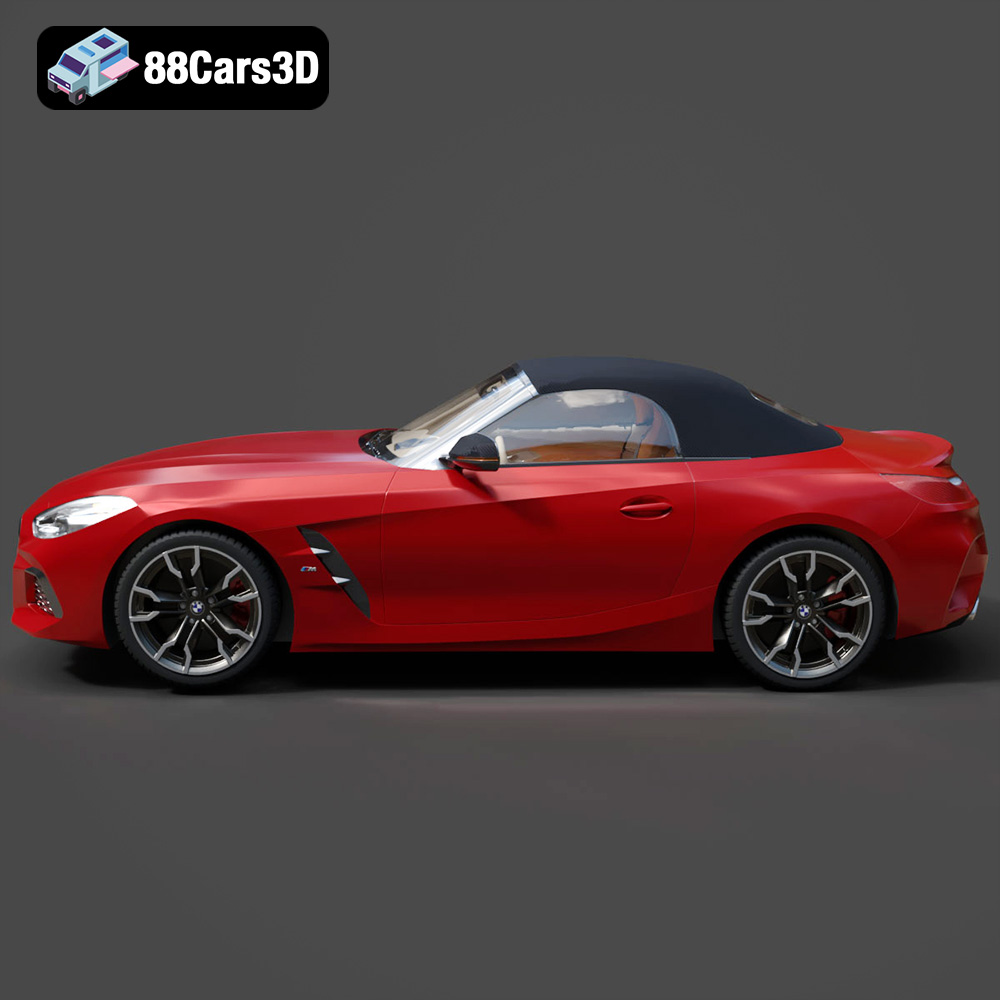
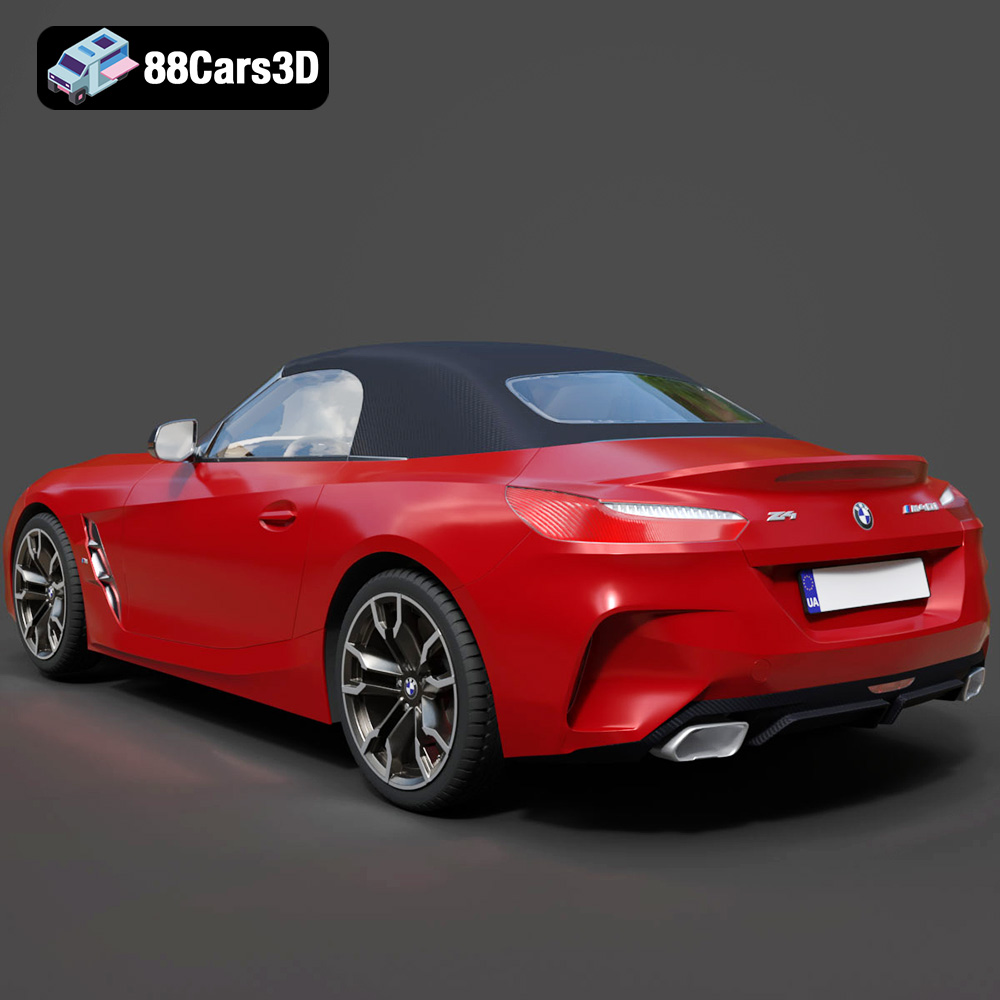
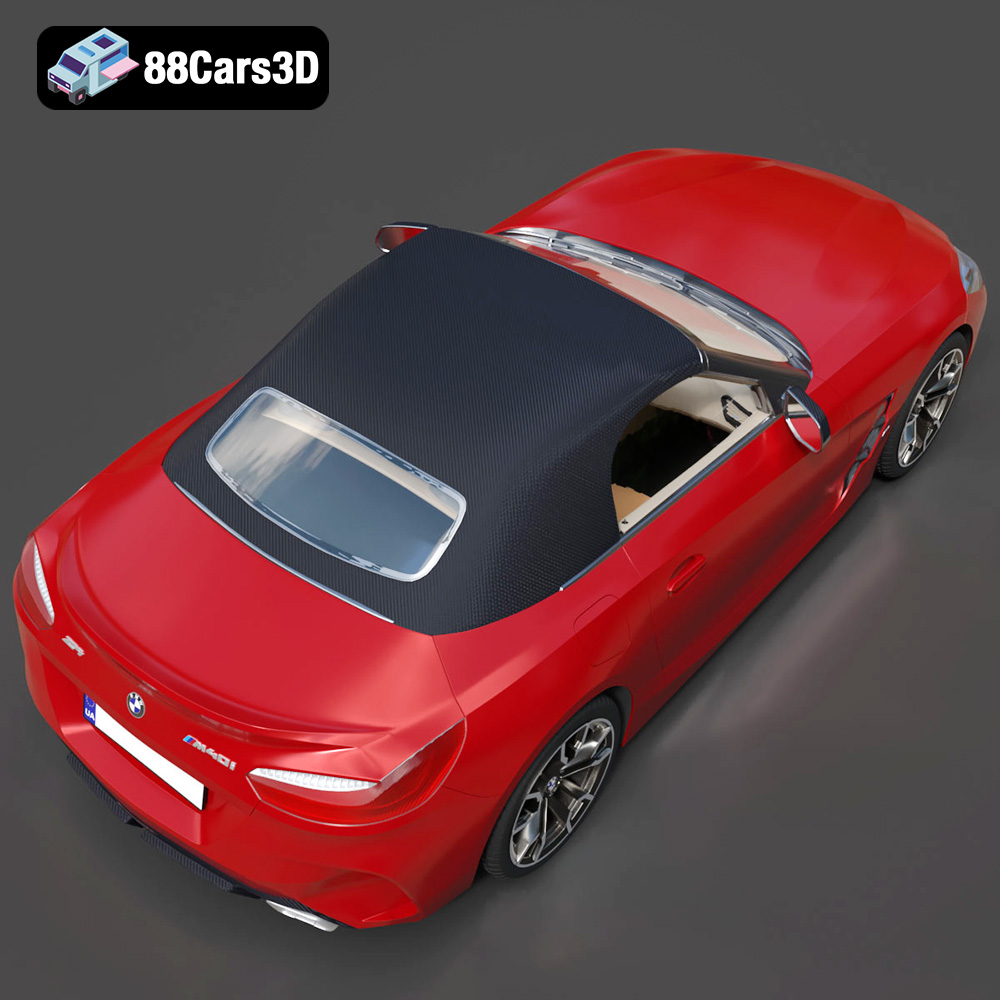
Experience true realism with the BMW Z4 Mk3 G29 Roadster M40i 2019 3D Model. Crafted with precision, this model perfectly captures the dynamic lines, aggressive stance, and elegant curves of the iconic roadster. This premium 3D model features clean geometry, realistic materials, and professional-grade detailing. The exterior and interior are meticulously built to ensure an accurate representation from every angle, providing a reliable asset for any professional digital workspace. Ideal for a wide range of applications, this vehicle is perfectly suited for game development, detailed rendering, AR/VR experiences, simulation environments, and commercial visualizations.
$19.99
.arvr
.blend
.bmw
.car3dmodel
.convertible
.fbx
.g29
.gameasset
.glb
.m40i
.max
.mk3
.obj
.ply
.rendering
.roadster
.simulation
.sportsCar
.stl
.unreal
.z4