Get 20% OFF All Premium 3D & STL Models!

In the rapidly evolving landscape of digital design, the demand for hyper-realistic and functionally versatile 3D assets has never been greater. From cinematic automotive advertisements to immersive virtual showrooms and cutting-edge game development, the foundation of excellence lies in the quality of the 3D models. A truly outstanding 3D car model is more than just a visual representation; it’s a meticulously engineered digital blueprint capable of driving innovation across multiple industries.
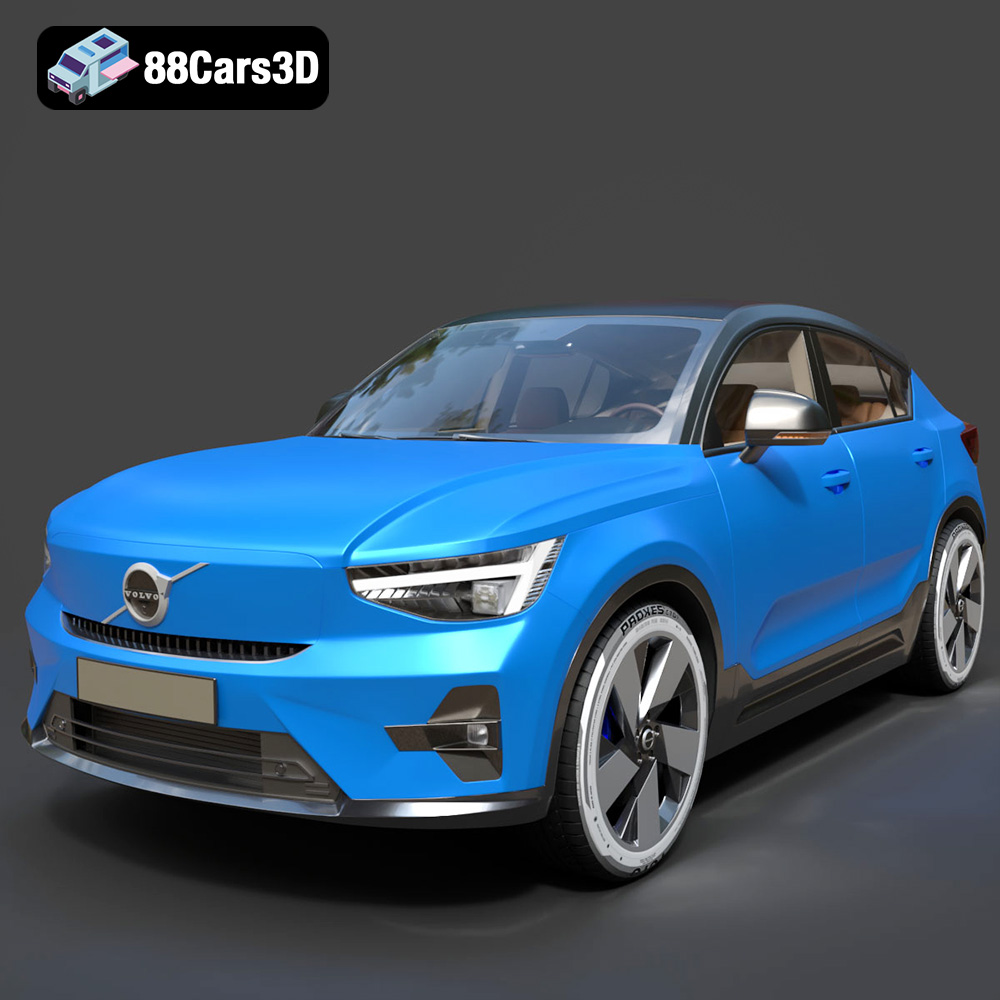
Today, we delve into the technical intricacies and profound impact of professional-grade 3D vehicles, exemplified by the stunning Volvo C40 Recharge 3D Model. This asset is a prime example of how precision modeling and comprehensive format support can empower creators, offering a seamless bridge between concept and breathtaking reality. Whether you’re a seasoned professional in architectural visualization, an ambitious game developer, or an industrial designer, understanding the nuances of these digital tools is paramount to staying ahead.
The versatility of a 3D model is often defined by the range and quality of its supported file formats. Each format serves a specific purpose, optimized for different software, workflows, and end applications. When acquiring a premium asset like the Volvo C40 Recharge 3D Model, understanding these distinctions is crucial for seamless integration and optimal performance. Let’s break down the essential formats:
The .blend file is Blender’s native format, renowned for encapsulating an entire scene. This includes not just the mesh data, but also materials, textures, lighting setups, camera positions, animations, and even rigging. For Blender users, this format offers unparalleled editability and flexibility, allowing artists to dive directly into the scene with all the original creator’s settings intact. It’s ideal for those who want to modify the model, re-render it with custom lighting, or incorporate it into a larger Blender project with minimal setup.
Autodesk’s .fbx (Filmbox) format has become a cornerstone of the 3D industry due to its robust support for transferring complex scene data between different software packages. It efficiently handles geometry, materials, textures, animations, and skeletal data, making it an ideal choice for game development (Unreal Engine, Unity), animation pipelines, and general asset exchange. The Volvo C40 Recharge 3D Model in FBX format ensures that its optimized geometry and PBR (Physically Based Rendering) materials translate effectively into real-time environments, maintaining visual fidelity while being performance-conscious.
The .obj (Wavefront OBJ) format is one of the oldest and most universally supported 3D file formats. It primarily describes the geometric data (vertices, faces, UV coordinates, normals) of a 3D model. While it doesn’t store animation or advanced material properties within the main file, it’s often accompanied by an .mtl (Material Template Library) file that defines basic material attributes and texture references. Its simplicity and widespread compatibility make it an excellent choice for general mesh exchange between virtually any 3D software, serving as a reliable fallback or for pure geometry manipulation.
.glb is the binary version of glTF (GL Transmission Format), a modern, open-standard format designed for efficient transmission and loading of 3D scenes and models by applications. It’s specifically optimized for web-based 3D, AR (Augmented Reality), and VR (Virtual Reality) experiences because it packages all necessary data (geometry, materials, textures, animations) into a single, compact file. This format allows the Volvo C40 Recharge 3D Model to be effortlessly integrated into interactive web configurators, social media AR filters, or standalone VR applications, delivering a rich visual experience with fast loading times.
The .stl (Stereolithography) format is the de facto standard for 3D printing. It represents a 3D model as a collection of unconnected triangulated facets, defining only the surface geometry of an object. It does not store color, texture, or material information. For designers looking to prototype or create physical replicas of the Volvo C40 Recharge 3D Model, the STL format provides a direct pathway to manufacturing, ensuring accurate translation of the vehicle’s form into a tangible object.
The .ply (Polygon File Format) is a file format for storing 3D data, often originating from 3D scanners. It can store a variety of properties, including color, transparency, surface normals, and range data, beyond just geometry. This format is valuable for scientific visualization, reverse engineering, and applications where precise geometric information and additional per-vertex or per-face data are critical, such as in CAD software or for detailed analysis of the model’s structure.
While not a standalone file extension in the traditional sense, the “.unreal” designation typically refers to an asset package specifically configured for direct import and optimal performance within Unreal Engine. This often means the model has been pre-processed with appropriate material instances, collision meshes, Levels of Detail (LODs), and pivot points aligned for Unreal’s coordinate system. Such an asset streamlines the workflow for game developers and real-time visualization specialists, ensuring the Volvo C40 Recharge 3D Model is ready to drop into an interactive scene with minimal setup, maximizing efficiency and leveraging Unreal’s powerful rendering capabilities.
The .max file is the native format for Autodesk 3ds Max, a powerful 3D modeling, animation, and rendering software. Like .blend files, .max files contain the complete scene data, including geometry, materials, lighting, cameras, animation, and any associated plugins or modifiers. For professionals working within the 3ds Max ecosystem, this format offers full editing capabilities, allowing for extensive customization, advanced rendering setups with V-Ray or Corona, and complex animation sequences of the Volvo C40 Recharge 3D Model.
Achieving photorealism in 3D car models requires an uncompromising commitment to detail, precision, and technical optimization. The Volvo C40 Recharge 3D Model stands as a testament to this philosophy, showcasing features that elevate it beyond a mere digital representation to a sophisticated tool for professionals.
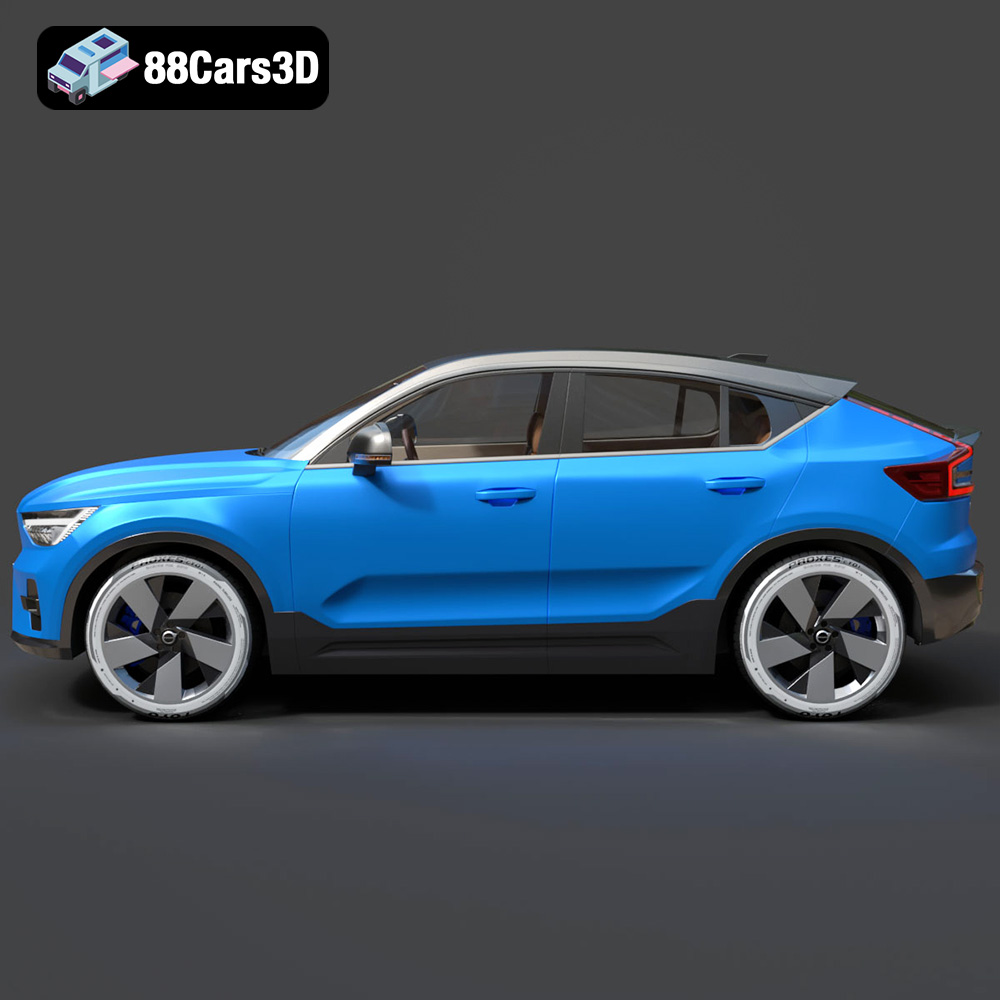
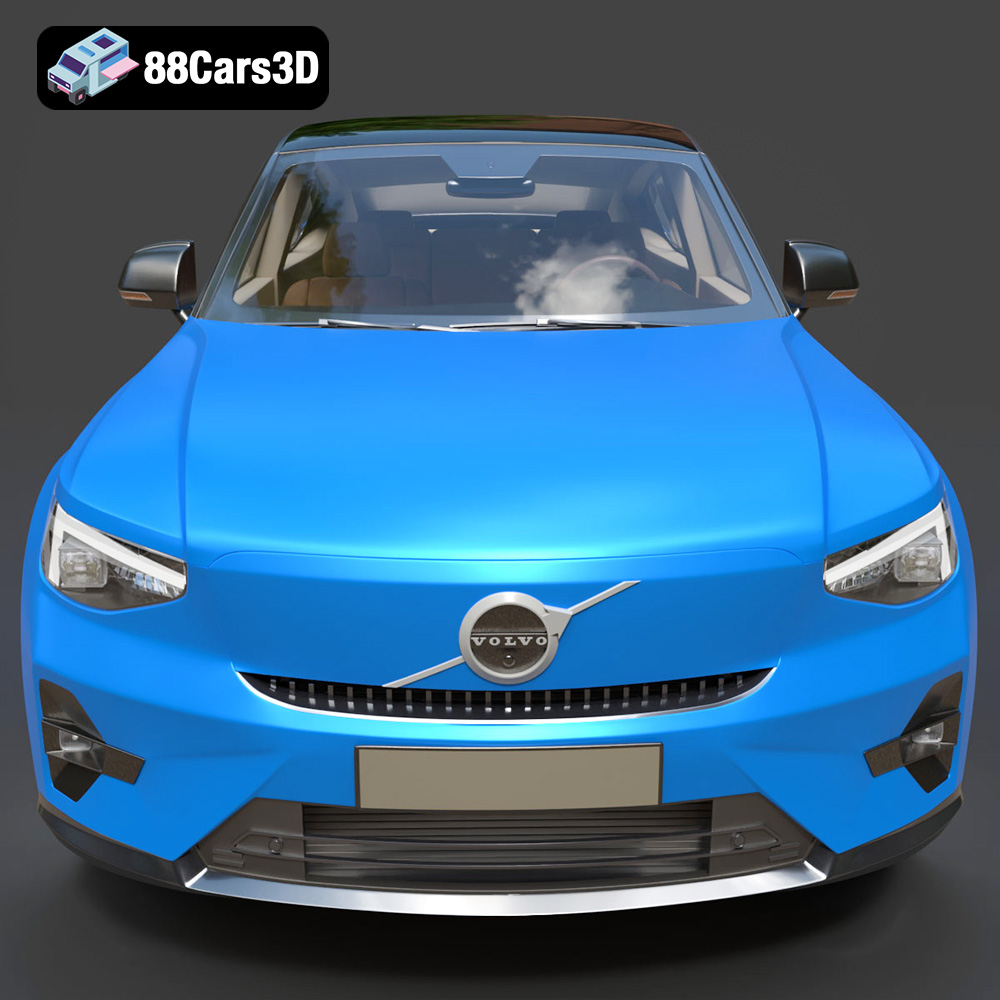
The cornerstone of a realistic 3D vehicle is its adherence to real-world proportions. The Volvo C40 Recharge model has been crafted with an eagle eye for detail, ensuring every curve, line, and panel gap precisely mirrors the actual vehicle. This accuracy is not just aesthetic; it’s critical for engineering visualizations, automotive marketing campaigns, and simulations where spatial integrity is paramount. Designers can trust that the digital form accurately represents the physical car, providing a reliable foundation for any project.
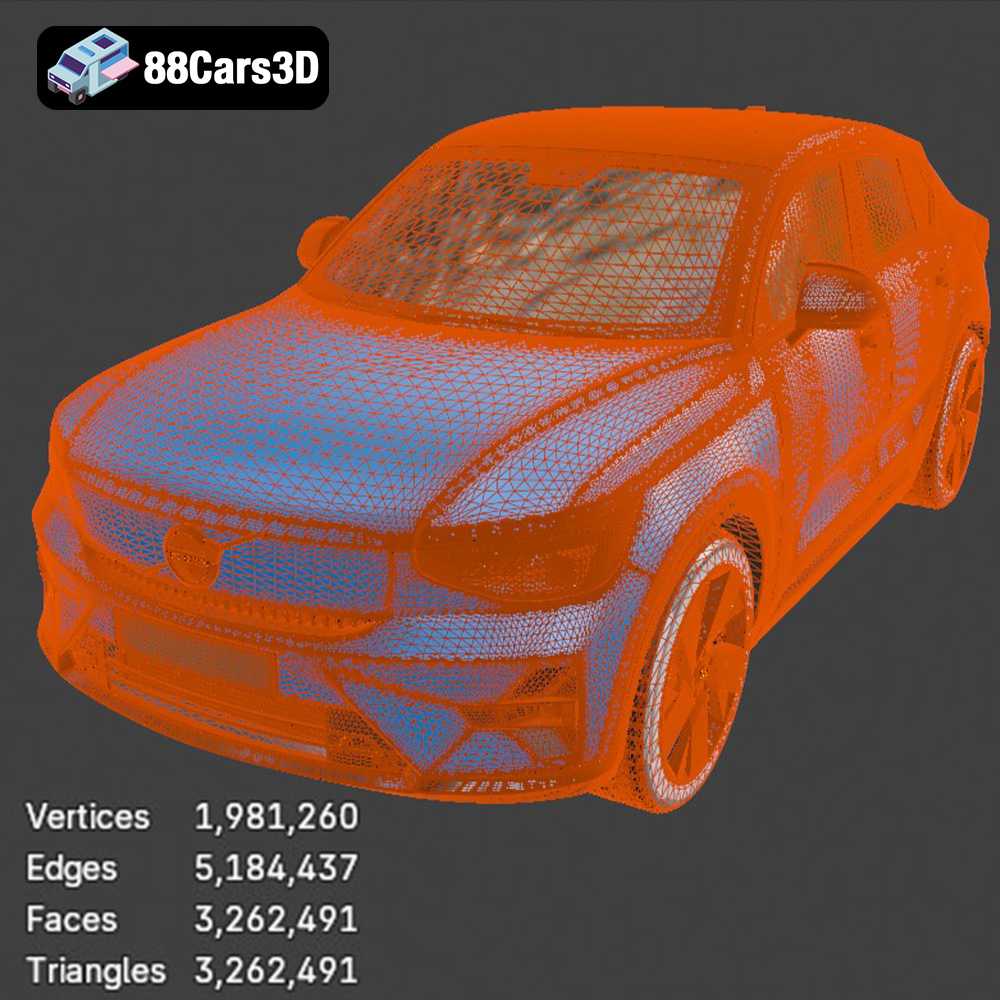
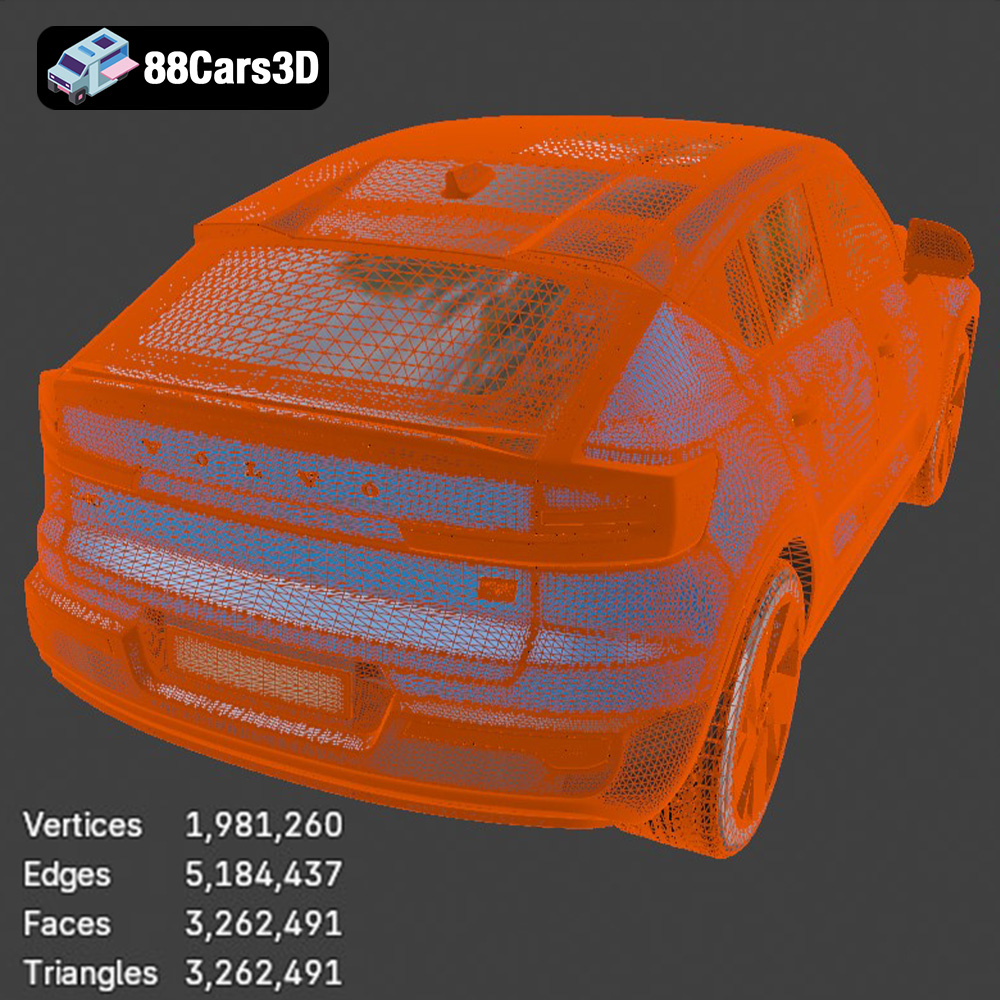
High-quality 3D assets strike a delicate balance between visual fidelity and performance. The Volvo C40 Recharge 3D Model features clean, optimized geometry, meaning polygons are efficiently distributed to maintain smooth surfaces without unnecessarily bloating the poly count. This optimization is crucial for maintaining fluidity in real-time applications like games or AR/VR experiences. Furthermore, an intelligently organized structure with logical naming conventions for objects and materials ensures seamless integration into complex scenes, reducing setup time and potential errors for artists working in Blender, 3ds Max, or Unreal Engine.
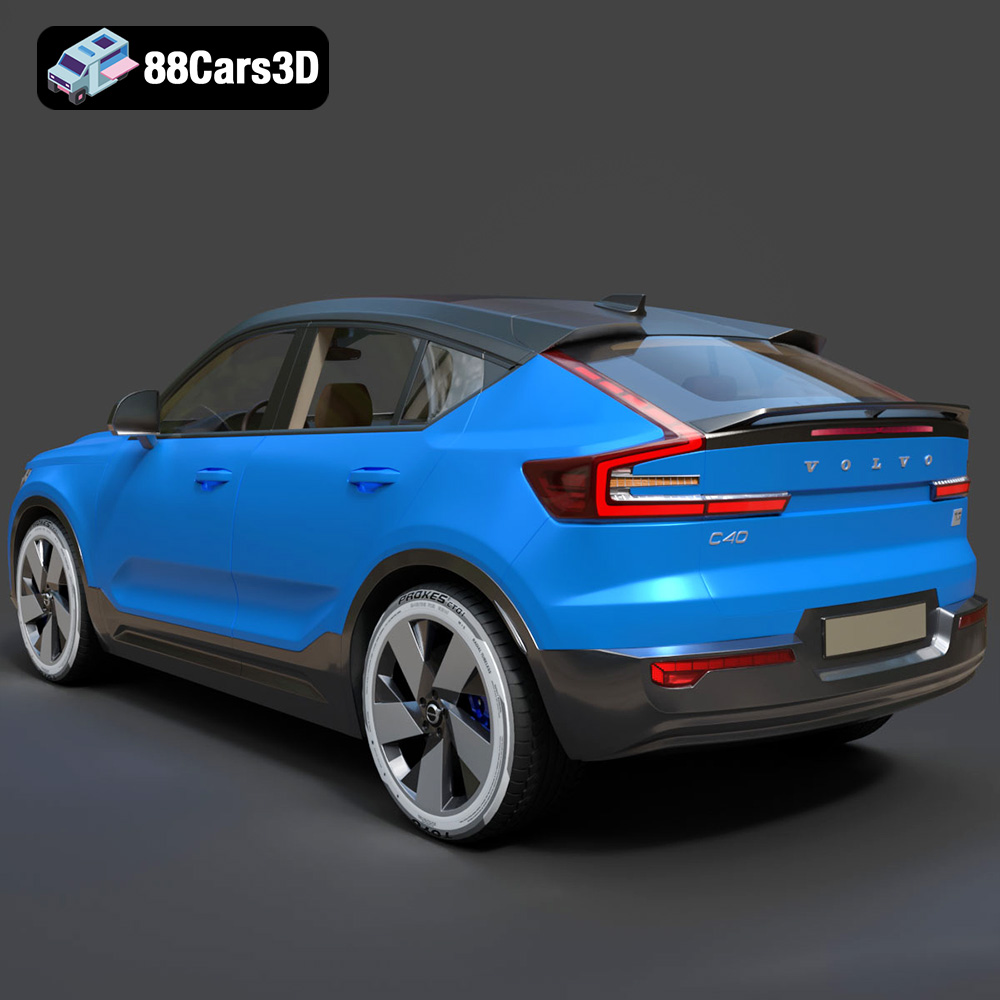
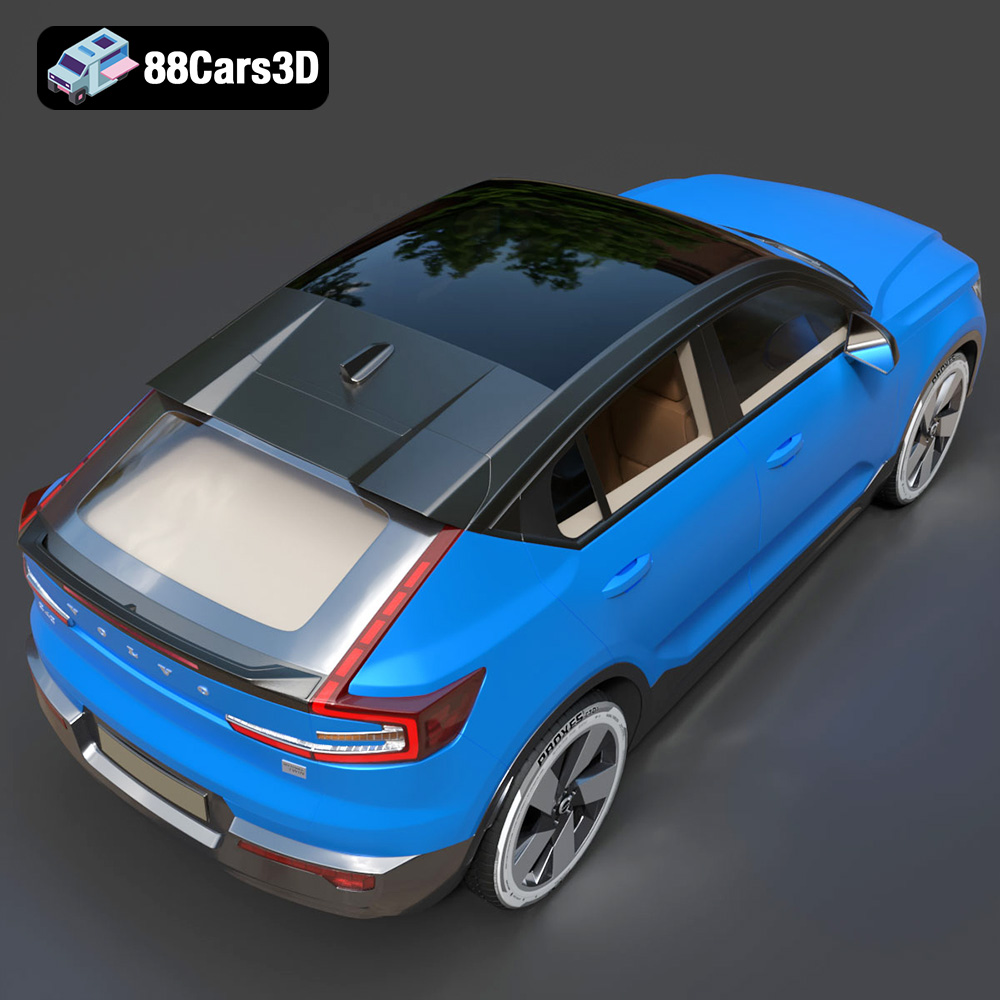
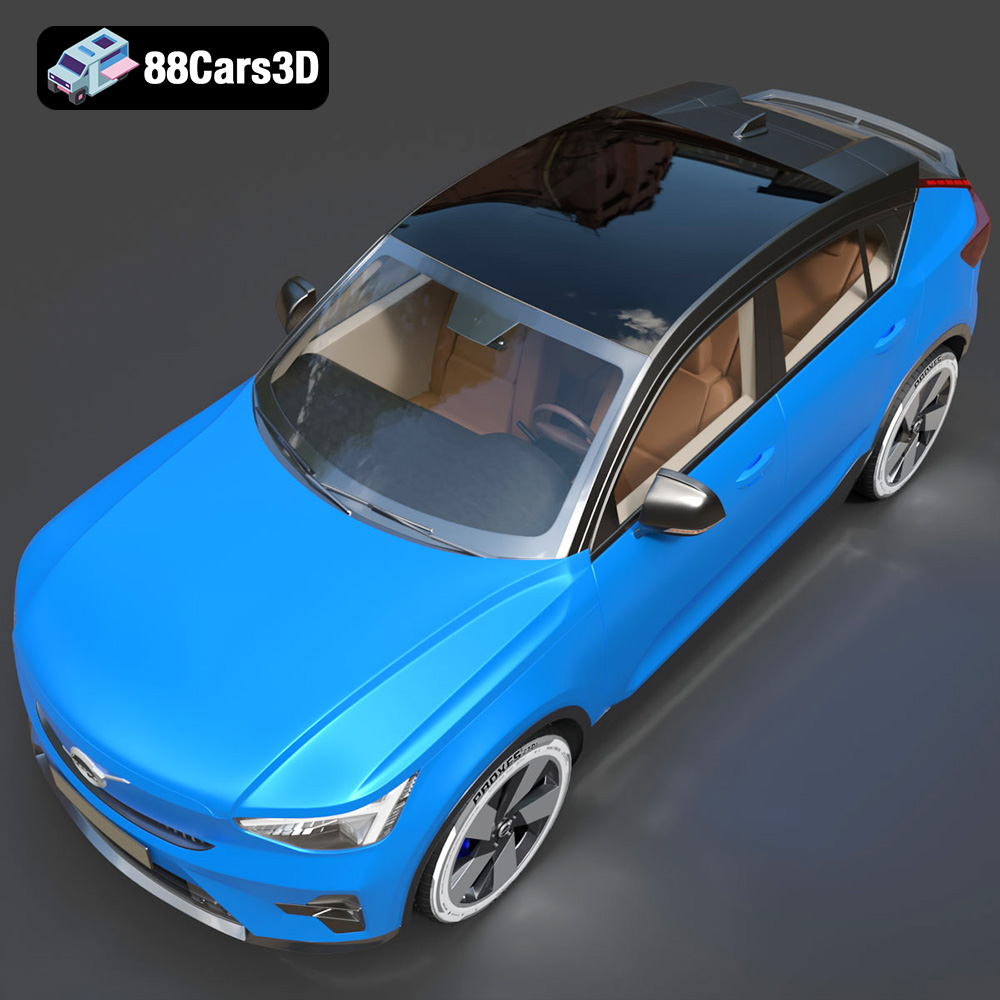
The model’s exterior perfectly captures the distinctive aesthetic of the modern electric crossover, from its aerodynamic profile to its signature lighting elements. But the realism doesn’t stop there. A fully modeled interior, complete with detailed dashboard components, seating, and subtle textures, enhances the model’s suitability for close-up shots, virtual tours, and immersive experiences. This level of internal detail is invaluable for projects that require a glimpse inside the vehicle, such as virtual showrooms or interactive product configurators, offering a truly comprehensive digital twin of the Volvo C40 Recharge.
High-quality 3D car models are the lifeblood of numerous professional pipelines. Their integration into different software and stages of production requires a deep understanding of compatibility, optimization, and rendering techniques. The Volvo C40 Recharge 3D Model, with its diverse format support and inherent quality, streamlines these complex workflows.
For automotive marketing agencies and design studios, photorealistic rendering is non-negotiable. Using software like 3ds Max with V-Ray or Corona Renderer, or Blender with Cycles/Eevee, artists can leverage the meticulously detailed Volvo C40 Recharge 3D Model to create stunning visuals. The model’s clean topology and high-resolution textures are perfect for setting up realistic lighting, material reflections, and environmental effects, producing images indistinguishable from actual photographs. This saves immense costs and time compared to traditional photography, allowing for endless variations in color, environment, and camera angles.
Beyond marketing, 3D car models play a crucial role in the industrial design process. Engineers and designers can use the model for form factor analysis, aerodynamic simulations, and virtual prototyping. The precision of the Volvo C40 Recharge 3D Model, particularly its availability in formats like .ply and .stl, allows for detailed geometric inspection or even physical 3D printing of components or scale models. This accelerates the design cycle, identifies potential issues early, and facilitates collaborative review processes.
The entertainment industry frequently utilizes 3D vehicles for cinematic sequences, commercials, and animated features. Models like the Volvo C40 Recharge, especially in .fbx or .max formats, can be easily rigged for animation, allowing for dynamic camera movements, realistic physics simulations, and compelling storytelling. The model’s inherent detail holds up under extreme close-ups and fast-paced action, ensuring a consistent level of quality throughout the production.
The demands of real-time rendering in video games, interactive experiences, and virtual training simulations present unique challenges. High-fidelity 3D car models must be optimized not only for visual quality but also for efficient resource usage. The Volvo C40 Recharge 3D Model is engineered with these considerations in mind.
For game developers, seamless integration into engines like Unreal Engine and Unity is paramount. The Volvo C40 Recharge 3D Model’s availability in .fbx and the specifically configured “.unreal” format makes this process highly efficient. These formats support the transfer of mesh data, PBR materials, and often include provisions for collision meshes and LODs (Levels of Detail). LODs are critical for performance, allowing the engine to swap out higher-polygon versions of the model for lower-polygon versions as the camera moves further away, maintaining visual quality without taxing the system.
Interactive configurators, particularly common in the automotive industry, allow customers to explore vehicle options in real-time. The optimized geometry and clean UV layouts of models like the Volvo C40 Recharge are ideal for these applications. In a web-based configurator or a standalone application, users can change colors, examine the interior, and even open doors, all rendered smoothly and responsively. The .glb format, in particular, shines here, offering a compact and efficient package for browser-based 3D experiences.
When working with 3D car models in real-time, understanding poly count, draw calls, and texture memory is essential. A well-optimized model, like those found on 88cars3d.com, strikes a balance. While detailed, the geometry of the Volvo C40 Recharge 3D Model is typically structured to allow for efficient rendering. Implementing techniques like texture atlasing, instancing, and careful material setup further enhances performance without compromising the visual fidelity that makes the model so appealing.
The utility of a premium 3D car model extends far beyond traditional rendering and game development. Its adaptability makes it an invaluable asset for emerging technologies and specialized applications.
The immersive nature of AR and VR platforms opens up new avenues for engaging with 3D content. Imagine a potential customer using an AR app to place a life-sized Volvo C40 Recharge in their driveway or exploring its interior in a VR showroom. The Volvo C40 Recharge 3D Model’s optimization for these environments, particularly its availability in .glb, ensures smooth performance and stunning visual quality. These applications enhance product engagement, facilitate virtual training, and create memorable brand experiences.
For engineers, hobbyists, or product designers, the ability to transition from a digital model to a physical object is transformative. The .stl format of the Volvo C40 Recharge 3D Model provides a clean, watertight mesh suitable for 3D printing. This allows for the creation of scale models for display, functional prototypes for testing, or even custom parts for modifications. The precision embedded in the original model ensures that physical prints accurately reflect the digital design.
In industries requiring rigorous training or detailed analysis, 3D car models are central to simulation environments. From driving simulators for autonomous vehicle development to accident reconstruction, the accuracy of the Volvo C40 Recharge 3D Model’s geometry and proportions is critical. Its integration into simulation software allows for realistic physics interactions, sensor simulations, and scenario planning, providing a safe and cost-effective platform for research and development.
Investing in high-quality 3D assets like the Volvo C40 Recharge 3D Model from reputable marketplaces such as 88cars3d.com offers significant advantages over creating assets from scratch. The time and skill required to model, UV map, texture, and optimize a vehicle to this level of detail are substantial. By leveraging expertly crafted models, designers and developers can dramatically reduce production timelines, allocate resources more efficiently, and focus on the creative aspects of their projects.
Furthermore, premium assets come with the assurance of technical cleanliness, consistent quality, and comprehensive documentation, ensuring smooth integration into diverse pipelines. This reliability is priceless in professional environments where deadlines are tight and quality cannot be compromised. The curated selection at 88cars3d.com ensures that you’re acquiring assets that meet industry standards and are ready for immediate use across a multitude of applications.
The digital automotive landscape is continually pushing the boundaries of realism and interactivity. At the heart of this evolution are meticulously crafted 3D car models, serving as the essential building blocks for everything from cinematic renderings to immersive AR/VR experiences and critical simulations. The Volvo C40 Recharge 3D Model exemplifies the pinnacle of this craft, offering unparalleled accuracy, optimized geometry, and comprehensive format support to meet the diverse needs of modern professionals.
Whether your goal is to produce breathtaking marketing visuals, develop the next-generation racing game, design innovative vehicle components, or create interactive virtual showrooms, this model provides a robust and versatile foundation. By understanding the technical specifications and the power of its multi-format availability, artists and developers can unlock new levels of creativity and efficiency. Explore the possibilities and elevate your projects with premium 3D car models available at 88cars3d.com, where quality meets versatility.
Discover the exceptional realism of the Volvo C40 Recharge 3D Model. Carefully crafted to mirror the actual vehicle, this 3D asset provides incredibly accurate proportions, sleek styling, and realistic textures ideal for any digital environment.
Featuring clean, optimized geometry and an intelligently organized structure, this model ensures seamless integration into your workflow. The exterior perfectly captures the distinctive aesthetic of the modern electric crossover, while the fully modeled interior presents detailed dashboard components and seating, enhancing its suitability for close-up shots and immersive experiences.
Whether you are developing cutting-edge video games, producing hyper-realistic automotive renderings, building interactive AR/VR applications, or conducting simulations, this versatile 3D model delivers outstanding performance and visual fidelity.
Available in a comprehensive range of industry-standard file formats to suit any pipeline:
Tags: .volvo, .c40, .recharge, .suv, .crossover, .electriccar, .ev, .car3dmodel, .rendering, .simulation, .gameasset, .arvr, .blend, .fbx, .obj, .glb, .stl, .ply, .unreal, .max
Tags:
.volvo, .c40, .recharge, .suv, .crossover, .electriccar, .ev, .car3dmodel, .rendering, .simulation, .gameasset, .arvr, .blend, .fbx, .obj, .glb, .stl, .ply, .unreal, .maxMercedes Benz CLS 500 3D Model 3D Printable STL
$19.99
.arvr
.blend
.c40
.car3dmodel
.crossover
.electriccar
.ev
.fbx
.gameasset
.glb
.max
.obj
.ply
.recharge
.rendering
.simulation
.stl
.unreal
.volvo
SUV