Get 20% OFF All Premium 3D & STL Models!

In the dynamic world of 3D visualization, the demand for high-fidelity, production-ready assets is ceaseless. Whether you’re crafting a cinematic masterpiece, developing an immersive game, or designing the next generation of industrial prototypes, the foundation of your project lies in the quality of your 3D models. At 88cars3d.com, we understand this critical need, offering a curated selection of premium 3D models designed to elevate your creative endeavors. While our roots are firmly planted in the exquisite detail of 3D car models, our commitment to cutting-edge design extends to futuristic concepts that push boundaries.
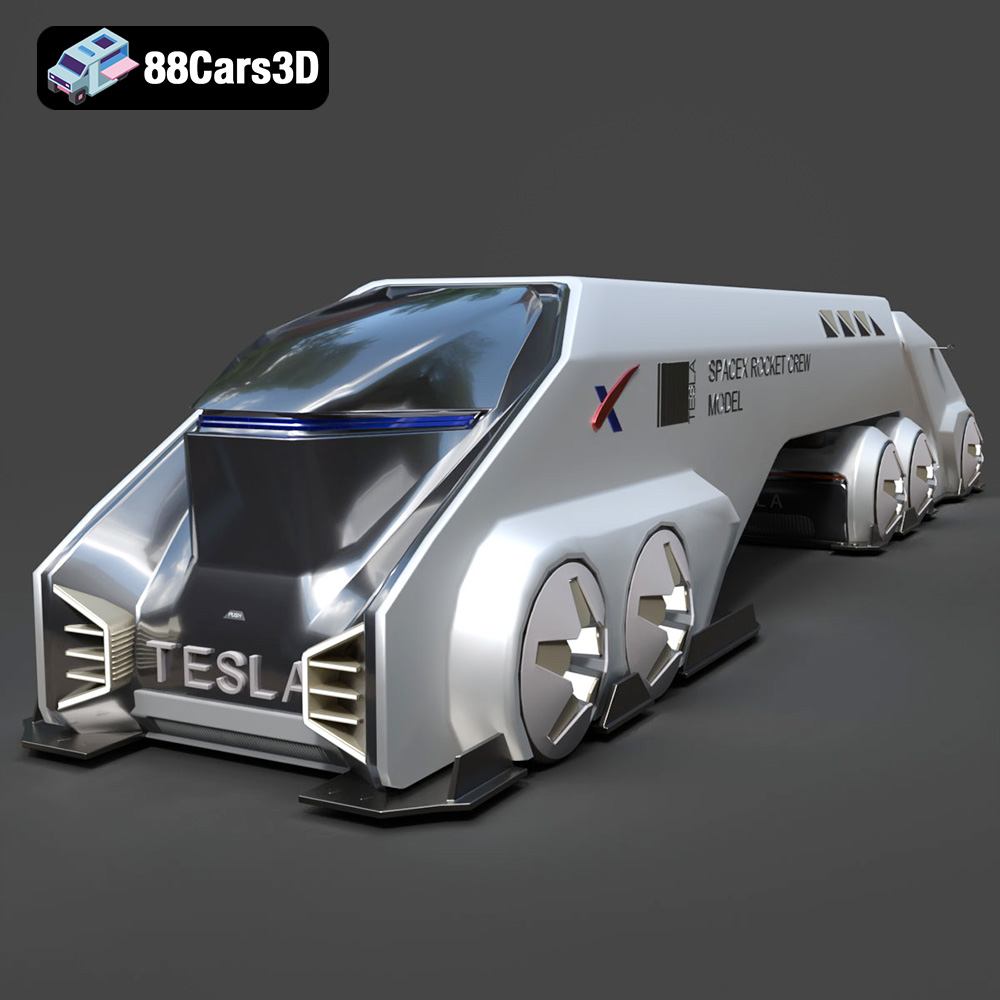
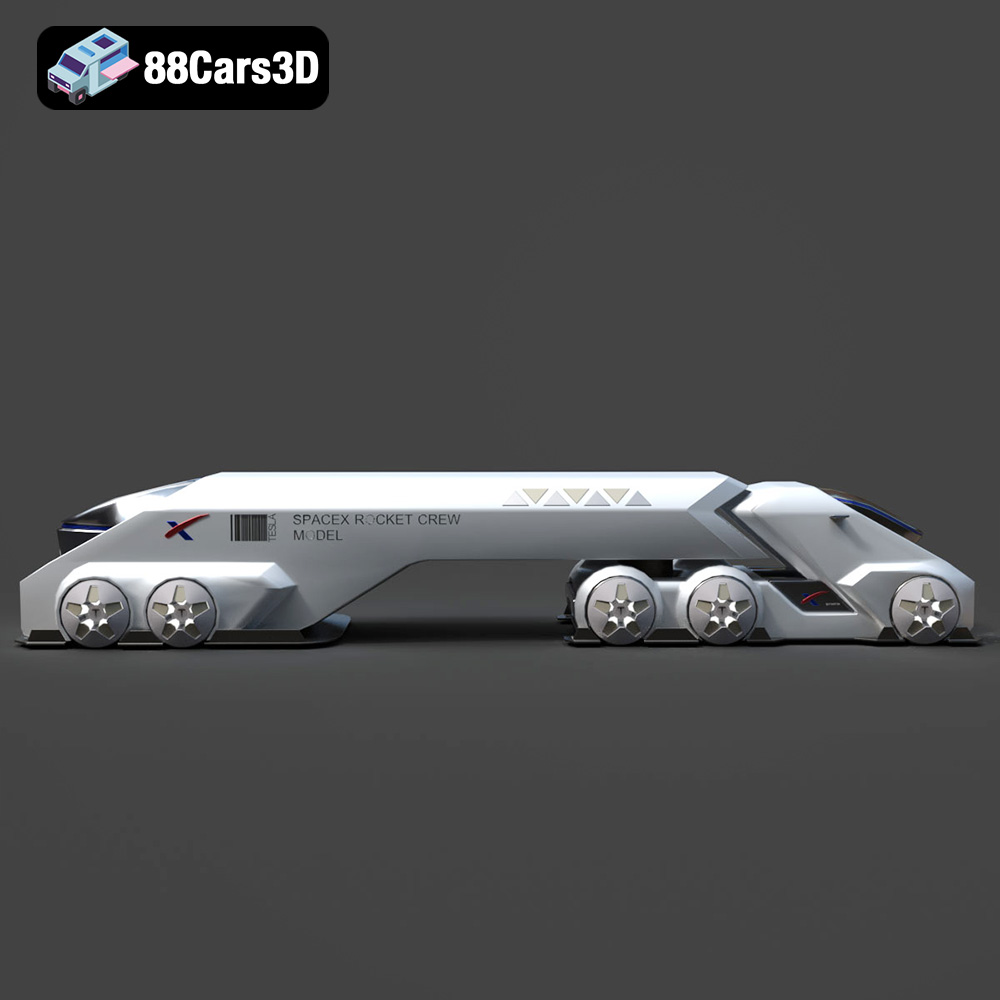
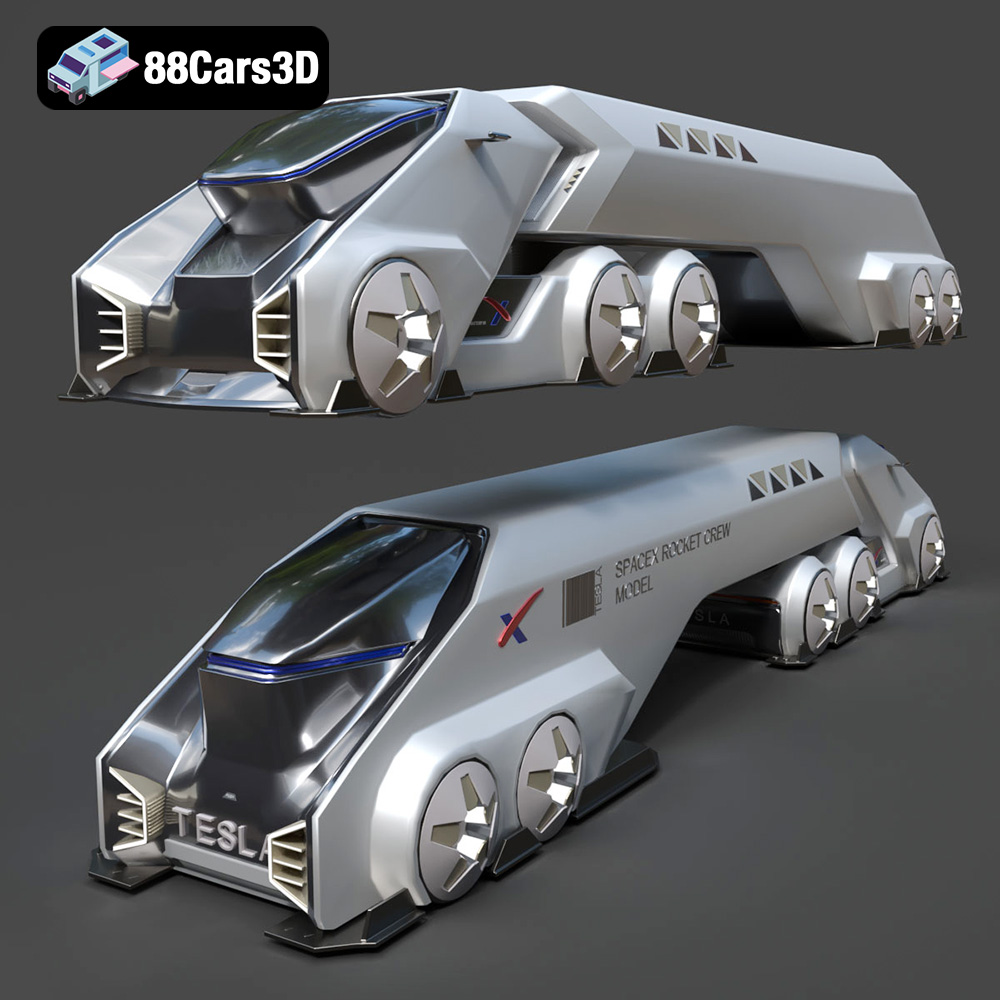
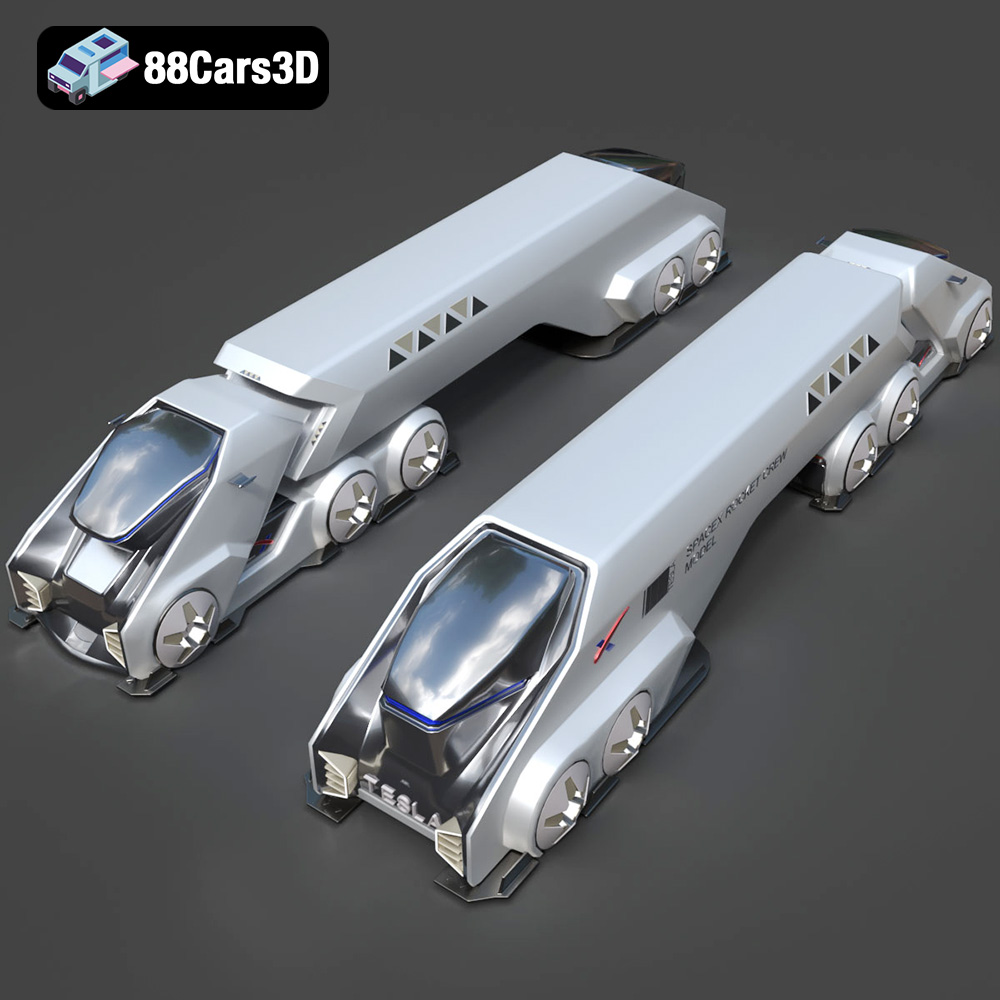
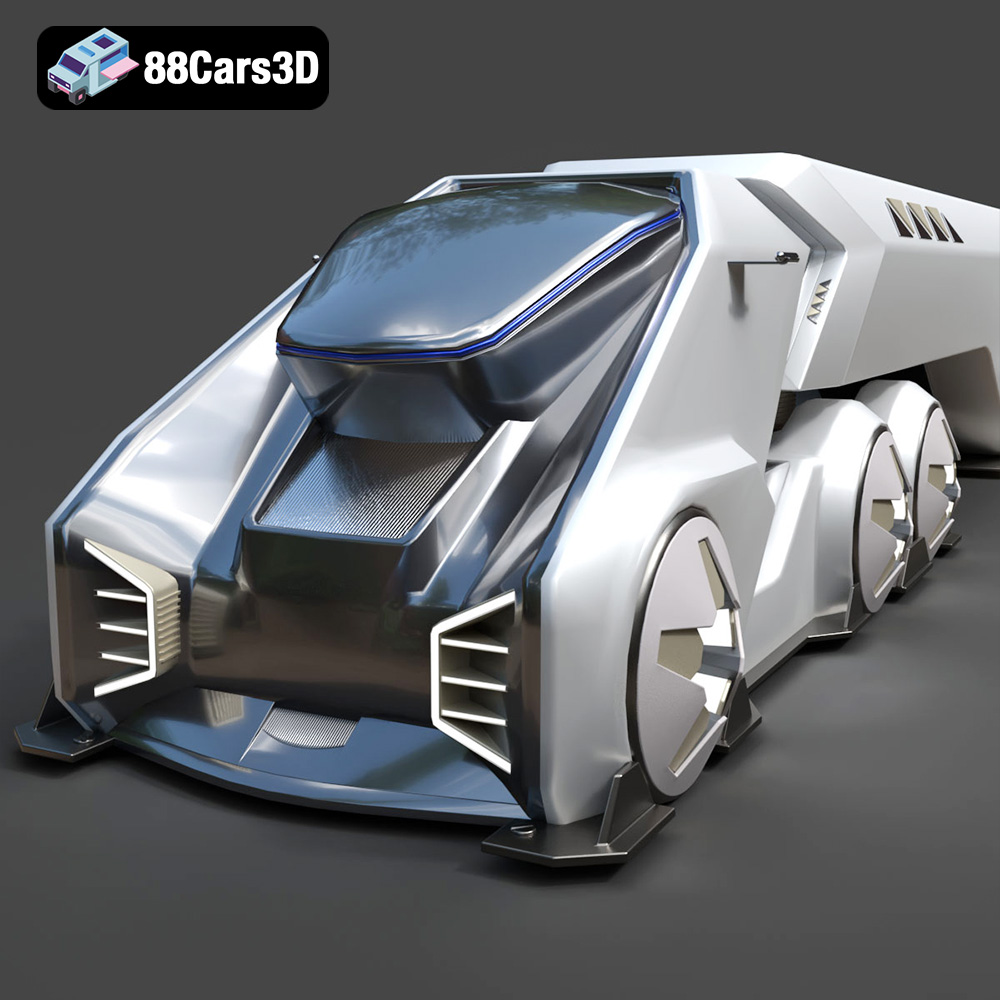
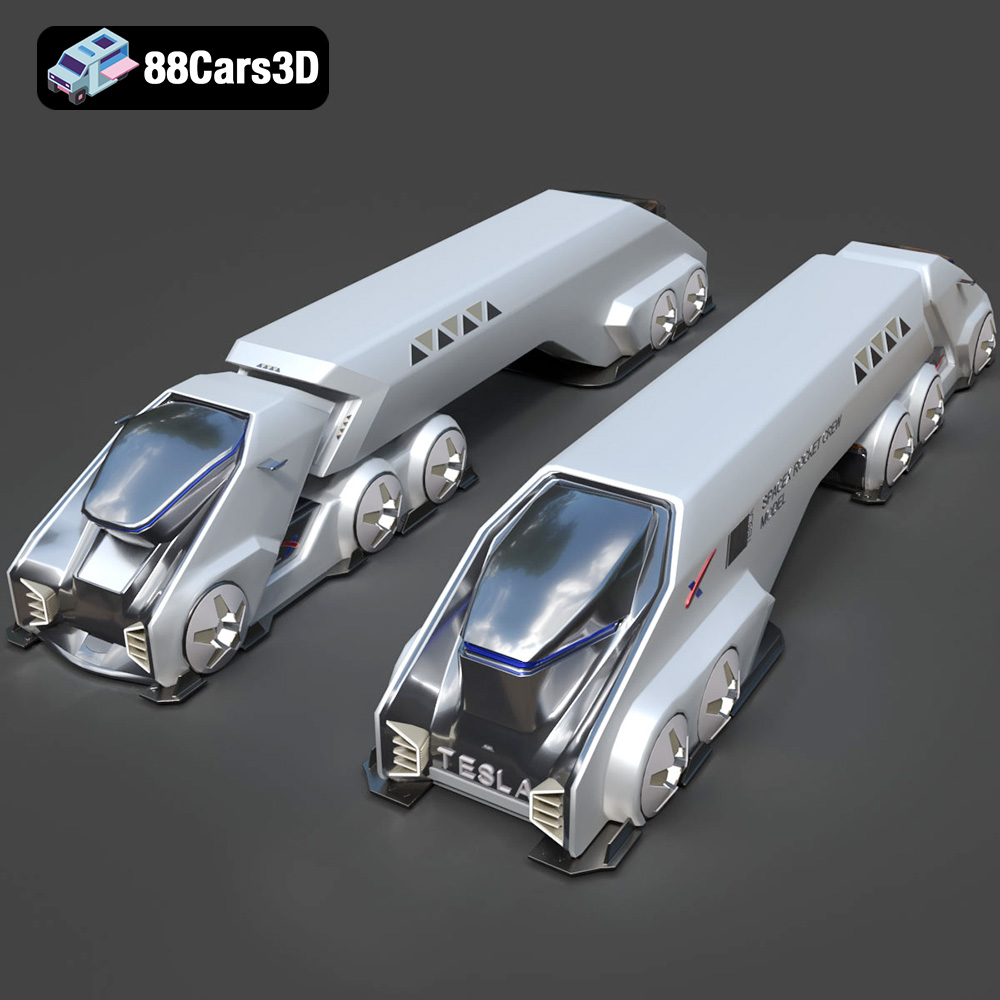
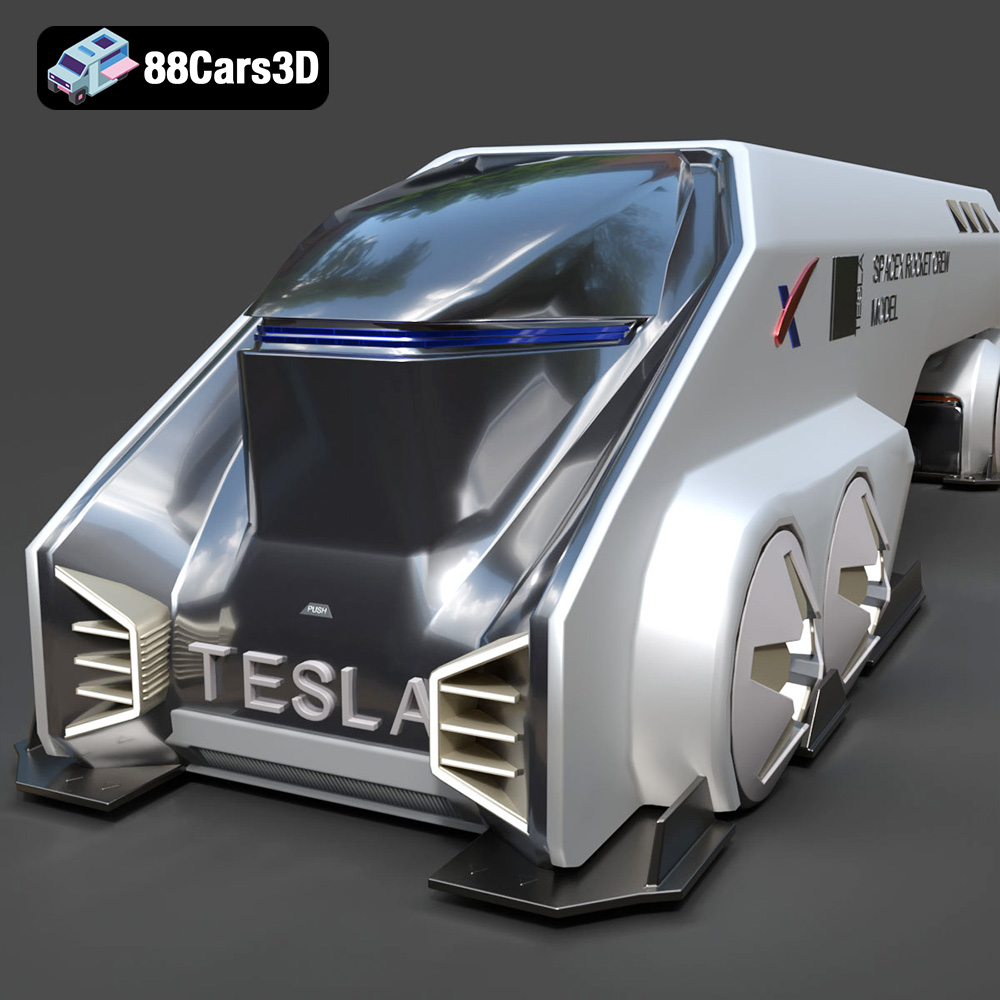
Today, we’re taking a closer look at a standout example of advanced digital craftsmanship: the Tesla Space Rocket-001 3D Model. This isn’t just any rocket; it’s a meticulously engineered digital asset that encapsulates the futuristic vision and structural elegance synonymous with cutting-edge space exploration. Designed for unparalleled versatility, this model serves as an indispensable tool for professionals across various industries, from cinematic rendering to interactive real-time environments. Its robust construction, clean geometry, and optimized topology ensure it’s ready for immediate integration into your most demanding projects, promising stunning visuals and efficient performance.
The success of any 3D project hinges not only on the quality of the model itself but also on its compatibility and optimal integration into your chosen workflow. The Tesla Space Rocket-001 3D Model, like many professional assets available on 88cars3d.com, is offered in a comprehensive suite of file formats, each serving distinct purposes. Understanding these formats is crucial for leveraging the model’s full potential.
The .blend format is native to Blender, the popular open-source 3D creation suite. When you acquire the Tesla Space Rocket-001 in this format, you’re not just getting the model; you’re gaining access to a fully editable Blender scene. This includes the model’s clean geometry, meticulously set up materials (often PBR-ready for Cycles and Eevee), and frequently, a basic lighting setup. Artists who prefer Blender for modeling, texturing, animation, and rendering will find this format incredibly intuitive. It allows for direct manipulation, material adjustments, and easy integration into existing Blender scenes, making it ideal for customization and advanced animation sequences.
The .fbx (Filmbox) format is an industry standard for interoperability, especially between 3D applications and game engines like Unreal Engine and Unity. It excels at packaging not just mesh data but also materials, textures, animations, and even rigging information into a single file. For the Tesla Space Rocket-001, the .fbx variant is game-engine ready, featuring optimized topology and UV maps crucial for real-time performance. Developers can import this directly into their engine, often with materials and textures already linked, significantly streamlining the asset pipeline for game development, virtual reality (VR), and augmented reality (AR) applications.
The .obj (Wavefront Object) format is one of the oldest and most widely supported 3D file formats. Its strength lies in its simplicity and universal compatibility. Almost every 3D software package can open and import .obj files, making it an excellent choice for cross-software workflows. While it primarily stores geometry (vertices, normals, UVs, and faces), it often references external .mtl (material) files for basic material properties and texture paths. For the Tesla Space Rocket-001, the .obj version ensures that regardless of your primary 3D application—be it Maya, Cinema 4D, or even an older software version—you’ll be able to access and utilize the core model with ease.
The .glb (GL Transmission Format Binary) format is a relatively newer contender, specifically designed for efficient transmission and loading of 3D scenes and models in web and real-time environments. It’s a binary version of glTF, which packages geometry, materials, textures, and animation into a single, compact file. This optimization makes the Tesla Space Rocket-001 .glb ideal for immersive AR/VR experiences, browser-based 3D viewers, and lightweight interactive applications where performance and rapid loading are paramount. Its efficiency makes it a go-to for showcasing models on the web without compromising visual quality.
The .stl (Stereolithography) format is the de facto standard for 3D printing and rapid prototyping. It represents a 3D model as a collection of unconnected triangular facets, defining the surface geometry without color, texture, or material information. When preparing the Tesla Space Rocket-001 for physical fabrication, the .stl file provides a watertight mesh, essential for error-free slicing and printing. Engineers, designers, and hobbyists looking to bring this conceptual rocket into the physical world through additive manufacturing will find the .stl format indispensable.
The .ply (Polygon File Format) is a flexible format for storing 3D data, particularly useful for scanned data, CAD, and scientific visualization. It can store various properties for each vertex and face, including color, normals, transparency, and range data. While not as universally used as .obj or .fbx for general 3D art, the .ply format for the Tesla Space Rocket-001 offers a precision mesh that can be valuable for detailed analysis, scientific simulations, or integration into specialized CAD workflows where granular control over mesh attributes is required.
The .unreal format signifies an asset that is pre-configured and optimized specifically for Unreal Engine. This isn’t a standard file extension for mesh data, but rather an indicator that the asset package comes with Unreal Engine project files, or specific import settings/data tailored for the engine. This means the Tesla Space Rocket-001 asset in this package would likely include ready-to-use materials, textures, collision meshes, and potentially even LODs (Levels of Detail) or blueprint setups, making integration into an Unreal project almost instantaneous. It significantly reduces the setup time for game developers and real-time visualization artists.
Finally, the .max format is the native file type for Autodesk 3ds Max, a powerful 3D modeling, animation, and rendering software widely used in architectural visualization, broadcast, and game development. The .max file for the Tesla Space Rocket-001 offers a fully editable 3ds Max scene, complete with all geometric data, materials (often V-Ray or Corona Renderer compatible), lighting setups, and potential animation rigs. This format provides the utmost flexibility for artists working within the 3ds Max ecosystem, allowing for complex scene assembly, advanced rendering configurations, and intricate animation sequences.
The availability of the Tesla Space Rocket-001 in these diverse formats underscores its professional versatility, ensuring that whatever your specific project or preferred software, you have the right version to achieve optimal results.
While the Tesla Space Rocket-001 is not a traditional car model, the principles of high-quality rendering are universal. Automotive rendering demands meticulous attention to detail, realistic material properties, and sophisticated lighting setups to truly capture the essence of a vehicle. These same standards apply to rendering a futuristic spacecraft, arguably with an even greater emphasis on futuristic materials and dynamic environmental effects. The Tesla Space Rocket-001 3D Model is built with these exacting standards in mind.
The core of modern rendering realism lies in Physically Based Rendering (PBR) materials. The Tesla Space Rocket-001 model is equipped with PBR textures, including Albedo (Base Color), Normal, Roughness, Metallic, and Ambient Occlusion maps. These maps accurately simulate how light interacts with different surfaces, from polished metallic hull sections to matte thermal tiling. This ensures that whether rendered in Cycles (Blender), V-Ray (3ds Max), Arnold (Maya), or real-time engines, the rocket’s surfaces react authentically to light, creating breathtaking visual fidelity. Imagine light glinting off its streamlined body, or subtle reflections revealing the environment around it – all driven by these precise material definitions.
Achieving a truly stunning render goes beyond just the model and its materials; it requires masterful lighting. For the Tesla Space Rocket-001, artists can experiment with various lighting techniques to convey different moods and scenarios. A clean studio setup with softbox lighting might emphasize its sleek design, akin to high-end automotive rendering. Alternatively, an HDR (High Dynamic Range) image of deep space or an alien planet surface can provide realistic environmental lighting and reflections, immediately immersing the rocket in its intended context. Incorporating volumetric lights for engine thrust or atmospheric effects can further enhance the drama and realism of a space launch or orbital flight.
No render is truly complete without a final touch in post-production. Software like Adobe Photoshop, After Effects, or Blackmagic Fusion can be used to add cinematic elements to renders of the Tesla Space Rocket-001. This includes depth of field effects to guide the viewer’s eye, lens flares to simulate camera optics, motion blur for dynamic sequences, and color grading to establish a specific aesthetic. For animation, integrating particle effects for exhaust plumes, atmospheric reentry trails, or subtle thruster glows can transform a static render into a captivating visual narrative, bringing the raw power of the rocket to life.
The demands of game development are unique, balancing visual quality with performance efficiency. The Tesla Space Rocket-001 3D Model is specifically engineered to excel in this challenging environment, making it an ideal game asset for various interactive experiences.
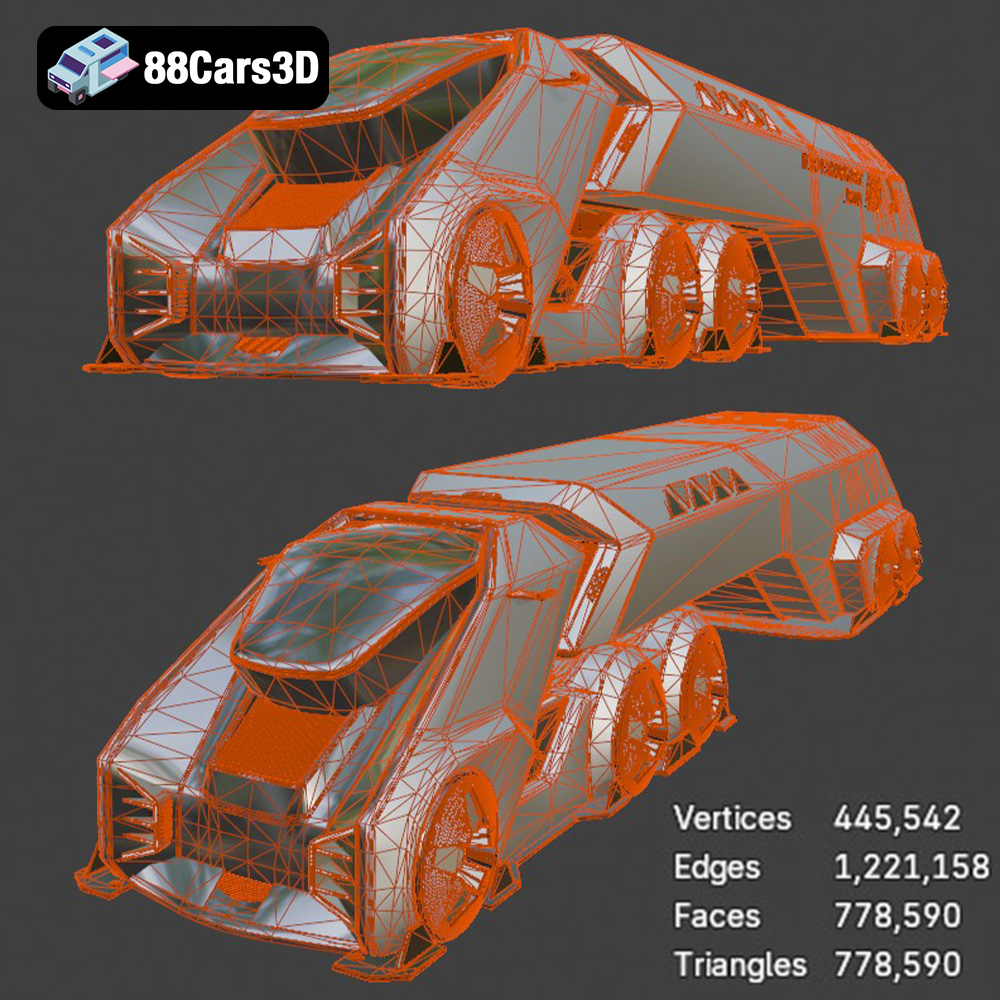
Game assets require optimized topology—clean, efficient mesh structures that reduce polygon count without sacrificing visual integrity. The Tesla Space Rocket-001 boasts such topology, ensuring it renders smoothly in real-time. For larger game worlds or complex scenes, the model would typically be accompanied by Levels of Detail (LODs). These are progressively lower-polygon versions of the model that automatically swap in at greater distances from the camera, drastically improving performance. The .fbx and .unreal formats are specifically designed to facilitate this, allowing developers to easily manage resource allocation and maintain high frame rates.
Integrating the Tesla Space Rocket-001 into popular game engines like Unreal Engine is a straightforward process. Using the provided .fbx or pre-configured .unreal assets, developers can import the model, complete with its PBR materials and textures. In Unreal, this involves creating material instances from master materials, applying the provided texture maps, and then placing the static mesh in the game world. Collision meshes can be automatically generated or custom-designed for accurate physics interactions. For interactive elements, the rocket can be integrated into Blueprints (Unreal) or C# scripts (Unity) to enable player control, AI behaviors, or dynamic environmental responses.
The compact and optimized nature of the Tesla Space Rocket-001, particularly in its .glb format, makes it perfectly suited for augmented reality (AR) and virtual reality (VR) applications. Imagine placing a fully detailed virtual rocket on your desk via an AR app, or exploring its intricate details up close in a VR experience. Developers can use platforms like Unity or Unreal Engine alongside ARKit/ARCore (for mobile AR) or OpenXR (for VR) to create immersive showcases. The model’s clean geometry and efficient textures ensure smooth rendering even on mobile devices or standalone VR headsets, providing a seamless and engaging user experience.
High-quality 3D models like the Tesla Space Rocket-001 are not mere digital ornaments; they are foundational elements for a myriad of professional applications. Let’s explore some hypothetical but highly plausible real-world scenarios where this model would be invaluable.
A major film studio is developing a new sci-fi epic featuring humanity’s first interstellar voyage. They require a hero spacecraft that conveys both advanced technology and a sense of wonder. The Tesla Space Rocket-001 3D Model becomes their starting point. Its futuristic design and high detail allow the VFX team to use it for various shots: a grand launch sequence, close-ups of astronauts boarding, or dramatic in-orbit maneuvers. Using the .max or .blend file, animators can rig and animate complex components, while texture artists might add battle damage or atmospheric wear. The model’s clean topology ensures it can be subdivided for extreme close-ups, and its PBR materials render beautifully under cinematic lighting, ultimately saving hundreds of hours of modeling and texturing time.
An educational technology company is creating an immersive VR experience to teach students about space travel and rocket science. The Tesla Space Rocket-001 is acquired to serve as the central interactive element. Leveraging the .glb format, developers import the model into a VR engine. Students can then “walk around” the rocket in VR, examine its various sections, and even interact with animated components like deployable fins or engine nozzles. The optimized geometry ensures a smooth, nausea-free VR experience, and the detailed textures provide a realistic visual aid, transforming abstract concepts into tangible, interactive learning modules.
A game studio is developing a real-time strategy game set in a future where corporations race to colonize new planets. The Tesla Space Rocket-001 is perfect as a flagship transport vessel or a customizable player unit. The studio utilizes the .fbx and .unreal assets. The optimized model allows for multiple instances to be rendered simultaneously without performance hits. Game designers create different material variants to represent various factions, while programmers integrate custom logic for propulsion, cargo deployment, and defense systems. Its modular design implied by “structural elements” in the description could even allow for in-game customization, enhancing player engagement and tactical depth.
The Tesla Space Rocket-001 3D Model exemplifies the quality and versatility you can expect from 88cars3d.com. We are dedicated to providing professionals with ready-to-use, high-quality 3D assets that accelerate workflows and elevate visual projects. Our selection, which includes a vast array of high-detail 3D car models, is meticulously crafted to meet the rigorous demands of rendering, game development, AR/VR, and 3D printing.
Every model, including the Tesla Space Rocket-001, undergoes a stringent quality control process. This means clean geometry, accurate proportions, and optimized topology—elements crucial for seamless integration and top-tier visual output. Our models are built to stand up to close-up renders and complex lighting setups, ensuring that your projects always look their best.
With a comprehensive range of file formats, our models are designed for maximum compatibility. Whether your pipeline revolves around Blender, 3ds Max, Unreal Engine, or any other major software, you’ll find a format that fits perfectly. This versatility ensures that professionals in film, gaming, architecture, product design, and education can all benefit from our offerings.
Time is a valuable commodity in any creative industry. By providing pre-textured, optimized, and engine-ready assets, 88cars3d.com helps artists and developers bypass the time-consuming initial modeling phase. This allows you to focus more on creativity, iteration, and bringing your unique vision to life, confident that your foundational assets are robust and reliable.
The journey of a 3D artist or developer is one of constant innovation and technical excellence. The Tesla Space Rocket-001 3D Model stands as a testament to what’s possible when cutting-edge design meets professional-grade digital craftsmanship. Its meticulous detail, optimized topology, and extensive file format support make it an invaluable asset for anyone looking to create compelling renders, immersive game environments, or futuristic AR/VR experiences.
From the intricacies of PBR material setup to the efficiencies of game engine integration, this model is built to perform. Whether you’re animating a cinematic space launch, prototyping a 3D-printed collector’s item, or designing a complex simulation, the Tesla Space Rocket-001 provides a robust and versatile foundation. By choosing such a high-quality asset from 88cars3d.com, you are not just acquiring a model; you are investing in efficiency, quality, and the boundless potential of your creative projects.
Ready to propel your next project into orbit? Explore the Tesla Space Rocket-001 and many other exceptional 3D car models and beyond at 88cars3d.com, and discover how premium assets can transform your digital landscape.
Discover the Tesla Space Rocket-001 3D Model, a highly detailed digital asset crafted for professional visual projects. This model accurately captures the futuristic design and structural elements of the Tesla Space Rocket-001, providing a robust foundation for dynamic rendering and interactive environments.
Engineered with precision, this model features clean geometry, realistic materials, and optimized topology. The fully textured components ensure that it stands up to close-up renders and complex lighting setups while maintaining optimal system performance across different engines.
Ideal for diverse applications, this model is perfectly suited for video game development, architectural rendering, immersive AR/VR experiences, and detailed technical visualization.
$19.99
.arvr
.blend
.car3dmodel
.concept
.fbx
.gameasset
.glb
.max
.obj
.ply
.rendering
.rocket
.simulation
.spacecraft
.spacerocket
.stl
.tesla
.unreal