Get 20% OFF All Premium 3D & STL Models!

In the rapidly evolving landscape of digital content creation, the demand for high-fidelity 3D assets has never been greater. From cinematic automotive renders that grace advertising campaigns to immersive virtual reality experiences and hyper-realistic video games, the quality of a 3D model can significantly impact the final output’s realism and professional appeal. Automotive design, in particular, requires an unparalleled level of precision and detail, where every curve, reflection, and material property must be meticulously captured. This is where truly exceptional 3D car models become indispensable tools for designers, artists, and developers.
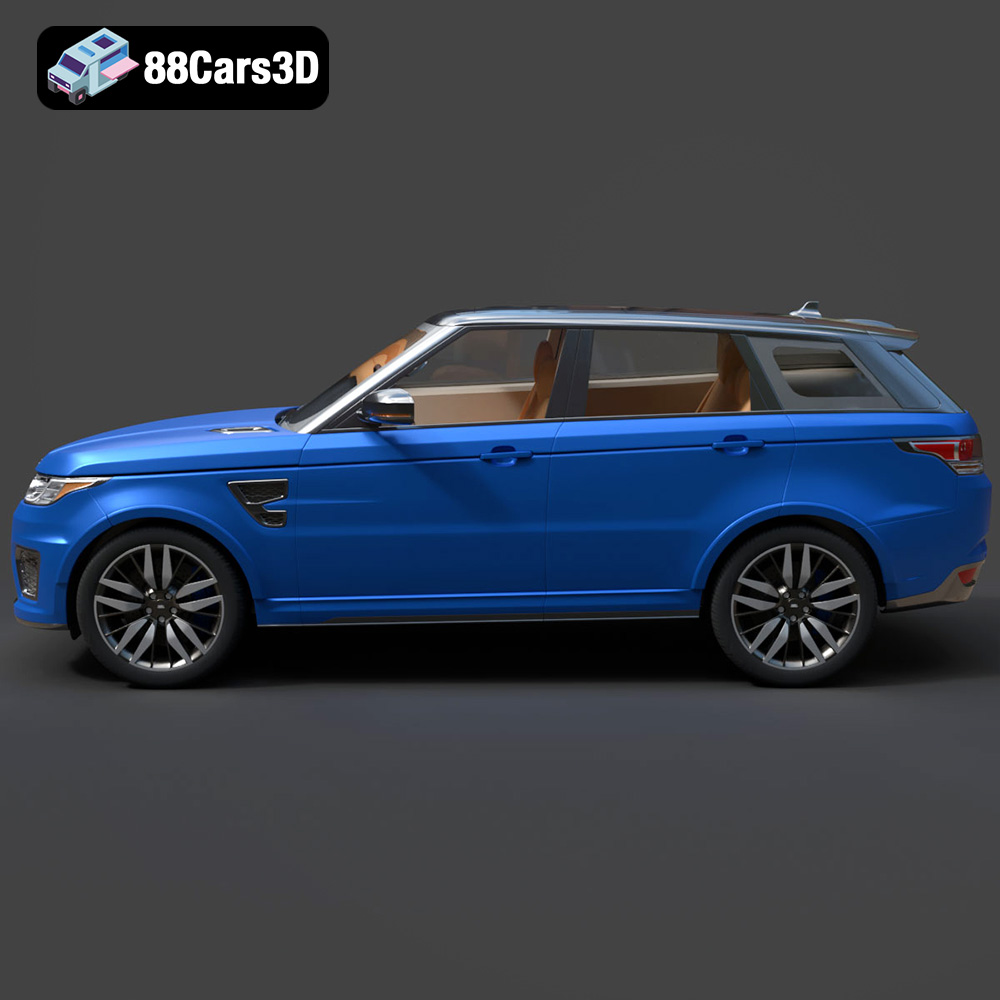
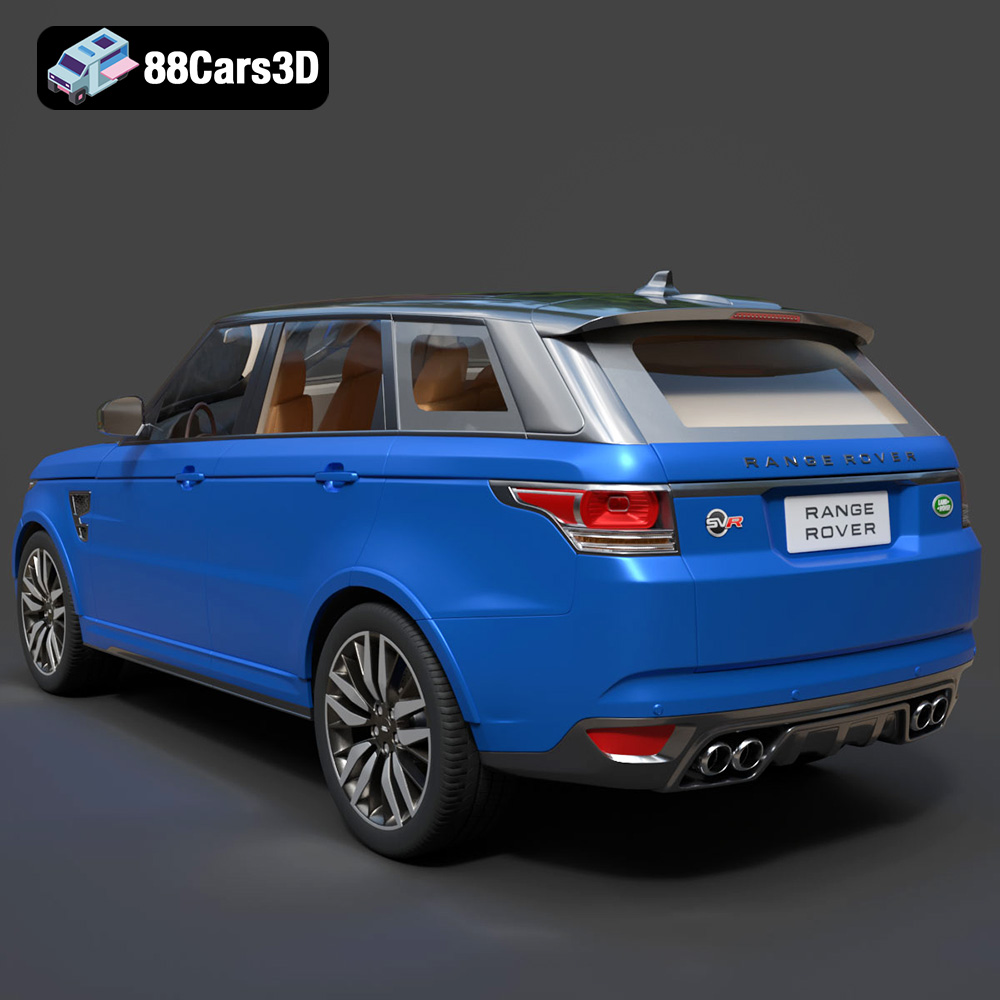
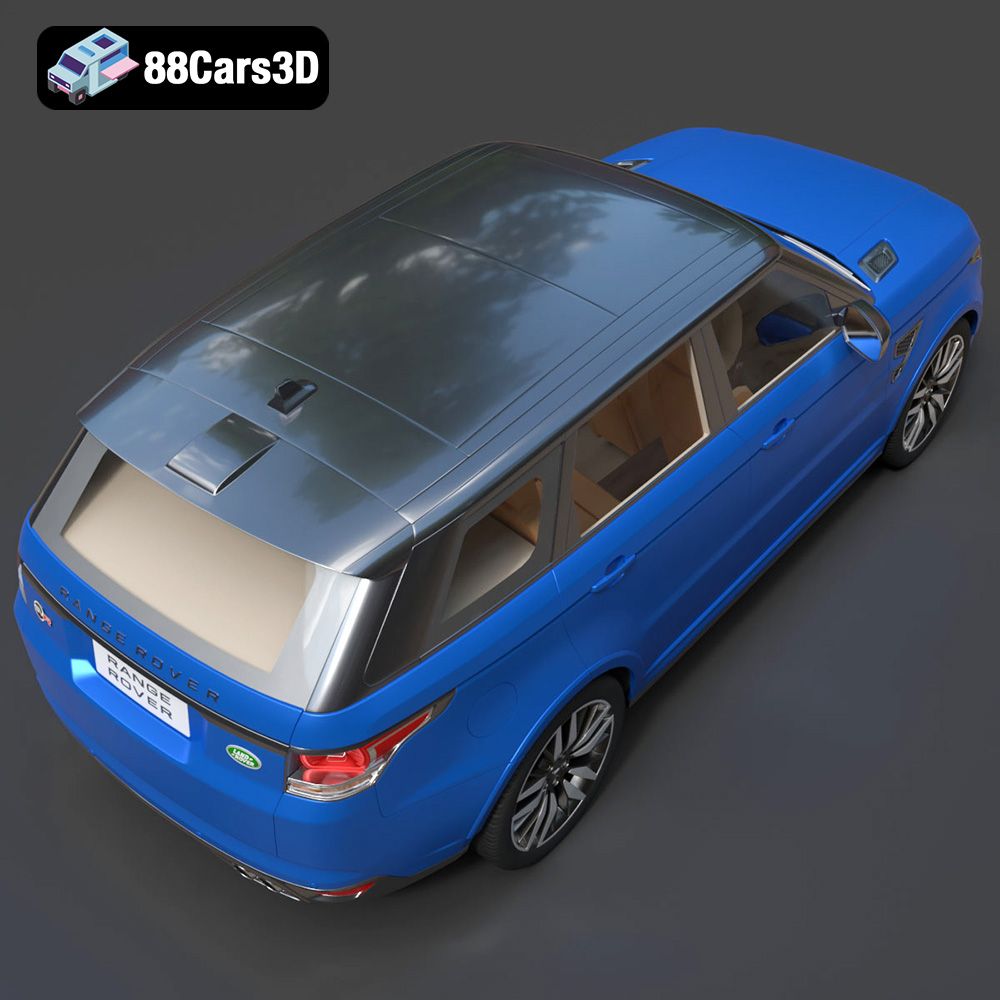
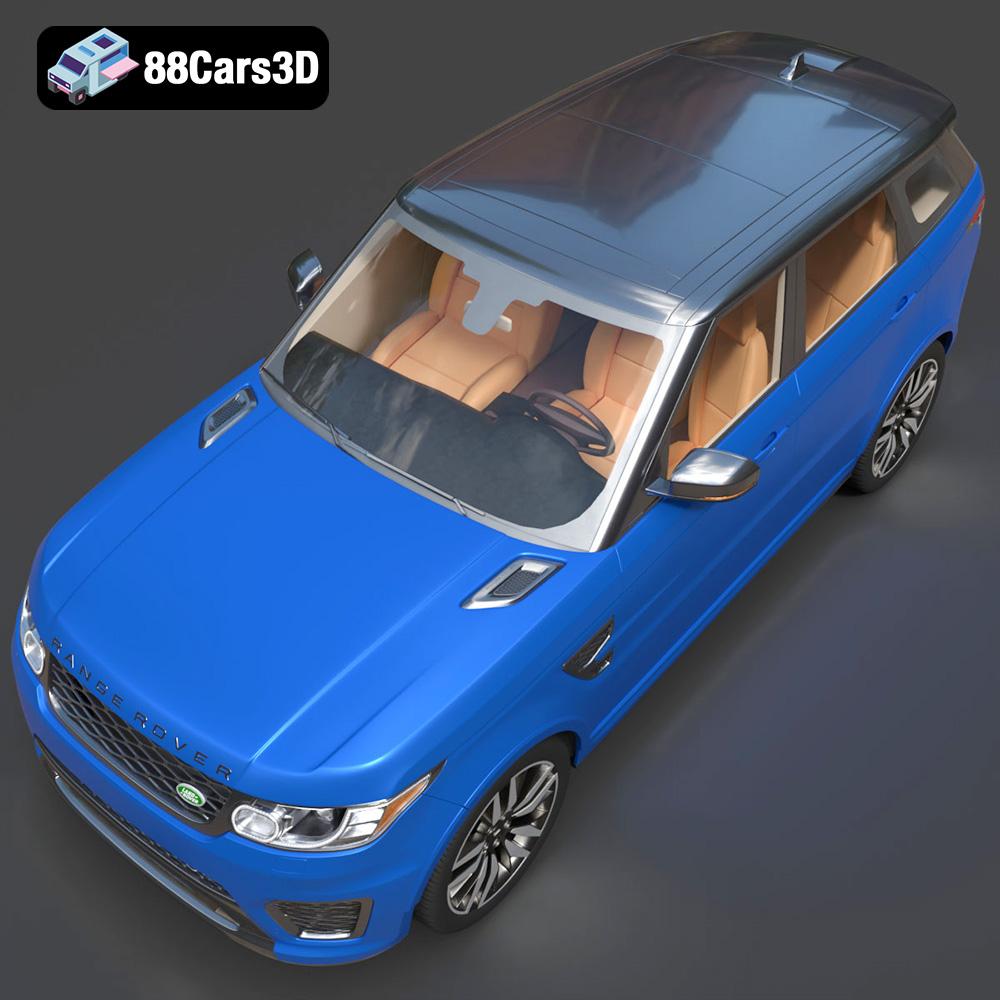
A prime example of such an asset is the Land Rover Range Rover Sport SVR 2015 3D model. This isn’t just a generic car model; it’s a meticulously crafted digital twin of an iconic performance SUV, engineered to meet the stringent demands of professional pipelines. Whether your project involves creating stunning visual effects, developing interactive simulations, or populating a cutting-edge game world, this model offers the foundation for unparalleled realism. Its robust construction and versatile file formats ensure seamless integration into a myriad of industry-standard software and engines, making it a cornerstone for any serious digital automotive project. Sourcing such premium assets from reputable platforms like 88cars3d.com ensures that creators have access to the best tools available for their craft.
The versatility of a 3D model is often defined by the range and quality of its available file formats. Each format serves specific purposes, optimized for different software, engines, or applications. Understanding these distinctions is crucial for selecting the right asset for your project and ensuring a smooth workflow. The Land Rover Range Rover Sport SVR 2015 3D model, like other premium 3D car models available on 88cars3d.com, provides a comprehensive suite of formats, catering to virtually every professional need.
The .blend format represents a fully editable Blender scene. For users of Blender, this is often the most desirable format as it preserves all aspects of the original project, including the complete scene setup, materials (often PBR-ready Cycles or Eevee materials), textures, lighting, cameras, and even animation data. It allows for deep customization, adjustments to topology, material tweaks, and easy integration into a Blender-centric workflow without loss of fidelity or requiring complex re-imports. This format is ideal for artists who want to render directly in Blender, modify the model extensively, or use Blender’s powerful animation tools.
.fbx (Filmbox) is arguably the most widely adopted interchange format in the 3D industry, especially prevalent in game development. It’s designed to carry a vast amount of 3D data, including geometry (meshes), materials, textures, animations, skinning, and camera information, between different software applications and game engines like Unreal Engine and Unity. Its strength lies in its ability to maintain scene hierarchy and object relationships. When utilizing the Land Rover Range Rover Sport SVR 2015 3D model in an .fbx format, users can expect a clean, organized asset ready for import into real-time pipelines, with optimized meshes and correctly assigned materials for efficient rendering.
.obj (Wavefront OBJ) is a universal 3D model format known for its simplicity and wide compatibility. It primarily stores geometric data such as vertices, normals, UV coordinates, and faces, along with references to external material files (.mtl). While it doesn’t typically carry animation or complex scene data, its straightforward nature makes it an excellent choice for basic mesh exchange across almost any 3D software. For the SVR model, the .obj format provides a robust and clean mesh that can be easily imported into virtually any 3D application for further texturing and rendering, serving as a reliable fallback or a starting point for customized workflows.
.glb (GL Transmission Format Binary) is the binary version of glTF, a modern, royalty-free specification for 3D scenes and models. It is highly optimized for delivery over the web and is the go-to format for AR (Augmented Reality), VR (Virtual Reality), and browser-based 3D applications. A .glb file encapsulates all necessary data—geometry, materials, textures, and animations—into a single, compact file, making it incredibly efficient for streaming and display. The Land Rover SVR model in .glb format is perfectly suited for embedding interactive 3D views on websites, developing AR apps where users can virtually place the car in their environment, or creating lightweight VR experiences.
.stl (Stereolithography) is the de facto standard for 3D printing and rapid prototyping. It describes only the surface geometry of a 3D object using a collection of interconnected triangles. The SVR model in .stl format is ideal for manufacturing physical replicas, scale models, or custom parts. While it lacks color and texture information, its focus on geometric integrity ensures that the digital model translates accurately into a tangible object, allowing designers to move from screen to physical prototype with ease.
.ply (Polygon File Format) is another format for storing 3D data, often used in scientific and CAD applications for its ability to store properties beyond just geometry, such as color, transparency, and even normal vectors per vertex or face. It can be particularly useful for precise measurement, analysis, or when a model needs to be integrated into specialized engineering or visualization software that requires a highly detailed and attribute-rich mesh representation. For the SVR model, a .ply export offers a robust, detailed polygon mesh suitable for advanced technical projects or reverse engineering processes.
The .unreal format, or more accurately, assets pre-configured for Unreal Engine, signifies a model that has been specifically prepared and often tested within the Unreal Engine environment. This typically means optimized meshes, correctly set up materials (often using Unreal’s PBR workflow), LODs (Levels of Detail) to ensure performance at various distances, and potentially collision meshes. Having the Land Rover Range Rover Sport SVR 2015 3D model available in an .unreal-ready state significantly accelerates development for game artists and cinematic creators working within the Unreal ecosystem, minimizing setup time and maximizing immediate usability.
Similar to .blend for Blender, the .max format is the native project file for Autodesk 3ds Max. It contains all scene information, including geometry, materials, textures, lighting, cameras, animation, and modifiers. This format provides the highest level of editability and flexibility for 3ds Max users, allowing them to leverage all of 3ds Max’s powerful modeling, rendering, and animation capabilities. For those who rely on 3ds Max for their automotive rendering or architectural visualization projects, the .max version of the Land Rover SVR model offers a complete, ready-to-render setup with often complex material definitions and scene optimizations tailored for maximum quality and control.
The true value of a premium 3D car model, such as the Land Rover Range Rover Sport SVR 2015 3D model, lies not just in its availability across formats, but in the meticulous technical craftsmanship behind it. Achieving unparalleled realism requires attention to detail across geometry, texturing, and material setup. This model excels in these areas, making it a powerful asset for demanding projects.
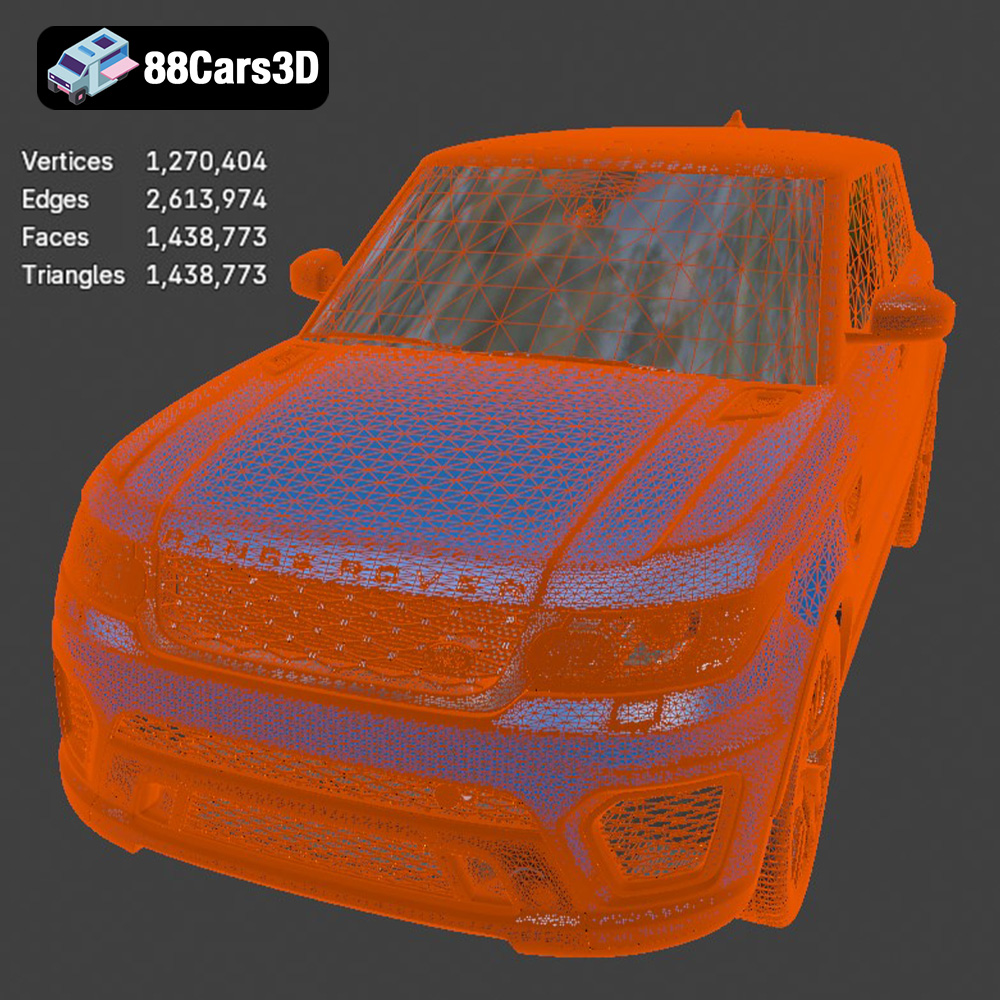
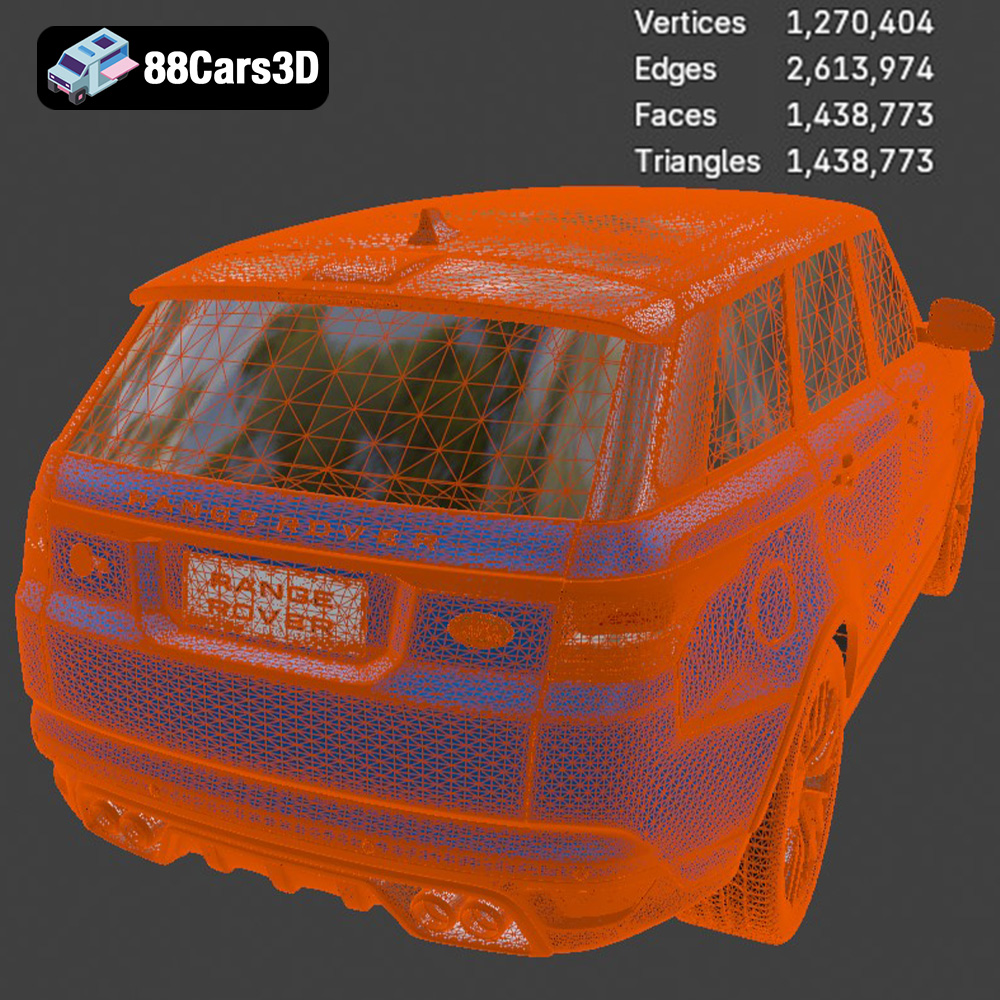
At the core of any high-quality 3D model is its geometry. The Land Rover SVR model boasts clean, optimized polygon geometry, typically composed primarily of quads. This approach ensures smooth subdivision results, crucial for close-up renders where intricate curves and details must remain flawless without unsightly faceting. A professional model also features meticulous UV unwrapping. This is the process of flattening the 3D surface into a 2D map, onto which textures are painted. Well-executed UVs prevent stretching, allow for efficient texture packing, and enable artists to apply high-resolution textures without distortion. This attention to geometric integrity and UV layout ensures that the model can be seamlessly integrated into complex scenes and respond predictably to lighting.
Modern rendering engines and real-time environments rely heavily on Physically Based Rendering (PBR) workflows to achieve photorealistic results. The Land Rover SVR model is equipped with realistic PBR materials, meaning its surfaces are defined by properties like albedo (base color), roughness, metallic, normal, and ambient occlusion maps. These maps simulate how light interacts with different surfaces in the real world, ensuring that the model reflects light accurately, whether it’s the subtle sheen of the paintwork, the intricate textures of the tires, or the reflections on the glass. The meticulous setup of these PBR materials ensures stunning visual fidelity and consistency across various lighting conditions and rendering setups.
While realism is paramount, performance is equally critical, especially for game development, AR/VR, and large-scale visualization projects. A high-quality 3D car model must strike a balance between detail and optimization. The Land Rover Range Rover Sport SVR 2015 3D model is built with an optimized polygon count, ensuring it’s efficient enough for real-time applications without sacrificing visual fidelity. This often involves careful poly-reduction in less visible areas, efficient use of textures, and potentially pre-calculated Levels of Detail (LODs) that automatically swap in simpler versions of the model when it’s further from the camera, thereby minimizing render load without perceivable quality loss.
For automotive designers, advertisers, and visualization artists, the ability to render vehicles in photorealistic detail is essential. The Land Rover Range Rover Sport SVR 2015 3D model is an ideal asset for these high-end rendering workflows, offering the necessary precision and material quality to create stunning visuals.
In professional rendering studios, engines like V-Ray (for 3ds Max) and Cycles (for Blender) are industry workhorses known for their unbiased or quasi-unbiased rendering capabilities. With the SVR model, artists can leverage these powerful engines to create hyper-realistic studio shots, dynamic action sequences, or even detailed exploded views. The clean geometry and PBR materials translate perfectly, allowing for precise control over light bounces, reflections, and global illumination. Imagine showcasing the SVR’s aggressive stance with perfectly calibrated studio lighting, revealing every sculpted line and the deep luster of its paintwork. The .max and .blend formats of this model provide direct access to these rendering ecosystems, often including pre-configured lighting setups to jumpstart the creative process.
Beyond isolated renders, the SVR model is perfect for commercial visualizations, such as integrating into architectural walkthroughs, urban planning simulations, or product launch campaigns. Its realistic presence can ground a scene, providing scale and a touch of luxury. For instance, an architectural visualization company might place the Land Rover Range Rover Sport SVR 2015 3D model strategically within a driveway of a luxury property render to enhance the aspirational quality of the scene. The model’s detailed interior also allows for captivating close-ups, showcasing the craftsmanship that extends beyond the exterior shell, critical for high-stakes marketing and sales materials.
Achieving truly cinematic results requires more than just a great model; it demands mastery of lighting and post-production. The Land Rover SVR model’s accurate material response allows artists to experiment with complex HDRI (High Dynamic Range Image) environments, physically accurate light sources, and volumetric effects like fog or dust to create specific moods and atmospheres. In post-production, render passes such as diffuse, reflection, specular, and ambient occlusion can be composited in software like Adobe Photoshop or Foundry Nuke to fine-tune reflections, adjust color grading, and add depth, bringing the digital SVR to life with an unmatched level of polish.
The demand for immersive experiences in video games, AR, and VR continues to push the boundaries of real-time graphics. The Land Rover Range Rover Sport SVR 2015 3D model is an excellent game asset, optimized for integration into these performance-critical environments, providing both visual fidelity and efficiency.
For game developers and real-time visualization specialists, Unreal Engine is a powerhouse. The SVR model, particularly in its .fbx and .unreal formats, is engineered for seamless integration. This means optimized meshes with appropriate polygon counts, PBR materials correctly set up using Unreal’s robust material editor, and often pre-generated LODs (Levels of Detail). These LODs ensure that the model remains performant, automatically switching to simpler versions when viewed from a distance, thus reducing the rendering burden without noticeable quality loss. Whether it’s for an open-world driving simulator, a detailed car configurator, or a virtual showroom, the Land Rover Range Rover Sport SVR 2015 3D model provides a high-quality, engine-ready solution that saves invaluable development time.
Augmented Reality (AR) and Virtual Reality (VR) offer new frontiers for showcasing products and creating interactive content. The SVR model in .glb format is tailor-made for these applications. Imagine placing a fully interactive, lifelike Range Rover Sport SVR in your living room via an AR app, or exploring its interior in a fully immersive VR experience. The optimized nature of the .glb format ensures fast loading times and smooth performance on mobile devices and VR headsets, critical for delivering a truly engaging and fluid user experience. This level of interaction allows potential buyers or enthusiasts to experience the vehicle in ways never before possible, driving engagement and understanding.
Beyond entertainment, accurate 3D car models are vital for professional simulation and training. Industries ranging from automotive engineering to emergency services use simulations for driver training, vehicle dynamics testing, and scenario planning. The technical accuracy and realistic appearance of the Land Rover SVR model make it suitable for these rigorous applications. Engineers can integrate the model into vehicle dynamics simulators to test new systems or train operators in specific driving conditions. The detailed geometry and realistic material response ensure that the simulated environment mirrors reality as closely as possible, providing invaluable insights and training opportunities.
The utility of a high-quality 3D car model extends far beyond digital rendering. With formats like .stl and .ply, assets like the Land Rover Range Rover Sport SVR 2015 3D model can bridge the gap between the virtual and physical worlds through 3D printing and rapid prototyping, offering tangible benefits for design and development.
3D printing allows designers to transform a digital model into a physical object. The SVR model, available in .stl format, is perfectly suited for this. Engineers and enthusiasts can 3D print scale models of the vehicle for display, aerodynamic testing, or even to prototype custom accessories or modifications. The .stl format provides the precise triangular mesh data required by 3D printers, ensuring that the printed object accurately reflects the digital design. This capability is invaluable for design iteration, where a physical model can reveal ergonomic or aesthetic issues that might be less apparent on a screen.
In the automotive design process, rapid iteration is key. Having a highly accurate base model like the Land Rover Range Rover Sport SVR 2015 3D model in a 3D printable format enables design teams to quickly produce multiple physical prototypes. This accelerates the feedback loop, allowing for faster evaluation of design changes, fit and finish, and overall form. Whether it’s for a client presentation, an internal review, or detailed engineering analysis, a physical model derived from a precise digital asset offers a level of tangible interaction that complements purely digital workflows, enhancing decision-making and project efficiency.
In today’s fast-paced creative industries, having access to a reliable source of high-quality 3D car models is a significant advantage. 88cars3d.com stands out as a marketplace dedicated to providing professional-grade assets, and the Land Rover Range Rover Sport SVR 2015 3D model is a testament to their commitment to excellence.
One of the primary benefits of sourcing models from a specialized platform like 88cars3d.com is the assurance of quality. Each model, including the Land Rover Range Rover Sport SVR 2015 3D model, undergoes rigorous quality checks to ensure clean topology, accurate scale, realistic PBR materials, and optimized performance across various formats. This professional standard means artists and developers can integrate these assets into their projects with confidence, knowing they won’t encounter common issues like messy geometry, incorrect UVs, or broken materials, which can severely hinder project timelines and budget.
Time is a valuable commodity in any production pipeline. Investing in pre-made, high-quality 3D car models from 88cars3d.com significantly streamlines workflows. Instead of spending countless hours modeling a vehicle from scratch, artists can immediately focus on lighting, scene composition, animation, or interactive development. The wide array of included file formats further enhances this efficiency, ensuring that whether you’re working in 3ds Max, Blender, Unreal Engine, or preparing for AR/VR, the model is ready to use with minimal setup. This allows creative teams to allocate their resources more effectively, pushing the boundaries of their projects without getting bogged down in repetitive modeling tasks.
The digital automotive world demands precision, realism, and versatility, and the Land Rover Range Rover Sport SVR 2015 3D model exemplifies these qualities. From its meticulously crafted geometry and advanced PBR materials to its comprehensive array of file formats, this model is an indispensable asset for a wide spectrum of professional applications. Whether you’re aiming for cinematic automotive rendering, developing immersive game environments, crafting compelling AR/VR experiences, or even exploring physical prototyping through 3D printing, this SVR model provides the foundation for exceptional results.
Its readiness for integration into workflows spanning 3ds Max, Blender, and Unreal Engine, coupled with its optimization for various uses, makes it a powerful tool for any digital artist or developer. By offering such a high-caliber product, 88cars3d.com continues to empower creators to elevate their projects and achieve stunning realism without compromise. Embrace the power of premium 3D car models and unlock new creative possibilities for your next venture.
Experience unparalleled realism with the Land Rover Range Rover Sport SVR 2015 3D model. Designed to meet the demanding requirements of modern digital environments, this asset delivers an exceptionally accurate representation of the iconic performance SUV, capturing its aggressive styling, aerodynamic contours, and detailed interior.
Built with professional quality in mind, the model features clean geometry, an optimized polygon count, and realistic materials. Every curve and surface has been meticulously crafted to ensure flawless reflections and lighting interactions, making it suitable for close-up shots and demanding technical projects.
This versatile 3D model is perfect for a wide range of professional applications, including game development, automotive rendering, AR/VR experiences, simulation environments, and commercial visualizations.
$19.99
.arvr
.blend
.car3dmodel
.fbx
.gameasset
.glb
.landrover
.luxurysuv
.max
.obj
.ply
.rangerover
.rendering
.simulation
.sport
.sportSUV
.stl
.svr
.unreal
SUV