Get 20% OFF All Premium 3D & STL Models!

In the rapidly evolving landscape of digital visualization, the demand for high-fidelity 3D assets has never been greater. From cinematic blockbusters and cutting-edge video games to immersive AR/VR experiences and sophisticated automotive design reviews, the quality of a 3D model can significantly impact the final output and project success. For automotive enthusiasts and professionals alike, a meticulously crafted 3D car model is more than just a digital replica; it’s a versatile foundation for countless creative and technical applications.
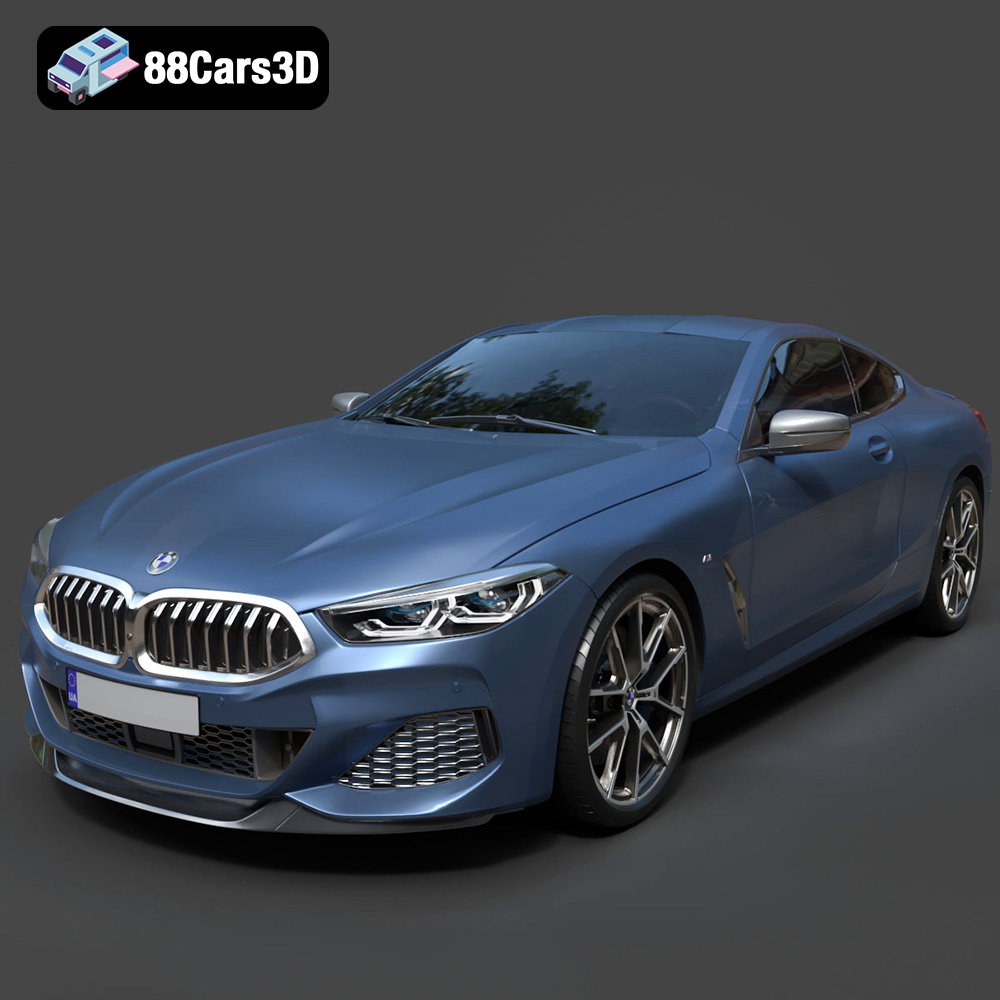
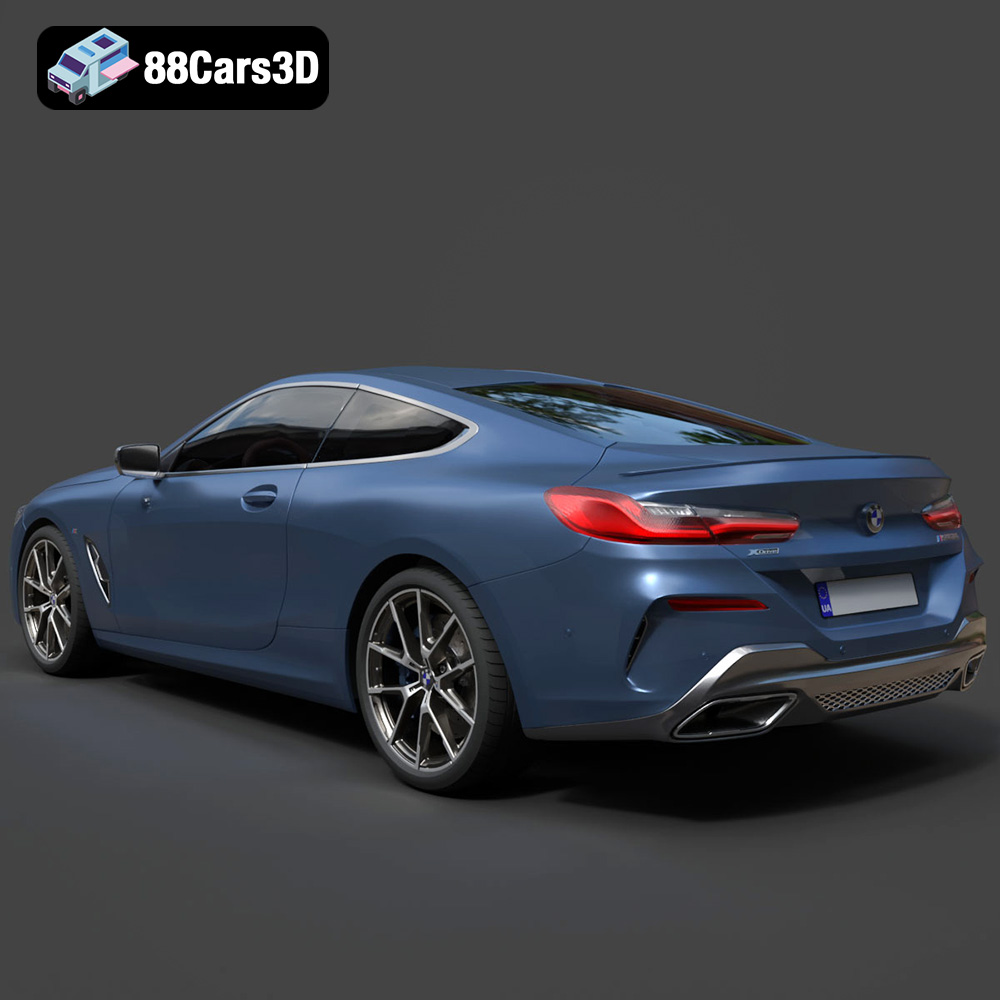
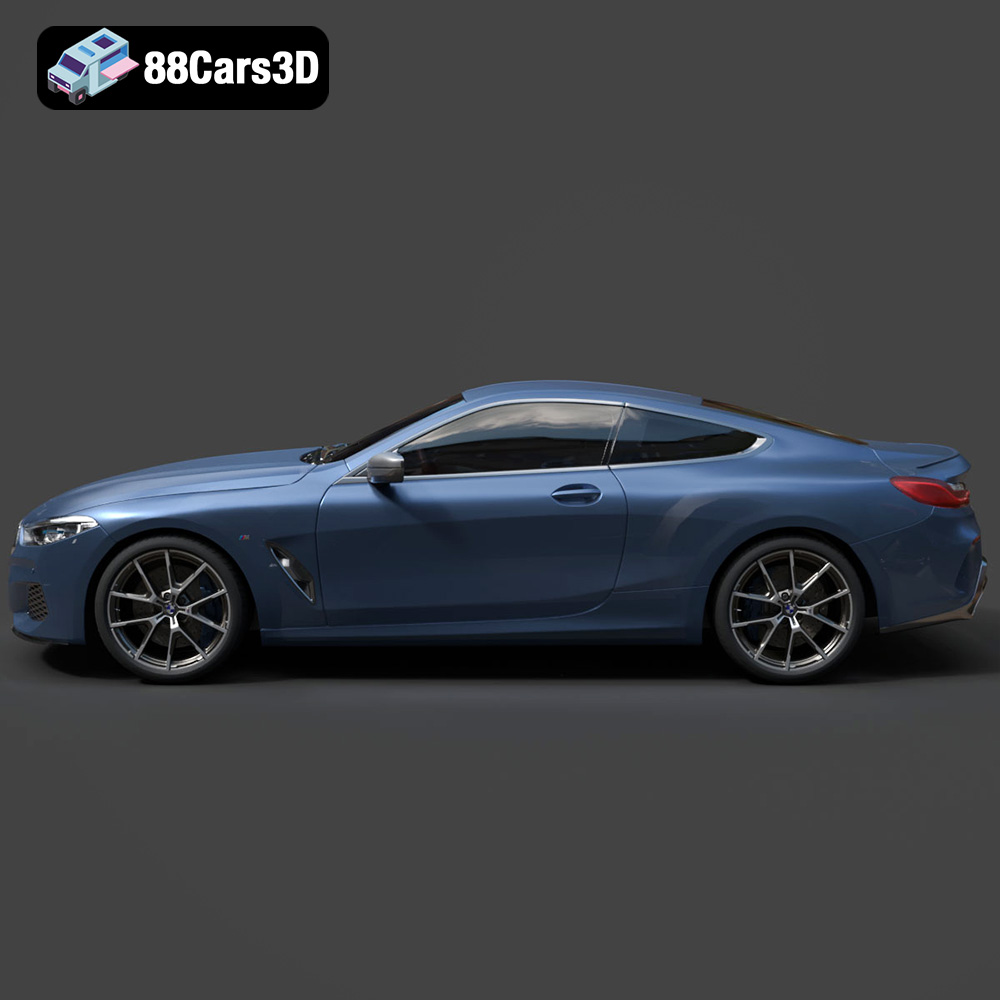
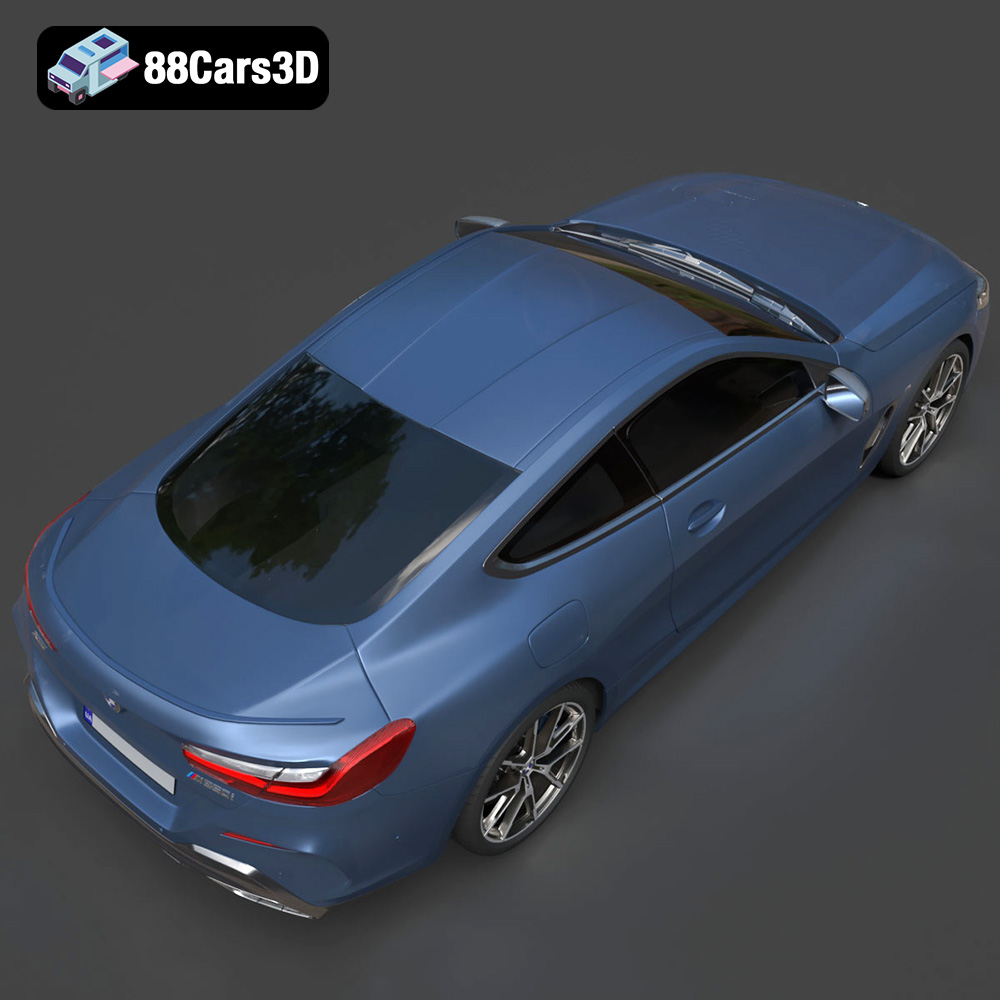
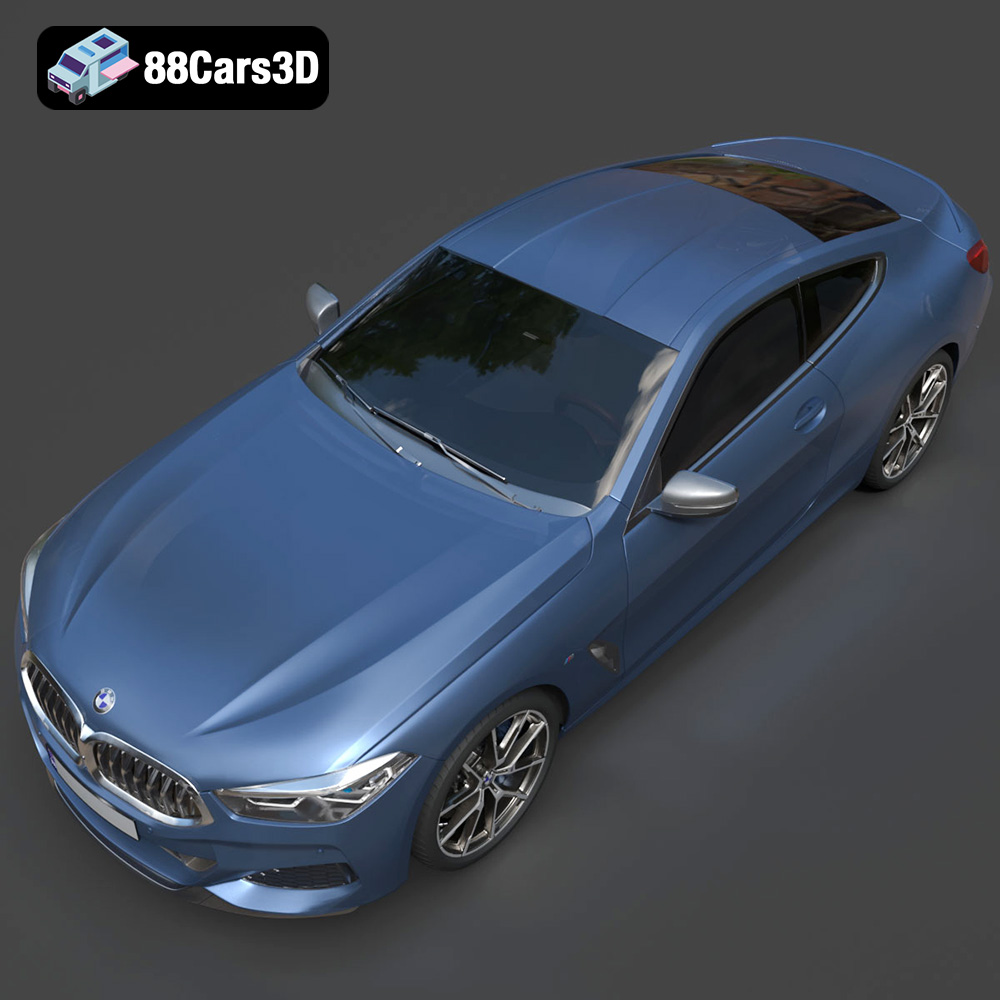
Today, we’re diving deep into the technical intricacies and practical applications of premium 3D vehicle assets, exemplified by exceptional creations like the BMW 8-Series M850i G15 Coupe 2019 3D Model. This particular model, available on 88cars3d.com, stands as a testament to the blend of artistic skill and technical precision required to bring iconic vehicles to the digital realm. Its clean geometry, optimized polygon distribution, and realistic materials make it a prime example of what professionals seek when integrating a luxury sports coupe into their diverse projects.
Creating a truly professional 3D car model is a multi-faceted process that combines artistic interpretation with rigorous technical standards. It’s about capturing not just the visual essence but also the underlying engineering and design philosophy of a vehicle. A high-quality 3D car model, such as the BMW 8-Series M850i G15 Coupe 2019 3D Model, is characterized by several key attributes that ensure its usability and visual fidelity across various platforms.
The foundation of any outstanding 3D car model lies in its accuracy. This means adhering strictly to real-world vehicle dimensions, subtle surface curvatures, and the nuanced interplay of light and shadow on its panels. Expert modelers utilize blueprints, reference photographs, and often CAD data to replicate every detail, from the iconic kidney grille of a BMW to the precise curvature of its fender flares. Incorrect proportions or poorly modeled surfaces can instantly break immersion, making meticulous attention to detail paramount.
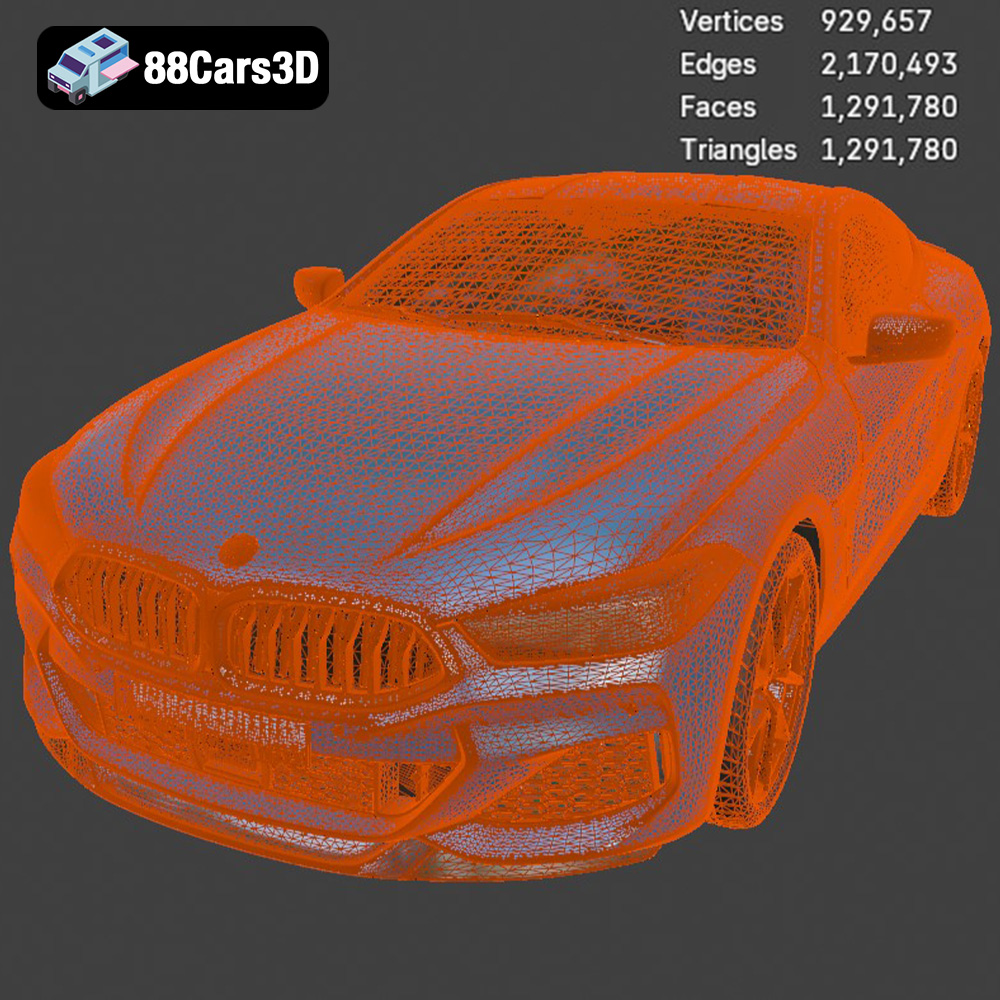
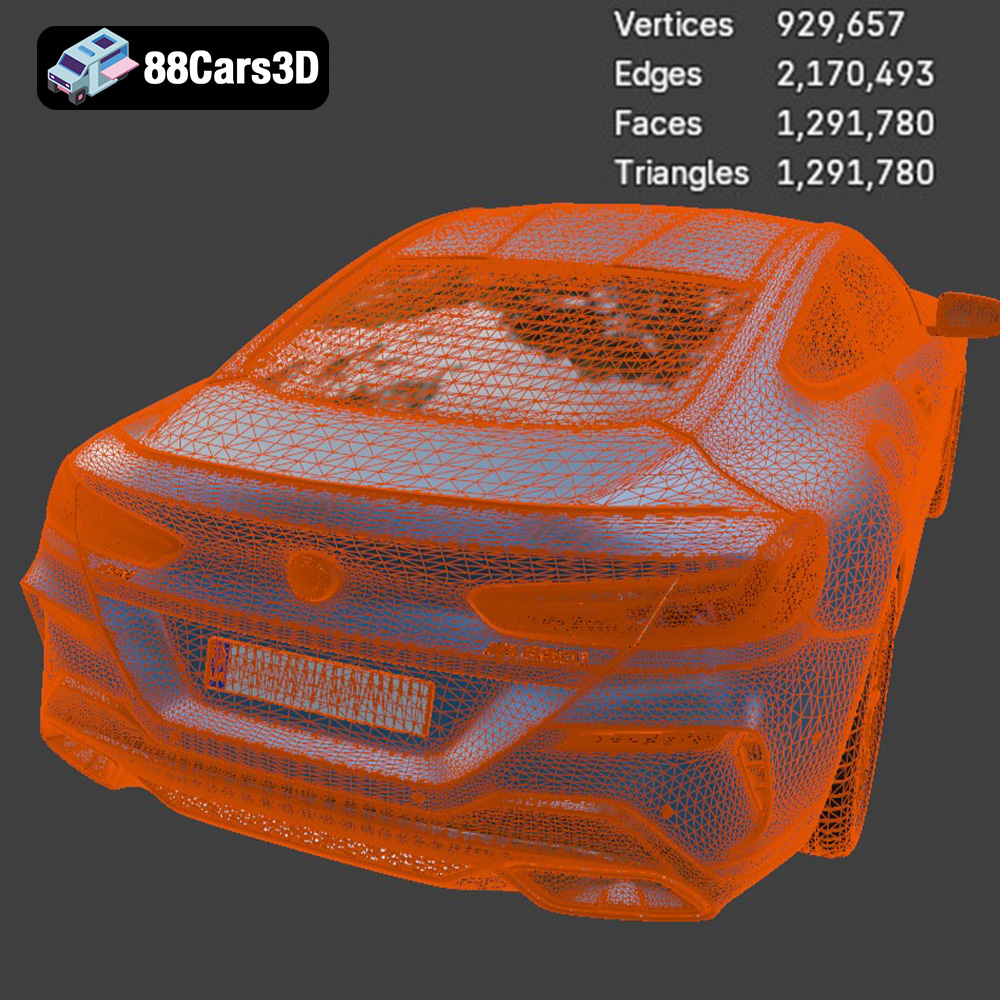
Beyond visual accuracy, a professional 3D car model must possess clean and optimized topology. This refers to the arrangement of polygons (quads, ideally) that form the mesh. Clean topology ensures smooth subdivision (for high-resolution renders), efficient performance in real-time engines, and ease of texture mapping and animation. Poor topology can lead to artifacts, distorted reflections, and difficulties in modification. Complementing this is expert UV mapping, which unwraps the 3D surface into a 2D space without stretching or overlaps, allowing for the precise application of textures and decals.
Realistic rendering relies heavily on Physically Based Rendering (PBR) materials. These materials simulate how light interacts with surfaces in the real world, accounting for properties like albedo (base color), roughness, metallicness, and normal maps. A high-quality 3D car model incorporates a sophisticated PBR workflow, with textures crafted at resolutions appropriate for close-up shots (e.g., 4K or 8K) and carefully applied to reflect the actual finish of the car – be it a gleaming metallic paint, matte trim, or intricate interior details. The BMW 8-Series M850i G15 Coupe 2019 3D Model exemplifies this with its realistic materials, ensuring it looks stunning in any lighting scenario.
The versatility of a professional 3D car model is significantly enhanced by its availability in multiple industry-standard file formats. Each format caters to specific software, engines, or use cases, offering optimized data structures for different stages of a production pipeline. The BMW 8-Series M850i G15 Coupe 2019 3D Model, for instance, ships with a comprehensive array of formats, ensuring maximum compatibility and utility.
The `.blend` file format is native to Blender, a powerful open-source 3D creation suite. When you acquire a `.blend` file, you’re getting a complete, editable scene. This typically includes the raw mesh data, modifiers, materials, textures, lighting setups, and even camera positions. For artists working in Blender, this is invaluable as it allows for immediate modification, animation, or integration into existing Blender projects without any loss of data fidelity. It’s perfect for customization, rigging, or developing unique render aesthetics.
Developed by Autodesk, `.fbx` (Filmbox) is one of the most widely adopted interchange formats in the 3D industry, particularly for game development and real-time applications. It can store not only mesh data but also animation, cameras, lights, and PBR material assignments (though material translation can sometimes be complex between software). Its strength lies in its ability to efficiently transfer complex scenes between different 3D software (like 3ds Max, Maya, Blender) and game engines such as Unreal Engine and Unity. The `.fbx` format included with the BMW 8-Series M850i G15 Coupe 2019 3D Model is optimized for smooth integration into these real-time environments, ensuring good performance and visual integrity.
The `.obj` (Wavefront OBJ) format is a foundational, highly compatible 3D data format. It primarily stores geometric data (vertices, normals, texture coordinates, and faces) and can reference external `.mtl` (material library) files for basic material properties. While it doesn’t support animation or complex scene data like `.fbx`, its simplicity and widespread support make it a universal choice for transferring static mesh data between virtually any 3D software application. It’s a reliable fallback for cross-platform compatibility when other formats might cause issues.
`.glb` (GLB, a binary version of glTF) is an increasingly popular format optimized for efficient transmission and loading of 3D scenes and models. It’s designed specifically for web-based 3D, AR (Augmented Reality), and VR (Virtual Reality) applications. A single `.glb` file encapsulates all necessary data – geometry, materials, textures, animations – making it incredibly lightweight and easy to deploy. For interactive web viewers or AR apps featuring the BMW 8-Series M850i G15 Coupe 2019, the `.glb` format is the go-to choice, offering excellent performance and visual quality in these resource-constrained environments.
`.stl` (Standard Tessellation Language or Stereolithography) is the standard file format for 3D printing. It represents a 3D model as a series of connected triangles (a triangulated surface mesh) without color, texture, or other CAD attributes. For physical prototyping, scale models, or custom parts, converting a detailed 3D car model like the M850i into `.stl` allows for direct fabrication using additive manufacturing techniques. Precision in the mesh density and watertightness are crucial for successful 3D printing.
The `.ply` (Polygon File Format or Stanford Triangle Format) is another format for storing 3D data, particularly useful for scanned data and dense point clouds. It can store a variety of properties beyond just geometry, including color, transparency, surface normals, and range data. While not as common for general asset exchange as `.fbx` or `.obj`, it is highly valued in scientific, engineering, and CAD workflows where precise mesh data for analysis, simulation, or reverse engineering is required.
While not strictly a generic file extension, `.unreal` often signifies an asset specifically configured and optimized for Unreal Engine. This might mean the `.fbx` has been imported, materials have been set up using Unreal’s robust material editor, textures have been packed, and collision meshes or LODs have been generated. An `.unreal` package indicates a “plug-and-play” asset, ready for immediate integration into an Unreal project, saving developers significant setup time. The BMW M850i model’s `.unreal` version suggests it’s pre-configured for optimal performance and visual quality within Epic’s acclaimed engine.
The `.max` file format is native to Autodesk 3ds Max, a leading software for 3D modeling, animation, and rendering in architectural visualization, film, and product design. Like `.blend`, a `.max` file provides a fully editable scene, including all geometry, modifiers, materials, lighting, cameras, and animation data. For professionals relying on 3ds Max for high-end rendering with V-Ray or Corona Renderer, having the native `.max` file of the BMW 8-Series M850i G15 Coupe 2019 allows for complete control and customization of the scene to meet specific project demands.
The true value of a premium 3D car model, such as those found on 88cars3d.com, becomes evident when integrated into professional production pipelines. Its versatility allows it to seamlessly fit into diverse workflows, enhancing efficiency and delivering superior results across various industries.
For automotive marketing, product configurators, or architectural visualization projects, high-quality static renders and animations are crucial. Using software like 3ds Max with renderers such as V-Ray or Corona Renderer, or Blender with Cycles or Eevee, artists can leverage the detailed geometry and PBR materials of the BMW 8-Series M850i G15 Coupe 2019 3D Model to produce photorealistic imagery. This involves setting up studio lighting environments, reflective surfaces, and carefully chosen camera angles to showcase the vehicle’s design and luxury. The native `.max` and `.blend` files are particularly useful here, offering full scene control.
Game developers and AR/VR creators demand highly optimized assets that maintain visual fidelity while performing efficiently in real-time environments. The `.fbx` and `.unreal` formats of the BMW M850i model are perfectly suited for integration into engines like Unreal Engine and Unity. This involves careful polygon budgeting, Level of Detail (LOD) creation, and efficient material setup to ensure smooth frame rates and immersive experiences.
Beyond digital visualization, 3D car models also bridge the gap to the physical world. The `.stl` format allows for the 3D printing of concept models, scale replicas, or custom accessories. While a high-detail rendering model may require optimization for printing (e.g., ensuring watertight meshes and appropriate wall thickness), the foundational geometry from the 3D asset provides an excellent starting point for physical fabrication.
Achieving both stunning realism and optimal performance in a 3D car model requires a deep understanding of technical optimization techniques. This is where the true craftsmanship of a model like the BMW 8-Series M850i G15 Coupe 2019 3D Model shines through, offering a balanced approach to detail and efficiency.
A single, highly detailed model with millions of polygons is ideal for cinematic renders but impractical for real-time applications. Professional 3D car models often include multiple versions, or “Levels of Detail” (LODs). An LOD0 might be the full-detail mesh, while LOD1, LOD2, and so on progressively reduce polygon count as the object moves further from the camera, significantly improving performance without noticeable visual degradation. This meticulous approach to polygon budgeting is crucial for smooth gameplay and AR/VR experiences, ensuring the model’s quality is maintained at varying distances.
The realism of a 3D car model is not just in its geometry but equally in its materials. Advanced material authoring goes beyond simple texture application. It involves creating complex shaders that simulate nuanced physical properties like clear coat reflections, anisotropic reflections on brushed metals, subsurface scattering for headlights, and intricate normal maps for panel gaps or interior textures. For the BMW M850i, this means meticulously replicating the specific finish of BMW’s metallic paints, the texture of its leather interior, and the intricate details of its headlights and taillights, all contributing to unparalleled visual fidelity.
No 3D model looks its best in isolation. Proper lighting and environment integration are vital. This involves using High Dynamic Range Images (HDRIs) to provide realistic ambient lighting and reflections, setting up virtual studio lights, or integrating the car into a simulated real-world environment. Artists carefully adjust exposure, color grading, and post-processing effects to enhance the model’s presence and mood. The inclusion of materials and lighting setups in native files like `.blend` and `.max` with the BMW 8-Series M850i G15 Coupe 2019 3D Model jumpstarts this process for artists.
To truly appreciate the impact of professional 3D car models, let’s explore a few hypothetical, yet highly plausible, real-world scenarios where an asset like the BMW 8-Series M850i G15 Coupe 2019 3D Model would be indispensable.
Imagine a leading automotive manufacturer developing their next-generation online car configurator. They need to showcase their entire fleet, including the luxurious 8-Series M850i, in stunning detail, allowing customers to customize paint colors, wheel designs, and interior trims in real-time. By utilizing a high-quality 3D car model with clean topology and PBR materials from 88cars3d.com, their development team can rapidly implement these customization options. The optimized geometry ensures smooth interaction, while the detailed textures guarantee a visually rich experience, directly contributing to customer engagement and sales.
A top advertising agency is tasked with creating a launch commercial for a new luxury vehicle. Instead of costly physical shoots in exotic locations, they opt for a largely CGI-driven approach. They license a highly detailed 3D car model, such as the BMW 8-Series M850i G15 Coupe 2019, from a reliable source. The model’s excellent subdivision readiness and realistic materials allow their rendering artists to produce breathtaking cinematic sequences, showing the car cruising through photorealistic environments, dynamically lit and perfectly reflecting its surroundings – all without ever leaving the studio.
A specialized company develops high-fidelity driving simulators for professional race car drivers and advanced driver training. To create the most realistic experience possible, they require vehicle models that accurately represent both exterior aesthetics and interior layouts. Integrating a meticulously crafted model like the M850i provides the visual realism needed to immerse drivers, allowing them to train in virtual environments that mirror real-world conditions, enhancing their skills and strategic thinking.
In the dynamic world of digital content creation, the difference between good and great often lies in the quality of foundational assets. High-quality 3D car models are not just digital representations; they are pivotal tools that empower designers, developers, and artists to create compelling visualizations, immersive experiences, and impactful marketing materials. From the precision of their geometry and the sophistication of their materials to their adaptability across various file formats and professional workflows, these assets are indispensable.
The BMW 8-Series M850i G15 Coupe 2019 3D Model is a prime example of such an asset, embodying the technical excellence and artistic fidelity required in today’s demanding production environments. Its availability in formats ranging from `.blend` and `.max` for comprehensive editing, to `.fbx` and `.unreal` for real-time performance, and `.glb` for web and AR/VR, ensures it is ready for virtually any project. Whether you are aiming for photorealistic renders, seamless game integration, or innovative AR/VR experiences, investing in a professionally developed 3D car model from a trusted marketplace like 88cars3d.com will significantly elevate your projects and streamline your creative process.
Experience unparalleled realism with the BMW 8-Series M850i G15 Coupe 2019 3D Model. Designed to meet professional standards, this model captures the sleek proportions and aggressive styling of the iconic luxury sports coupe, ensuring exceptional visual fidelity for any digital project.
Built with clean geometry and optimized polygon distribution, the model guarantees smooth subdivisions and excellent performance. It features realistic materials and intricate detailing, making it ideal for close-up shots and demanding environments.
This versatile 3D asset is perfectly suited for a wide range of applications, including game development, cinematic rendering, AR/VR experiences, and automotive visualization.
$19.99
.8series
.arvr
.blend
.bmw
.car3dmodel
.coupe
.fbx
.g15
.gameasset
.glb
.luxurycar
.m850i
.max
.obj
.ply
.rendering
.simulation
.sportsCar
.stl
.unreal