Get 20% OFF All Premium 3D & STL Models!

In the dynamic world of 3D visualization, game development, and immersive experiences, the demand for high-fidelity, optimized 3D car models is ever-present. From the subtle glint of chrome on a luxury sedan to the rugged textures of an off-road beast, digital automotive assets must convey realism and perform flawlessly across diverse platforms. Today, we’re spotlighting a prime example of such a versatile asset: the Mitsubishi L200 Crew Cab 2019 3D Model, available for download on 88cars3d.com. This model isn’t just a static representation; it’s a meticulously engineered digital twin of a vehicle renowned for its blend of robust utility and modern aesthetics, ready to be integrated into your next groundbreaking project.
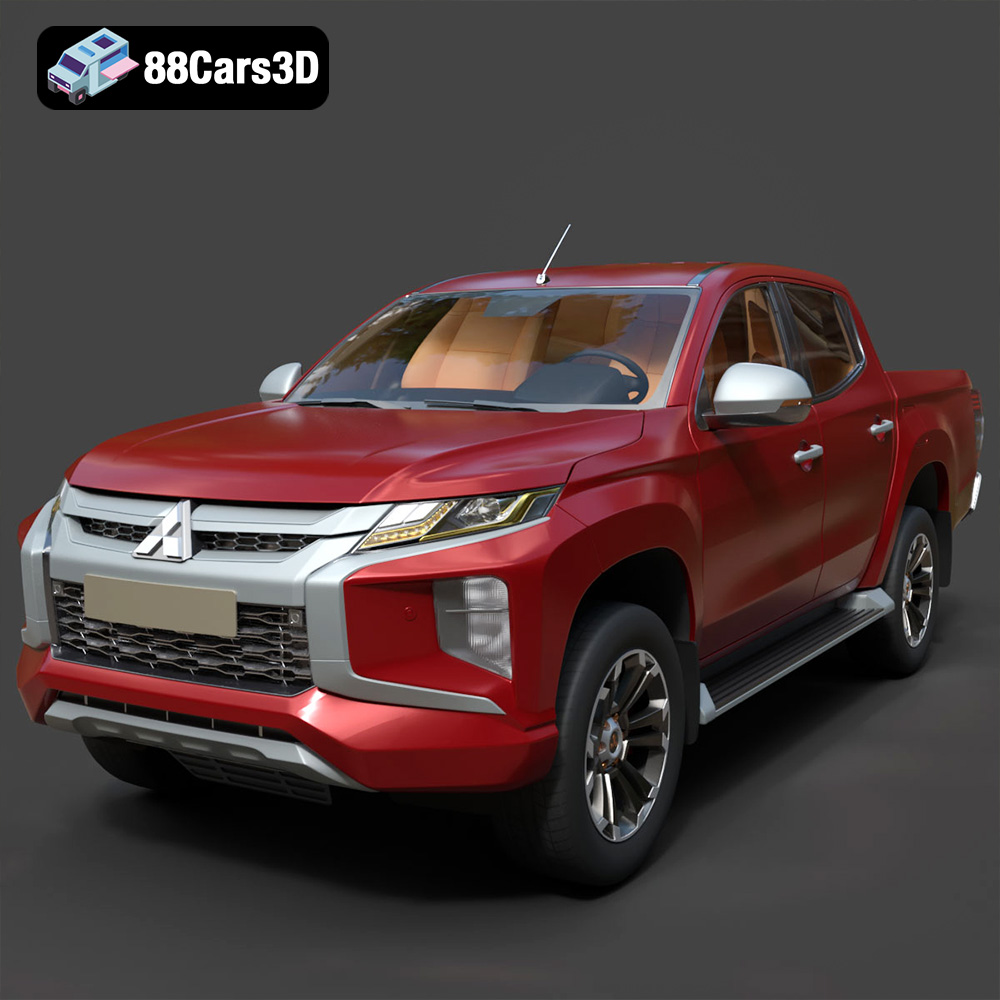
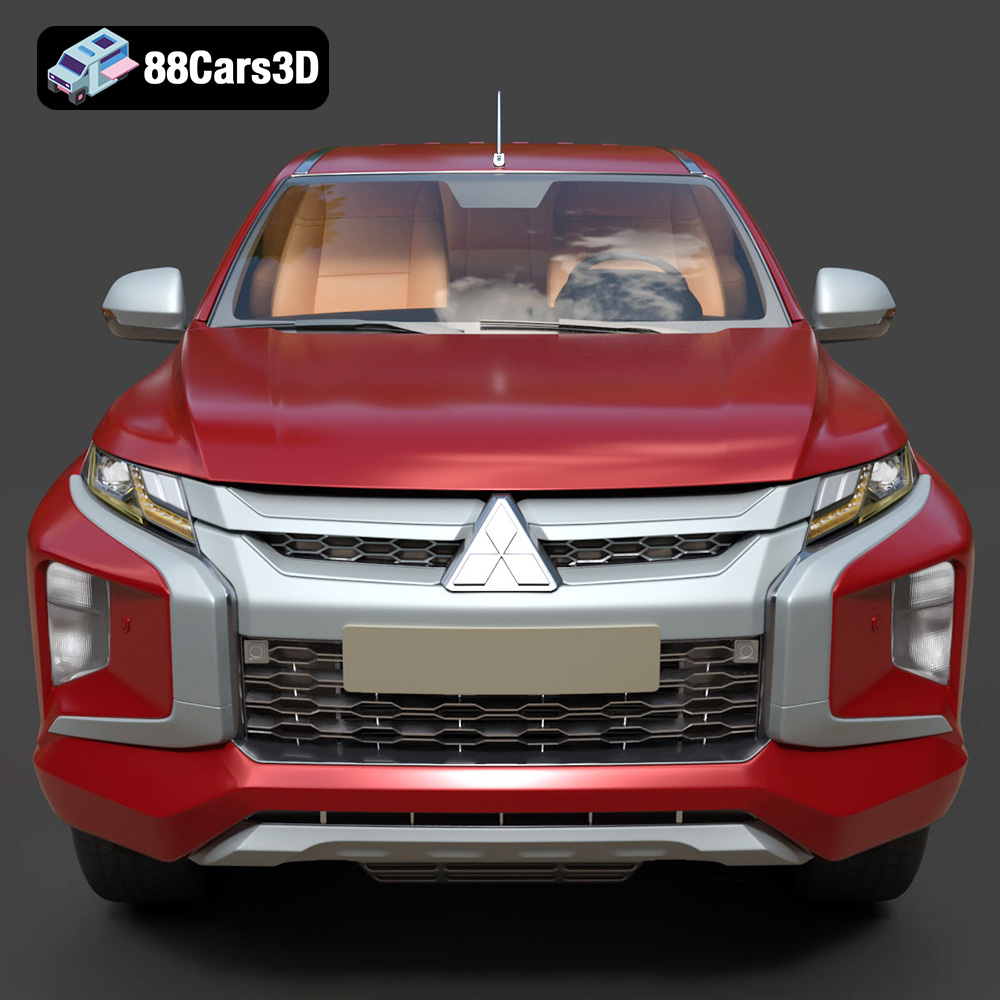
The 2019 Mitsubishi L200, also known as the Triton in many markets, stands out with its distinctive “Dynamic Shield” front fascia, aggressive lines, and formidable 4WD capabilities. It’s a vehicle that effortlessly transitions from a commercial workhorse to a comfortable family vehicle, making it a unique subject for 3D artists. This particular 3D model captures every essence of the real-world L200, from its striking LED headlight arrays and sculpted side panels to its durable cargo bed. But beyond its visual accuracy, its true value lies in its technical optimization, making it suitable for everything from cinematic automotive rendering to high-performance real-time game environments. Let’s embark on a comprehensive exploration of what makes this 3D model an indispensable asset for professionals.
Navigating the landscape of 3D asset creation and deployment requires a foundational understanding of various file formats. Each format serves specific purposes, excelling in particular workflows or software environments. When you acquire a high-quality 3D car model like the Mitsubishi L200 from 88cars3d.com, you’ll often receive it in multiple formats to ensure maximum compatibility and utility. Let’s break down the key formats included with this model:
The .blend file is the native format for Blender, a powerful and increasingly popular open-source 3D creation suite. A .blend file typically encapsulates an entire scene, including not just the mesh data (geometry, UVs, normals) but also materials (node-based setups), textures, lighting, camera setups, animation data, and even physics simulations. This makes it incredibly valuable for artists working within Blender, allowing for full editability, seamless integration into existing Blender projects, and leveraging Blender’s extensive toolset for further customization, rigging, or animation specific to the L200 model.
Autodesk’s .fbx (Filmbox) format is arguably the most widely adopted interchange format in the 3D industry. It’s a robust format that can store a comprehensive range of data, including 3D model geometry, materials (with references to textures), animation curves, bone rigs, and even cameras and lights. Its strength lies in its ability to transfer complex scene data between different 3D applications like 3ds Max, Maya, Blender, and real-time engines such as Unreal Engine and Unity. For the Mitsubishi L200 model, an FBX file ensures that all key elements – from the articulated suspension to the detailed interior – can be imported with minimal loss of data, making it ideal for game development and animation pipelines.
The .obj (Wavefront OBJ) format is a classic and highly universal option, supported by virtually every 3D application. It primarily stores geometry data (vertices, faces, UV coordinates, normals) and can reference an accompanying .mtl (Material Template Library) file for basic material properties and texture paths. While .obj is excellent for static mesh exchange due to its widespread compatibility and relatively straightforward structure, it does not support animation, rigging, or complex material node setups. It’s a reliable choice when you need a clean, universal mesh for rendering or sculpting in a diverse software ecosystem.
.glb (GL Transmission Format Binary) is a modern, efficient format specifically designed for the web, AR (Augmented Reality), and VR (Virtual Reality) applications. It bundles all necessary assets—geometry, materials, textures, and even animation—into a single, compact binary file. This self-contained nature and optimization for real-time rendering make .glb files perfect for interactive web viewers, virtual showrooms, and mobile AR experiences where quick loading times and efficiency are paramount. For displaying the Mitsubishi L200 in a browser-based configurator or an AR app, .glb is the format of choice.
The .stl (Stereolithography) format is the de facto standard for 3D printing. It represents 3D surfaces as a series of connected triangles, containing only geometry data and no color, texture, or material information. While not suitable for rendering or animation, it’s essential for bringing the Mitsubishi L200 model into the physical world. The provided .stl file would be pre-optimized for additive manufacturing, enabling hobbyists and professionals to print physical replicas of the L200 at various scales.
The .ply (Polygon File Format) is less common for general 3D asset distribution but is crucial in specific fields. It’s often used to store 3D data from optical scanners, CAD systems, or scientific applications. PLY files can store geometry, color per vertex, normals, and even texture coordinates. While the .obj format is more widespread for visual assets, .ply can be useful for applications requiring higher precision or direct import into specialized engineering or analysis software, offering an alternative for detailed examination of the L200’s form.
While “.unreal” isn’t a standalone file format in the same way .fbx or .obj are, its inclusion implies an asset specifically prepared or packaged for direct use within Unreal Engine. This typically means the asset has been imported (often via .fbx), had its materials configured using Unreal’s PBR (Physically Based Rendering) system, has proper collision meshes, LODs (Levels of Detail), and potentially even pre-configured blueprints for dynamic elements like opening doors or animated suspension. For game developers, this saves significant time and effort, as the Mitsubishi L200 model comes ready to drop into an Unreal Engine project, minimizing setup and optimization tasks.
The .max file is the native project file for Autodesk 3ds Max, a leading software for 3D modeling, animation, and rendering. Similar to .blend, a .max file contains the entire scene, including geometry, complex material setups, lights, cameras, animation timelines, and all modifiers specific to 3ds Max. For artists whose primary workflow revolves around 3ds Max, having the original .max file for the L200 provides complete control for extensive modification, high-end rendering with V-Ray or Corona, and advanced animation sequences.
Understanding these formats empowers artists and developers to choose the right tool for the job, ensuring seamless integration and optimal performance for the versatile Mitsubishi L200 Crew Cab 2019 3D Model.
Creating a highly realistic 3D car model involves much more than just replicating shapes. It demands an intricate balance of accurate geometry, meticulous detailing, and thoughtful optimization. The Mitsubishi L200 Crew Cab 2019 3D Model exemplifies this balance, providing a digital asset that is both visually stunning and technically robust.
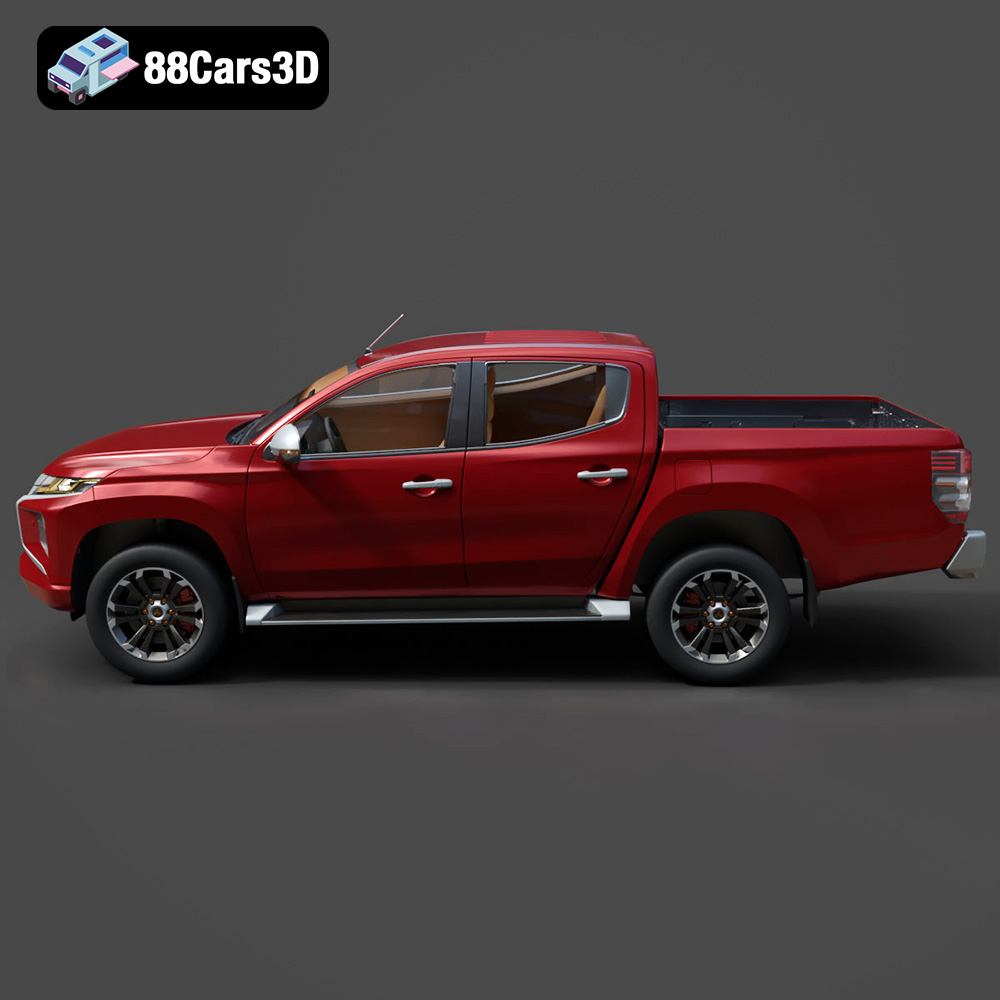
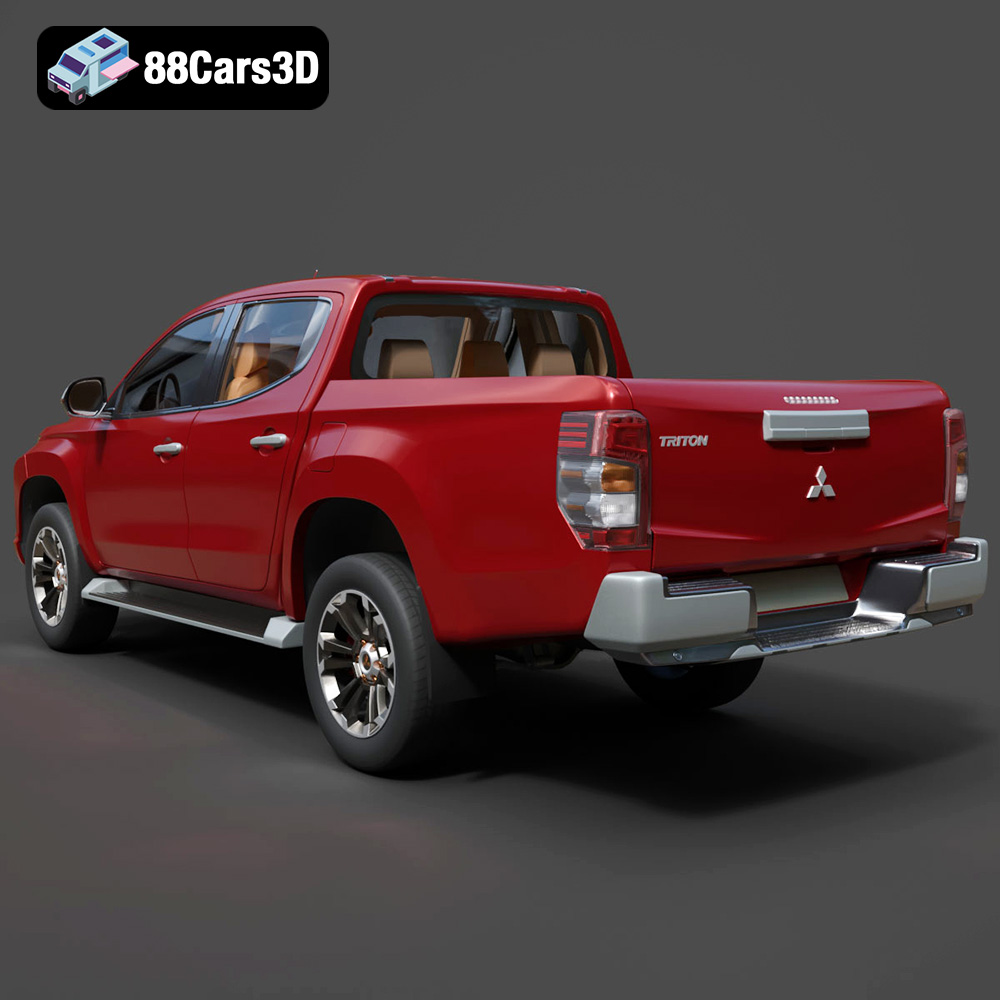
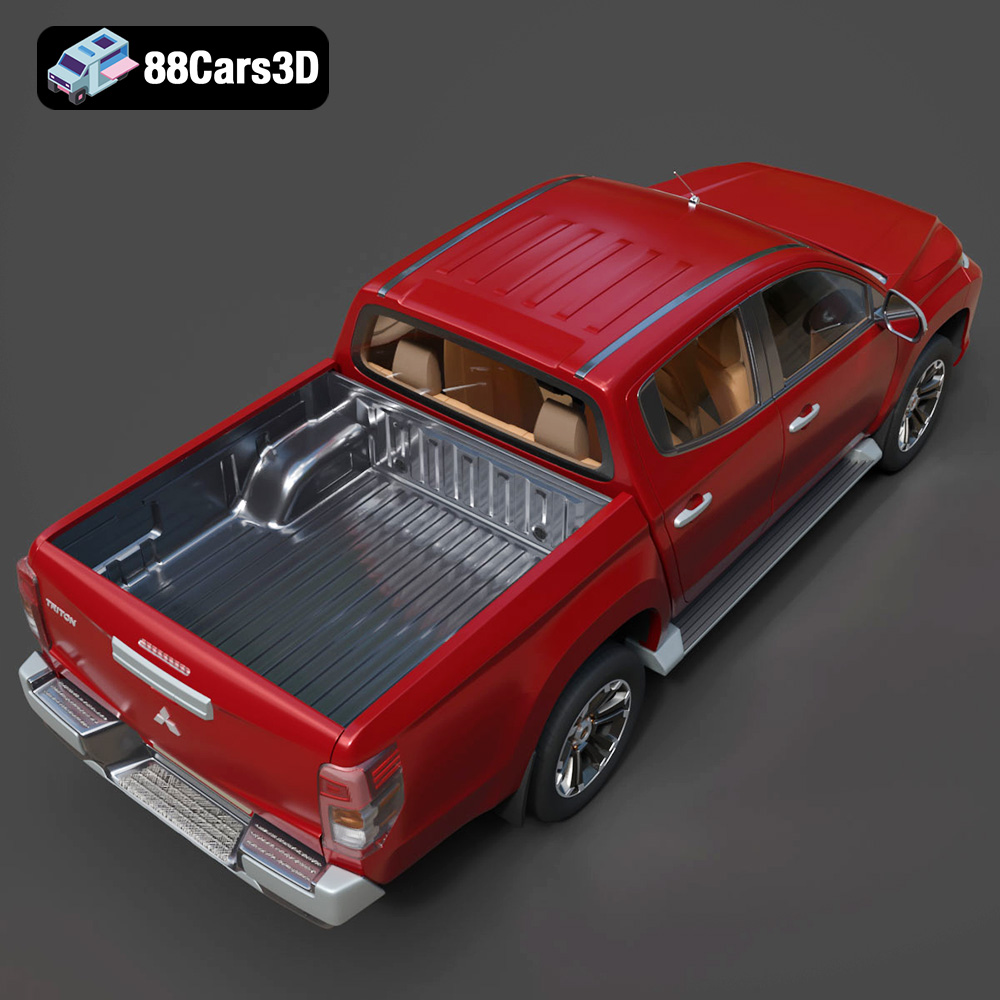
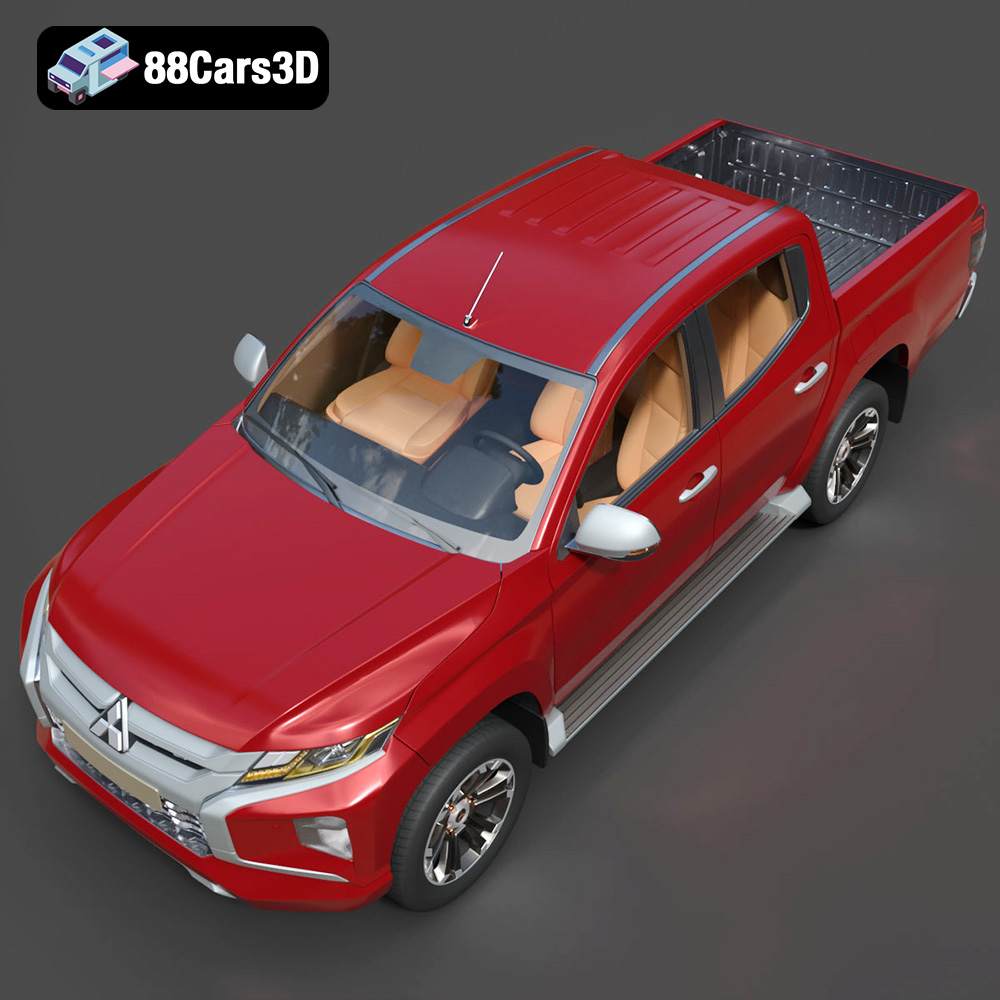
The L200’s distinctive “Dynamic Shield” front fascia is a design highlight, and its accurate representation in this 3D model is paramount. Every curve, sharp angle, and grille element has been faithfully recreated. This extends to the detailed LED headlight clusters and distinct taillight housings, where light-emitting surfaces and internal reflectors are modeled with precision. The rugged cargo bed, complete with authentic tailgate and tiedown details, emphasizes the truck’s utility. Furthermore, the model includes accurate alloy wheel designs paired with detailed all-terrain tires, a critical element for conveying realism in off-road scenarios. Visible suspension components and undercarriage chassis elements add another layer of authenticity, allowing for close-up shots or even animated mechanical functions.
The interior of a vehicle is often where realism is truly tested, especially for first-person perspectives in games or virtual tours. This L200 model features a spacious five-seat crew cab configuration with accurate upholstery details, reflecting the vehicle’s blend of work and comfort. Key elements like the detailed steering wheel with brand insignia and multi-function buttons, the accurate instrument cluster, and the modern center infotainment display are all meticulously modeled. Precise control details, including pedals, the gear selector, and climate vents, ensure that the cockpit feels authentic and functional. For game development, this optimized geometry for first-person POV is invaluable, providing an immersive experience without a heavy performance cost.
In the realm of real-time rendering, performance is king. A beautiful model means little if it causes frame rate drops or excessive load times. The Mitsubishi L200 Crew Cab 2019 3D Model is engineered with this principle in mind, striking an optimal balance between visual fidelity and real-time efficiency, making it an ideal game asset.
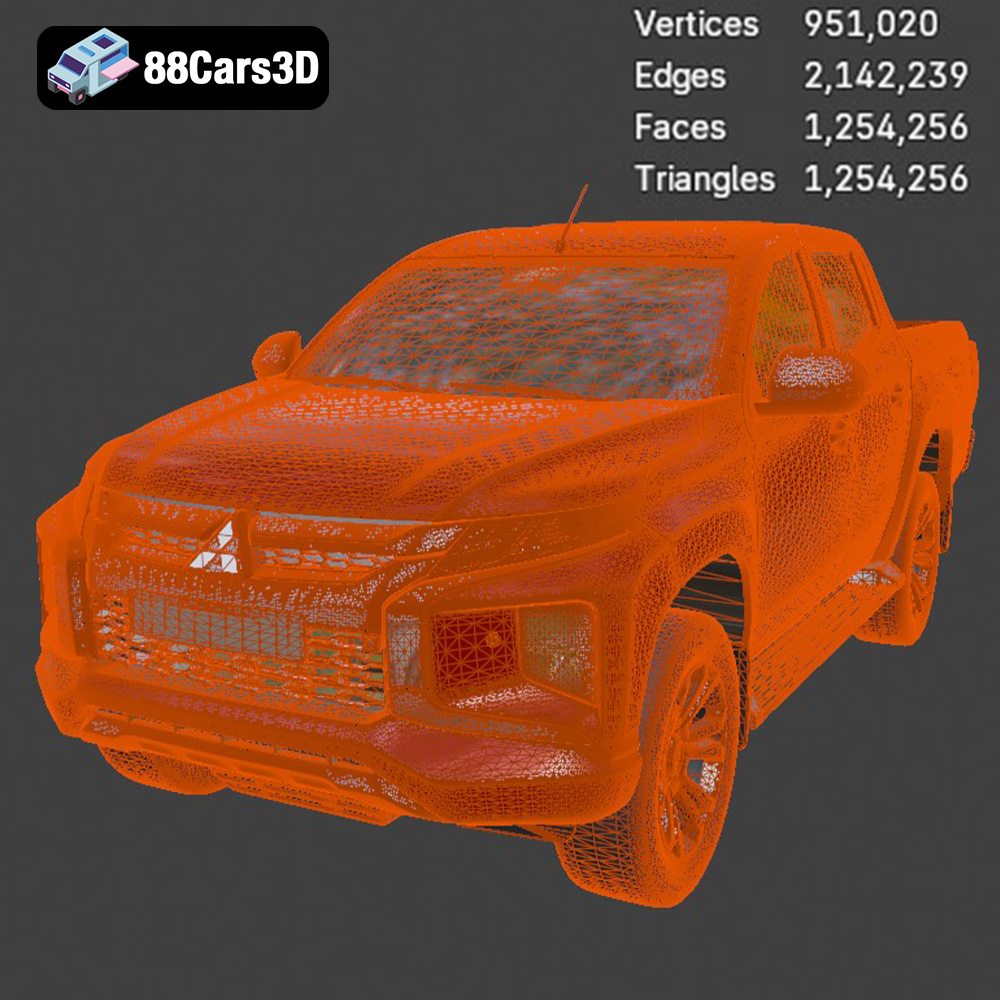
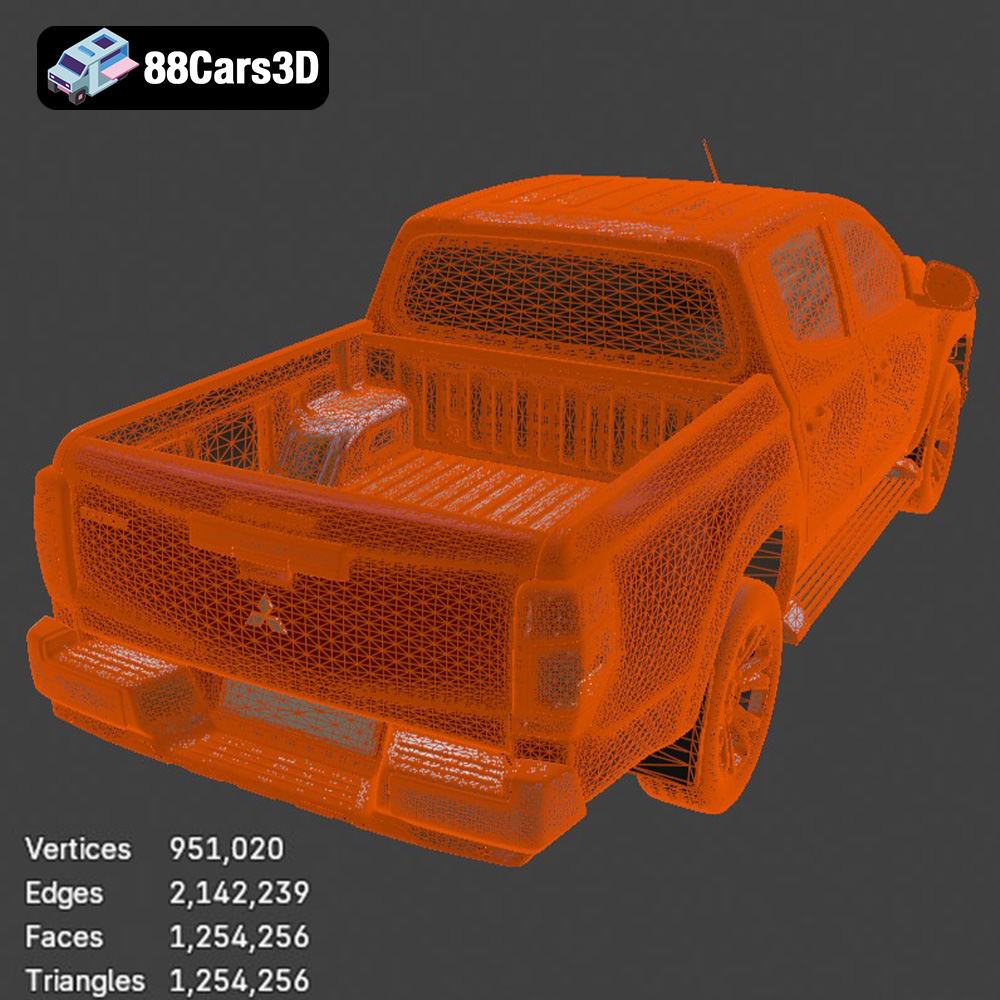
With approximately 550,000 triangles, the L200 model hits a sweet spot for real-time applications. This polygon count is high enough to maintain intricate details and smooth surfaces, preventing the “low-poly” look often associated with simpler game assets. Yet, it’s optimized enough to ensure smooth performance in demanding real-time engines like Unreal Engine and Unity. This careful optimization allows developers to populate virtual worlds or create interactive experiences with multiple instances of the L200 without overwhelming system resources. Key to this optimization is clean topology and efficient UV mapping, which facilitate texture baking and material application, crucial for PBR (Physically Based Rendering) workflows.
Accuracy extends beyond visual aesthetics to encompass real-world scale, which is crucial for believable simulation and integration into architectural visualization or game environments. The L200 model adheres to actual vehicle chassis dimensions, ensuring it looks correct alongside other assets. Furthermore, it boasts a proper pivot setup for steering, wheel rotation, and suspension travel. This pre-rigged functionality significantly streamlines the animation process, allowing animators to quickly set up driving sequences, off-road articulation, or detailed mechanical breakdowns without extensive re-rigging. This attention to mechanical detail greatly enhances its utility as a game asset.
The utility of a premium 3D model like the Mitsubishi L200 Crew Cab 2019 3D Model extends far beyond traditional screen-based rendering. Its versatile design and multiple file formats open doors to a diverse range of cutting-edge applications, from immersive experiences to tangible physical replicas.
The optimized nature of this L200 model makes it perfect for Augmented Reality (AR) and Virtual Reality (VR) applications. Imagine a virtual automotive showroom where potential buyers can walk around the L200, open its doors, and even customize its color and features in real-time, all within a VR headset. Or consider an AR experience where the L200 can be projected onto a real-world environment via a smartphone, allowing users to visualize the truck in their driveway before purchase. The efficient .glb format, specifically designed for web and mobile performance, plays a crucial role here, ensuring fluid, responsive interactions in these highly engaging, interactive environments.
For marketing campaigns, product showcases, and architectural visualization scenes, photorealistic rendering is paramount. The high visual fidelity of the L200 model—its detailed geometry, accurate materials, and clean topology—makes it an excellent candidate for high-resolution stills and animated sequences. Automotive studios can use it for brand campaigns, creating lifestyle scenes that highlight the L200’s rugged appeal or sophisticated studio lighting setups that showcase its design nuances. Architects might integrate it into a visualization of a new garage or an outdoor scene, adding a layer of realism and context to their designs. The ability to customize body colors, modify tire textures, and adjust material finishes further enhances its utility for these demanding visualization tasks.
The inclusion of an .stl file format unlocks the world of 3D printing, transforming the digital asset into a physical object. Hobbyists and enthusiasts can print display-scale replicas of the L200, creating custom models for dioramas, desk displays, or even remote-control chassis. The provided 3D print settings (recommended scale, layer height, wall thickness, infill, and support requirements) offer a practical guide for successful printing. Resin printing is often recommended for fine details like mirrors and door handles, ensuring the physical model retains the intricate fidelity of its digital counterpart. Post-processing with sanding, primer, and authentic factory colors can bring the printed model to life, offering a unique blend of digital artistry and traditional craftsmanship.
The true measure of a versatile 3D asset lies in its seamless integration into various professional pipelines. The Mitsubishi L200 Crew Cab 2019 3D Model is designed to accelerate workflows for artists and developers across different disciplines.
For game developers, efficiency is key. With its game-ready optimization and appropriate triangle count, the L200 model is built for performance. When importing into Unreal Engine, the .fbx or .unreal formats are typically used. The .fbx carries the mesh, UVs, and animation pivots, allowing for PBR material setup within Unreal’s robust material editor. Textures (albedo, normal, roughness, metallic, ambient occlusion) would be applied to create realistic surfaces. The pre-setup pivots facilitate the implementation of vehicle physics and animation blueprints for driving, suspension, and steering. Developers can then add LODs (Levels of Detail) for further optimization, ensuring the model performs well even at a distance, and integrate it into open-world environments, racing simulators, or off-road titles. The same principles apply to Unity, leveraging its PBR workflow and vehicle physics systems.
For cinematic rendering and high-quality visualizations, artists working in 3ds Max or Blender will appreciate the detailed geometry and material flexibility of the L200. Using the .max or .blend files, artists have full access to the original scene. In 3ds Max, one might utilize rendering engines like V-Ray or Corona Renderer. The process involves setting up advanced materials (e.g., car paint shaders with clear coat, metallic flakes), configuring studio lighting environments, and adding elements like realistic backplates or HDRI (High Dynamic Range Imaging) for environmental reflections. Similarly, Blender artists can leverage Cycles or Eevee, utilizing its node-based material system to craft incredibly lifelike surfaces. The separate, animatable components (wheels, suspension, steering) are invaluable for creating dynamic renders that showcase the L200 in action, such as traversing challenging terrain or navigating urban landscapes.
Professional projects often require unique adaptations. The L200 model offers extensive customization potential. Artists can easily change body colors to match specific branding or design concepts, from factory colors to custom metallic or matte finishes. Tire textures can be swapped between off-road and street variants to suit the environment. Material finishes can be adjusted for wear and tear, mud, or pristine showroom conditions. Lighting can be adapted for day, night, or moody artistic renders, showcasing the truck’s distinct aesthetic under various conditions. This adaptability ensures that the model isn’t just a static asset but a dynamic foundation for creative expression, saving countless hours compared to modeling from scratch.
In a fast-paced industry, time is a critical commodity. Sourcing high-quality, pre-optimized 3D car models like the Mitsubishi L200 Crew Cab 2019 3D Model from a reputable marketplace such as 88cars3d.com offers significant advantages for professionals.
Creating a highly detailed and optimized 3D car model from scratch can take hundreds of hours for an experienced artist, encompassing modeling, UV unwrapping, texturing, and rigging. By utilizing a pre-made premium asset, studios and individual creators can drastically cut down on production time, allowing them to focus on creative direction, scene assembly, animation, or game logic. This acceleration is crucial for meeting tight deadlines and bringing projects to market faster.
When you purchase a model from a trusted source, you’re investing in guaranteed quality. The L200 model, for instance, comes with an optimized topology, accurate real-world scale, proper pivot setups, and multiple file formats, ensuring it meets professional standards. This eliminates the uncertainty of working with unverified assets that may have topology issues, incorrect scaling, or inefficient poly counts, which can lead to costly rework or performance problems down the line. The detailed product descriptions, like those found on 88cars3d.com, provide transparent information about the model’s specifications, allowing informed decisions.
While an initial purchase might seem like an expense, it’s a highly cost-effective solution when weighed against the labor cost of internal development. Instead of dedicating an artist’s valuable time to modeling a vehicle, that resource can be allocated to more complex, unique aspects of a project. This strategic allocation of resources enhances efficiency and overall project budget management. The availability of diverse 3D car models on platforms like 88cars3d.com provides a comprehensive library for various automotive needs, from everyday vehicles to exotic supercars, supporting a wide range of creative endeavors.
The digital realm thrives on realism and performance, and high-quality 3D car models are at the forefront of this demand. The Mitsubishi L200 Crew Cab 2019 3D Model is a standout example, embodying the perfect fusion of aesthetic fidelity and technical optimization. From its meticulously recreated “Dynamic Shield” exterior to its game-ready interior and versatile file format support, it’s an asset designed to meet the rigorous demands of modern 3D production pipelines.
Whether you’re crafting an immersive open-world game, developing an interactive AR/VR experience, producing stunning automotive renders, or even bringing a digital design to life through 3D printing, this L200 model provides a robust and reliable foundation. Its detailed features, optimized topology, and animation-ready setup make it an invaluable tool for professionals seeking efficiency without compromising on visual quality. Embrace the power of premium digital assets to elevate your projects and realize your creative vision with greater speed and precision. Explore this exceptional model and many other high-quality 3D car models today at 88cars3d.com.
The 2019 Mitsubishi L200 Crew Cab (also known as the Triton) is a masterclass in rugged utility and modern design. Known for its robust “Dynamic Shield” front fascia, aggressive styling, and exceptional 4WD capabilities, this pickup truck bridges the gap between commercial workhorse and comfortable family vehicle. Key visual elements include the distinctive front grille, striking LED headlight arrays, sculpted side panels, and a durable cargo bed designed to handle any load.
This high-quality 3D model strikes the perfect balance between high-end visual fidelity and game-ready optimization. Featuring an optimized topology with approximately 550,000 triangles, it ensures smooth performance in real-time applications without sacrificing intricate details. It is meticulously crafted to serve primary use cases like game development, immersive AR/VR experiences, high-end animation, and architectural or automotive visualization.
Perfect for rugged off-road game environments, virtual automotive showrooms, architectural visualization scenes, and commercial rendering campaigns.
.blend, .fbx, .obj, .glb, .stl, .ply, .unreal, .max
Tags:
mitsubishi, l200, crew-cab, 2019, pickup-truck, utility-vehicle, 4×4, off-road, game-ready, low-poly, optimized, car-3d-model, game-asset, rendering, vr-ar, blend, fbx, obj, glb, stl, ply, unreal, maxMercedes Benz CLS 500 3D Model 3D Printable STL
$39.99
.2019
.4×4
.blend
.fbx
.glb
.max
.mitsubishi
.obj
.ply
.rendering
.stl
.unreal
car-3d-model
crew-cab
game asset
game-ready
l200
low-poly
off-road
optimized
pickup-truck
utility-vehicle
VR/AR