Get 20% OFF All Premium 3D & STL Models!

In the dynamic realm of 3D visualization, where photorealism and real-time performance converge, the demand for high-quality, versatile 3D assets is paramount. From blockbuster game titles and immersive AR/VR experiences to captivating architectural visualizations and detailed product showcases, the fidelity of a 3D model can make or break a project. Automotive models, in particular, present a unique challenge, requiring meticulous attention to detail, accurate proportions, and robust optimization for diverse applications. It’s not merely about creating a car; it’s about capturing its essence, its engineering, and its aesthetic appeal in a digital format that can be seamlessly integrated into any pipeline.
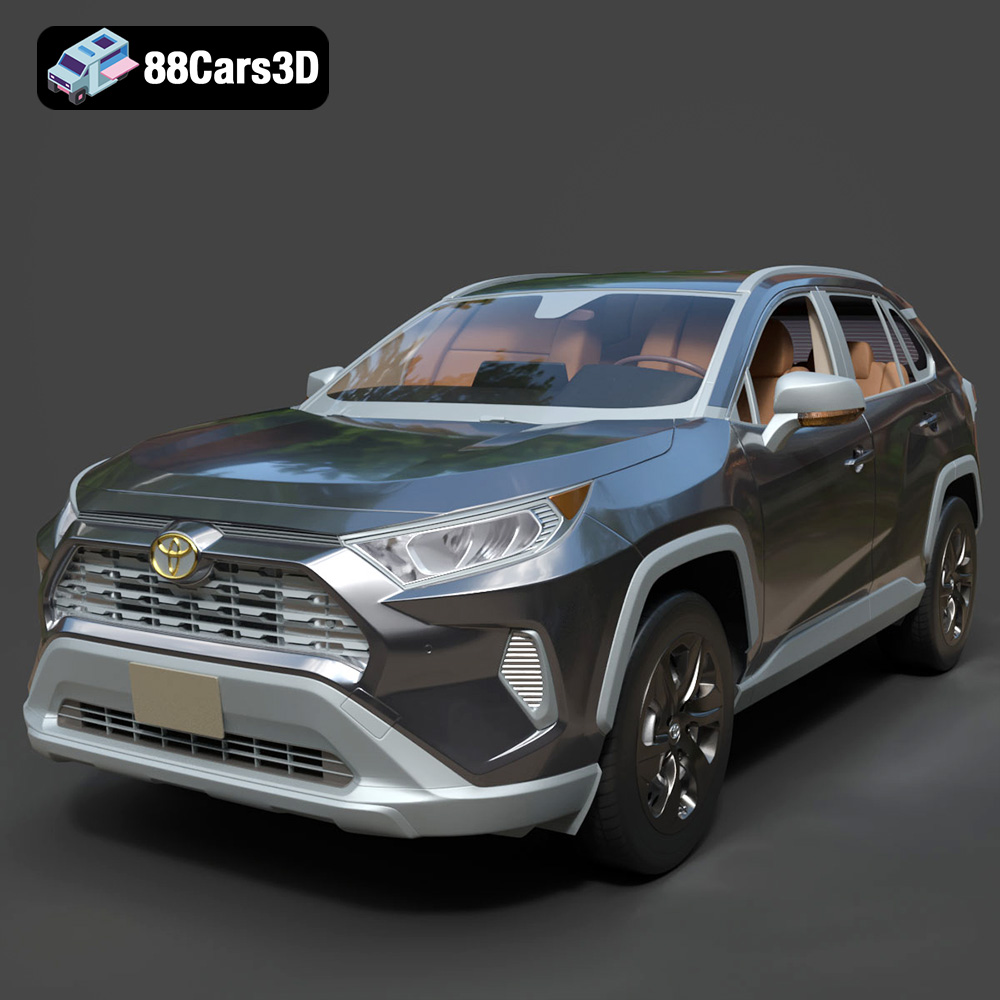
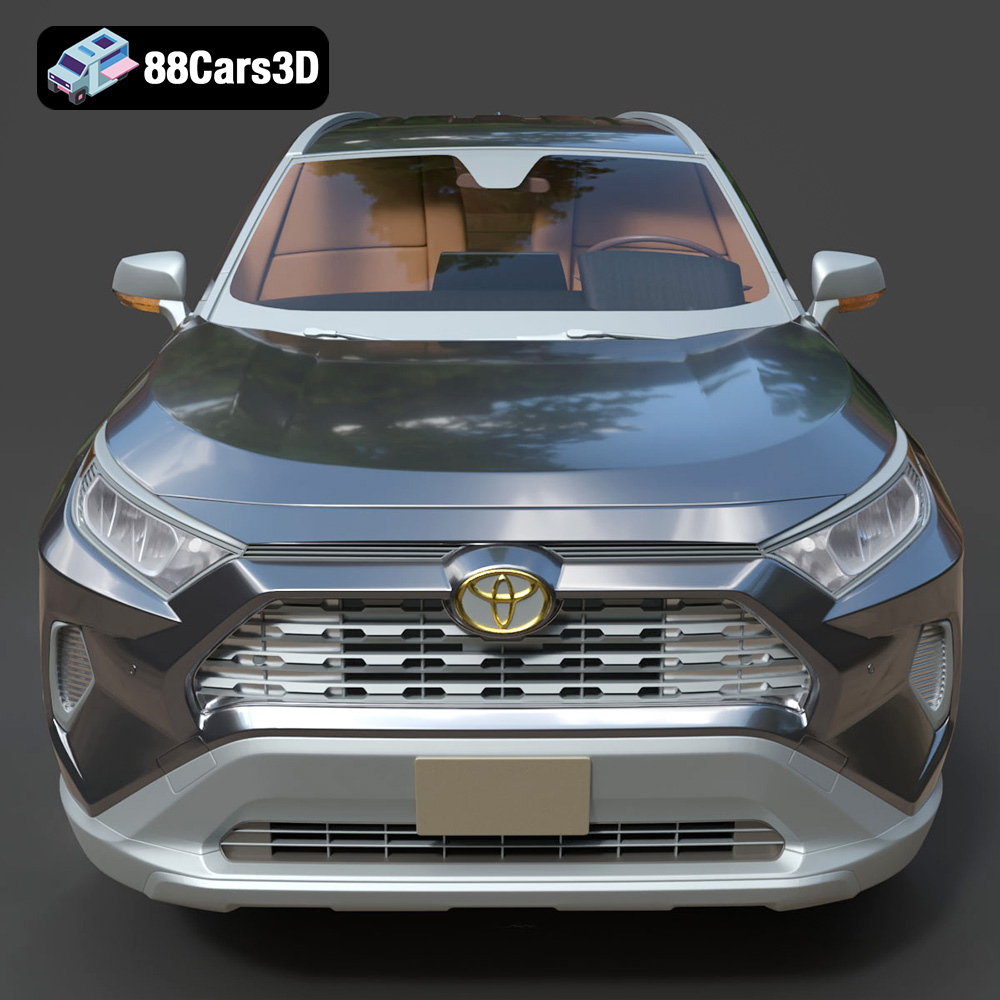
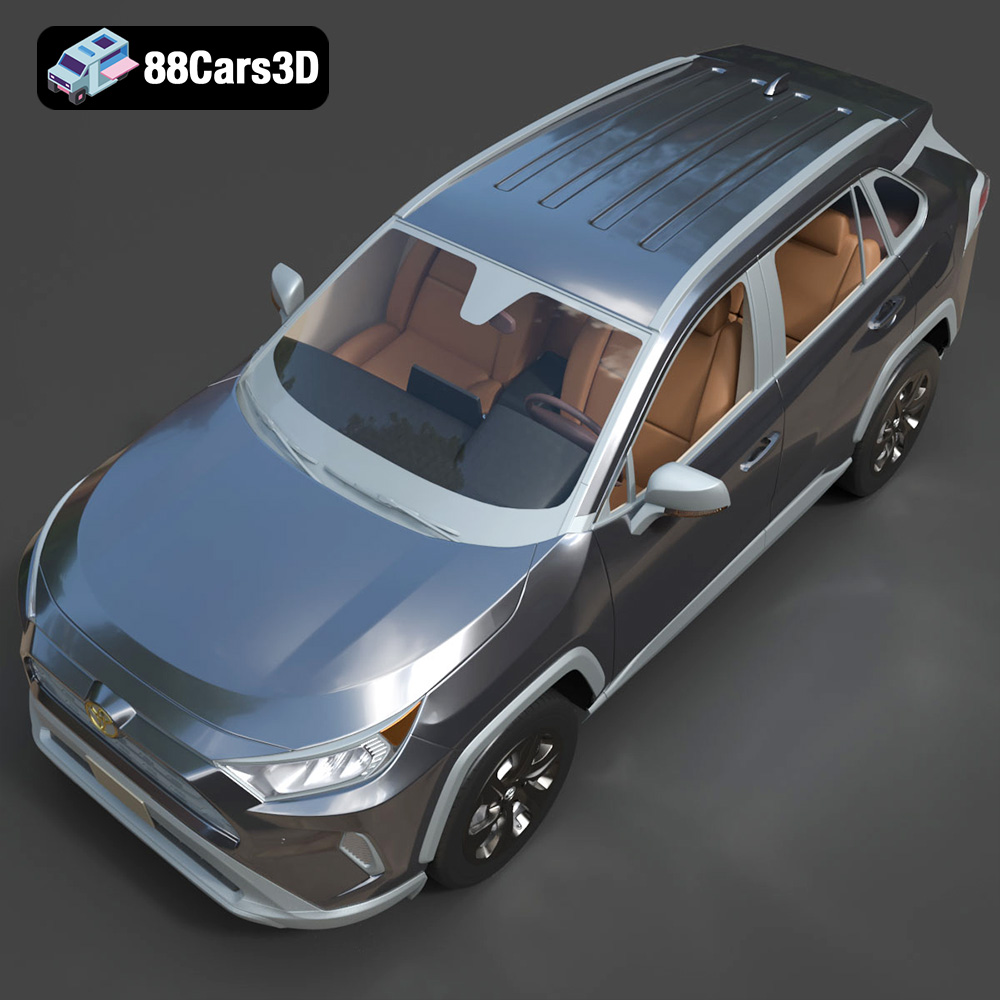
This pursuit of digital perfection is epitomized by assets like the Toyota RAV4 LE 2019 3D Model, available for download on 88cars3d.com. This model is not just a collection of polygons; it’s a meticulously crafted digital twin designed to meet the rigorous demands of professional artists and developers across various industries. It embodies the modern compact SUV’s rugged styling and practical elegance, translated into a ready-to-use asset that fuels creativity and efficiency in any project.
Creating a truly exceptional 3D car model is a complex endeavor that marries artistic skill with technical precision. It involves a deep understanding of vehicle design, manufacturing processes, and the specific requirements of different 3D software and rendering engines. Every curve, every panel gap, every interior stitch must be meticulously replicated to achieve a sense of authenticity that resonates with viewers.
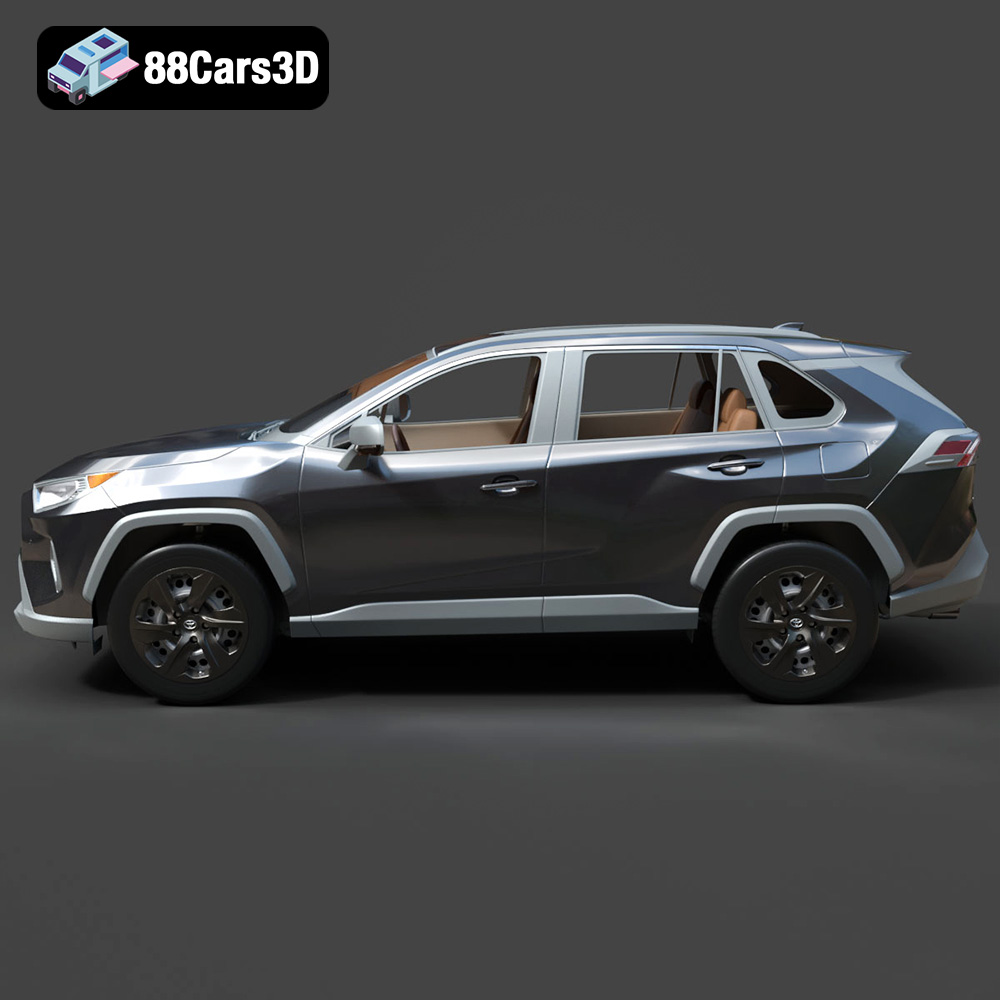
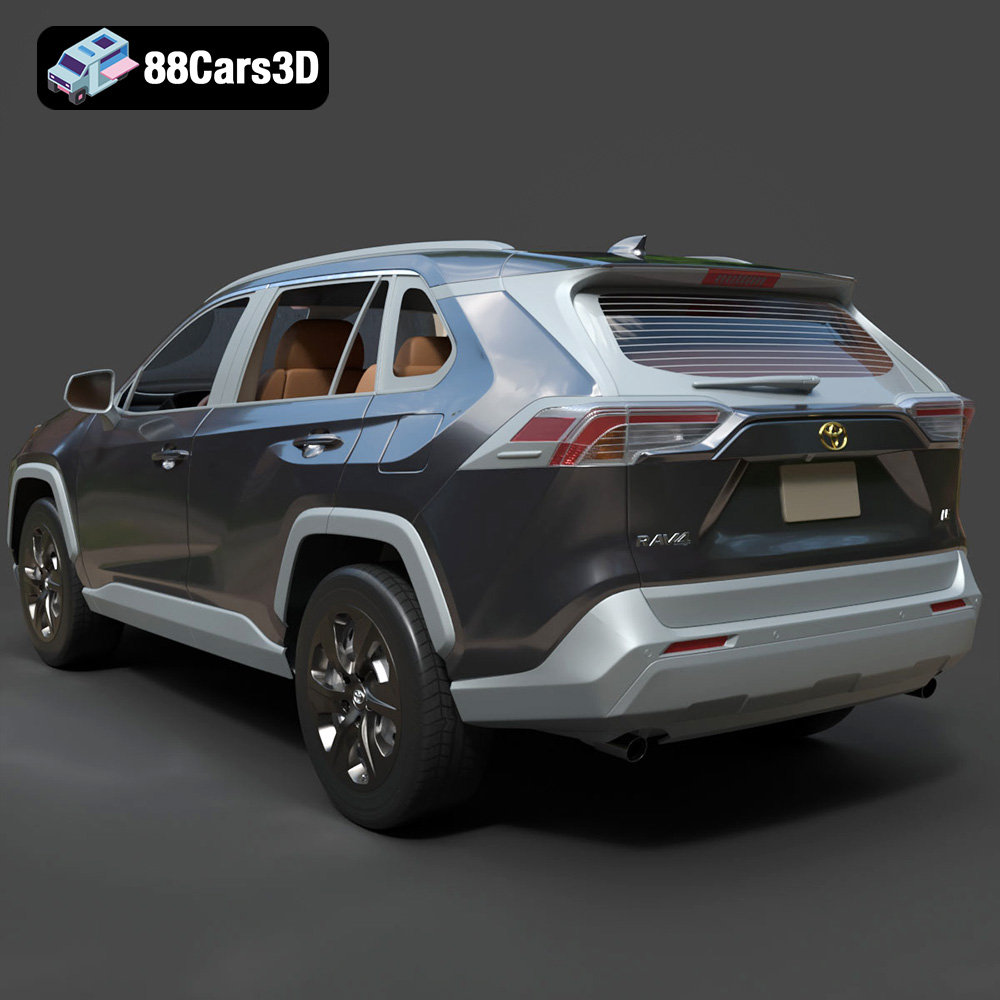
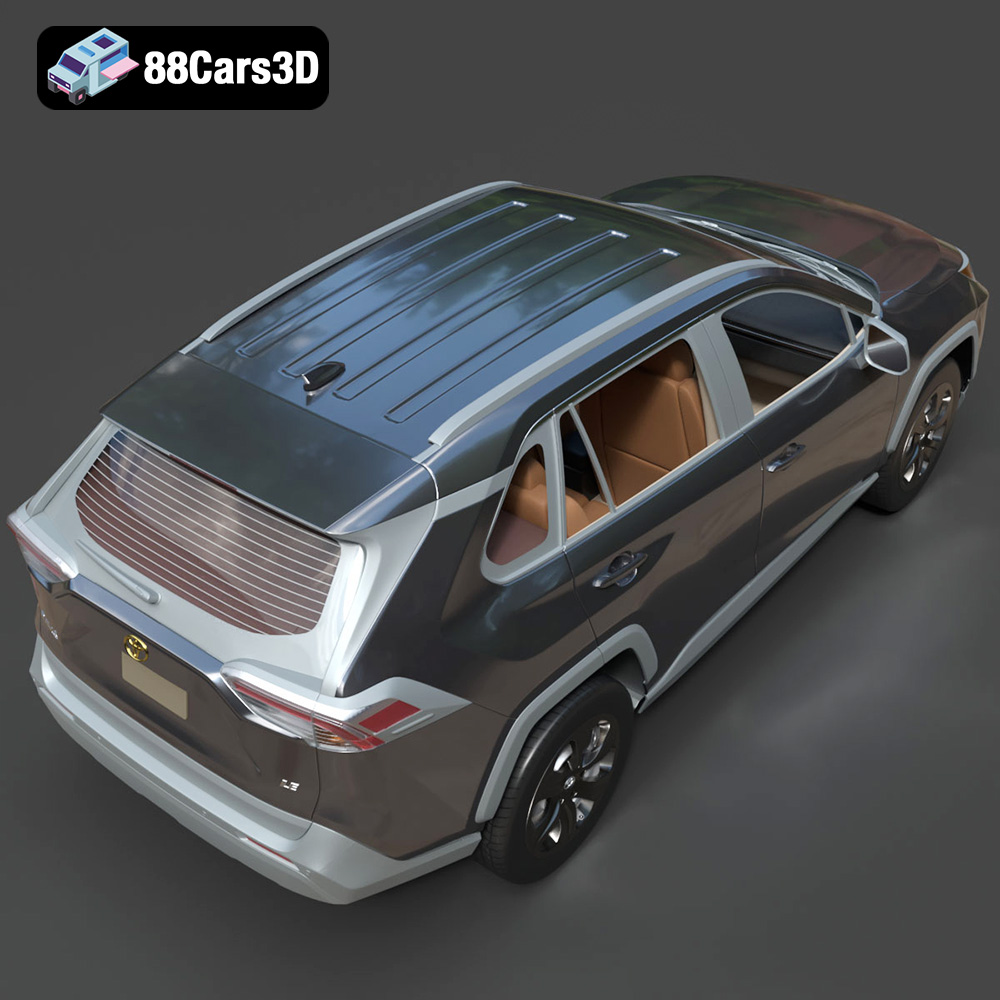
The exterior of a car is its most immediate visual identifier. For a model like the Toyota RAV4 LE 2019, capturing its distinctive styling means focusing on several key areas. Accurate frame geometry and proportions are fundamental, ensuring the model’s silhouette perfectly matches its real-world counterpart. This involves precise measurements and careful modeling to reflect the vehicle’s “rugged, chiseled styling inspired by Toyota’s off-road heritage.” Details such as the unique front grille, striking LED headlights with their distinct signatures, and intricate taillight assemblies are critical. Furthermore, components like the 17-inch steel wheel designs, complete with detailed tire treads, add significant visual weight and realism. Even the aerodynamic profile must be correctly translated to maintain visual integrity.
While often seen in external shots, the interior of a 3D car model is crucial for first-person perspectives, virtual showrooms, and interactive experiences. The Toyota RAV4 LE 2019 3D model excels here with accurately modeled fabric-trimmed seating, reflecting the standard trim. The multi-function steering wheel, high-fidelity digital and analog instrument cluster, and the precise center console with climate controls, pedals, and shifter are all rendered with meticulous care. This level of detail ensures that whether the camera is outside or within the cockpit, the model maintains a consistent standard of quality, perfect for optimized geometry in gaming or immersive AR/VR scenarios.
Beyond the visible surfaces, a truly comprehensive 3D car model delves into the engineering components. The Toyota RAV4 model features a detailed engine block based on the 2.5L Dynamic Force 4-cylinder engine, along with realistic dual exhaust styling and comprehensive undercarriage detailing. Crucially for animators and simulation developers, it includes a detailed independent MacPherson strut front suspension and separate wheels, suspension, and steering components. This modularity is a testament to the model’s versatility, allowing for realistic animation of steering, wheel rotation, and suspension travel, elevating it beyond a static prop to a fully functional digital asset.
The choice of a 3D model file format is a critical decision that impacts compatibility, performance, and the scope of a project. Different formats excel in various applications, from real-time game engines to high-fidelity rendering, 3D printing, and web-based AR/VR. The Toyota RAV4 LE 2019 3D Model from 88cars3d.com comes with a comprehensive suite of file formats, ensuring maximum flexibility for any professional workflow. Understanding the nuances of each is essential for making informed decisions.
The .blend file format is the native file type for Blender, the popular open-source 3D creation suite. It encapsulates an entire Blender scene, including all 3D geometry, materials, textures, lighting, animations, cameras, and even custom scripts. This format is ideal when you need full editability and control over every aspect of the model. For users working within Blender, the .blend file provides the most robust starting point, allowing for easy modifications to the RAV4’s topology, materials, or even adding new animations. It’s a complete package, preserving all original scene data without loss, making it perfect for extensive customization or integration into a larger Blender project.
The .fbx (Filmbox) format, owned by Autodesk, has become an industry standard for exchanging 3D data between different software applications and particularly for real-time game engines like Unreal Engine and Unity. It supports geometry, materials, textures, animations, and rigs, making it incredibly versatile. For the Toyota RAV4 model, an .fbx export is “ideal for Unreal, Unity, and real-time pipelines” because it efficiently transfers the model’s optimized geometry, proper pivot setups, and material assignments. While highly compatible, it’s crucial to manage export settings carefully to avoid issues with scale or material interpretation in different software.
The .obj (Wavefront OBJ) format is one of the oldest and most widely supported 3D file formats, making it a truly “universal format for cross-software compatibility.” It primarily stores geometric data (vertices, normals, UV coordinates) and can reference an external .mtl (material) file for basic material properties and texture maps. While .obj is excellent for static meshes and ensures broad compatibility across almost any 3D application, it generally does not support advanced features like animation, rigging, or complex material networks. It’s a reliable choice for importing the raw mesh data of the RAV4 into software that might not support more modern formats, or for simple rendering tasks.
The .glb (GL Transmission Format Binary) is a relatively new format gaining rapid traction, especially for web-based 3D, augmented reality (AR), and virtual reality (VR) applications. It is a binary version of .gltf, meaning all assets—geometry, materials, textures, animations—are packaged into a single, self-contained file. This makes .glb extremely efficient for loading and displaying 3D models quickly in browsers or on mobile devices. For the Toyota RAV4 LE 2019, the .glb format is “optimized for AR, VR, and browser-based display,” making it perfect for interactive web configurators, virtual showrooms, or integrating into mobile AR apps without complex asset management.
The .stl (Stereolithography) format is the de facto standard for 3D printing. It represents a 3D model as a series of connected triangles, describing only the surface geometry without color, texture, or material information. The .stl version of the RAV4 model is “suitable for 3D printing output,” allowing hobbyists and professionals to produce physical replicas. For successful 3D prints, the mesh needs to be “manifold” (watertight), and designers often adjust wall thickness and other parameters. While simple, its ubiquity in the 3D printing world makes it indispensable for physical prototyping or display models.
The .ply (Polygon File Format) is another versatile format for storing 3D data. It can store various properties for each vertex (color, normals, transparency, confidence values) and face (color, texture coordinates), making it more feature-rich than .obj for certain applications. It’s often used for scanned 3D data, scientific visualizations, or “precision mesh format for CAD or analysis” due to its ability to store detailed attribute information. While less common for general interchange than FBX or OBJ, its inclusion for the RAV4 model indicates a thorough approach to supporting niche but important workflows.
The term .unreal as a file format typically refers to an asset specifically prepared and optimized for Unreal Engine. While not a standalone file extension in the same way .fbx or .obj are, it signifies that the model has been exported, configured, and potentially packaged with Unreal Engine’s specific requirements in mind. This might involve optimized material setups (PBR), collision meshes, LODs (Levels of Detail), and proper scale, making it an “engine-ready asset for real-time environments.” This greatly streamlines the import and integration process for game developers and real-time visualization artists, minimizing setup time and ensuring optimal performance within the engine.
The .max file format is the native scene file for Autodesk 3ds Max, a leading software for 3D modeling, animation, and rendering in architectural visualization, game development, and film. Like .blend for Blender, a .max file contains the entire project, including geometry, materials, textures, lighting, cameras, animations, and modifiers. It provides “editable 3ds Max project for animation and rendering,” offering full control and flexibility for professionals deeply integrated into the 3ds Max ecosystem. This format is crucial for studios using 3ds Max as their primary tool, allowing them to leverage all the software’s advanced features for high-end automotive rendering or complex animations of the Toyota RAV4.
The true power of a high-quality 3D car model lies in its applicability across a multitude of professional domains. From the fast-paced world of game development to the cutting edge of AR/VR and the demanding field of photorealistic rendering, an optimized asset like the Toyota RAV4 LE 2019 is an invaluable resource.
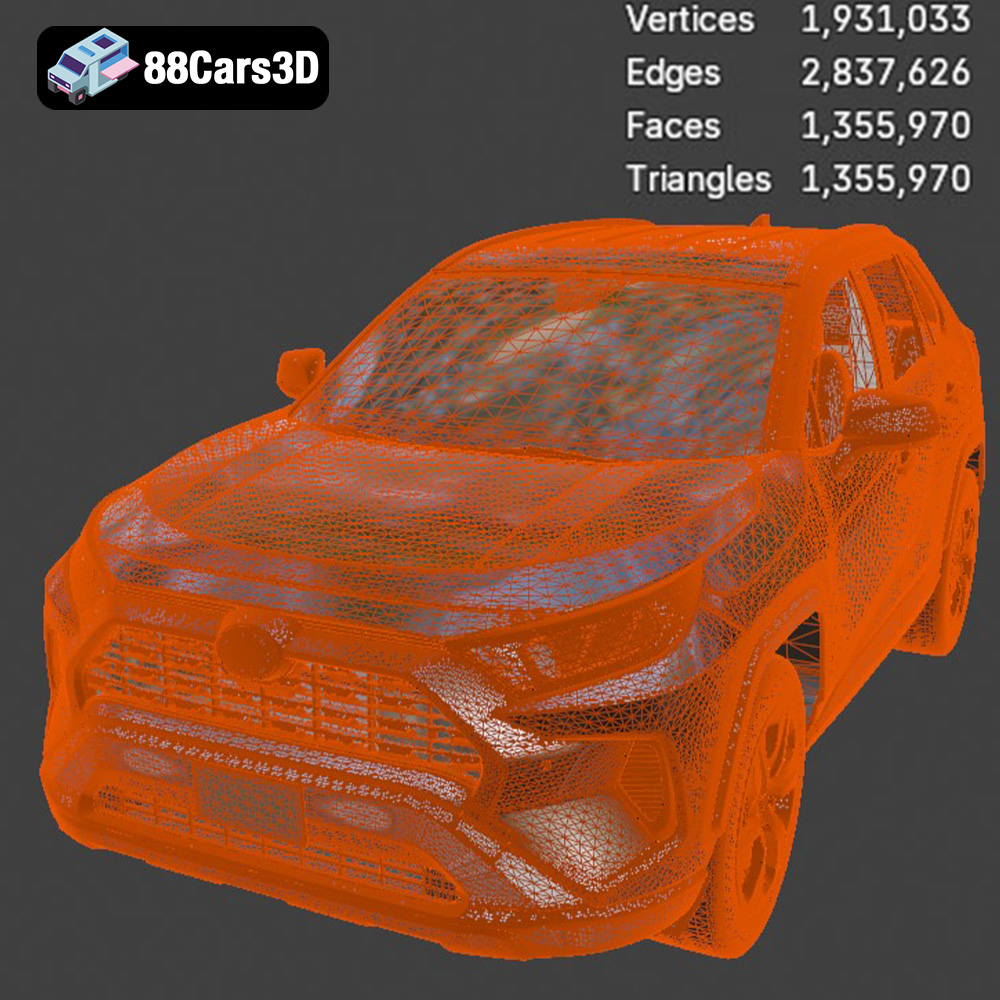
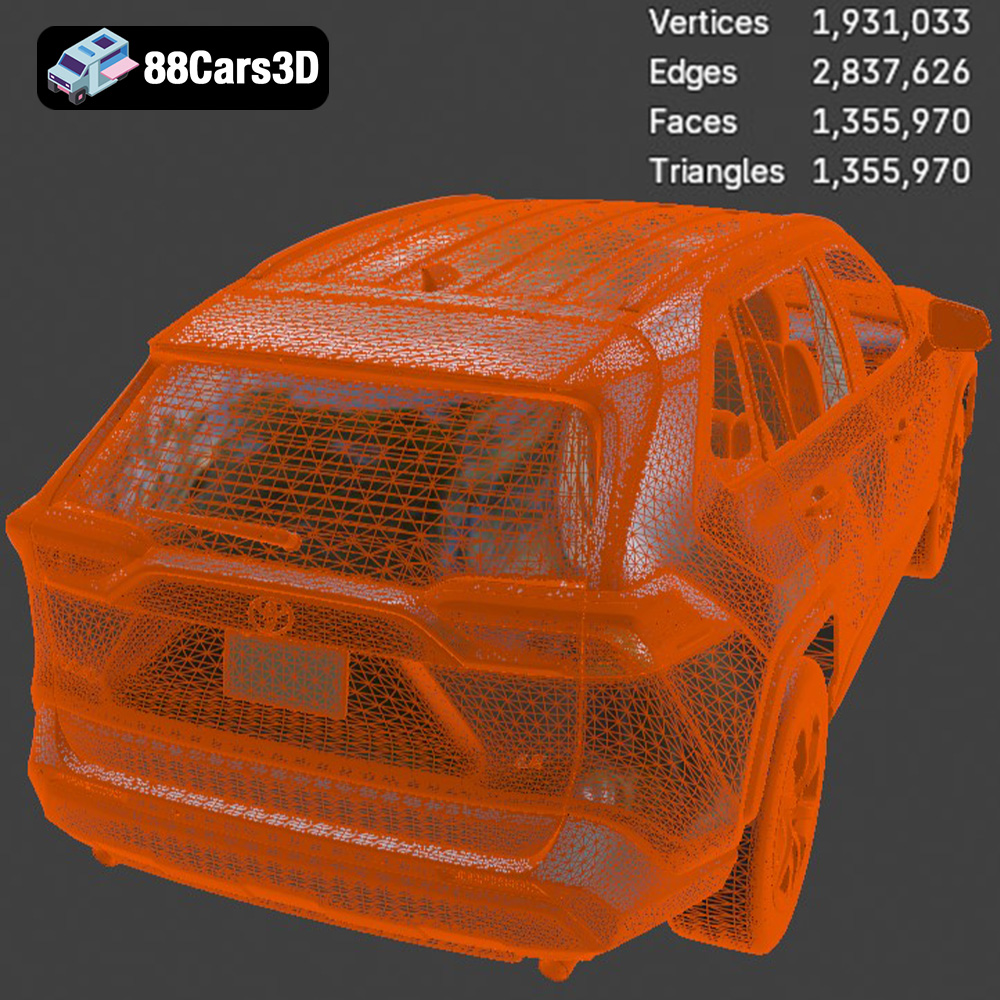
In game development, performance is king. Developers constantly seek “game-ready” assets that look stunning but don’t bog down frame rates. The Toyota RAV4 LE 2019 3D model, with its “optimized triangle count (~200k triangle count strikes perfect balance for real-time engines),” is perfectly suited for this environment. This polycount allows for high-end visual realism while maintaining efficient performance in demanding real-time engines like Unreal Engine and Unity. Its “proper pivot setup for steering, wheel rotation, and suspension travel” means it’s ready for immediate integration into vehicle physics systems. Case studies often show such models being used in open-world driving games, racing titles, and detailed simulators where player interaction with the vehicle is central. The inclusion of an ‘.unreal’ optimized asset streamlines the process further, offering a plug-and-play solution for Unreal developers.
Augmented Reality (AR) and Virtual Reality (VR) are transforming how we interact with products. High-fidelity 3D car models are at the forefront of this revolution. For the RAV4, its detailed design and “real-world scale accuracy” make it perfect for “immersive virtual showrooms, configurators, and mobile AR experiences.” Imagine a customer exploring the RAV4 in full 3D, changing colors, opening doors, and even placing it in their driveway using AR – all powered by a meticulously crafted model. The .glb format, specifically optimized for these lightweight, real-time applications, plays a crucial role here, ensuring fast loading and smooth interaction on various devices. Its use extends to training simulations, virtual test drives, and interactive marketing campaigns that bring the vehicle to life in unprecedented ways.
For brand campaigns, lifestyle scenes, and studio lighting setups, photorealistic rendering is non-negotiable. Artists using software like 3ds Max or Blender can leverage the RAV4 model’s exquisite detail to create stunning marketing collateral. The ability to “change body/tank colors,” “modify tire textures,” and “adjust material finishes (matte, gloss, metallic)” allows for endless creative possibilities. Whether depicting the RAV4 navigating a rugged mountain trail or gleaming under studio lights in a showroom, the model provides the foundational quality for breathtaking visuals. These renders are critical for advertising, product launches, and showcasing vehicle features in a visually compelling manner, often requiring sophisticated material definitions and complex lighting setups to achieve a lifelike appearance.
Beyond the digital screen, 3D models can cross over into the physical world through 3D printing. This process allows for the creation of tangible prototypes, display models, or hobbyist collectibles, turning virtual assets into real-world objects. The Toyota RAV4 LE 2019 3D model offers this exciting possibility, convertible to .stl format for those who wish to hold a piece of their digital work.
3D printing, especially for detailed automotive models, requires careful preparation. The .stl format is universally accepted by 3D printers, but the mesh itself must be “manifold”—meaning it has no holes, non-contiguous surfaces, or inverted normals, which would confuse the slicing software. The RAV4 model is prepared for this with recommended scales (1:12 / 1:18 / 1:24) and specific print settings. For fine details, such as the intricate headlight assemblies or engine block details, “Resin printing [is] recommended,” as it achieves much finer layer heights (0.04–0.12 mm) compared to FDM (Fused Deposition Modeling) printers. Proper “wall thickness” (1.2–2.0 mm) and “infill” (20–30%) are crucial for structural integrity, while “supports” are “Required for detailed parts like exhaust, mirrors, handlebars” to prevent sagging during the print process.
Achieving a high-quality physical replica from a 3D print often extends beyond the printing process itself. Post-processing steps are vital for bringing the model to life. This typically involves “sanding” to smooth out layer lines, applying “primer” to create a uniform surface for paint, and finally, applying “authentic factory colors with metallic finishes” to match the real vehicle. “Print orientation” recommendations, such as printing the frame angled for structural integrity and wheels separately, further enhance the quality of the final physical model. For hobbyists or collectors, transforming the digital Toyota RAV4 LE 2019 into a display-ready miniature is a rewarding process that bridges the gap between digital and tangible artistry.
The true long-term value of a professional 3D car model lies in its inherent versatility and the ease with which it can be customized. A well-constructed asset isn’t a static piece of art; it’s a dynamic foundation that can be adapted to countless scenarios and visual requirements. The Toyota RAV4 LE 2019 3D model exemplifies this flexibility, offering a range of customization options that enhance its utility across various projects.
One of the most powerful customization features is the ability to manipulate materials and textures. With the Toyota RAV4 LE 2019 model, users can “change body/tank colors” to match specific branding, create custom finishes, or experiment with hypothetical color schemes not available in reality. This includes applying “authentic factory colors” or venturing into “custom finishes.” Furthermore, the option to “modify tire textures (off-road vs. street variants)” allows the model to instantly adapt to different environments or narratives, transitioning from a sleek urban commuter to a rugged adventurer. “Adjust material finishes (matte, gloss, metallic)” provides granular control over how light interacts with the vehicle’s surfaces, crucial for achieving photorealistic renders that react accurately to diverse lighting conditions. This flexibility ensures the model can be consistently refreshed and reused for new campaigns or design iterations without starting from scratch.
A versatile 3D car model must be able to seamlessly integrate into diverse digital environments. The RAV4 model’s clean topology and accurate scale facilitate its placement within anything from a minimalist studio setting to a bustling city street or a serene natural landscape. The ability to “adapt lighting for different environments” is key to achieving visual harmony. For example, the same model can be rendered under the harsh midday sun, the soft glow of twilight, or the dramatic effect of streetlights at night, with each setting enhancing its visual appeal. This adaptability extends to adding external props, creating dynamic background elements, or even building entire virtual worlds around the vehicle. The Toyota RAV4 LE 2019 3D model, as a robust and well-structured asset, significantly reduces the time and effort required to achieve compelling scene integration, making it an ideal choice for projects demanding high visual quality and iterative design flexibility.
In the expansive and ever-evolving landscape of 3D visualization, the demand for meticulously crafted, highly optimized, and versatile 3D assets continues to grow. Whether for the immersive narratives of game development, the interactive realms of AR/VR, the precision of 3D printing, or the stunning photorealism of automotive rendering, the quality of your foundational 3D models dictates the success of your project.
The Toyota RAV4 LE 2019 3D Model stands as a prime example of what a professional-grade asset should offer. Its accurate detailing, optimized geometry, and comprehensive suite of included file formats—ranging from .blend and .max for full editability, to .fbx and .unreal for real-time engines, and .glb for web AR/VR, alongside .stl for physical production—ensure unparalleled flexibility for artists and developers. This model doesn’t just represent a car; it represents a commitment to technical excellence and creative enablement.
For those seeking to elevate their projects with high-quality 3D car models that seamlessly integrate into any workflow, models like the Toyota RAV4 LE 2019 from 88cars3d.com provide a robust and reliable foundation. Investing in such professional assets saves invaluable development time, enhances visual fidelity, and empowers creators to push the boundaries of what’s possible in the digital domain.
The Toyota RAV4 LE 2019 represents a bold, dynamic shift in the compact SUV segment. Known for its rugged, chiseled styling inspired by Toyota’s off-road heritage, this 3D model captures the essence of the LE trim with its distinctive front grille, striking LED headlights, and aerodynamic profile. Crafted with precision, this high-quality 3D model features excellent topology with an optimized triangle count, ensuring game-ready performance without compromising visual fidelity. It is perfectly suited for use in real-time engines, game development, AR/VR experiences, and high-end architectural or lifestyle visualizations.
$39.99
.blend
.fbx
.glb
.max
.obj
.ply
.rendering
.stl
.toyota
.unreal
car-3d-model
compact-suv
game asset
game-ready
low-poly
optimized
rav4
rav4-le-2019
SUV
VR/AR