Get 20% OFF All Premium 3D & STL Models!

In the dynamic world of digital content creation, the demand for photorealistic 3D assets is ever-increasing. From high-stakes automotive marketing campaigns to immersive video games and cutting-edge AR/VR experiences, the quality of your 3D models can make or break a project. Achieving unparalleled visual fidelity often hinges on starting with meticulously crafted assets that boast clean geometry, optimized topology, and realistic materials. This is especially true for 3D car models, where every curve, reflection, and material finish contributes to the perception of luxury and authenticity.
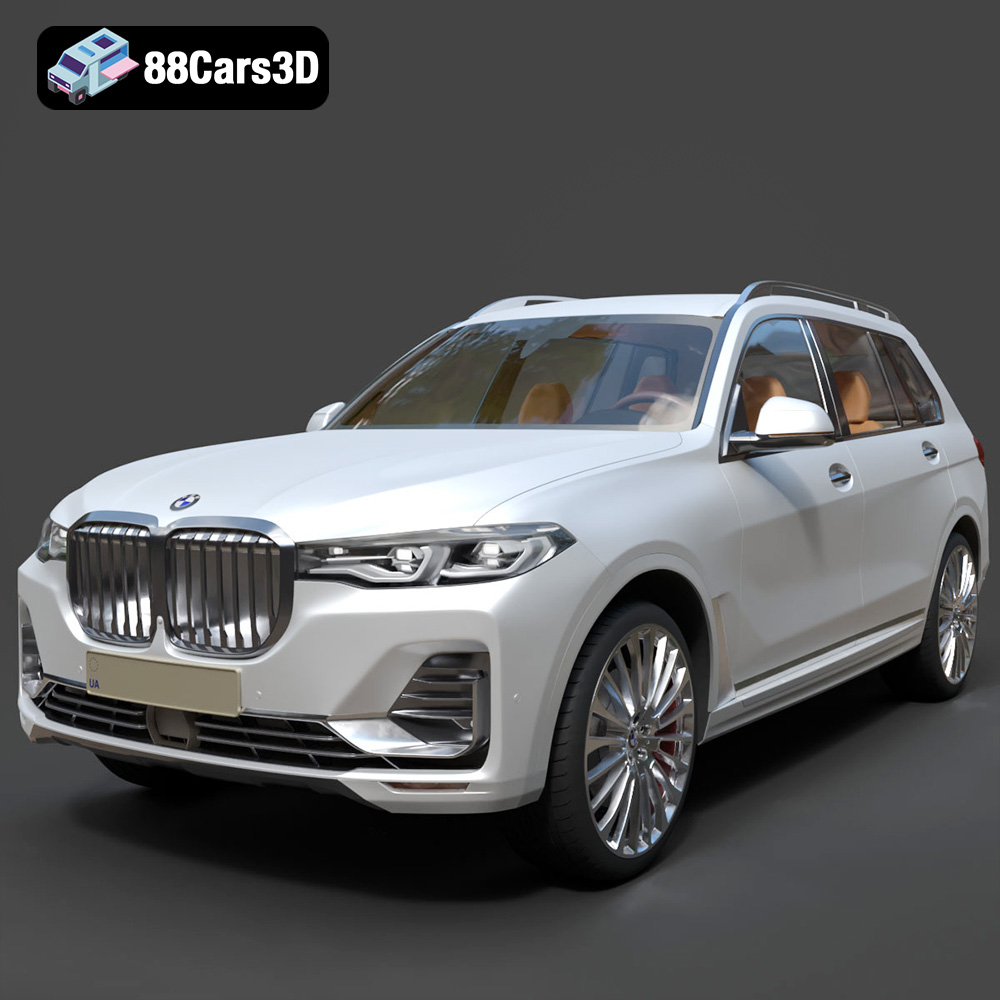
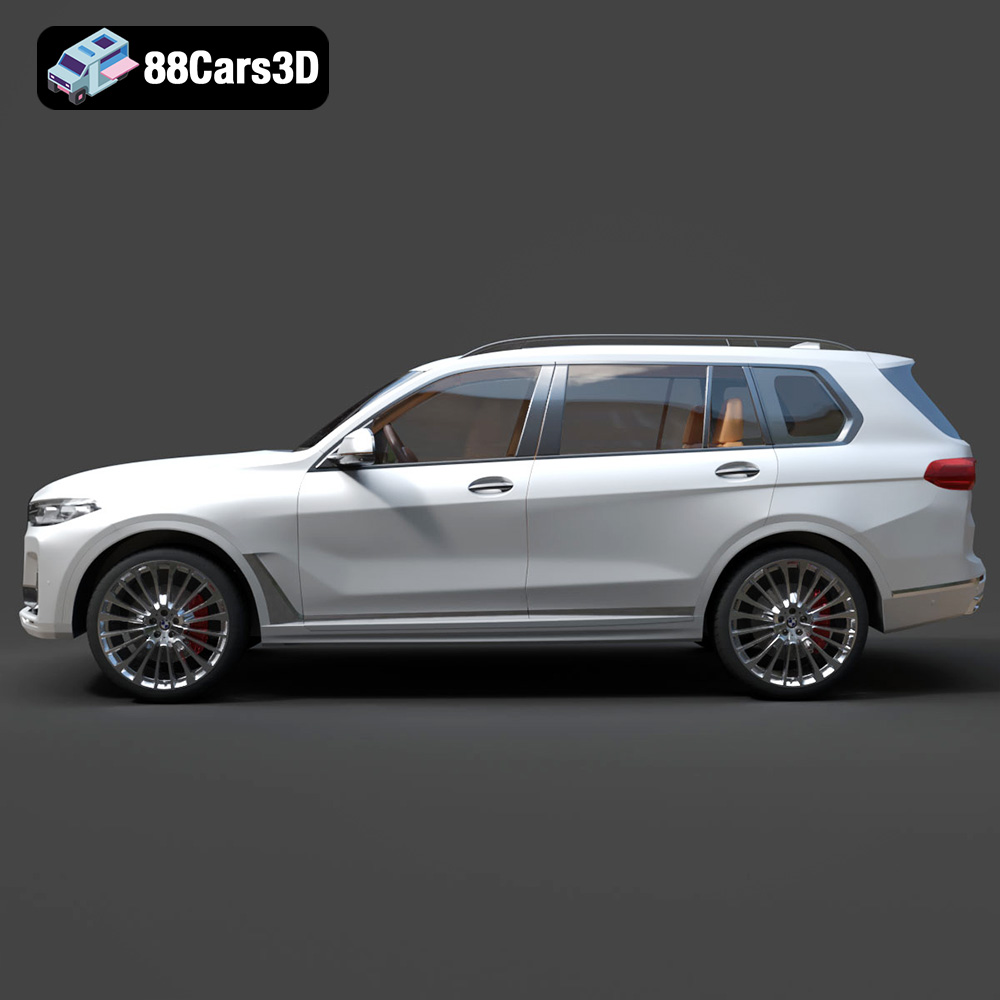
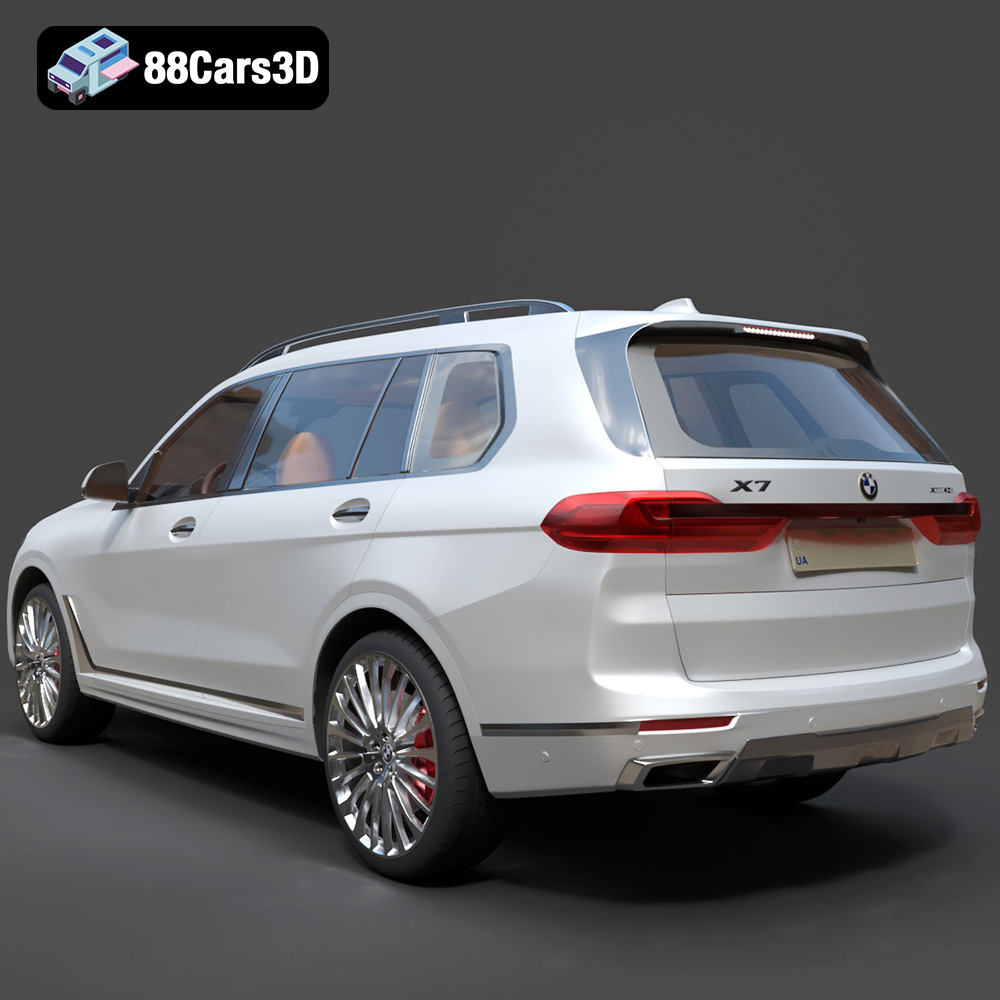
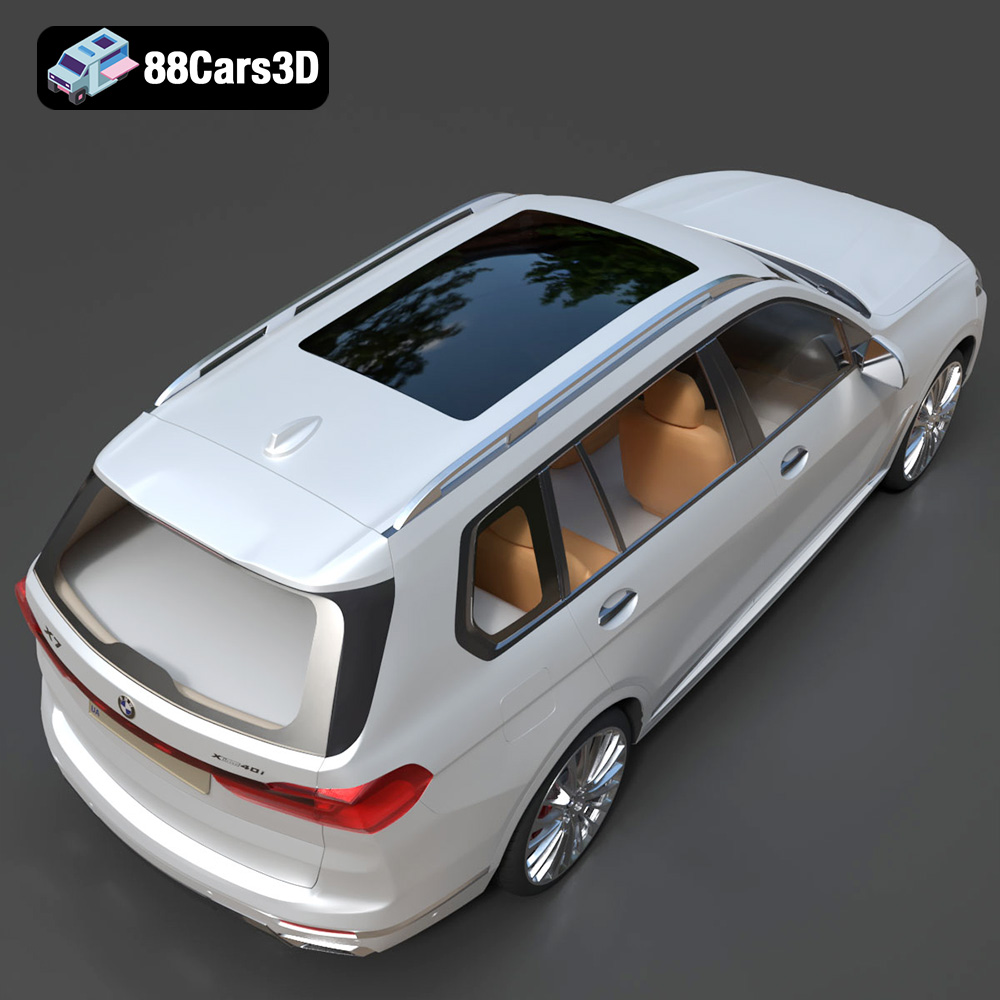
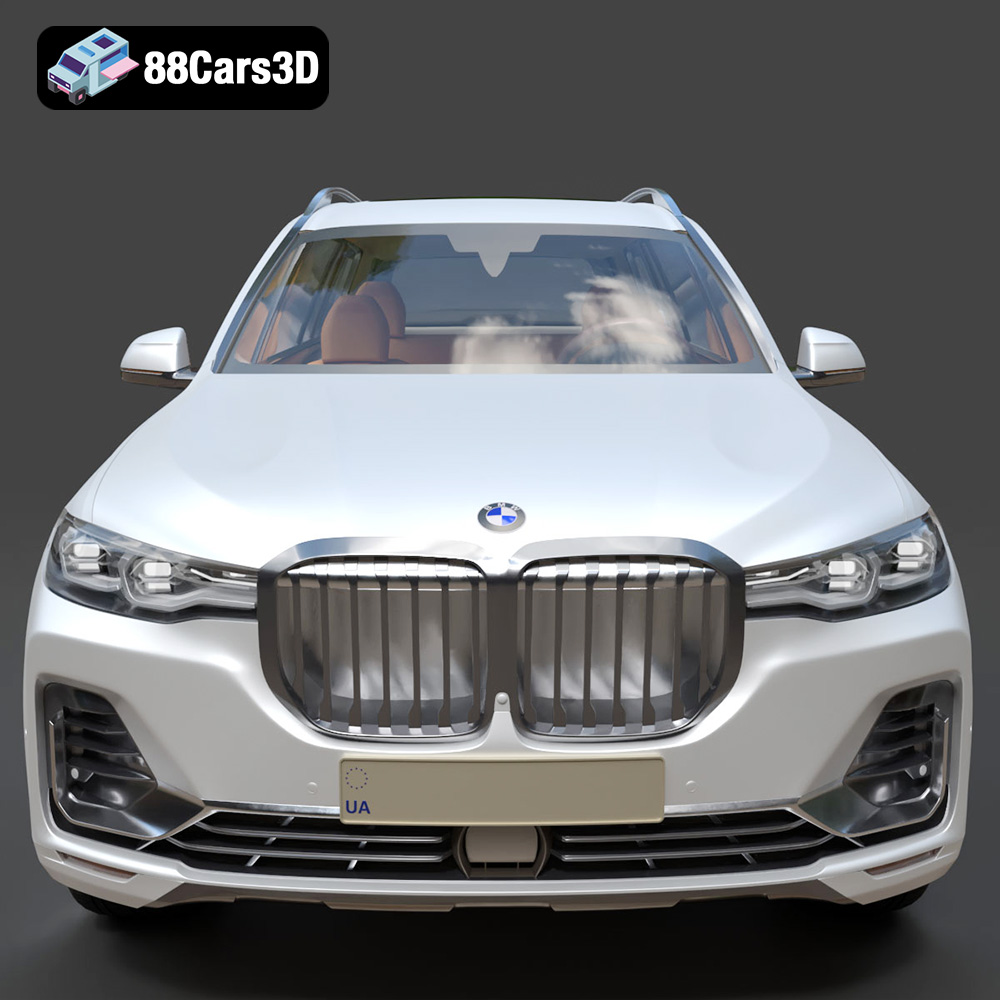
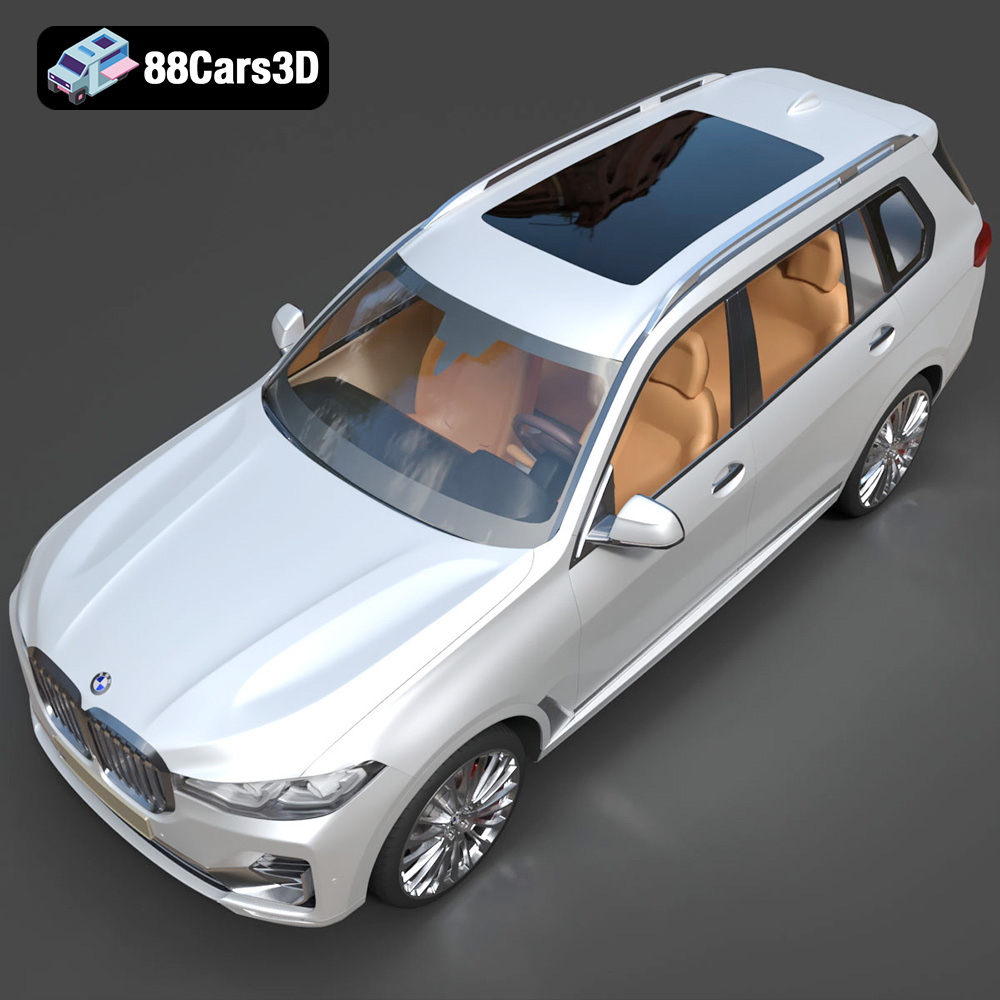
Today, we delve deep into the technical intricacies and professional applications of high-quality 3D vehicle assets, exemplified by the exceptional BMW X7 G07 2019 3D Model available at 88cars3d.com. This model isn’t just a digital representation; it’s a versatile toolkit designed to integrate seamlessly into diverse workflows, providing artists and developers with a robust foundation for their most ambitious projects. We’ll explore how such a detailed model can revolutionize your automotive rendering, enhance game development pipelines, and unlock new possibilities in real-time visualization.
The versatility of a professional 3D model, such as the BMW X7 G07 2019 3D Model, is profoundly amplified by the range of file formats it supports. Each format is designed with specific use cases and software ecosystems in mind, offering unique advantages in terms of compatibility, data integrity, and performance optimization. Understanding these differences is crucial for any 3D professional to select the right tool for the job.
The .blend file format is the native format for Blender, a powerful and increasingly popular open-source 3D creation suite. When a model like the BMW X7 G07 is provided as a .blend file, it typically includes not just the mesh data, but also the full Blender scene setup: materials, textures, lighting configurations, camera setups, and even animation data if present. This makes it an ideal starting point for Blender users, allowing for immediate rendering and further customization without the need for extensive import and setup procedures. For artists deeply integrated into the Blender workflow, the .blend file represents the most complete and editable version of the asset.
FBX (Filmbox) is a proprietary file format owned by Autodesk, widely adopted across the 3D industry for its excellent interoperability. It excels at transferring 3D models, animation, and various other data types between different 3D software applications and game engines like Unreal Engine and Unity. The .fbx format is particularly robust in preserving hierarchical structures, joint information, skinning, and even takes. Its binary nature ensures efficient file sizes, making it a go-to for game assets and real-time pipelines where performance and data integrity are paramount. When using the BMW X7 G07 3D Model in .fbx, you can expect smooth integration into most professional environments.
OBJ (or .obj) is a simple, universal 3D model format that stores geometric data – vertices, faces, UV coordinates, and normals – in a plain text file. While it doesn’t typically store advanced features like animation or rigging, its simplicity ensures maximum compatibility across virtually all 3D software packages. It’s often accompanied by an MTL (Material Template Library) file that defines basic material properties and texture references. For basic mesh transfer or when compatibility is the absolute priority, the .obj version of the BMW X7 G07 2019 3D Model serves as a reliable common denominator.
GLB (GL Transmission Format Binary) is a binary file format that encapsulates 3D models, textures, and PBR materials into a single file. It’s an optimized version of glTF and has rapidly become the standard for efficiently transmitting 3D scenes and models for web-based applications, augmented reality (AR), and virtual reality (VR). Its compact size and ability to embed all necessary assets make it incredibly efficient for streaming and display in browsers or mobile AR apps. The .glb version of the BMW X7 G07 is perfectly suited for interactive product showcases or immersive digital experiences.
STL (Stereolithography) is almost exclusively used for 3D printing and rapid prototyping. It describes only the surface geometry of a 3D object using a mesh of interconnected triangles. It does not carry color, texture, or material information. While less common for rendering, having an .stl option for the BMW X7 G07 allows engineers and designers to quickly print physical prototypes or scale models, offering a tangible representation of the digital asset.
PLY (Polygon File Format or Stanford Triangle Format) is a versatile format for storing 3D data from 3D scanners, CAD programs, or scientific applications. It can store various properties beyond just geometry, including color, transparency, and even properties per vertex or face, which makes it valuable for applications requiring precise data analysis or detailed visualization of complex meshes. For technical analysis of the BMW X7 G07’s geometry, the .ply format offers a robust dataset.
A “.unreal” file or specifically prepared asset often implies a model that has been pre-configured and optimized for direct import and use within Unreal Engine. This typically means proper scaling, collision meshes, LODs (Levels of Detail), and PBR materials are set up to meet Unreal Engine’s specifications, streamlining the development process significantly. For game developers or real-time visualization specialists, the .unreal format of the BMW X7 G07 2019 3D Model drastically reduces setup time, allowing for immediate integration into interactive scenes.
The .max file is the native format for Autodesk 3ds Max, a long-standing industry leader in 3D modeling, animation, and rendering. Like .blend files for Blender, a .max file contains the complete scene, including geometry, materials (with support for advanced renderers like V-Ray or Corona), lighting, cameras, and animation data. Professionals relying on 3ds Max for high-end automotive rendering or architectural visualization will find the .max version of the BMW X7 G07 2019 3D Model to be the most comprehensive and editable resource for their projects.
At the core of any professional 3D model lies its mesh quality. The BMW X7 G07 2019 3D Model stands out due to its “clean geometry and realistic materials,” attributes that are non-negotiable for high-fidelity work. Understanding these technical specifications is key to leveraging the full potential of such an asset.
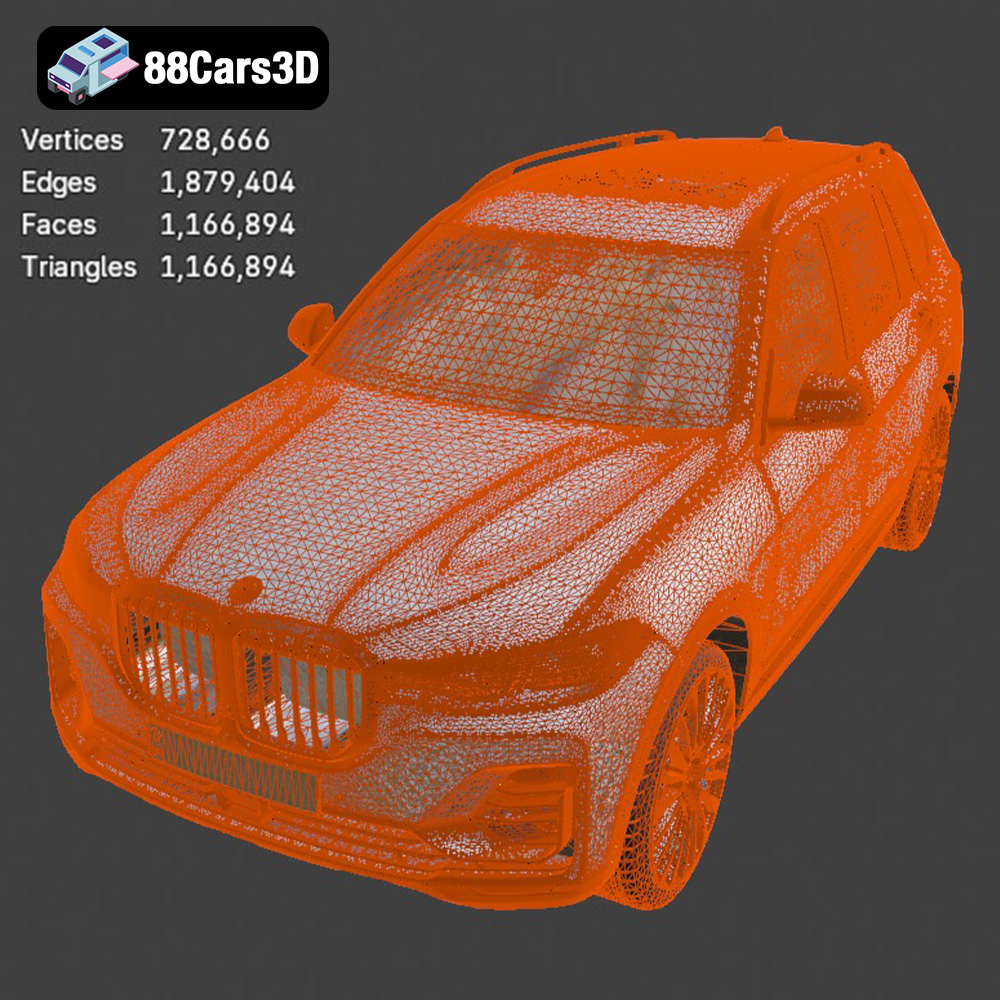
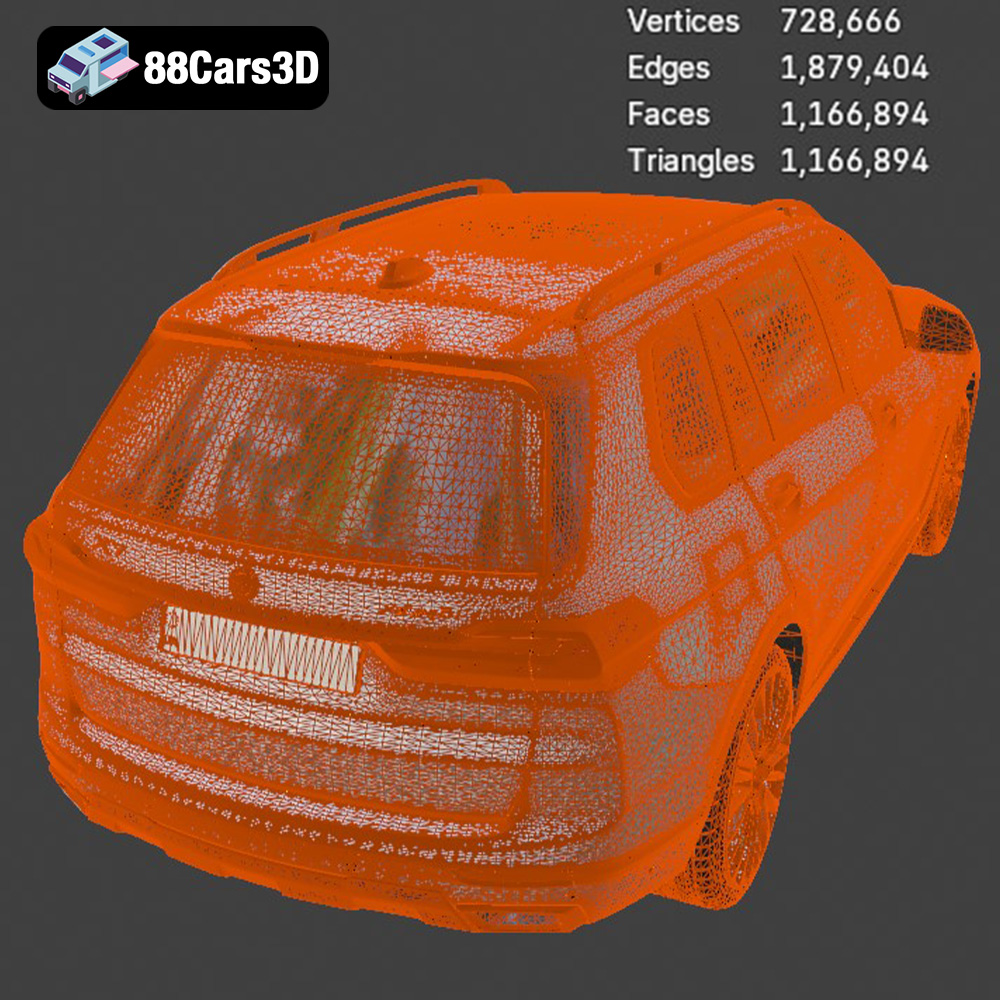
Clean geometry refers to a 3D model’s mesh structure being free from artifacts, n-gons (polygons with more than four sides), non-manifold geometry, or overlapping vertices. A high-quality model, like the BMW X7 G07, adheres to industry best practices, primarily using quads (four-sided polygons). This ensures predictable subdivision (smoothing), error-free UV mapping, and stable deformation during animation. For intricate surfaces like those found on a luxury SUV, clean geometry is paramount for achieving smooth reflections and accurate lighting responses.
Optimized mesh topology goes hand-in-hand with clean geometry. It refers to the efficient arrangement of polygons to capture detail where necessary while keeping polygon counts manageable. For a complex vehicle like the BMW X7 G07, this means critical areas like the grille, headlights, and badges will have sufficient detail, while less prominent flat surfaces are optimized to reduce unnecessary polygon density. This balance is vital for both real-time applications (game engines, AR/VR) and high-fidelity rendering.
The true value of a premium 3D asset lies in its ability to seamlessly integrate into professional pipelines. The BMW X7 G07 2019 3D Model, with its multi-format availability and robust technical foundation, serves as an exemplary case study for various industries.
For studios specializing in automotive rendering, speed and quality are paramount. The .max and .blend versions of the BMW X7 G07, complete with realistic PBR materials, offer an immediate head start. Artists can drop the model into their preferred rendering environment (V-Ray, Corona, Cycles, Octane) and focus on lighting, camera angles, and scene composition rather than time-consuming modeling. Imagine a luxury car configurator where customers can virtually explore different trims, colors, and features of the X7 in real-time. The high-fidelity model ensures that reflections are accurate, paint shaders are convincing, and interior details hold up under close scrutiny, directly impacting purchasing decisions. For an advertising campaign, the model can be placed in photorealistic environments, rendered with dynamic lighting to create stunning visual assets for print, web, or video.
Game developers constantly seek high-quality assets that are optimized for performance. The .fbx and .unreal formats of the BMW X7 G07 2019 3D Model are specifically tailored for this purpose. In an open-world racing game, the X7 could serve as a premium vehicle option. Developers would import the .unreal or .fbx file, which typically includes pre-setup materials, UVs, and potentially LODs. They would then add physics assets, collision meshes, and vehicle blueprints to integrate it fully into the game’s mechanics. For cinematic sequences within games, the detailed model can be used for close-up shots, showcasing the car’s luxurious design. The optimized mesh topology ensures that even with multiple vehicles on screen, frame rates remain stable, offering players a smooth and immersive experience.
The rise of AR/VR technology demands assets that are both high-quality and lightweight. The .glb format of the BMW X7 G07 2019 3D Model is specifically designed for this. Imagine a dealership using an AR app on a tablet to project a full-size BMW X7 into their showroom, allowing potential buyers to see it in different colors and configurations without having the physical car on site. Or a VR experience where users can virtually drive the X7 through a simulated city. The .glb format efficiently bundles all necessary data, making it easy to stream and display on mobile devices or VR headsets. This allows for unparalleled interactivity and immersion, transforming how consumers engage with automotive products.
While the BMW X7 G07 2019 3D Model from 88cars3d.com provides a fantastic foundation, professional projects often require customization. Leveraging the model’s clean geometry and editable formats allows for a wide range of enhancements.
Even with realistic materials provided, artists often need to tailor them to specific rendering engines or stylistic choices. The model’s clean UV mapping allows for easy texture swapping or creation of custom PBR (Physically Based Rendering) materials. For instance, modifying the car paint shader to achieve a specific metallic flake or pearl effect, adjusting tire rubber roughness, or creating unique interior trim variations. This level of control is crucial for matching brand guidelines or achieving a distinctive look for a project.
A static model is a good starting point, but a truly engaging scene often requires motion. The well-structured mesh of the BMW X7 G07 2019 3D Model facilitates easy rigging for animation. This could include simple wheel rotations for a moving shot, opening and closing doors/hood/trunk for an interactive demonstration, or even complex suspension dynamics for a realistic driving simulation. The .max and .blend files provide the most comprehensive environment for setting up these animations, which can then be exported via .fbx to other applications.
The investment in a high-quality 3D asset like the BMW X7 G07 2019 3D Model translates directly into tangible benefits across diverse industries.
An architectural firm is presenting a proposal for a luxury residential complex. Placing generic, low-quality cars in the scene can detract from the high-end feel of the architecture. By integrating the BMW X7 G07 3D Model, the visualization instantly gains credibility and realism. The high-fidelity reflections on the car’s body complement the building’s glass facades, and its detailed interior adds depth to exterior shots through windows. This attention to detail elevates the overall presentation, helping clients envision a sophisticated lifestyle, ultimately aiding in project approval and marketing.
Automotive manufacturers are increasingly using VR for training technicians. A detailed 3D model of the BMW X7 G07 could be used to create interactive simulations for diagnostics, maintenance procedures, or even assembly training. Technicians could virtually disassemble parts, identify components, and practice complex repairs without the need for a physical vehicle, reducing costs and accelerating training schedules. The accuracy of the model, down to intricate engine bay details (if included or added), ensures a realistic and effective learning environment.
For independent game studios operating with limited budgets, creating a high-quality, licensed vehicle from scratch is often unfeasible. Purchasing a professionally made 3D car model like the BMW X7 G07 from 88cars3d.com allows these studios to incorporate premium assets into their games, significantly raising the production value. Imagine an indie racing game where players can drive a photorealistic BMW X7, competing against similarly high-quality vehicles. This dramatically enhances player immersion and makes the game more competitive against titles with larger budgets, demonstrating the power of readily available, high-quality game assets.
In the competitive landscape of digital creation, the pursuit of perfection often begins with the right tools. The BMW X7 G07 2019 3D Model exemplifies the pinnacle of professional-grade 3D car models, offering a meticulously crafted asset that meets the rigorous demands of various industries. Its clean geometry, optimized topology, and comprehensive material setups ensure unparalleled visual fidelity and seamless integration into workflows ranging from high-end automotive rendering and marketing visualization to demanding game development and immersive AR/VR experiences. The availability across multiple file formats – from .blend and .max for creative freedom to .fbx and .unreal for real-time applications, and .glb for web and AR – further solidifies its position as an indispensable asset.
Investing in such a robust 3D model saves invaluable time, reduces development costs, and ultimately elevates the quality of your final output. Whether you are an architect aiming for photorealism, a game developer striving for immersion, or a marketer seeking captivating visuals, the BMW X7 G07 2019 3D Model provides the foundation you need to excel. Explore this exceptional model and more high-quality 3D car models at 88cars3d.com, and take the first step towards transforming your digital projects.
The BMW X7 G07 2019 3D model is a meticulously crafted digital replica capturing the luxurious and commanding presence of the flagship SUV. This highly realistic model is designed for professionals seeking exceptional accuracy and visual fidelity in their digital projects. Built with clean geometry and realistic materials, this professional-grade asset ensures exceptional detailing across all surfaces. Its optimized mesh topology allows for seamless integration into various digital environments without compromising performance. This versatile 3D vehicle is designed for a wide range of applications, including game development, automotive rendering, AR/VR experiences, architectural visualization, and dynamic simulations.
$39.99
.arvr
.blend
.bmw
.car3dmodel
.fbx
.g07
.gameasset
.glb
.luxurycar
.max
.obj
.ply
.rendering
.simulation
.stl
.unreal
.x7
SUV