Get 20% OFF All Premium 3D & STL Models!

In the fast-evolving landscape of digital content creation, the demand for realistic, optimized, and versatile 3D assets has never been higher. From blockbuster video games and immersive AR/VR experiences to captivating automotive marketing campaigns and detailed architectural visualizations, a high-quality 3D car model can be the linchpin of a successful project. Professionals in these fields understand that the foundation of compelling visuals lies in the meticulous detail and technical precision of their digital assets.
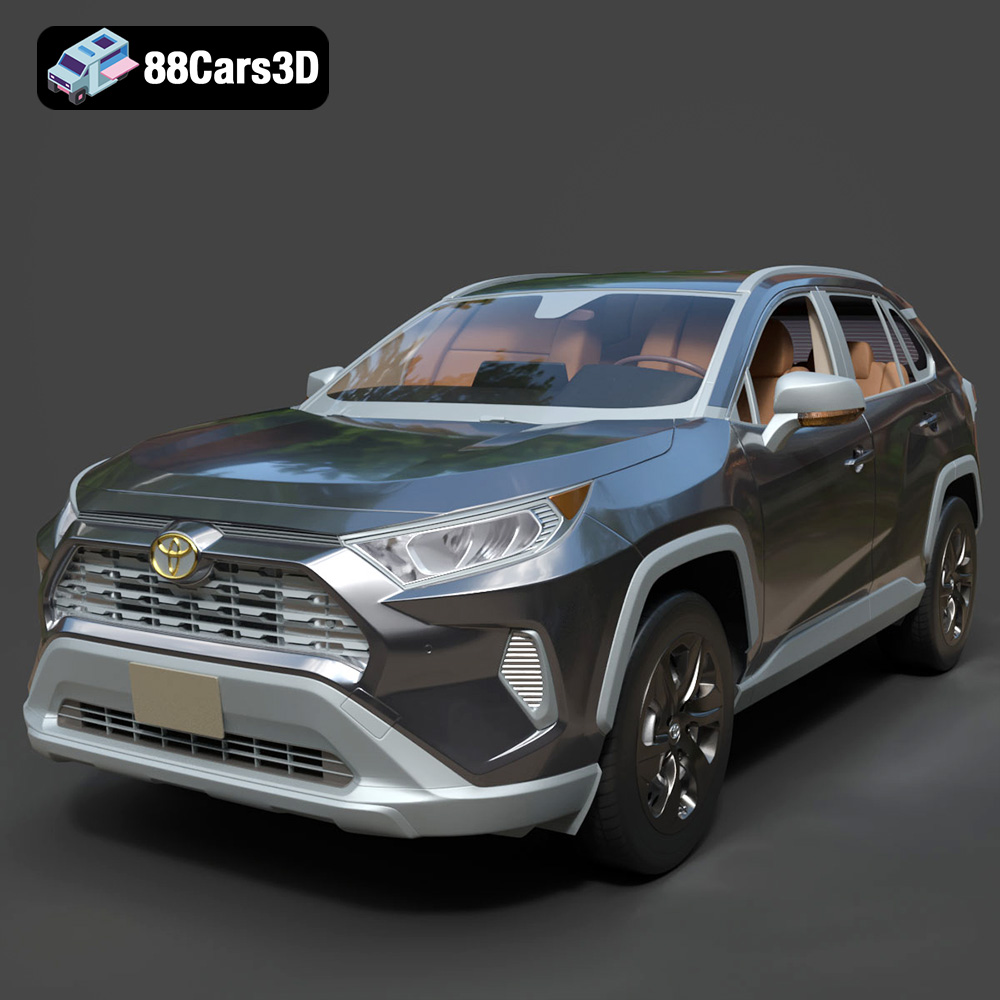
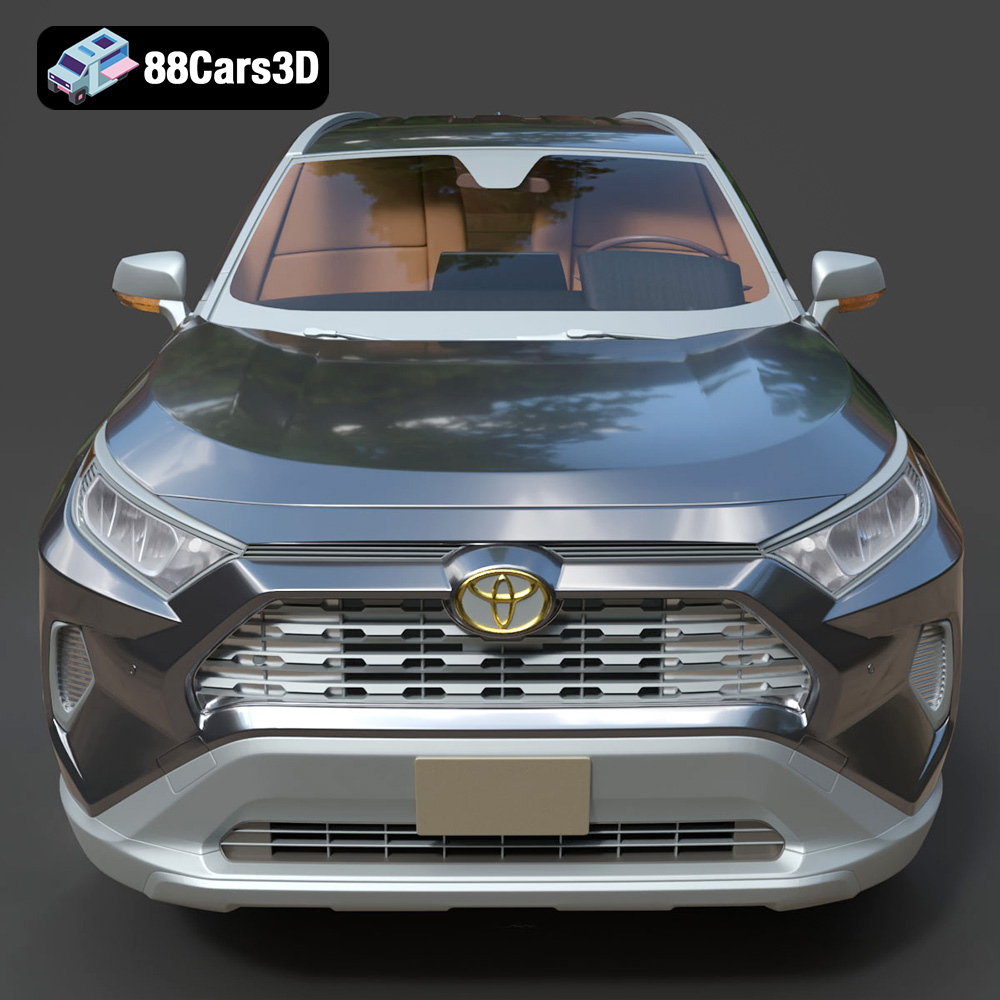
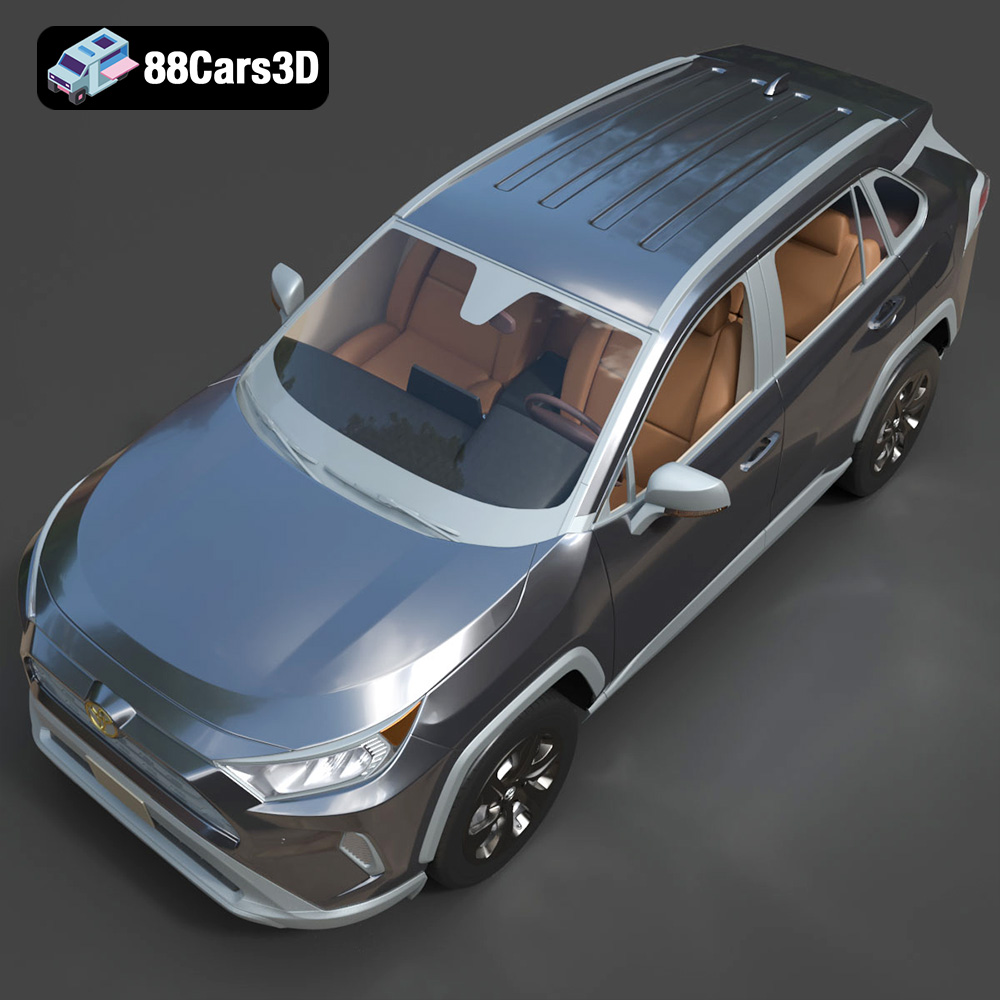
Consider the humble compact SUV, a staple of modern life. When transformed into a digital asset like the Toyota RAV4 LE 2019 3D Model available on 88cars3d.com, it ceases to be merely a vehicle and becomes a canvas for creativity. This model, meticulously crafted to capture the rugged yet refined essence of its real-world counterpart, exemplifies the kind of asset that empowers artists and developers to push boundaries. With accurate geometry, detailed interior and exterior features, and an optimized triangle count, it’s designed to seamlessly integrate into diverse professional workflows, offering both visual fidelity and performance efficiency.
This article delves deep into the technical intricacies and practical applications of professional 3D car models, exploring how they are built, integrated, and utilized across various industries. We’ll examine the critical role of file formats, the delicate balance between detail and optimization, and practical workflows in leading software and game engines. By the end, you’ll have a clear understanding of what makes a truly exceptional 3D automotive asset and how it can elevate your next project.
The choice of a 3D model file format is far more than a mere technicality; it’s a strategic decision that impacts compatibility, performance, and the entire workflow of a project. Different formats are optimized for different purposes, whether it’s full editability, real-time engine integration, web display, or physical fabrication. Understanding these distinctions is crucial for anyone working with 3D car models.
The .blend format is native to Blender, a powerful open-source 3D creation suite. When you download a .blend file, you’re not just getting a mesh; you’re getting a complete Blender scene. This includes all geometry, materials (with Cycles/Eevee specific nodes), textures, lights, cameras, animation data, and even modifiers. For artists who primarily work in Blender, this is the most flexible and editable format. It allows for immediate deep customization, enabling changes to topology, UVs, material properties, and rigging without any loss of data that might occur during format conversions. For instance, with the Toyota RAV4 LE 2019 3D model, the .blend file would provide full access to its precise geometry and material setups, allowing a Blender artist to easily re-texture, animate, or even remodel specific parts of the vehicle.
Autodesk’s .fbx (Filmbox) format is arguably the most widely adopted interchange format in the 3D industry, especially prevalent in game development and animation pipelines. Its strength lies in its ability to store a comprehensive range of 3D data, including geometry, UVs, materials (though often simplified upon export/import), textures, skeletal animations, blend shapes, and even camera and light data. FBX is the go-to format for importing 3D car models into real-time engines like Unreal Engine and Unity, as well as major DCC (Digital Content Creation) applications such as Maya, 3ds Max, and Cinema 4D. Its robust support for hierarchies and animation makes it indispensable for animated assets like vehicles with moving wheels and suspension, making it perfect for game-ready assets such as the optimized Toyota RAV4 LE 2019 3D model for game development.
The .obj (Wavefront Object) format is a venerable and universally supported format, known for its simplicity and wide compatibility across almost all 3D software. An OBJ file primarily stores geometry (vertices, normals, texture coordinates, and faces) and can reference an associated .mtl (material library) file for basic material properties and texture maps. While it doesn’t support animation or complex scene data like FBX, its open standard nature makes it an excellent choice for static mesh interchange between different software packages. When you need to ensure a 3D car model can be opened and edited by virtually any 3D artist, regardless of their primary software, .obj is a reliable option.
.glb (GL Transmission Format Binary) is the binary version of glTF, a royalty-free specification for the efficient transmission and loading of 3D scenes and models by engines and applications. Designed with web and real-time applications in mind, .glb bundles all assets – geometry, materials, textures, animations – into a single, compact file. This “all-in-one” characteristic makes it ideal for AR/VR experiences, interactive web viewers, and mobile applications where file size and quick loading are paramount. For showcasing a 3D car model in a virtual showroom or an augmented reality app, .glb provides an optimized and streamlined solution, perfectly suited for the interactive visualizations possible with the Toyota RAV4 LE 2019 model.
The .stl (Stereolithography) format is the de-facto standard for 3D printing. It represents a 3D model as a series of connected triangles, defining only the surface geometry without color, texture, or material information. Its simplicity makes it universally compatible with 3D printers and slicing software. While the Toyota RAV4 LE 2019 3D model is primarily digital, its availability in .stl format means hobbyists and engineers can easily prepare it for physical output, creating display models or prototypes. Similarly, .ply (Polygon File Format) is another format often used for storing 3D data from 3D scanners and for applications requiring precision meshes for CAD or analysis, supporting more complex data types like color per vertex and material properties, beyond what STL offers.
While not strictly a single file format in the conventional sense, .unreal refers to an asset that is pre-configured and optimized specifically for Unreal Engine. This often implies an FBX import that has been carefully set up within the engine, with materials, textures, and collision meshes already applied and adjusted for optimal performance and visual quality within the Unreal ecosystem. Similarly, .max is the proprietary file format for Autodesk 3ds Max, one of the leading software packages for 3D modeling, animation, and rendering in the architectural visualization and automotive industries. A .max file contains a complete 3ds Max scene, including all objects, lights, cameras, modifiers, and rendering settings, offering the deepest level of editability for 3ds Max users.
Creating a truly high-fidelity 3D car model is an intricate blend of artistic skill and technical precision. It goes beyond simply replicating shape; it’s about capturing the essence, the engineering, and the tactile feel of the real-world vehicle. The Toyota RAV4 LE 2019 3D model from 88cars3d.com exemplifies this dedication, showcasing why professional assets are indispensable.
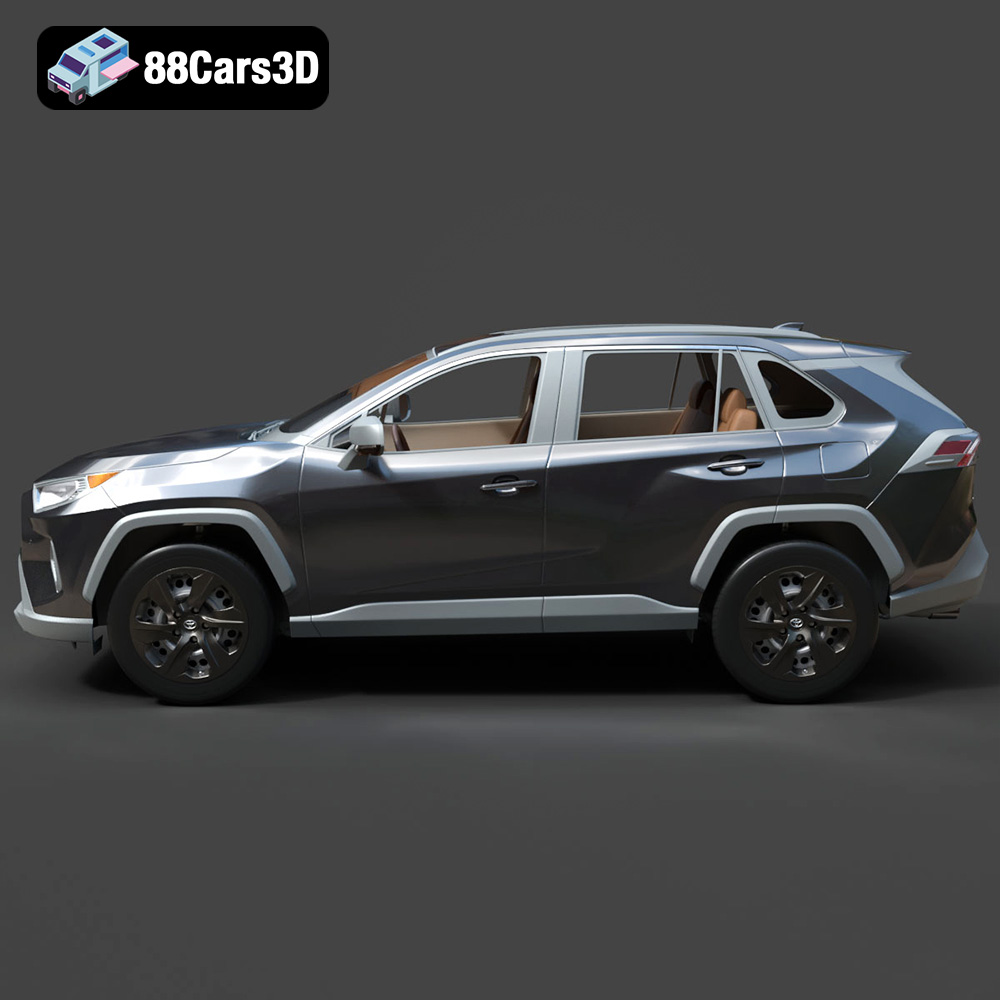
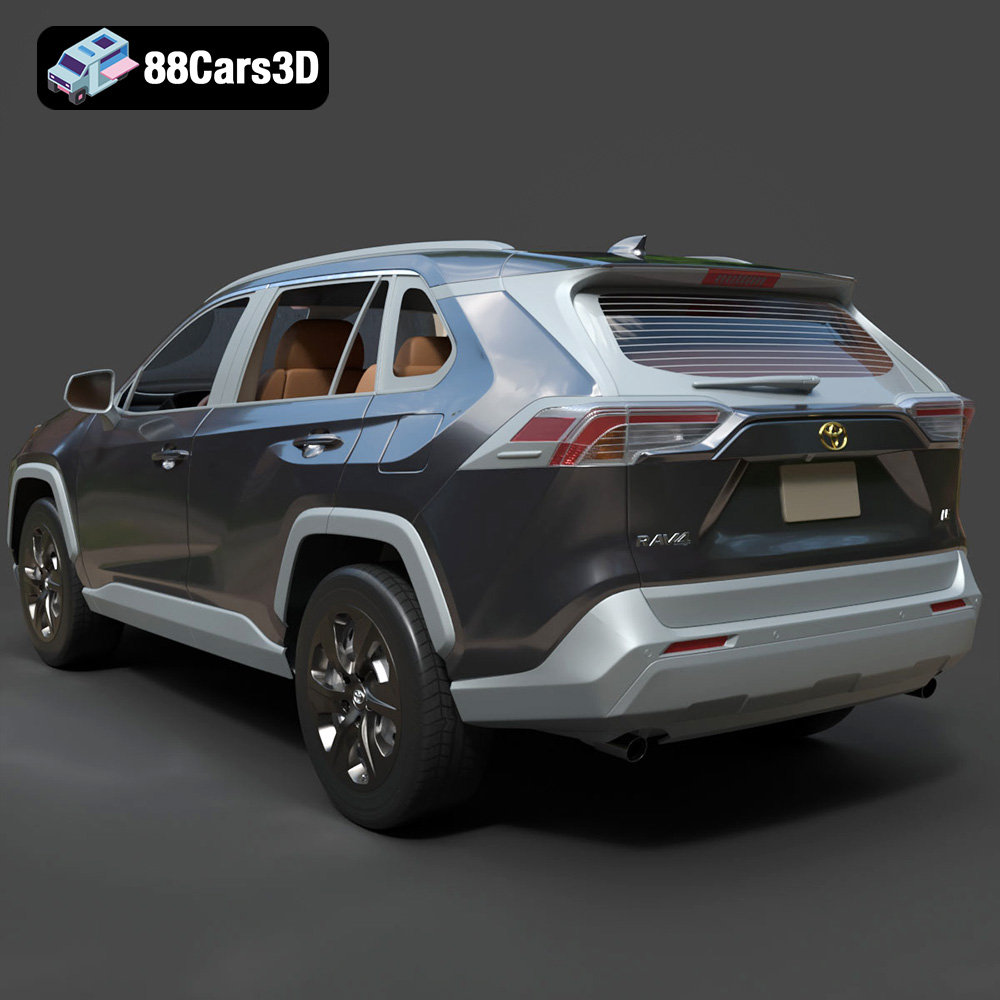
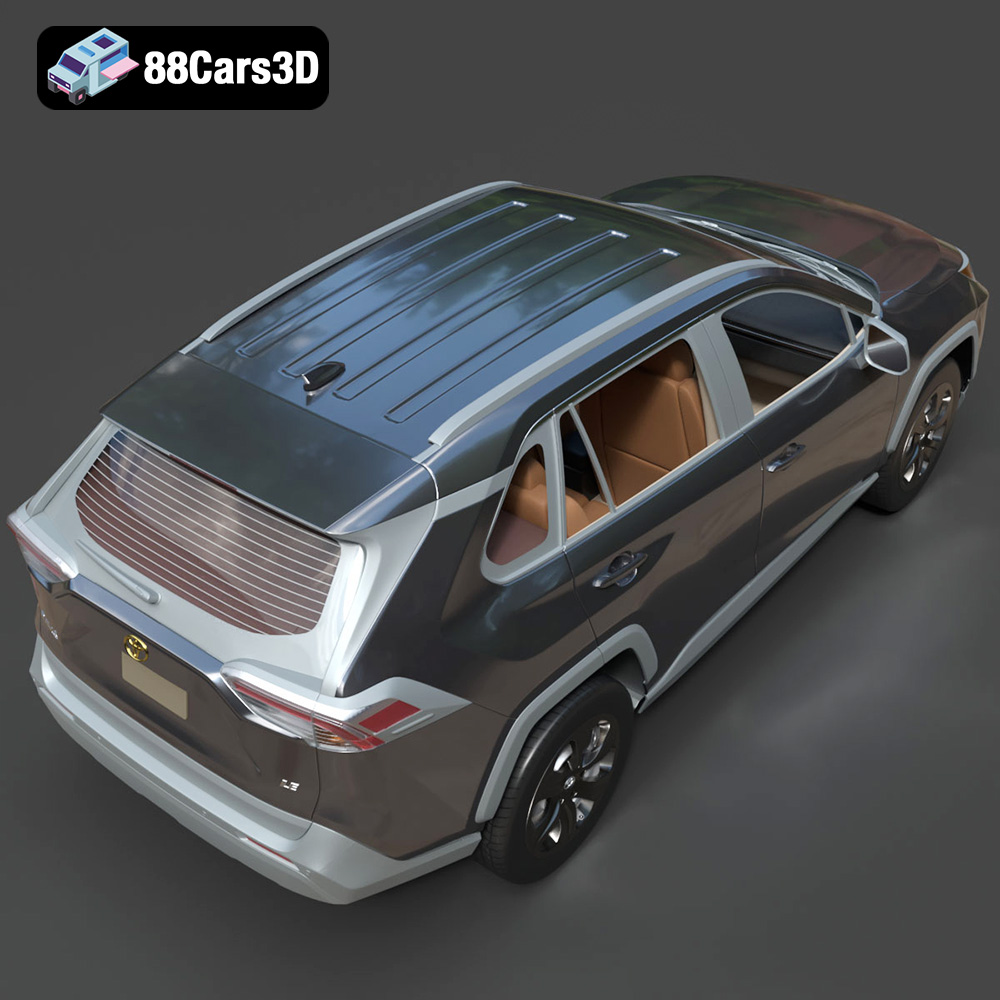
The exterior of a car model is often the first impression, and achieving authenticity here is paramount. This involves meticulous attention to the original vehicle’s design language. For the RAV4 LE 2019, this means accurately translating its “rugged, chiseled styling inspired by Toyota’s off-road heritage.” Every panel gap, body line, and aerodynamic contour must be faithfully reproduced. This also extends to detailed elements like the distinctive front grille, striking LED headlights with their unique signatures, realistic dual exhaust styling, and the intricacies of the undercarriage. The inclusion of accurate 17-inch steel wheel designs with detailed tire treads further elevates the realism, ensuring that even close-up renders hold up to scrutiny. Such precision is not just aesthetic; it’s crucial for physically-based rendering (PBR) where light interacts realistically with surfaces, demanding accurate geometry and material properties.
While often overlooked in external renders, a detailed interior is vital for first-person views in games, virtual showrooms, and immersive AR/VR experiences. The 88cars3d.com model of the RAV4 LE 2019 doesn’t skimp here, featuring “accurately modeled fabric-trimmed seating,” a “detailed multi-function steering wheel,” and a “high-fidelity digital and analog instrument cluster.” Precision extends to the center console, climate controls, pedals, and shifter. This level of detail ensures that whether a user is exploring a virtual vehicle configurator or driving the RAV4 in a simulator, the interior environment feels authentic and engaging. Optimized geometry for first-person POV in gaming means that these details are present without unnecessarily bogging down real-time performance.
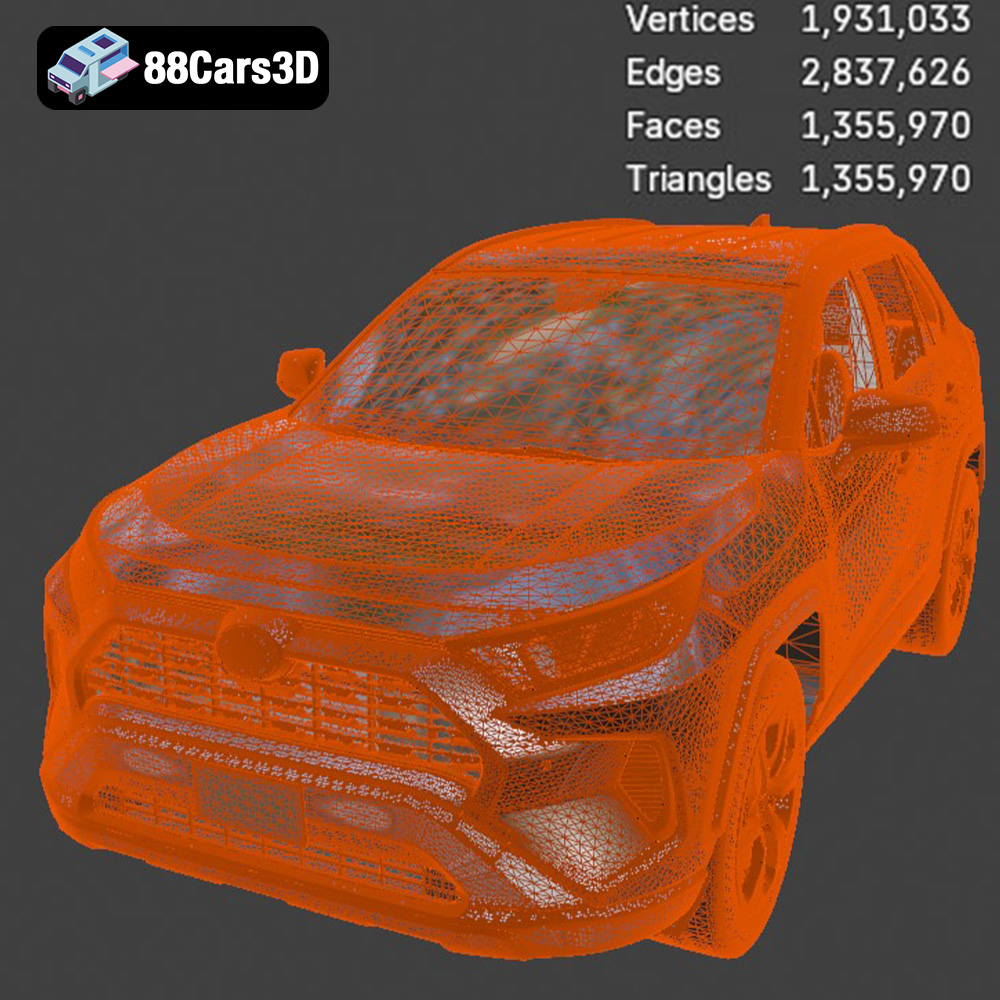
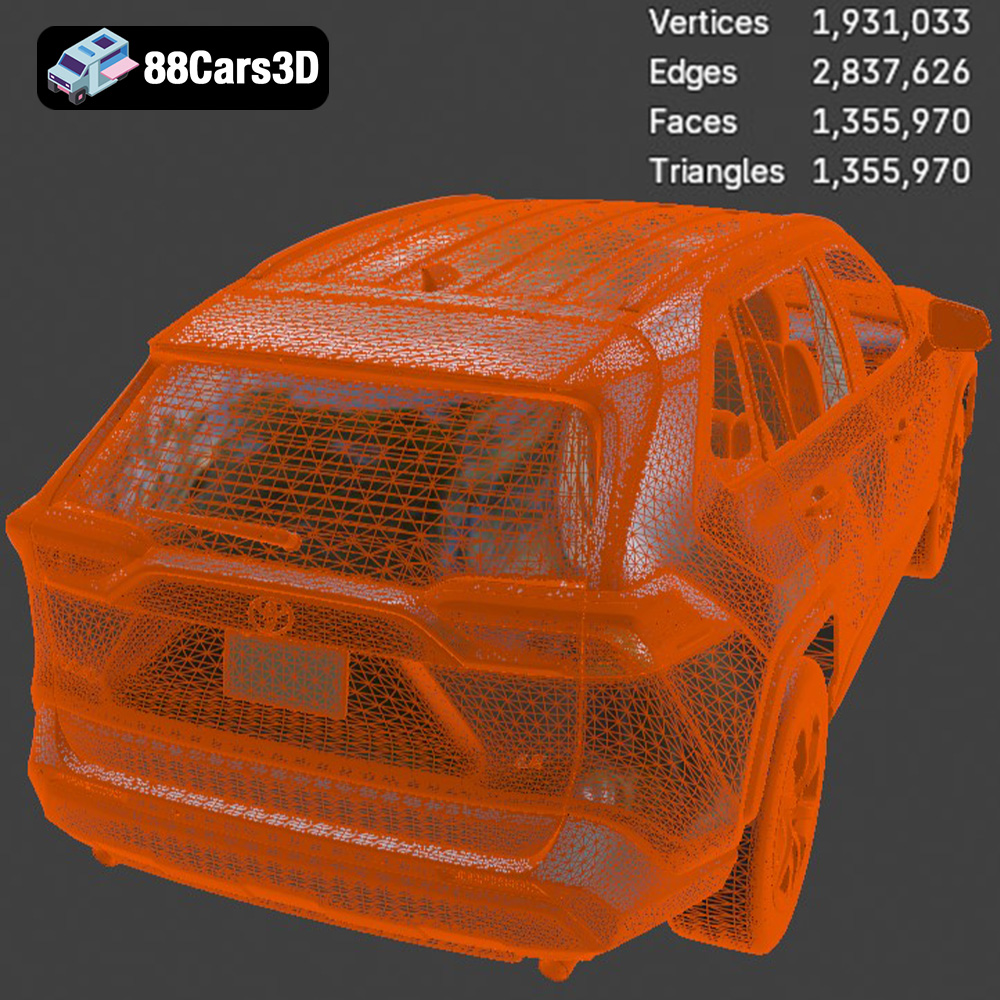
Beyond visual fidelity, the technical underpinnings of a 3D car model determine its usability and performance. The Toyota RAV4 LE 2019 3D model boasts “excellent topology with an optimized triangle count (~200k triangles),” striking a perfect balance for real-time engines without compromising visual realism. This optimization is key for game development and AR/VR, where frame rates are critical. Furthermore, “real-world scale accuracy” ensures the model fits seamlessly into scenes without manual scaling adjustments. Crucially, “proper pivot setup for steering, wheel rotation, and suspension travel” prepares the model for immediate animation, saving countless hours for animators and developers. Features like a “detailed engine block based on the 2.5L Dynamic Force 4-cylinder engine” and “detailed independent MacPherson strut front suspension” mean that even components typically unseen are accurately represented, providing a robust base for any conceivable use, from cutaway renders to advanced simulations.
The true value of a professional 3D car model, such as the Toyota RAV4 LE 2019 from 88cars3d.com, lies in its seamless integration into diverse production pipelines. From high-octane racing games to photorealistic architectural visualizations, these assets are designed to accelerate and enhance creative processes.
For game developers, performance is paramount, but visual fidelity cannot be sacrificed. An optimized 3D car model like the RAV4 LE 2019, with its ~200k triangle count, is perfectly “game-ready.” In engines like Unreal Engine and Unity, developers can import the .fbx or .unreal formats. The optimized topology ensures efficient rendering, while properly set up pivots for wheels, steering, and suspension enable quick integration of physics and animation systems. Developers can utilize Level of Detail (LOD) systems, generating lower poly versions for distant objects, and then focusing on the full detail for close-up shots. This model is ideal for creating realistic vehicle fleets in open-world games, implementing complex damage systems, or building highly interactive driving simulators, offering a solid foundation that saves months of modeling and optimization work.
In architectural visualization (arch-viz) and automotive marketing, the goal is photorealism. Here, 3D car models serve as crucial contextual elements, bringing life and scale to static environments. The Toyota RAV4 LE 2019 model, with its accurate geometry and detailed materials, is a prime candidate. In software like 3ds Max (using the .max format) or Blender (with the .blend file), artists can import the model and easily adapt its materials for rendering engines such as V-Ray, Corona Renderer, or Cycles. This involves tuning PBR materials for realistic reflections, refractions, and surface imperfections. The model’s real-world scale makes placement straightforward, whether it’s parked outside a modern home, cruising through a virtual city, or showcased in a studio lighting setup for a brand campaign. The ability to customize body colors and material finishes further enhances its utility for diverse visualization scenarios.
Augmented Reality (AR) and Virtual Reality (VR) offer new frontiers for showcasing products, and 3D car models are at the forefront. The Toyota RAV4 LE 2019 model, provided in .glb and optimized formats, is perfectly suited for these immersive applications. Imagine a virtual showroom where potential buyers can walk around, open doors, and even “sit” inside the RAV4, exploring its detailed interior. Or an AR app that projects the car onto a real-world driveway, allowing users to visualize it in their own environment. For interactive vehicle configurators, the model’s customization options – changing body colors, modifying tire textures, adjusting material finishes – become interactive features. Users can personalize their virtual RAV4 in real-time, greatly enhancing the engagement and sales experience. The optimized nature of the model ensures smooth performance on a variety of devices, from high-end VR headsets to mobile phones.
A truly professional 3D car model strikes a delicate balance between visual fidelity and performance efficiency. This balance is achieved through several key technical considerations that differentiate a basic mesh from a production-ready asset. The Toyota RAV4 LE 2019 3D model embodies these principles, making it an invaluable asset for various applications.
Polygon count, or polycount, is a critical metric for 3D models, especially in real-time applications. A high polycount can lead to performance bottlenecks, while too low can sacrifice detail. The RAV4 LE 2019 model, with its “~200k triangle count,” is optimized to maintain high-end visual realism without overburdening game engines or AR/VR platforms. This mid-range polycount allows for detailed close-ups while remaining efficient enough for scenes with multiple vehicles. For even greater optimization, a common technique is to implement Level of Detail (LOD) models. These are progressively lower-polygon versions of the same asset that are swapped in as the object moves further from the camera, dramatically improving performance without a noticeable drop in quality at a distance. A well-constructed base model like the RAV4 facilitates easy LOD generation.
Beyond geometry, the quality of UV mapping and texturing profoundly impacts a model’s realism. UVs (texture coordinates) dictate how 2D textures are wrapped around a 3D mesh. Clean, non-overlapping UVs are essential for applying detailed textures without distortion. The RAV4 model likely features well-organized UVs, allowing for the application of Physically Based Rendering (PBR) textures. PBR materials use maps like Albedo (color), Normal (surface detail), Roughness (micro-surface detail), Metallic (conductive properties), and Ambient Occlusion (soft shadows) to simulate how light interacts with materials in the real world. This results in incredibly realistic surfaces, from the metallic sheen of the paint to the subtle texture of the fabric seats and the rubber of the tire treads. The ability to “modify tire textures (off-road vs. street variants)” and “adjust material finishes (matte, gloss, metallic)” highlights the PBR readiness of the model.
For any interactive or animated application, a 3D car model needs to be set up correctly for movement. This involves proper pivot points and a logical hierarchy. “Proper pivot setup for steering, wheel rotation, and suspension travel” is a significant advantage of the Toyota RAV4 LE 2019 3D model. Each wheel, the steering wheel, and suspension components are separate entities with their pivot points precisely located at their rotational axes. This allows animators or game engines to easily rotate wheels for driving, articulate steering, or simulate suspension compression and rebound without complex rigging. A clear hierarchical structure (e.g., car body > chassis > wheels > brakes) also simplifies selection, manipulation, and organization within 3D software, making the asset user-friendly and production-ready straight out of the box.
While often associated with digital realms, 3D car models also bridge the gap into the physical world through 3D printing. The availability of the Toyota RAV4 LE 2019 3D model in .stl format opens up exciting possibilities for hobbyists, educators, and even engineers to create tangible representations of this popular SUV.
3D printing a complex object like a car model requires careful preparation. The digital model, while optimized for screens, needs to be “watertight” – meaning it has no holes or gaps in its mesh – to be successfully sliced by 3D printer software. The .stl format is ideal for this, as it exclusively defines the surface geometry. Users converting the RAV4 model to .stl can ensure mesh integrity, allowing for a clean print. Considerations like scale are also critical; the recommended scales of 1:12, 1:18, or 1:24 allow for a good balance of detail and manageable print time/material usage. For hobbyists, this means being able to produce detailed display models or even parts for remote-controlled vehicles, bringing the digital design into a physical collection.
Achieving a high-quality 3D print of the RAV4 LE 2019 model involves specific printer settings and post-processing techniques. For fine details, “resin printing is recommended,” as it can achieve much finer layer heights (0.04–0.12 mm) compared to filament-based FDM printers. FDM printers can still yield good results with appropriate settings for wall thickness (1.2–2.0 mm) and infill (20–30%). “Supports are required for detailed parts like exhaust, mirrors, handlebars,” ensuring that overhangs and intricate features are printed correctly without sagging. “Print orientation” is another key factor; printing the frame angled can enhance structural integrity, while wheels are often printed separately for optimal detail. After printing, post-processing is crucial for a professional finish. This involves sanding to smooth layer lines, applying primer for an even surface, and finally, painting with “authentic factory colors with metallic finishes” to truly bring the miniature RAV4 to life.
In a competitive digital landscape, the quality and efficiency of your assets can be a significant differentiator. Sourcing professional 3D car models from reputable marketplaces like 88cars3d.com provides a tangible advantage, streamlining workflows and enhancing output quality.
One of the primary benefits of a well-structured 3D car model like the Toyota RAV4 LE 2019 is its inherent versatility and customization potential. As highlighted in its features, users can easily “change body/tank colors (e.g., factory colors, custom finishes),” “modify tire textures (off-road vs. street variants),” and “adjust material finishes (matte, gloss, metallic).” This level of flexibility is crucial for projects requiring variations, such as automotive configurators, diverse game environments, or A/B testing in marketing campaigns. Instead of starting from scratch or making significant edits to a rigid model, artists can quickly adapt the RAV4 model to fit specific project needs, saving valuable time and resources while maintaining a high standard of visual quality across all iterations.
The choice to invest in professional 3D car models from platforms like 88cars3d.com is a decision to prioritize quality, efficiency, and reliability. These models are not just aesthetically pleasing; they are technically robust, built by experienced artists who understand the nuances of topology, UV mapping, material setup, and optimization for various platforms. This means less time spent fixing errors, optimizing meshes, or struggling with compatibility issues. For game developers, professional models translate to better in-game performance. For render artists, they mean faster render times and more realistic outputs. For AR/VR creators, they provide a smooth, immersive experience. The comprehensive file formats provided – .blend, .fbx, .obj, .glb, .stl, .ply, .unreal, .max – ensure maximum compatibility and utility, catering to virtually any professional workflow. This commitment to detail and optimization allows creative professionals to focus on artistic direction and storytelling, rather than grappling with asset preparation.
The world of 3D content creation is complex and demanding, yet incredibly rewarding. At its core, the success of any digital project often hinges on the quality of its assets. A meticulously crafted 3D car model, such as the Toyota RAV4 LE 2019, is far more than just a digital object; it is a versatile tool that empowers artists, developers, and designers across a multitude of industries.
From the foundational importance of choosing the right file format – be it .blend for deep customization, .fbx for game engine integration, or .glb for web and AR/VR applications – to the intricate balance of visual realism and technical optimization, every aspect of a professional 3D model contributes to its utility. We’ve seen how precise exterior and interior detailing creates immersive experiences, and how thoughtful polycount management, UV mapping, and pivot setups streamline complex animation and rendering workflows in software like 3ds Max, Blender, and game engines like Unreal. Even extending beyond the screen, such models offer exciting possibilities for physical creation through 3D printing.
Ultimately, investing in high-quality 3D car models like the Toyota RAV4 LE 2019 from 88cars3d.com is an investment in efficiency, quality, and the boundless potential of your creative projects. These assets serve as a robust foundation, allowing you to focus on innovation and delivering truly impactful visual experiences. Explore the exceptional range of 3D car models at 88cars3d.com and elevate your next venture.
The Toyota RAV4 LE 2019 represents a bold, dynamic shift in the compact SUV segment. Known for its rugged, chiseled styling inspired by Toyota’s off-road heritage, this 3D model captures the essence of the LE trim with its distinctive front grille, striking LED headlights, and aerodynamic profile. Crafted with precision, this high-quality 3D model features excellent topology with an optimized triangle count, ensuring game-ready performance without compromising visual fidelity. It is perfectly suited for use in real-time engines, game development, AR/VR experiences, and high-end architectural or lifestyle visualizations. Perfect for urban driving simulations, virtual showrooms, suburban environment renderings, and interactive vehicle configurators.
$39.99
.blend
.fbx
.glb
.max
.obj
.ply
.rendering
.stl
.toyota
.unreal
car-3d-model
compact-suv
game asset
game-ready
low-poly
optimized
rav4
rav4-le-2019
SUV
VR/AR