Get 20% OFF All Premium 3D & STL Models!

In the rapidly evolving landscape of 3D visualization, the demand for high-fidelity digital assets is paramount. From blockbuster video games to cutting-edge architectural walkthroughs and cinematic advertising, the ability to accurately represent complex objects like automobiles is a cornerstone of professional content creation. A premium 3D car model isn’t merely an object; it’s a meticulously crafted digital sculpture, engineered for both aesthetic appeal and technical performance across diverse platforms.
The journey from a blank canvas to a photorealistic digital car is an intricate dance between artistic skill and technical precision. Every curve, every reflection, and every material surface must be painstakingly recreated to convince the viewer of its tangible presence. Achieving this level of realism requires an understanding of advanced modeling techniques, sophisticated material authoring (often using Physically Based Rendering, or PBR workflows), and expert lighting setups. This pursuit of verisimilitude is what separates professional-grade assets from mere approximations.
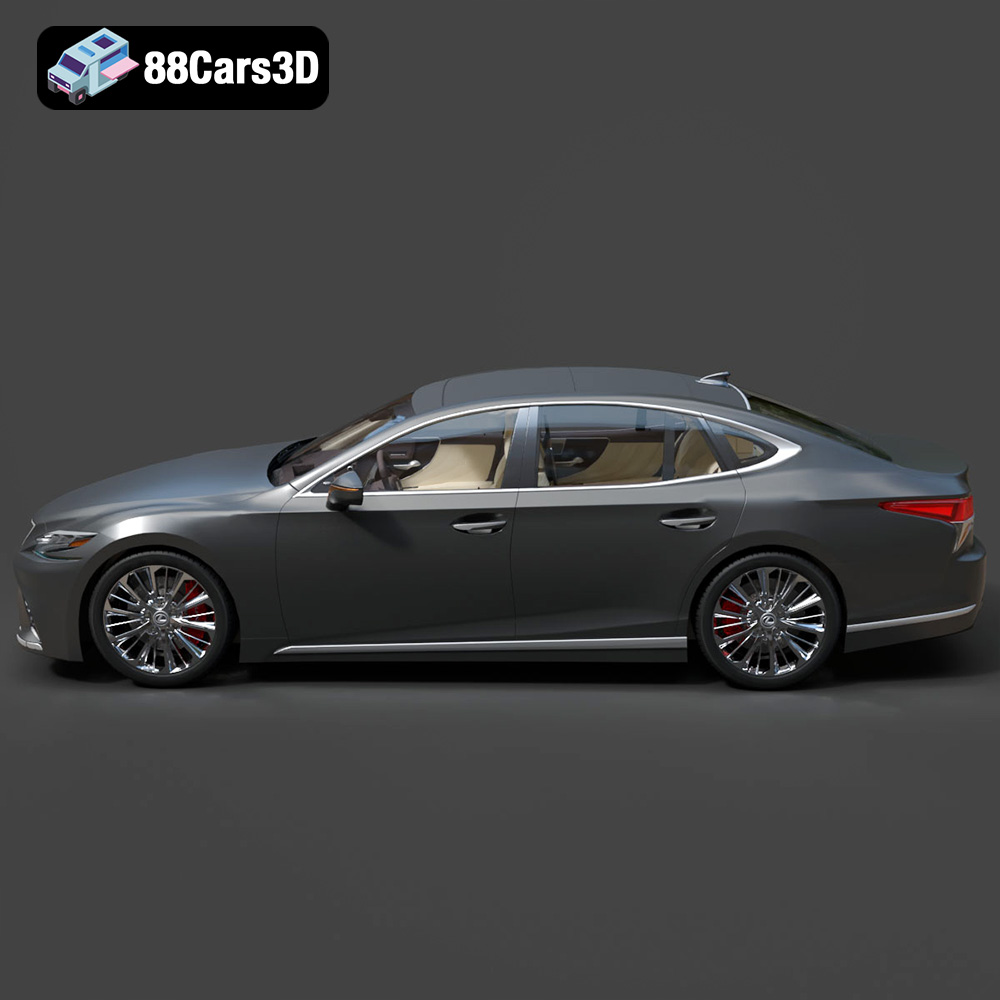
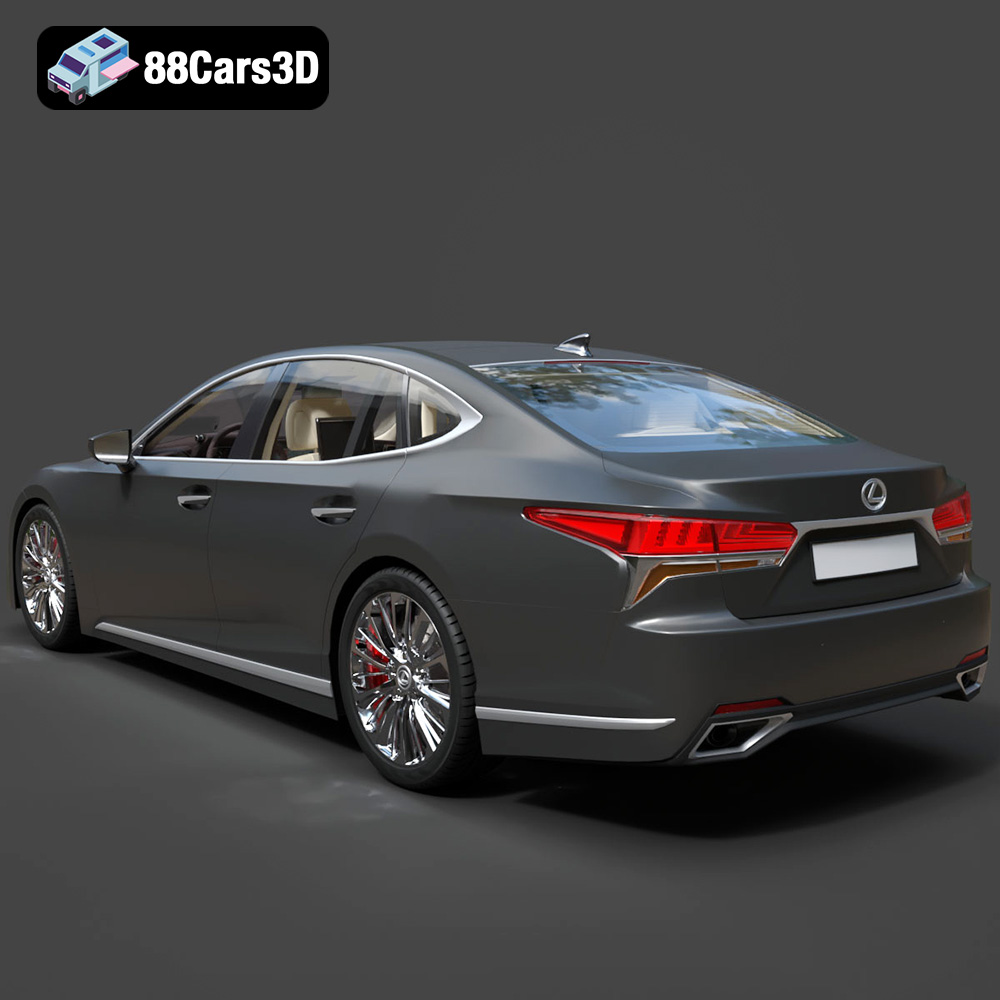
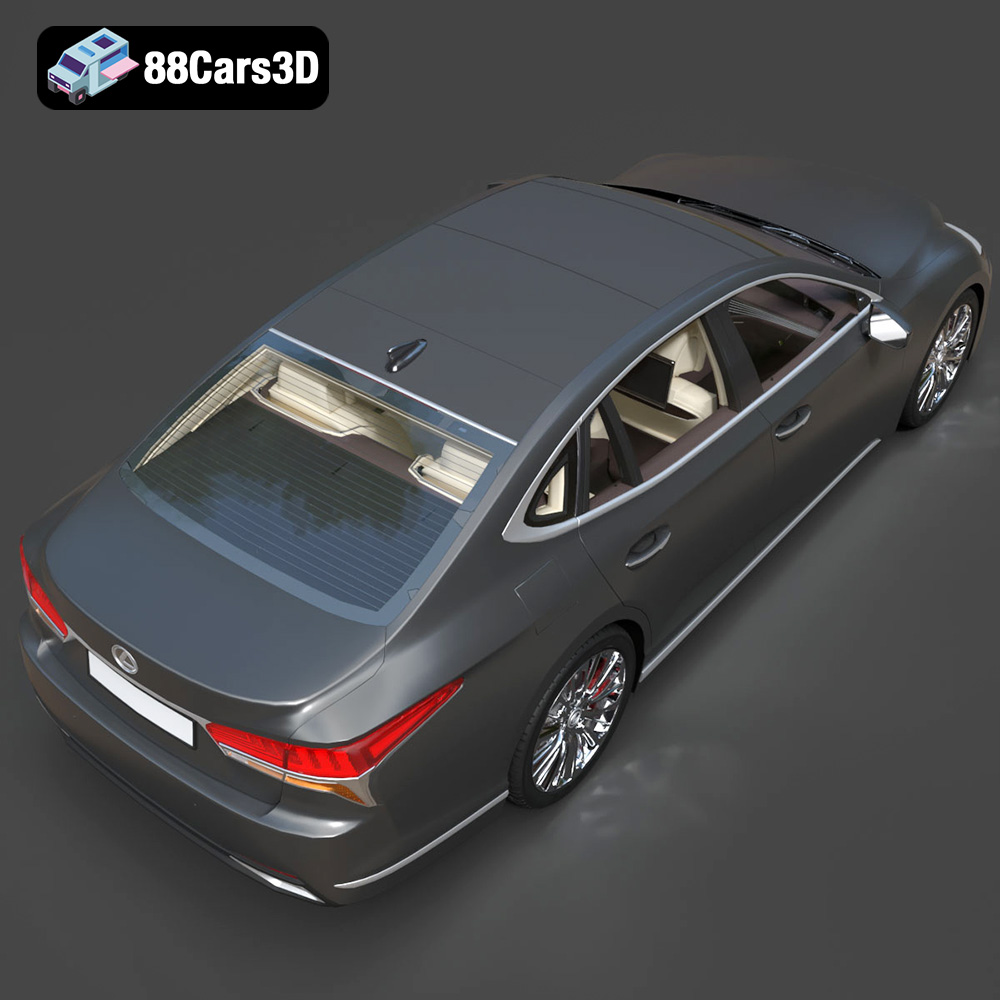
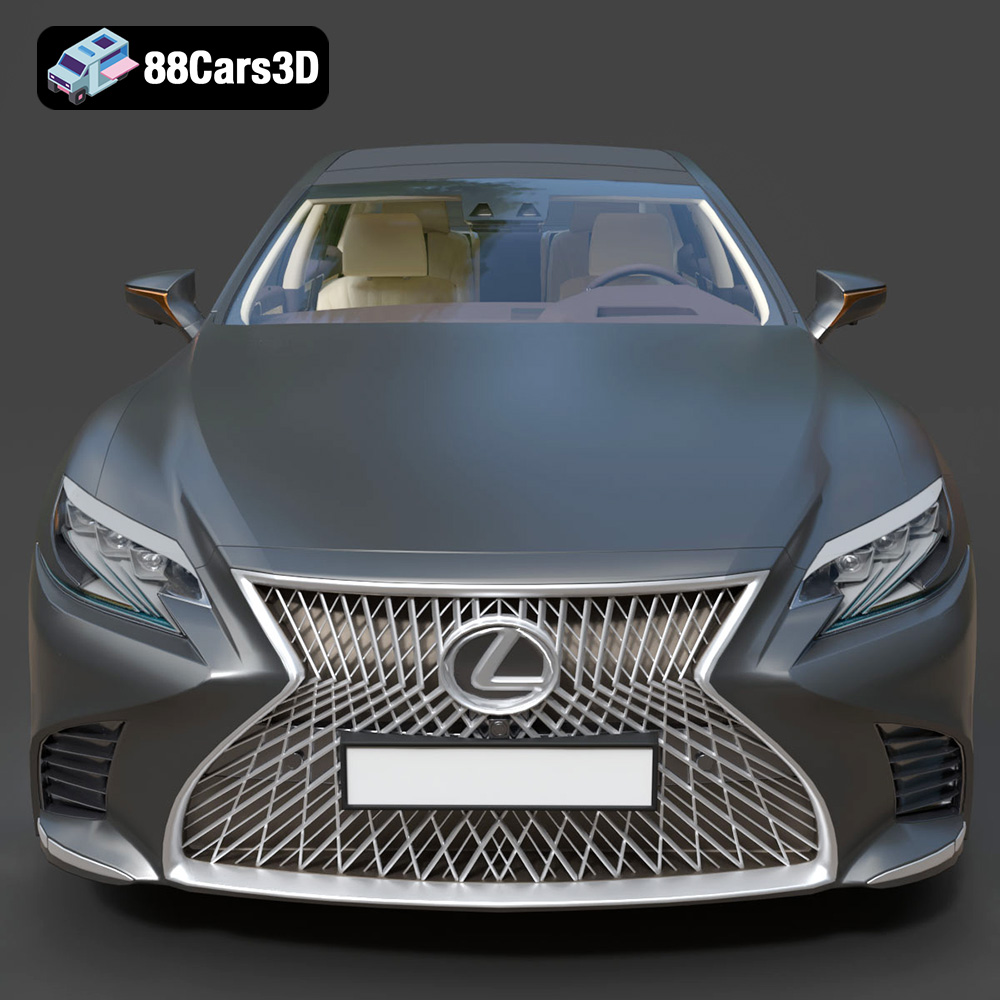
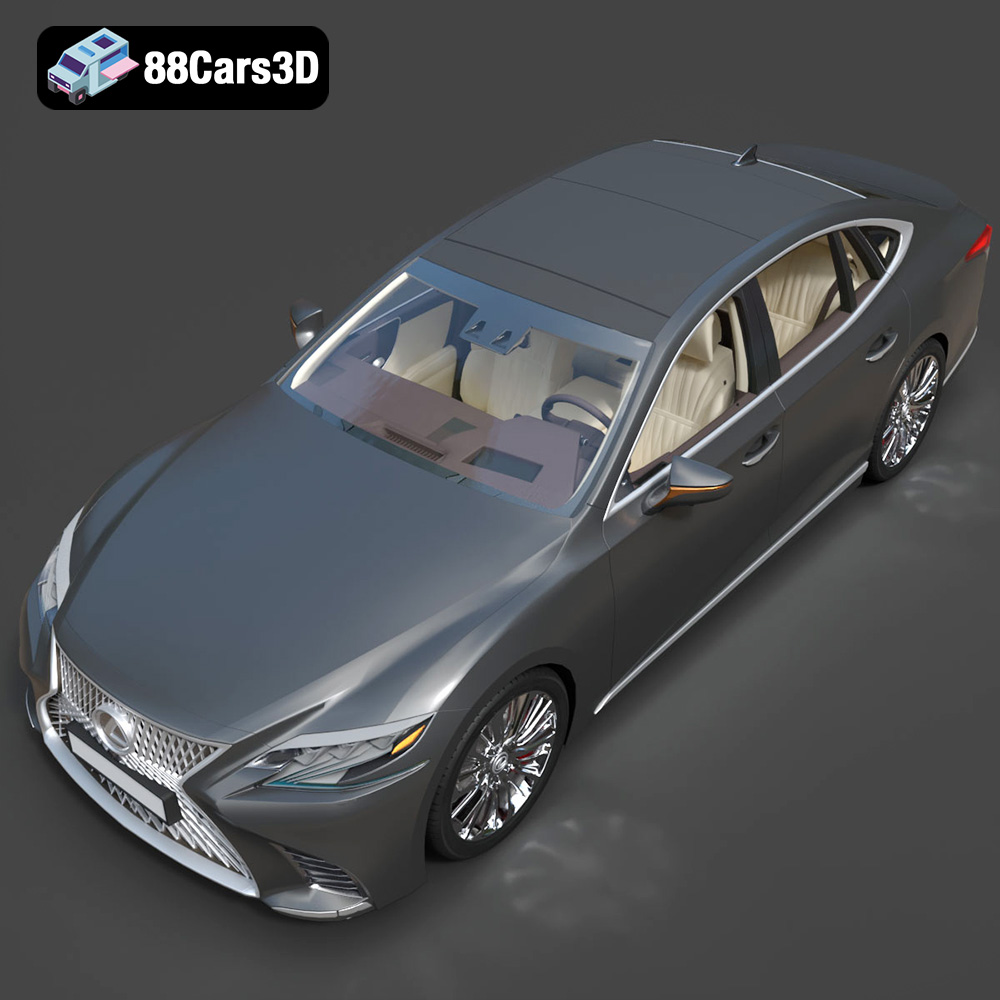
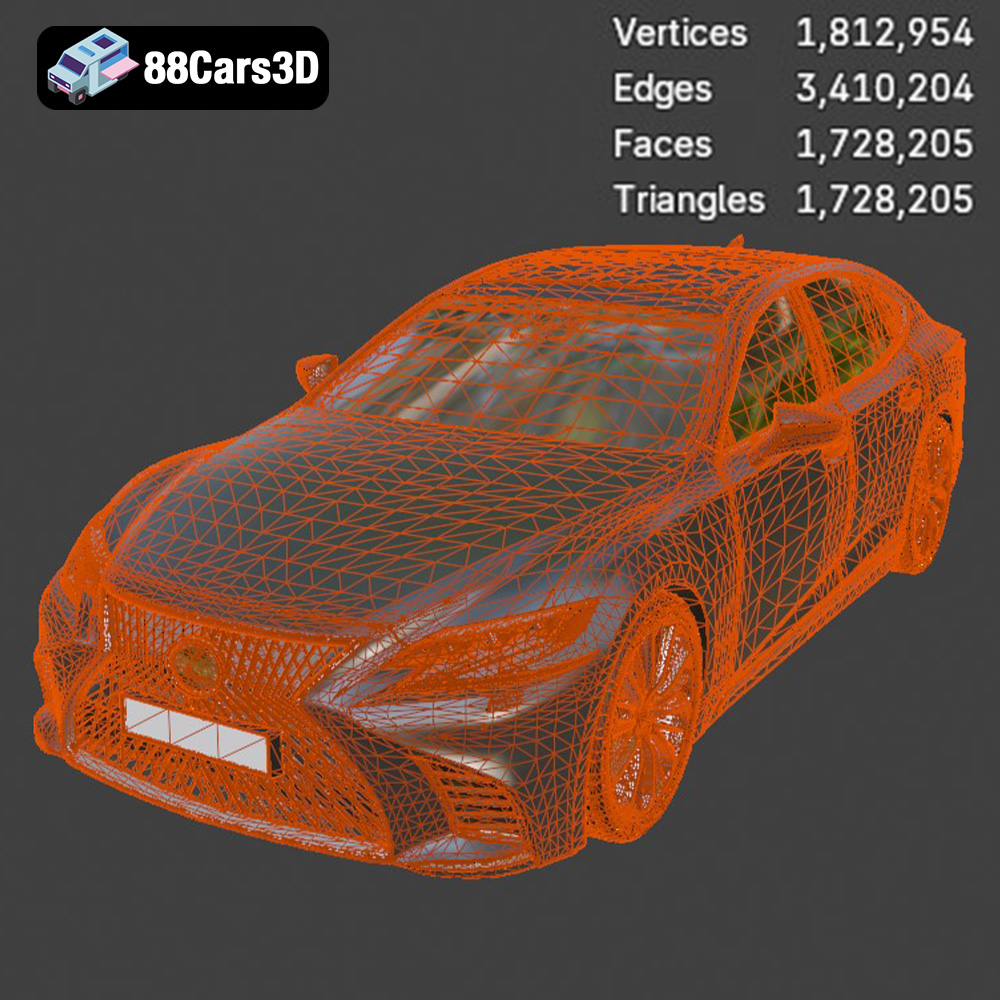
Stepping into this demanding arena, the Lexus LS 500 2018 3D Model stands as a prime example of digital automotive excellence. The 2018 Lexus LS 500 itself is a masterpiece of Japanese luxury, a car celebrated for its striking spindle grille, elegant coupe-like silhouette, and the meticulous Takumi craftsmanship evident in every detail. Capturing this essence in a digital format requires a deep appreciation for the original design. This particular 3D model takes the complexity of the physical vehicle and translates it into an optimized, game-ready asset. With approximately 200,000 triangles, it strikes an ideal balance, offering top-tier visual fidelity without bogging down real-time performance. Its clean geometry and high-resolution textures make it an exceptional choice for modern game development, immersive AR/VR experiences, high-end animation, and architectural visualization projects, truly embodying the intersection of executive comfort and cutting-edge automotive design in the digital realm.
Selecting the correct file format is a critical decision in any 3D workflow, directly impacting compatibility, data integrity, and pipeline efficiency. Professional 3D car models, such as the Lexus LS 500 2018, often come with a variety of formats to ensure maximum versatility across different software and applications. Understanding the nuances of each is essential for optimizing your project and avoiding common pitfalls.
The choice of format depends heavily on your specific needs: whether you’re focused on real-time rendering, high-fidelity offline rendering, 3D printing, or cross-platform collaboration. Each format serves a particular purpose, designed to preserve certain types of data or optimize for specific environments.
The true magic of a high-quality 3D car model, such as the Lexus LS 500 2018, often comes to life through stunning renders. Automotive rendering is a specialized field that demands an eye for detail, a deep understanding of light and shadow, and mastery of advanced shading techniques to produce images indistinguishable from actual photographs.
Achieving photorealism starts with the materials. Modern rendering relies heavily on Physically Based Rendering (PBR) workflows, where materials are defined by real-world physical properties. For a car model, this means meticulous attention to metallic paints, chrome reflections, glass refraction, tire rubber, and leather interiors. The Lexus LS 500 2018 3D Model, with its high-resolution textures, provides an excellent foundation. Artists will typically use maps like Albedo (base color), Metallic, Roughness, Normal, and Ambient Occlusion to define every surface. For example, the metallic flake in the paint, the subtle wear on the tire sidewalls, or the intricate stitching on the luxurious leather seats all contribute to the overall realism. Utilizing tools like Substance Painter or directly authoring PBR materials within 3ds Max or Blender is crucial for creating these nuanced surface details.
Lighting is arguably the most critical element in any render. For automotive visualization, two primary approaches dominate: studio lighting and environment lighting. Studio setups, often involving HDRIs (High Dynamic Range Images) coupled with virtual light sources (area lights, spotlights), are used to showcase the car’s form and reflections in a controlled, idealized setting. Environment lighting, on the other hand, places the car within a realistic scene, using an HDRI of an outdoor location (e.g., a city street, a scenic landscape) to provide accurate ambient lighting, reflections, and shadows. The way light interacts with the LS 500’s elegant coupe-like silhouette and complex spindle grille needs careful calibration, emphasizing its dynamic lines and sophisticated contours. Artists might use volumetric lights for atmospheric effects or carefully place rim lights to highlight specific design elements.
Even the most perfect render can benefit from post-production. Software like Adobe Photoshop or Affinity Photo is used to add finishing touches that elevate an image from great to extraordinary. This can include color grading to set a mood, adding depth of field for cinematic focus, motion blur for a sense of speed, or subtle atmospheric effects like haze or dust. Compositing multiple render passes (e.g., diffuse, specular, reflection, Z-depth, ambient occlusion) provides granular control over each element, allowing for non-destructive adjustments and refinements. For the Lexus LS 500, post-production can emphasize its premium feel, perhaps by enhancing chrome gleams or bringing out the richness of its factory colors, making the final image truly pop for a marketing campaign or an automotive magazine spread.
The transition from pre-rendered cinematic quality to real-time performance is where true optimization shines. For game developers and AR/VR creators, a 3D car model isn’t just about visual fidelity; it’s about efficient rendering, responsive controls, and seamless integration into interactive environments. The Lexus LS 500 2018 3D Model excels in this demanding domain.
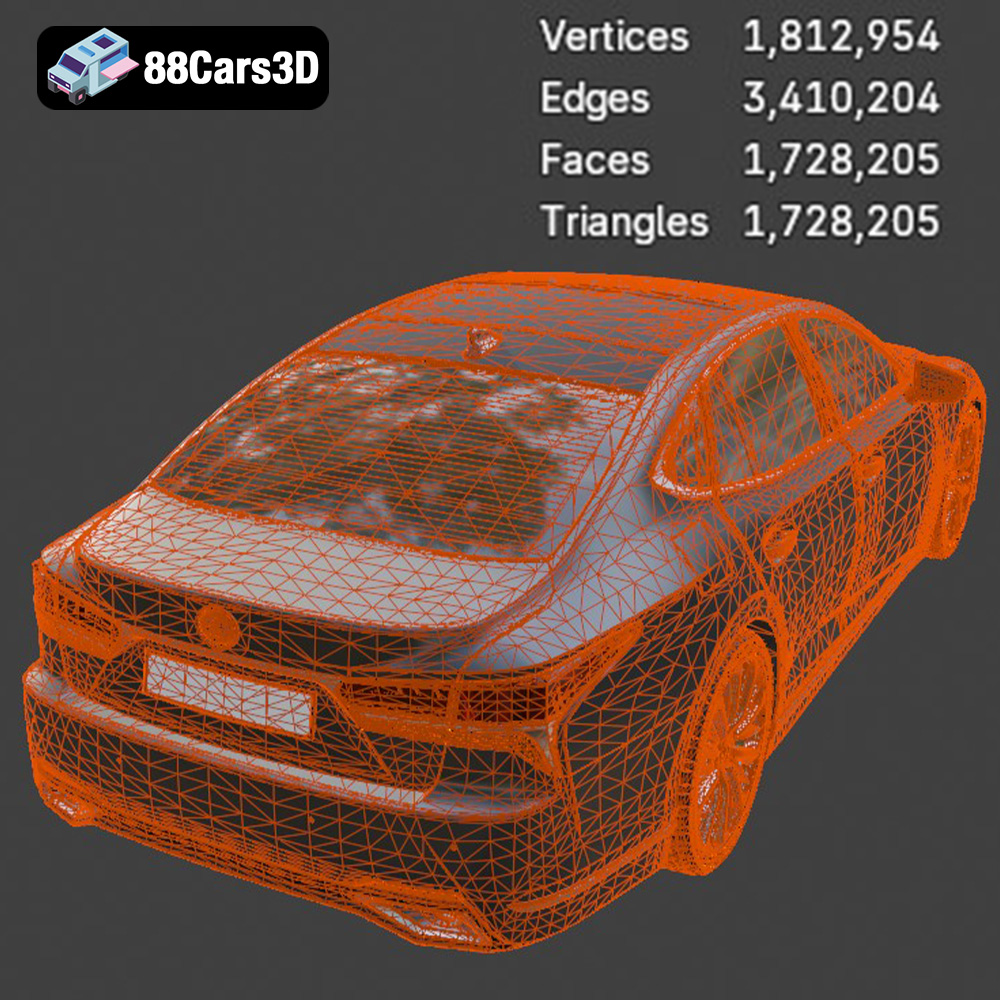
In real-time engines like Unreal Engine and Unity, polygon count (or triangle count) is a crucial metric for performance. While offline renders can handle millions of polygons, game engines require a careful balance to maintain high frame rates. The Lexus LS 500 2018 3D Model’s approximately 200,000 triangles strikes an ideal equilibrium. This polycount is sufficiently high to capture the intricate details of the Lexus’s complex front fascia, Z-shaped LED headlights, and flowing body lines, ensuring it looks visually stunning even up close. Simultaneously, it’s optimized enough to be used as a primary vehicle in open-world games, racing simulators, or even alongside multiple other detailed assets without causing significant performance drops. This optimization is key to delivering a smooth and immersive experience for players and users.
Integrating a game-ready asset like this into a real-time engine involves several key steps. For Unreal Engine, the .fbx or even the dedicated .unreal format is typically used. Upon import, artists will set up PBR materials, ensuring that the high-resolution textures provided with the model translate accurately within Unreal’s physically based shading system. This includes creating material instances to easily change body colors or material finishes, critical for car configurators. Collision meshes are often added or generated to allow for realistic interaction with the game world, and LODs (Levels of Detail) can be implemented to further optimize performance by swapping out lower-poly versions of the car when it’s further from the camera. Similar principles apply to Unity, where materials and textures are configured within its powerful editor, and scripts are often written to control vehicle physics and interactive elements.
AR/VR applications present unique challenges, demanding not only visual fidelity but also extremely high frame rates (typically 90 FPS or more) to prevent motion sickness. The optimized topology of the Lexus LS 500 2018 3D Model makes it perfectly suited for these immersive environments. Its clean geometry reduces draw calls, while the detailed interior, optimized for first-person POV, allows users to truly feel present within the luxurious cockpit. For AR applications, the .glb format is especially beneficial, allowing the model to be easily deployed on web-based platforms or mobile apps, enabling users to virtually place the Lexus LS 500 in their real-world environment. Imagine a virtual showroom where customers can explore the car’s intricate details, change colors, and even “sit” inside, all powered by this meticulously crafted 3D asset.
A static 3D model, however beautiful, has limitations. For professional applications, the ability to customize and animate the model is crucial. The Lexus LS 500 2018 3D Model is engineered with this flexibility in mind, offering modular components and material customization options that extend its utility far beyond a simple static render.
One of the most common requirements for automotive visualization is the ability to change colors and material finishes. The Lexus LS 500 model supports this through its well-organized material setup. In software like 3ds Max or Blender, artists can easily modify the base color of the body paint (e.g., from factory colors to custom metallic or pearl finishes), adjust the roughness and metallic values of chrome accents, or swap out tire textures for street versus performance variants. This level of customization is invaluable for creating diverse marketing assets, developing interactive configurators where users can personalize their vehicle, or simply experimenting with different visual styles without needing to re-model anything. Furthermore, the model’s structure allows for modification of material finishes – transitioning between matte, gloss, or even experimental finishes with ease.
Beyond static aesthetics, the Lexus LS 500 2018 3D Model is structured for dynamic animation. Its separate components – wheels, doors, suspension, and steering – are properly pivoted and rigged, ready for animation. This means you can accurately simulate:
This modularity and proper pivot setup significantly reduce the time and effort required for animators, allowing them to focus on creating compelling motion rather than struggling with basic rigging.
The versatility of a well-made 3D model extends beyond digital screens. The Lexus LS 500 2018 3D Model, with its high level of detail and clean geometry, is not only ideal for digital visualization but also suitable for physical reproduction through 3D printing, offering a unique blend of digital and tangible appreciation.
Converting a game-ready 3D model into a physical object via 3D printing requires specific considerations. The .stl format, included with the Lexus LS 500 model, is the standard for this purpose. However, before printing, several steps are usually necessary:
This capability allows enthusiasts, designers, or even automotive brands to create physical prototypes or high-quality collectibles from their digital assets.
For high-end brand campaigns, lifestyle scenes, and studio lighting setups, the Lexus LS 500 2018 3D Model provides an unparalleled canvas. Its accurate Lexus LS 500 2018 frame geometry, flowing lines, and coupe-like sedan proportions are meticulously captured, making it perfect for advertisements where brand image is paramount. Imagine a cinematic render showcasing the car gliding through a meticulously designed architectural visualization scene, or highlighting its luxurious leather-trimmed seating and detailed steering wheel in a close-up studio shot. The included .max and .blend formats offer artists maximum flexibility to leverage the advanced rendering capabilities of 3ds Max or Blender, creating stunning visuals that reinforce the Lexus brand’s commitment to luxury, refinement, and cutting-edge design. This level of detail and accuracy ensures that the digital representation maintains the prestige of the actual vehicle.
The world of 3D content creation is increasingly reliant on highly detailed, technically optimized assets. Whether you’re a game developer pushing the boundaries of realism, an architect creating immersive visualizations, or a marketer crafting captivating brand campaigns, the quality of your 3D models directly impacts the success of your project. The Lexus LS 500 2018 3D Model exemplifies what a premium automotive asset should be: a perfect blend of artistic fidelity and technical prowess. Its game-ready optimization, extensive file format support, and modular design for customization and animation make it an indispensable tool for a wide array of professional applications.
From crafting photorealistic renders in 3ds Max, Blender, or Unreal Engine to creating interactive AR/VR experiences, this model provides the foundation for excellence. Its suitability for 3D printing further extends its utility, bridging the gap between the digital and physical worlds. Investing in high-quality 3D car models from trusted marketplaces like 88cars3d.com ensures that your projects not only look professional but also run efficiently, allowing you to focus on innovation and creativity. Elevate your next project by incorporating an asset that truly captures the spirit of automotive design and engineering.
The 2018 Lexus LS 500 is the pinnacle of Japanese luxury, featuring a striking spindle grille, elegant coupe-like silhouette, and a powerful twin-turbo V6 engine. Known for its meticulous Takumi craftsmanship, whisper-quiet ride, and aggressive yet refined styling, the LS 500 represents the intersection of executive comfort and cutting-edge automotive design. From its complex front fascia to the dual exhaust outlets, every curve is captured to convey its dynamic road presence.
This highly detailed, game-ready 3D model boasts optimized topology (approximately 200,000 triangles), ensuring top-tier visual fidelity without sacrificing real-time performance. Designed with clean geometry and high-resolution textures, it delivers photorealistic results ideal for modern game development, immersive AR/VR experiences, high-end animation, and architectural visualization.
Perfect for luxury car configurators, urban open-world games, cinematic architectural renderings, and high-end brand showcases.
.blend, .fbx, .obj, .glb, .stl, .ply, .unreal, .max
Tags:
lexus, ls-500, 2018, luxury-sedan, executive-car, game-ready, low-poly, optimized, car-3d-model, game-asset, rendering, vr-ar, blend, fbx, obj, glb, stl, ply, unreal, maxBMW 328 Mille Miglia Touring Coupe 3D Model 3D Printable STL
$39.99
.2018
.blend
.fbx
.glb
.lexus
.max
.obj
.ply
.rendering
.stl
.unreal
car-3d-model
executive-car
game asset
game-ready
low-poly
ls-500
luxury-sedan
optimized
VR/AR