Get 20% OFF All Premium 3D & STL Models!

In the dynamic world of digital content creation, the demand for high-quality 3D assets is ever-increasing. From crafting immersive video games and breathtaking architectural visualizations to developing cutting-edge AR/VR experiences and realistic automotive simulations, a meticulously detailed 3D model can be the cornerstone of a successful project. Professionals understand that time is money, and starting with a pre-built, production-ready asset can dramatically accelerate workflows while maintaining unparalleled visual fidelity. This is precisely where models like the Lexus GX460 2014 3D Model shine, offering a perfect blend of realism, optimization, and versatility for diverse applications.
The digital landscape is hungry for authenticity. Whether a car is a hero asset in a racing game or a background element in a sprawling architectural scene, its quality impacts the overall believability and professionalism of the final output. Designers, developers, and artists are constantly seeking assets that not only look good but are also technically sound, with clean geometry, optimized topology, and well-organized material setups. Such assets save countless hours of modeling, texturing, and rigging, allowing creative teams to focus on core project innovation rather than foundational asset creation.
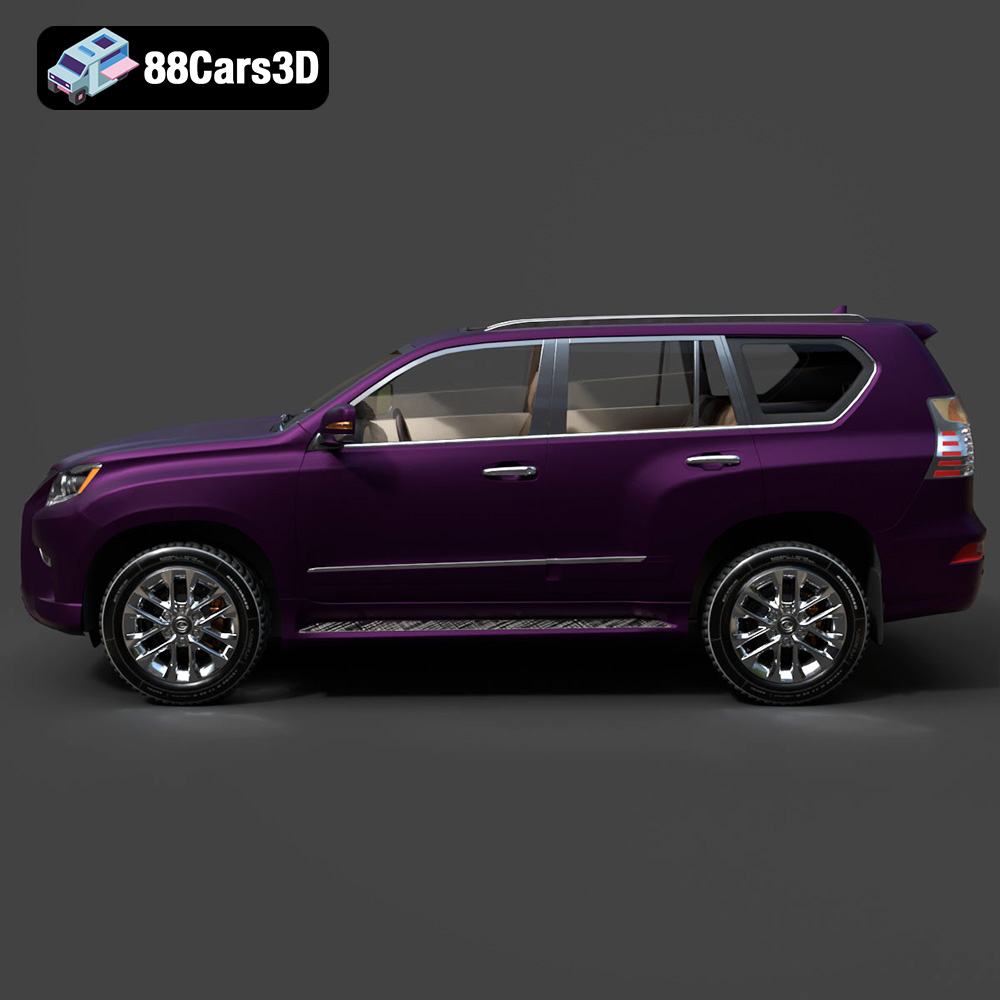
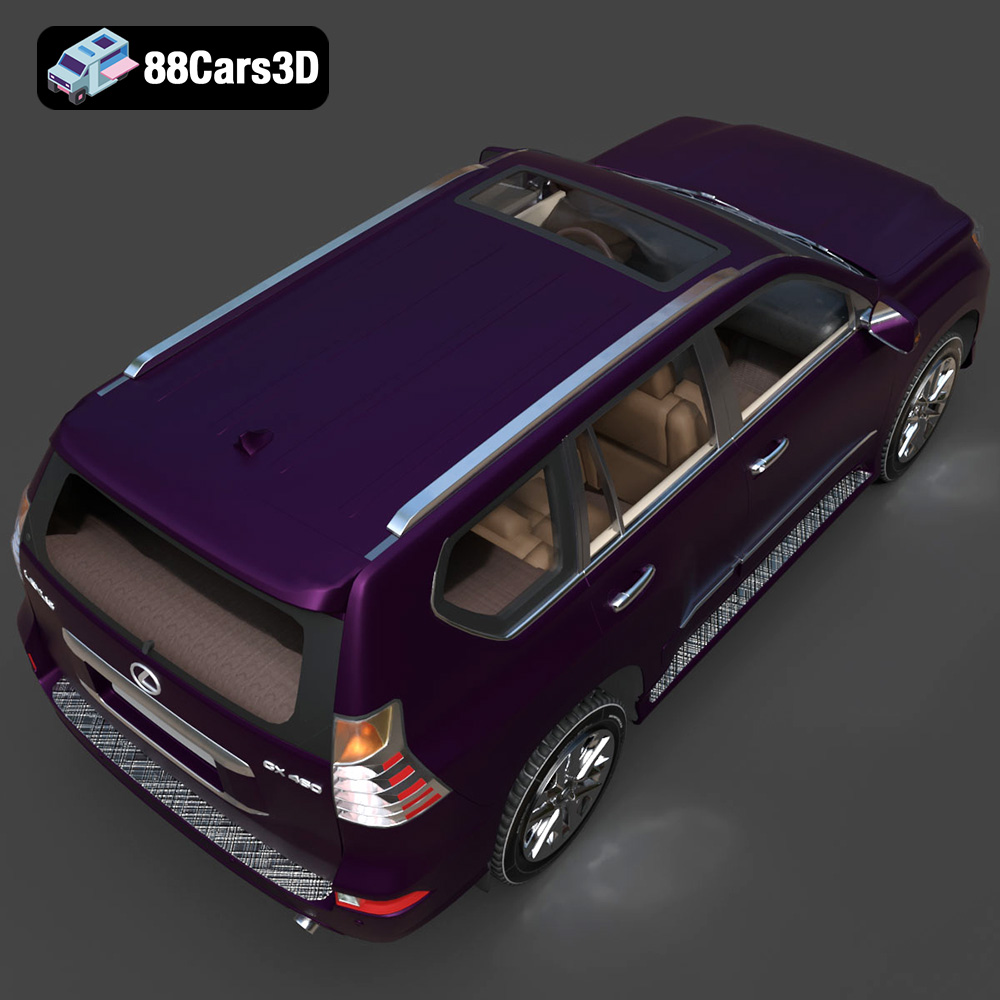
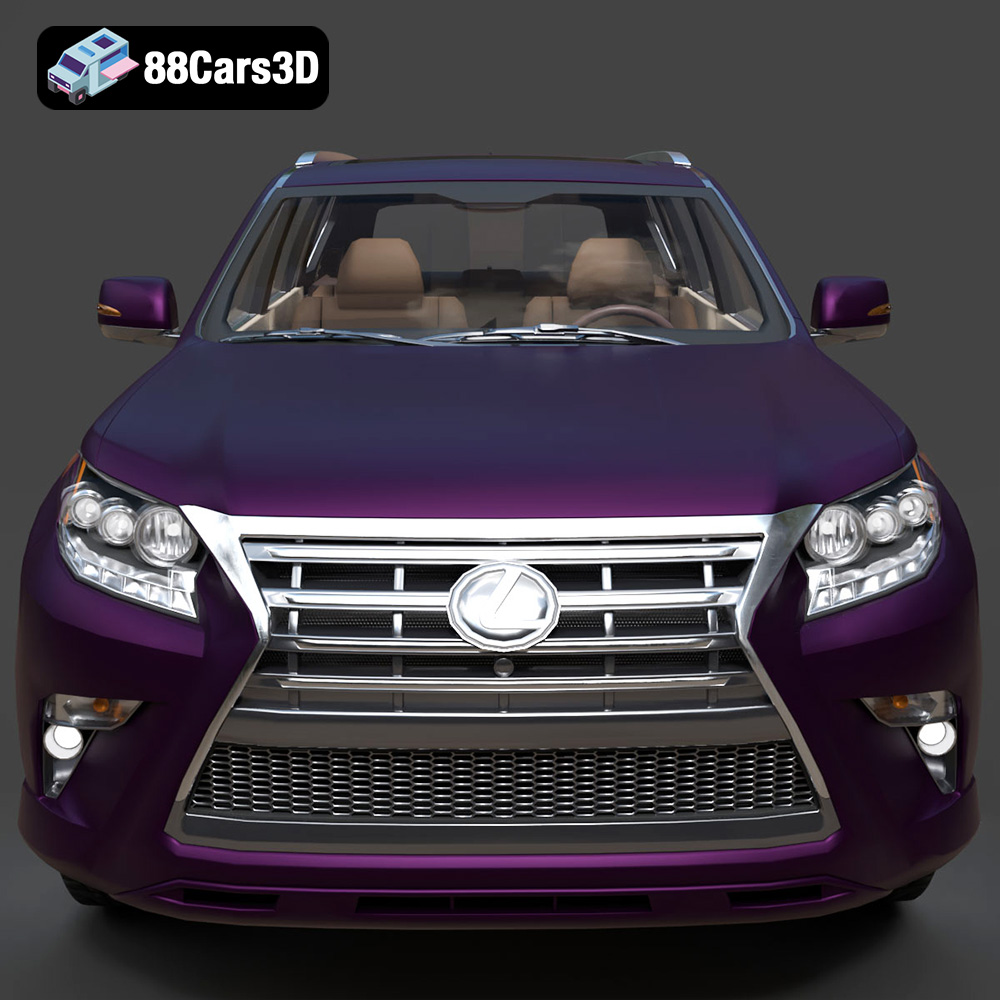
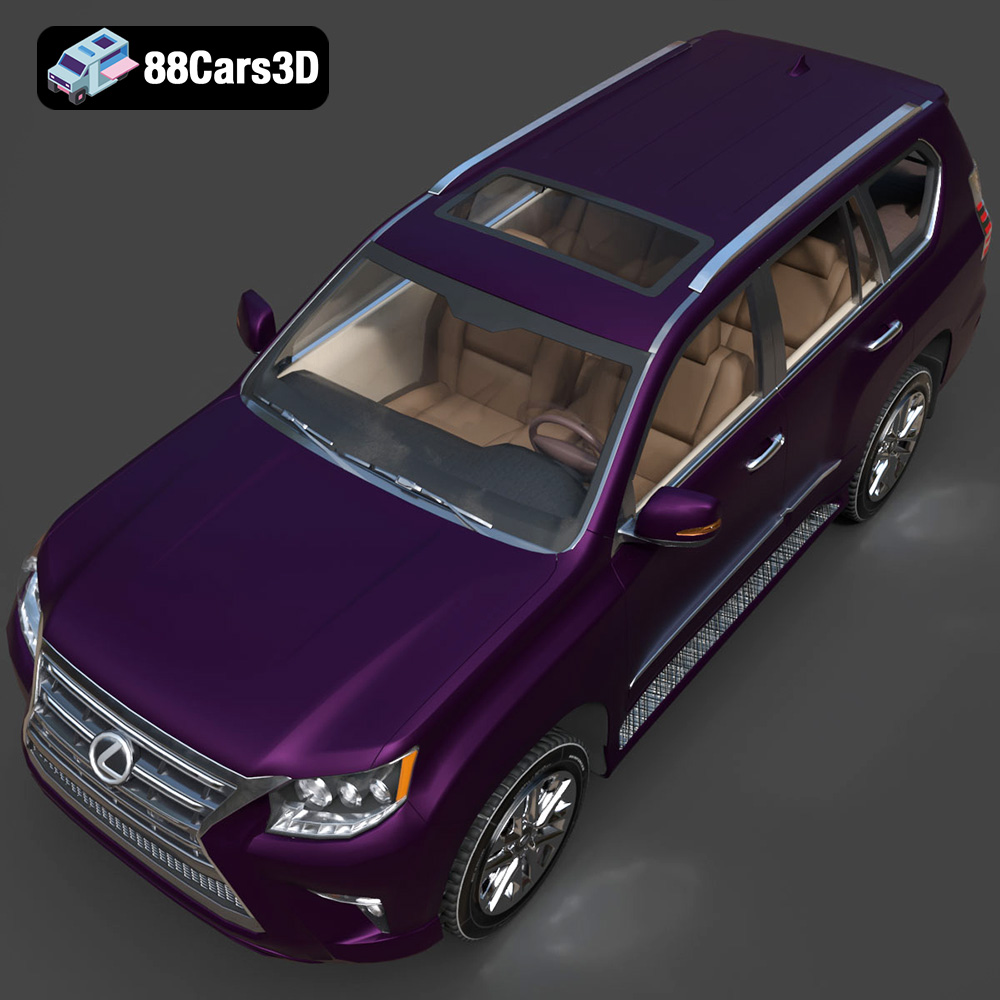
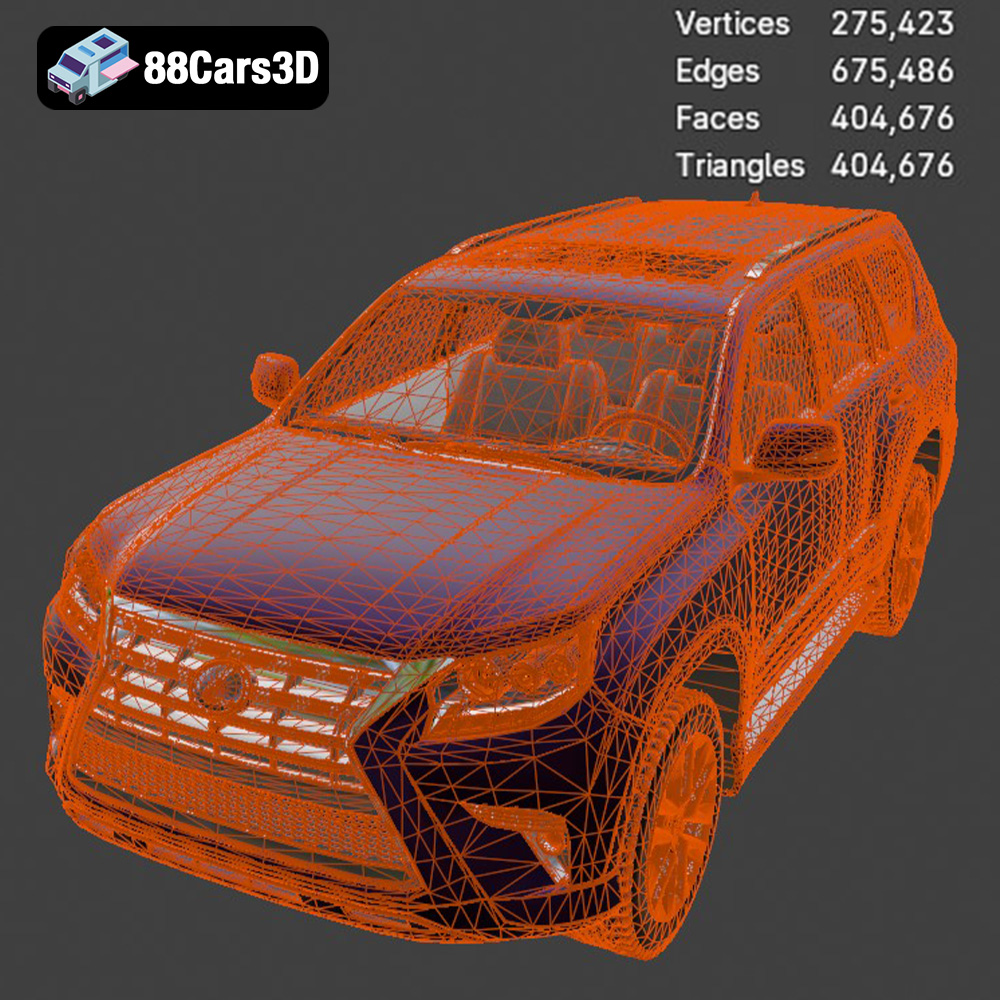
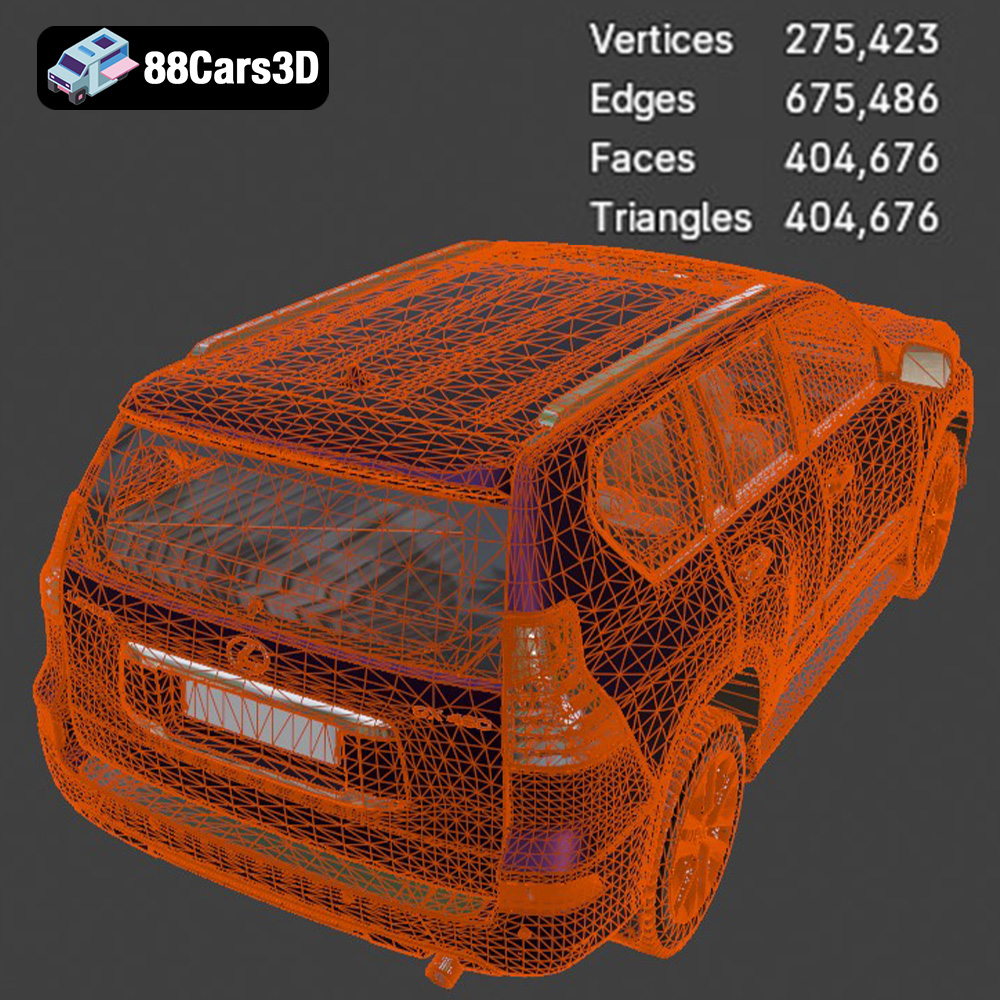
The Lexus GX460 2014 3D Model stands as a testament to this commitment to quality. It meticulously captures the powerful stance and luxurious design of the iconic SUV, replicating every exterior curve and interior element with astonishing precision. This isn’t merely a visual shell; it’s a robust digital asset designed for optimal performance across a multitude of platforms and software. Its clean geometry, realistic materials, and optimized polygon count make it an outstanding addition to any professional’s digital library, ready for immediate deployment in anything from a cinematic render to a real-time game engine. Available through marketplaces like 88cars3d.com, such specialized 3D car models simplify the creative process for studios and independent artists alike.
The sheer variety of 3D software and applications means that no single file format can serve every purpose perfectly. Understanding the nuances of different file types is crucial for ensuring compatibility, preserving data, and optimizing performance across various stages of a production pipeline. The Lexus GX460 2014 3D Model from 88cars3d.com offers a comprehensive package that includes a range of industry-standard formats, each with its specific strengths.
The .blend format is Blender’s native file type, offering a complete scene package. When you download a .blend file, you’re not just getting the mesh; you’re often getting the entire project with materials, textures, lighting setups, camera positions, and even animation data, all within a single, highly efficient file. This makes it incredibly powerful for Blender users, providing a fully editable and render-ready scene right out of the box. For the Lexus GX460 2014, the .blend file would include the optimized mesh, PBR materials, and potentially studio lighting, allowing immediate artistic adjustments and rendering within Blender.
Developed by Autodesk, .fbx (Filmbox) has become the de facto standard for exchanging 3D data between different software applications, particularly in the game development and animation industries. It supports geometry, materials, textures, animations, and skeletal data, making it ideal for robust asset transfer. The .fbx format included with the Lexus GX460 2014 is typically game-engine ready, optimized for seamless import into platforms like Unreal Engine and Unity, ensuring correct scale, pivot points, and material assignments.
The .obj (Wavefront OBJ) format is one of the oldest and most widely supported 3D file formats. Its strength lies in its simplicity and universal compatibility. Almost every 3D software package can import and export .obj files. While it primarily stores geometry (vertices, normals, texture coordinates), it can reference external .mtl (material library) files for basic material properties. For the Lexus GX460 2014, the .obj version ensures that the core mesh data is accessible across virtually any 3D application, serving as a reliable fallback or a starting point for specialized workflows.
.glb (GLB format, a binary form of glTF) is rapidly gaining traction as the preferred format for web-based 3D, AR (Augmented Reality), and VR (Virtual Reality) applications. It bundles the 3D model, textures, and animations into a single, self-contained, highly optimized file, which loads quickly and efficiently in browsers and mobile devices. The .glb version of the Lexus GX460 2014 is specifically optimized for these interactive and real-time environments, offering excellent performance for virtual showrooms or AR car configurators.
.stl (STereoLithography) is the most common file format for 3D printing. It represents a 3D model as a series of connected triangles, describing only the surface geometry without color or texture information. While not visually rich, it’s indispensable for physical prototyping. The .stl version of the Lexus GX460 2014 would be suitable for creating a physical miniature model of the SUV, ideal for concept validation, educational purposes, or even collectible items.
.ply (Polygon File Format, or Stanford Triangle Format) is a file format for storing 3D data, including geometry and other properties like color, transparency, and texture coordinates. It’s often used in scientific and engineering fields for storing data from 3D scanners or for applications requiring precise mesh data. For the Lexus GX460 2014, a .ply version might be utilized in more analytical contexts, where precise mesh integrity and additional per-vertex data are paramount for tasks like simulation or detailed measurement.
While often used with .fbx imports, a dedicated .unreal file package implies a pre-configured asset designed specifically for direct import and optimal use within Unreal Engine. This could include pre-set materials, collision meshes, LODs (Levels of Detail), and blueprint setups, saving significant setup time. The .unreal package for the Lexus GX460 2014 provides an engine-ready asset, streamlining the workflow for game developers and real-time visualizers aiming for peak performance and visual quality within Epic’s powerful engine.
Similar to .blend for Blender, .max is the native file format for Autodesk 3ds Max. It contains all scene data, including geometry, materials, textures, lighting, cameras, animation, and scene settings. For 3ds Max users, the .max file of the Lexus GX460 2014 offers full editability and the highest level of control over every aspect of the model, making it ideal for high-end rendering, complex animations, and detailed automotive design studies. This format is crucial for studios deeply integrated into the Autodesk ecosystem for their automotive rendering and animation pipelines.
Game development demands a unique blend of visual excellence and technical efficiency. A premium 3D car model like the Lexus GX460 2014 is not just about looks; it’s about performance within the constraints of real-time rendering. Game developers need assets that are optimized to run smoothly across various hardware while still delivering stunning visuals.
The “optimized polygon count” mentioned for the Lexus GX460 2014 3D Model is critical for game assets. High-polygon models, while detailed, can cripple frame rates. Professional 3D car models strike a balance, often utilizing techniques like Normal Maps to bake high-detail information onto lower-polygon meshes. Furthermore, Levels of Detail (LODs) are essential. These are simplified versions of the model that automatically swap in when the car is far from the camera, dramatically reducing rendering overhead without noticeable visual degradation. Clean, organized UV mapping is equally vital, ensuring textures are applied without stretching or distortion and enabling efficient texture atlasing for improved draw call performance.
Unreal Engine is a powerhouse for real-time visualization and game development. The .fbx and .unreal formats of the Lexus GX460 2014 are specifically tailored for this environment. Importing the .fbx allows for flexible material creation within Unreal’s robust material editor, leveraging PBR (Physically Based Rendering) principles for realistic lighting interaction. The dedicated .unreal asset takes this a step further, potentially providing a pre-configured blueprint or scene, accelerating the setup process for vehicle physics, animations, and interactive elements. Developers can instantly drop the GX460 into their virtual worlds, whether for a driving simulator, an open-world adventure, or an architectural walkthrough.
Beyond geometry, realistic materials and textures are what bring a 3D car model to life in a game engine. The Lexus GX460 2014 model comes fully textured, meaning it likely includes diffuse, normal, roughness, metallic, and ambient occlusion maps. These PBR textures work in harmony with game engine shaders to accurately simulate how light interacts with different surfaces – the metallic sheen of the paint, the subtle reflections on the glass, or the matte finish of the tires. Proper texture resolution and careful material setup ensure that the SUV looks authentic under various lighting conditions, from bright sunlight to moody nighttime scenes.
Automotive rendering is a specialized field where the goal is often indistinguishable realism. For marketing, design reviews, or cinematic productions, a 3D car model must hold up under intense scrutiny, showcasing every curve and reflection flawlessly. The Lexus GX460 2014 3D Model is built with this level of detail in mind, making it an exceptional asset for high-end visualization.
For many automotive visualization professionals, Autodesk 3ds Max coupled with renderers like V-Ray or Corona is the gold standard. The .max file for the Lexus GX460 2014 provides full access to the model’s geometry, materials, and potentially even studio lighting setups. Artists can fine-tune every aspect: adjusting the clear coat effect on the paint, adding subtle dust and fingerprints, or precisely positioning virtual studio lights to highlight the vehicle’s design language. The clean geometry and realistic materials mean less time spent cleaning up meshes and more time dedicated to artistic direction, ensuring photorealistic automotive rendering straight out of the virtual studio.
Blender has emerged as a formidable contender in the rendering space, with its powerful Cycles and Eevee render engines. The .blend file for the Lexus GX460 2014 is perfectly set up for Blender artists. They can leverage Blender’s comprehensive toolset for advanced material creation, intricate lighting scenarios (including HDRI environments), and physically accurate camera settings. The model’s optimized topology ensures smooth subdivision for close-up shots, while its pre-configured PBR materials simplify the process of achieving dazzling reflections and accurate surface responses under different lighting conditions. This makes the Lexus GX460 2014 an ideal candidate for high-impact marketing visuals or detailed product showcases within Blender.
Imagine a sprawling luxury estate visualization. A key element to bring scale and realism is the inclusion of vehicles. The Lexus GX460 2014 3D Model can be seamlessly integrated into such scenes. Its detailed exterior adds a touch of aspirational luxury and real-world context to a virtual architectural walkthrough or a still render. Parked elegantly in the driveway or navigating a winding country road leading to the property, the SUV provides a focal point, enhances storytelling, and visually grounds the architectural design within a plausible environment. The model’s quality ensures it doesn’t detract from the architecture but rather complements and elevates the overall presentation, giving life to the scene. This is a common application for high-quality 3D car models: adding a layer of realism and context to environments.
The applications of high-fidelity 3D car models extend far beyond traditional rendering and game development. Augmented Reality (AR), Virtual Reality (VR), and advanced simulation platforms are increasingly relying on precisely crafted digital assets to deliver immersive and functional experiences. The Lexus GX460 2014 3D Model is designed to meet these burgeoning demands.
Interactive applications, such as online car configurators or virtual showrooms, thrive on detailed and responsive 3D models. The Lexus GX460 2014, with its clean geometry and optimized textures, allows users to explore the vehicle from every angle, customize paint colors, wheel options, and even interior trims in real time. The smooth performance and realistic appearance contribute significantly to user engagement, providing a rich, interactive experience that mirrors a physical showroom visit, all from the convenience of a web browser or a mobile device. The .glb format, specifically, is a game-changer here due to its web-readiness.
Driving simulators, used for training, research, or entertainment, require extremely accurate vehicle models. Not only must the exterior look convincing, but the model’s structure and pivot points must be precise for realistic physics calculations. The Lexus GX460 2014 3D Model can serve as a foundation for such simulators. Its authentic dimensions and geometry can be integrated with advanced physics engines to simulate realistic driving dynamics, collision detection, and environmental interactions. This level of detail is vital for creating believable and effective simulation environments, from driver training programs to virtual test tracks for automotive engineers.
AR and VR environments demand efficient, lightweight models that can be rendered smoothly on various devices, from high-end VR headsets to smartphones. The .glb format of the Lexus GX460 2014 is specifically optimized for these applications. By bundling the mesh, materials, and textures into a single, compact file, .glb enables quick loading and efficient rendering, critical for maintaining a high frame rate and preventing motion sickness in VR. Imagine placing the Lexus GX460 2014 in your driveway using AR on your phone, or exploring its interior in a fully immersive VR experience – the technical precision of the model makes these cutting-edge interactions possible and seamless.
In a competitive digital landscape, resources are precious. Investing in high-quality 3D assets is not just about aesthetics; it’s a strategic business decision that impacts project timelines, budgets, and the overall quality of deliverables. Platforms like 88cars3d.com specialize in providing these critical resources.
Creating a highly detailed 3D car model like the Lexus GX460 2014 from scratch is an incredibly labor-intensive process, requiring specialized skills in modeling, UV mapping, texturing, and material creation. This can take weeks, if not months, for a single artist or a small team. Purchasing a ready-to-use, professional-grade model significantly cuts down development time and associated costs. Professionals can bypass the foundational work and immediately integrate the asset into their projects, accelerating their production pipeline and allowing them to meet tighter deadlines without compromising quality. This efficiency directly translates to higher profitability and more projects completed.
When sourcing 3D models, quality is paramount. A truly professional asset, such as those found on 88cars3d.com, comes with assurances of clean geometry, optimized topology, and industry-standard PBR materials. This means fewer headaches during integration, less time spent fixing errors, and more reliable performance across different software and engines. The Lexus GX460 2014 3D Model is described as having “meticulous attention to detail” and being “designed for optimal performance,” highlighting its adherence to these rigorous quality standards. This technical excellence ensures that the model is not just visually appealing but also robust and ready for demanding production environments.
The versatility of a well-made 3D car model cannot be overstated. From game development and cinematic rendering to architectural visualization, product configurators, AR/VR experiences, and even 3D printing, a single high-quality asset like the Lexus GX460 2014 can be leveraged across multiple projects and industries. Its inclusion of various file formats further amplifies this versatility, making it a valuable investment for studios and individual artists working in diverse fields. This broad utility maximizes the return on investment and ensures the asset remains relevant for a wide range of creative and technical applications.
The journey through the intricacies of 3D car models reveals a fascinating intersection of art and engineering. For professionals in automotive design, game development, architectural visualization, and interactive media, the quality of their 3D assets directly correlates with the success and impact of their projects. The Lexus GX460 2014 3D Model exemplifies what a premium digital asset should be: a blend of photorealistic detail, robust optimization, and broad format compatibility.
By providing pre-configured assets for a range of software and applications, from native Blender and 3ds Max files to game-engine ready .fbx and AR/VR-optimized .glb formats, 88cars3d.com empowers creators to push boundaries without getting bogged down in repetitive foundational work. Whether you’re aiming for cinematic realism, real-time performance, or tangible 3D prints, investing in a high-quality 3D car model like the Lexus GX460 2014 is an investment in efficiency, quality, and ultimately, innovation. It’s about leveraging expert craftsmanship to bring your creative visions to life with unparalleled precision and speed.
Discover the exceptional realism and precision of the Lexus GX460 2014 3D Model. Crafted with meticulous attention to detail, this digital asset perfectly replicates the powerful stance and luxurious design of the iconic SUV, making it an outstanding addition to your digital library. Designed for optimal performance, this model features clean geometry, realistic materials, and an optimized polygon count. Every exterior curve and interior element has been modeled to deliver professional quality results. The asset is fully textured and ready for immediate deployment in your chosen software. Whether you are developing an immersive video game, creating photorealistic architectural visualizations, producing interactive AR/VR experiences, or conducting automotive simulations, this versatile 3D model adapts seamlessly to any demanding production environment. This comprehensive package includes multiple industry-standard file formats to ensure maximum compatibility: .blend – Editable Blender file with materials and lighting setup; .fbx – Game-engine ready format for Unreal Engine and Unity; .obj – Standard 3D model format compatible with all major software; .glb – Optimized for AR/VR and web-based visualization; .stl – Suitable for 3D printing and prototyping; .ply – Detailed polygon mesh for analysis and visualization; .unreal – Pre-configured for Unreal Engine use; .max – Editable 3ds Max file for rendering and animation.
$39.99
.arvr
.blend
.car3dmodel
.fbx
.gameasset
.glb
.gx460
.lexus
.luxury
.max
.obj
.offroad
.ply
.rendering
.simulation
.stl
.unreal
SUV