Get 20% OFF All Premium 3D & STL Models!

In the rapidly evolving landscape of digital visualization, the demand for hyper-realistic and technically sound 3D assets has never been higher. From breathtaking automotive renders that blur the line between virtual and reality, to immersive game environments and cutting-edge AR/VR experiences, the quality of a 3D model forms the bedrock of any successful project. Professionals in industries ranging from advertising and film to product design and simulation constantly seek assets that not only look incredible but are also meticulously engineered for performance and compatibility. It’s within this pursuit of excellence that models like the Honda VFR 801 3D Model truly shine, offering a level of detail and technical precision that empowers creators to push the boundaries of their digital endeavors.
This article will delve deep into the technical intricacies and expansive applications of premium 3D models, using the Honda VFR 801 3D Model as a prime example of what an optimized asset can achieve. We’ll explore the critical role of various file formats, the demanding workflows of automotive rendering and game development, and the burgeoning possibilities in AR/VR and 3D printing. Whether you’re a seasoned professional or an aspiring digital artist, understanding the foundational elements of high-quality 3D assets is key to unlocking your project’s full potential.
The flexibility and utility of any 3D model are largely defined by the array of file formats it supports. Each format is designed with specific use cases and technical considerations in mind, making it crucial for artists and developers to understand which one to employ for their particular workflow. The Honda VFR 801 3D Model exemplifies this versatility by providing a comprehensive suite of industry-standard formats, ensuring seamless integration across diverse software and platforms.
The .blend file format is Blender’s native project file. It encapsulates an entire Blender scene, including not just the mesh data but also materials, textures, lighting setups, camera positions, animations, and even physics simulations. For users primarily working within Blender, this format offers the most complete and editable version of the asset. The Honda VFR 801 3D Model, when supplied as a .blend file, provides immediate access to its expertly configured materials and lighting, allowing artists to render instantly or make precise modifications to suit their creative vision without having to re-establish complex shader networks.
.fbx (Filmbox) is a proprietary file format developed by Autodesk, widely recognized as the de facto standard for exchanging 3D data between various software applications and game engines. It supports geometry, materials, textures, animations, skinning, and more. Its robustness makes it ideal for game development pipelines, including Unreal Engine and Unity, where efficiency and accuracy are paramount. The .fbx version of the Honda VFR 801 3D Model is optimized for these real-time environments, ensuring that its clean topology and UVs translate perfectly, ready for immediate integration into interactive experiences.
The .obj (Wavefront OBJ) format is one of the oldest and most universally supported 3D file formats. It primarily stores geometric data – vertices, normals, UV coordinates, and faces – and can reference external material (.mtl) and texture files. While it lacks support for advanced features like animation or rigging, its simplicity and widespread compatibility make it an excellent choice for basic mesh exchange between almost any 3D software. For the Honda VFR 801 3D Model, the .obj file serves as a reliable fallback for cross-software compatibility, ensuring the core geometry is accessible to all.
.glb (GL Transmission Format Binary) is the binary version of glTF, a royalty-free specification for the efficient transmission and loading of 3D scenes and models by applications. It’s quickly becoming the “JPEG of 3D” due to its optimization for real-time applications, particularly in web browsers, augmented reality (AR), and virtual reality (VR). A single .glb file can contain model data, animations, and textures, making it highly portable and efficient. The Honda VFR 801 3D Model’s .glb format is crucial for developers aiming to deploy the motorcycle in interactive web viewers, AR apps, or VR simulations with minimal loading times and maximum visual fidelity.
.stl (Stereolithography) is almost exclusively used for 3D printing and CAD/CAM software. It represents a 3D model as a collection of unconnected triangular facets, without color or texture information. While it doesn’t describe the visual appearance, its simplicity makes it ideal for defining the surface geometry for additive manufacturing processes. The .stl version of the Honda VFR 801 3D Model would be directly usable for creating physical prototypes or scaled models of the motorcycle, allowing for tangible interaction with the digital design.
The .ply (Polygon File Format or Stanford Triangle Format) is another format for storing 3D data, particularly useful for scanned 3D objects or point clouds. It can store a wider range of properties than .obj, including color, transparency, and even confidence values, for each vertex and face. It’s often used in academic and research settings for precision mesh data, especially where CAD or analytical inspection is required. For the Honda VFR 801 3D Model, the .ply format offers an alternative for highly precise geometric analysis or detailed visualization in specific engineering contexts.
The .unreal designation often refers to assets that are pre-configured or directly packaged for Unreal Engine. This typically means the model has been imported, materials set up with Unreal’s Physically Based Rendering (PBR) system, and potentially collision meshes or Level of Detail (LOD) groups created. For professionals working with Unreal Engine, having a .unreal file for the Honda VFR 801 3D Model significantly accelerates workflow, allowing for drag-and-drop integration into scenes, saving hours of setup time and ensuring optimal performance within the engine.
Similar to .blend for Blender, the .max file is the native project format for Autodesk 3ds Max. It contains all scene information, including geometry, modifiers, materials, textures, lighting, cameras, and animations. For artists and studios utilizing 3ds Max for high-end rendering, architectural visualization, or animation, the .max file provides the most comprehensive and editable version of the Honda VFR 801 3D Model. It allows for advanced customization, complex scene integration, and leverages the full power of 3ds Max’s rendering capabilities.
Automotive rendering stands as one of the most demanding disciplines in 3D visualization, requiring an exquisite balance of artistic flair and technical mastery. Achieving photo-realism for vehicles like the Honda VFR 801 involves intricate details, reflective surfaces, and the nuanced interplay of light. A high-quality 3D car model, such as those found on 88cars3d.com, provides the essential foundation for these stunning visual compositions.
Modern rendering relies heavily on Physically Based Rendering (PBR), a methodology that accurately simulates how light interacts with surfaces in the real world. For the Honda VFR 801 3D Model, this translates into materials that behave correctly under any lighting condition. Key PBR textures include Albedo (base color), Metallic (how much a surface acts like a metal), Roughness (micro-surface detail affecting reflections), Normal (fine geometric detail), and Ambient Occlusion (simulating contact shadows). The realistic materials described for the VFR 801 are indicative of a carefully crafted PBR setup, crucial for achieving genuine realism in software like 3ds Max, Blender, or V-Ray.
Even the most detailed model can fall flat without proper lighting. High Dynamic Range Images (HDRIs) are often used to capture real-world lighting and reflections, providing a complete environment for the vehicle. Supplementing HDRIs with virtual studio lights, rim lights, and fill lights allows artists to sculpt the form of the Honda VFR 801, highlighting its curves and engineering precision. Composition, camera angles, and depth of field further enhance the visual narrative, transforming a mere 3D asset into a captivating piece of art. For professional automotive rendering, the ability to manipulate lighting and environment is paramount, and an accurately scaled model simplifies this process significantly.
Whether you prefer the robust features of 3ds Max or the open-source flexibility of Blender, integrating a high-quality model like the Honda VFR 801 is straightforward. In 3ds Max, artists leverage tools like V-Ray or Corona Renderer for advanced material creation, intricate lighting setups, and realistic camera effects. Blender users can utilize Cycles or Eevee for similar results, benefiting from Blender’s powerful nodal material system. Both platforms allow for advanced techniques such as subsurface scattering for materials like rubber, complex clear coat shaders for paint, and precise mesh manipulation for final adjustments, all building upon the clean polygon geometry and optimized topology of the VFR 801 3D Model.
In game development, the balance between visual fidelity and performance is a constant challenge. High-quality game assets, such as the Honda VFR 801 3D Model, are engineered to meet these demands, providing stunning visuals without compromising frame rates or loading times. These assets are vital for creating believable and engaging virtual worlds, from racing simulations to open-world adventures.
While high poly counts are desirable for static renders, real-time game engines require strict optimization. The “clean polygon geometry” of a model like the Honda VFR 801 is crucial here. This means the model uses polygons efficiently, avoiding unnecessary subdivisions that can bog down performance. Furthermore, professional game assets often include multiple Levels of Detail (LODs). These are progressively lower-polygon versions of the model that automatically swap in based on the camera’s distance, ensuring detailed visuals up close and optimized performance from afar. The VFR 801’s optimized topology ensures it can be easily converted into a robust LOD system.
The provision of .fbx and .unreal file formats for the Honda VFR 801 3D Model is a testament to its game-ready nature. Unreal Engine and Unity are the leading platforms for real-time interactive experiences. Importing the .fbx file into either engine allows for quick setup of materials using their respective PBR shaders, often automatically converting standard textures. The .unreal file takes this a step further, providing a pre-configured asset directly ready for use in Unreal Engine, saving valuable development time. This ensures that the motorcycle can be dropped directly into a scene, animated, and made interactive with minimal fuss.
Beyond visual representation, game assets need to interact realistically with their environment and player input. This involves setting up accurate collision meshes, which are simplified versions of the model’s geometry used by the physics engine to calculate interactions. For a vehicle like the Honda VFR 801, meticulous collision setup ensures that it collides accurately with other objects, drives realistically over terrain, and responds correctly to forces. Furthermore, the model can be rigged and animated for realistic suspension, wheel rotation, and rider movement, adding another layer of immersion to gameplay.
The advent of Augmented Reality (AR) and Virtual Reality (VR) has opened up new frontiers for 3D content, allowing users to interact with digital objects in novel ways. The demand for lightweight, optimized, and visually stunning 3D models is critical for these performance-sensitive applications. The Honda VFR 801 3D Model is ideally suited for these cutting-edge deployments.
The .glb format is a game-changer for AR/VR and web-based visualization. Its single-file, self-contained nature, combined with optimizations for efficient loading and rendering, makes it perfect for displaying the Honda VFR 801 in interactive 3D viewers directly within a web browser, or overlaying it onto the real world via a smartphone camera in AR. This format ensures that even complex models can be streamed and rendered smoothly on diverse hardware, from high-end VR headsets to mobile devices, without noticeable lag.
The automotive industry is rapidly adopting AR/VR for marketing and sales. Imagine a potential buyer able to customize the Honda VFR 801 in real-time – changing paint colors, adding accessories, or even taking it for a virtual test drive – all within a browser or a VR headset. High-fidelity 3D car models like those available on 88cars3d.com are the core components of such interactive configurators and virtual showrooms, providing an engaging and powerful tool for product visualization and customer engagement.
Beyond marketing, AR/VR powered by detailed 3D models offers immense value in training and simulation. Mechanics could use AR to overlay repair instructions onto a physical Honda VFR 801, or technicians could practice complex maintenance procedures in a VR environment. These immersive experiences reduce costs, minimize risks, and provide highly effective learning opportunities, all built upon the precise geometry and accurate scaling of professional 3D assets.
While much of the discussion around 3D models focuses on digital displays, the ability to translate virtual designs into tangible objects is another powerful application. The Honda VFR 801 3D Model’s comprehensive file format support extends its utility into the realm of physical manufacturing and prototyping.
The .stl file format, a staple for 3D printing, allows for the precise fabrication of physical models. For designers or enthusiasts, the .stl version of the Honda VFR 801 enables them to print a scaled replica of the motorcycle, perhaps for display, for studying its physical form, or even for creating custom accessories. The clean mesh of the original 3D model ensures that the printed output accurately reflects the intended design, free from common printing artifacts caused by poor geometry.
In the product design cycle, rapid prototyping is invaluable. Engineers and designers can use 3D prints of components or entire models, like the Honda VFR 801, to quickly test ergonomics, fit, and form before committing to expensive manufacturing processes. This iterative process, enabled by readily available 3D printable models, significantly reduces development time and costs, allowing for faster innovation and refinement of designs.
While .stl is great for simple meshes, the .ply format offers enhanced capabilities for specific engineering and analytical tasks. For complex geometries, or where color and additional data are critical for inspection, the .ply file of the Honda VFR 801 could be used in specialized software for quality control, dimensional analysis, or comparing physical prototypes against digital designs with high precision. This ensures that the digital accuracy of the model translates flawlessly into real-world manufacturing processes.
The true value of a professional 3D model lies not just in its individual quality, but in how it streamlines and enhances various professional workflows. Companies and individual artists alike constantly strive for efficiency without sacrificing quality, and this is where curated marketplaces like 88cars3d.com become indispensable resources for acquiring top-tier 3D car models and motorcycles.
Creating a high-quality, production-ready 3D model from scratch, especially a complex vehicle like the Honda VFR 801, is an incredibly time-consuming and expensive endeavor. It requires specialized skills in modeling, UV mapping, texturing, and material creation. By purchasing pre-made, meticulously crafted assets from platforms like 88cars3d.com, professionals can significantly cut down on production timelines and resource allocation. This allows studios to focus their internal talent on more unique or proprietary aspects of their projects, leading to faster turnaround times and substantial cost savings.
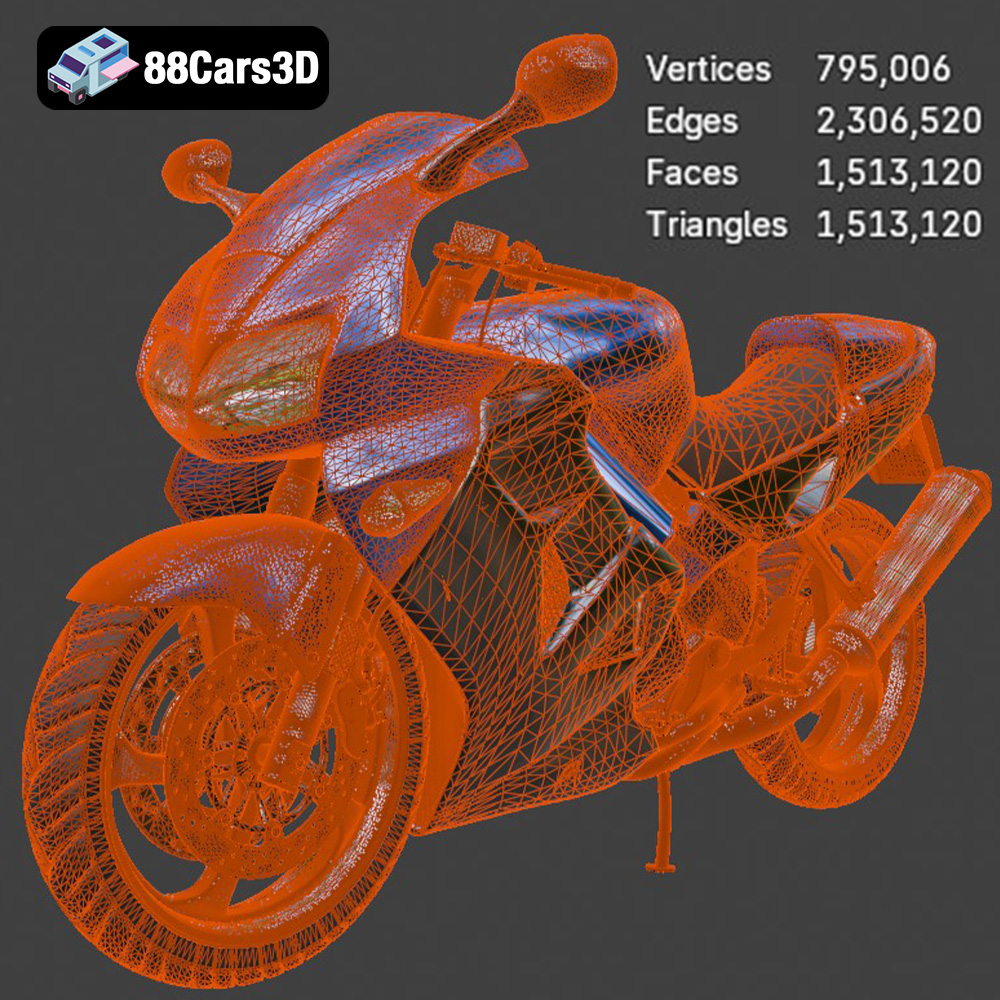
Premium 3D models adhere to strict industry standards for topology, UV layout, material setup, and scaling. The Honda VFR 801 3D Model’s description highlights “clean polygon geometry” and “fully optimized for smooth rendering and seamless subdivision,” which are hallmarks of a professionally built asset. This ensures consistency across projects and reduces the risk of encountering technical issues during integration into various pipelines. Artists can trust that these models will perform as expected, whether in a high-resolution render or a real-time game engine, maintaining a consistent level of quality across all outputs.
For small studios, freelance artists, or advertising agencies, access to a diverse library of high-quality 3D models expands their creative capabilities exponentially. Instead of being limited by their own modeling capacity, they can confidently tackle projects requiring specific vehicles or objects, knowing they can procure professional-grade assets quickly. This empowers them to bid on a wider range of projects, deliver superior results, and maintain a competitive edge in the fast-paced digital creative industry. The versatility of the Honda VFR 801 3D Model, with its multiple file formats and application readiness, makes it an ideal choice for such diverse needs.
The Honda VFR 801 3D Model stands as a testament to the power and versatility of meticulously crafted digital assets in today’s demanding creative and technical landscapes. From its optimized topology and realistic materials to its comprehensive array of industry-standard file formats, this model is designed to integrate seamlessly into virtually any professional pipeline. Whether your goal is to produce stunning automotive renders, build immersive game worlds, create interactive AR/VR experiences, or even generate physical prototypes through 3D printing, the precision and quality of the VFR 801 make it an invaluable resource.
Understanding the nuances of each file format and how a professional 3D asset contributes to specific workflows is crucial for maximizing efficiency and achieving unparalleled visual fidelity. For those seeking to elevate their projects with top-tier 3D car models and motorcycles, 88cars3d.com offers a curated selection of assets that meet these rigorous standards, empowering creators to bring their most ambitious visions to life with confidence and technical excellence.
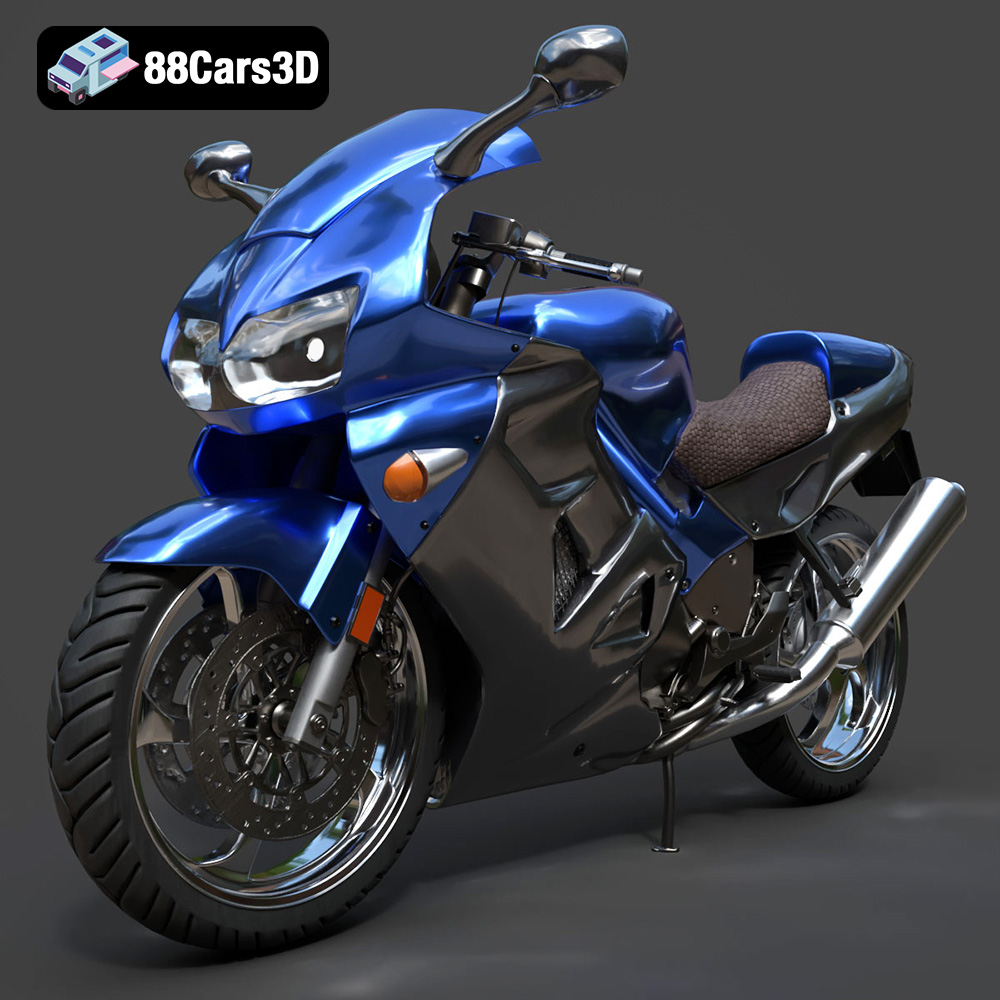
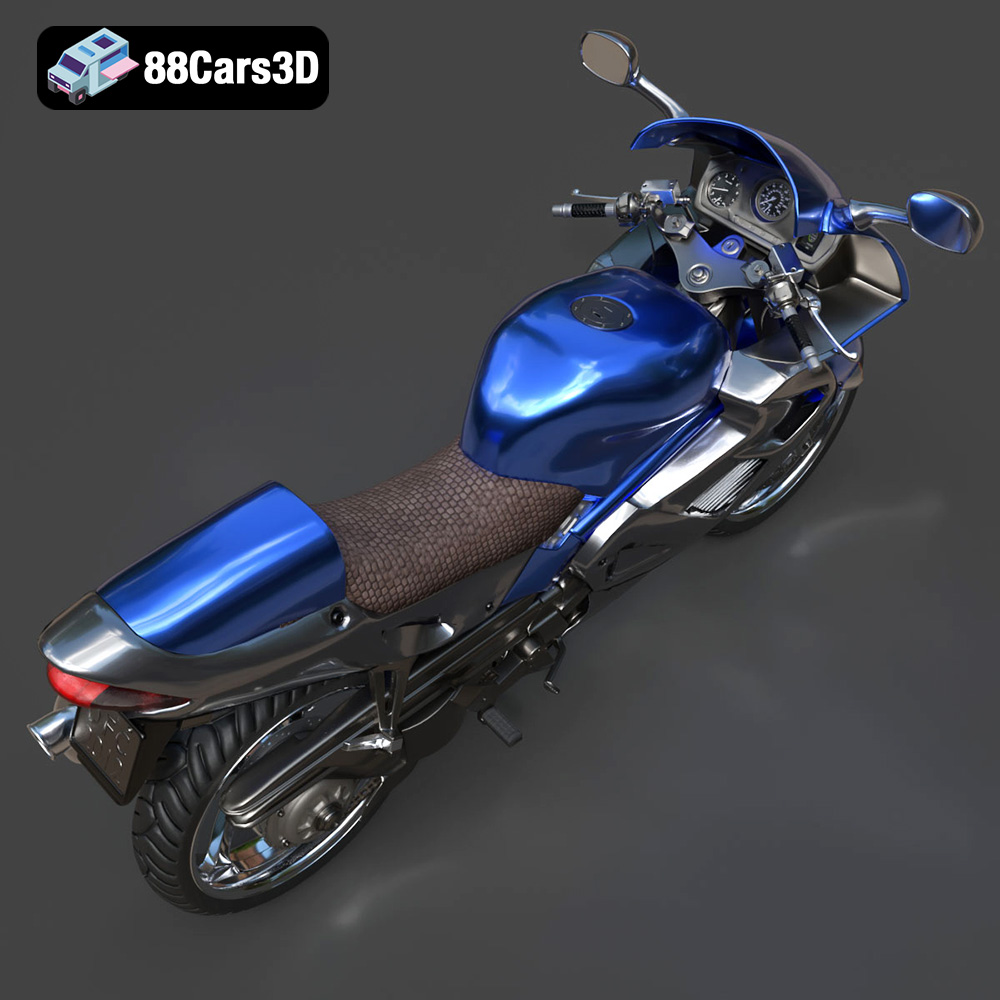
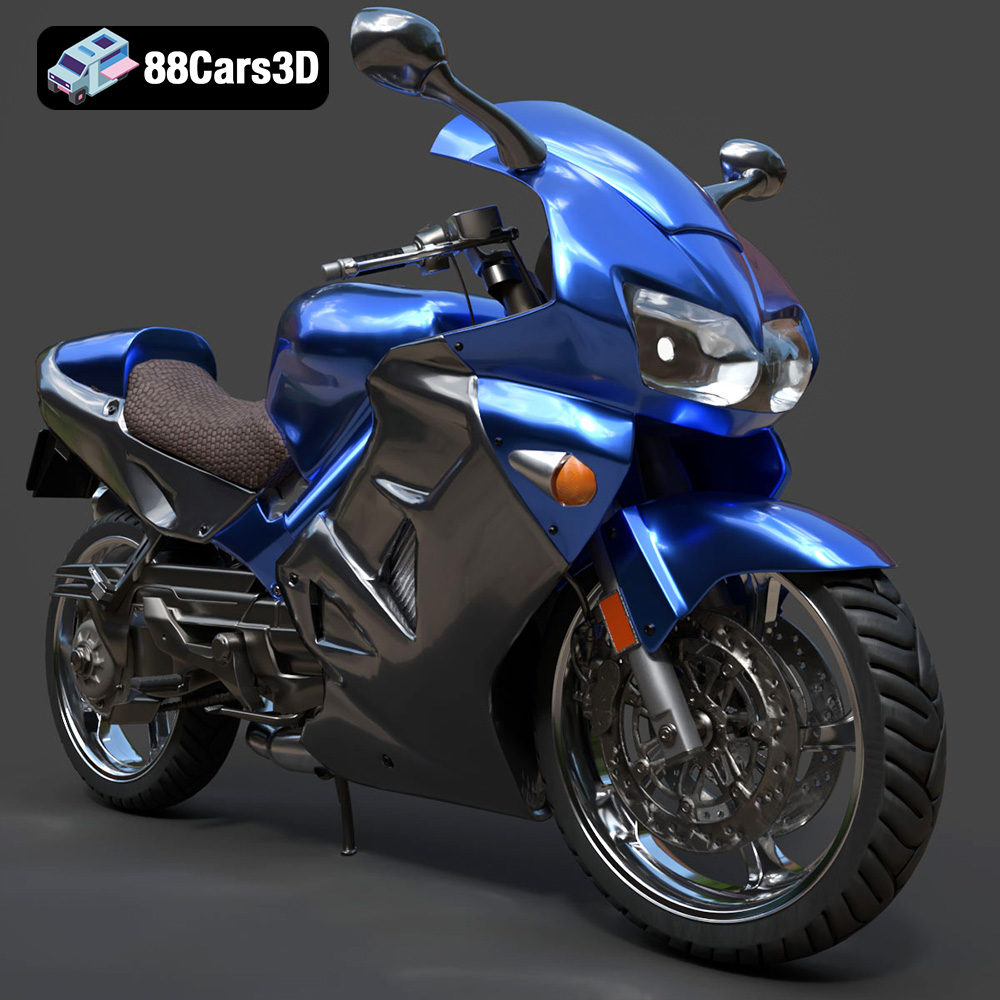
Experience unmatched realism with the Honda VFR 801-002 3D Model. Constructed with meticulous attention to detail, this professional 3D asset captures the dynamic essence and engineering precision of the iconic Honda VFR. It is designed to elevate your visual projects with accurate scaling and true-to-life aesthetics.
$39.99
.arvr
.blend
.car3dmodel
.fbx
.gameasset
.glb
.honda
.max
.motorcycle
.obj
.ply
.rendering
.simulation
.sportbike
.stl
.twowheeler
.unreal
.vfr