Unlocking Visual Excellence: The Power of Professional 3D Automotive Models
In the rapidly evolving landscape of digital visualization, the demand for high-quality 3D assets is at an all-time high. From blockbuster game titles and immersive virtual reality experiences to photorealistic architectural walkthroughs and compelling marketing campaigns, a detailed and accurate 3D model forms the bedrock of any successful project. For automotive enthusiasts and professionals alike, the ability to seamlessly integrate a meticulously crafted vehicle into diverse digital environments is not just a luxury, but a fundamental requirement.
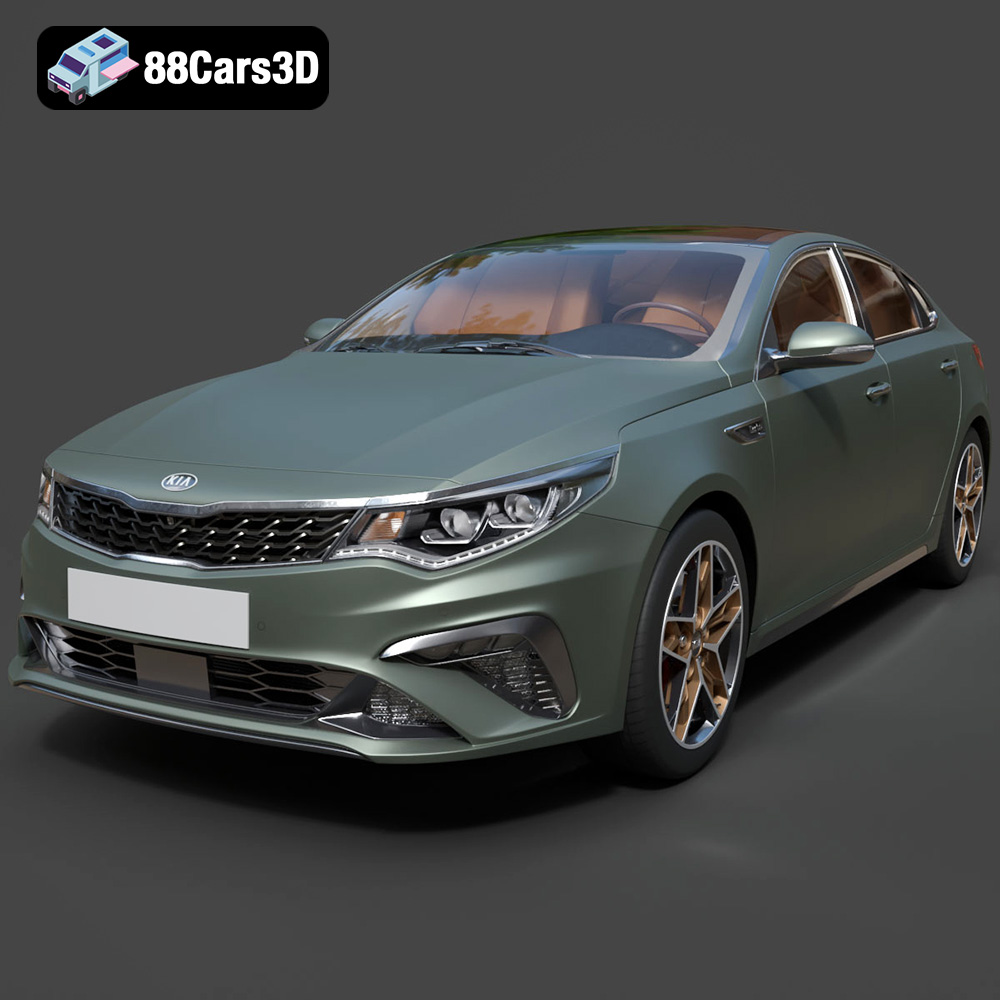
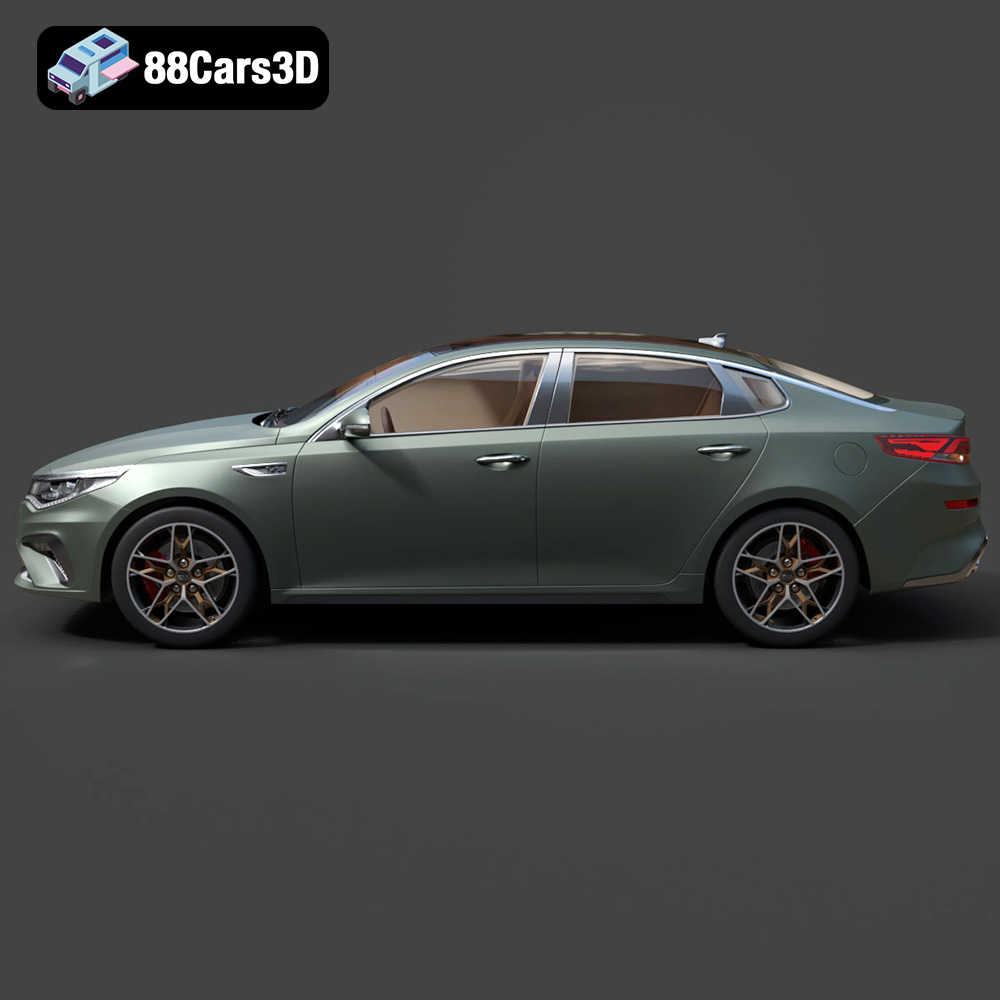
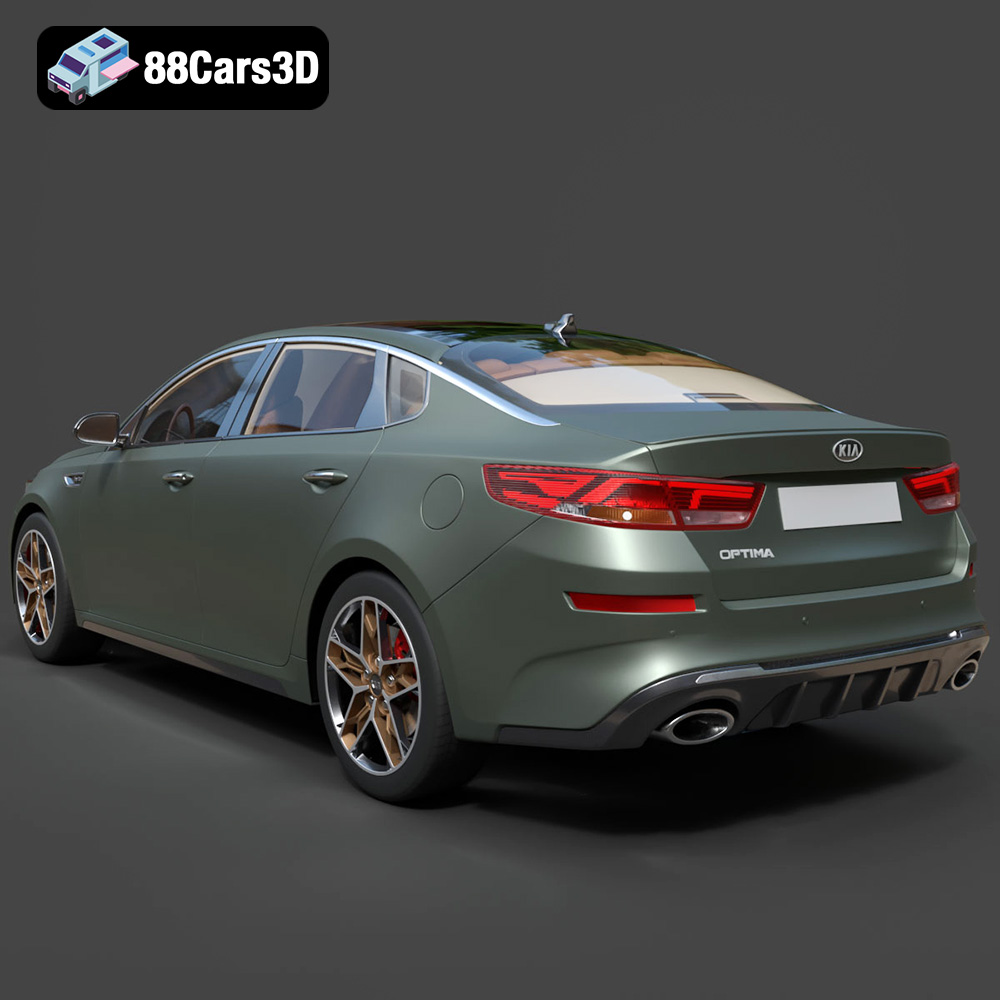
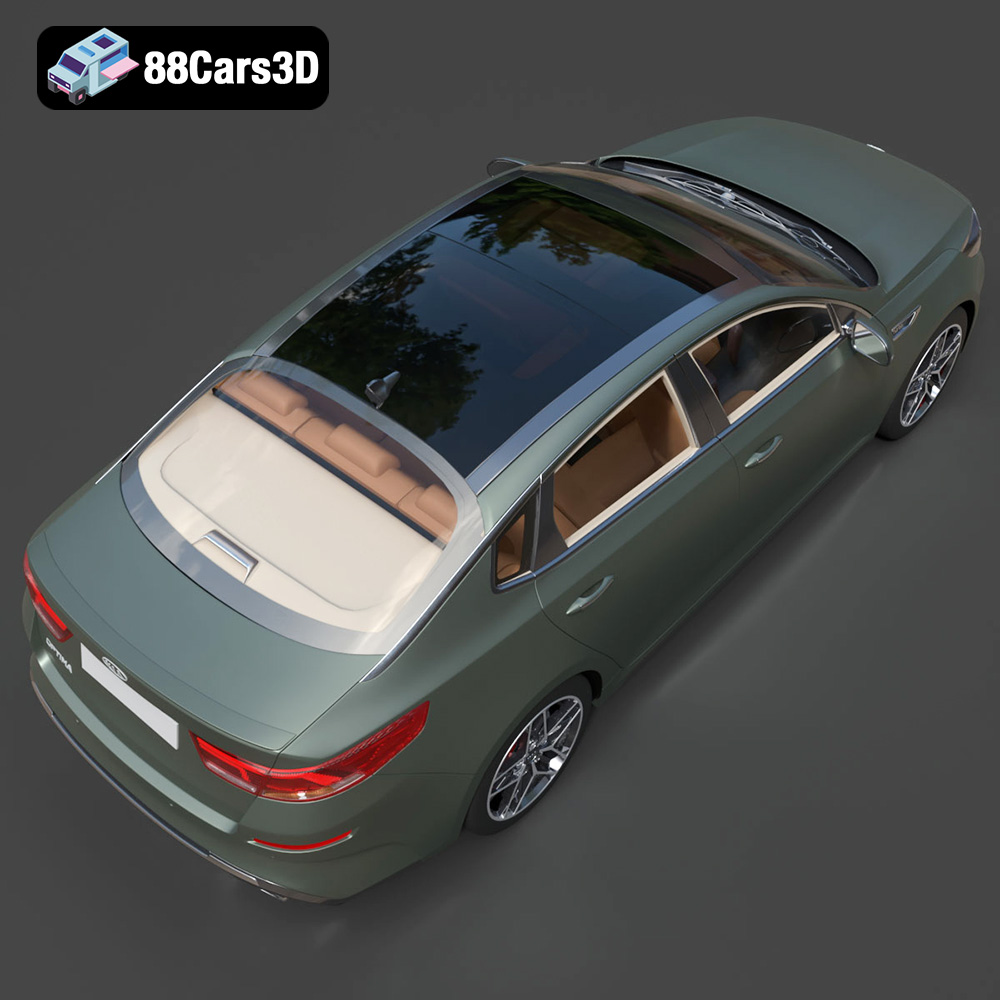
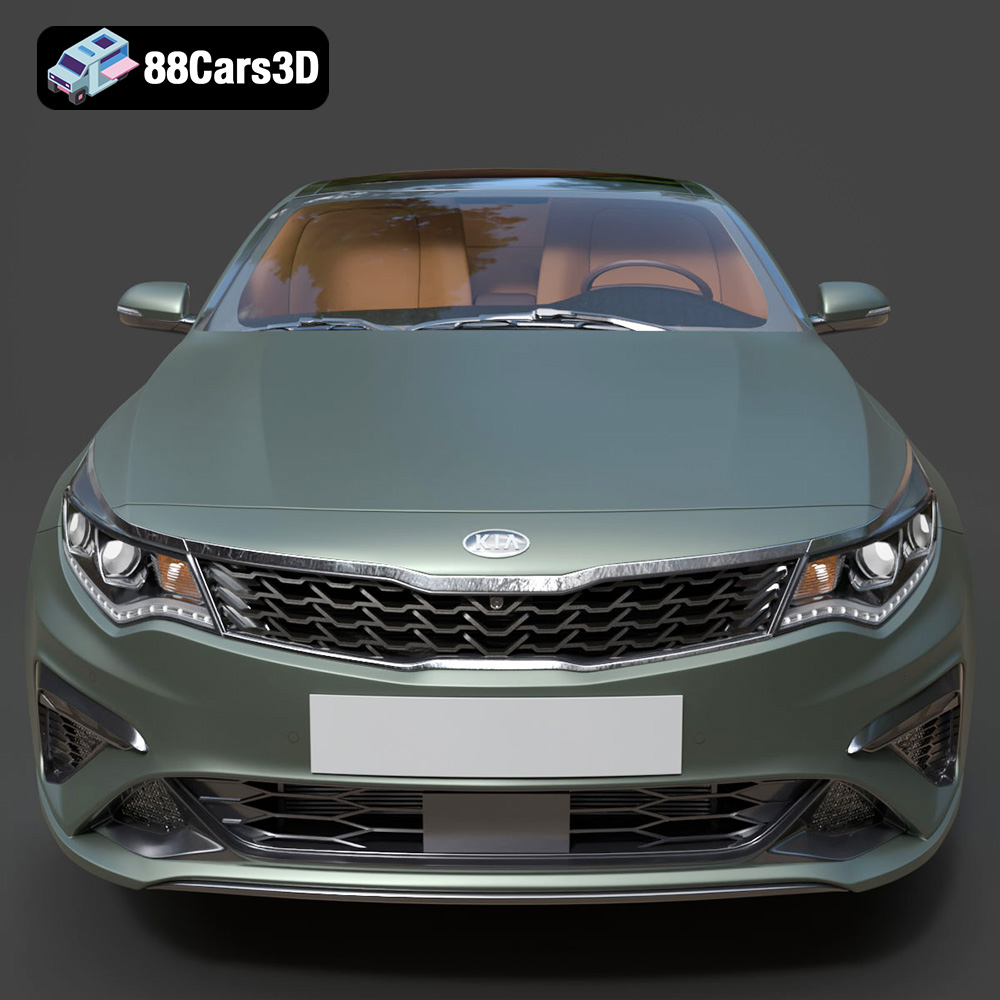
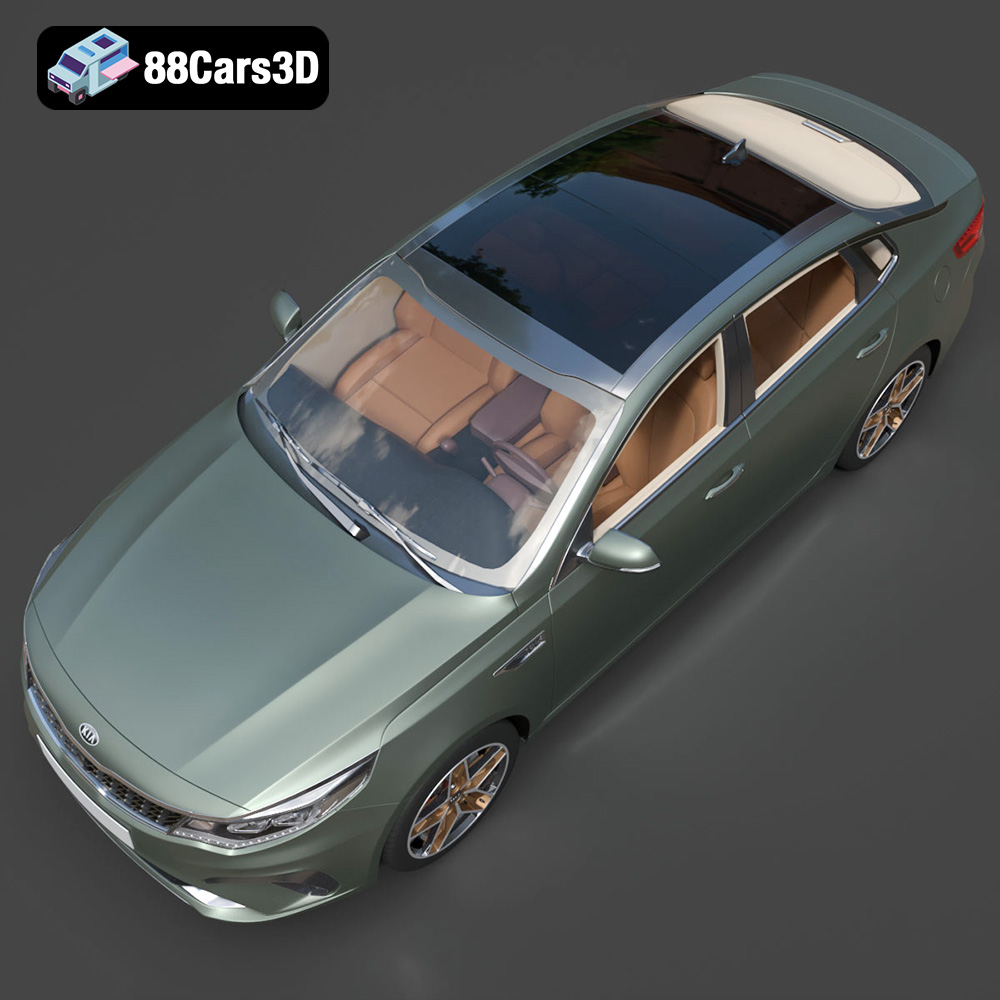
Today, we delve deep into the technical intricacies and workflow advantages of using premium 3D car models, exemplified by a standout asset: the Kia Optima 2019 3D model. This isn’t just a digital representation; it’s a testament to precision engineering, designed to replicate the authentic proportions and dynamic styling of the actual vehicle with exceptional accuracy. Whether you’re an automotive designer, a game developer, or a visualization artist, understanding the underlying technical specifications and versatile applications of such models can profoundly elevate your projects.
Understanding 3D Model File Formats
One of the most crucial aspects of working with 3D models, especially complex assets like vehicles, is understanding the various file formats available. Each format serves specific purposes, offering different levels of flexibility, compatibility, and optimization for various applications. The Kia Optima 2019 3D model, for instance, comes in a comprehensive array of formats, ensuring maximum utility across virtually any professional pipeline.
The Power of Proprietary and Engine-Specific Formats
- .blend (Blender): This is Blender’s native file format, offering a complete and fully editable scene. When you download a .blend file, you’re getting more than just the raw mesh; you’re often receiving the model with its materials, textures, lighting setup, and even animation data, all pre-configured within the Blender environment. It’s ideal for artists who primarily work within Blender and need the most flexibility for modifications, rendering with Cycles or Eevee, or further development. For the Kia Optima 2019, this means a ready-to-render scene out of the box.
- .max (3ds Max): Similar to .blend, .max is the native file format for Autodesk 3ds Max. It encompasses the entire scene, including geometry, materials, lighting, cameras, and animation. Professionals working with 3ds Max, particularly in architectural visualization, automotive design studios, or high-end rendering pipelines using V-Ray or Corona Renderer, will find this format indispensable for its complete editability and integration into existing 3ds Max workflows.
- .unreal (Unreal Engine): This format signifies an asset that is pre-configured and optimized specifically for Unreal Engine. Unlike a raw .fbx, an .unreal asset often includes correctly set up materials, LODs (Levels of Detail), collision meshes, and sometimes even Blueprint integrations, making it truly “engine-ready.” This saves significant development time for game designers and real-time visualization artists aiming for seamless integration into Unreal Engine projects.
Universal Interoperability and Real-Time Optimization
- .fbx (Filmbox): Developed by Autodesk, FBX is arguably the most widely adopted interchange format in the 3D industry, especially for animation and game development. It efficiently stores not only geometric data (vertices, faces, UVs) but also critical information like bone rigs, animations, blend shapes, and PBR (Physically Based Rendering) material data. Its robust nature makes it ideal for transferring models between different 3D applications and is the go-to format for importing assets into game engines like Unreal and Unity, as well as digital content creation (DCC) tools like Maya, 3ds Max, and Blender.
- .obj (Wavefront OBJ): As one of the oldest and most universal 3D file formats, .obj is a standard for cross-software compatibility. It primarily stores geometric data (vertex positions, UV coordinates, normals) and references external .mtl (material) files for color and texture information. While it doesn’t support animation or rigging, its simplicity and widespread support make it an excellent choice for static mesh transfer between almost any 3D software. It’s often used as a fallback when other formats present compatibility issues.
Specialized Formats for Modern Applications
- .glb (GL Transmission Format Binary): GLB is the binary version of the glTF format, specifically designed for efficient transmission and loading of 3D scenes and models in web and AR/VR environments. It packages all necessary data (geometry, materials, textures, animations) into a single file, making it incredibly lightweight and perfect for interactive web viewers, augmented reality applications, and virtual reality experiences where performance and quick loading are paramount. The Kia Optima 2019 in .glb is instantly ready for browser-based configurators or AR apps.
- .stl (Stereolithography): STL is the standard file format for 3D printing and rapid prototyping. It describes only the surface geometry of a 3D object using a collection of triangular facets, without any color, texture, or material information. For designers looking to turn their digital Kia Optima 2019 into a physical model, whether for design review, scale models, or functional prototypes, the .stl format is essential.
- .ply (Polygon File Format): PLY is a versatile format often used for storing 3D data from 3D scanners, CAD software, and scientific applications. It supports both triangular and polygonal faces, as well as properties like color, transparency, and normal vectors per vertex or per face. It’s excellent for precision mesh data, especially when detailed analysis or manipulation of the polygon structure is required, making it suitable for reverse engineering or high-fidelity visualization where mesh integrity is critical.
By offering the Kia Optima 2019 3D model in such a rich variety of formats, 88cars3d.com ensures that professionals can choose the exact file type needed, minimizing conversion headaches and maximizing project efficiency from the outset.
The Art and Science of High-Fidelity Automotive Models
The true value of a premium 3D car model, such as the Kia Optima 2019, lies in its meticulous construction. It’s not just about replicating the form; it’s about engineering the digital asset to perform flawlessly across diverse applications. This involves careful consideration of geometry, topology, and material realism.
Precision Geometry and Optimized Topology
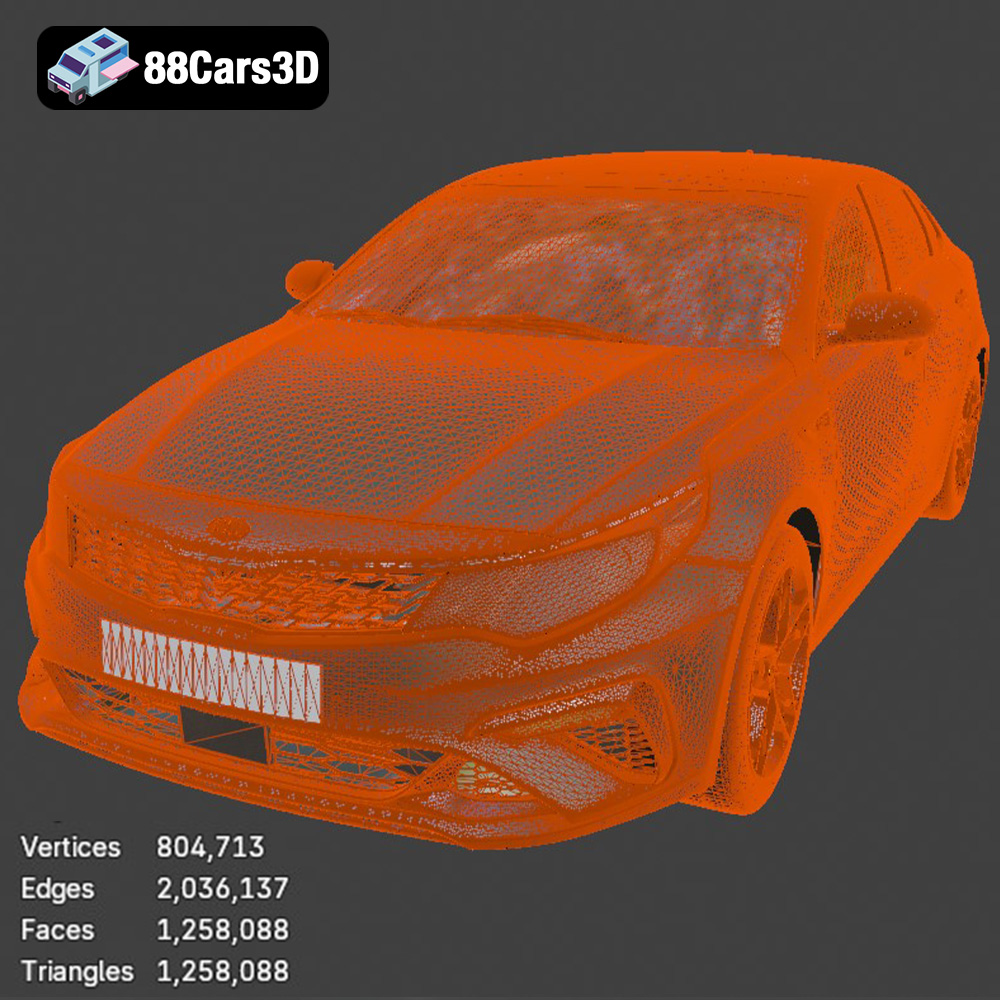
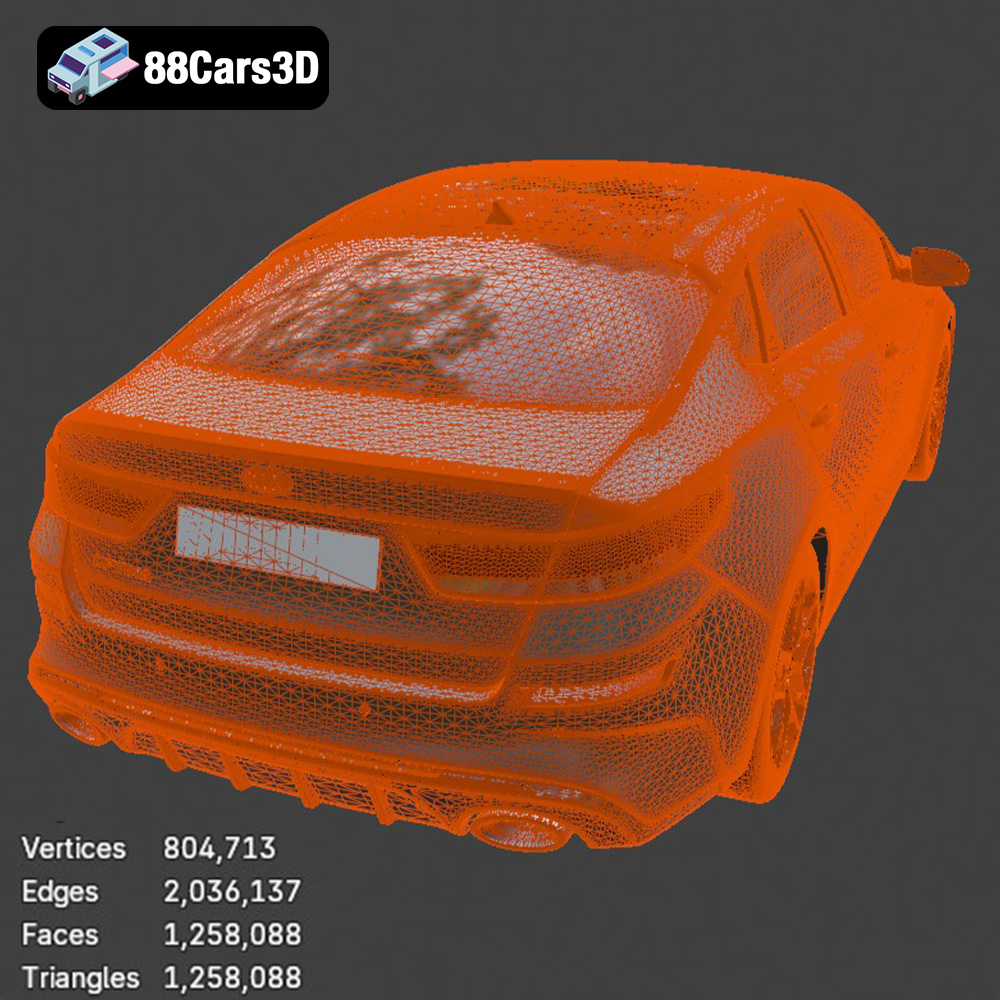
A “clean geometry” in a 3D model refers to a mesh that is free from artifacts like overlapping faces, non-manifold edges, or disconnected vertices. For automotive models, this precision is paramount. The body panels, intricate headlights, and detailed interiors of the Kia Optima 2019 are modeled with careful attention to these details, ensuring smooth surfaces and accurate reflections.
Equally important is “optimized topology.” This means the arrangement of polygons (faces, edges, vertices) is efficient and structured, typically using an all-quad mesh for subdivision surface modeling. Good topology leads to:
- Smooth Subdivision: Models can be easily smoothed using modifiers (like Subdivision Surface in Blender or TurboSmooth in 3ds Max) without pinching or distortion, crucial for high-resolution renders.
- Efficient Deformations: If the model were to be animated (e.g., suspension compression, door opening), clean topology would ensure realistic deformations.
- Resource Management: An optimized mesh uses just enough polygons to define the shape effectively, balancing visual fidelity with file size and real-time performance. This is critical for game assets and AR/VR, where performance budgets are tight.
The Kia Optima 2019 3D model boasts this professional-grade surfacing, ensuring that its curves and contours are both aesthetically pleasing and technically sound.
Realistic Materials and Texture Mapping (UVs)
Beyond the mesh itself, the materials define how a model looks. “Realistic materials” typically refers to Physically Based Rendering (PBR) workflows, where materials accurately simulate how light interacts with surfaces in the real world. This includes properties like albedo (base color), roughness, metallicness, normal maps, and ambient occlusion. For a car model like the Kia Optima 2019, this means accurately recreating the sheen of paint, the texture of tire rubber, the reflectivity of chrome, and the subtle variations in interior fabrics.
Proper UV mapping is the foundation for realistic texturing. UVs are 2D coordinates that tell the 3D software how to project a 2D texture onto a 3D surface. “Clean UVs” imply that the UV islands are unwrapped efficiently, without stretching, overlapping, or excessive seams. This allows textures to appear crisp and undistorted, contributing significantly to the model’s overall realism, whether for close-up renders or real-time display.
Mastering Automotive Rendering and Visualization
Once you have a meticulously crafted 3D car model, the next step is bringing it to life through rendering. This process transforms raw 3D data into a compelling 2D image or animation, crucial for marketing, design reviews, and high-impact presentations.
Crafting Cinematic Stills in 3ds Max
3ds Max, often paired with rendering engines like V-Ray or Corona Renderer, is a powerhouse for photorealistic automotive visualization. The .max file for the Kia Optima 2019 provides a perfect starting point. Professionals can:
- Set up Advanced Lighting: Utilizing HDRI (High Dynamic Range Image) environment maps for realistic global illumination, coupled with targeted area lights to accentuate specific features or add studio-like reflections.
- Fine-tune Materials: Leveraging V-Ray or Corona’s sophisticated material systems to enhance paint shaders, glass refractions, and tire textures, often using layered materials for depth and realism.
- Camera Composition and Depth of Field: Employing real-world camera settings to create dramatic compositions, controlling aperture and focus to draw the viewer’s eye.
- Render Elements and Post-Production: Outputting render passes (e.g., reflections, refractions, shadows, ambient occlusion) for greater control in post-production software like Adobe Photoshop or Nuke, allowing for color grading, atmospheric effects, and final polish.
This workflow enables the creation of stunning marketing imagery, often indistinguishable from actual photographs.
Dynamic Visualizations with Blender
Blender, with its powerful Cycles and Eevee renderers, offers an equally robust platform for automotive visualization. The .blend file of the Kia Optima 2019 provides a fully editable scene, allowing artists to:
- Explore Real-Time Rendering with Eevee: Rapidly iterate on lighting and material setups in a real-time viewport, ideal for quick previews and animations without extensive render times.
- Achieve Photorealism with Cycles: Utilize Cycles’ physically accurate ray tracing for breathtakingly realistic results, perfect for high-fidelity marketing visuals or detailed design studies.
- Develop Animated Sequences: Create compelling vehicle animations, from simple turntable renders to complex drive-bys, showcasing the Kia Optima 2019’s features in motion.
- Leverage Node-Based Shaders: Build incredibly complex and realistic material networks using Blender’s flexible node-based shader editor, allowing for intricate surface details and procedural variations.
Blender’s open-source nature and powerful capabilities make it a favorite for many independent artists and studios seeking a comprehensive and flexible solution.
Driving Real-Time Experiences: Game Assets and AR/VR
The requirements for 3D models in real-time environments like game engines or AR/VR applications are vastly different from those for offline rendering. Here, performance is king, and optimization is crucial.
Optimizing for Unreal Engine and Unity
For game developers and interactive experience creators, the Kia Optima 2019 3D model is provided in game-engine ready formats like .fbx and .unreal. This is vital for efficient workflow:
- Low Poly Base Mesh with LODs: While the base model may be high fidelity, for real-time applications, often multiple Levels of Detail (LODs) are required. These are progressively lower-polygon versions of the model that swap in as the camera moves further away, drastically reducing the poly count rendered at a distance and boosting frame rates.
- Baked Textures and PBR Materials: Complex lighting and ambient occlusion information can be “baked” into textures, rather than calculated in real-time, for performance. PBR material workflows (albedo, normal, roughness, metallic maps) ensure visual consistency and realism across different lighting conditions within the engine.
- Collision Meshes: For interactive applications, a simplified collision mesh (often a convex hull or simple primitives) is created to define the physical boundaries of the vehicle for physics simulations without needing to calculate collisions on the complex visual mesh.
- Engine-Specific Optimization: The .unreal format for the Kia Optima 2019 implies that these optimizations have been considered and implemented, providing an asset that drops into your Unreal project with minimal fuss, ready for vehicle systems, driving mechanics, and environment integration.
This robust preparation allows the Kia Optima 2019 to be seamlessly integrated into driving simulators, open-world games, or interactive configurators.
Immersive AR/VR Applications
Augmented Reality (AR) and Virtual Reality (VR) demand extremely efficient models due to the high frame rate requirements (often 90 FPS per eye for VR to prevent motion sickness). The .glb format for the Kia Optima 2019 is specifically optimized for these uses:
- Single File Portability: GLB packages everything into one file, making it easy to deploy on web platforms (e.g., for AR Quick Look on iOS or WebXR) or within dedicated AR/VR applications.
- Optimized for Web Delivery: Its compact nature ensures fast loading times, crucial for web-based AR experiences where users expect instant gratification.
- Visual Fidelity in Real-Time: Despite the optimizations, the inherent quality of the Kia Optima 2019 model ensures that it looks fantastic even in a real-time, interactive setting, providing a highly immersive experience whether placed virtually in a real-world environment or explored within a synthetic VR space.
From Digital to Tangible: 3D Printing and Prototyping
The utility of a high-quality 3D car model extends beyond the digital realm. With the advent of accessible 3D printing, these models can transcend the screen and become physical objects.
Preparing Models for Additive Manufacturing
The .stl and .ply formats for the Kia Optima 2019 are essential for this purpose:
- STL for Printability: The .stl format is the industry standard for 3D printing. A well-constructed model, like the Kia Optima 2019, will have a manifold mesh (watertight, no holes) that translates cleanly into a printable object. Designers can use this to create scale models for display, rapid prototypes for aerodynamic testing, or even parts for custom modifications.
- PLY for Precision and Analysis: While STL is universal for printing, PLY offers more detailed mesh information. This can be beneficial for specific industrial applications where precise measurement or analysis of the model’s geometry is required before printing, ensuring that the physical prototype perfectly matches the digital design.
The ability to transition from a digital rendering to a physical prototype streamlines design iterations and allows for tangible evaluation of aesthetic and functional aspects of the vehicle.
The Strategic Advantage of Professional 3D Assets
In today’s competitive digital landscape, time is money, and quality is non-negotiable. Investing in professional-grade 3D car models like the Kia Optima 2019 offers a significant strategic advantage for individuals and studios alike.
The 88cars3d.com Quality Assurance
Sourcing high-quality assets from reputable marketplaces such as 88cars3d.com ensures that you are starting with a solid foundation. Models available here are crafted to meet industry standards, providing “clean geometry, realistic materials, and an optimized topology.” This immediately translates into:
- Time Savings: Rather than spending countless hours modeling a vehicle from scratch, a ready-to-use asset allows artists to focus on creative tasks like scene composition, lighting, and animation.
- Cost-Effectiveness: The cost of purchasing a pre-made, high-quality model is often a fraction of the expense involved in hiring a 3D artist to create it bespoke.
- Consistent Quality: Professional models guarantee a certain level of detail and technical correctness that might be hard to achieve consistently across multiple projects otherwise.
- Versatility: The Kia Optima 2019 model, with its multiple file formats, allows for seamless integration into various pipelines – from game development and architectural rendering to AR/VR experiences and film production – maximizing its utility across a broad spectrum of professional projects.
For any professional project requiring a Kia Optima 2019, acquiring a model that is meticulously crafted and versatile across formats is an intelligent decision that fosters efficiency and elevates the final output.
Conclusion
The world of 3D modeling for automotive design, rendering, and game development is complex and demanding, yet incredibly rewarding. The foundation of success in this domain lies in the quality of your core assets. A meticulously crafted 3D car model, such as the Kia Optima 2019, stands as an exemplar of technical excellence, offering clean geometry, optimized topology, and realistic materials across a spectrum of essential file formats.
From crafting cinematic renders in 3ds Max and Blender to deploying game-ready assets in Unreal Engine, or even producing physical prototypes via 3D printing, the versatility and precision of such a model are invaluable. It streamlines workflows, reduces development time, and ultimately enables creators to achieve stunning visual fidelity in any medium. When seeking premium 3D car models that meet professional industry standards and provide maximum compatibility, resources like 88cars3d.com are indispensable.
Featured 3D Model
Kia Optima 2019 3D Model
Experience precision and realism with the Kia Optima 2019 3D model. Designed to replicate the authentic proportions and dynamic styling of the actual vehicle, this model provides exceptional accuracy for various professional projects.
This model boasts clean geometry, realistic materials, and an optimized topology that ensures seamless integration into your workflow. It is meticulously crafted to meet industry standards with professional-grade surfacing.
Perfect for a wide range of applications, the Kia Optima 2019 3D model is ready to be utilized in game development, architectural rendering, AR/VR experiences, film production, and automotive visualization.
Available in multiple versatile file formats to ensure maximum compatibility:
- .blend – Editable Blender file with materials and lighting setup
- .fbx – Game-engine ready format for Unreal Engine and Unity
- .obj – Standard 3D model format compatible with all major software
- .glb – Optimized for AR/VR and web-based visualization
- .stl – Suitable for 3D printing and prototyping
- .ply – Detailed polygon mesh for analysis and visualization
- .unreal – Pre-configured for Unreal Engine use
- .max – Editable 3ds Max file for rendering and animation
$39.99
View This Model
Related Tags
.arvr
.blend
.car3dmodel
.familycar
.fbx
.gameasset
.glb
.kia
.max
.obj
.optima
.ply
.rendering
.sedan
.simulation
.stl
.unreal