Get 20% OFF All Premium 3D & STL Models!

In the dynamic world of 3D visualization, the demand for high-fidelity automotive assets has never been greater. Whether you’re a game developer striving for immersive realism, an architect integrating vehicles into a grand visualization, or a marketer crafting compelling product showcases, the quality of your 3D car models is paramount. These aren’t just decorative elements; they are complex digital sculptures that demand precision, optimization, and versatility.
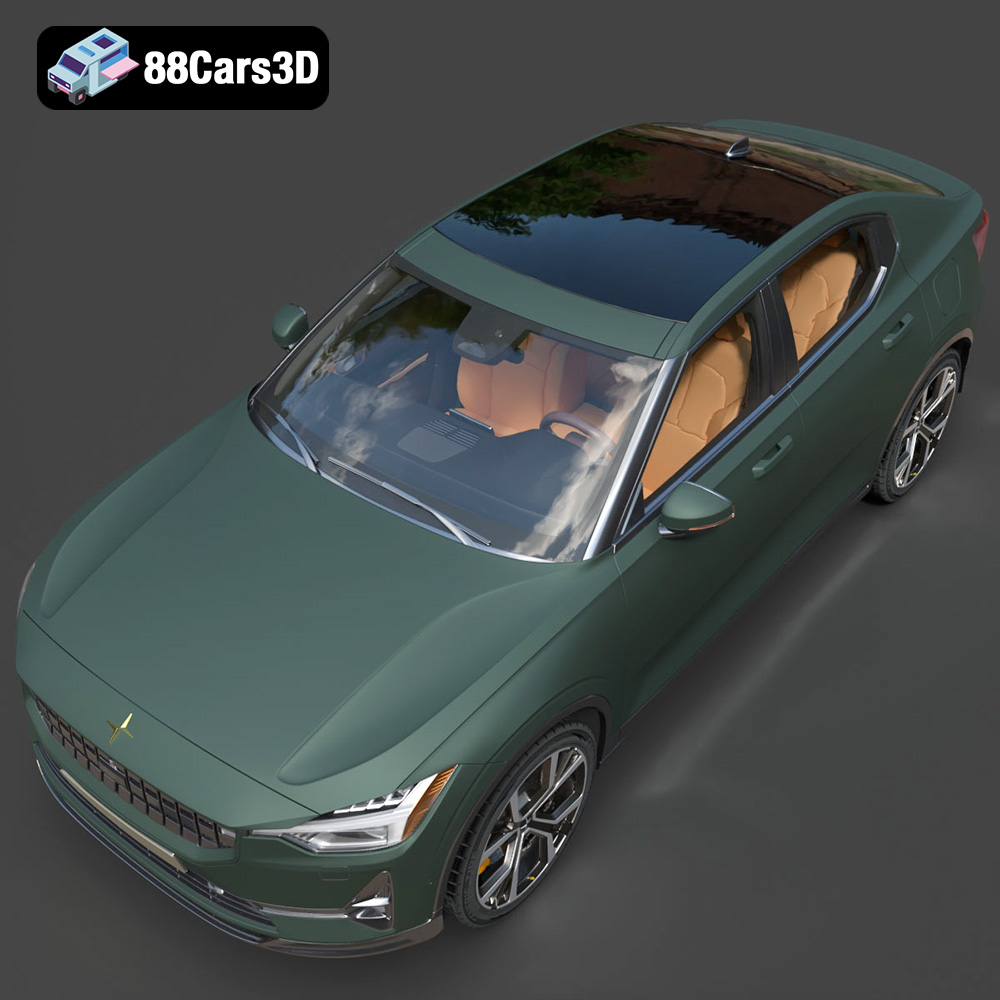
A truly exceptional 3D vehicle model acts as the cornerstone for a myriad of creative endeavors. It must stand up to intense scrutiny in close-up renders, perform flawlessly in real-time game engines, and even translate accurately into physical prototypes. This pursuit of digital perfection brings us to the Polestar 2 2020 3D Model, a stellar example of an asset designed to meet these diverse and demanding professional needs. Its blend of meticulous design, optimized topology, and multi-format compatibility offers a robust solution for a wide range of applications, embodying the excellence found at marketplaces like 88cars3d.com.
Crafting a professional 3D car model is a sophisticated process that merges artistic skill with technical expertise. It involves far more than simply replicating a vehicle’s exterior; it’s about capturing its essence, optimizing its geometry for performance, and ensuring its adaptability across various software and platforms.
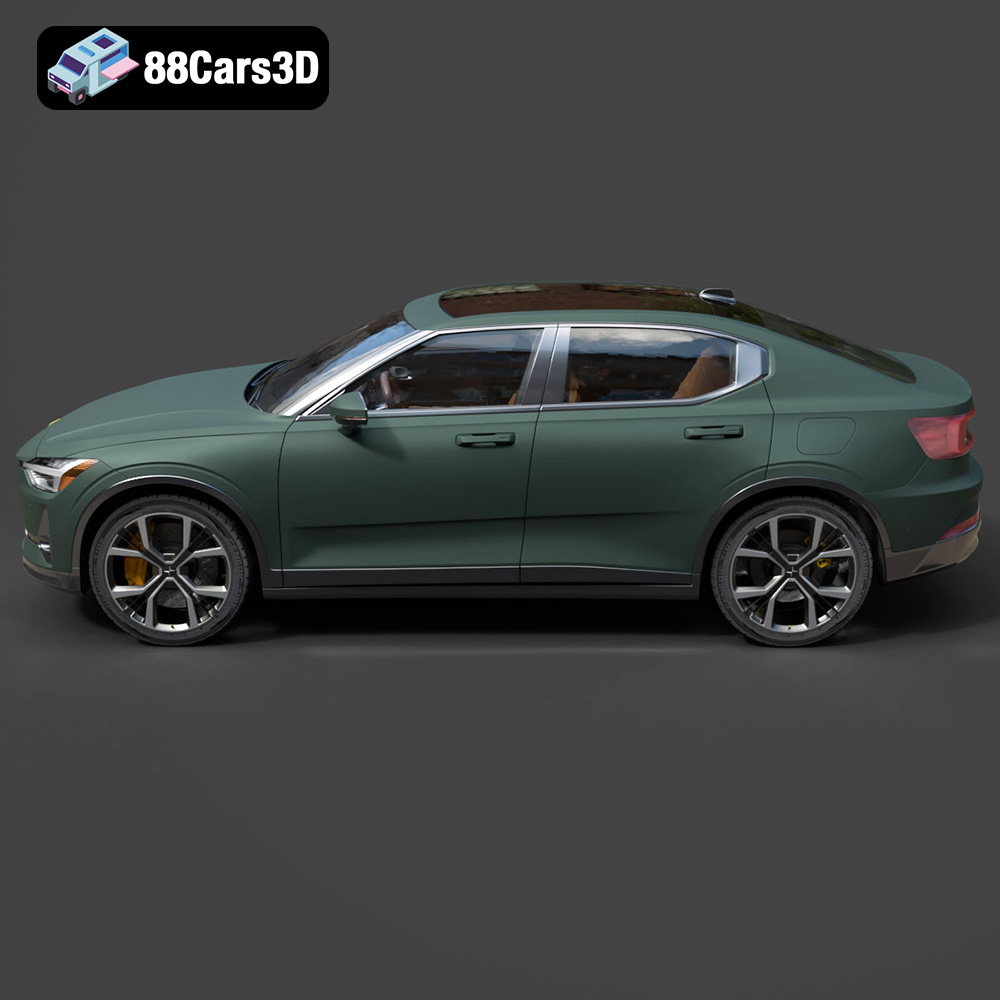
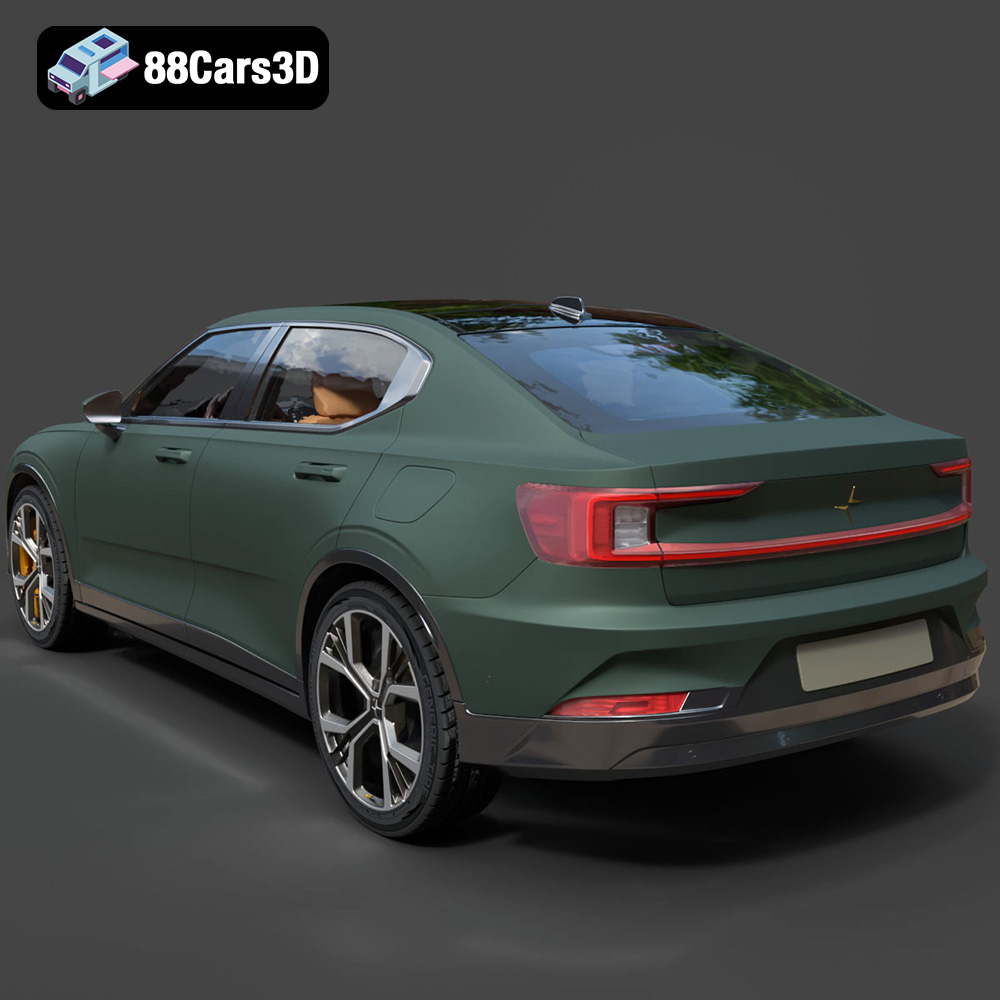
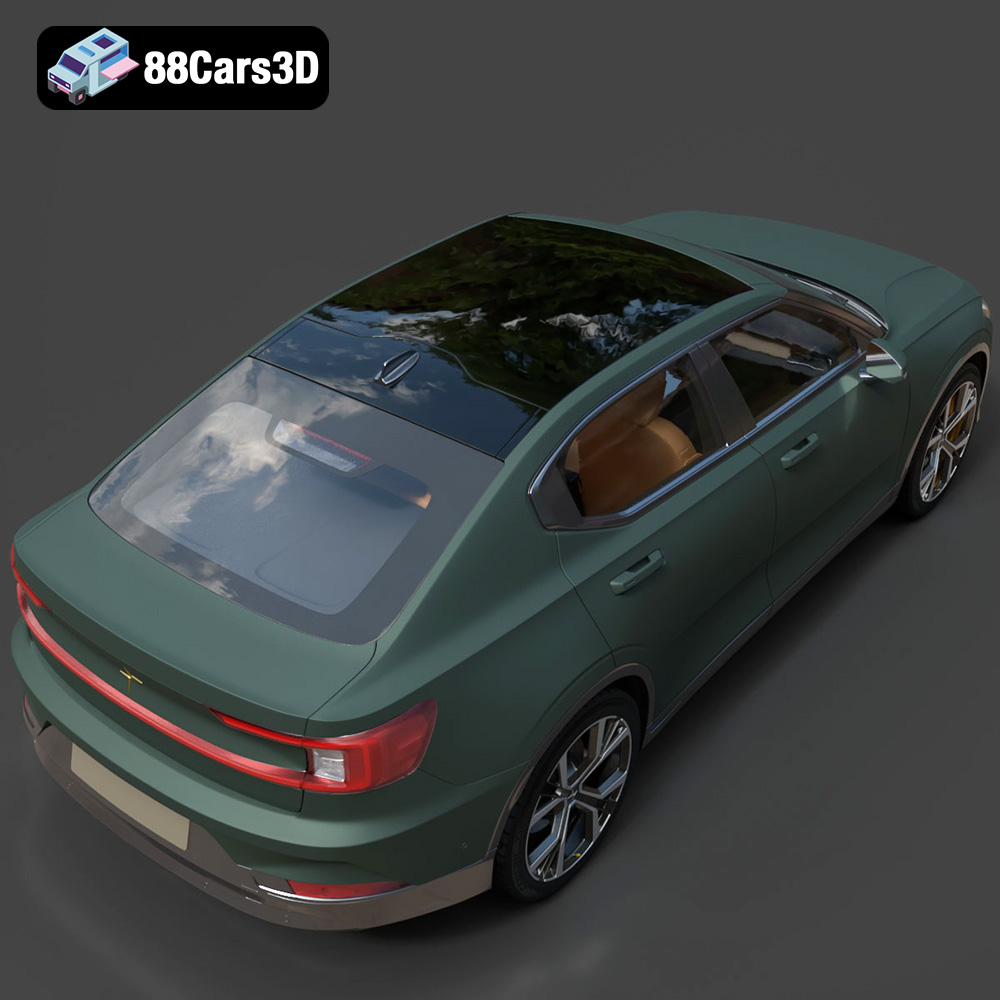
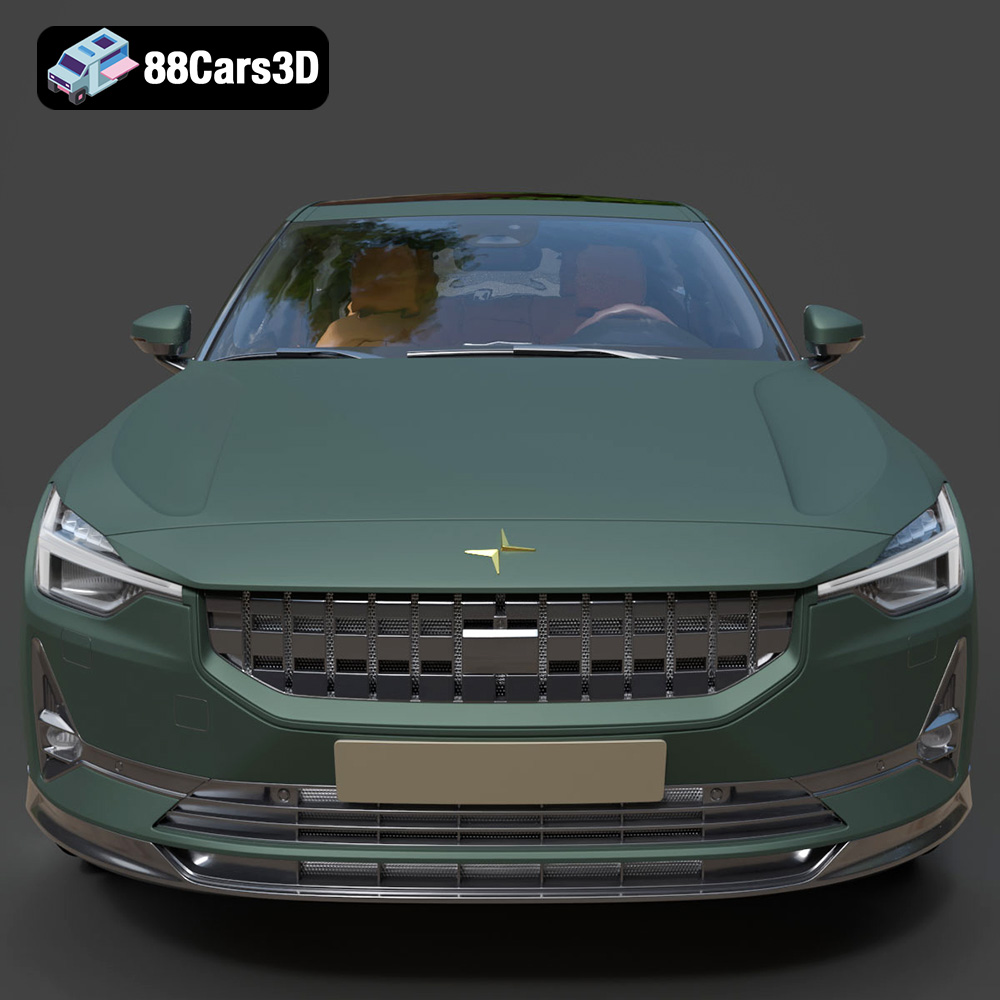
The foundation of any great automotive 3D model lies in its accuracy. This means meticulously studying the real-world vehicle’s dimensions, curves, and distinctive features. For a model like the Polestar 2 2020, this involves replicating its sleek fastback body geometry, aerodynamic proportions, and iconic visual elements such as the signature pixel LED headlights and continuous rear lightbar. Every detail, from the frameless side mirrors to the precise placement of the EV battery pack and undercarriage, contributes to the model’s authenticity. This level of detail extends to the interior, where minimalist Scandinavian vegan design principles, an accurately modeled steering wheel, digital instrument cluster, and a distinctive geometric gear selector are faithfully recreated to provide a complete and immersive experience.
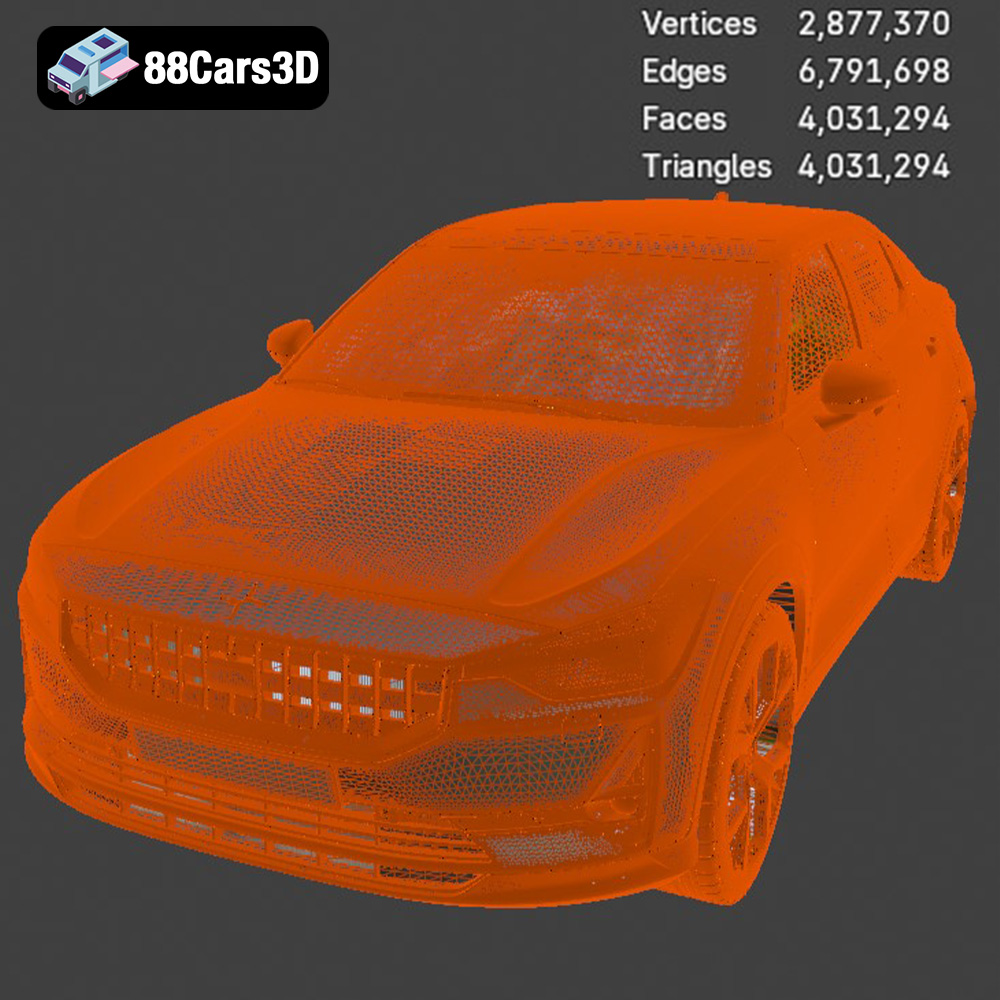
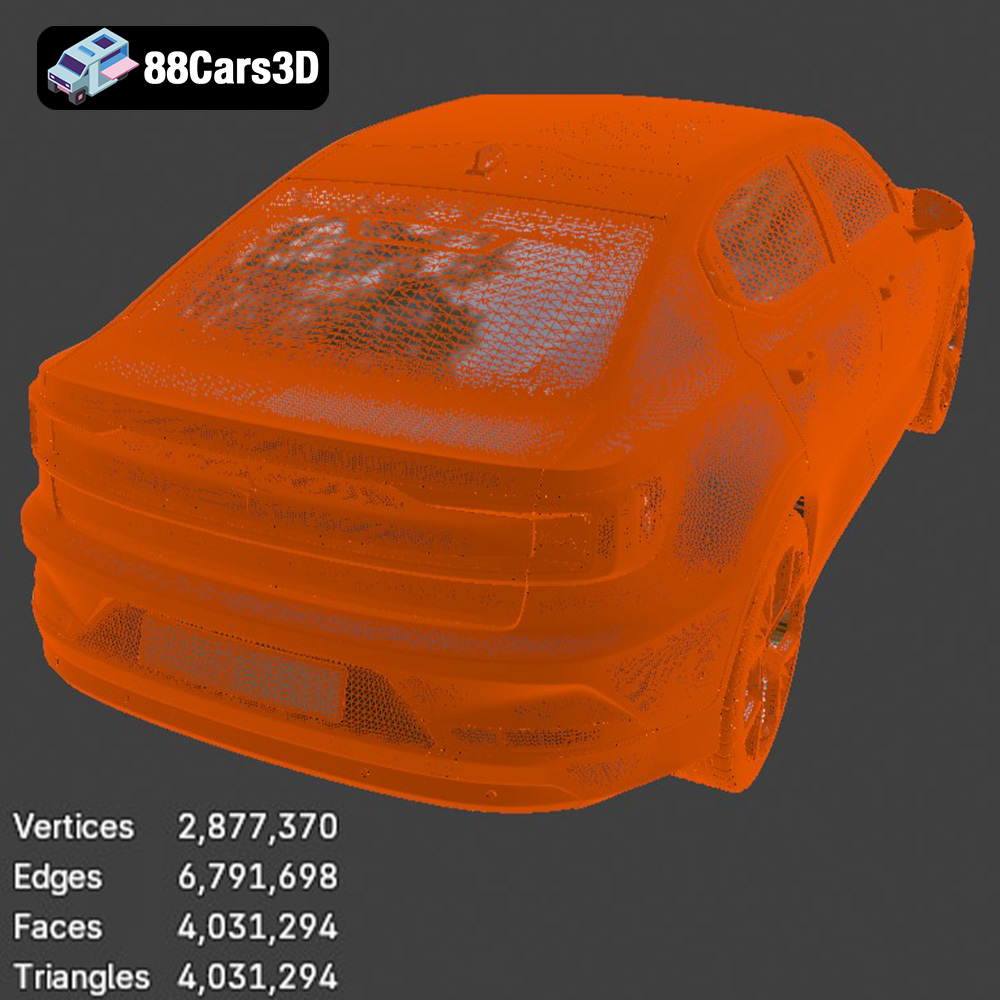
While accuracy is crucial, raw detail can often lead to unmanageable file sizes and poor performance, especially in real-time environments. Professional 3D car models strike a delicate balance through optimized topology. This involves carefully managing the polygon count to achieve high-end visual fidelity without bogging down rendering engines or game framerates. The Polestar 2 2020 3D Model, with its estimated 120,000 triangles, exemplifies this balance. This polycount is perfectly suited for modern game engines like Unreal and Unity, allowing for stunning visuals in racing titles or open-world games, while also remaining efficient enough for interactive AR/VR experiences. Proper pivot setups for steering, wheel rotation, and suspension travel are also integrated, enabling realistic animation and dynamic interaction within complex scenes.
The choice of file format is a critical decision in any 3D workflow, dictating compatibility, feature retention, and optimization for specific applications. Understanding the strengths of each format is key to maximizing the utility of premium 3D car models like the Polestar 2 2020, ensuring they seamlessly integrate into diverse projects.
.blend: This is Blender’s native file format, offering a fully editable scene with all associated materials, textures, animations, and scene settings preserved. For users working within the Blender ecosystem, a .blend file is ideal as it provides maximum flexibility for customization and further development. Artists can easily modify geometry, adjust materials, rig components, or set up complex lighting scenarios without loss of data. When you download a .blend file for the Polestar 2 2020 3D Model, you get a complete, ready-to-work project file.
.max: Similarly, .max is the native file format for Autodesk 3ds Max. It stores all scene information, including polygonal meshes, materials, textures, lighting, cameras, and animation data. Professionals relying on 3ds Max for architectural visualization, animation, or high-end rendering will find the .max format indispensable. It allows for advanced rendering setups with V-Ray or Corona, complex rigging, and integration with other Autodesk products. The .max version of the Polestar 2 2020 offers a robust starting point for detailed rendering projects.
.fbx (Filmbox): Developed by Autodesk, FBX is widely regarded as the industry standard for interoperability between different 3D software applications and game engines. It supports geometry, materials, textures, animations, and even skeletal rigs. Its strength lies in its ability to transfer complex data reliably, making it ideal for Unreal, Unity, and real-time pipelines. For game developers or animation studios, the .fbx version of the Polestar 2 2020 3D Model is typically the go-to choice for importing assets directly into their development environments, ensuring that critical data like pivot points for wheels and suspension are preserved.
.obj (Wavefront OBJ): This is a simpler, universal format primarily focused on geometry (vertices, normals, texture coordinates, and faces). While it doesn’t typically store animation or rigging data, it’s exceptionally compatible across virtually all 3D software. For basic mesh transfers, 3D printing preparation, or when detailed material setups are done natively in the target software, .obj is a reliable choice. It’s often paired with a separate .mtl (material template library) file for basic material definitions. The .obj version of the Polestar 2 2020 ensures broad cross-software compatibility, making it accessible to a wider range of users.
.glb (GL Transmission Format Binary): GLB is a binary version of the glTF format, optimized for efficient loading and rendering in AR, VR, and web-based applications. It encapsulates models, textures, and animations into a single, compact file, making it perfect for quick display in browsers or mobile AR experiences. For creating interactive virtual showrooms or product configurators with the Polestar 2 2020, the .glb format is highly recommended due to its performance and ease of deployment.
.stl (Stereolithography): STL is the standard file format for 3D printing. It represents a 3D model as a series of connected triangles, defining only the surface geometry without color or texture information. While the Polestar 2 2020 model is primarily designed for rendering, its inclusion in .stl format allows hobbyists and designers to output a display-scale physical model. It requires specific preparation and slicing software, ensuring features like wall thickness and support structures are correctly planned.
.ply (Polygon File Format): Also known as the Stanford Triangle Format, .ply is a precision mesh format capable of storing a wide range of properties beyond just geometry, including color, transparency, normals, and even confidence values for scanned data. It’s often used in scientific visualization, CAD, and when dealing with meshes generated from 3D scanning. For highly precise analysis or specialized rendering, the .ply version of the Polestar 2 2020 can be invaluable.
.unreal: This isn’t a standalone file format but rather an engine-ready asset package specifically prepared for Unreal Engine. It often refers to a collection of files (like .fbx, textures, materials, and Blueprints) organized and optimized within an Unreal Engine project structure, ready for direct import or migration. For users focused on developing games or real-time simulations within Unreal, having the Polestar 2 2020 delivered as an “unreal” package streamlines the workflow significantly, minimizing setup time and maximizing engine performance.
Game development demands a precise blend of visual fidelity and uncompromising performance. High-quality 3D car models are central to creating believable virtual worlds, and the Polestar 2 2020 3D Model is engineered to excel in this environment.
When integrating a vehicle like the Polestar 2 2020 into a game engine such as Unreal Engine, the workflow focuses on efficiency and realism. The model’s optimized topology (~120,000 triangles) is crucial here, offering a high level of detail without overtaxing the rendering pipeline. Developers typically import the .fbx or the dedicated .unreal package into Unreal. This ensures correct scaling, proper pivot points for animation (e.g., separate wheels, suspension, and steering components), and accurate UV mapping for textures. Materials are then set up within Unreal’s powerful node-based editor, utilizing PBR (Physically Based Rendering) principles to achieve realistic metallic finishes, glass reflections, and tire textures. Collision meshes are often generated or provided to ensure proper physical interaction within the game world, allowing the Polestar 2 to react authentically to terrain and impacts.
The versatility of a well-crafted 3D car model extends to its application across various game genres. In racing titles, the Polestar 2 2020 becomes a core vehicle, where its accurate body geometry and distinct aesthetic can be showcased through dynamic camera angles and high-speed action. Its detailed interior features, like the digital instrument cluster and infotainment screen, become critical for first-person POV in simulators, enhancing player immersion. For open-world games, this model serves as a convincing element of environmental storytelling, populating virtual cities or providing a playable vehicle for players to explore vast landscapes. The ability to customize body colors and material finishes further allows game designers to integrate the Polestar 2 seamlessly into diverse visual styles and narratives, making it ideal for urban racing games or sustainable tech showcases.
Beyond interactive applications, high-end automotive rendering is a powerful tool for marketing, advertising, and product visualization. The Polestar 2 2020 3D Model provides the perfect foundation for creating breathtaking visual content that captures attention and conveys luxury.
Achieving hyper-realistic renders requires a deep understanding of lighting and materials within rendering software like 3ds Max or Blender. Using the .max or .blend files of the Polestar 2 2020, artists can leverage advanced rendering engines such as V-Ray, Corona Renderer, or Cycles. Studio lighting setups, often involving HDRIs (High Dynamic Range Images) and strategic area lights, are used to highlight the vehicle’s form, reflections, and unique design features. The model’s high-quality UVs allow for detailed texture maps, enabling realistic paint shaders with metallic flakes, accurate glass refractions, and intricate tire tread patterns. The ability to modify tire textures (e.g., all-season vs. performance variants) and adjust material finishes (matte, gloss, metallic) provides complete creative control, allowing artists to create bespoke visualizations that truly stand out.
The applications for high-fidelity automotive rendering extend far beyond traditional car advertisements. Architectural visualization benefits immensely from the inclusion of realistic 3D car models, breathing life into renders of residential complexes, commercial spaces, or futuristic urban environments. Placing the Polestar 2 2020 within a contemporary architectural scene instantly elevates the visual narrative, adding a touch of modern luxury and functionality. For brand campaigns, this model can be integrated into lifestyle scenes, conveying a sense of aspiration and innovation. The accuracy and detail of the Polestar 2 model allow it to serve as a versatile asset for product launches, virtual showrooms, and promotional materials, enabling brands to showcase their vehicles in compelling and photorealistic contexts without the expense of physical photography shoots.
The digital frontier continues to expand, and premium 3D assets are at the forefront of this evolution, unlocking new possibilities in augmented reality, virtual reality, and even physical fabrication.
The Polestar 2 2020 3D Model is ideally suited for immersive AR/VR experiences. Utilizing the .glb format, developers can create virtual showrooms where customers can walk around, inspect, and interact with the vehicle in a fully immersive environment. Imagine being able to open doors, change interior colors, or experiment with exterior finishes in real-time. Mobile AR applications can project the Polestar 2 into real-world settings, allowing potential buyers to visualize the car in their driveway or parking spot before making a purchase. The model’s optimized geometry and detailed interior make it perfect for first-person POV interactions, offering a seamless and engaging experience that bridges the gap between digital and physical product exploration.
While primarily designed for screen-based applications, the Polestar 2 2020 3D Model also offers the unique opportunity for physical manifestation through 3D printing. The inclusion of the .stl file format caters to hobbyists and designers who wish to create display-scale models. Preparing a model for 3D printing requires specific considerations: recommended scales (1:12, 1:18, 1:24) ensure detail retention, while parameters like layer height, wall thickness, and infill are crucial for structural integrity. Resin printing is often recommended for finer details like mirrors, lightblades, and the steering wheel, providing a smooth finish. Post-processing, including sanding, priming, and painting with authentic factory colors, transforms the digital asset into a tangible collectible. This fusion of digital and physical design showcases the incredible versatility of high-quality 3D car models.
Sourcing reliable, high-quality 3D automotive assets can be a challenge. This is where specialized marketplaces like 88cars3d.com shine, offering meticulously crafted models that save professionals invaluable time and resources. The Polestar 2 2020 3D Model is a prime example of the caliber of assets available, designed with both aesthetic excellence and technical integrity in mind.
One of the greatest advantages of purchasing professional-grade 3D car models is the efficiency they bring to any project. Instead of spending countless hours modeling a vehicle from scratch, artists can immediately integrate assets like the Polestar 2 2020 into their existing pipelines. The model’s availability in multiple industry-standard formats (.blend, .fbx, .obj, .glb, .stl, .ply, .unreal, .max) ensures compatibility with virtually any professional software and rendering engine. This immediate usability means designers can focus their efforts on creative aspects such as scene composition, lighting, and animation, rather than getting bogged down in foundational modeling tasks. The “game-ready & optimized” nature, coupled with real-world scale accuracy and proper pivot setups, guarantees that the model performs as expected, right out of the box.
Beyond initial integration, the customization options inherent in high-quality 3D car models empower artists to tailor assets to their specific creative needs. Whether it’s changing body colors to match a brand’s palette, adapting material finishes for a particular aesthetic, or adjusting lighting for different environments, the flexibility is built-in. This adaptability makes the Polestar 2 2020 3D Model a powerful tool for a wide range of applications, from creating marketing visuals that precisely reflect product branding to developing game assets that fit unique art styles. 88cars3d.com provides assets that are not just visually stunning but also technically robust, ready to be transformed into anything a creative vision demands.
The world of 3D visualization is continually pushing the boundaries of realism and interactivity. At the heart of this evolution are meticulously crafted 3D car models, serving as the essential building blocks for everything from cinematic automotive rendering to immersive game assets and engaging AR/VR experiences. The Polestar 2 2020 3D Model stands out as an exemplary asset, embodying the critical balance of stunning visual fidelity, optimized performance, and unparalleled versatility across numerous professional workflows.
Its thoughtful design, robust technical specifications, and broad file format compatibility ensure that whether you’re working in Blender, 3ds Max, Unreal Engine, or preparing for 3D printing, this model offers a seamless and efficient solution. For professionals seeking to elevate their projects with premium automotive assets, investing in high-quality 3D car models like the Polestar 2 2020 from trusted sources such as 88cars3d.com is a strategic move that saves time, enhances quality, and opens up new creative possibilities.
Discover the sleek and innovative Polestar 2 2020, a premium all-electric fastback that redefines Scandinavian minimalist design and sustainable performance. This cutting-edge EV features iconic visual elements such as signature pixel LED headlights, a striking full-width taillight blade, frameless mirrors, and a distinctively aerodynamic profile that sets it apart in the modern electric vehicle market. This premium 3D model boasts an optimized topology with an estimated triangle count of 120,000, striking the perfect balance between high-end visual fidelity and game-ready performance. Crafted with exceptional attention to detail, it is perfectly suited for high-end game development, interactive AR/VR experiences, animation, and hyper-realistic visualization. Perfect for urban racing games, sustainable tech showcases, architectural visualizations, and virtual showrooms.
$39.99
.blend
.ev
.fastback
.fbx
.glb
.max
.obj
.ply
.polestar
.rendering
.stl
.unreal
car-3d-model
electric-car
game asset
game-ready
low-poly
optimized
polestar-2
VR/AR