Get 20% OFF All Premium 3D & STL Models!

“`html
3D printing has revolutionized the way we create, allowing hobbyists and professionals alike to bring digital designs into the physical world. However, simply downloading an STL file isn’t enough to guarantee a successful print. Proper preparation is key, and this guide will walk you through the essential steps to optimize your 3D models for printing, particularly focusing on printable car models, ensuring a smooth and rewarding experience. Whether you’re using FDM or resin printing, these techniques will help you achieve high-quality results. We’ll cover everything from inspecting and repairing STL files to optimizing slicing parameters and generating appropriate support structures. Learn how to avoid common pitfalls and unlock the full potential of your 3D printer.
In this guide, you’ll discover how to:
Let’s dive in!
The STL (Stereolithography) file format is the industry standard for 3D printing. It represents the surface geometry of a 3D object using a collection of triangles. Each triangle is defined by three vertices and a normal vector, which indicates the triangle’s orientation. Understanding the intricacies of STL files and mesh topology is fundamental for successful 3D printing.
STL files come in two flavors: ASCII and binary. ASCII STL files are human-readable but larger in size, while binary STL files are more compact. Both types contain the same geometric information. When downloading models from marketplaces such as 88cars3d.com, you’ll typically encounter binary STL files for efficiency. Examine the basic structure: a series of “facet normal” declarations followed by “outer loop” and “vertex” commands defining each triangle. Errors in this structure, such as missing normals or duplicate vertices, can lead to printing issues.
Mesh topology refers to the arrangement and connectivity of the triangles that make up the 3D model. A “manifold” mesh is essential for 3D printing, meaning it is a closed surface without any holes, self-intersections, or non-contiguous edges. Non-manifold meshes can cause slicing software to generate incorrect toolpaths, leading to print failures. Common issues include:
Before printing, it’s crucial to visualize the mesh and identify potential problems. Software like MeshLab and Blender allow you to display the mesh with different rendering modes, such as wireframe or shaded, highlighting topological issues. Look for any unusual artifacts, gaps, or inconsistencies in the surface. Specifically, examine areas with tight curves or complex geometry, as these are more prone to errors. Also, check the file size; unexpectedly large STL files can indicate a high triangle count, which may slow down printing and require more processing power.
Even high-quality STL files can sometimes contain errors that need to be addressed before printing. Software tools like Meshmixer, Netfabb, and even some slicing programs offer powerful mesh repair capabilities. These tools can automatically detect and fix common issues, ensuring a printable model. For automotive models especially, accuracy is key, so thorough inspection is paramount.
Meshmixer is a free and versatile software from Autodesk that’s excellent for mesh editing and repair. To import your STL file, go to “File > Import.” Once loaded, use the “Analysis > Inspector” tool to automatically identify and highlight errors such as holes, non-manifold edges, and disconnected components. Meshmixer offers several repair options, including “Auto Repair All,” which attempts to fix all detected errors automatically. Alternatively, you can manually select individual errors and choose specific repair methods, such as “Close Crack” or “Fill Hole.” For complex car models, manual inspection and targeted repairs are often more effective than relying solely on the auto-repair function.
Netfabb is a professional-grade software offering more advanced mesh repair features. While it’s a paid program, its capabilities are invaluable for critical applications. Netfabb provides detailed diagnostics, allowing you to pinpoint the exact location and nature of each error. It also offers a wider range of repair algorithms, including advanced remeshing and smoothing techniques. Netfabb’s scripting capabilities allow for automating repetitive repair tasks, making it ideal for processing large batches of files. Furthermore, Netfabb excels at hollowing out models to reduce material consumption and print time, a particularly useful feature when dealing with large car models.
For intricate repairs or modifications, Blender provides a powerful environment for manual mesh editing. Import the STL file and switch to “Edit Mode.” Blender allows you to directly manipulate individual vertices, edges, and faces. You can use tools like “Fill” to close holes, “Merge” to combine vertices, and “Knife Tool” to split faces. However, manual editing requires a good understanding of mesh topology and can be time-consuming. Always ensure that your edits maintain a manifold mesh. Blender’s “3D Print Toolbox” add-on provides useful tools for analyzing and repairing meshes specifically for 3D printing.
Print orientation plays a crucial role in determining print quality, support structure requirements, and overall print time. Choosing the optimal orientation can minimize the need for supports, reduce visible layer lines, and improve bed adhesion. Support structures are temporary scaffolding that supports overhanging features during printing. Properly designed and placed supports are essential for preventing print failures and ensuring accurate geometry.
The best print orientation depends on the geometry of the model. For car models, consider these factors:
Experiment with different orientations in your slicing software to visualize the resulting support structures and layer lines.
Slicing software like Cura and PrusaSlicer offer automatic support generation features. These programs analyze the model and create support structures where needed. However, it’s often necessary to fine-tune the support settings to achieve optimal results. Key parameters include:
For car models, carefully consider the placement of supports inside the cabin and around intricate details such as mirrors and spoilers. Use support blockers to prevent supports from being generated in areas where they are not needed.
Removing supports can be a delicate process. Use specialized tools such as flush cutters, pliers, and scrapers to carefully remove the supports without damaging the model. For models printed with soluble support materials (e.g., HIPS with ABS, or PVA with PLA), you can dissolve the supports in a solvent. After removing the supports, use sandpaper or files to smooth any remaining imperfections. A sharp hobby knife can be useful for cleaning up intricate details. Consider investing in a set of micro-files for accessing hard-to-reach areas.
Slicing is the process of converting a 3D model into a series of layers that the 3D printer can understand. Slicing software takes the STL file and generates a G-code file, which contains instructions for the printer’s motors, heaters, and other components. Understanding and optimizing slicing parameters is crucial for achieving high-quality prints. Platforms like 88cars3d.com offer print-ready STL files, but understanding the slicing process is still crucial for optimal results.
Layer height is the thickness of each layer of plastic deposited by the printer. Smaller layer heights result in smoother surfaces and finer details, but also increase print time. Larger layer heights print faster but produce more visible layer lines. A common layer height range for FDM printing is 0.1mm to 0.3mm. For car models, use a smaller layer height (e.g., 0.1mm or 0.15mm) for visible surfaces such as the body, and a larger layer height (e.g., 0.2mm or 0.25mm) for less critical areas such as the chassis. Resin printing generally allows for much smaller layer heights (e.g., 0.025mm to 0.05mm), resulting in extremely high resolution.
Infill is the internal structure of the 3D printed object. Infill density refers to the percentage of the object’s volume that is filled with plastic. Higher infill density increases the strength and weight of the part but also increases material consumption and print time. Common infill densities range from 10% to 50%. The infill pattern also affects the strength and print time. Common infill patterns include:
For car models, use a higher infill density (e.g., 20% to 30%) for structural components such as the chassis and suspension, and a lower infill density (e.g., 10% to 20%) for non-structural parts such as the body panels.
Print speed affects the print time and the quality of the print. Slower print speeds generally result in better quality but increase print time. Faster print speeds can lead to defects such as warping and poor layer adhesion. The optimal print speed depends on the material and the printer. A common print speed range for PLA is 40mm/s to 60mm/s, and for ABS is 50mm/s to 80mm/s. Temperature settings also affect the print quality. The optimal temperature depends on the material. PLA typically prints at 190°C to 220°C, and ABS at 230°C to 260°C. Bed adhesion is crucial, especially for larger prints. Use a heated bed (60°C for PLA, 100°C for ABS) and bed adhesion aids such as hairspray or glue stick. Also, adjust the initial layer speed to be slower than the rest of the print to ensure proper adhesion (e.g., 20mm/s).
Choosing the right material is crucial for achieving the desired properties in your 3D printed car model. Different materials offer varying levels of strength, flexibility, heat resistance, and aesthetic appeal. Proper printer calibration is equally important for ensuring accurate and consistent prints.
For FDM printing, the most common materials are PLA, PETG, and ABS.
Consider the specific requirements of your car model when choosing a material. For example, if you’re printing a detailed dashboard that will be exposed to sunlight, ABS would be a better choice than PLA due to its higher heat resistance.
Resin printing offers higher resolution and smoother surfaces compared to FDM printing. Common resin types include:
When printing car models with resin, consider using a tough resin for parts that need to be durable, such as wheels and suspension components. Flexible resin can be used for tires or other parts that require some give.
Proper printer calibration is essential for achieving accurate and consistent prints. This includes:
Regular maintenance, such as cleaning the nozzle and lubricating moving parts, will also help to ensure optimal performance. For resin printers, regularly clean the resin vat and replace the FEP film as needed.
Once the printing process is complete, post-processing techniques are often required to achieve a finished and polished look. This includes removing supports, sanding rough surfaces, painting for aesthetics, and assembling multiple parts into a final model.
Sanding is used to smooth out layer lines and other imperfections on the surface of the printed model. Start with coarse-grit sandpaper (e.g., 220 grit) to remove major imperfections, then gradually move to finer grits (e.g., 400 grit, 600 grit, 800 grit) to achieve a smooth finish. Wet sanding can help to reduce dust and prevent the sandpaper from clogging. For resin prints, use isopropyl alcohol to clean the surface before sanding. Pay special attention to areas where supports were removed, as these areas may require more extensive sanding. Consider using specialized tools such as sanding sponges or rotary tools with sanding attachments for hard-to-reach areas.
Painting can enhance the appearance of your 3D printed car model and add realistic details. Start by priming the model with a primer specifically designed for plastics. This will help the paint adhere better and create a uniform surface. Use multiple thin coats of paint instead of one thick coat to avoid drips and runs. Acrylic paints are a good choice for 3D printed models, as they are easy to apply and clean up. Consider using masking tape to create clean lines and protect areas that you don’t want to paint. For intricate details, use fine-tipped brushes and consider using washes or dry brushing techniques to add depth and realism.
Many 3D printed car models consist of multiple parts that need to be assembled. Use adhesives such as super glue or epoxy to bond the parts together. Make sure to align the parts correctly before the adhesive sets. Consider using clamps or jigs to hold the parts in place while the adhesive dries. Once the model is assembled, you can add final touches such as decals, clear coats, or weathering effects to enhance the realism. For example, you can use a clear coat to protect the paint and add a glossy finish, or you can use weathering powders to simulate dirt and grime. Pay attention to small details such as adding window glazing or painting the interior to create a truly realistic model. Platforms like 88cars3d.com often design models with easy assembly in mind, providing clear joining points.
Even with careful preparation, 3D printing can sometimes present challenges. Understanding common printing problems and how to troubleshoot them is essential for achieving successful prints. This section covers some of the most frequent issues encountered and offers practical solutions.
Warping occurs when the printed part lifts away from the build plate, especially during printing with materials like ABS. This is often caused by uneven cooling and thermal contraction. To prevent warping:
Stringing occurs when the printer extrudes material while moving between different parts of the print, leaving thin strands of plastic. Blobs are small accumulations of plastic that can form on the surface of the print. To prevent stringing and blobs:
Layer shifting occurs when the printed layers are misaligned, resulting in a visible shift in the print. This is often caused by loose belts, stepper motor issues, or excessive print speed. To prevent layer shifting:
Preparing 3D models for printing is a multi-faceted process that requires attention to detail and a good understanding of both the digital and physical aspects of 3D printing. By mastering the techniques outlined in this guide, from understanding STL file structures to optimizing slicing parameters and troubleshooting common printing problems, you can significantly improve the quality and success rate of your 3D prints. Whether you’re printing intricate car models from 88cars3d.com or designing your own creations, the knowledge you’ve gained here will empower you to achieve stunning results.
Take the time to experiment with different settings and techniques to find what works best for your specific printer, materials, and models. Don’t be afraid to make mistakes and learn from them. 3D printing is a constantly evolving field, and there’s always something new to discover.
Here are some actionable next steps:
With practice and patience, you’ll become a skilled 3D printing enthusiast capable of bringing your digital designs to life with precision and artistry. Happy printing!
“`
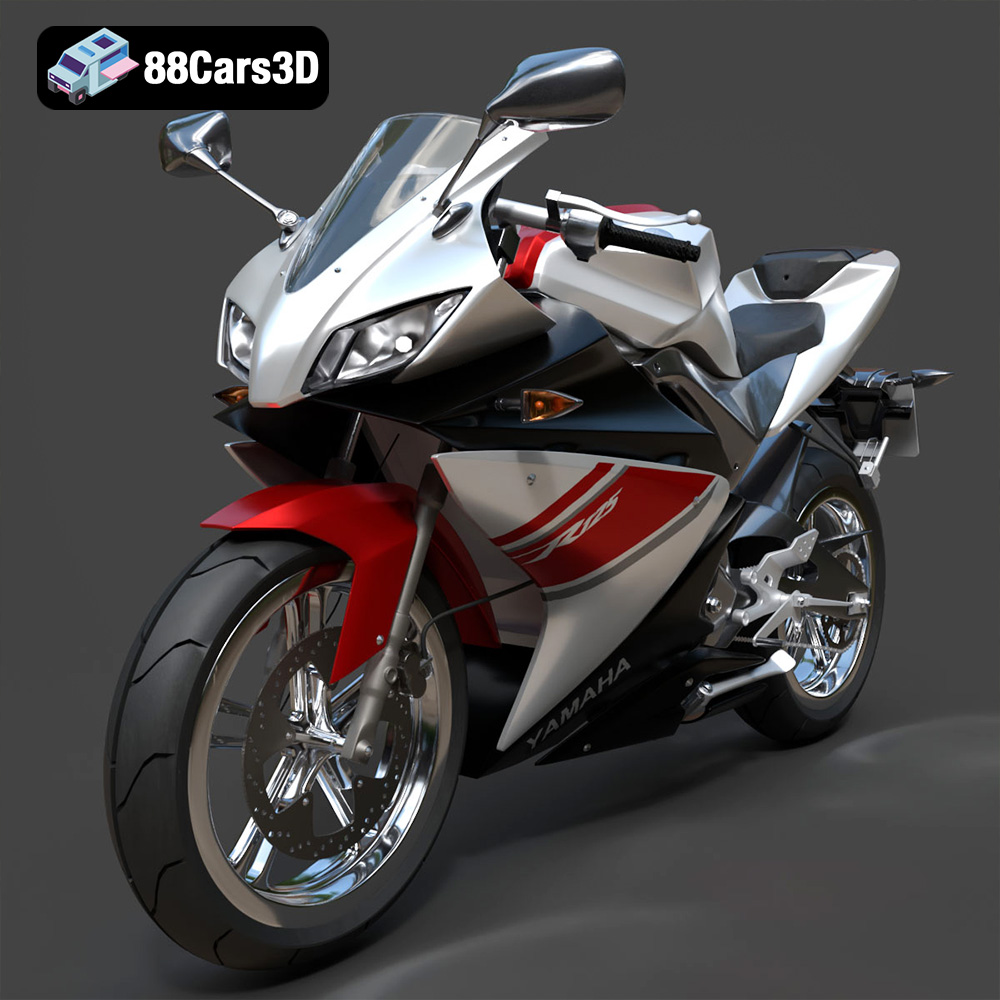
Texture: Yes | Material: Yes
Download the highly detailed, game-ready Yamaha YZF-R125 EU 3D Model. Features an aggressive aerodynamic fairing, twin LED headlights, and a detailed 125cc engine block. Includes .blend, .fbx, .obj, .glb, .stl, .ply, .unreal, and .max formats for game development, AR/VR, and rendering.
Price: $19.99
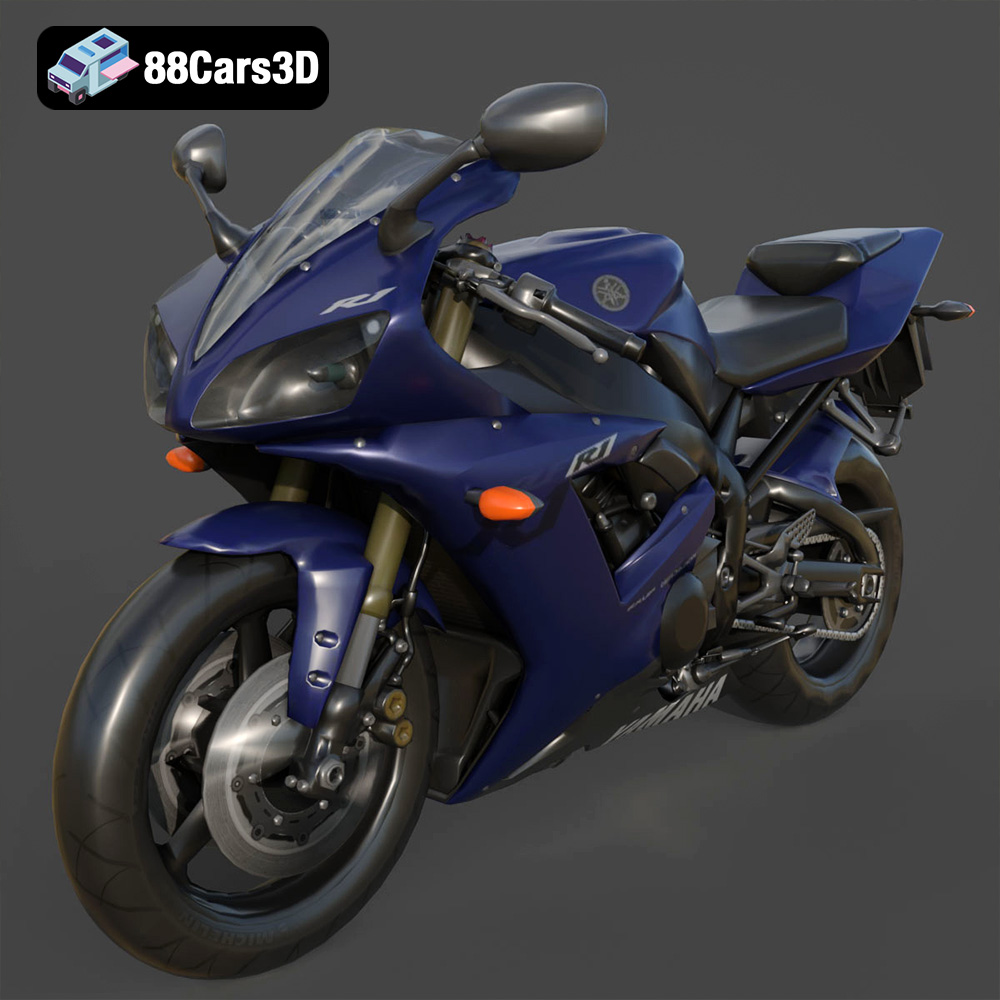
Texture: Yes | Material: Yes
Download the highly detailed, game-ready Yamaha R1 3D Model. Features aggressive aerodynamic fairings, a detailed crossplane inline-4 engine, and track-focused suspension geometry. Includes .blend, .fbx, .obj, .glb, .stl, .ply, .unreal, and .max formats for game development, AR/VR, and rendering.
Price: $19.99
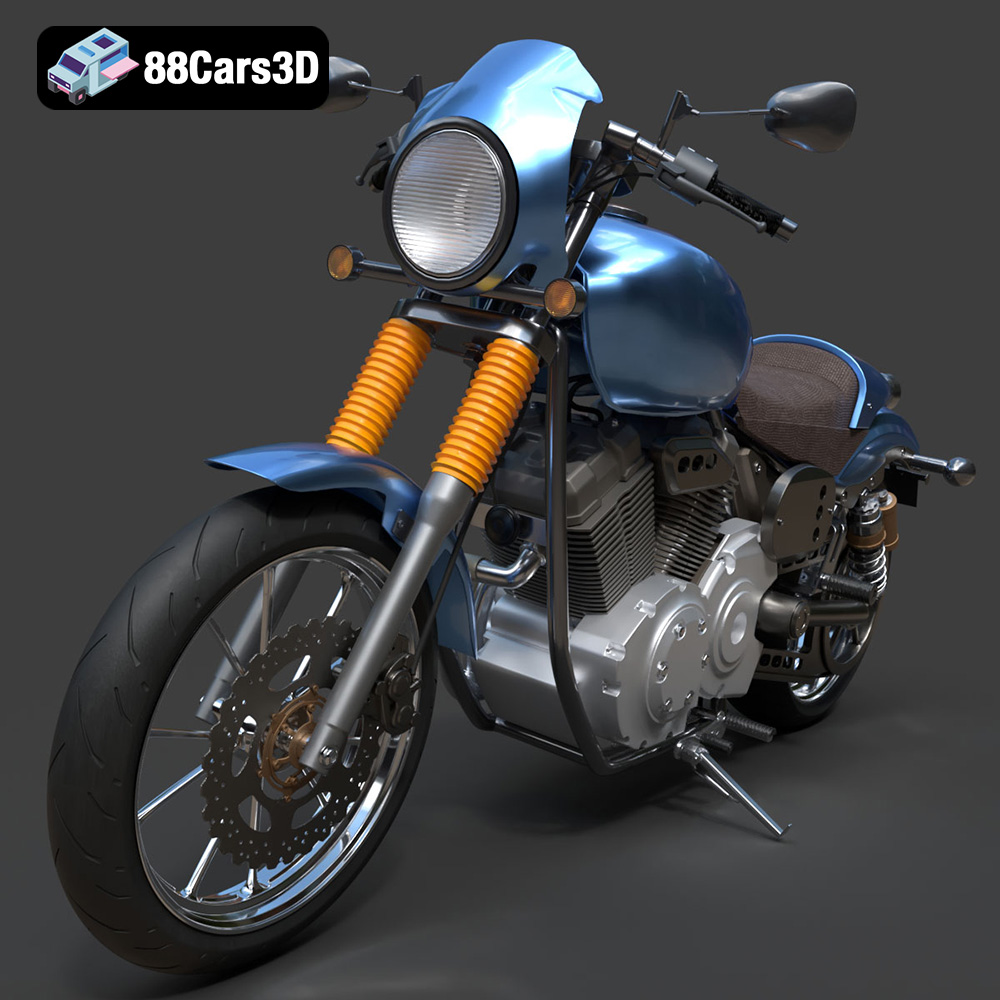
Texture: Yes | Material: Yes
Download the highly detailed, game-ready Yamaha XV950 Racer 3D Model. Features an aggressive cafe-racer front cowl, detailed air-cooled V-twin engine, and classic retro styling. Includes .blend, .fbx, .obj, .glb, .stl, .ply, .unreal, and .max formats for game development, AR/VR, and rendering.
Price: $19.99

Texture: Yes | Material: Yes
Download the highly detailed, game-ready Volvo VNL Tractor Truck 2002 3D Model. Features iconic aerodynamic styling, detailed fifth-wheel coupling, and heavy-duty chassis. Includes .blend, .fbx, .obj, .glb, .stl, .ply, .unreal, and .max formats for game development, AR/VR, and rendering.
Price: $39.99
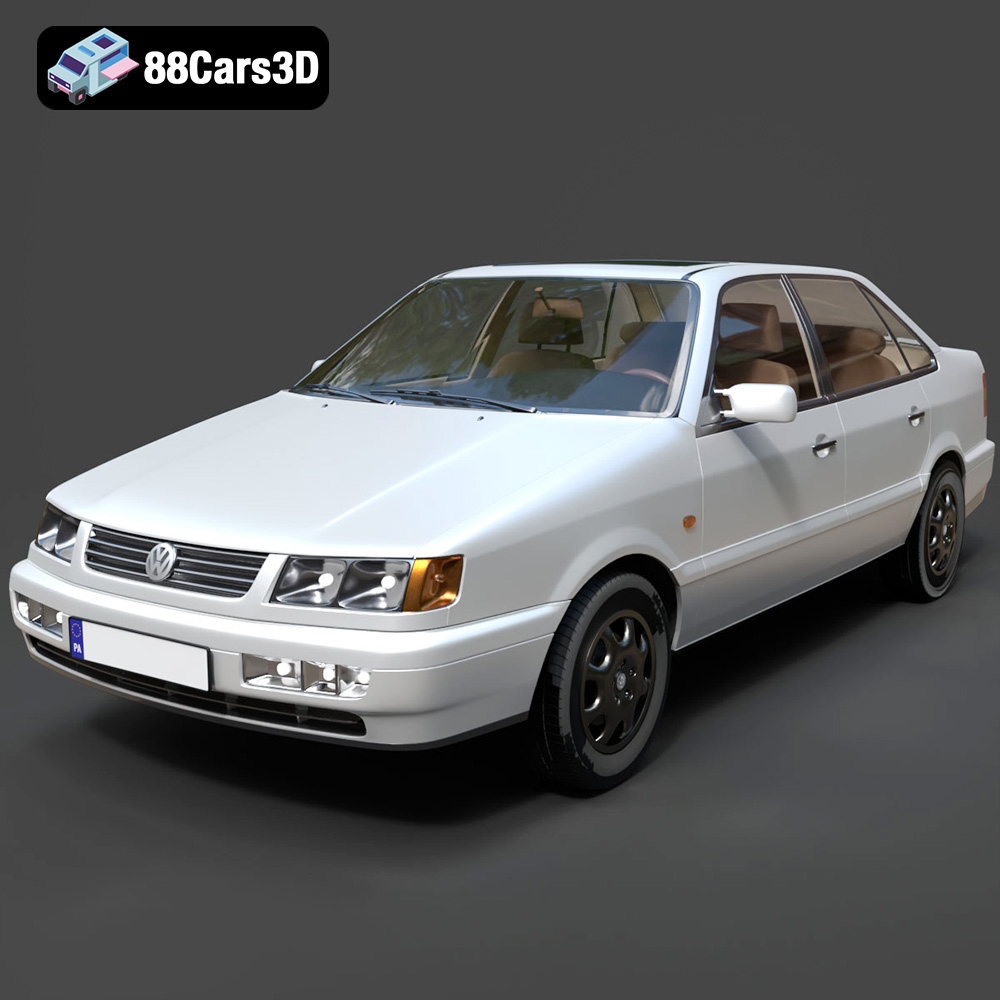
Texture: Yes | Material: Yes
Download the highly detailed, game-ready Volkswagen Passat Mk4 B4 Sedan 1993 3D Model. Features accurate 90s sedan styling, detailed front grille-less fascia, and a classic interior setup. Includes .blend, .fbx, .obj, .glb, .stl, .ply, .unreal, and .max formats for game development, AR/VR, and rendering.
Price: $39.99
Texture: Yes | Material: Yes
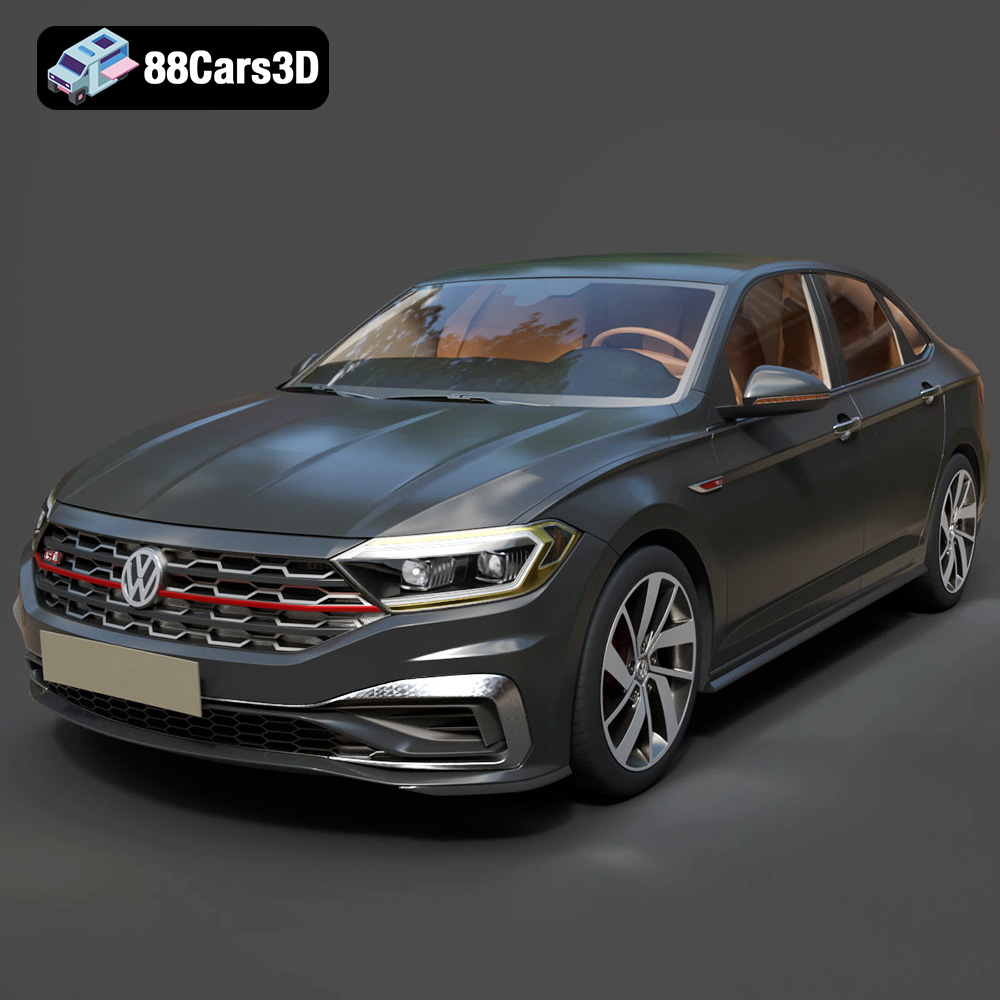
Download the highly detailed, game-ready Volkswagen Jetta GLI 2019 3D Model. Features an aggressive honeycomb grille with red accents, sleek aerodynamic profile, and exclusive GLI sport wheels. Includes .blend, .fbx, .obj, .glb, .stl, .ply, .unreal, and .max formats for game development, AR/VR, and rendering.
Price: $39.99
Texture: Yes | Material: Yes
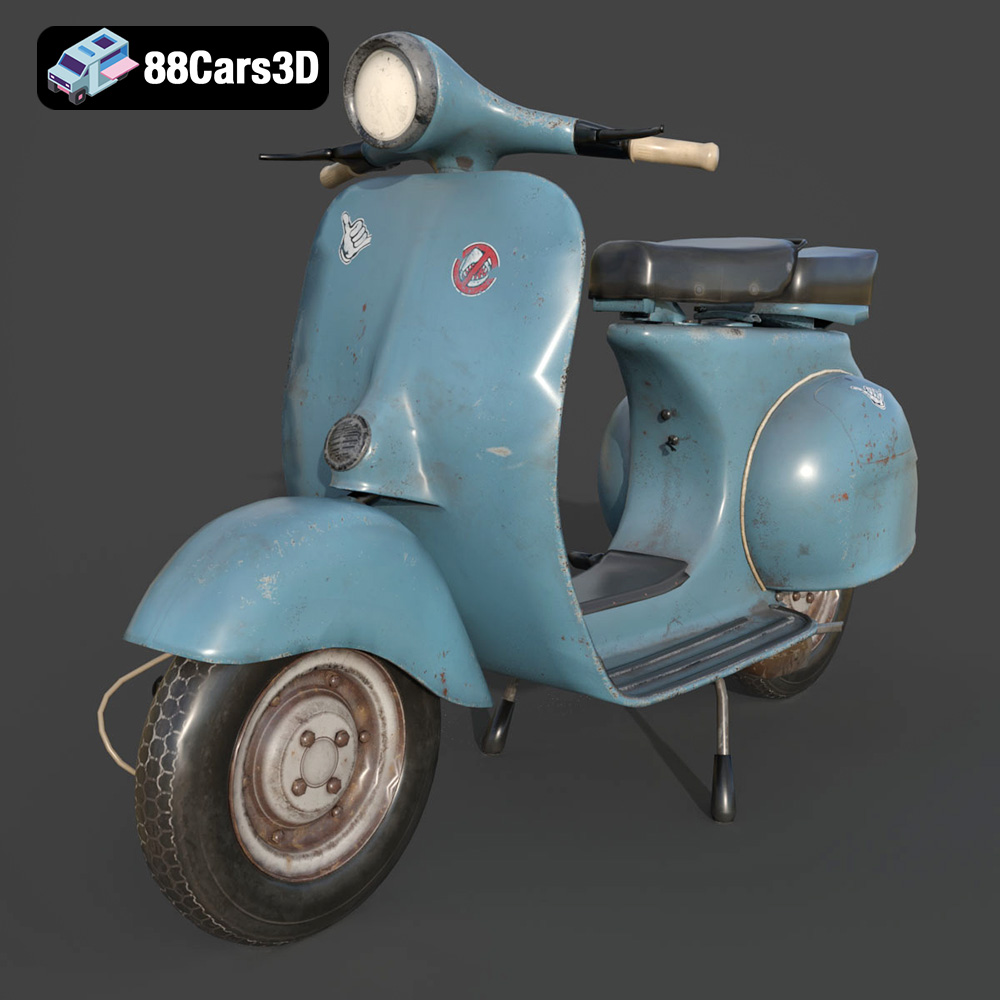
Download the highly detailed, game-ready Vintage Vespa 3D Model. Features iconic rounded monocoque styling, classic saddle, and chrome accents. Includes .blend, .fbx, .obj, .glb, .stl, .ply, .unreal, and .max formats for game development, AR/VR, and rendering.
Price: $39.99

Texture: Yes | Material: Yes
Download the highly detailed, game-ready Vespa GS 150 3D Model. Features elegant aerodynamic curves, classic leg shield, and detailed engine casing. Includes .blend, .fbx, .obj, .glb, .stl, .ply, .unreal, and .max formats for game development, AR/VR, and rendering.
Price: $39.99
Texture: Yes | Material: Yes
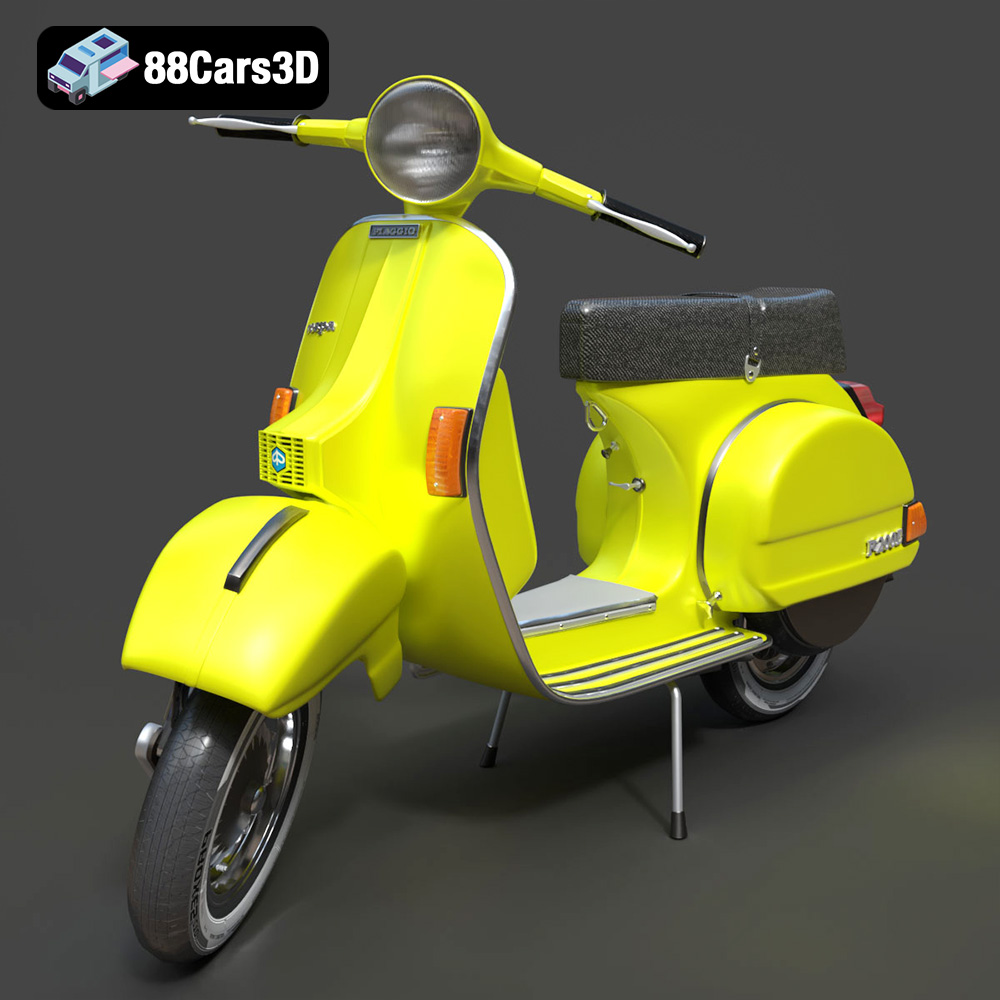
Download the highly detailed, game-ready Vespa P200E 3D Model. Features classic vintage styling, accurate step-through frame geometry, and authentic detailing. Includes .blend, .fbx, .obj, .glb, .stl, .ply, .unreal, and .max formats for game development, AR/VR, and rendering.
Price: $39.99
Texture: Yes | Material: Yes
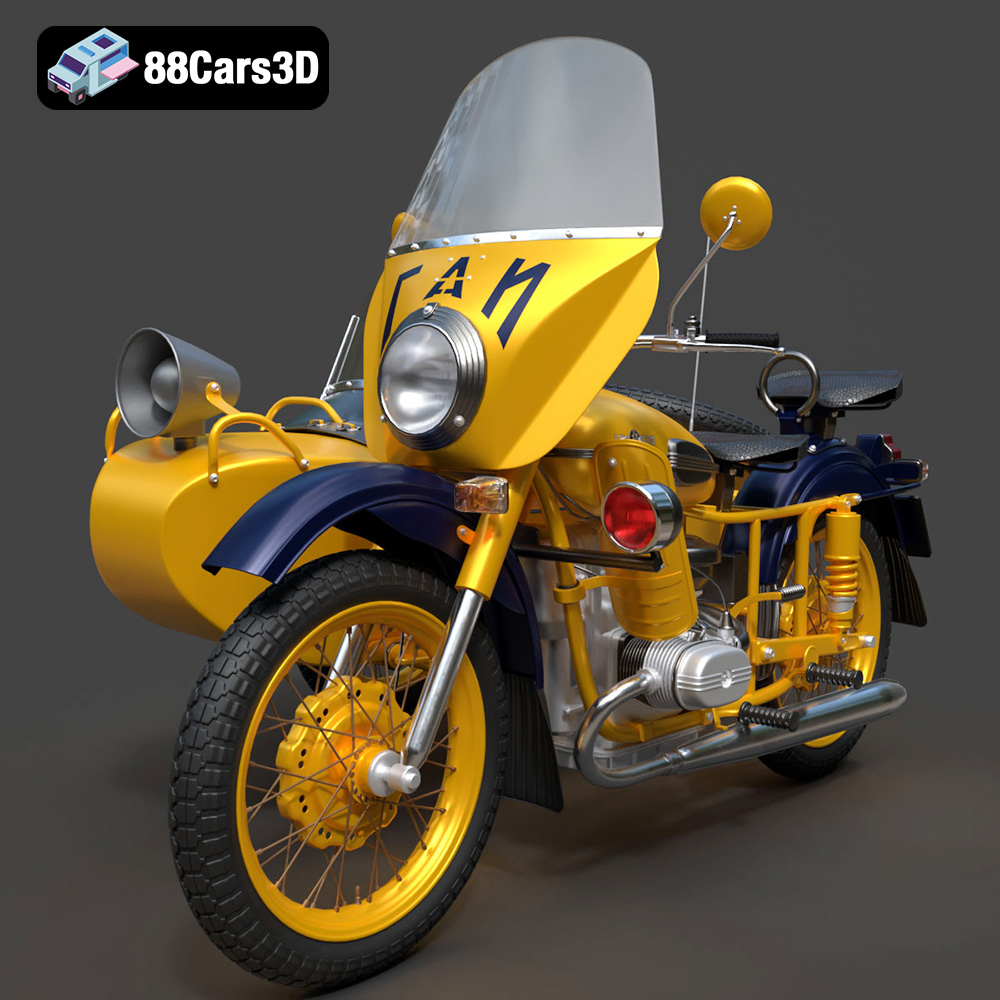
Download the highly detailed, game-ready Ural M67-36-P 1976 3D Model. Features the iconic air-cooled boxer engine, vintage utilitarian styling, and authentic spoked wheels. Includes .blend, .fbx, .obj, .glb, .stl, .ply, .unreal, and .max formats for game development, AR/VR, and rendering.
Price: $39.99

