Get 20% OFF All Premium 3D & STL Models!

“`html
3D printing, especially when diving into detailed models like printable car models from platforms like 88cars3d.com, can be incredibly rewarding. Seeing a digital design materialize into a tangible object is a thrilling experience. However, the journey from STL file to finished print isn’t always smooth. Beginners often encounter pitfalls that can lead to failed prints, wasted filament, and frustration. This article will guide you through the top 10 most common mistakes made by beginners when 3D printing STL files, specifically focusing on optimizing your prints for car models, and how to avoid them. We’ll cover everything from proper file preparation to optimal printer settings, ensuring you get the best possible results with your 3D printer. Learn how to diagnose and fix these common problems, turning those initial frustrations into consistent success.
One of the most frequent errors beginners make is neglecting the crucial step of file preparation. An STL file, at its core, is a representation of a 3D object using a mesh of triangles. This mesh can often contain errors, such as non-manifold edges, holes, or overlapping faces. Printing a flawed STL file almost always leads to a failed print or a structurally weak model. Think of it like building a house on a faulty foundation – it simply won’t stand.
Non-manifold geometry refers to edges that are shared by more than two faces, creating ambiguous connections. This can confuse the slicer software. Tools like MeshMixer or Netfabb can automatically detect and repair these issues. In MeshMixer, use the “Analysis” tool, select “Inspector,” and then click “Auto Repair All.” Netfabb offers similar functionalities within its repair module. Remember to export the repaired file in STL format.
Holes in the mesh represent gaps in the model’s surface. These gaps can cause the slicer to generate incorrect toolpaths or leave sections unprinted. Again, MeshMixer and Netfabb are excellent choices for closing these holes. In MeshMixer, use the “Edit” > “Make Solid” function. Experiment with the “Solid Type” (Accurate, Fast, Minimal) and “Solid Accuracy” settings to achieve the best balance between detail preservation and hole closure. When working with car models, pay close attention to areas like wheel wells and body seams, as these are common locations for mesh errors.
Print orientation dramatically affects the print quality, strength, and the amount of support material required. Simply loading an STL file and hitting “print” is a recipe for disaster. For car models, consider which surfaces need the highest detail and which areas are structurally critical. Support structures are temporary scaffolding used to support overhanging features during printing. Without them, these features would sag or collapse. Choosing the correct orientation and support settings are key to success.
The ideal orientation minimizes the amount of support material needed and ensures that the most detailed surfaces face upwards. For example, when printing a car body, orienting it with the roof facing upwards reduces the need for supports on the curved surfaces. This also ensures that the roof, a visually important feature, is printed with the best possible layer resolution. Remember to rotate the model and examine it from all angles in your slicer to visualize support placement. Aim for angles between 30-45 degrees for overhangs to minimize support requirements.
Slicing software like Cura and PrusaSlicer offer different support types, including linear, tree, and hybrid. Tree supports are often preferred for complex geometries like car models because they use less material and are easier to remove. Experiment with support density, support overhang angle, and support interface settings. A denser support interface provides a smoother surface finish on the supported area but can be more difficult to remove. A good starting point is a support overhang angle of 60 degrees, a support density of 5%, and a support interface thickness of 0.6mm.
Layer height and print speed are two of the most fundamental parameters in 3D printing. They directly impact the print quality, the strength of the final part, and the overall print time. Finding the right balance between these settings is crucial. A layer height that is too high can lead to visible layer lines and reduced detail, while a print speed that is too fast can cause poor adhesion and warping.
Smaller layer heights result in smoother surfaces and finer details, which is especially important for the intricate details of car models. However, they also increase print time. A common starting point is a layer height of 0.1mm to 0.2mm for detailed prints. For larger, less detailed parts, you can increase the layer height to 0.3mm. Remember that the layer height should typically be no more than 20% of your nozzle diameter. If you are using a 0.4mm nozzle, a layer height of 0.08mm to 0.2mm is ideal.
Print speed affects how quickly the print head moves while extruding filament. A slower print speed allows the filament to cool and solidify properly, improving layer adhesion and reducing warping. A starting point for PLA is 50-60mm/s. For more demanding materials like ABS, you might need to reduce the speed to 40-50mm/s. Experiment with different speeds in increments of 5mm/s and observe the results. Pay attention to corners and overhangs, as these areas are most susceptible to issues at higher speeds.
Infill is the internal structure of a 3D printed object. It determines the strength, weight, and print time. Beginners often make the mistake of using excessively high infill densities, which dramatically increases print time and material consumption without providing significant strength gains. Choosing the right infill pattern is also important for optimizing strength and print quality.
For most car models, an infill density of 15-25% is sufficient for structural integrity. Higher infill densities (50% or more) are only necessary for parts that will be subjected to significant stress. Experiment with different infill densities and observe the impact on the model’s weight and strength. Remember, increasing the wall thickness can also improve strength without significantly increasing print time.
Common infill patterns include grid, gyroid, and honeycomb. Gyroid infill is known for its strength and consistent properties in all directions, making it a good choice for structural parts. Grid infill is simple and fast to print but can be weaker than other patterns. Honeycomb infill provides a good balance of strength and print time. Experiment with different patterns and densities to find the best combination for your specific needs. For areas requiring higher strength, consider using a denser infill pattern locally.
Bed adhesion is the ability of the first layer to stick to the print bed. Poor bed adhesion is a common cause of failed prints, especially for larger models or models with small footprints. Without a solid foundation, the print can warp, detach from the bed, or even get dragged around by the print head. Proper bed preparation and settings are essential for ensuring successful prints.
Cleanliness is crucial for good bed adhesion. Wipe the print bed with isopropyl alcohol (IPA) before each print to remove any dust, grease, or residue. For PLA, a heated bed temperature of 60-70°C is generally recommended. For ABS, a heated bed temperature of 100-110°C is required. Consider using a bed adhesion enhancer, such as hairspray or a glue stick, for materials that are particularly prone to warping.
Brims, rafts, and skirts are different types of adhesion aids that can improve bed adhesion. A skirt is a single-layer outline printed around the object to prime the nozzle and ensure consistent extrusion. A brim is a wide, single-layer outline that extends from the base of the object to provide a larger contact area with the bed. A raft is a multi-layer platform printed underneath the object to provide a flat and stable surface. Brims are generally sufficient for most PLA prints, while rafts are recommended for ABS or other materials that are prone to warping. Adjust the brim or raft width based on the size and shape of the model.
A poorly calibrated 3D printer is a recipe for consistent failures. Calibration involves adjusting various parameters to ensure that the printer is extruding the correct amount of material, the bed is level, and the axes are moving accurately. Neglecting calibration can lead to dimensional inaccuracies, poor layer adhesion, and overall poor print quality.
Bed leveling is the process of ensuring that the print bed is perfectly level and equidistant from the nozzle across its entire surface. This is essential for achieving good first-layer adhesion. Most 3D printers come with either manual or automatic bed leveling systems. For manual leveling, use a piece of paper or a feeler gauge to adjust the bed screws until the nozzle is just barely touching the paper at each corner of the bed. Automatic bed leveling (ABL) systems use a sensor to map the bed’s surface and compensate for any imperfections. Follow your printer’s manufacturer’s instructions for calibrating your ABL system.
Extruder calibration, also known as E-steps calibration, involves adjusting the number of steps per millimeter of filament extrusion to ensure that the printer is extruding the correct amount of material. To calibrate your extruder, mark a length of filament (e.g., 100mm) and command the printer to extrude that length. Measure the actual amount of filament extruded and adjust the E-steps value in your printer’s firmware accordingly. A slight over-extrusion or under-extrusion can significantly impact print quality. For example, if you command 100mm but only 95mm is extruded, increase the E-steps value by approximately 5%.
Each type of filament has its own unique properties and requires specific printer settings for optimal results. Using incorrect settings can lead to poor layer adhesion, warping, stringing, and other printing issues. Understanding the specific requirements of each filament type is essential for achieving successful prints.
PLA (Polylactic Acid) typically prints best at a nozzle temperature of 200-220°C and a bed temperature of 60-70°C. PETG (Polyethylene Terephthalate Glycol-modified) requires a higher nozzle temperature of 220-250°C and a bed temperature of 70-80°C. ABS (Acrylonitrile Butadiene Styrene) needs a higher nozzle temperature of 230-260°C and a bed temperature of 100-110°C. Always refer to the filament manufacturer’s recommendations for specific temperature settings. Experiment with small adjustments (±5°C) to fine-tune the settings for your printer and environment. For ABS, an enclosure is often necessary to maintain a stable temperature and prevent warping.
Retraction is the process of pulling back the filament when the print head moves between different parts of the model. This helps to prevent stringing (thin strands of filament) and blobs (excess material) on the print. Retraction settings include retraction distance and retraction speed. Typical retraction distances are 4-6mm for Bowden extruders and 1-2mm for direct-drive extruders. Retraction speeds are typically 40-60mm/s. Experiment with different retraction settings to find the optimal balance between stringing and nozzle clogging. If you are experiencing excessive stringing, try increasing the retraction distance or speed. If you are experiencing nozzle clogging, try decreasing the retraction distance or speed.
Warping is a common problem, especially when printing large models or using materials like ABS. It occurs when the corners of the print lift off the bed due to uneven cooling and thermal contraction. Warping can lead to failed prints and dimensional inaccuracies. Understanding the causes of warping and implementing effective prevention strategies is essential for successful 3D printing.
Maintaining a stable printing environment is crucial for preventing warping. Avoid drafts and temperature fluctuations. An enclosure can help to maintain a consistent temperature around the print and reduce the risk of warping. For ABS, an enclosure is almost mandatory. Consider using a heated bed with a higher temperature for materials that are prone to warping.
As mentioned earlier, brims and rafts can significantly improve bed adhesion and reduce warping. A wider brim provides a larger contact area with the bed, while a raft creates a flat and stable platform underneath the object. Adjust the brim or raft width based on the size and shape of the model. For particularly challenging materials, consider using both a brim and a raft in combination. Experiment with different settings to find the optimal configuration for your specific needs.
Different 3D printing materials have drastically different mechanical and thermal properties. What works for PLA won’t necessarily work for ABS or PETG. Factors like tensile strength, elongation at break, glass transition temperature, and impact resistance all play a role in the final part’s performance. Ignoring these material properties can lead to parts that fail under stress or degrade over time.
Tensile strength is the amount of force a material can withstand before breaking. Elongation at break is the amount a material can stretch before breaking. Glass transition temperature is the temperature at which a material transitions from a rigid state to a more rubbery state. Impact resistance is the ability of a material to withstand sudden impacts without breaking. These properties are critical for selecting the right material for a specific application. For example, if you need a strong and durable part, you might choose ABS or PETG. If you need a flexible part, you might choose TPU (Thermoplastic Polyurethane). When downloading models from marketplaces such as 88cars3d.com, consider the intended use of the car model and select a material that is appropriate for the application.
Thermal properties, such as the glass transition temperature and thermal expansion coefficient, play a significant role in preventing failures like warping and cracking. Materials with high thermal expansion coefficients are more prone to warping. It’s essential to understand these properties and adjust your printing settings accordingly. For example, ABS has a high thermal expansion coefficient, which is why it requires a heated bed and an enclosure to prevent warping. PLA has a lower thermal expansion coefficient and is less prone to warping. Consult the filament manufacturer’s specifications for detailed information on the thermal properties of each material.
3D printing is often just the first step in creating a finished product. Post-processing techniques, such as sanding, painting, and assembly, are essential for achieving a professional-looking result. Neglecting post-processing can leave you with a part that looks rough, unfinished, or simply unappealing.
Sanding is a common post-processing technique used to remove layer lines and smooth the surface of a 3D printed part. Start with a coarse grit sandpaper (e.g., 220 grit) and gradually work your way up to finer grits (e.g., 400, 600, 800 grit). Wet sanding can help to prevent the sandpaper from clogging and produce a smoother finish. After sanding, you can use a filler primer to fill in any remaining imperfections. Sand the primer smooth and repeat the process as needed.
Painting can add color and detail to your 3D printed parts, giving them a professional-looking finish. Start by applying a primer coat to help the paint adhere to the plastic. Use multiple thin coats of paint rather than one thick coat to avoid drips and runs. Allow each coat to dry completely before applying the next. After painting, you can apply a clear coat to protect the paint and add a glossy or matte finish. Consider using stencils or masking tape to create intricate designs.
For car models, especially those from sites like 88cars3d.com, detailing is key. Using fine-tipped brushes and enamel paints for small details like lights, grills, and emblems can elevate the final product. Consider applying weathering effects for a more realistic look.
Avoiding these common mistakes can dramatically improve your 3D printing success rate, especially when working with detailed and challenging models like printable car models. From proper file preparation and meticulous calibration to understanding material properties and mastering post-processing techniques, each step plays a crucial role in the final outcome. Remember to experiment with different settings, document your results, and learn from your failures. 3D printing is a journey of continuous learning and refinement. By addressing these common pitfalls and embracing a systematic approach, you’ll be well on your way to creating stunning 3D printed car models and unlocking the full potential of your 3D printer. Start with one of the many high-quality STL files available on 88cars3d.com and put these tips into practice! Your next steps should include thoroughly calibrating your printer, experimenting with different filament types, and honing your post-processing skills. Happy printing!
“`
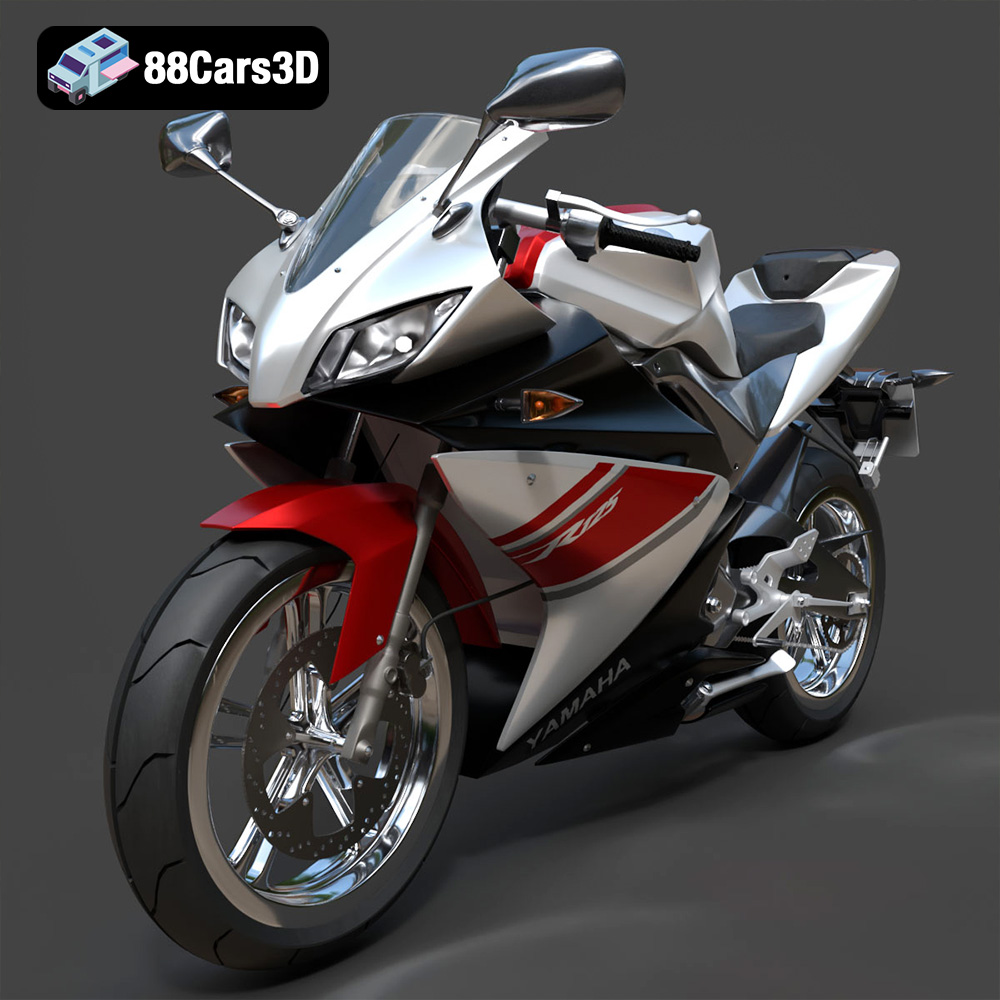
Texture: Yes | Material: Yes
Download the highly detailed, game-ready Yamaha YZF-R125 EU 3D Model. Features an aggressive aerodynamic fairing, twin LED headlights, and a detailed 125cc engine block. Includes .blend, .fbx, .obj, .glb, .stl, .ply, .unreal, and .max formats for game development, AR/VR, and rendering.
Price: $19.99
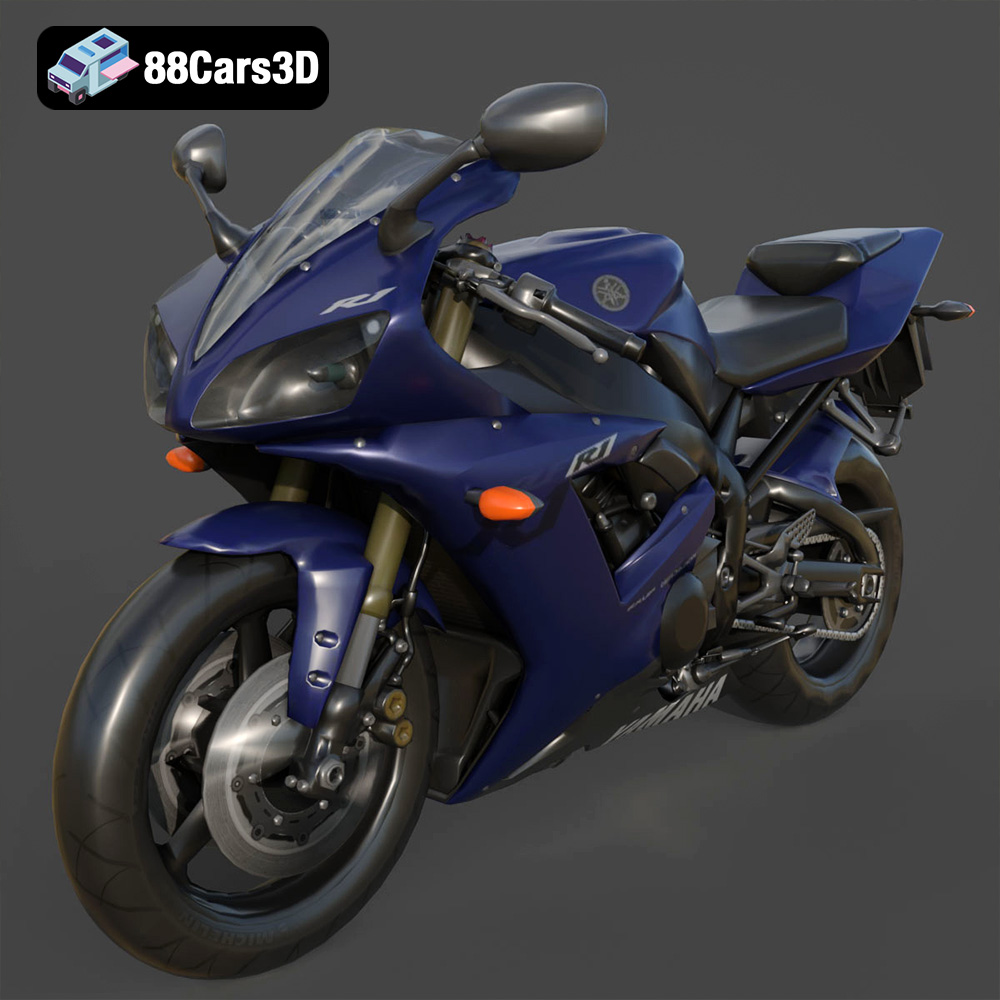
Texture: Yes | Material: Yes
Download the highly detailed, game-ready Yamaha R1 3D Model. Features aggressive aerodynamic fairings, a detailed crossplane inline-4 engine, and track-focused suspension geometry. Includes .blend, .fbx, .obj, .glb, .stl, .ply, .unreal, and .max formats for game development, AR/VR, and rendering.
Price: $19.99
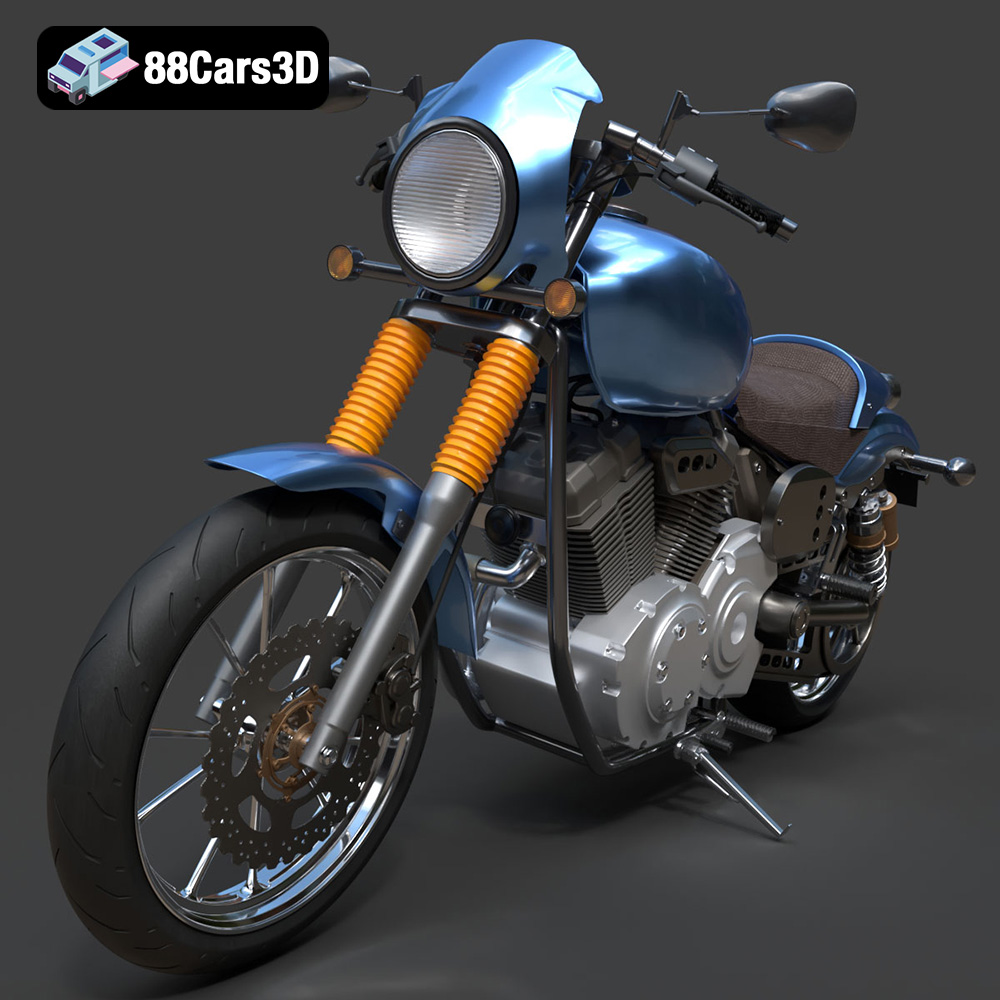
Texture: Yes | Material: Yes
Download the highly detailed, game-ready Yamaha XV950 Racer 3D Model. Features an aggressive cafe-racer front cowl, detailed air-cooled V-twin engine, and classic retro styling. Includes .blend, .fbx, .obj, .glb, .stl, .ply, .unreal, and .max formats for game development, AR/VR, and rendering.
Price: $19.99

Texture: Yes | Material: Yes
Download the highly detailed, game-ready Volvo VNL Tractor Truck 2002 3D Model. Features iconic aerodynamic styling, detailed fifth-wheel coupling, and heavy-duty chassis. Includes .blend, .fbx, .obj, .glb, .stl, .ply, .unreal, and .max formats for game development, AR/VR, and rendering.
Price: $39.99
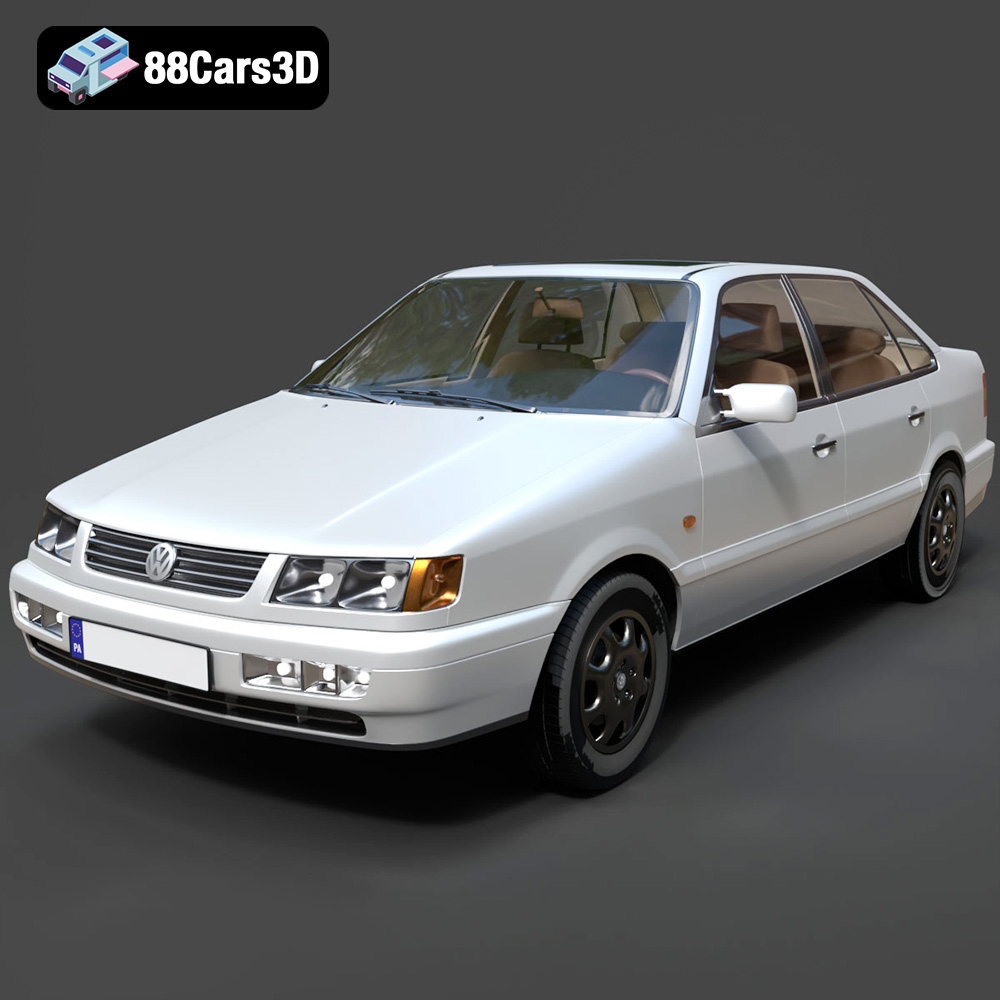
Texture: Yes | Material: Yes
Download the highly detailed, game-ready Volkswagen Passat Mk4 B4 Sedan 1993 3D Model. Features accurate 90s sedan styling, detailed front grille-less fascia, and a classic interior setup. Includes .blend, .fbx, .obj, .glb, .stl, .ply, .unreal, and .max formats for game development, AR/VR, and rendering.
Price: $39.99

Texture: Yes | Material: Yes
Download the highly detailed, game-ready Volkswagen Jetta GLI 2019 3D Model. Features an aggressive honeycomb grille with red accents, sleek aerodynamic profile, and exclusive GLI sport wheels. Includes .blend, .fbx, .obj, .glb, .stl, .ply, .unreal, and .max formats for game development, AR/VR, and rendering.
Price: $39.99
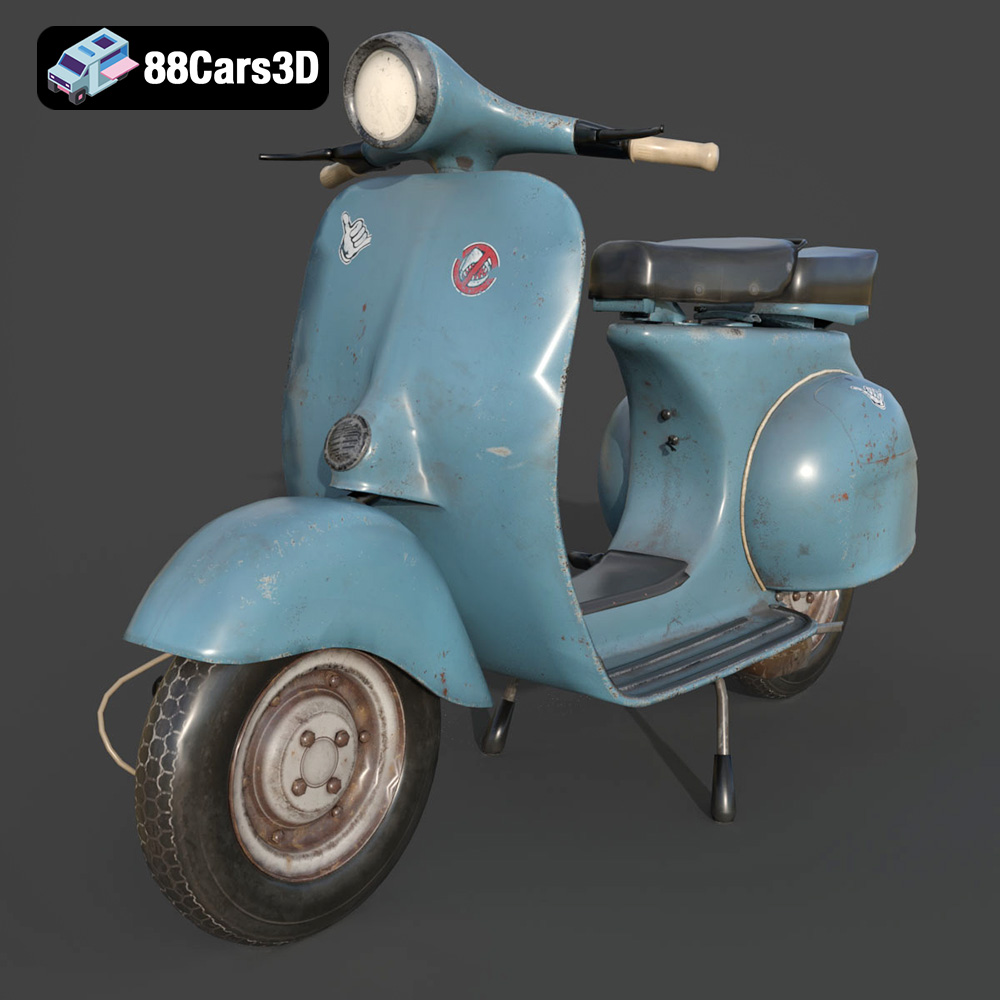
Texture: Yes | Material: Yes
Download the highly detailed, game-ready Vintage Vespa 3D Model. Features iconic rounded monocoque styling, classic saddle, and chrome accents. Includes .blend, .fbx, .obj, .glb, .stl, .ply, .unreal, and .max formats for game development, AR/VR, and rendering.
Price: $39.99

Texture: Yes | Material: Yes
Download the highly detailed, game-ready Vespa GS 150 3D Model. Features elegant aerodynamic curves, classic leg shield, and detailed engine casing. Includes .blend, .fbx, .obj, .glb, .stl, .ply, .unreal, and .max formats for game development, AR/VR, and rendering.
Price: $39.99
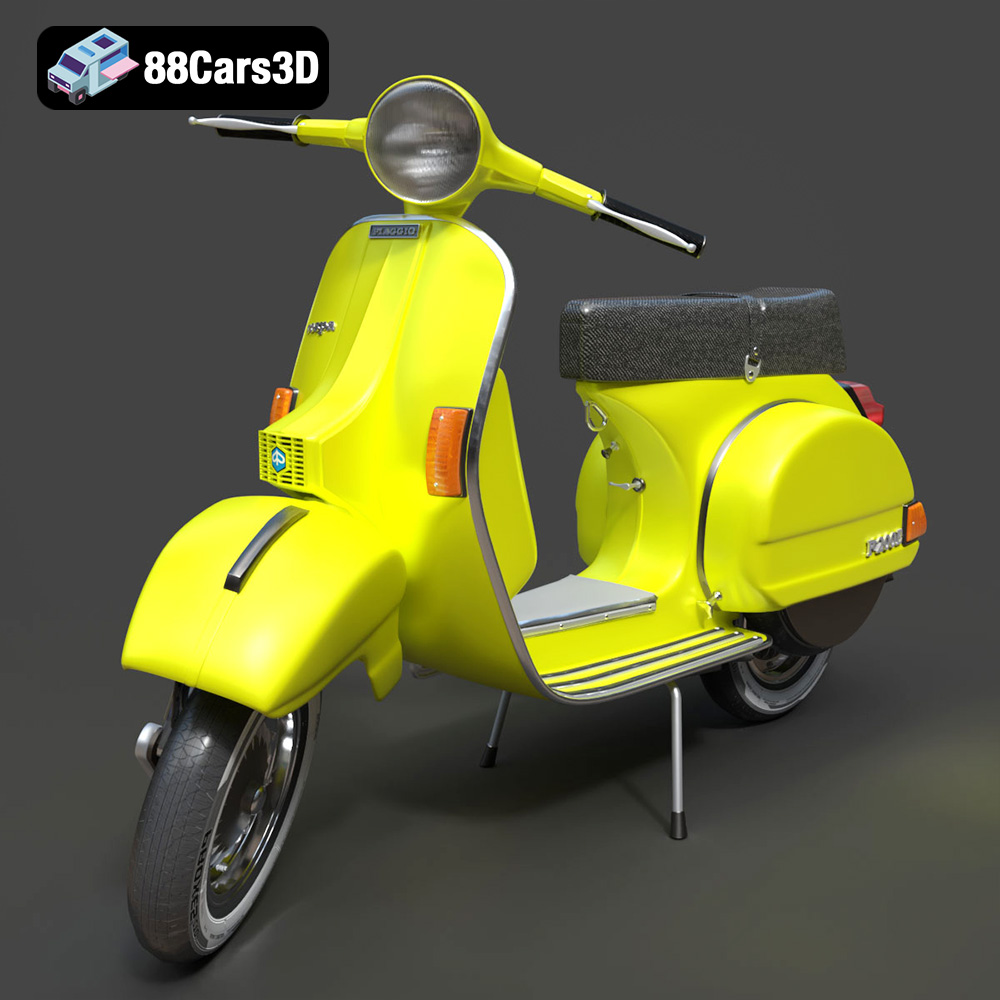
Texture: Yes | Material: Yes
Download the highly detailed, game-ready Vespa P200E 3D Model. Features classic vintage styling, accurate step-through frame geometry, and authentic detailing. Includes .blend, .fbx, .obj, .glb, .stl, .ply, .unreal, and .max formats for game development, AR/VR, and rendering.
Price: $39.99
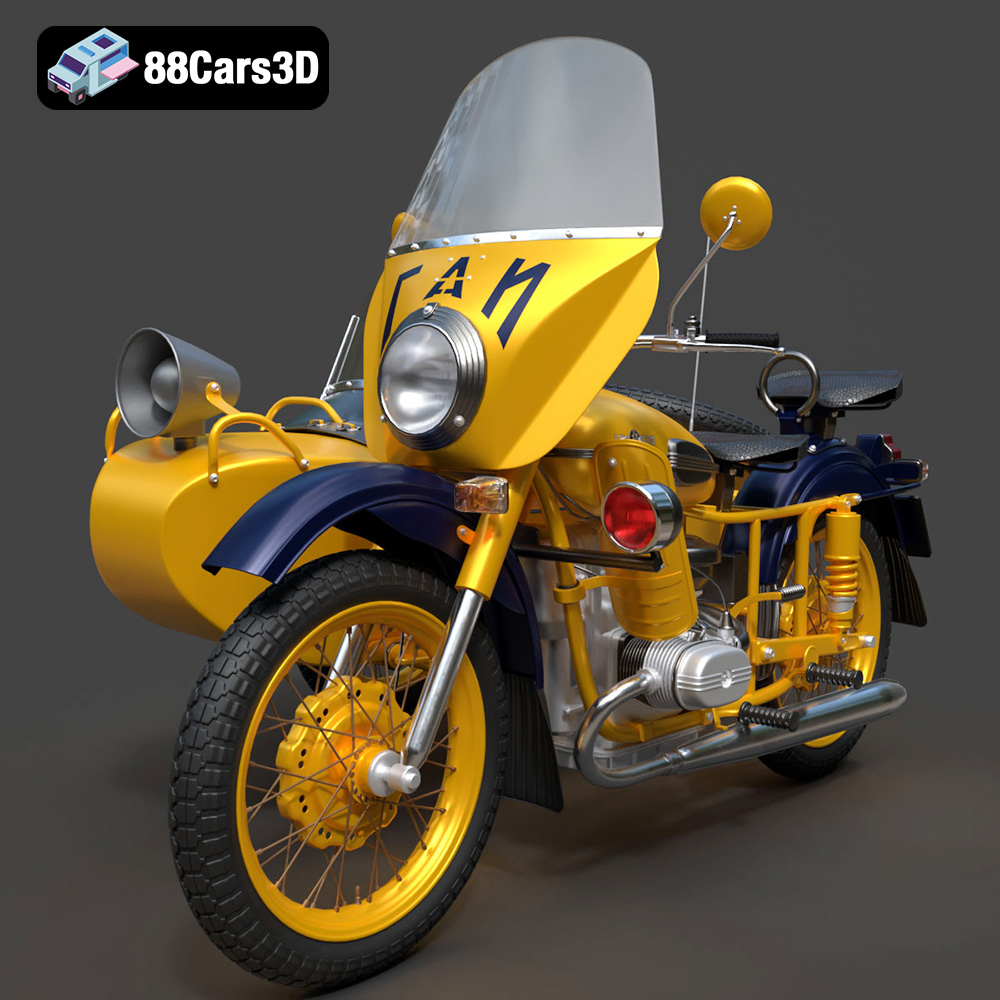
Texture: Yes | Material: Yes
Download the highly detailed, game-ready Ural M67-36-P 1976 3D Model. Features the iconic air-cooled boxer engine, vintage utilitarian styling, and authentic spoked wheels. Includes .blend, .fbx, .obj, .glb, .stl, .ply, .unreal, and .max formats for game development, AR/VR, and rendering.
Price: $39.99

