Get 20% OFF All Premium 3D & STL Models!

In the vibrant landscape of digital content creation, the demand for hyper-realistic and perfectly optimized 3D car models has never been higher. From blockbuster video games and immersive virtual reality experiences to stunning automotive marketing campaigns and detailed architectural visualizations, a high-quality vehicle asset is often the cornerstone of a compelling project. It’s not just about creating a static object; it’s about capturing the soul, engineering, and aesthetic appeal of a real-world automobile, then translating it into a versatile digital form.
The journey from a physical car to a pixel-perfect digital twin involves meticulous attention to detail, sophisticated modeling techniques, and a deep understanding of various industry-specific pipelines. This is where models like the Lexus LS 500 2018 3D Model truly shine, offering a blend of artistic precision and technical optimization that empowers creators across diverse fields. Let’s explore the intricate world of premium 3D vehicle assets and discover how they revolutionize digital automotive rendering and game development.
Creating a truly exceptional 3D car model goes far beyond merely replicating its shape. It involves understanding the design philosophy, the engineering nuances, and the emotional impact of the original vehicle. For a luxury sedan like the Lexus LS 500, this means meticulously recreating its “spindle grille,” its elegant coupe-like silhouette, and the subtle curves that convey its dynamic road presence. Every line, every crease, every panel gap must be faithfully translated into the digital realm. This level of detail is paramount for achieving photorealistic results in automotive rendering and for creating believable environments in gaming.
While geometry forms the skeleton of a 3D model, textures and materials provide its skin and character. High-resolution textures are crucial for replicating paint finishes, chrome reflections, glass transparency, and the intricate details of the interior, such as leather stitching and dashboard displays. Physically Based Rendering (PBR) materials are now standard, ensuring that digital surfaces react to light precisely as they would in the real world. When combined with sophisticated lighting setups, these elements transform a static mesh into a vibrant, living entity, capable of evoking the same awe as its real-world counterpart. For the Lexus LS 500 2018 3D Model, this means capturing the luxurious leather-trimmed seating, the integrated LED headlights, and the authentic alloy wheels with unparalleled fidelity.
The choice of file format for a 3D car model is as critical as the model’s geometry and textures. Each format serves specific purposes, offers different levels of compatibility, and is optimized for distinct workflows, whether it’s for high-end cinematic rendering, real-time game engines, or even 3D printing. Understanding these distinctions is fundamental for any professional working with digital assets.
The .blend format is the native file type for Blender, a powerful and increasingly popular open-source 3D creation suite. A .blend file typically encapsulates an entire Blender scene, including all mesh data, materials, textures (often packed within the file), cameras, lights, animation data, and even modifiers. This makes it an ideal choice for users who primarily work within Blender, providing a fully editable and self-contained project. For artists purchasing models like the Lexus LS 500 2018 3D Model from 88cars3d.com, the .blend format offers maximum flexibility for customization, rigging adjustments, or re-texturing within their preferred environment.
.fbx (Filmbox) is arguably the most widely adopted interchange format in the 3D industry, especially prevalent in game development. Developed by Autodesk, it supports a vast array of 3D data, including geometry, materials, textures, animation, skeletal rigging, and even blend shapes. Its robust support for animation and scene hierarchy makes it the go-to format for exporting models from a DCC (Digital Content Creation) application like Maya or 3ds Max into game engines such as Unreal Engine and Unity. When a model like the Lexus LS 500 is offered in .fbx, it signifies its readiness for complex animation sequences and seamless integration into real-time pipelines.
.obj (Wavefront Object) is a universal, open-standard 3D geometry definition file format. While it doesn’t support animation or advanced material properties like .fbx, it excels at storing pure mesh data (vertices, normals, UVs) and basic material references (via an accompanying .mtl file). Its simplicity makes it highly compatible across virtually all 3D software. For scenarios where only static mesh data is required, or for foundational imports that will be rebuilt with new materials, .obj remains a reliable choice. It’s often used as a fallback or for initial asset transfer.
.glb (GL Transmission Format Binary) is the binary version of glTF (GL Transmission Format), a relatively newer format designed for efficient transmission and loading of 3D scenes and models by engines and applications. It’s particularly optimized for web-based 3D, augmented reality (AR), and virtual reality (VR) experiences due to its compact size and single-file nature (embedding textures and other data). For interactive showrooms or web-based configurators featuring models like the Lexus LS 500, .glb ensures quick loading times and broad platform compatibility without compromising visual quality.
.stl (STereoLithography) is the de facto standard file format for 3D printing. It represents a 3D model as a collection of unconnected triangular facets, defining only the surface geometry of an object without color, texture, or other CAD attributes. While not ideal for visual rendering, its simplicity makes it universally compatible with 3D printers and slicing software. The Lexus LS 500 2018 3D Model being available in .stl means it can easily be converted for physical fabrication, allowing enthusiasts and professionals to bring the digital model into the tangible world.
.ply (Polygon File Format) is another format used for storing 3D data, often originating from 3D scanners. It’s capable of storing not just geometry but also color, transparency, and other properties per vertex or face. While less common for general-purpose 3D content creation compared to .fbx or .obj, it’s frequently used in scientific applications, CAD, and precise engineering, particularly when dealing with point cloud data or high-resolution scanned meshes. It emphasizes precision and data integrity for analysis.
While not a standalone file format in the traditional sense, “.unreal” often refers to assets specifically prepared or packaged for Unreal Engine. This typically means an .fbx file that has been optimized, imported, and configured within Unreal with appropriate materials, collision meshes, LODs (Levels of Detail), and blueprint functionality. It implies that the asset is ready for immediate deployment within a real-time Unreal environment, saving developers significant setup time. For game developers, having the Lexus LS 500 2018 3D Model available in an “unreal” package means it’s prepped for performance and visual fidelity within one of the leading game engines.
Similar to .blend for Blender, .max is the native file format for Autodesk 3ds Max. It stores a complete scene with all objects, modifiers, materials, lights, cameras, and animation data. 3ds Max is a powerhouse for modeling, animation, and rendering, particularly strong in architectural visualization and product design. A .max file provides the highest level of editability and native integration for artists whose primary DCC tool is 3ds Max, allowing them to leverage all the software’s advanced features for custom rendering or animation sequences.
The inclusion of such a diverse range of formats with the Lexus LS 500 2018 3D Model underscores its versatility and compatibility, ensuring it meets the stringent requirements of professional workflows across various industries.
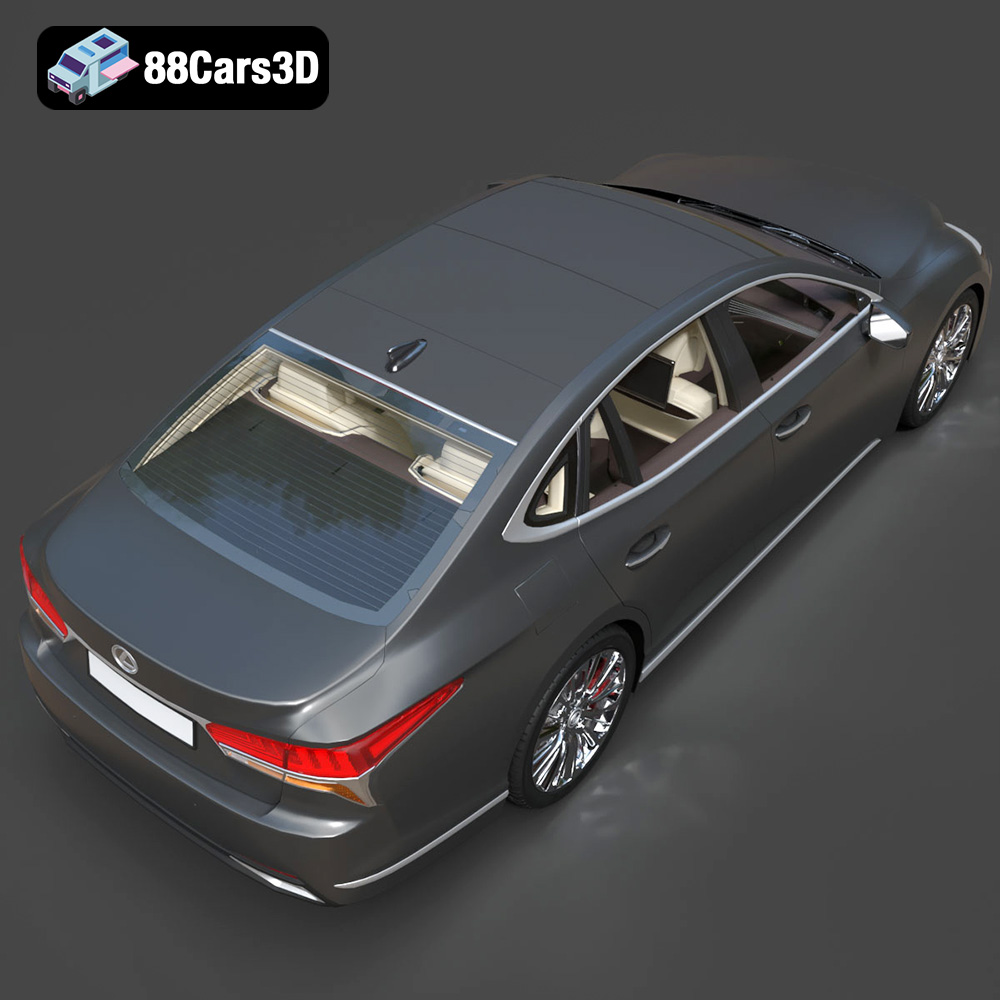
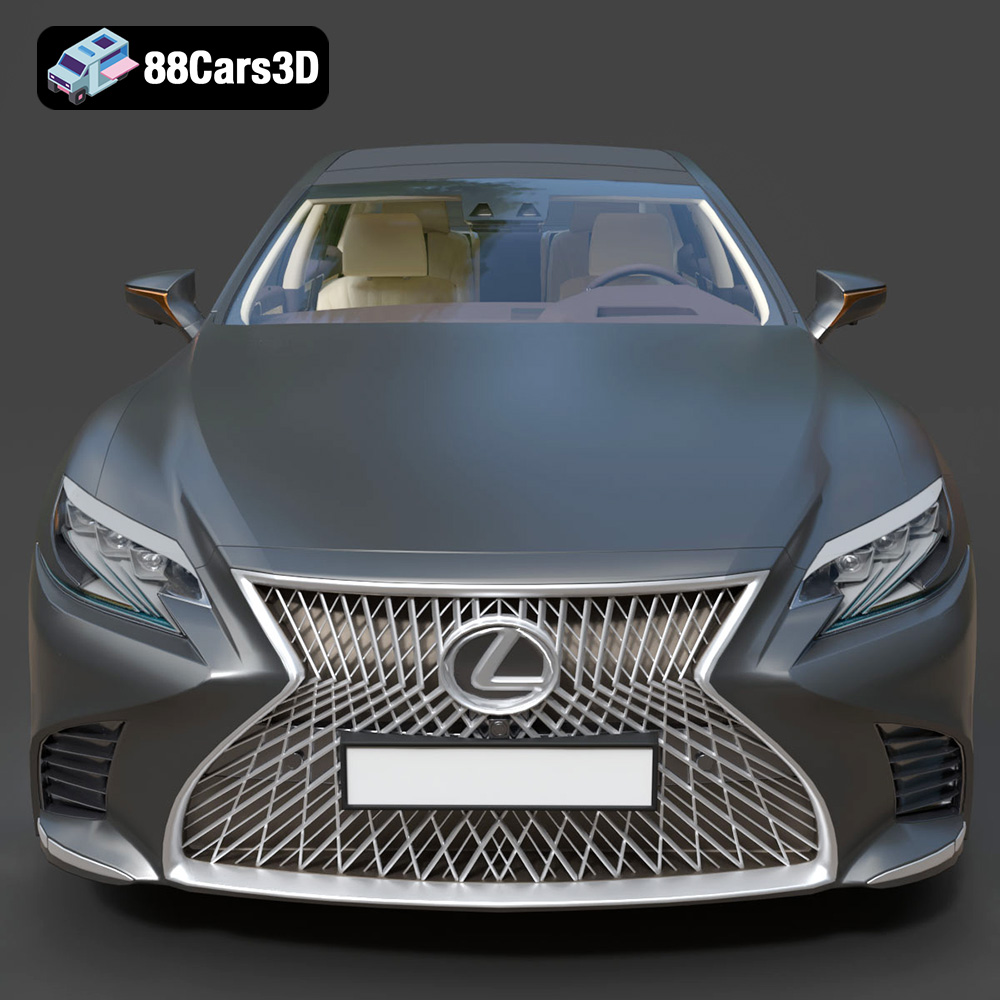
The 2018 Lexus LS 500 represents the pinnacle of Japanese luxury, and its digital counterpart mirrors this prestige through meticulous detail. The 3D model accurately captures the vehicle’s flowing lines and coupe-like sedan proportions, a hallmark of its sophisticated design. The signature spindle grille, a complex element with intricate mesh geometry, is rendered with exceptional precision, reflecting its real-world counterpart’s aggressive yet refined styling. Details extend to the integrated dual exhaust finishers with chrome detailing, Z-shaped LED headlights, and L-shaped taillights, complete with internal projector details. Even the authentic 19-inch/20-inch alloy wheels, low-profile tires, and detailed brake calipers are modeled to perfection, showcasing the careful consideration given to every visible component.
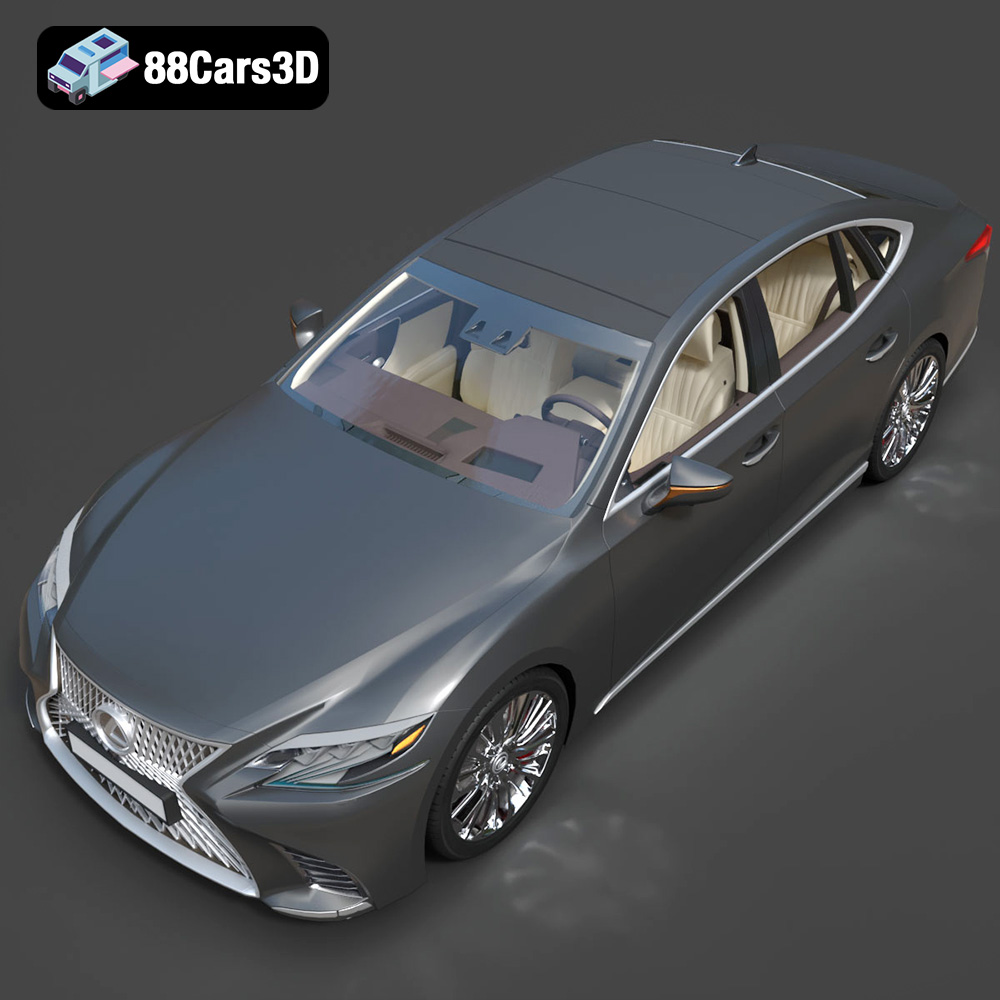
The interior of a luxury vehicle is where craftsmanship truly shines, and the Lexus LS 500 2018 3D Model doesn’t disappoint. The cockpit features luxurious leather-trimmed seating with intricate quilting and stitching details, demonstrating a high level of fidelity crucial for close-up renders or first-person perspectives in games and VR. The detailed steering wheel, complete with integrated controls and paddle shifters, adds to the realism. High-resolution digital instrument clusters and center infotainment displays, along with accurately placed console controls, trackpad, shifter, and pedals, create an immersive environment. This optimized geometry for first-person POV makes it perfect for driving simulators and virtual showrooms, allowing users to genuinely “experience” the interior.
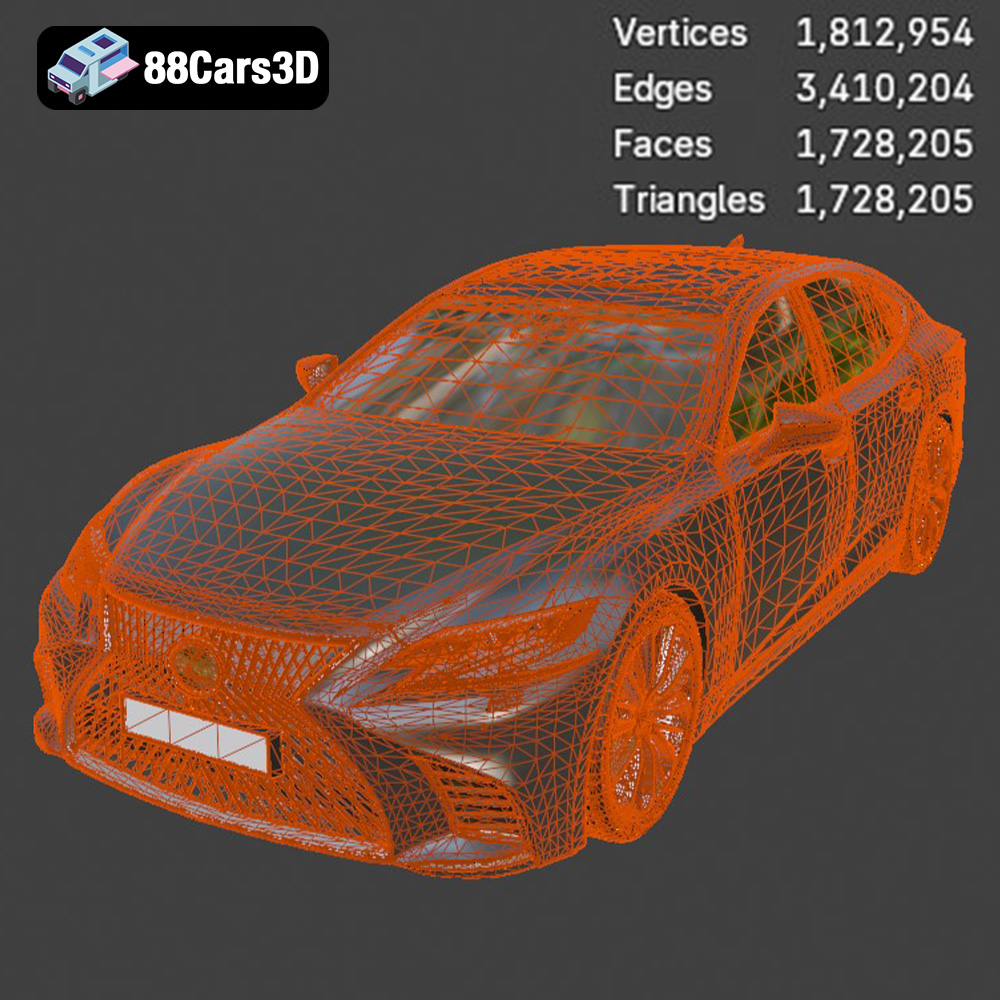
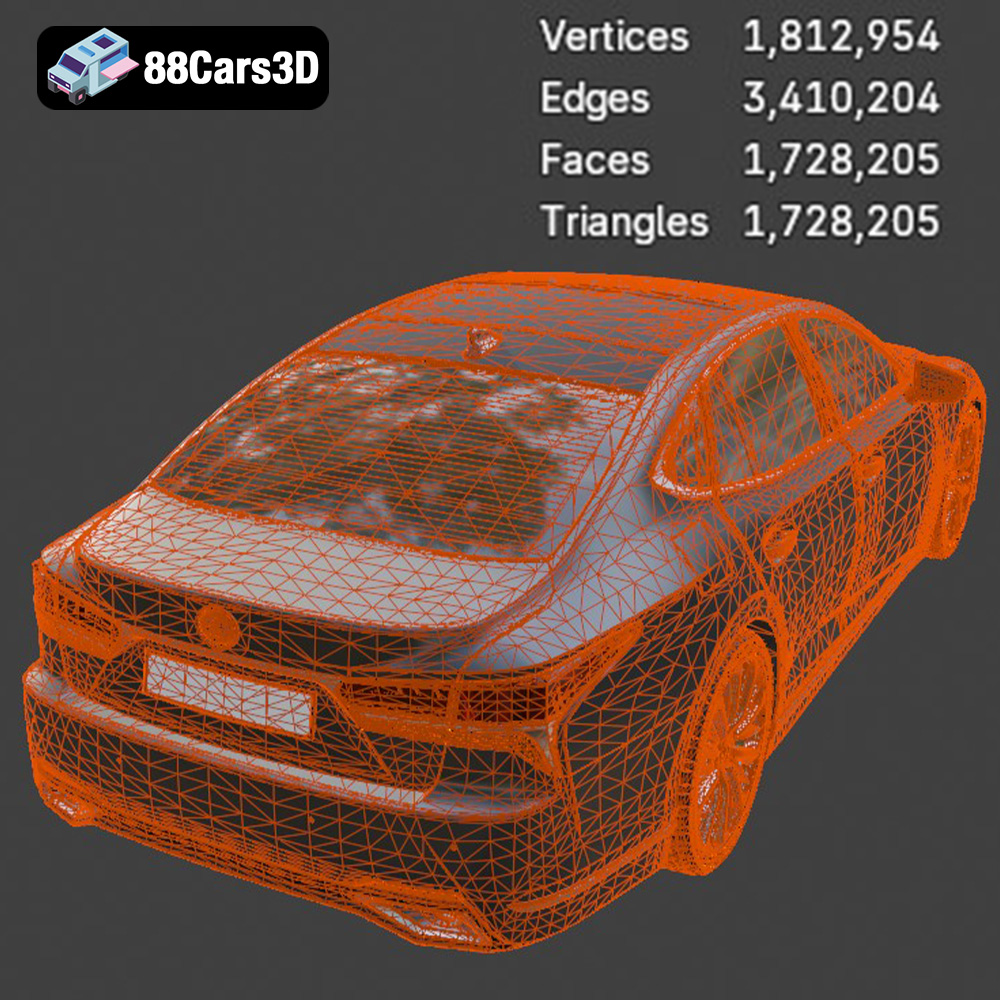
Beyond visual appeal, the Lexus LS 500 2018 3D Model boasts impressive technical specifications. With approximately 200,000 triangles, it achieves an optimal balance between high-end visual realism and real-time performance. This “game-ready” optimization is critical for seamless integration into modern game engines like Unreal and Unity, preventing performance bottlenecks while maintaining stunning visual fidelity. The model adheres to real-world scale accuracy, based on actual vehicle chassis dimensions, ensuring consistent integration into larger scenes. Furthermore, proper pivot setups for steering, wheel rotation, and suspension travel make it inherently animation-friendly, saving significant rigging time for animators and game developers. This holistic approach makes it a standout asset for professionals seeking efficiency without compromise, available on platforms like 88cars3d.com.
For high-end automotive rendering and visualization, 3ds Max remains a top choice. Importing the Lexus LS 500 2018 3D Model (ideally in .max or .fbx format) allows artists to leverage 3ds Max’s robust tools for scene setup. This typically involves setting up V-Ray or Corona Renderer, establishing studio lighting environments, and refining material properties. Artists can easily customize body colors using material overrides, adjusting metallic flakes or pearl finishes to match specific branding. The model’s clean geometry and separated components facilitate precise material assignments to individual parts like brake calipers, exhaust tips, and window trims. Furthermore, its animation-ready pivots enable complex camera movements and vehicle animations for cinematic sequences or product configurators.
Unreal Engine demands assets that are both visually impressive and performant. The Lexus LS 500 2018 3D Model, optimized with ~200,000 triangles, is perfectly suited for this environment. Importing the .fbx or the Unreal-specific asset involves setting up physics assets for collision, configuring LODs (Levels of Detail) to manage performance at varying distances, and creating master materials that can be easily instanced for color variations or material adjustments. The properly set up pivots for wheels and suspension simplify vehicle rigging within Unreal’s physics and animation systems, enabling realistic driving dynamics. For an open-world game or a racing simulator, this model offers a significant head start, allowing developers to focus on gameplay mechanics rather than basic asset creation.
Blender’s growing popularity makes its native .blend format invaluable. For indie game developers, AR/VR creators, or freelance artists, importing the Lexus LS 500 2018 3D Model directly into Blender offers immediate access to a fully editable scene. Users can utilize Blender’s Cycles or Eevee render engines for stunning visuals, quickly iterate on custom material variations, or integrate the car into bespoke environments. Blender’s robust animation tools can be used to create custom sequences, whether for a product showcase or a short animation. The model’s optimized topology ensures smooth viewport performance, even on less powerful hardware, making it accessible to a wider range of creators.
The versatility of high-quality 3D car models extends beyond digital screens. The inclusion of the .stl format for the Lexus LS 500 2018 3D Model opens up exciting possibilities for 3D printing. Enthusiasts, designers, and hobbyists can convert the digital asset into a tangible replica. Recommended scales like 1:12, 1:18, or 1:24 allow for detailed physical models, perfect for display or diorama creation. The provided 3D print settings, such as recommended layer height (0.04–0.12 mm, preferably with resin printing for fine details), wall thickness, infill, and support requirements, are crucial guidelines to ensure a successful print. This allows for a tactile experience of the model’s design, bridging the gap between virtual and physical craftsmanship.
After a successful 3D print, the journey continues with post-processing. This typically involves removing supports, sanding to smooth out layer lines, and applying primer. The real magic happens with painting. Using authentic factory colors with metallic finishes, or even custom metallic or pearl finishes, can transform a raw print into a stunning miniature. Replicating the chrome detailing and transparent windows with specialized paints adds another layer of realism. This aspect of 3D printing extends the creative possibilities, allowing individuals to customize their physical Lexus LS 500 model to their exact specifications, much like customizing its digital counterpart.
In real-time applications like video games and interactive AR/VR experiences, performance is king. High polygon counts can quickly bog down frame rates, leading to a choppy and unenjoyable user experience. This is where “game-ready” assets like the Lexus LS 500 2018 3D Model demonstrate their value. With approximately 200,000 triangles, it strikes an optimal balance. This polycount is high enough to capture the complex curves and details of a luxury vehicle for close-up shots and immersive gameplay, yet low enough to be efficiently rendered in real-time engines. For comparison, many background vehicles might have significantly lower polycounts, while hero vehicles in cutscenes might exceed this, demonstrating the strategic sweet spot chosen for this versatile model.
Beyond raw polygon count, efficient UV mapping and texture atlasing are critical for real-time performance. Clean UV layouts ensure that textures are applied without distortion and that texture memory is used efficiently. Texture atlasing, where multiple smaller textures are combined into a single larger texture, reduces draw calls, which significantly improves rendering speed in game engines. While the product description doesn’t explicitly detail the UVs, the “high-resolution textures” and “game-ready” designation imply a carefully optimized UV strategy for the Lexus LS 500 3D model, ensuring both visual quality and rendering efficiency. This meticulous preparation makes integration smoother and performance more reliable.
One of the most impactful applications for a premium 3D car model like the Lexus LS 500 is in virtual showrooms and online configurators. Imagine a potential buyer exploring the car from every angle, customizing body colors, changing tire textures, or adjusting material finishes (matte, gloss, metallic, chrome) in real-time, all within a browser or VR headset. The optimized geometry and clean structure of this model make it ideal for such interactive experiences, providing a powerful marketing tool for automotive brands to engage customers long before they step into a dealership.
In architectural visualization, context is everything. Placing a high-fidelity car model in front of a newly designed building or within an urban street scene instantly adds realism, scale, and a sense of life. The Lexus LS 500, with its striking design and luxurious appeal, can elevate a simple rendering into a captivating lifestyle scene. The ability to adapt lighting for different environments (daylight, night driving, studio) means it can seamlessly integrate into various architectural lighting setups, enhancing the overall storytelling of the visualization.
For game developers building expansive open-world games, the Lexus LS 500 2018 3D Model serves as an excellent “hero” vehicle or a high-detail NPC (Non-Player Character) car. Its optimized polycount allows for multiple instances to populate bustling cityscapes without significant performance drops. Furthermore, its separate wheels, doors, suspension, and steering components mean it’s ready for advanced physics simulations and interactive elements, allowing players to drive it, open its doors, or even customize it within the game world. This significantly reduces development time for crucial game assets.
The demand for high-quality 3D car models continues to grow, driven by advancements in real-time rendering, immersive technologies, and the relentless pursuit of visual realism. Assets like the Lexus LS 500 2018 3D Model exemplify the pinnacle of digital craftsmanship, offering an intricate blend of artistic detail and technical optimization. From its meticulously recreated exterior and luxurious interior to its game-ready polycount and wide array of supported file formats, it empowers creators across diverse industries.
Whether you’re a game developer seeking realistic game assets, an architect aiming for compelling visualizations, a marketing professional building virtual showrooms, or a hobbyist eager to 3D print a digital masterpiece, this model provides an exceptional foundation. It streamlines workflows, enhances visual quality, and unlocks new creative possibilities, making it an indispensable tool for anyone serious about digital content creation. Discover premium assets that drive digital excellence, like this Lexus LS 500 3D model, and many more, at 88cars3d.com.
The 2018 Lexus LS 500 is the pinnacle of Japanese luxury, featuring a striking spindle grille, elegant coupe-like silhouette, and a powerful twin-turbo V6 engine. Known for its meticulous Takumi craftsmanship, whisper-quiet ride, and aggressive yet refined styling, the LS 500 represents the intersection of executive comfort and cutting-edge automotive design. From its complex front fascia to the dual exhaust outlets, every curve is captured to convey its dynamic road presence. This highly detailed, game-ready 3D model boasts optimized topology (approximately 200,000 triangles), ensuring top-tier visual fidelity without sacrificing real-time performance. Designed with clean geometry and high-resolution textures, it delivers photorealistic results ideal for modern game development, immersive AR/VR experiences, high-end animation, and architectural visualization. Perfect for luxury car configurators, urban open-world games, cinematic architectural renderings, and high-end brand showcases.
$39.99
.2018
.blend
.fbx
.glb
.lexus
.max
.obj
.ply
.rendering
.stl
.unreal
car-3d-model
executive-car
game asset
game-ready
low-poly
ls-500
luxury-sedan
optimized
VR/AR