Get 20% OFF All Premium 3D & STL Models!

In the dynamic world of digital content creation, the pursuit of hyper-realism and engaging interactive experiences is constant. For automotive designers, game developers, architects, and visualization artists, the quality of 3D car models forms the bedrock of any successful project. A meticulously crafted 3D car model isn’t merely an object; it’s a digital blueprint, a performance asset, and a canvas for creative expression. It allows us to explore designs before they leave the drawing board, immerse players in believable virtual worlds, and render stunning visualizations that blur the line between digital and reality.
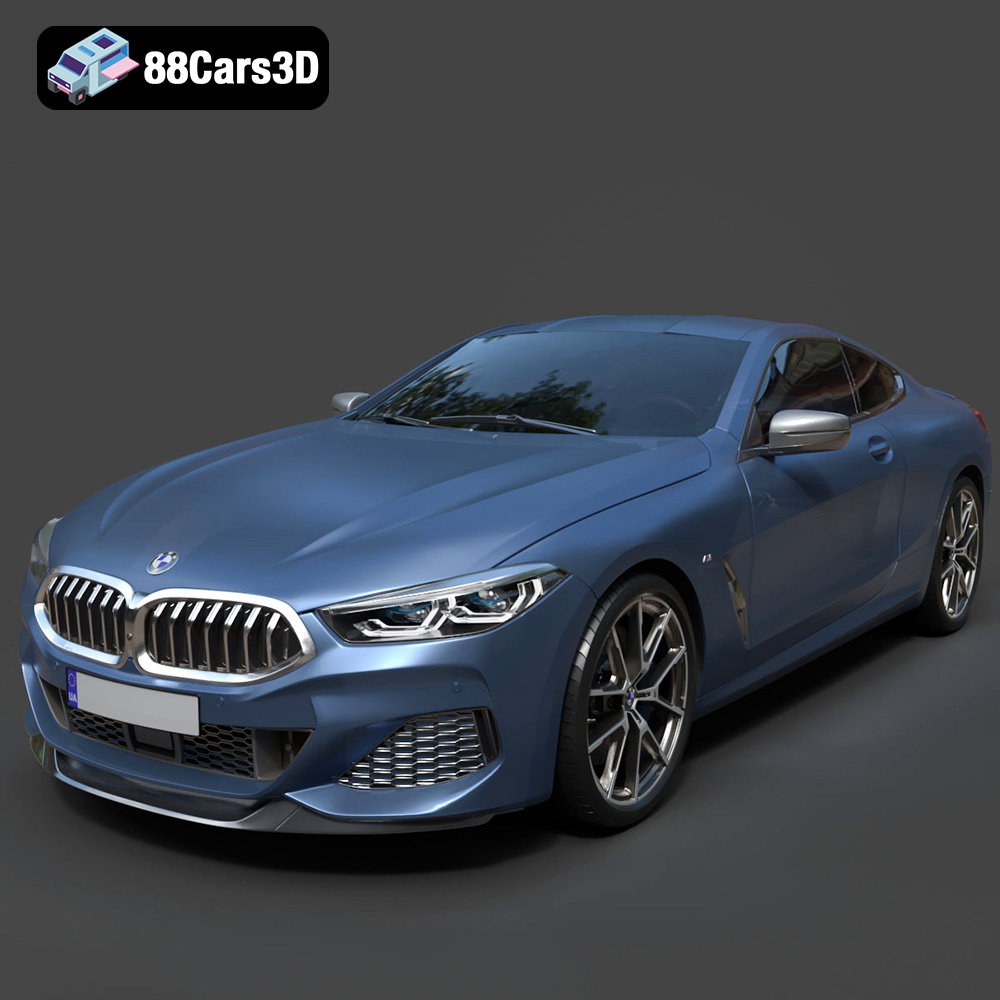
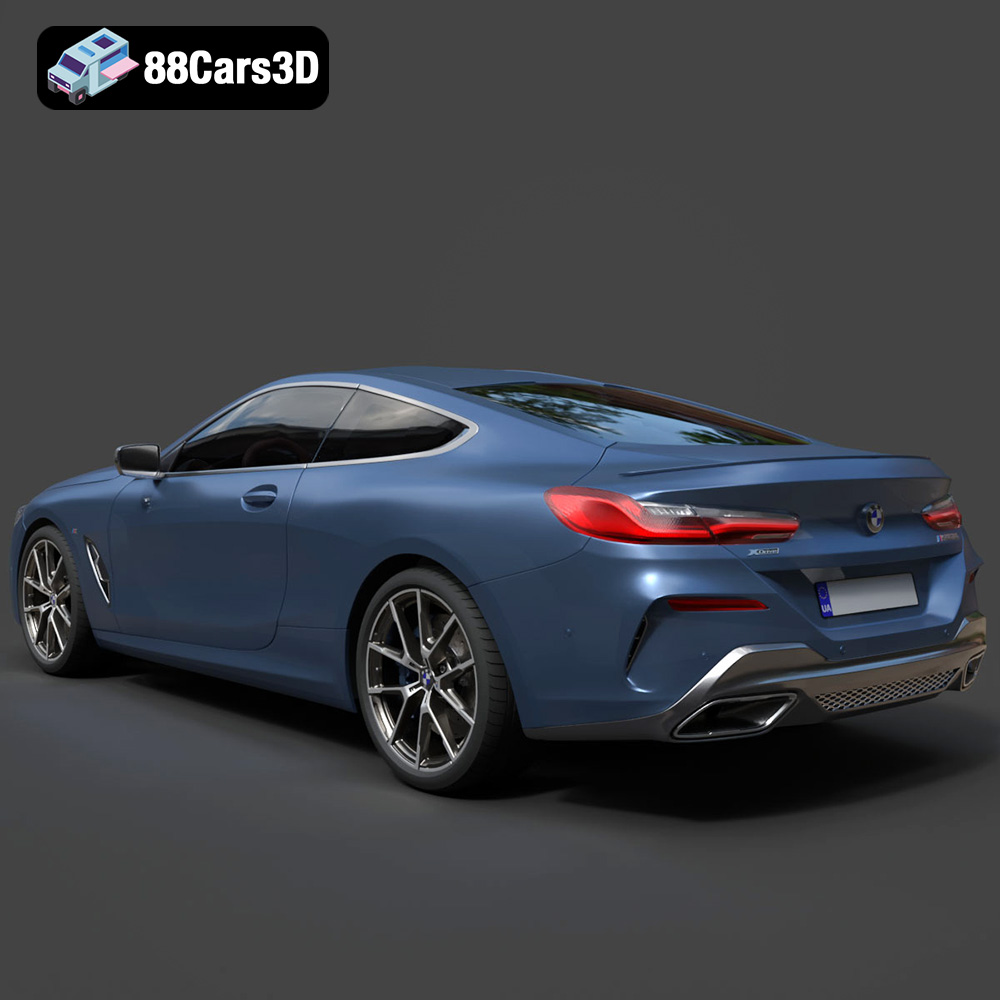
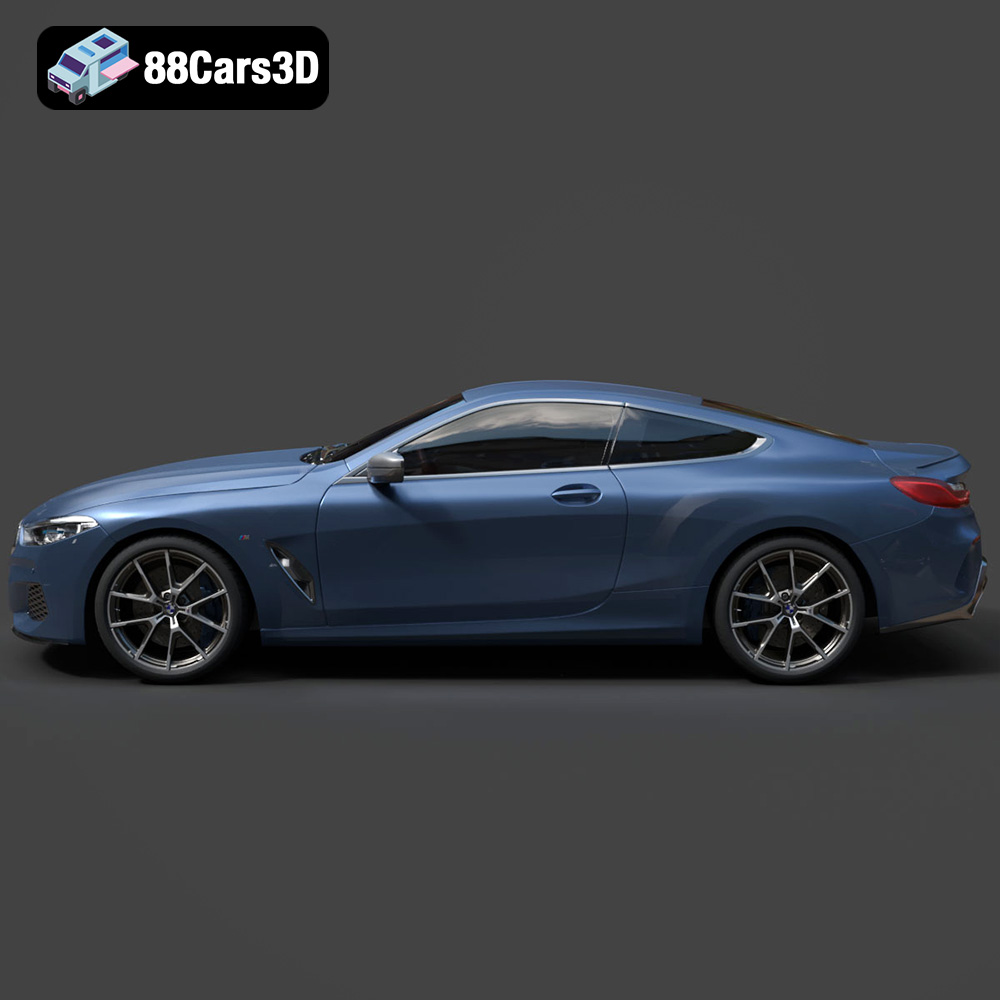
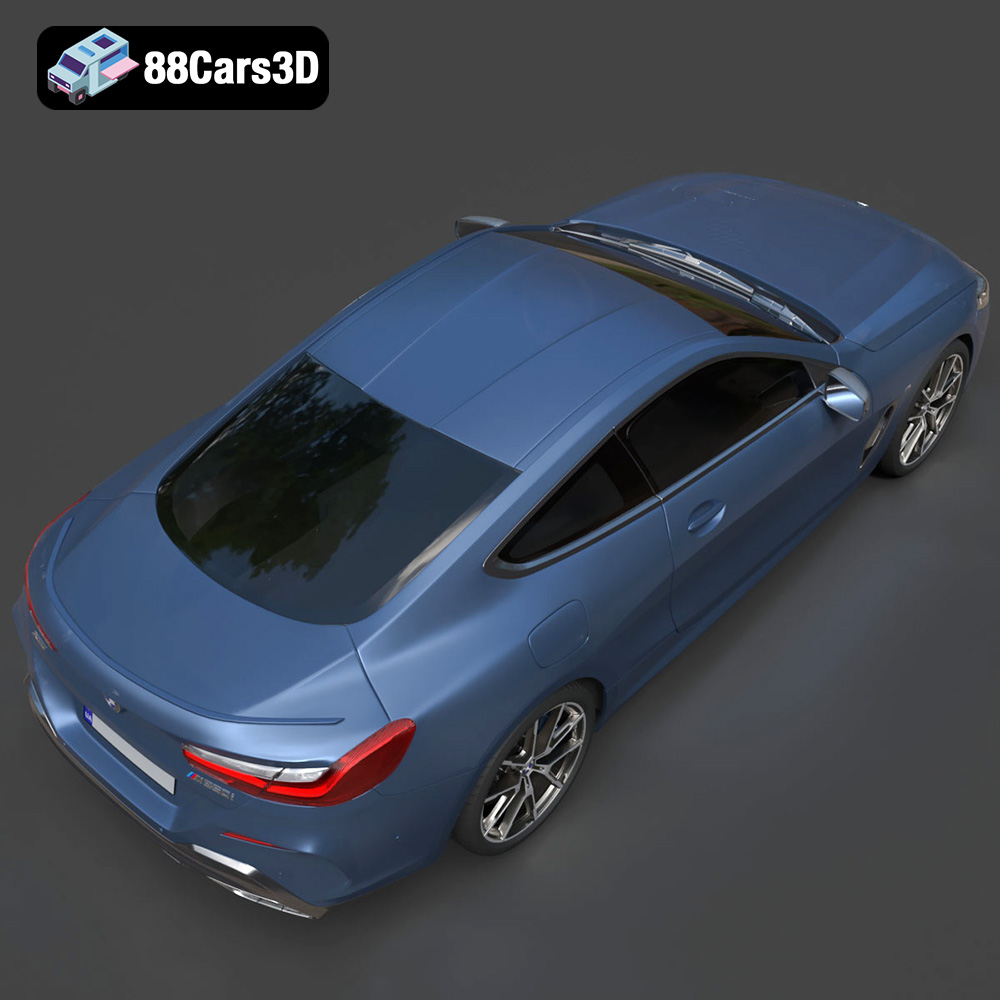
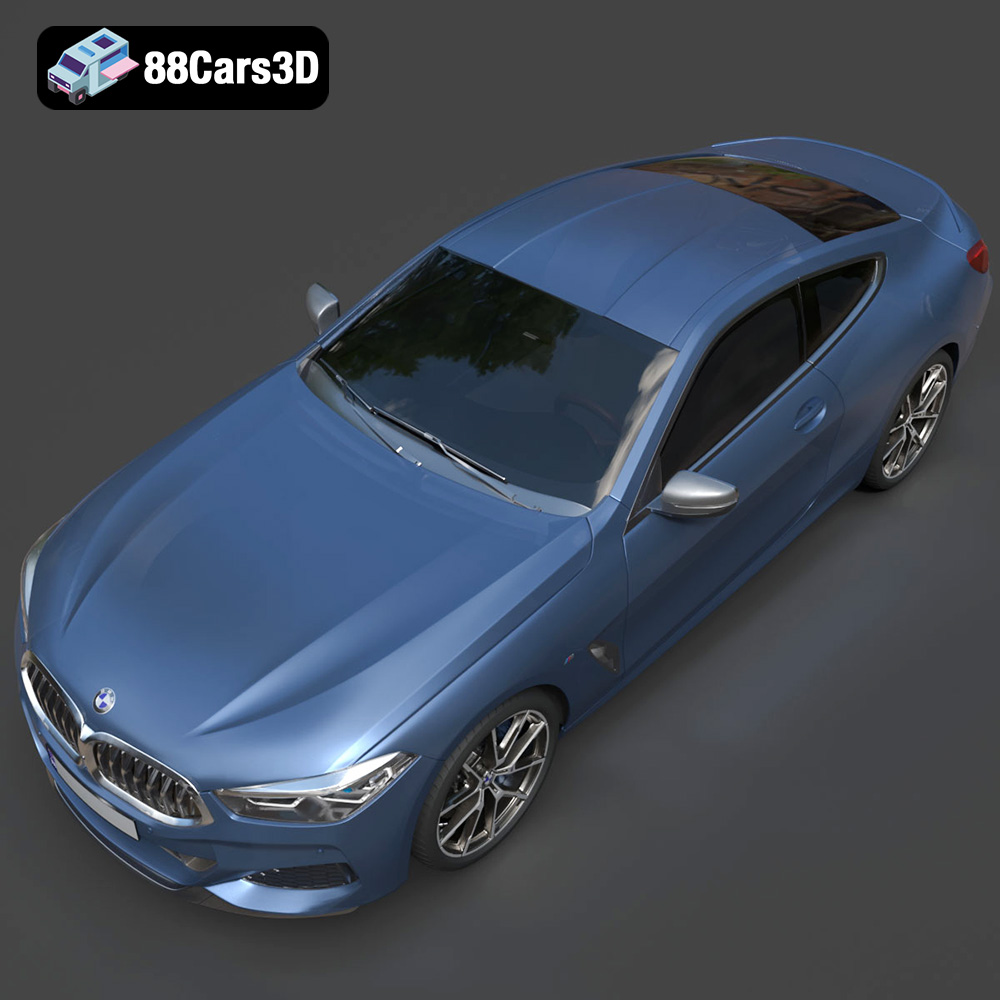
Today, we’re diving deep into the technical intricacies and creative possibilities that high-fidelity 3D car models unlock, using a prime example: the BMW 8-Series M850i G15 Coupe 2019 3D Model. This exceptional asset, available on 88cars3d.com, encapsulates the pinnacle of automotive 3D modeling, offering unparalleled realism and versatility for a myriad of professional applications. Whether you’re aiming for cinematic renders, real-time game assets, or cutting-edge AR/VR experiences, understanding the technical underpinnings and workflow integration of such models is crucial.
The visual impact of any 3D scene hinges on the quality of its assets. For something as recognizable and aesthetically critical as a car, shortcuts simply won’t suffice. High-quality 3D car models are distinguished by their precision, optimization, and attention to detail, factors that directly influence rendering quality, performance, and overall project integrity.
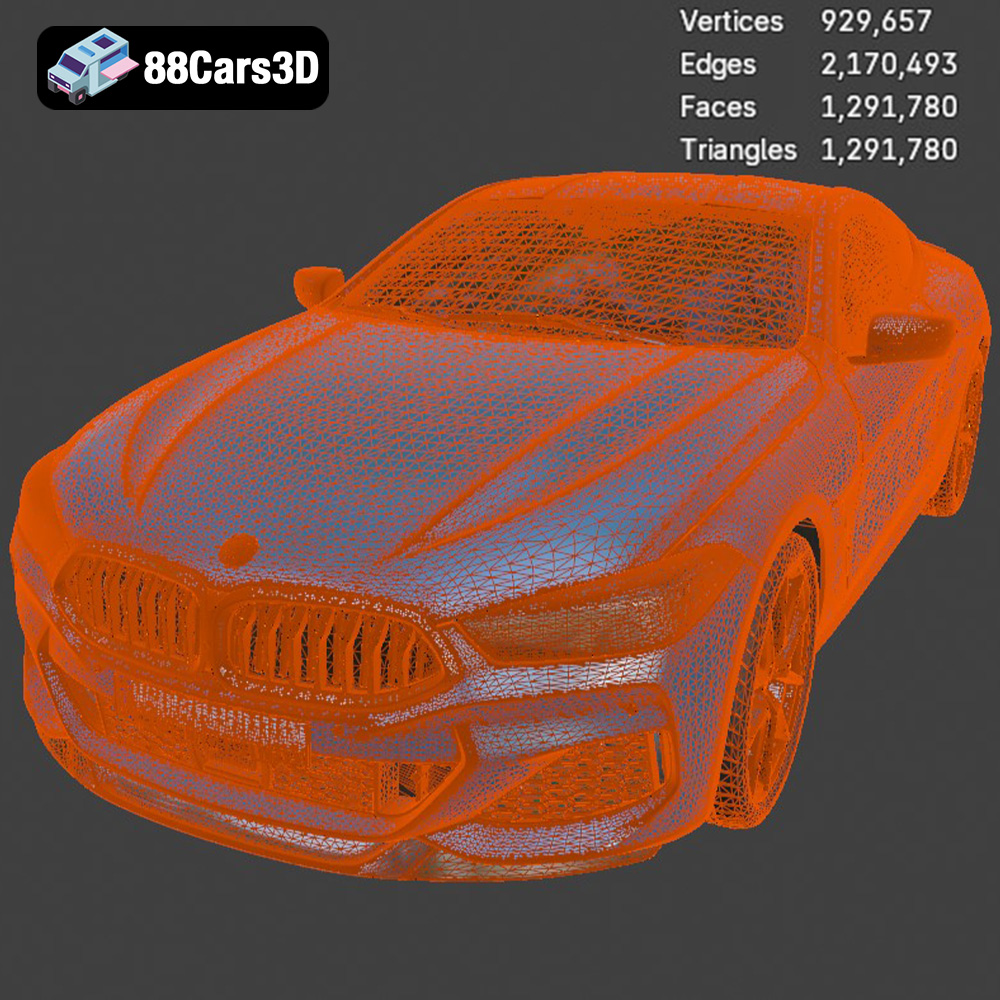
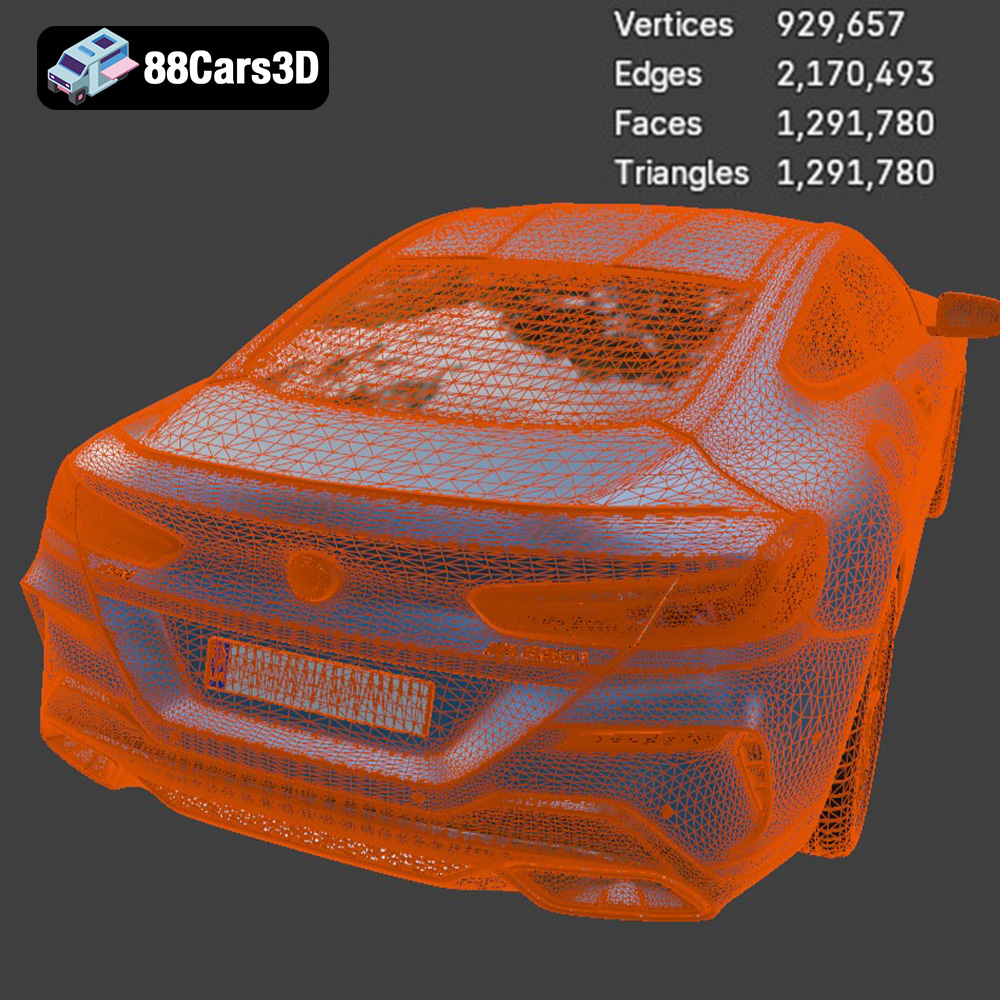
At the heart of any excellent 3D model lies its geometry and topology. A high-quality car model, like the BMW 8-Series M850i G15 Coupe 2019, features clean, well-optimized polygon distribution. This means efficient use of polygons without sacrificing detail, ensuring smooth subdivisions and deformations. Poor topology can lead to artifacts, pinching, or unnatural distortions when the model is rendered or animated. Professional models adhere to quads-based topology where possible, facilitating cleaner edge flow and easier manipulation during production.
UV mapping is equally critical. This process unwraps the 3D surface into a 2D plane, allowing textures to be applied accurately. Well-executed UVs prevent stretching, distortion, and provide ample resolution for intricate details like panel gaps, headlight textures, and interior elements. In automotive rendering, perfectly laid out UVs are essential for showcasing intricate paint shaders, reflective surfaces, and realistic decals without visual compromise.
Beyond the mesh, materials and textures breathe life into a 3D model. Physically Based Rendering (PBR) materials are now the industry standard, accurately simulating how light interacts with surfaces in the real world. A premium 3D car model will come with PBR textures including albedo (base color), metallic, roughness, normal, and ambient occlusion maps. These maps work in concert to define everything from the metallic sheen of the paintwork to the subtle reflections on the glass and the fine texture of the tire rubber.
The BMW 8-Series M850i G15 Coupe 2019 3D Model is built with these principles in mind, featuring realistic materials and intricate detailing that ensures exceptional visual fidelity. This attention to PBR workflow means the model will look convincing under various lighting conditions, making it ideal for close-up shots and demanding environments across different rendering engines.
The versatility of a 3D car model is significantly enhanced by its availability in multiple file formats. Each format serves specific purposes, catering to different software, pipelines, and end-use scenarios. Understanding these distinctions is paramount for any professional utilizing 3D assets. The BMW 8-Series M850i G15 Coupe 2019 3D Model from 88cars3d.com offers a comprehensive suite of formats, ensuring broad compatibility and utility.
The .blend format is Blender’s native file type. It encapsulates an entire Blender scene, including mesh data, materials, textures, lighting setups, camera positions, animations, and even physics simulations. This format is fully editable within Blender, making it ideal for artists who primarily work in this powerful open-source 3D software. For the BMW M850i model, the .blend file provides an editable scene complete with materials and potentially a lighting setup, allowing users to dive in and immediately begin rendering or further customizing the model without extensive setup.
Autodesk’s .fbx (Filmbox) is a widely adopted proprietary file format for 3D content interchange. It supports geometry, materials, textures, animation, and even skeletal deformation. Its strength lies in its ability to transfer data between different 3D software packages and, crucially, its optimization for game engines like Unreal Engine and Unity. When a model like the BMW M850i is provided in .fbx, it signifies that it’s “game-engine ready,” often with optimized polygon counts (LODs), simplified material setups, and efficient UVs, making it perfect for real-time pipelines where performance is critical.
The .obj (Wavefront OBJ) format is one of the most universal and oldest 3D model formats. It primarily stores geometry data (vertices, normals, texture coordinates, and faces) and can reference external material (.mtl) and texture files. While it doesn’t support animation or complex scene data, its simplicity and widespread compatibility mean almost every 3D software can import and export .obj files. It’s an excellent choice for basic mesh transfer and is often used as a fallback for cross-software compatibility, ensuring the BMW M850i 3D model can be utilized across virtually all major 3D applications.
.glb (GLB format) is the binary version of glTF (GL Transmission Format), designed for efficient transmission and loading of 3D scenes and models by applications. It’s quickly becoming the standard for 3D web, AR, and VR experiences due to its compact size and ability to embed all textures and data within a single file. For the BMW M850i, the .glb format is optimized for AR/VR and web-based visualization, making it perfect for interactive product configurators, virtual showrooms, or augmented reality apps on mobile devices.
.stl (Stereolithography) is the de facto standard file format for 3D printing. It represents a 3D model as a series of connected triangles, describing only the surface geometry without color, texture, or material information. While not suitable for rendering, an .stl version of the BMW M850i is invaluable for 3D printing and prototyping, allowing designers to create physical scale models for concept evaluation, rapid prototyping, or even collectibles.
The .ply (Polygon File Format or Stanford Triangle Format) is a versatile format for storing 3D data, particularly useful for capturing scanning data and complex meshes. It can store not just geometry but also properties like color, transparency, normals, texture coordinates, and even reliability information for each polygon. It’s a precision mesh format often used in scientific visualization, CAD, and scenarios requiring detailed mesh analysis or high-fidelity data capture. For the BMW M850i, a .ply file would offer a highly detailed polygon mesh for advanced analysis and visualization beyond standard rendering.
The .unreal format, or more accurately, assets packaged for Unreal Engine, implies a model specifically configured for this powerful real-time platform. This typically means an .fbx import with materials already set up within Unreal’s shader graph, appropriate collision meshes, LODs (Levels of Detail), and potentially even Blueprints for interactive elements. For the BMW M850i G15 Coupe 2019 3D Model, “Pre-configured for Unreal Engine use” in an .unreal context indicates a significant head start for game developers and real-time artists, saving hours of optimization and setup time.
Like .blend for Blender, the .max format is Autodesk 3ds Max’s native file format. It stores a complete 3ds Max scene, including geometry, materials, textures, lighting, cameras, animation, and modifiers. For professionals working in 3ds Max, the .max file for the BMW M850i offers an editable project for direct rendering, animation, or integration into existing architectural visualization or product design scenes. It often contains advanced material setups and render-specific configurations that leverage 3ds Max’s robust rendering capabilities.
High-quality 3D car models are essential for crafting compelling automotive visualizations. The workflow, however, varies depending on the desired outcome and the software chosen. Let’s explore some common professional pipelines.
3ds Max, often paired with powerful renderers like V-Ray or Corona Renderer, is a cornerstone in professional automotive visualization. The workflow typically begins by importing the .max version of the BMW 8-Series M850i G15 Coupe 2019 3D Model. Artists then refine materials, adjusting properties like reflectance, clear coat, and anisotropy to perfectly mimic automotive paint. HDRI (High Dynamic Range Image) lighting is crucial here, providing realistic environmental reflections and illumination that sell the realism. Advanced techniques include setting up camera match-moving for integration into photographic backplates, creating dynamic lighting scenarios, and applying depth of field for cinematic shots. The clean geometry of a model from 88cars3d.com ensures that subdivisions for mesh smoothing (e.g., with TurboSmooth) perform flawlessly, yielding impeccable reflections and curves.
Blender has rapidly become a go-to tool for automotive artists due to its comprehensive feature set and open-source nature. Utilizing the .blend file of the BMW M850i, artists can leverage Blender’s Cycles renderer for physically accurate ray-traced results or Eevee for fast, real-time rendering. The node-based material system offers immense flexibility for creating custom car paint shaders, intricate tire materials, and realistic glass. Workflows might involve setting up studio lighting with area lights and reflectors, employing Cycles’ adaptive sampling for noise reduction, or using Eevee’s screen-space reflections and ambient occlusion for quick iterations and animations. Blender’s Grease Pencil can even be used for quick annotation or concept sketching directly on the 3D model.
In game development and real-time interactive experiences, 3D car models need to be more than just visually appealing; they must be highly optimized for performance. The BMW 8-Series M850i G15 Coupe 2019 3D Model, with its game-engine-ready formats, is a prime example of an asset built for this demanding environment.
Unreal Engine is a powerhouse for real-time graphics, and integrating a complex asset like a car requires specific considerations. The .unreal file or a well-prepared .fbx from 88cars3d.com streamlines this process. Developers typically implement Levels of Detail (LODs) – progressively lower polygon versions of the model that swap in as the car moves further from the camera. This drastically reduces rendering load. Collision meshes are also vital, defining the physical boundaries for player interaction and realistic crashes. Materials are converted to Unreal’s PBR shader system, often leveraging instances for easy color variations. With the advent of features like Lumen and Nanite in Unreal Engine 5, even highly detailed meshes can be managed efficiently, allowing for stunning visual fidelity for game assets that previously would have been too polygon-heavy.
Unity, another leading game engine, follows a similar pipeline. The .fbx format is the primary conduit for importing 3D car models. Developers will set up PBR materials using Unity’s Standard Shader or custom shaders, implement LODs for performance, and create accurate collision detection using mesh colliders or primitive shapes. The model’s clean topology and well-managed UVs are crucial here, ensuring textures render correctly and optimizations can be applied effectively. Beyond game engines, real-time visualization platforms used in automotive design (e.g., VRED, Deltagen) also rely on robust, optimized 3D models for interactive reviews and virtual showrooms, where the BMW M850i model’s quality shines.
The utility of high-quality 3D car models extends far beyond traditional rendering and game development, venturing into cutting-edge immersive technologies and physical production.
Augmented Reality (AR) and Virtual Reality (VR) offer revolutionary ways to experience products, and automotive manufacturers are at the forefront of adopting these technologies. A 3D car model optimized for AR/VR, like the BMW 8-Series M850i G15 Coupe 2019 available in .glb format, is essential. This format is lightweight, self-contained, and designed for efficient streaming and rendering in real-time AR/VR applications. Imagine potential customers exploring a virtual showroom, walking around the BMW M850i, changing paint colors, and even stepping inside, all through an AR app on their phone or a VR headset. High-quality 3D car models enable these deeply immersive and interactive product experiences.
While often associated with digital rendering, 3D models play a crucial role in the physical world through 3D printing. The .stl format of the BMW M850i G15 Coupe 2019 3D Model allows designers and enthusiasts to rapidly prototype physical scale models. This is invaluable in the automotive industry for design iteration, aerodynamic testing of small-scale models, or creating intricate parts for concept models. The .ply format offers even greater precision and detail for complex mesh analyses, often used in conjunction with 3D scanning or for intricate CAD/CAM operations, bridging the gap between digital design and manufacturing.
In a marketplace filled with digital assets, discerning professionals seek quality, versatility, and efficiency. The BMW 8-Series M850i G15 Coupe 2019 3D Model from 88cars3d.com exemplifies what a top-tier asset should deliver, making it an invaluable addition to any professional’s toolkit.
The product description highlights its “clean geometry and optimized polygon distribution,” ensuring “smooth subdivisions and excellent performance.” This is not just marketing jargon; it’s a technical guarantee that the model will behave predictably and flawlessly across various rendering and real-time engines. The inclusion of “realistic materials and intricate detailing” means less time spent on shader creation and more on artistic direction. From the sharp lines of the bodywork to the intricate grille patterns and the detailed interior, every aspect of the iconic BMW 8-Series M850i has been faithfully recreated to meet professional standards, making it perfect for those demanding close-up shots or high-resolution renders.
The comprehensive range of file formats – .blend, .fbx, .obj, .glb, .stl, .ply, .unreal, and .max – is a testament to the model’s adaptability. This eliminates compatibility headaches and provides immediate utility, whether you’re animating in 3ds Max, developing a game in Unreal Engine, or prototyping a physical model. This versatility significantly streamlines project development, allowing artists and developers to focus on creativity rather than asset preparation. When you invest in a model like this from 88cars3d.com, you’re investing in efficiency and guaranteed quality.
The world of 3D modeling for automotive design, rendering, and game development is constantly evolving, driven by the demand for ever-greater realism and immersion. At the core of achieving these ambitious goals are high-quality 3D car models. They are not just visually stunning; they are technically robust, optimized for diverse pipelines, and flexible enough to adapt to emerging technologies like AR/VR and 3D printing.
The BMW 8-Series M850i G15 Coupe 2019 3D Model stands as a testament to what’s possible when technical excellence meets passionate design. Its meticulous construction, optimized geometry, realistic PBR materials, and extensive format support make it an indispensable asset for professionals across the creative industries. Whether you’re a seasoned visualization artist, a game developer, or exploring the frontiers of immersive experiences, leveraging such a high-caliber asset from a reputable source like 88cars3d.com will undoubtedly elevate your projects to new levels of visual fidelity and technical performance.
Experience unparalleled realism with the BMW 8-Series M850i G15 Coupe 2019 3D Model. Designed to meet professional standards, this model captures the sleek proportions and aggressive styling of the iconic luxury sports coupe, ensuring exceptional visual fidelity for any digital project. Built with clean geometry and optimized polygon distribution, the model guarantees smooth subdivisions and excellent performance. It features realistic materials and intricate detailing, making it ideal for close-up shots and demanding environments. This versatile 3D asset is perfectly suited for a wide range of applications, including game development, cinematic rendering, AR/VR experiences, and automotive visualization.
$39.99
.8series
.arvr
.blend
.bmw
.car3dmodel
.coupe
.fbx
.g15
.gameasset
.glb
.luxurycar
.m850i
.max
.obj
.ply
.rendering
.simulation
.sportsCar
.stl
.unreal