Get 20% OFF All Premium 3D & STL Models!

The world of 3D modeling has revolutionized how we perceive and interact with complex designs, none more so than in the automotive and motorcycle industries. From breathtaking cinematic visualizations to highly interactive game environments and cutting-edge AR/VR experiences, the demand for exceptionally detailed and technically sound 3D models is ever-growing. These assets are the foundation upon which virtual worlds are built, and their quality directly impacts the realism and immersion of any project.
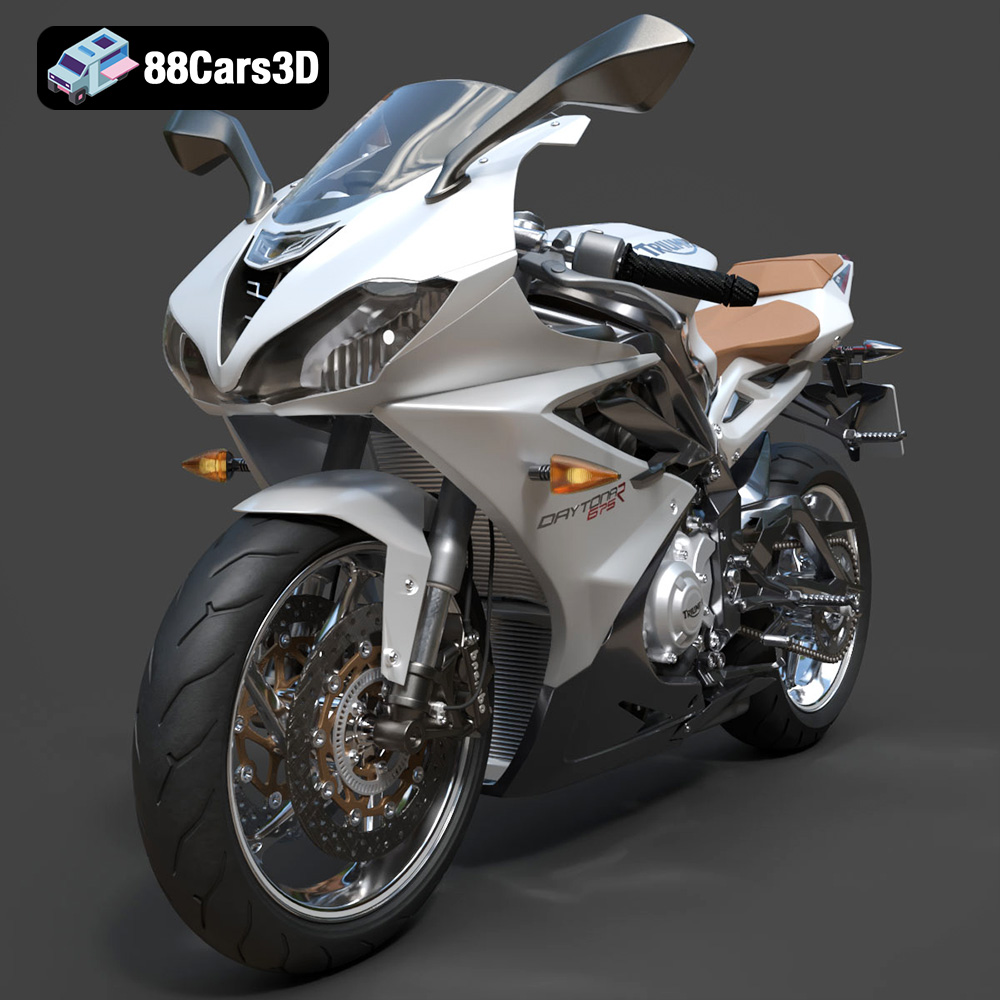
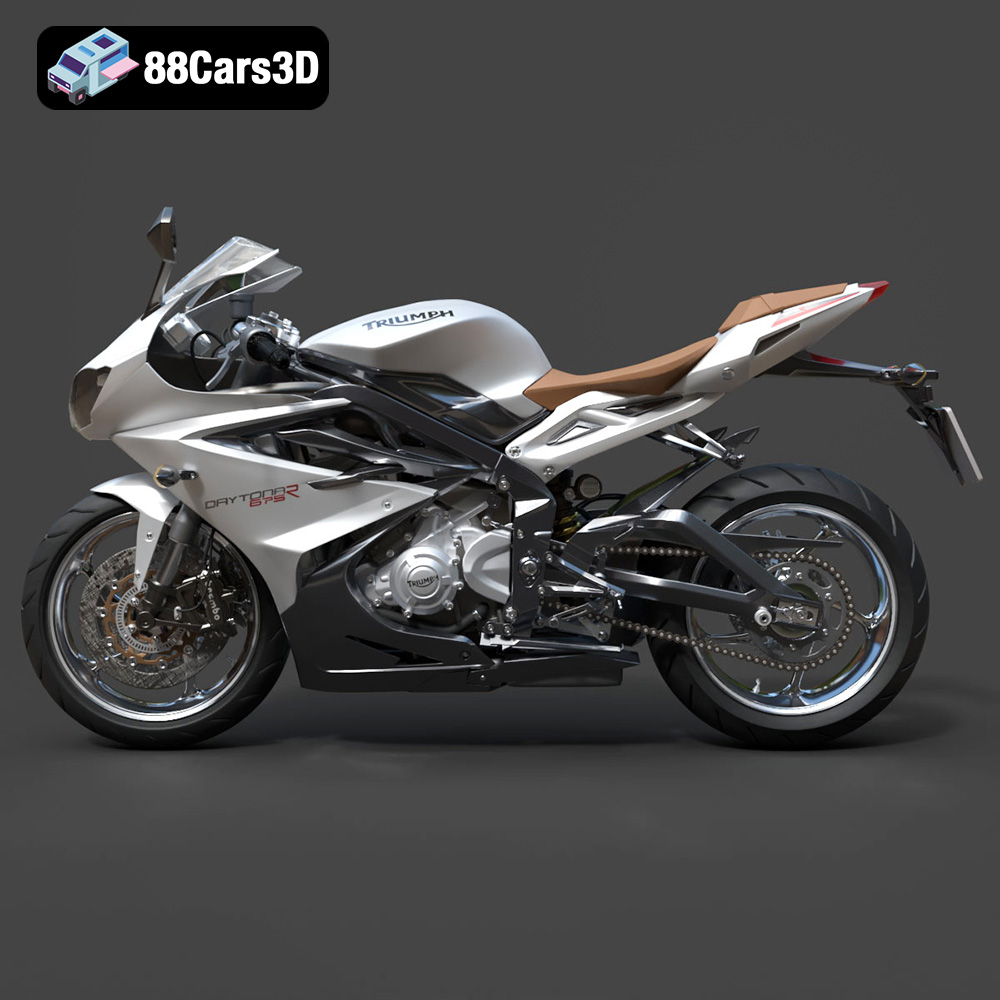
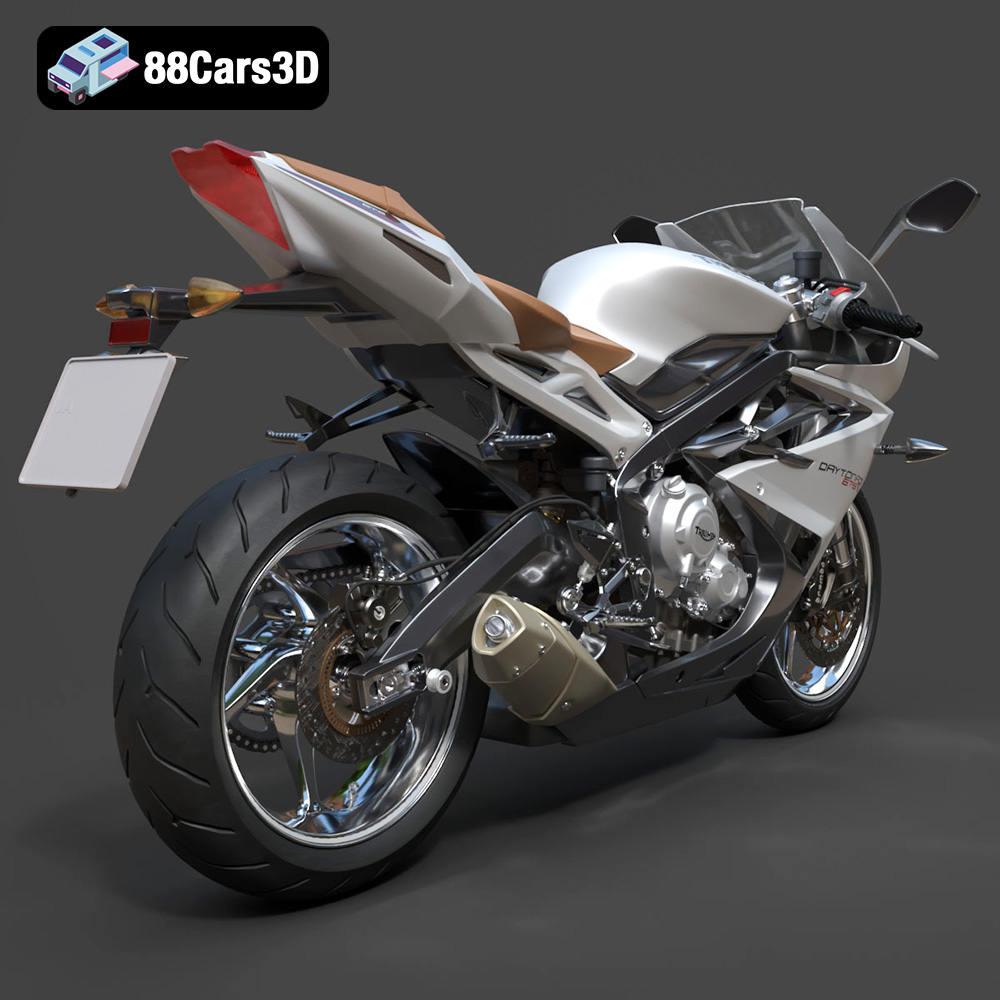
Creating a truly authentic digital representation of a real-world vehicle is an intricate process, requiring a deep understanding of geometry, materials, and optimization. It’s about capturing the soul of the machine, not just its silhouette. Take, for instance, a motorcycle like the Triumph Daytona 675R ABS 2015. Known for its aggressive styling, iconic triple-cylinder engine, and track-focused performance, it presents a formidable challenge to any 3D artist. However, a meticulously crafted 3D model, such as the Triumph Daytona 675R ABS 2015 3D Model available on 88cars3d.com, encapsulates every nuance, making it a powerful tool for a multitude of professional applications.
This article will delve into the technical intricacies of creating, optimizing, and deploying premium 3D models, exploring the crucial role of various file formats, the demanding workflows of game development and cinematic rendering, and even the exciting realm of 3D printing. We’ll examine how a high-quality asset like the Daytona 675R model serves as a cornerstone for diverse digital projects, enabling creators to push the boundaries of realism and interactivity.
The choice of a 3D model file format is often as critical as the model’s design itself, dictating compatibility, feature retention, and overall utility across different software and platforms. Each format serves specific purposes, optimized for particular workflows from real-time engines to archival and physical fabrication.
The .blend format is Blender’s native file type, offering a comprehensive package of all scene data. This includes not only the mesh geometry but also materials, textures, lighting, cameras, animations, physics simulations, and even custom scripts. Its primary advantage is its complete editability within Blender, making it ideal for artists who primarily work within this powerful open-source suite. When you acquire a .blend file, you’re gaining access to the original project, allowing for intricate modifications, re-texturing, re-rigging, and complete scene reconstruction. For a model like the Triumph Daytona 675R, having the .blend file means you can delve into its shader networks, adjust its subdivision surfaces, or fine-tune its rigging for bespoke animations.
.fbx (Filmbox) is an Autodesk-developed proprietary format that has become an industry standard for data exchange, particularly between 3D animation software and game engines. It excels at preserving complex scene data, including geometry, materials (with some limitations), textures, skinning, rigging, cameras, and animations. Its robust support for skeletal animation and its widespread adoption by engines like Unreal Engine and Unity make it the go-to choice for game assets. An .fbx file of the Triumph Daytona 675R would typically include its optimized mesh, PBR materials, and pre-configured pivots for immediate use in real-time simulations or racing games, ensuring smooth integration into a development pipeline.
The .obj (Wavefront OBJ) format is one of the oldest and most universally supported 3D formats. It primarily stores geometry data (vertices, normals, texture coordinates, and faces) and references external material (.mtl) files for basic color and texture information. While it lacks support for advanced features like animation, rigging, or complex material networks, its strength lies in its simplicity and cross-software compatibility. Almost every 3D application can import and export .obj files. This makes it an excellent choice for archiving raw mesh data or for scenarios where you need to transfer basic geometry between disparate programs without worrying about proprietary features. For the Triumph Daytona 675R, the .obj provides a clean, portable mesh that can be imported into virtually any 3D package for custom texturing or rendering.
.glb (GL Transmission Format Binary) is the binary version of glTF, a royalty-free specification for the efficient transmission and loading of 3D scenes and models by applications. It’s designed to be a compact, single-file format that includes all necessary assets like geometry, textures, and animations. Its optimization for real-time environments and web-based applications makes it increasingly popular for AR (Augmented Reality), VR (Virtual Reality), and browser-based 3D viewers. The Triumph Daytona 675R in .glb format would be ideal for a virtual showroom experience on a website, an AR application for visualizing the motorcycle in real space, or a mobile VR configurator, offering quick loading times and excellent visual fidelity on less powerful hardware.
.stl (Stereolithography) is the most common file format for 3D printing. It represents a 3D model as a series of connected triangles, describing only the surface geometry without any color, texture, or material information. Its simplicity makes it universally compatible with 3D printers and slicing software. For the Triumph Daytona 675R, an .stl file would be meticulously prepared for physical fabrication, ensuring watertight meshes and appropriate detailing for various print scales. This allows hobbyists and professionals alike to bring the digital model into the physical world, creating tangible replicas for display or prototyping.
The .ply (Polygon File Format or Stanford Triangle Format) is another format that stores 3D data, often originating from 3D scanners. It can store not only geometry but also color, transparency, normals, texture coordinates, and data confidence values for each vertex or face. While not as common for general asset exchange, it’s valuable in scientific, engineering, and cultural heritage applications where precise captured data is paramount. A .ply version of the Daytona 675R might be used for advanced mesh analysis or if the model was generated from a detailed laser scan, offering a high-fidelity point cloud or polygonal representation.
The .unreal designation implies a model specifically packaged and optimized for direct import and use within the Unreal Engine ecosystem. While not a standalone file type like .fbx, it signifies an asset that adheres to Unreal Engine’s strict naming conventions, material setup (PBR), collision geometry, and LOD (Level of Detail) requirements. Such assets often come with pre-configured blueprints or materials, streamlining the development process. For the Triumph Daytona 675R, an “unreal” package would mean it’s ready to drop into a project, potentially with materials, physics assets, and even basic animations already set up, saving significant time for game developers.
The .max format is Autodesk 3ds Max’s native file format, similar to .blend for Blender. It contains all the scene data, including geometry, materials (with 3ds Max-specific shaders like V-Ray or Corona materials), lighting, cameras, modifiers, and animation data. It offers full editability within 3ds Max, making it the preferred format for users of this industry-leading architectural visualization and animation software. A .max file of the Triumph Daytona 675R would provide access to the original project with all its modifiers, robust rigging, and high-fidelity rendering setups, allowing professionals to leverage 3ds Max’s powerful rendering capabilities for stunning automotive visualizations.
Creating a digital twin of a real-world vehicle is a nuanced process that blends artistic skill with technical precision. It’s about more than just replicating shapes; it’s about understanding the engineering, the material science, and the aesthetic intent of the original design. High-fidelity 3D car models, and indeed motorcycle models like the Triumph Daytona 675R, require meticulous attention to detail at every stage.
The foundation of any exceptional 3D model is its geometry. Accurate scaling and proportions are paramount, ensuring that the digital model looks and feels authentic. For a vehicle, this means meticulously matching blueprints, photographic references, and even real-world measurements. The Triumph Daytona 675R ABS 2015 3D model, for instance, boasts accurate frame geometry and proportions, essential for both visual realism and correct physical simulations in games or animations. Every curve of the aerodynamic fairings, the precise angle of the clip-on handlebars, and the distinctive triple-cylinder engine block must be faithfully reproduced.
Beyond the mesh, materials and textures breathe life into a model. Physically Based Rendering (PBR) workflows are standard, mimicking how light interacts with surfaces in the real world. This involves creating albedo (base color), roughness, metallic, normal, and sometimes ambient occlusion maps. For the Daytona, this translates to realistic reflections on the glossy paint, the subtle sheen of carbon fiber heat shields, the matte finish of the tires, and the metallic glint of the Öhlins suspension components. Proper UV mapping, where the 2D texture coordinates are laid out efficiently on the 3D model, is crucial for preventing texture stretching and ensuring optimal performance.
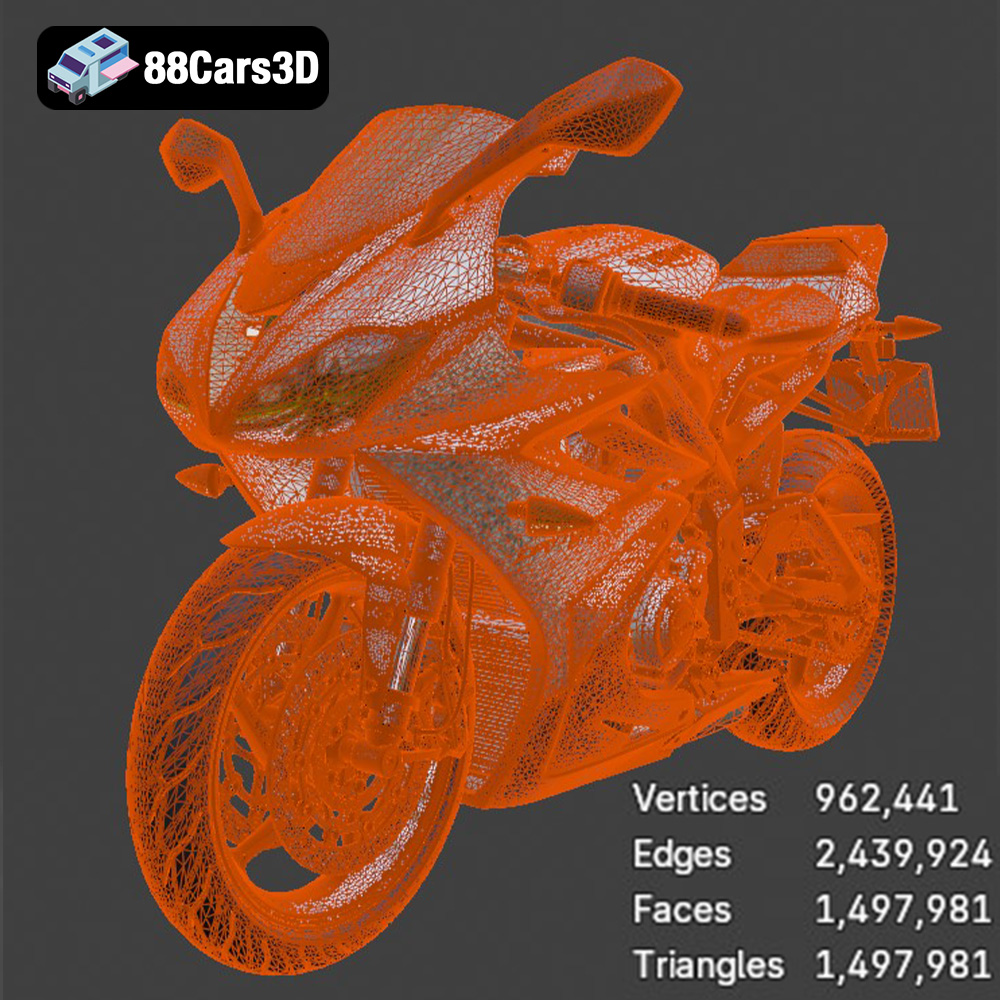
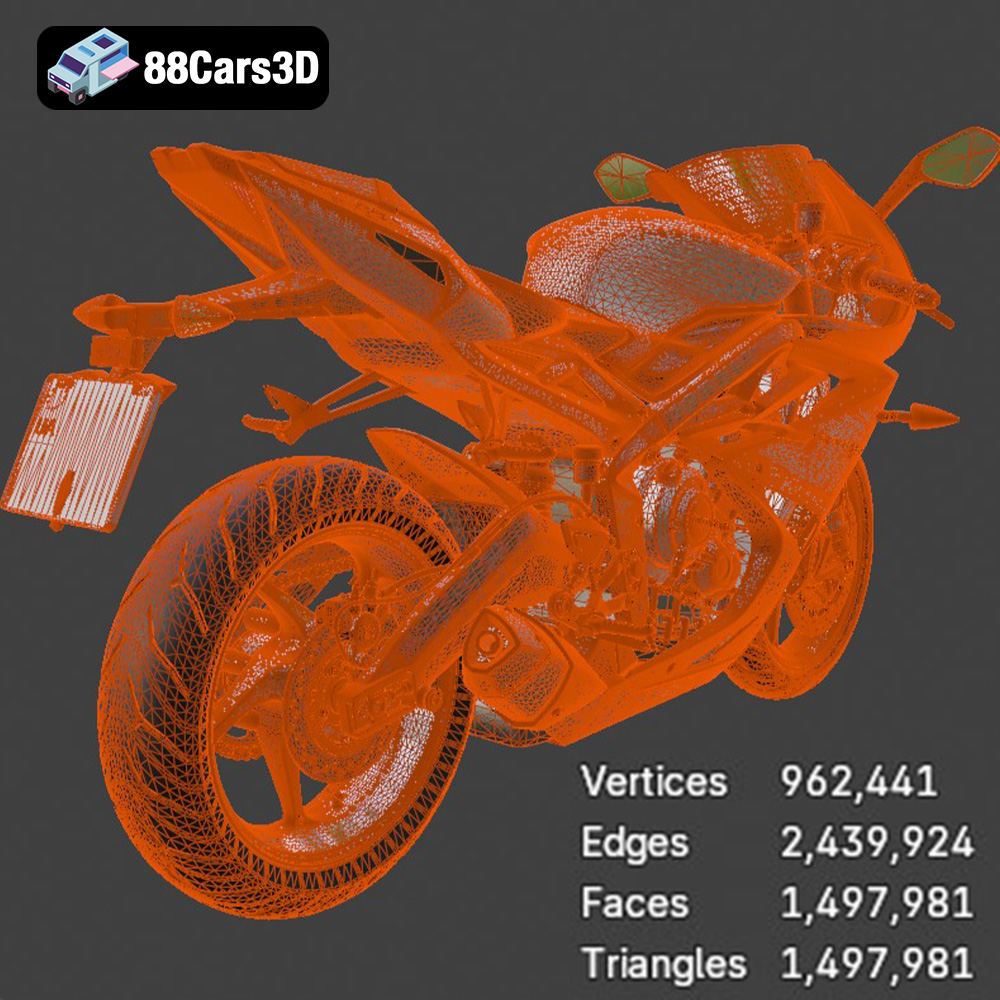
While fidelity is important, efficiency is equally critical, especially for game assets and real-time applications. Optimization involves striking a delicate balance between visual detail and polycount. A model that is too dense will bog down a game engine, while one that is too sparse will lack realism. The Triumph Daytona 675R model exemplifies this balance with approximately 150,000 triangles. This polycount is optimized for real-time engines like Unreal and Unity, providing high-end visual realism without sacrificing performance. Techniques like LOD (Level of Detail) are also employed, swapping in lower-polygon versions of the model when it’s further from the camera, further enhancing frame rates.
Developing game assets requires a specific skill set focused on performance and interactivity. A beautiful render is one thing; a responsive, high-fidelity model that runs smoothly in a real-time engine is another challenge entirely. The Triumph Daytona 675R ABS 2015 3D model is specifically engineered for these demanding environments.
As mentioned, the ~150,000 triangle count of the Daytona model is a testament to careful optimization. This allows for intricate details like the aggressive twin-headlight design, the detailed engine block, and the sculpted sport saddle to be present without overwhelming the GPU. Game developers often need to make strategic decisions about where to spend their polygon budget. For a motorcycle, critical areas like the engine, brakes, and cockpit details receive higher mesh density, while less visible areas might be simplified, or details baked into normal maps. This ensures the model looks stunning up close, even in a first-person POV in gaming, without sacrificing overall game performance.
For any vehicle in a game, animation is key. This requires proper rigging and pivot setups. The Triumph Daytona 675R model comes with separate wheels, suspension, and steering components. This modularity is vital. Correctly placed pivots allow for realistic wheel rotation, independent steering, and believable suspension travel, crucial for immersive racing simulators. Beyond basic movement, a well-rigged model can also support more complex animations, such as a kickstand deployment, brake lever activation, or even a rider interacting with the controls. This level of preparation significantly accelerates the integration process for game developers.
Efficient UV mapping is foundational for optimal texture streaming and performance in real-time engines. For game assets, textures are often packed into atlases (single large texture files containing multiple smaller textures) to reduce draw calls and improve rendering efficiency. The Triumph Daytona 675R model’s optimized geometry and UV layouts mean its PBR textures load quickly and render crisply. This careful arrangement of UV islands ensures that texture memory is used efficiently and that the model’s visual quality remains consistent across various game engines and platforms.
While the Triumph Daytona 675R is game-ready, its high-quality construction also makes it a prime candidate for non-interactive rendering and visualization. This is where the model can truly shine, leveraging the full power of offline renderers to produce stunningly realistic images and animations.
Automotive manufacturers, marketing agencies, and design studios constantly seek high-impact visuals. A detailed 3D model like the Daytona 675R is perfect for creating cinematic quality renders for brand campaigns, product launches, or even internal design reviews. With its accurate proportions, premium Öhlins suspension details, and Brembo brake components, the model provides an ideal base for creating photorealistic studio shots or dynamic action sequences. Artists can manipulate virtual lighting, camera angles, and environments to showcase the motorcycle’s aggressive styling and performance attributes in ways that would be impractical or impossible with physical photography.
Augmented Reality (AR) and Virtual Reality (VR) are transforming how consumers interact with products. The Daytona 675R model, with its optimized polycount and support for formats like .glb, is perfectly suited for immersive experiences. Imagine a virtual dealership showroom where potential buyers can explore the motorcycle from every angle, customize its colors and finishes in real-time, or even place it virtually in their driveway using an AR application on their smartphone. These experiences provide a level of engagement far beyond traditional static images or videos, making them invaluable for modern marketing and sales efforts.
For designers and product developers, 3D models are not just for final presentation but also for iterative design and material studies. Using the Triumph Daytona 675R model in a 3ds Max or Blender environment, artists can experiment with different body/tank colors, adjust material finishes (matte, gloss, metallic), and adapt lighting for various environments. This flexibility allows for rapid prototyping of visual concepts, testing how different paint schemes look under studio lights versus outdoor sunlight, or evaluating the impact of different material choices on the motorcycle’s perceived quality and aesthetic appeal.
The ability to transform a digital 3D model into a tangible physical object is one of the most exciting aspects of modern design and fabrication. The Triumph Daytona 675R ABS 2015 3D model, available on 88cars3d.com, is not just for virtual worlds; it’s also designed to be convertible into an .stl format, making it ideal for 3D printing hobbyists and professionals alike.
Converting a model designed for rendering or gaming into a print-ready .stl requires specific considerations. The model must be “watertight,” meaning it has no holes or non-manifold geometry, ensuring a solid structure for the printer. The detailed components of the Daytona 675R, from its lightweight cast aluminum wheels to the sleek side-mounted exhaust system, need to be carefully checked for printability. Sometimes, internal structures or excessively thin elements need to be reinforced or modified to withstand the printing process and post-processing. The provided .stl format for this model is engineered for this purpose, simplifying the preparation for enthusiasts.
Achieving a high-quality 3D print of a complex model like the Daytona requires careful attention to print settings. The recommended scales (1:12, 1:18, 1:24) offer a good balance between detail and manageable print size. For fine details, resin printing (SLA/DLP) is highly recommended over FDM, allowing for layer heights as low as 0.04-0.12 mm to capture the intricacies of the motorcycle’s design, such as the detailed switchgear on the handlebars or the tread on the track-oriented tires. Proper wall thickness (1.2-2.0 mm) and infill (20-30%) ensure structural integrity. Furthermore, supports are often essential for overhanging parts like the exhaust, mirrors, and handlebars, and print orientation must be considered; for instance, printing the frame angled for better strength.
Once printed, the real magic begins with post-processing. This can involve sanding, priming, and painting to achieve an authentic factory finish. Imagine a perfectly scaled, custom-painted replica of the Triumph Daytona 675R, complete with metallic finishes and accurate decals, sitting on your desk or display shelf. This process transforms a digital file into a cherished physical artifact, offering a tangible connection to the digital art form. For enthusiasts, it’s a way to own a highly detailed representation of their favorite supersport motorcycle, a testament to both digital craftsmanship and modern fabrication techniques.
The true value of a premium 3D asset like the Triumph Daytona 675R ABS 2015 3D model lies in its adaptability and seamless integration into professional pipelines. Let’s explore how such an asset can be utilized in various industry-standard workflows.
For game developers, integrating a new vehicle asset like the Daytona into Unreal Engine is a multi-step process. First, the optimized .fbx file (or even the .unreal package if available) is imported. Material setup follows, configuring PBR shaders for the paint, chrome, rubber, and carbon fiber elements, utilizing the provided textures. The model’s pre-configured pivots for wheels, steering, and suspension greatly assist in setting up the physics asset and vehicle blueprint, allowing for realistic driving mechanics. Developers can then add LODs, set up collision meshes, and even implement a custom sound design package to truly bring the motorcycle to life in a racing simulator or open-world game. The clean topology and game-ready polycount of this particular model minimize the need for extensive re-optimization, saving valuable development time.
When photorealism is the ultimate goal, artists turn to advanced rendering engines like V-Ray or Corona Renderer, often within 3ds Max or Blender. Using the .max or .blend file of the Triumph Daytona 675R provides the most flexibility. Artists can load the model, set up complex lighting scenarios – from realistic studio setups with softboxes to dynamic outdoor environments with HDRIs – and apply high-fidelity materials. Leveraging features like subsurface scattering for translucent plastics, anisotropic reflections for brushed metals, and volumetric effects for atmospheric haze, designers can create stunning marketing visuals. Render farm integration allows for rapid iteration and high-resolution output, perfect for advertising campaigns or detailed product showcases.
Client work often involves frequent revisions and customization requests. A versatile 3D model like the Daytona 675R is invaluable here. Using the provided files, designers can quickly change body and tank colors to match a client’s brand guidelines, modify tire textures for different scenarios (e.g., street vs. track), or adjust material finishes from a glossy factory look to a more aggressive matte aesthetic. This iterative process, facilitated by easily modifiable 3D assets, allows design studios to present various options to clients efficiently, secure approvals faster, and deliver tailored content that meets precise specifications. The availability of multiple file formats on 88cars3d.com ensures that creative teams can choose the optimal starting point for any project, regardless of their preferred software.
The journey of a 3D model from concept to deployment is a testament to technical skill, artistic vision, and a deep understanding of digital workflows. High-quality 3D models are no longer merely visual representations; they are dynamic assets that drive innovation across industries, from immersive gaming to critical design visualization and tangible 3D prints. The precision required to capture the essence of a machine like the Triumph Daytona 675R ABS 2015, coupled with the foresight to optimize it for diverse applications, truly sets a premium asset apart.
Whether you’re an indie game developer striving for realism, an automotive designer envisioning the next-generation vehicle, or a hobbyist bringing virtual models to life through 3D printing, the foundational quality of your 3D assets dictates the ultimate success and impact of your project. The Triumph Daytona 675R ABS 2015 3D Model exemplifies this commitment to excellence, providing a meticulously crafted and highly versatile foundation for your creative endeavors. As the digital frontier continues to expand, platforms like 88cars3d.com serve as invaluable resources, offering expertly created 3D car models and motorcycle models that empower creators to build the extraordinary.
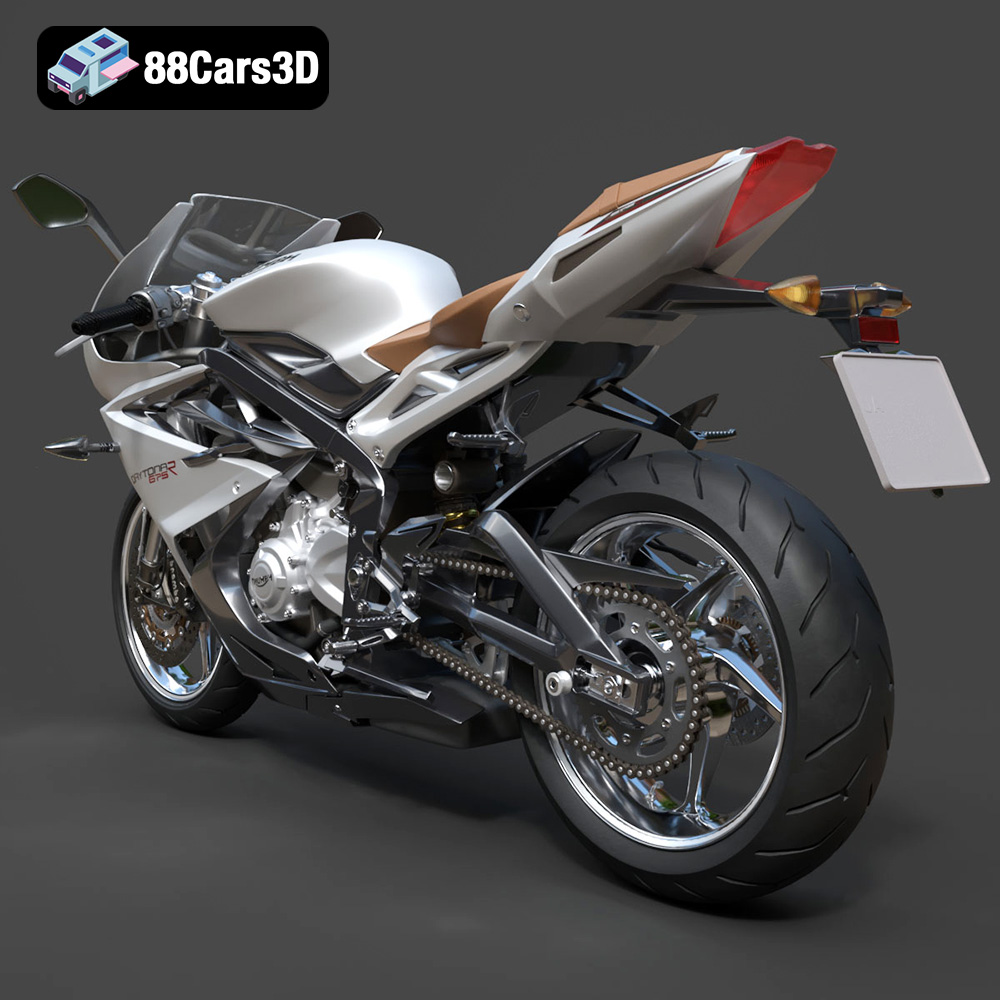
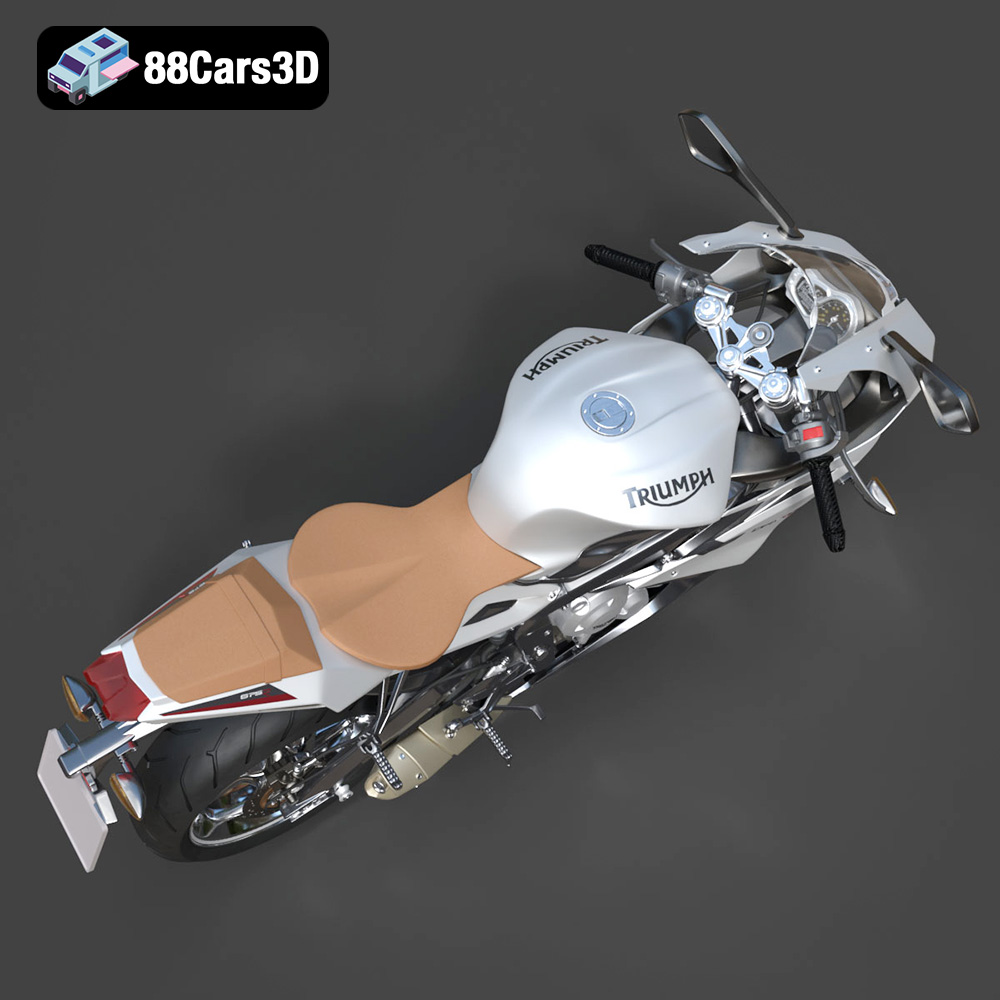
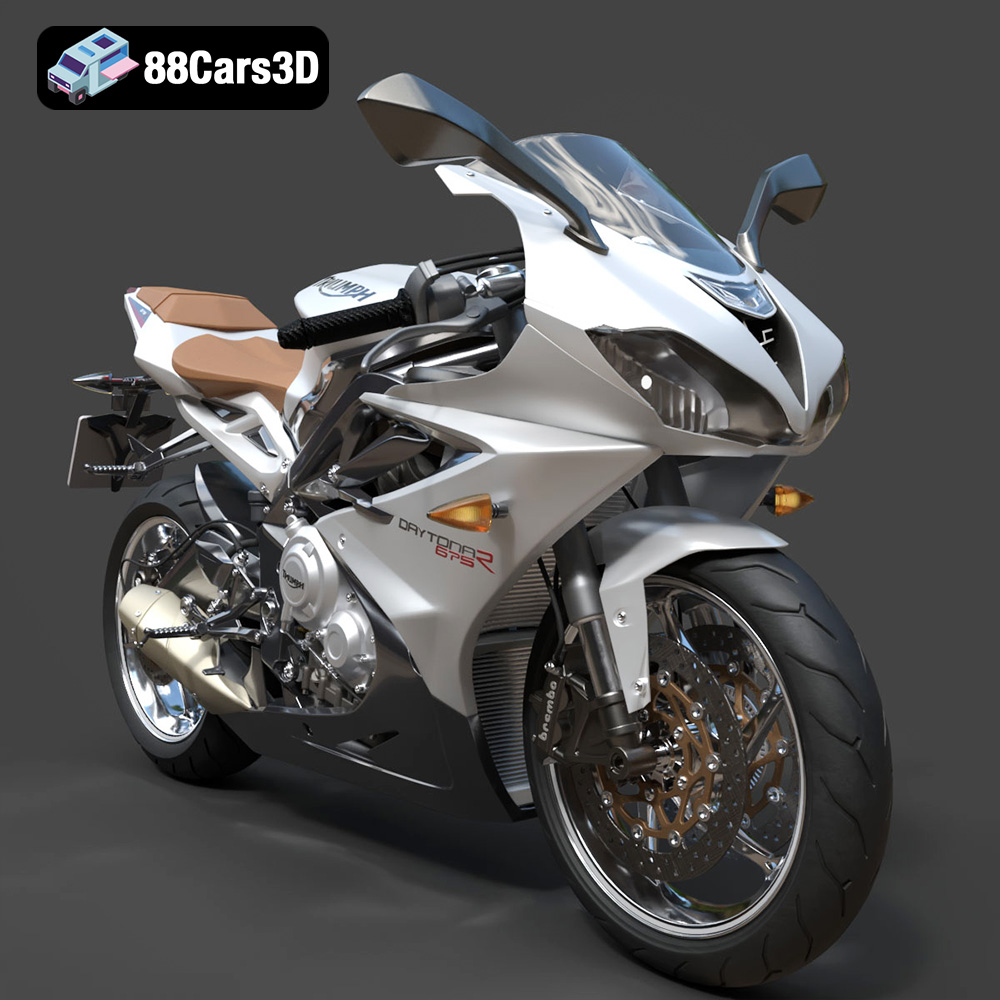
The Triumph Daytona 675R ABS 2015 is a legendary middleweight supersport motorcycle celebrated for its track-focused performance, iconic triple-cylinder engine, and razor-sharp handling. Distinctive features include its aggressively styled aerodynamic fairings, sleek side-mounted exhaust system, striking red subframe, premium Öhlins suspension components, and high-performance Brembo brakes.
This high-quality 3D model boasts optimized topology with a balanced triangle count, making it a perfect game-ready asset without sacrificing visual fidelity. Built with precision for game development, AR/VR environments, dynamic animation, and high-end automotive visualization.
Perfect for track racing simulators, high-speed cinematic animations, virtual dealership showrooms, and interactive motorcycle configurators.
.blend, .fbx, .obj, .glb, .stl, .ply, .unreal, .max
Tags:
triumph, daytona-675r, daytona-675r-abs-2015, supersport, sportbike, motorcycle-3d-model, game-ready, low-poly, optimized, game-asset, rendering, vr-ar, blend, fbx, obj, glb, stl, ply, unreal, maxVespa VNB 125-B 3D Model 3D Printable STL
$39.99
.blend
.fbx
.glb
.max
.obj
.ply
.rendering
.sportbike
.stl
.supersport
.triumph
.unreal
daytona-675r
daytona-675r-abs-2015
game asset
game-ready
low-poly
motorcycle-3d-model
optimized
VR/AR