Get 20% OFF All Premium 3D & STL Models!

In today’s fast-paced digital landscape, the demand for compelling and realistic visual content is unprecedented. From blockbuster video games and immersive virtual reality experiences to photorealistic architectural visualizations and cutting-edge automotive configurators, 3D assets form the bedrock of digital creation. Among these, 3D car models hold a special place, serving as crucial elements across a vast spectrum of industries. Whether it’s showcasing a future concept vehicle or integrating a classic into a vibrant urban scene, the quality and versatility of these models directly impact the success of a project.
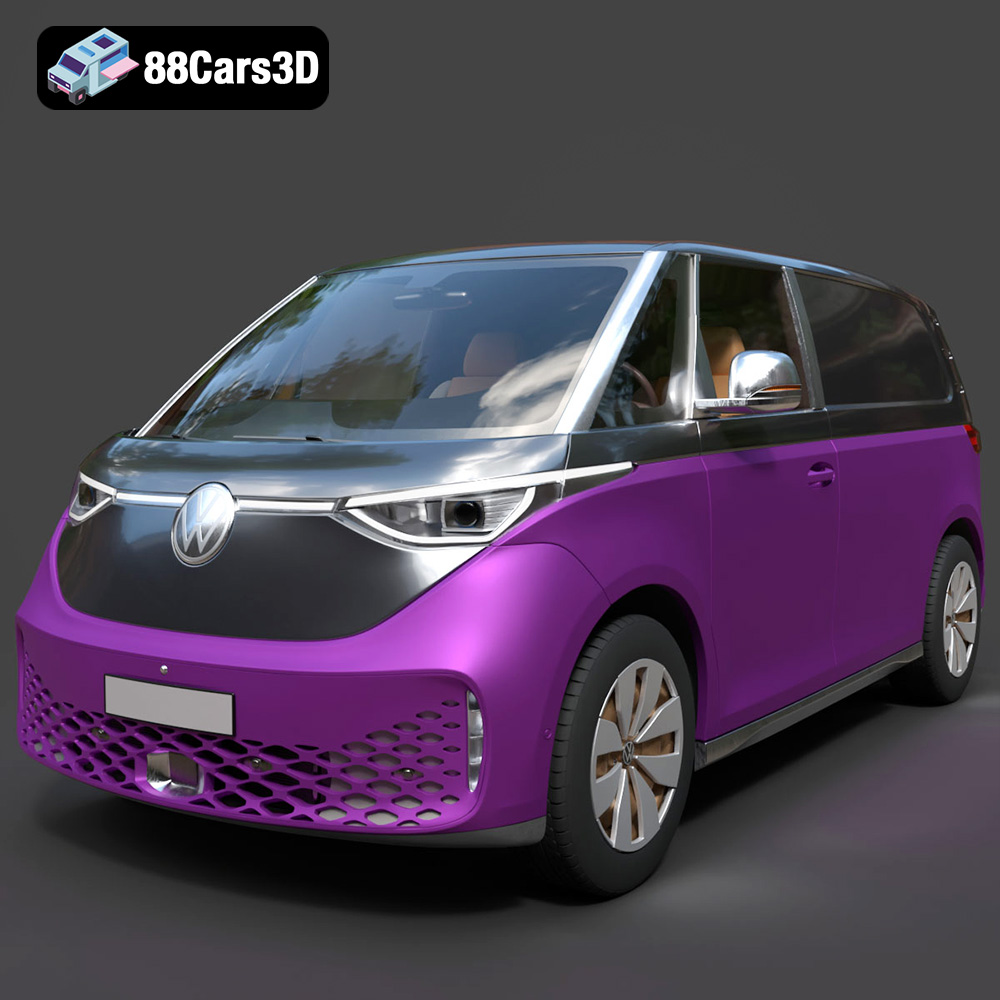
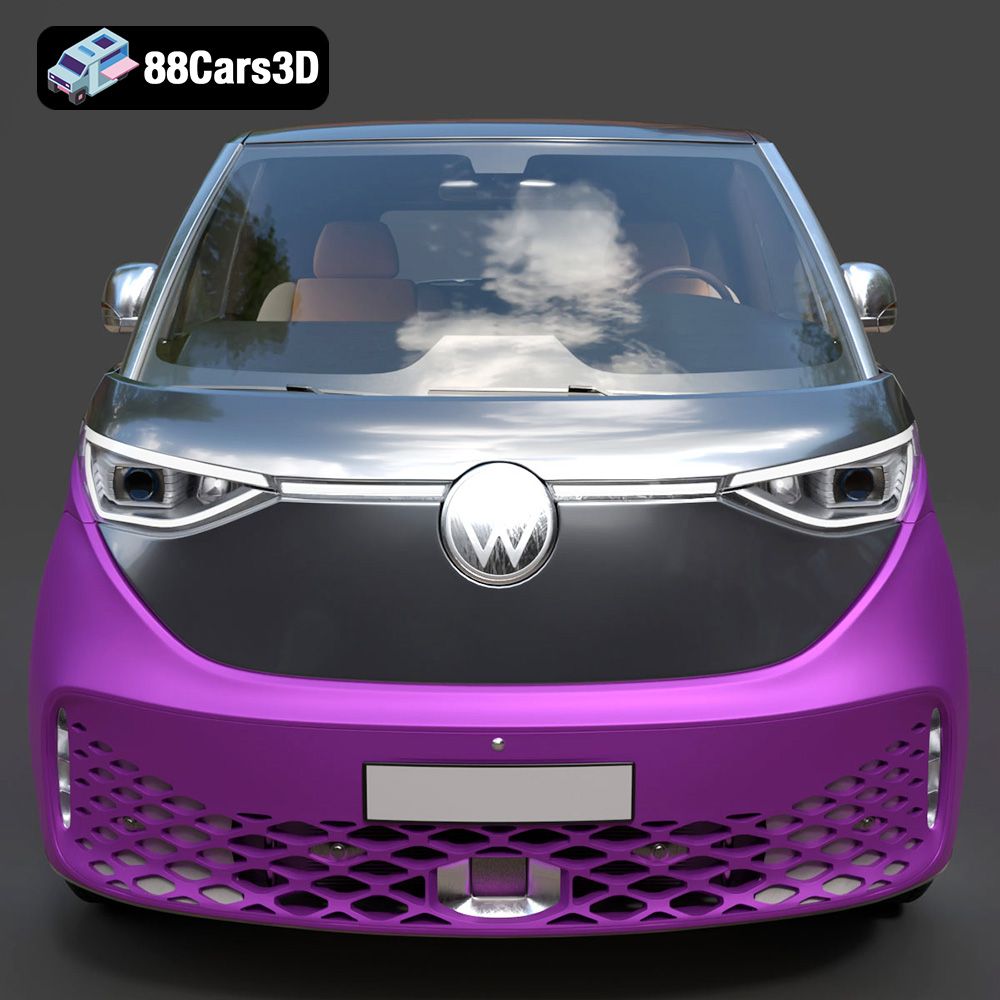
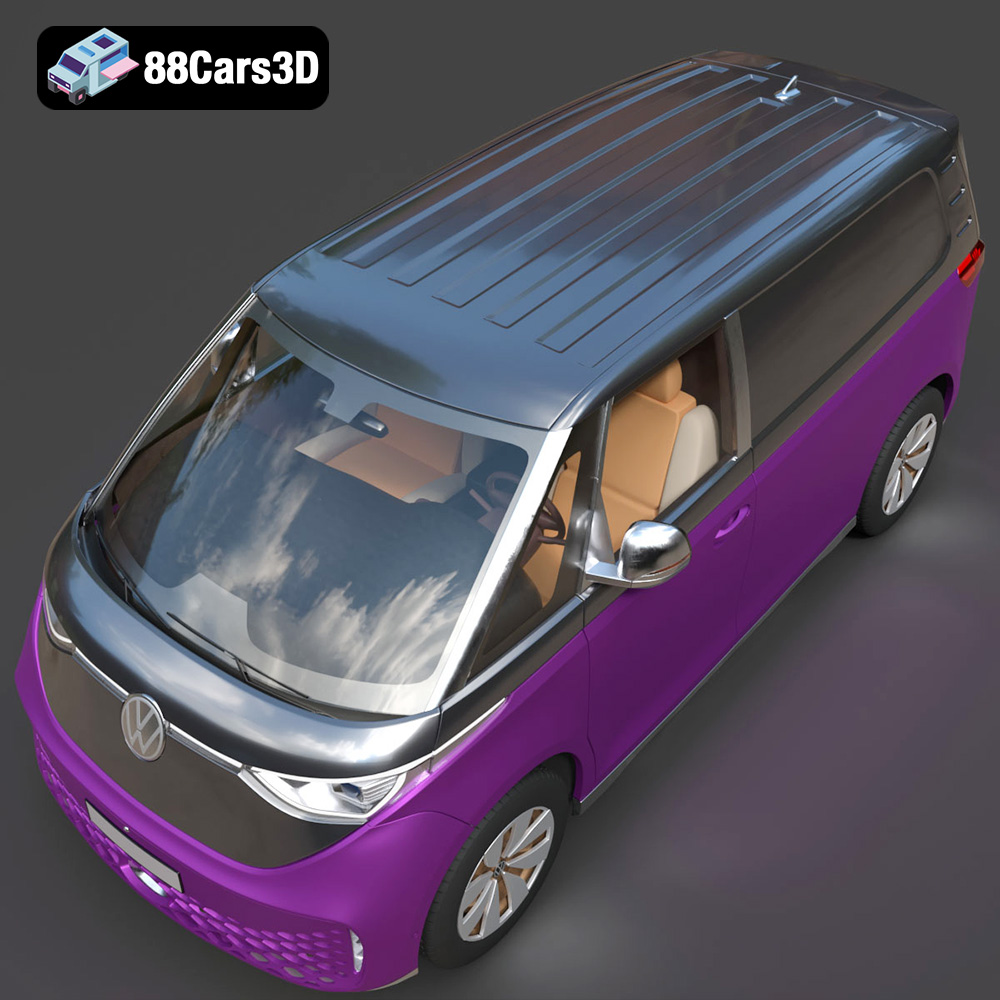
The advent of electric vehicles (EVs) has injected a fresh wave of excitement and design philosophy into the automotive world, quickly permeating the digital realm. Designers, artists, and developers are constantly seeking authentic and production-ready models of these innovative vehicles to stay at the forefront of their respective fields. This brings us to a prime example of such an asset: the meticulously crafted Volkswagen ID. Buzz Cargo 2023 3D Model. This particular model isn’t just an accurate digital representation; it embodies the precision and adaptability required for modern workflows, from high-fidelity automotive rendering to optimized game assets. Its availability across multiple professional-grade file formats makes it an invaluable addition to any digital arsenal, enabling seamless integration into diverse projects and pipelines.
The world of 3D modeling is rich with a multitude of file formats, each serving specific purposes and offering unique advantages depending on the project’s requirements. Selecting the correct format is paramount for ensuring compatibility, preserving data integrity, and optimizing workflow efficiency. When acquiring a high-quality 3D car model, such as the Volkswagen ID. Buzz Cargo 2023, understanding its available formats is key to maximizing its potential across different software and applications.
The .blend format is native to Blender, the popular open-source 3D creation suite. It’s a comprehensive file that stores not just the mesh data but also materials, textures, lighting setups, animation data, scene information, and even physics simulations. For artists working primarily in Blender, this is the most powerful and editable format, offering full access to the model’s construction, modifiers, and rendering settings. A .blend file like the one for the Volkswagen ID. Buzz Cargo 2023 allows for complete customization, from tweaking PBR materials in Cycles or Eevee to modifying the mesh topology directly.
.fbx (Filmbox) is arguably one of the most widely supported and versatile formats for 3D data exchange, especially within animation, game development, and real-time visualization pipelines. Developed by Autodesk, it efficiently packages mesh data, materials, textures (often linked externally), animations, and bone rigs into a single file. This makes it ideal for transferring assets between different 3D software packages (e.g., 3ds Max to Maya) and for direct import into game engines like Unreal Engine and Unity. For a 3D car model, an .fbx file ensures that the geometry, UVs, and basic material assignments are preserved, ready for engine-specific material setup and optimization.
The .obj (Wavefront Object) format is one of the oldest and most universally compatible 3D file formats. It primarily stores geometric data, including vertices, normals, UV coordinates, and faces. While it can reference external material definition files (.mtl), it doesn’t embed animations or complex shader networks. Its strength lies in its simplicity and widespread support across virtually all 3D software. For cross-software compatibility or as a foundational mesh for further sculpting or re-topology, an .obj version of the Volkswagen ID. Buzz Cargo 2023 provides a reliable starting point.
.glb (GLB format, part of glTF – Graphics Language Transmission Format) is an increasingly important format optimized for efficient transmission and loading of 3D scenes and models in web, AR (Augmented Reality), and VR (Virtual Reality) applications. It’s a self-contained, binary version of glTF, meaning all assets (geometry, textures, materials, animations) are embedded into a single file. This compact and efficient nature makes it perfect for displaying 3D car models in browser-based configurators or interactive AR experiences, offering quick loading times and broad platform support.
.stl (STereoLithography) is the de facto standard file format for 3D printing. It represents a 3D model as a series of connected triangles (a tessellated surface) without any color, texture, or material information. For precise fabrication, an .stl file needs to be “watertight” (no holes or gaps in the mesh). If you plan to 3D print a miniature version of the Volkswagen ID. Buzz Cargo 2023, the .stl format is what you’ll typically use, requiring careful preparation to ensure printability.
The .ply (Polygon File Format or Stanford Triangle Format) is another format that describes 3D objects as a collection of polygons. It’s often used for scanned 3D data and can store a wider range of properties than .obj, including color, transparency, surface normals, and even confidence values. It’s a robust format for transferring precise mesh data, making it valuable for CAD applications, scientific visualization, or detailed analysis where mesh fidelity is critical, such as for the Volkswagen ID. Buzz Cargo 2023 in a simulation or engineering context.
The .unreal format signifies an asset specifically configured and optimized for Unreal Engine. This might be a pre-packaged asset bundle, often imported via Unreal’s native content pipeline, containing not just the mesh but also pre-set materials, collision meshes, LODs (Levels of Detail), and potentially Blueprints or animation sequences tailored for the engine’s real-time capabilities. For developers leveraging Unreal Engine, an .unreal file for the Volkswagen ID. Buzz Cargo 2023 offers immediate plug-and-play functionality, significantly accelerating development time and ensuring engine-specific best practices are followed.
Lastly, the .max format is the proprietary file format for Autodesk 3ds Max. Similar to .blend for Blender, a .max file contains the complete scene data, including geometry, modifiers, materials (V-Ray, Corona, Arnold, etc.), lighting, camera setups, and animation data. It provides the highest level of editability and flexibility for artists working within the 3ds Max ecosystem, allowing for complex rendering setups and detailed animation sequences of the Volkswagen ID. Buzz Cargo 2023 or any other 3D car model.
By offering this comprehensive suite of formats, high-quality 3D car models like the Volkswagen ID. Buzz Cargo 2023 ensure maximum compatibility and utility, catering to virtually any professional workflow or project requirement across the digital spectrum.
Achieving photorealistic automotive rendering is an art and a science, demanding meticulous attention to detail, lighting, and material properties. Whether you’re showcasing a new vehicle in an advertisement or creating stunning visuals for an architectural project, the process relies heavily on the quality of your 3D car models and your mastery of rendering software.
Autodesk 3ds Max, often paired with powerful renderers like V-Ray or Corona Renderer, is a cornerstone in professional automotive visualization. The Volkswagen ID. Buzz Cargo 2023 3D Model, available in its native .max format, provides an excellent foundation. Artists can load the model directly, preserving its clean geometry and UVs. The workflow typically involves:
Blender has rapidly become a dominant force in 3D, and its Cycles and Eevee renderers offer incredible capabilities for automotive visualization. With the Volkswagen ID. Buzz Cargo 2023 3D Model available in .blend format, artists can dive straight into advanced rendering techniques:
Beyond the software, realism in automotive rendering hinges on several critical elements:
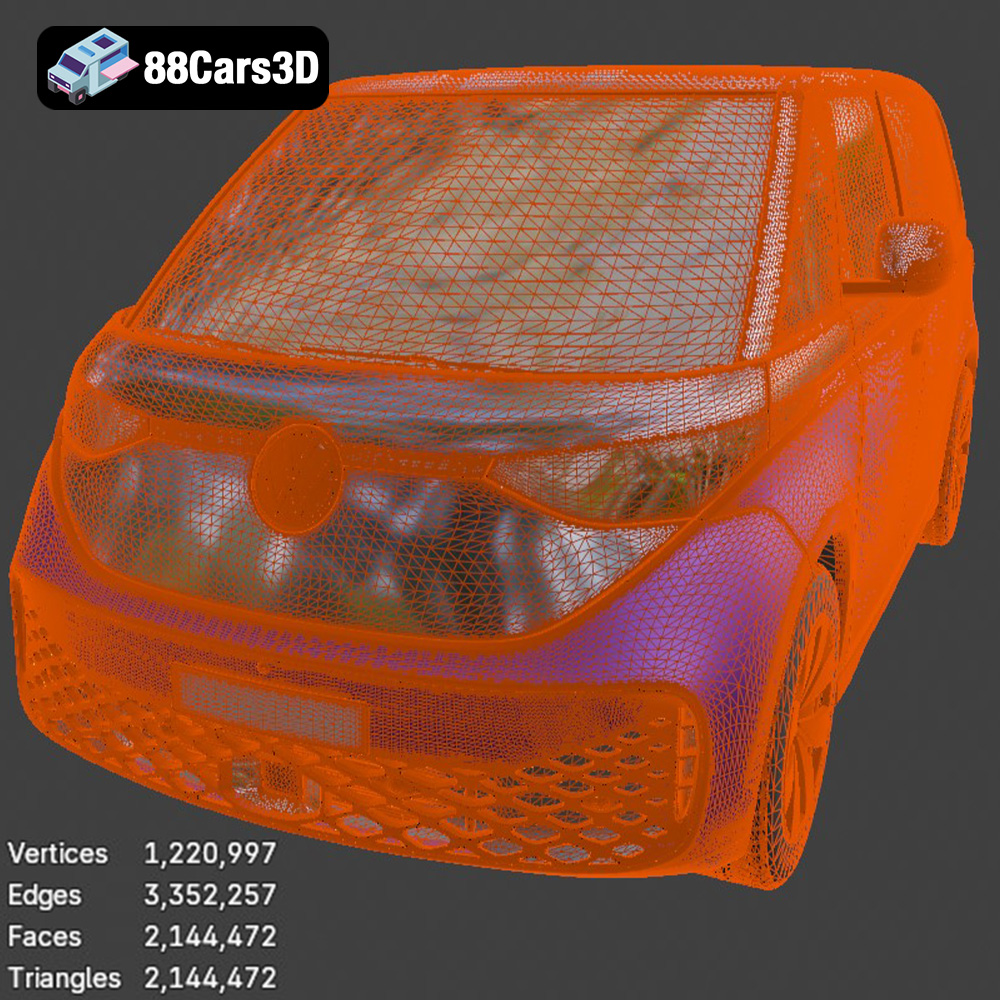
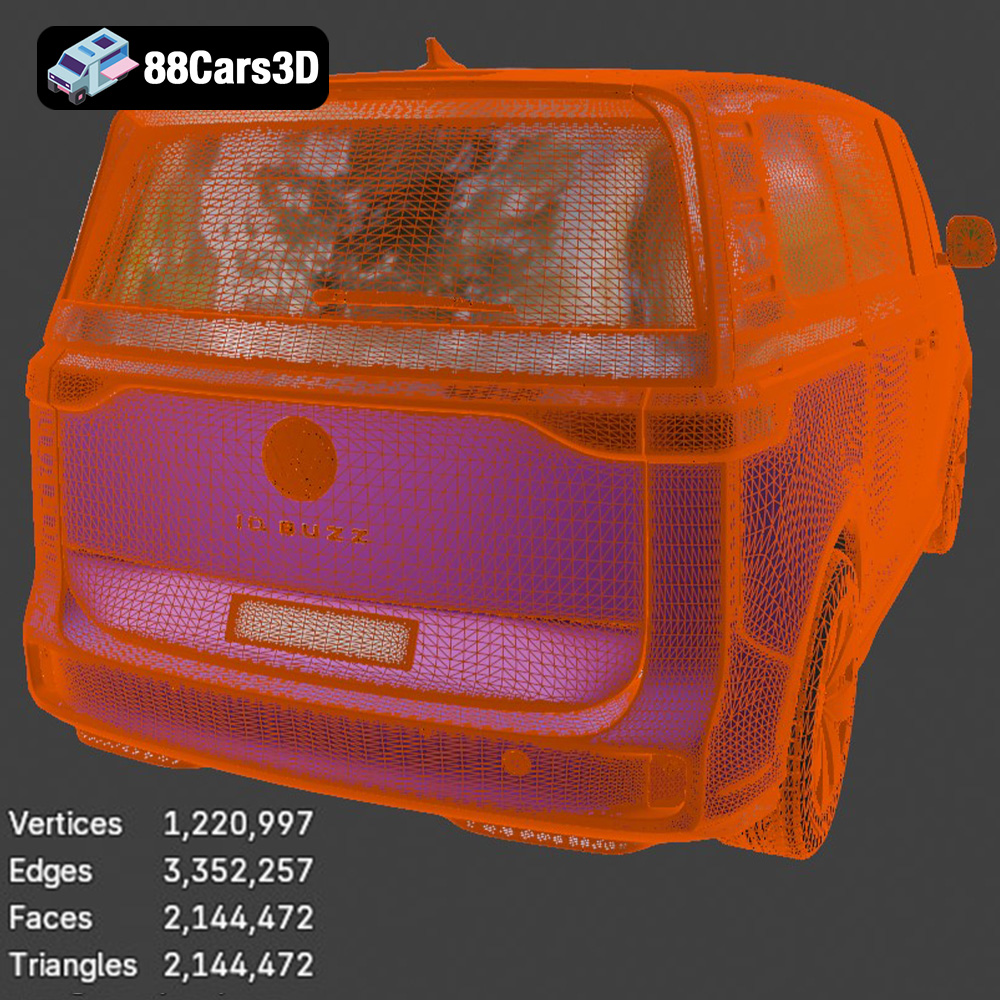
In the realm of interactive experiences, such as video games, virtual training simulations, and real-time configurators, performance is paramount. High-fidelity 3D car models must be meticulously optimized to run smoothly within game engines while retaining visual integrity. The Volkswagen ID. Buzz Cargo 2023 3D Model, with its optimized mesh structure and available .fbx and .unreal formats, is perfectly suited for these demanding environments.
Modern game engines like Unreal Engine and Unity are built to handle complex 3D scenes, but efficiency is key. The .fbx format acts as the bridge, allowing seamless import of the ID. Buzz Cargo model’s geometry, UVs, and initial material assignments. For Unreal Engine users, the dedicated .unreal format offers an even more streamlined workflow, often providing pre-configured assets. Key integration steps include:
The core challenge in real-time environments is balancing visual fidelity with performance constraints. Even with a high-quality asset like the Volkswagen ID. Buzz Cargo 2023 3D Model, careful optimization is always required:
Beyond simply displaying the model, game engines allow for rich interactivity and simulation. The Volkswagen ID. Buzz Cargo 2023 model can become a fully functional vehicle within these environments:
The utility of high-quality 3D car models extends far beyond traditional rendering and game development. They are increasingly pivotal for cutting-edge applications in augmented reality (AR), virtual reality (VR), 3D printing, and sophisticated simulations, opening new avenues for interaction and production. The versatile Volkswagen ID. Buzz Cargo 2023 3D Model, with its comprehensive file format support, exemplifies this adaptability.
AR and VR are transforming how we interact with digital content, placing 3D models directly into our physical world or transporting us to entirely new ones. The Volkswagen ID. Buzz Cargo 2023 3D Model is perfectly suited for these immersive platforms, particularly with its .glb format optimized for web and mobile AR/VR:
The ability to transform a digital model into a physical object via 3D printing offers tangible benefits across design, prototyping, and even educational applications. The .stl format of the Volkswagen ID. Buzz Cargo 2023 3D Model makes this possible:
Beyond visual aesthetics, 3D models serve critical functions in engineering, analysis, and simulation. The .ply and .obj formats of the Volkswagen ID. Buzz Cargo 2023 model provide the geometric precision needed for these technical applications:
In the competitive landscape of digital production, the quality of your 3D car models can be a significant differentiator. For professionals across various industries, investing in meticulously crafted assets like the Volkswagen ID. Buzz Cargo 2023 3D Model from a reputable source like 88cars3d.com isn’t just a convenience; it’s a strategic advantage that accelerates workflows, enhances visual output, and ultimately drives project success.
Time is a precious commodity in any production pipeline. Rather than spending countless hours modeling a vehicle from scratch, pre-made, production-ready assets allow designers and developers to hit the ground running. This acceleration is crucial for:
In marketing and advertising, compelling visuals are key to capturing attention and conveying a brand’s message. High-quality automotive rendering featuring detailed 3D car models provides unparalleled opportunities:
3D models are also revolutionizing education and training, offering interactive and engaging learning experiences:
Choosing the right 3D car model is a critical decision that impacts the entire production workflow, from rendering performance to the final visual fidelity. With platforms like 88cars3d.com offering a wide array of choices, understanding what makes a model truly professional is essential. The Volkswagen ID. Buzz Cargo 2023 3D Model stands as a benchmark for what to look for.
A truly professional 3D car model is defined by its meticulous construction and attention to detail:
The versatility of a 3D model largely depends on its available file formats and ease of integration into various software pipelines. The Volkswagen ID. Buzz Cargo 2023 3D Model sets a high standard by offering a comprehensive suite:
Acquiring 3D car models from a reliable marketplace significantly reduces risk and ensures quality:
The digital realm continues to expand, and with it, the indispensable role of high-quality 3D car models in driving innovation across myriad industries. From crafting breathtaking automotive rendering for advertising campaigns to building immersive virtual worlds with efficient game assets, the foundation lies in accurate, optimized, and versatile digital assets. Understanding the nuances of different file formats, mastering complex rendering pipelines, and leveraging these models for emerging technologies like AR/VR and 3D printing are crucial skills for any modern digital professional.
The Volkswagen ID. Buzz Cargo 2023 3D Model stands as a testament to the level of detail and adaptability required in today’s demanding production environments. Its availability across a wide range of industry-standard formats, from .blend and .max for intricate artistic control to .fbx and .unreal for game-ready integration, and .glb for web and AR/VR, ensures it can seamlessly fit into virtually any workflow. For professionals seeking to elevate their projects with premium automotive assets, investing in such meticulously crafted models from trusted sources like 88cars3d.com is not just an option, but a necessity for achieving unparalleled realism and efficiency.
Embrace the future of digital creation by integrating such exceptional 3D car models into your next project, pushing the boundaries of what’s possible in visualization and interactive experiences.
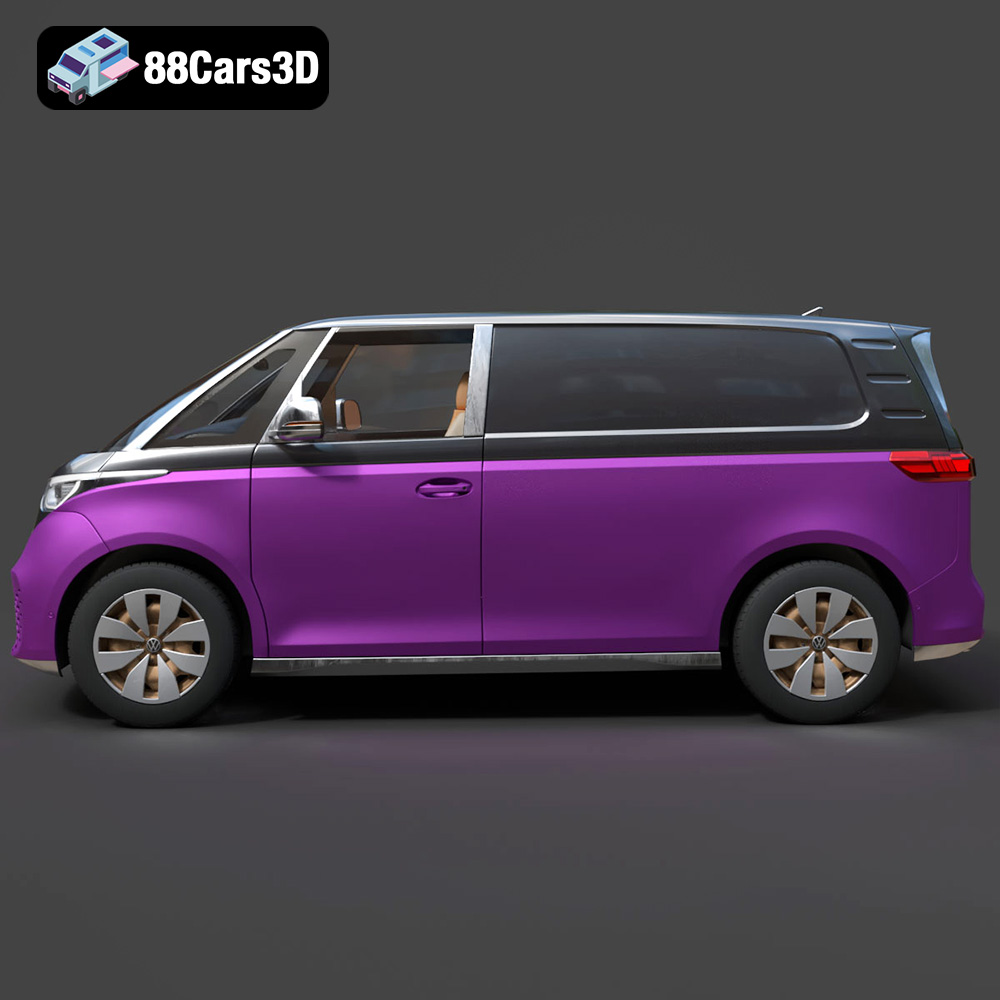
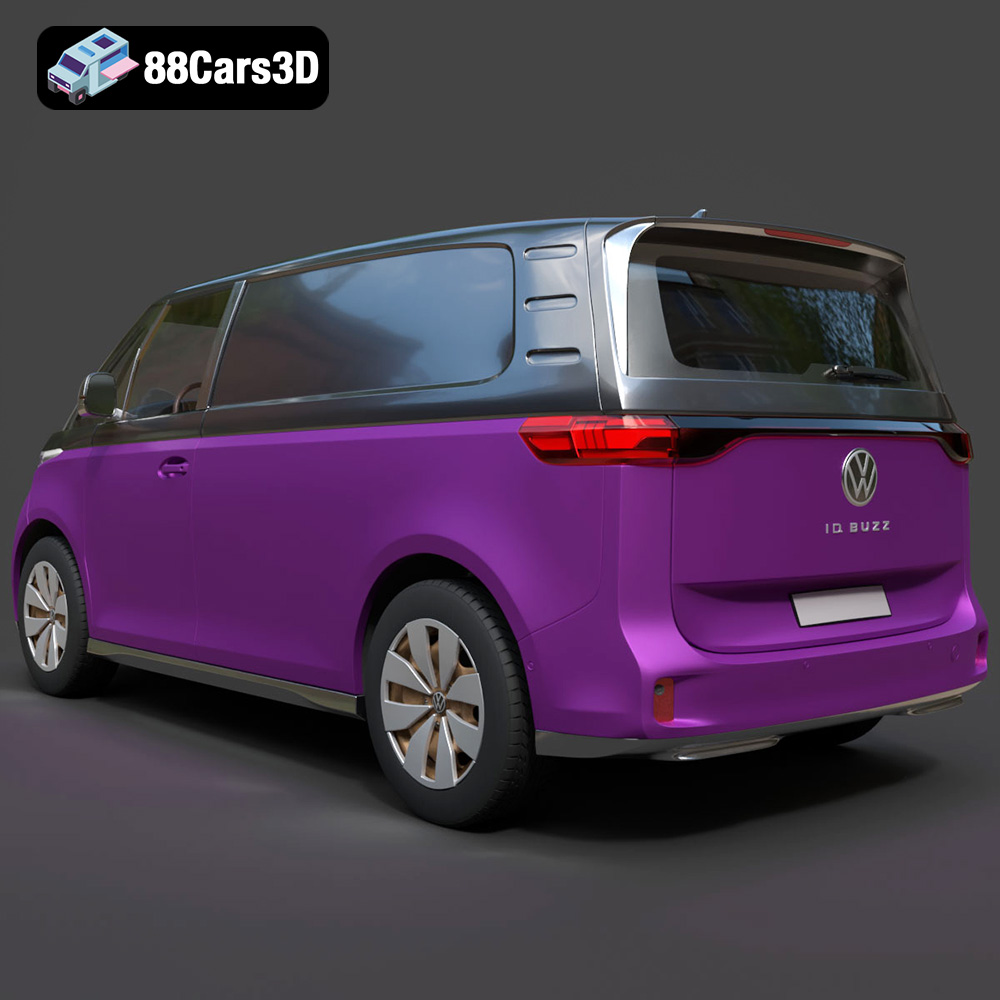
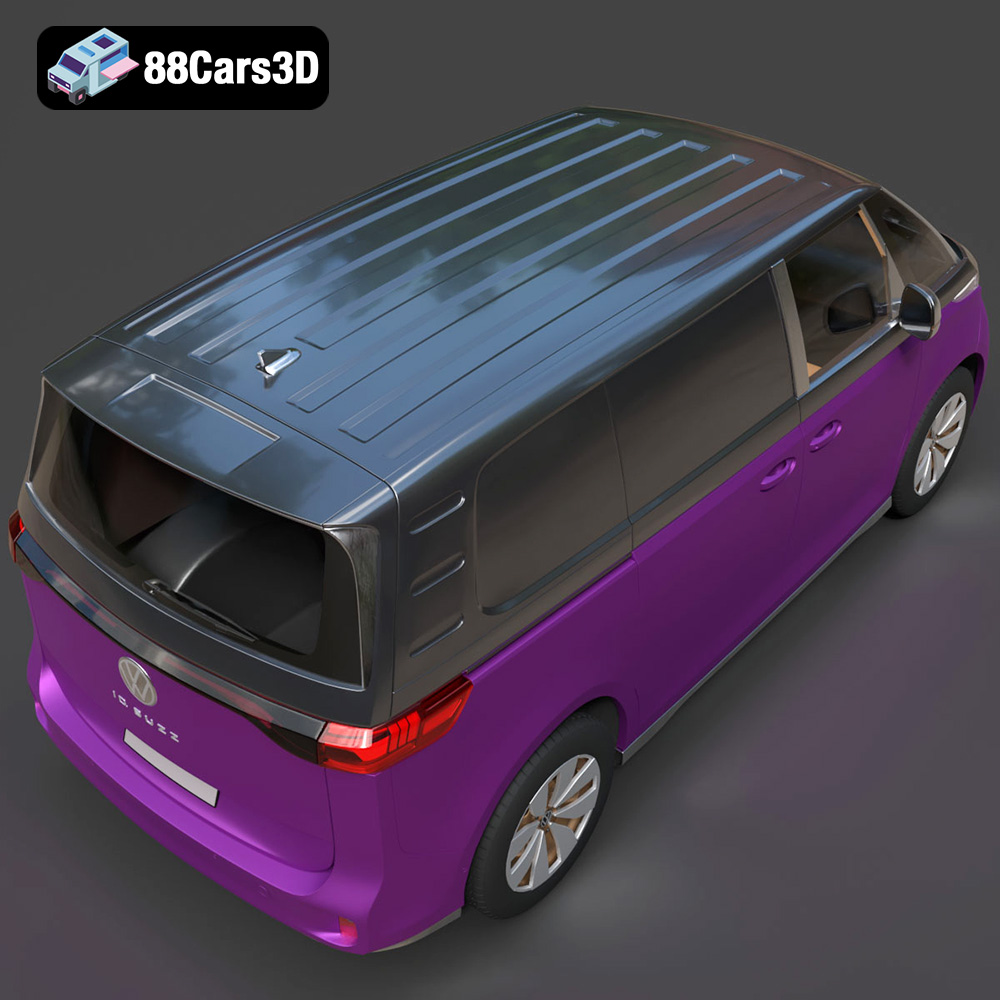
Enhance your digital projects with the meticulously crafted Volkswagen ID. Buzz Cargo 2023 3D Model. Designed to meet professional standards, this model delivers exceptional realism, making it an excellent choice for a wide variety of 3D applications. This model features clean geometry and realistic materials, ensuring a smooth integration into your workflow. Whether you are focusing on close-up shots or wide-angle scenes, the precise detailing and optimized mesh structure guarantee an impressive visual output without compromising performance. Ideal for game development, architectural visualization, AR/VR experiences, and cinematic rendering, this versatile 3D model adapts seamlessly to your specific project needs. The accurate proportions and authentic design elements bring a true-to-life representation of the Volkswagen ID. Buzz Cargo to your digital environment.
$39.99
.arvr
.blend
.car3dmodel
.commercialvehicle
.electricvan
.ev
.fbx
.gameasset
.glb
.idbuzzcargo
.max
.obj
.ply
.rendering
.simulation
.stl
.unreal
.van
.volkswagen