Get 20% OFF All Premium 3D & STL Models!

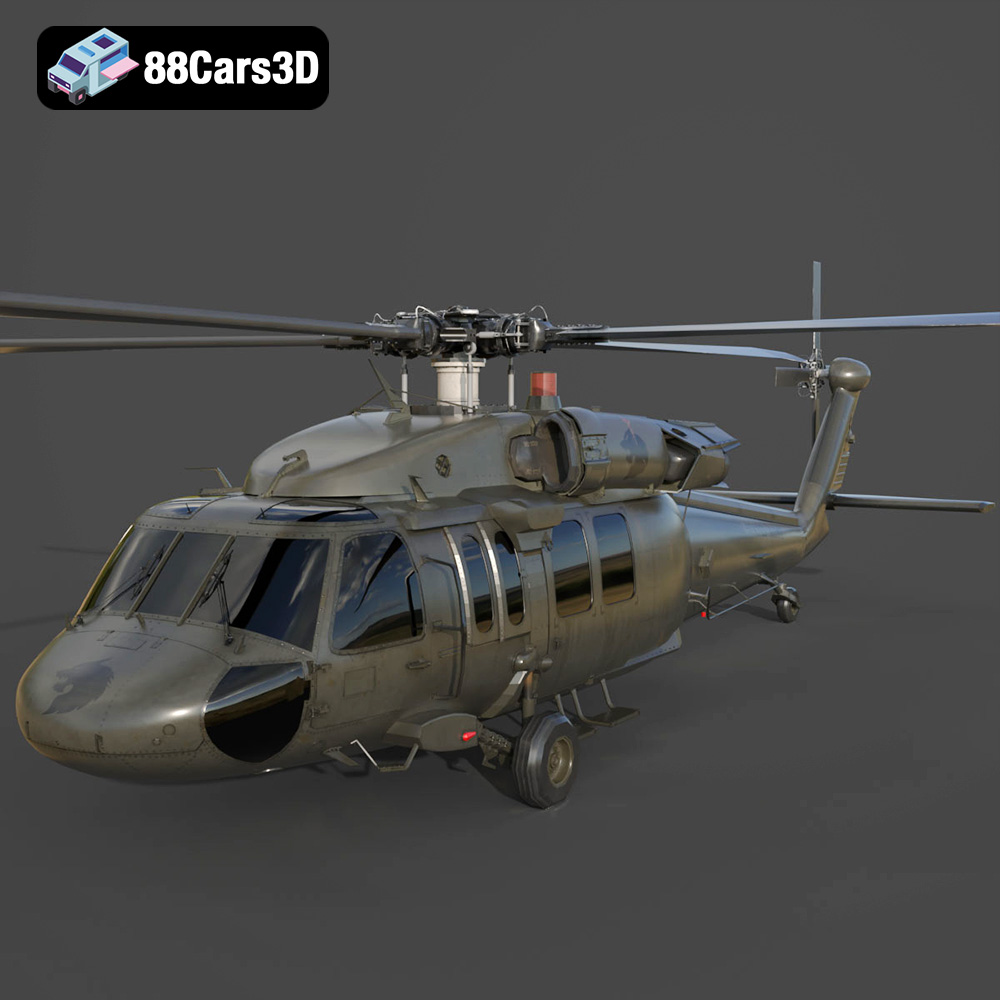
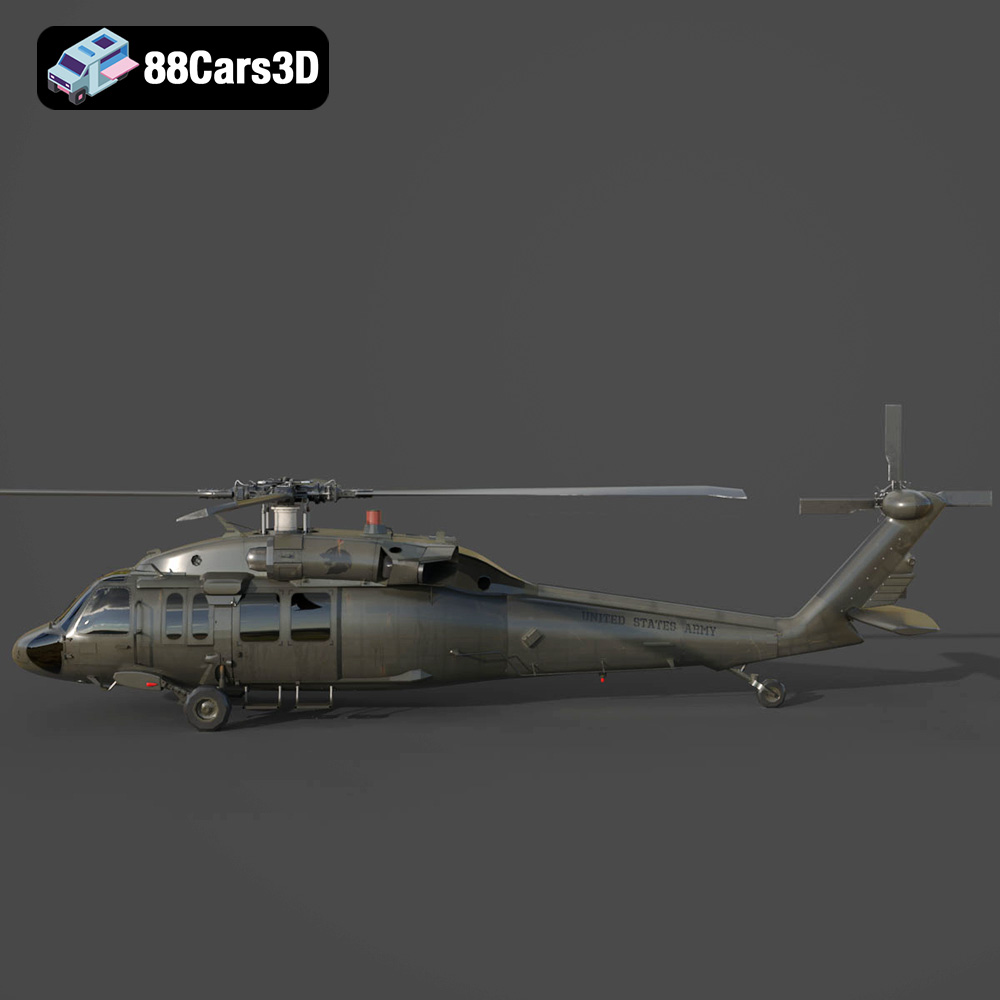
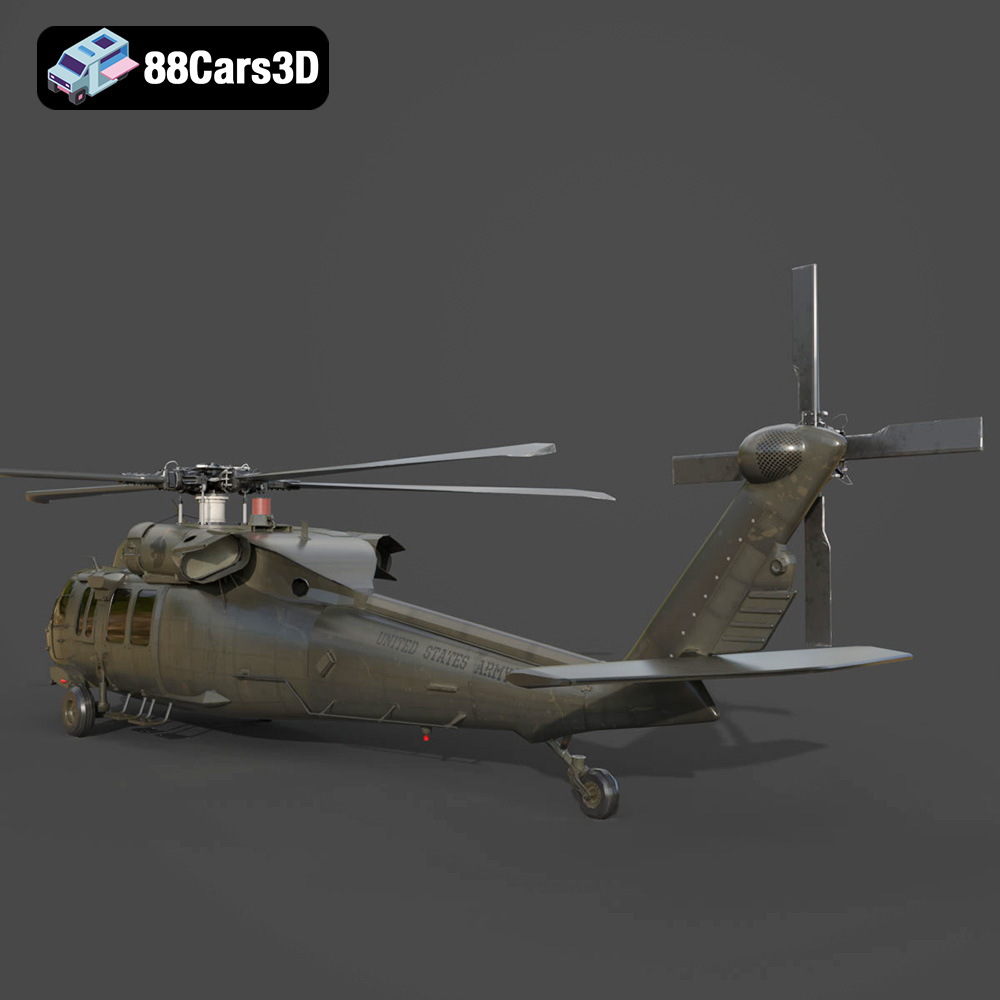
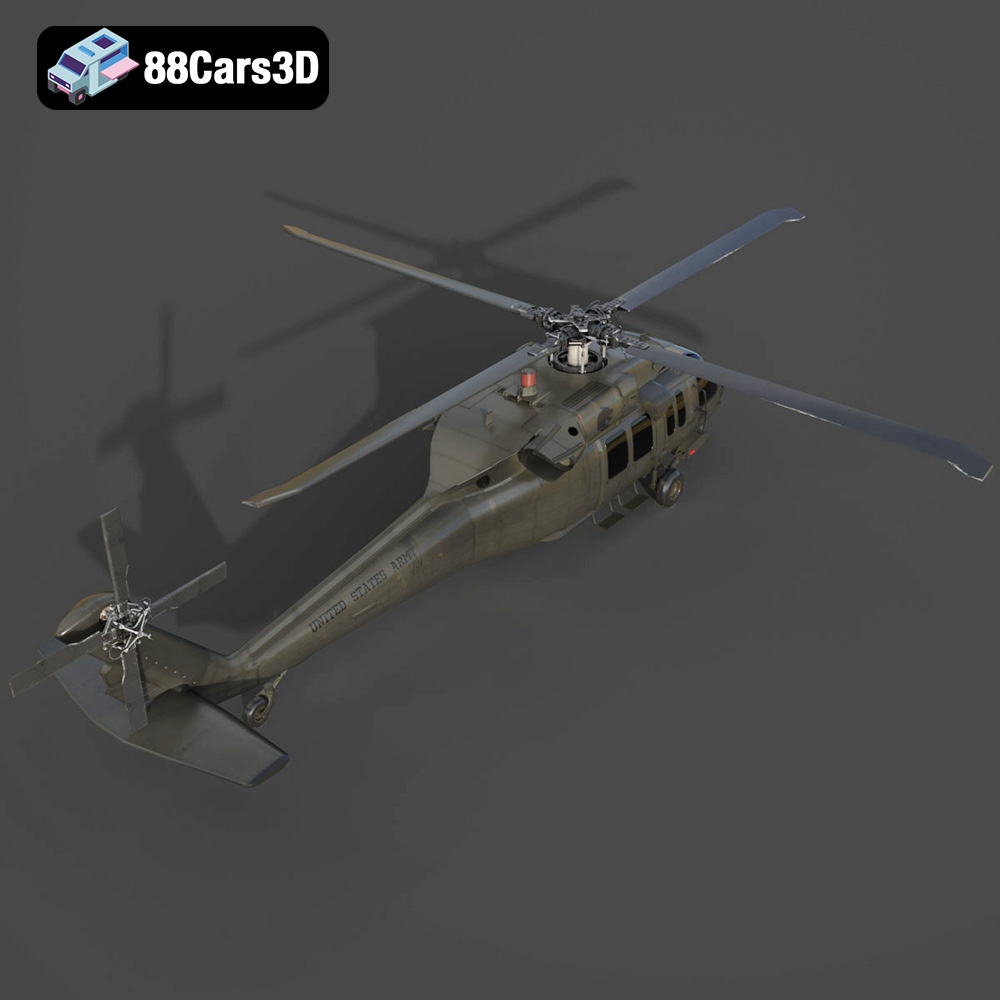
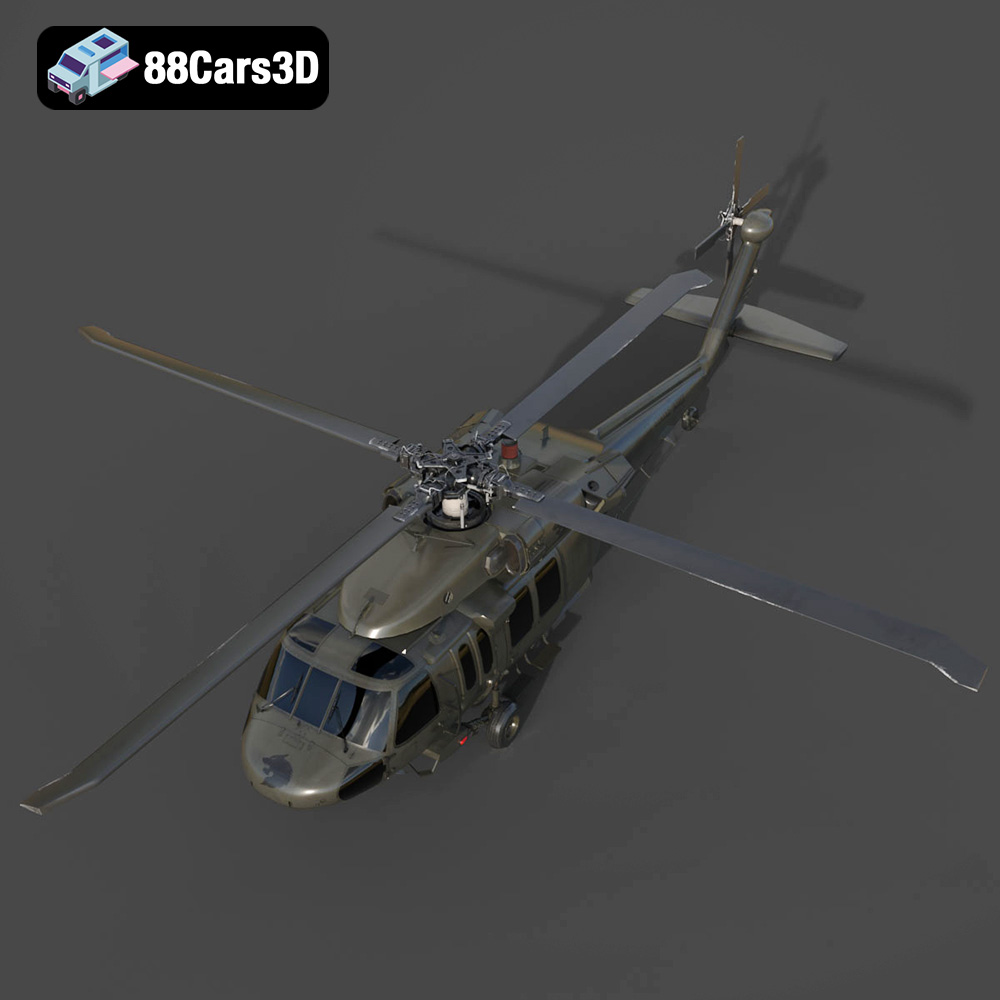
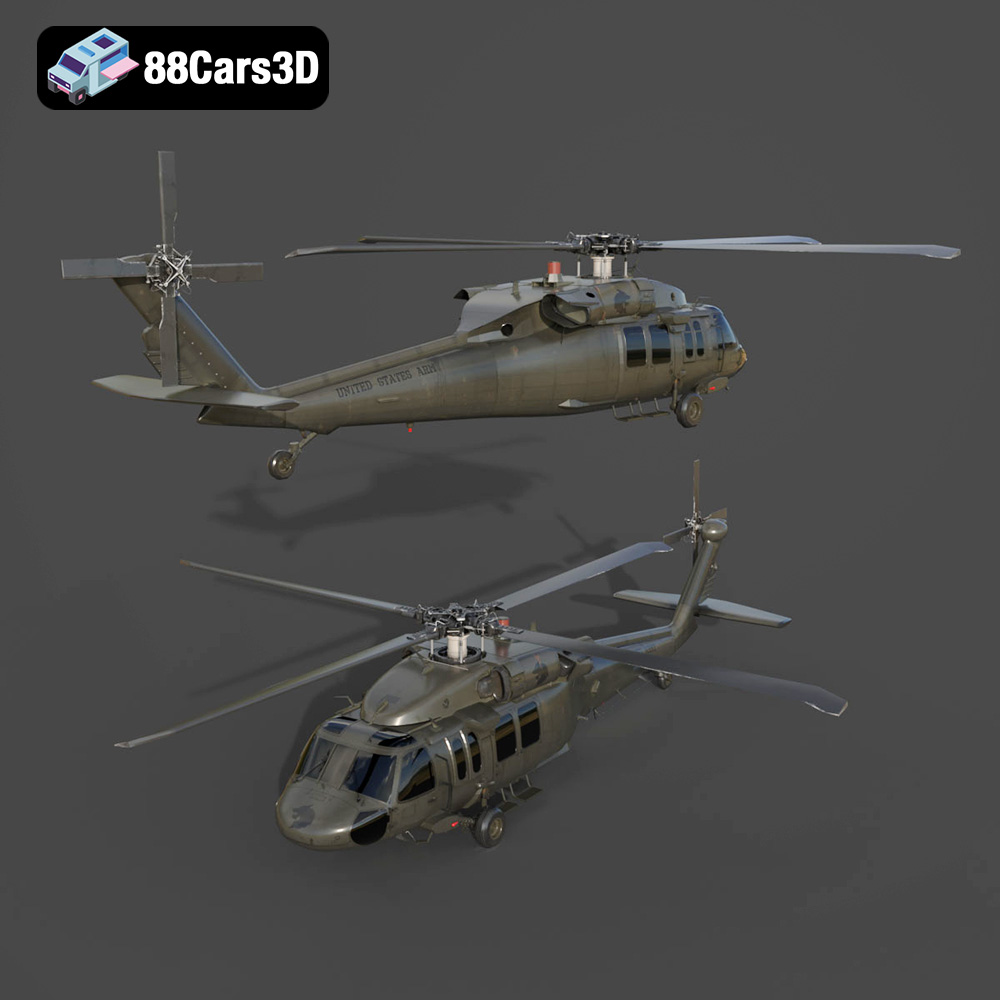
The Sikorsky UH-60 Black Hawk is an iconic helicopter, instantly recognizable for its robust design and critical role in military operations. Owning a detailed replica is a dream for many aviation enthusiasts, and thanks to 3D printing, this dream can become a reality. This guide will walk you through the process of 3D printing the Sikorsky UH-60 Black Hawk US 3D Model available on 88cars3d.com, covering everything from pre-print preparation to post-processing. This meticulously crafted 3D model, boasting exceptional detail and accuracy, is perfect for hobbyists, diorama builders, and anyone fascinated by military aviation.
Selecting the appropriate 3D printer and material is the first crucial step in bringing your Black Hawk to life. The level of detail in the Sikorsky UH-60 Black Hawk US 3D Model demands careful consideration.
* **FDM (Fused Deposition Modeling):** FDM printers are a more affordable option, suitable for larger parts like the fuselage. Materials like PLA or PETG are commonly used. However, achieving the fine details of the rotor blades and intricate cockpit components can be challenging. Layer lines will be more visible, requiring more post-processing.
* **Resin (Stereolithography or SLA):** Resin printers excel at producing high-resolution prints with incredibly fine details. This makes them ideal for smaller, intricate parts like the rotor hubs, landing gear, and cockpit instruments. Resin printers capture the nuances of the model far better than FDM. However, resin prints tend to be more brittle and require careful handling, especially with delicate parts.
* **PLA (Polylactic Acid):** A popular and biodegradable thermoplastic, PLA is easy to print and offers decent strength. It’s a good choice for the fuselage if using an FDM printer.
* **PETG (Polyethylene Terephthalate Glycol-modified):** PETG offers better strength and temperature resistance than PLA, making it a more durable option for parts that may experience stress.
* **SLA Resin:** Standard or tough resins are recommended for resin printing. “Tough” resins offer better impact resistance, crucial for preventing breakage of delicate parts.
The Sikorsky UH-60 Black Hawk US 3D Model is available in multiple file formats to suit different applications. Understanding these formats and their suitability for 3D printing is vital for optimal results. The variety of file formats allow users with different software proficiencies to work on the model with ease. The best option for 3D printing is the .STL file.
The STL (Stereolithography) format is the industry standard for 3D printing. It represents the 3D model’s surface geometry as a mesh of triangles. This simplicity makes it universally compatible with slicing software. STL files contain no color or texture information, focusing solely on the shape of the object.
* **Compatibility:** Virtually all 3D printing slicing software supports STL files.
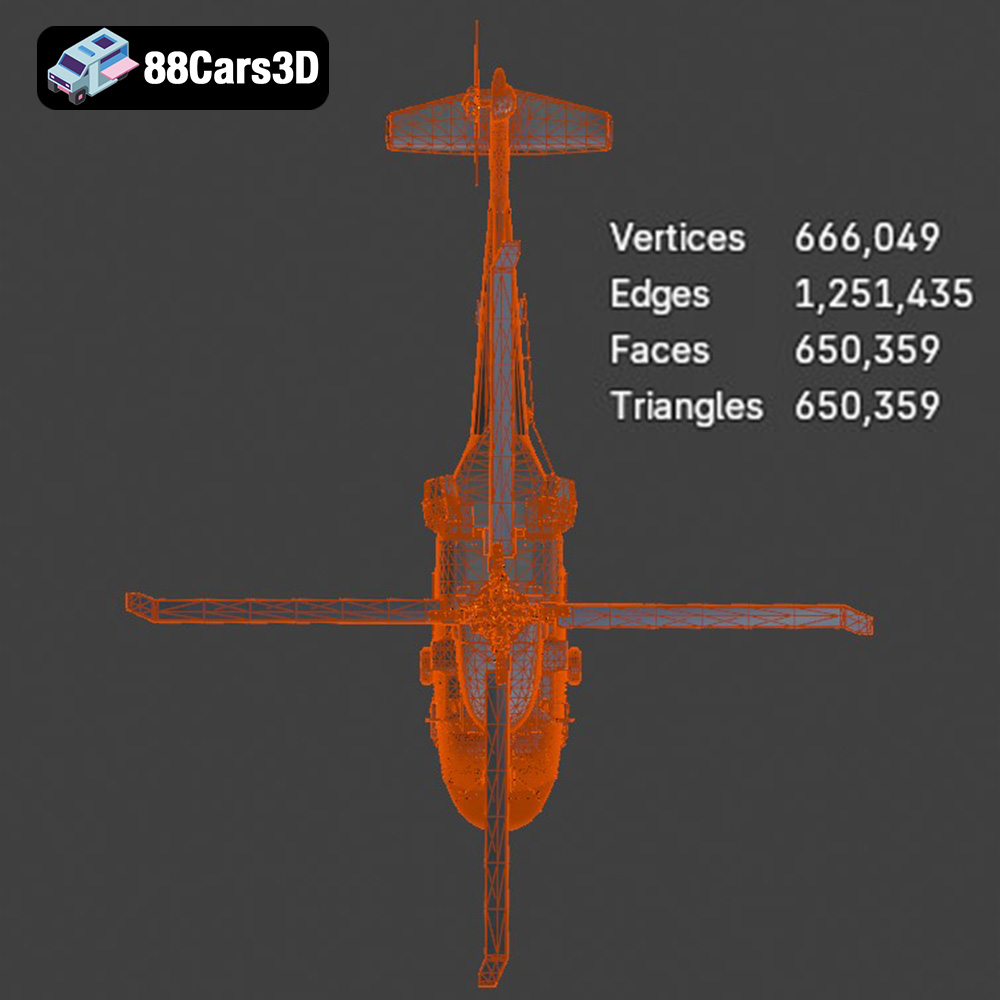
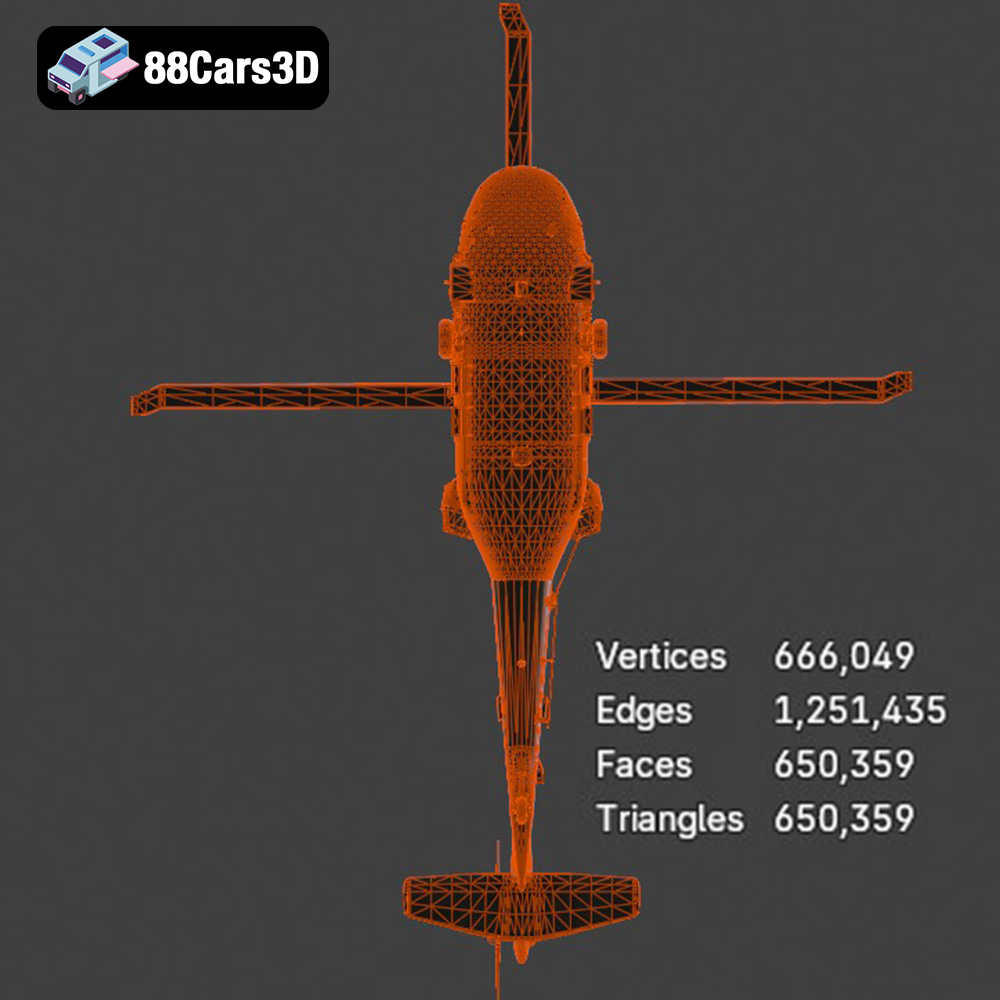
* **Mesh Quality:** The resolution of the triangular mesh directly impacts the smoothness of the printed surface. A higher triangle count results in a smoother surface but also increases file size and processing time. Slicing software allows you to adjust mesh resolution during import. Before 3D printing, inspect the model and determine if the mesh quality is sufficient for the desired outcome. For the Black Hawk model, the high level of detail benefits from a higher mesh resolution.
* **Best Use:** Ideal for 3D printing due to its widespread compatibility and focus on geometric data. Make sure to check for manifold errors like non-closed meshes to get the most from your STL file.
The OBJ format is another common 3D model file type. Unlike STL, OBJ supports color and texture information, making it suitable for colored 3D printing (though this is less common). OBJ files can also store multiple objects in a single file.
* **Compatibility:** Widely supported by 3D modeling and slicing software.
* **Texture Mapping:** Stores texture coordinates, allowing you to apply colors and patterns to the 3D model.
* **Best Use:** Suitable for models that require color or texture, but STL is generally preferred for simpler, single-color 3D prints due to its streamlined nature.
The PLY format, also known as the Polygon File Format or Stanford Triangle Format, is designed to store 3D data acquired from 3D scanners. It can store color, texture, and other properties per vertex, allowing for high-detail representation.
* **Compatibility:** Supported by some advanced slicing software.
* **Vertex Data:** Stores additional data at each vertex, enabling a more accurate representation of complex surfaces.
* **Best Use:** Suitable for highly detailed models where vertex data is crucial, but less common for general 3D printing due to its complexity.
The .blend file is the native format for Blender, a popular open-source 3D modeling software. It contains the entire scene, including the model, textures, lighting, and animation data.
* **Compatibility:** Only compatible with Blender.
* **Editability:** Allows for complete customization of the model before exporting to a printable format like STL.
* **Best Use:** If you want to modify the Black Hawk model before printing, use Blender and the .blend file.
The FBX (Filmbox) format is a proprietary file format developed by Autodesk. It is commonly used for exchanging 3D data between different software applications, particularly in game development and animation. FBX supports geometry, textures, materials, and animations.
* **Compatibility:** Supported by some advanced slicing software that can handle material properties.
* **Data Rich:** Can contain a wide range of data, including geometry, textures, materials, and animations.
* **Best Use:** Useful if your slicing software can utilize the material information, but generally, STL is sufficient for basic 3D printing.
GLB is a binary file format representing 3D models, designed for efficient transmission and loading in applications. It is often used for Augmented Reality (AR) and Virtual Reality (VR) applications.
* **Compatibility:** Used for previewing models in AR/VR environments.
* **Efficient:** Designed for efficient loading and rendering.
* **Best Use:** Ideal for visualizing the model in AR before committing to a 3D print.
The .max file is the native format for 3ds Max, another professional 3D modeling software. Similar to .blend, it contains the entire scene data, allowing for complete customization.
* **Compatibility:** Only compatible with 3ds Max.
* **Professional Tool:** Requires access to 3ds Max for editing.
* **Best Use:** For users familiar with 3ds Max, the .max file offers complete control over the model’s design.
Before you send the Sikorsky UH-60 Black Hawk US 3D Model to your printer, you need to prepare it using slicing software. This software converts the 3D model into a series of instructions (G-code) that the printer can understand.
Popular slicing software options include:
* **Cura:** A free and user-friendly option with a wide range of settings.
* **PrusaSlicer:** Another free option, known for its advanced features and accurate print estimations.
* **Simplify3D:** A paid option with excellent control over print parameters.
* **Lychee Slicer/Chitubox:** (For resin printing) Specialized software with features optimized for resin printers, including automatic support generation.
* **Scaling:** The product description recommends scales of 1:35, 1:48, or 1:72. Choose a scale that suits your printer’s build volume and desired level of detail.
* **Orientation:** Determine the optimal printing orientation for each part. Printing the fuselage horizontally or at an angle provides structural integrity. Print rotors separately to minimize support requirements.
* **Support Generation:** Add supports to overhangs and intricate details like rotor blades, landing gear, and antennas. Experiment with support settings to balance print quality and ease of removal.
* **Hollowing (for resin):** If using resin, hollowing the larger parts (like the fuselage) reduces material consumption and prevents cracking due to resin shrinkage. Ensure you add drain holes to allow resin to escape.
* **Model Repair:** Use the slicing software’s repair function (or a dedicated mesh repair tool like MeshMixer) to fix any errors in the STL file, such as non-manifold edges or holes.
Fine-tuning your printer settings is crucial for achieving a high-quality 3D printed model of the Sikorsky UH-60 Black Hawk.
* **FDM:** A layer height of 0.1mm to 0.2mm provides a good balance between detail and print time. For smaller details, you can experiment with lower layer heights (down to 0.06mm).
* **Resin:** Resin printing excels at fine detail. Layer heights of 0.04mm to 0.08mm are ideal for capturing intricate features.
* **FDM:** An infill density of 20-30% is sufficient for most parts. Increase infill for parts that require higher strength, such as the landing gear.
* **FDM:** A print speed of 40-60mm/s is a good starting point. Reduce the speed for intricate details and overhangs.
* **Resin:** Print speed is less of a concern with resin printers, as the layer exposure time determines the printing speed.
* **FDM:** Experiment with different support patterns and densities to find a balance between support strength and ease of removal.
* **Resin:** Use a combination of light and medium supports, with denser supports near critical overhangs.
Once the 3D printing process is complete, post-processing is essential to refine the appearance and assemble the Sikorsky UH-60 Black Hawk.
Carefully remove the supports using pliers, tweezers, or a hobby knife. Take your time to avoid damaging the model. For resin prints, soaking the model in warm water can soften the supports, making them easier to remove.
Use sandpaper to smooth out any imperfections, layer lines, or support marks. Start with a coarse grit sandpaper (e.g., 220 grit) and gradually move to finer grits (e.g., 400, 600, 800 grit) for a smooth finish.
Apply a primer coat to the model to prepare it for painting. Primer helps to fill in any remaining imperfections and provides a better surface for the paint to adhere to.
Paint the model with the desired colors and markings. Authentic olive drab or matte black military finishes are popular choices for the Black Hawk. Use masking tape to create clean lines for decals and markings.
Assemble the different parts of the model using glue. Cyanoacrylate (super glue) works well for most 3D printed materials.
Even with careful planning, you may encounter some challenges during the 3D printing process. Here are some common issues and their solutions:
* **Warping (FDM):** Ensure your print bed is level and heated to the correct temperature. Use a brim or raft to improve adhesion.
* **Poor Layer Adhesion (FDM):** Increase the nozzle temperature or reduce the print speed.
* **Support Failures:** Increase the support density or adjust the support placement.
* **Resin Print Delamination:** Increase the layer exposure time or adjust the lift speed.
* **Elephant’s Foot (Resin):** Reduce the initial layer exposure time or use a raft with a chamfer.
By carefully addressing these potential issues, you can overcome 3D printing challenges and achieve a stunning replica of the Sikorsky UH-60 Black Hawk.
The print time and material cost will vary depending on the size of the model, the printer settings, and the material used. Here’s a rough estimate for a 1:48 scale model:
* **FDM (PLA/PETG):**
* Print time: 20-40 hours
* Material cost: $10-20
* **Resin:**
* Print time: 10-20 hours
* Material cost: $20-40
Remember that these are just estimates, and the actual time and cost may vary.
The Sikorsky UH-60 Black Hawk US 3D Model available on 88cars3d.com provides a fantastic opportunity to create a detailed and impressive replica of this iconic helicopter. By following the guidelines outlined in this guide, you can navigate the 3D printing process with confidence and achieve outstanding results.
The Sikorsky UH-60 Black Hawk is the backbone of the U.S. Army’s tactical transport fleet, renowned for its versatility, ruggedness, and iconic silhouette. This 3D model meticulously captures the legendary military utility helicopter, featuring its distinct twin-engine housing, formidable four-blade main and tail rotors, and robust military fuselage. Built to reflect its real-world counterpart’s aggressive yet functional military styling, it embodies air assault, medevac, and troop transport readiness.
$39.99
.blend
.fbx
.glb
.max
.obj
.ply
.rendering
.sikorsky
.stl
.unreal
black-hawk
game asset
game-ready
helicopter-3d-model
low-poly
military-helicopter
optimized
uh-60
us-army
VR/AR