Get 20% OFF All Premium 3D & STL Models!

“`html
The world of 3D printing has revolutionized the way we create and interact with physical objects, and few applications are as compelling as the creation of realistic car models. Whether you’re a hobbyist, a model collector, or an engineer looking to prototype designs, the ability to bring a digital STL file to life as a tangible, detailed replica is an incredibly rewarding experience. However, achieving truly realistic results requires a deep understanding of the entire 3D printing process, from file preparation to post-processing. This comprehensive guide will walk you through each step, offering technical insights and practical tips to help you create stunning car models that capture every curve and detail. We’ll cover everything from understanding STL file structure to optimizing your 3D printer settings and mastering post-processing techniques. Whether you’re using FDM or resin printing, this guide will equip you with the knowledge to elevate your 3D printing projects to the next level.
The STL (Stereolithography) file format is the cornerstone of 3D printing. It represents a 3D object as a collection of interconnected triangles, forming a mesh. The quality of this mesh directly impacts the final print quality. For realistic car models, a high-resolution STL file is crucial to capture intricate details and smooth curves. Platforms like 88cars3d.com offer print-ready STL files designed with optimal mesh density for specific scales and printing methods.
The level of detail in an STL file is determined by the density of the triangles. A higher triangle count results in a smoother surface but also increases file size and processing time. Finding the right balance is essential. For car models, areas with complex curves, such as fenders and bumpers, require a higher mesh density than flat surfaces like the roof. STL files from 88cars3d.com often incorporate variable mesh density, optimizing detail where it matters most while keeping the overall file size manageable. A good starting point is aiming for a triangle size roughly equivalent to your desired layer height for the smoothest curves.
A manifold mesh is a closed, watertight surface, essential for successful 3D printing. Non-manifold edges, holes, and self-intersections can cause slicing errors and print failures. Before printing, it’s crucial to inspect and repair the STL file. Software like Meshmixer and Netfabb can automatically detect and fix these errors. A common workflow is to import the STL into Meshmixer, use the “Make Solid” function, and then select the “Accurate” or “Solidify” option to create a manifold mesh. Always double-check the repaired mesh for any unexpected artifacts or loss of detail, especially in delicate areas like grilles and trim.
Slicing is the process of converting the 3D model into a series of 2D layers that the 3D printer can understand. Slicing software, such as Cura or PrusaSlicer, offers a wide range of settings that significantly affect print quality, strength, and speed. Mastering these settings is crucial for achieving realistic car model prints.
Layer height is one of the most critical slicing parameters. A smaller layer height results in smoother surfaces and finer details but also increases print time. For car models, a layer height between 0.1mm and 0.2mm is generally recommended for FDM printing. Resin printing can achieve even finer details with layer heights as low as 0.025mm or even less. The trade-off is significantly longer print times. Experiment with different layer heights to find the optimal balance between detail and speed for your specific printer and model.
Infill refers to the internal structure of the 3D printed object. While car models don’t typically require high infill densities for structural integrity, the infill pattern and density can affect the surface finish. A rectilinear or honeycomb infill pattern with a density of 10-20% is usually sufficient. For areas that require additional support, such as overhangs, consider using a denser infill. Some slicers offer adaptive infill settings that automatically adjust the infill density based on the geometry of the model, optimizing strength and material usage.
The choice between Fused Deposition Modeling (FDM) and resin printing significantly impacts the level of detail, surface finish, and overall realism you can achieve with your car models. Each technology has its strengths and weaknesses, and the best choice depends on your specific needs and budget.
FDM printing is a popular choice due to its affordability, ease of use, and wide range of available materials, including PLA, PETG, and ABS. FDM printers extrude melted plastic filament layer by layer to build the model. While FDM printing can produce detailed car models, achieving a smooth surface finish requires careful calibration, optimized settings, and often post-processing. Consider using a smaller nozzle (0.2mm or 0.4mm) for finer details, and experiment with different retraction settings to minimize stringing and blobbing.
Resin printing, also known as Stereolithography (SLA) or Digital Light Processing (DLP), uses liquid resin that is cured by a light source (laser or projector) to create the model. Resin printing offers significantly higher resolution and smoother surface finish compared to FDM printing, making it ideal for highly detailed car models. The downside is that resin printers are generally more expensive, require more careful handling of materials (due to the toxicity of uncured resin), and the printed parts may require more post-processing to remove support structures and fully cure the resin. When downloading models from marketplaces such as 88cars3d.com, consider whether the level of detail warrants resin printing for optimal results.
Support structures are temporary scaffolding used to support overhangs and bridges during 3D printing. They are essential for printing complex geometries, such as those found in car models, but their placement and removal can significantly impact the final print quality. Poorly designed or improperly removed supports can leave blemishes or damage the surface of the model.
Most slicing software offers automatic support generation, which can be a convenient starting point. However, manual support placement often yields better results, especially for intricate car models. Manual supports allow you to strategically position supports in less visible areas and minimize contact points with the model surface. In Cura, you can use the “Custom Support” plugin to add and customize supports manually. In PrusaSlicer, you can use the “Paint-on Supports” feature to selectively apply supports to specific areas.
The choice of support material and interface layers can significantly affect the ease of support removal and the quality of the supported surface. Soluble support materials, such as PVA for PLA or HIPS for ABS, can be dissolved in water or other solvents, eliminating the need for manual removal. Interface layers, which are thin layers between the support structure and the model surface, can be adjusted to create a weaker bond, making support removal easier. Experiment with different support settings to find the optimal balance between support strength and removability.
Post-processing is the final stage in the 3D printing process and involves various techniques to improve the appearance and functionality of the printed car model. This may include removing support structures, sanding, filling imperfections, priming, painting, and assembling multiple parts.
Sanding is essential for removing layer lines and smoothing the surface of the 3D printed car model. Start with a coarse grit sandpaper (e.g., 220 grit) to remove major imperfections and gradually move to finer grits (e.g., 400, 600, 800 grit) to achieve a smooth finish. Wet sanding can help prevent the sandpaper from clogging and reduce dust. For resin prints, sanding is often less necessary due to the smoother initial surface finish, but it can still be used to refine specific areas.
Priming is crucial for creating a smooth, uniform surface for painting. Apply several thin coats of primer, allowing each coat to dry completely before applying the next. Sand the primed surface with fine-grit sandpaper (e.g., 800 grit) to remove any imperfections. When painting, use high-quality automotive paints designed for model cars. Apply multiple thin coats, allowing each coat to dry thoroughly. Consider using an airbrush for a more even and professional finish. After painting, apply a clear coat to protect the paint and add a glossy or matte finish.
Even with careful planning and optimized settings, 3D printing can sometimes encounter problems. Understanding common issues and their solutions is essential for a smooth and successful printing experience. Here are some frequent challenges encountered when printing car models and how to address them:
Warping occurs when the corners of the 3D printed object lift off the print bed due to uneven cooling and contraction. This is more common with materials like ABS that have a higher thermal expansion coefficient. To prevent warping, ensure that the print bed is clean and level. Use a bed adhesion agent, such as hairspray or glue stick. Consider using a brim or raft to increase the contact area between the model and the print bed. Enclosing the printer can also help maintain a more consistent temperature and reduce warping. A heated bed is essential, and the recommended temperature varies by material (e.g., 60°C for PLA, 100-110°C for ABS).
Stringing occurs when the 3D printer extrudes material while moving between different parts of the model, leaving thin strings of plastic. Blobs are small clumps of excess material that accumulate on the surface. To minimize stringing and blobs, optimize retraction settings. Increase retraction distance and speed. Adjust the printing temperature to a lower value, but be careful not to go too low, or you may have extrusion problems. Ensure that the filament is dry. Calibrate the extruder to ensure it’s extruding the correct amount of material. Finally, check your travel speed settings to ensure optimal and fast movement between areas of the print.
3D printing realistic car models from STL files is a challenging yet rewarding endeavor. By understanding the intricacies of STL files, mastering slicing parameters, choosing the right 3D printing technology, optimizing support structures, and perfecting post-processing techniques, you can create stunning replicas that capture every detail of your favorite vehicles. Remember to experiment with different settings, materials, and techniques to find what works best for your specific printer and model. Platforms like 88cars3d.com can provide you with high-quality, print-ready STL files to kickstart your projects. Don’t be afraid to experiment, learn from your mistakes, and continuously refine your process. With dedication and practice, you’ll be creating museum-quality car models in no time. Now, download your favorite car model STL, calibrate your printer, and embark on your 3D printing journey!
“`
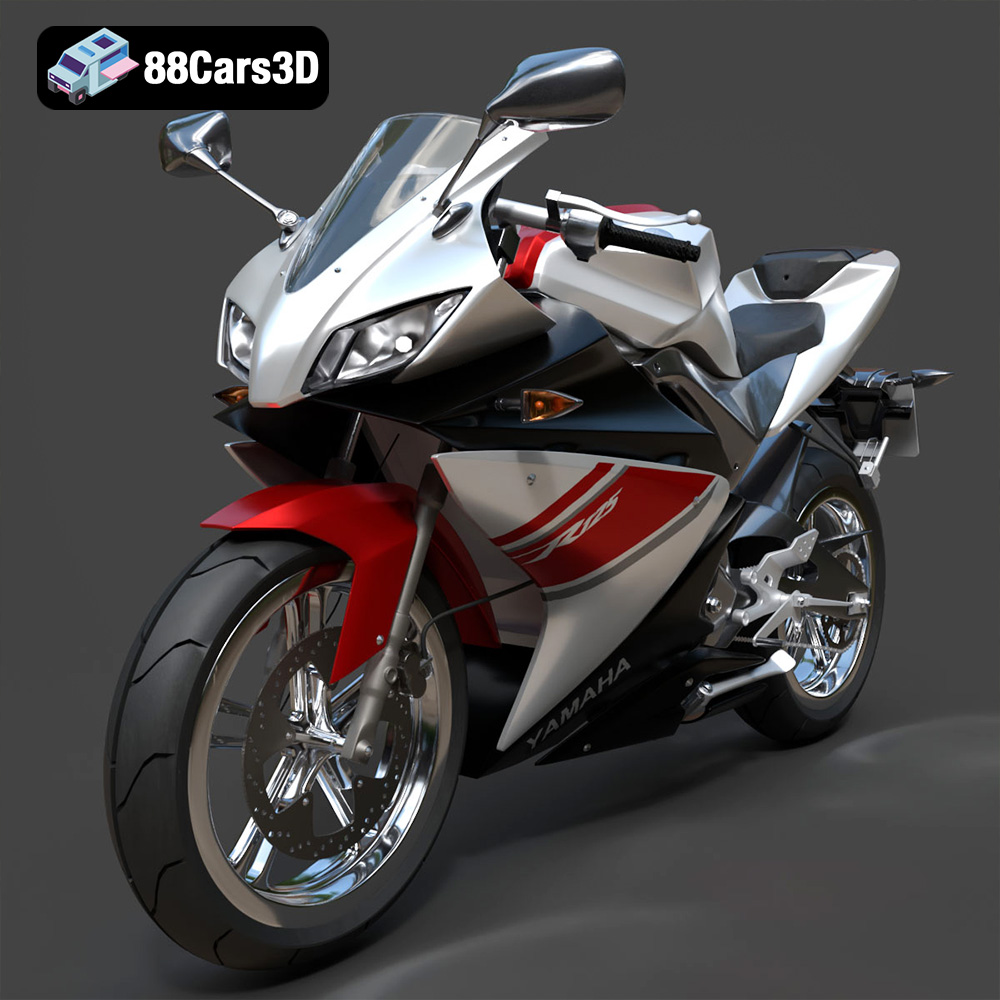
Texture: Yes | Material: Yes
Download the highly detailed, game-ready Yamaha YZF-R125 EU 3D Model. Features an aggressive aerodynamic fairing, twin LED headlights, and a detailed 125cc engine block. Includes .blend, .fbx, .obj, .glb, .stl, .ply, .unreal, and .max formats for game development, AR/VR, and rendering.
Price: $19.99
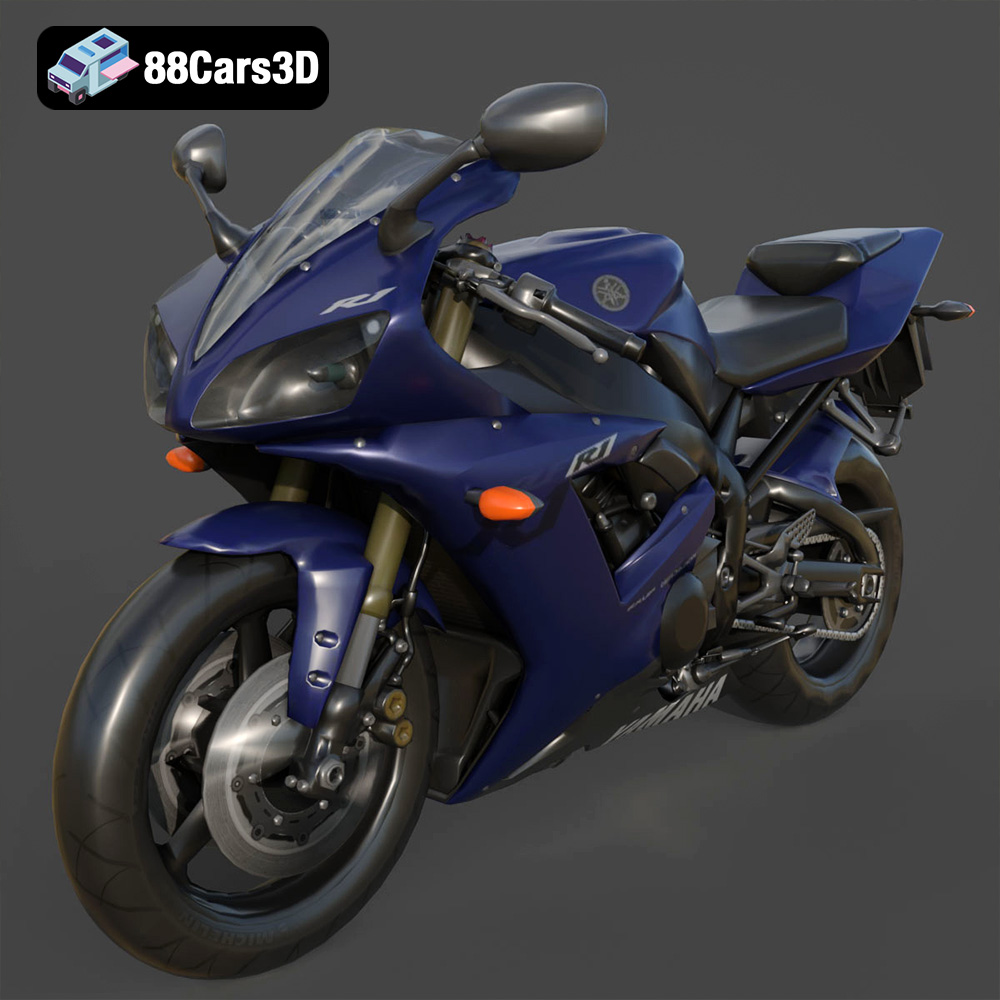
Texture: Yes | Material: Yes
Download the highly detailed, game-ready Yamaha R1 3D Model. Features aggressive aerodynamic fairings, a detailed crossplane inline-4 engine, and track-focused suspension geometry. Includes .blend, .fbx, .obj, .glb, .stl, .ply, .unreal, and .max formats for game development, AR/VR, and rendering.
Price: $19.99
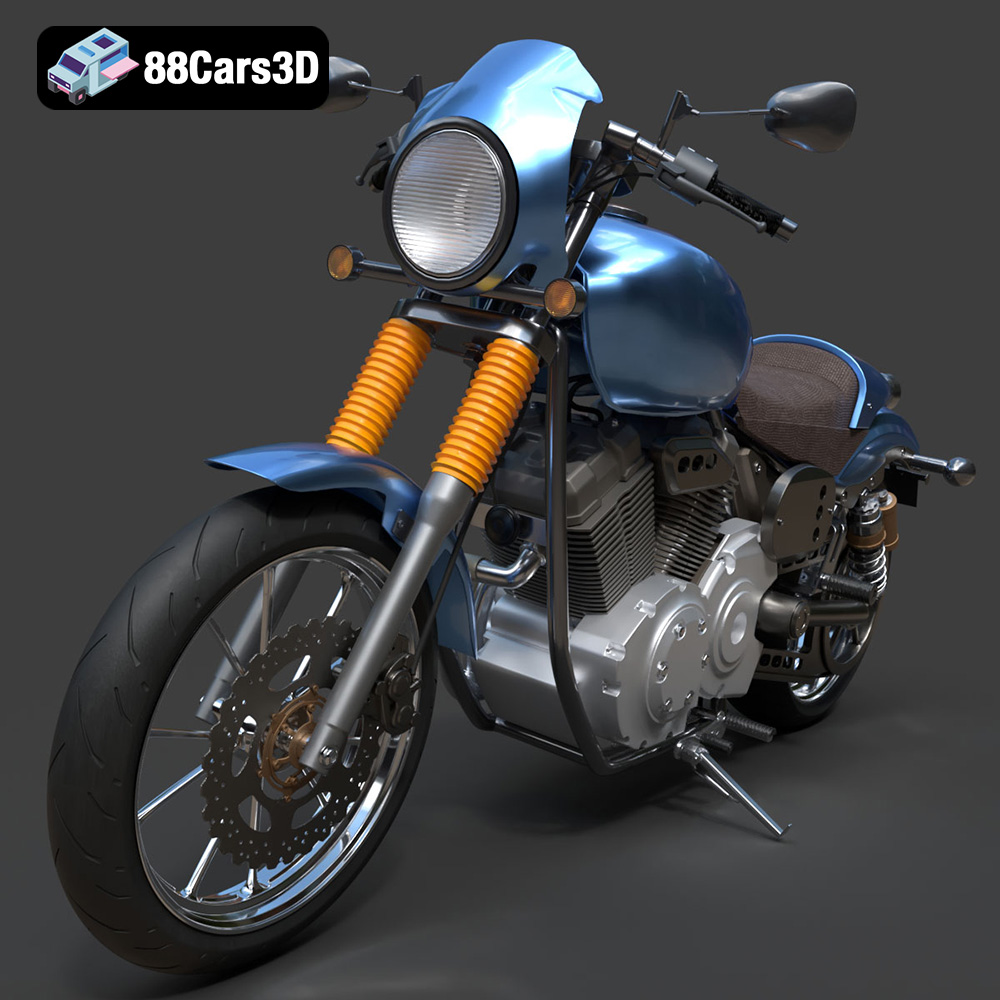
Texture: Yes | Material: Yes
Download the highly detailed, game-ready Yamaha XV950 Racer 3D Model. Features an aggressive cafe-racer front cowl, detailed air-cooled V-twin engine, and classic retro styling. Includes .blend, .fbx, .obj, .glb, .stl, .ply, .unreal, and .max formats for game development, AR/VR, and rendering.
Price: $19.99

Texture: Yes | Material: Yes
Download the highly detailed, game-ready Volvo VNL Tractor Truck 2002 3D Model. Features iconic aerodynamic styling, detailed fifth-wheel coupling, and heavy-duty chassis. Includes .blend, .fbx, .obj, .glb, .stl, .ply, .unreal, and .max formats for game development, AR/VR, and rendering.
Price: $39.99
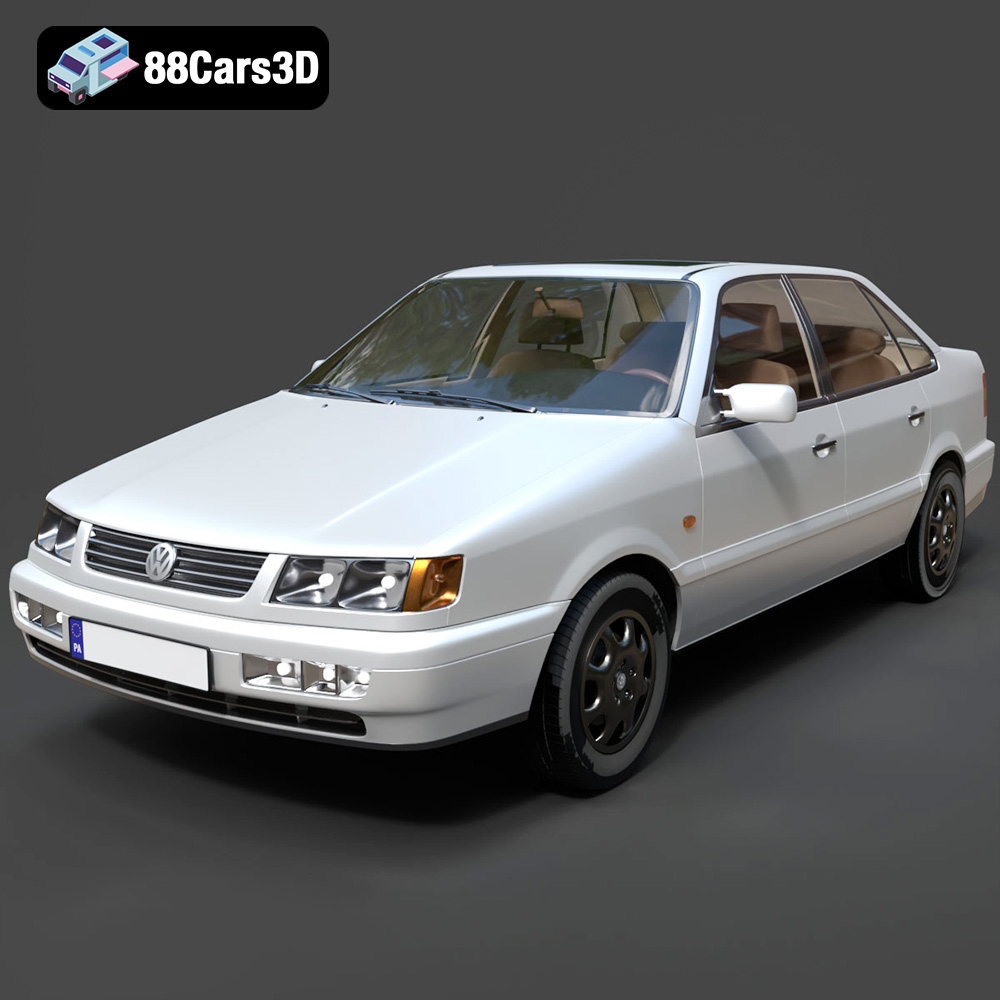
Texture: Yes | Material: Yes
Download the highly detailed, game-ready Volkswagen Passat Mk4 B4 Sedan 1993 3D Model. Features accurate 90s sedan styling, detailed front grille-less fascia, and a classic interior setup. Includes .blend, .fbx, .obj, .glb, .stl, .ply, .unreal, and .max formats for game development, AR/VR, and rendering.
Price: $39.99
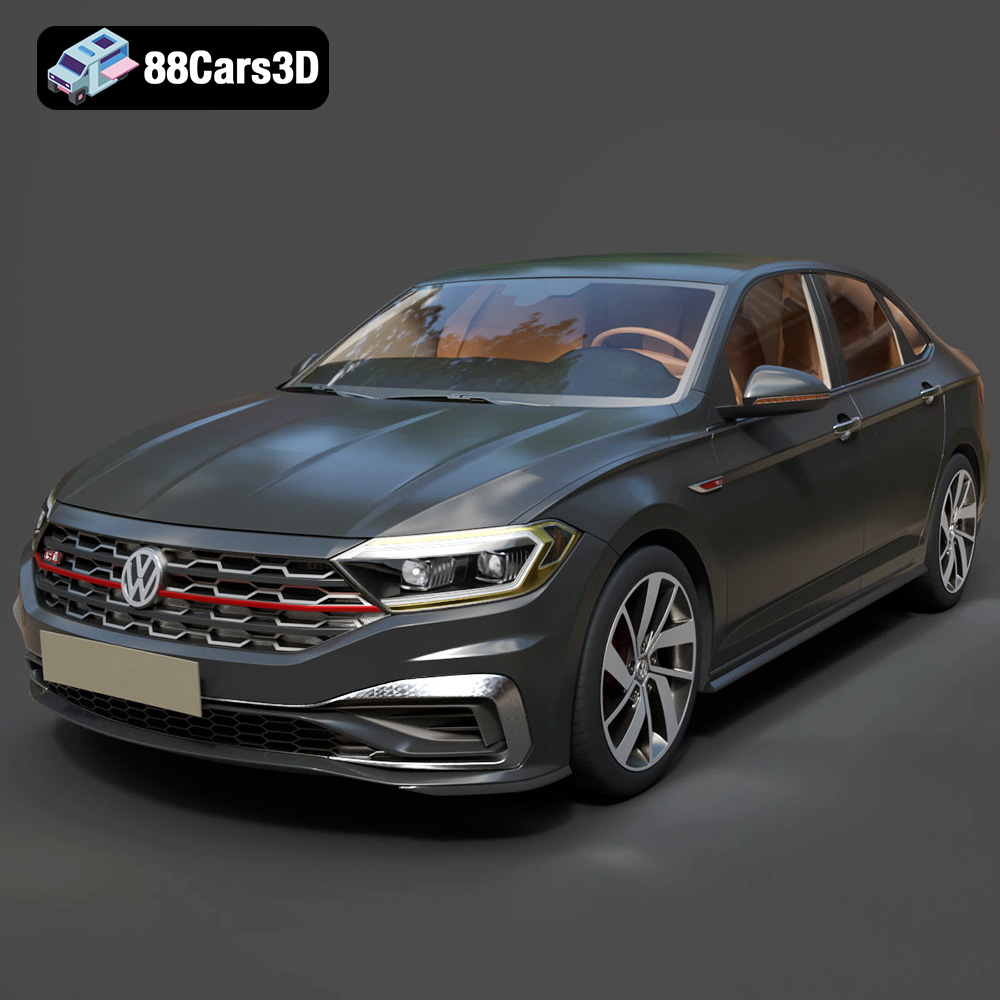
Texture: Yes | Material: Yes
Download the highly detailed, game-ready Volkswagen Jetta GLI 2019 3D Model. Features an aggressive honeycomb grille with red accents, sleek aerodynamic profile, and exclusive GLI sport wheels. Includes .blend, .fbx, .obj, .glb, .stl, .ply, .unreal, and .max formats for game development, AR/VR, and rendering.
Price: $39.99
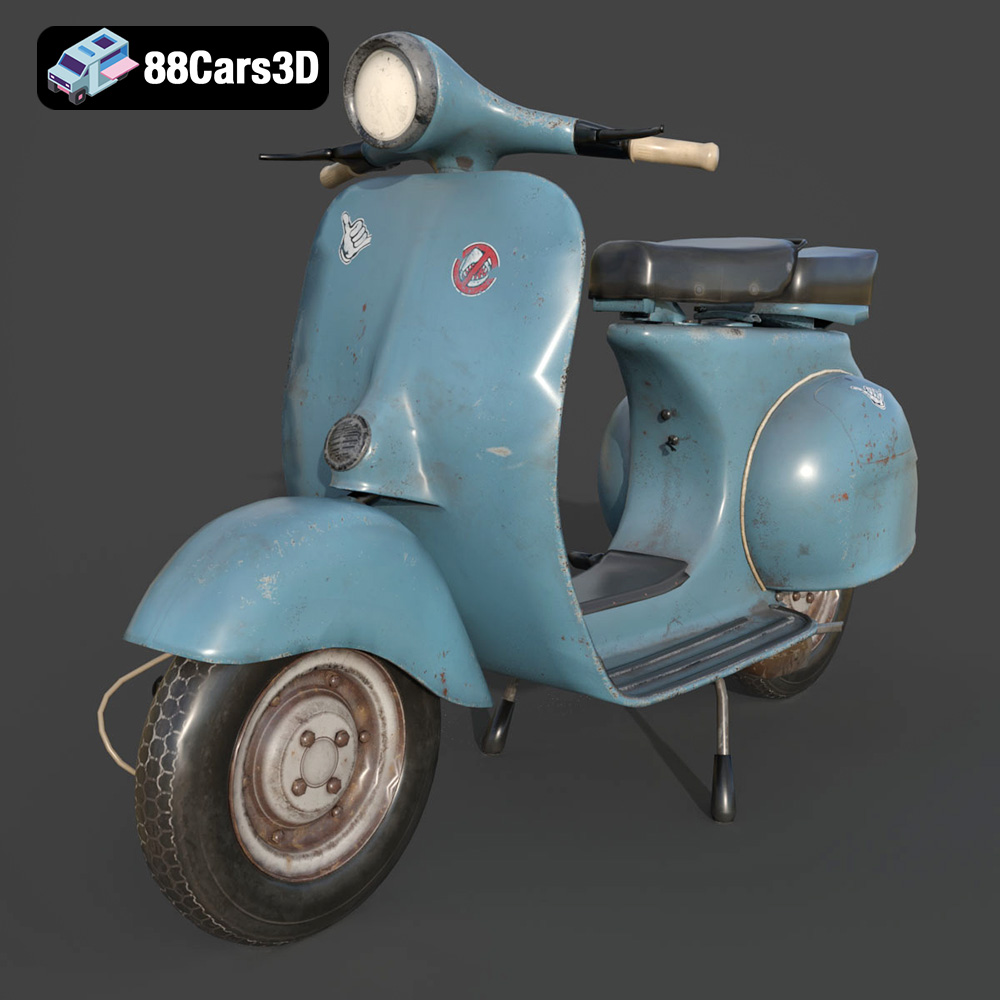
Texture: Yes | Material: Yes
Download the highly detailed, game-ready Vintage Vespa 3D Model. Features iconic rounded monocoque styling, classic saddle, and chrome accents. Includes .blend, .fbx, .obj, .glb, .stl, .ply, .unreal, and .max formats for game development, AR/VR, and rendering.
Price: $39.99

Texture: Yes | Material: Yes
Download the highly detailed, game-ready Vespa GS 150 3D Model. Features elegant aerodynamic curves, classic leg shield, and detailed engine casing. Includes .blend, .fbx, .obj, .glb, .stl, .ply, .unreal, and .max formats for game development, AR/VR, and rendering.
Price: $39.99
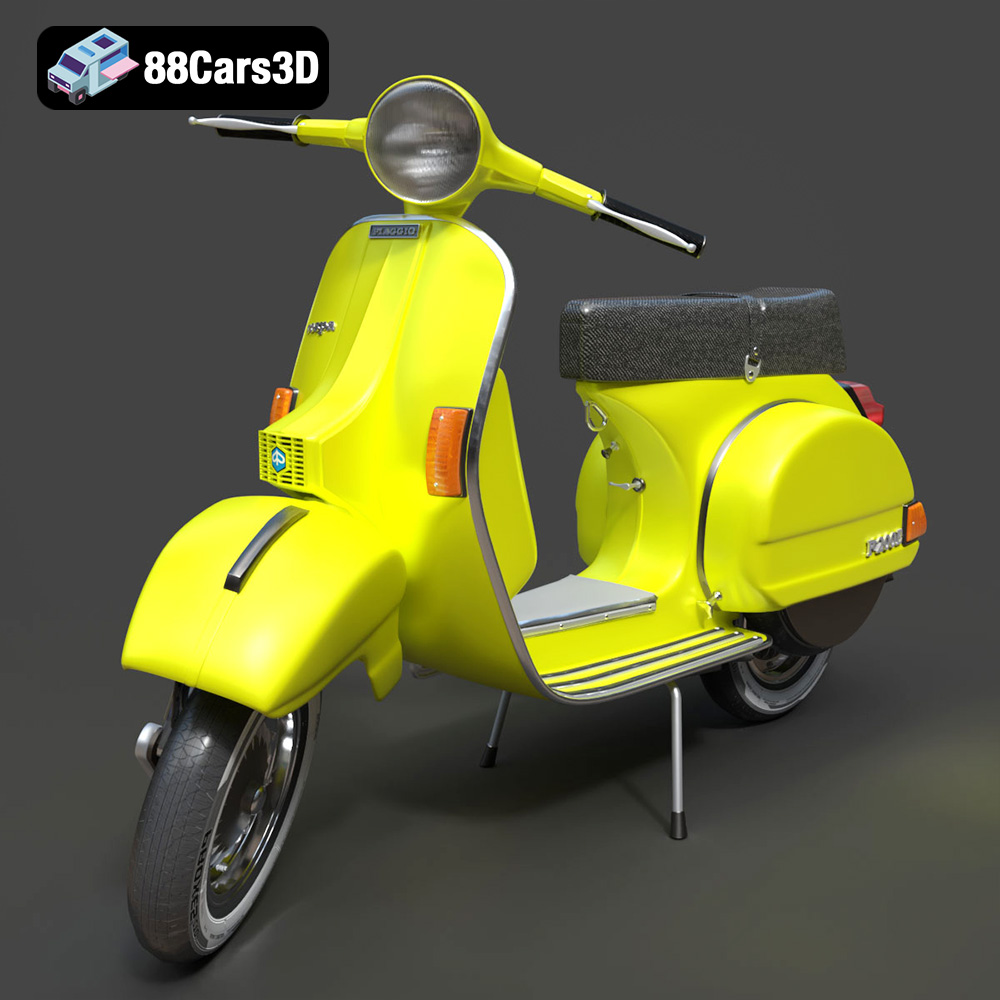
Texture: Yes | Material: Yes
Download the highly detailed, game-ready Vespa P200E 3D Model. Features classic vintage styling, accurate step-through frame geometry, and authentic detailing. Includes .blend, .fbx, .obj, .glb, .stl, .ply, .unreal, and .max formats for game development, AR/VR, and rendering.
Price: $39.99
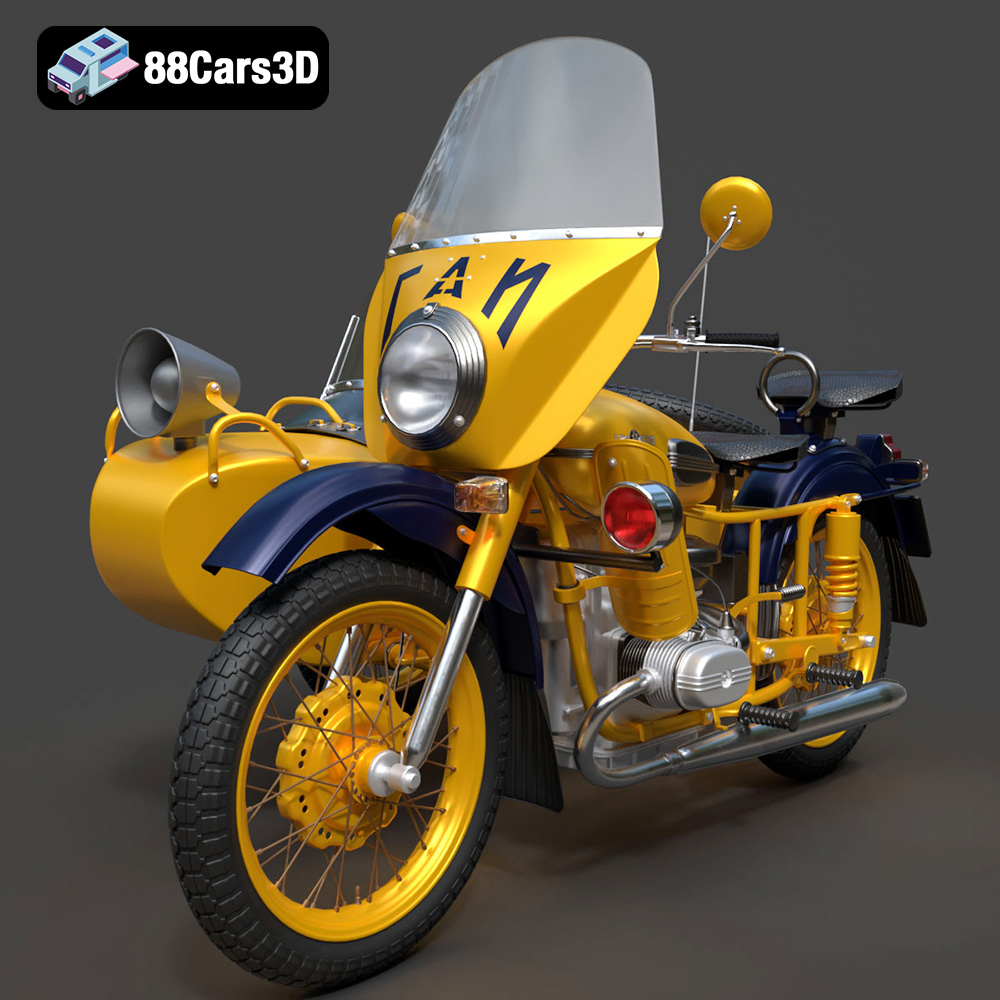
Texture: Yes | Material: Yes
Download the highly detailed, game-ready Ural M67-36-P 1976 3D Model. Features the iconic air-cooled boxer engine, vintage utilitarian styling, and authentic spoked wheels. Includes .blend, .fbx, .obj, .glb, .stl, .ply, .unreal, and .max formats for game development, AR/VR, and rendering.
Price: $39.99

