Get 20% OFF All Premium 3D & STL Models!

“`html
Embarking on the journey of 3D printing can be both exhilarating and daunting, especially for beginners. The technology’s potential is vast, from creating custom prototypes to bringing imaginative designs to life. For automotive enthusiasts and model collectors eager to print stunning car models from platforms like 88cars3d.com, selecting the right budget-friendly 3D printer is paramount. This guide will navigate you through the best options, covering essential technical aspects, slicing parameters, and troubleshooting tips to ensure a smooth and successful printing experience. We’ll delve into the specifics of FDM and resin printing, providing insights to help you choose the perfect machine and master the art of 3D printing high-quality STL files.
Before diving into specific printer models, it’s crucial to assess your needs and budget. Consider the size of the car models you intend to print, the level of detail you require, and the materials you want to work with. Your budget will largely dictate the type of 3D printer you can afford, with FDM (Fused Deposition Modeling) printers generally being more affordable than resin printers. However, resin printers excel at producing highly detailed parts, making them ideal for intricate automotive models where fine details are critical.
When considering the price of a 3D printer, remember to factor in the cost of filament or resin, replacement parts (nozzles, build plates), and any necessary software upgrades. Researching user reviews and online communities can provide valuable insights into the long-term reliability and maintenance costs of different models.
FDM (Fused Deposition Modeling): FDM printers work by extruding a thermoplastic filament through a heated nozzle, layer by layer, to create a 3D object. They are generally more affordable, easier to use, and can print with a wider range of materials, including PLA, PETG, and ABS. FDM printers are well-suited for larger car models or parts that don’t require extremely fine details. Consider an FDM printer if your priority is affordability, ease of use, and printing with durable materials.
Resin (SLA/DLP/LCD): Resin printers use a liquid resin that is cured by a light source (laser or UV light) to form a solid object. They produce incredibly detailed prints with smooth surfaces, making them ideal for intricate car models with fine details. However, resin printers are typically more expensive, require more post-processing (washing and curing), and the resin itself can be more costly and require careful handling. If your focus is on achieving exceptional detail and smooth surfaces, a resin printer is the better choice, especially when printing smaller, highly detailed components.
For beginners looking for an affordable entry point into 3D printing, FDM printers offer excellent value and versatility. Several budget-friendly options provide reliable performance and user-friendly features. When downloading models from marketplaces such as 88cars3d.com, these printers offer a great starting point for your hobby.
The Creality Ender 3 V2 is a popular choice among beginners due to its affordability, ease of assembly, and extensive community support. It features a sturdy frame, a heated bed, and a user-friendly interface. With a build volume of 220 x 220 x 250 mm, it’s suitable for printing a wide range of car models. The Ender 3 V2 is also highly customizable, allowing you to upgrade components as you gain more experience. A good starting point for layer height with PLA is 0.2mm, and a bed temperature of 60°C. Infill can be adjusted depending on the desired strength and weight, but a 20% infill is a decent starting point.
Key Specifications:
Best Practices:
The Anycubic Mega S is another excellent option for beginners. It comes pre-assembled, making setup quick and easy. It features a large build volume of 210 x 210 x 205 mm, a sturdy frame, and a reliable extruder. The Mega S is known for its consistent performance and user-friendly interface. Using Cura, adjust the layer height to 0.15mm for increased detail on car models. Print speed may need to be reduced to 40mm/s for complex models.
Key Specifications:
Troubleshooting Tips:
For those seeking exceptional detail and smooth surfaces in their 3D printed car models, resin printers are the way to go. While they may require a slightly steeper learning curve, the results are often worth the effort. Here are some budget-friendly resin printer options:
The Elegoo Mars 3 is a popular choice for resin printing due to its high resolution and affordable price. It features a 4K monochrome LCD screen, which allows for faster curing times and sharper details. The Mars 3 has a build volume of 143 x 89.6 x 175 mm, which is sufficient for printing most car models. Using the Elegoo slicer, set the layer height to 0.05mm for balanced speed and detail, or 0.03mm for maximum detail. Exposure time will depend on the resin used but generally ranges between 2-3 seconds per layer for standard grey resin.
Key Specifications:
Post-Processing Tips:
The Anycubic Photon Mono is another excellent budget-friendly resin printer that offers fast and efficient printing. It also features a monochrome LCD screen, which significantly reduces curing times compared to traditional LCD printers. The Photon Mono has a build volume of 130 x 80 x 165 mm. With a monochrome screen, layer exposure times can be reduced to 1.5-2 seconds per layer. Use a layer height of 0.05mm as a starting point and adjust as needed based on the model.
Key Specifications:
Support Structure Considerations:
Slicing software is an essential tool for preparing STL files for 3D printing. It converts the 3D model into a series of layers that the printer can understand. Several excellent slicing software options are available, both free and paid. Mastering the slicing process is fundamental to achieving high-quality prints, especially when working with detailed models from platforms like 88cars3d.com.
Cura is a free and open-source slicing software developed by Ultimaker. It’s compatible with a wide range of 3D printers and offers a user-friendly interface with a wealth of customizable settings. Cura allows you to control layer height, infill density, print speed, support structures, and more. For printing car models, experiment with different infill patterns to optimize strength and weight. A gyroid infill pattern offers a good balance of strength and material usage. Set your wall line count to 3 or 4 for added strength to the outer shell of the car model.
Advanced Settings in Cura:
PrusaSlicer is another popular free slicing software known for its precision and control. It offers a wide range of advanced features, including variable layer height, adaptive infill, and support painting. PrusaSlicer is particularly well-suited for printing complex models with intricate details. Using PrusaSlicer, try using adaptive layer height for car models. This will automatically adjust the layer height based on the geometry of the model, allowing for finer details in curved areas and faster printing in flat areas.
Advanced Settings in PrusaSlicer:
Achieving optimal print quality requires careful calibration of your 3D printer and fine-tuning of the slicing settings. Different materials and models will require different settings, so experimentation is key. Always check the recommended material settings for your specific filament or resin.
Layer height is one of the most important settings for determining print quality. Lower layer heights result in smoother surfaces and finer details, but they also increase print time. Higher layer heights result in faster print times but sacrifice detail. For FDM printing, a layer height of 0.1-0.2 mm is a good starting point for car models. For resin printing, a layer height of 0.025-0.05 mm is recommended. Consider using variable layer height to optimize both print time and detail.
Trade-offs:
Infill density determines the internal strength of the printed part. Higher infill densities result in stronger parts but also increase material usage and print time. Infill patterns affect the strength and weight of the part. For car models, an infill density of 15-25% is generally sufficient. Gyroid, cubic, and honeycomb infill patterns offer a good balance of strength and weight. A rectilinear pattern is also suitable, especially for large, flat areas. You can increase the infill density around screw holes or other areas that require additional strength.
Infill Pattern Recommendations:
Support structures are necessary for printing overhanging features that would otherwise collapse during printing. Proper support generation and removal are crucial for achieving clean and accurate prints. When printing complex car models from 88cars3d.com, strategic support placement is essential.
Most slicing software offers automatic support generation, but manual adjustments are often necessary to optimize support placement and minimize material usage. Pay close attention to overhang angles and areas that require support. Use different support types (linear, tree-like) depending on the geometry of the model. Tree supports are generally easier to remove and leave fewer marks on the printed part.
Support Structure Types:
Removing supports carefully is essential to avoid damaging the printed part. Use appropriate tools, such as pliers, cutters, and sandpaper. Heat can also be used to soften the support material and make it easier to remove. For resin prints, soak the part in warm water to soften the supports. Consider using dissolvable support materials for complex models.
Support Removal Techniques:
Post-processing is the final step in the 3D printing process and involves cleaning, sanding, painting, and assembling the printed parts. Proper post-processing can significantly enhance the appearance and durability of your 3D printed car models. After printing a beautiful STL file from 88cars3d.com, these steps ensure a perfect model.
Sanding is used to remove layer lines and smooth the surface of the printed part. Start with coarse sandpaper (180-220 grit) and gradually move to finer grits (400-600 grit). Wet sanding can help to reduce dust and improve the smoothness of the surface. Use a filler primer to fill in any remaining imperfections before painting.
Sanding Tips:
Painting can add color and protect the surface of the printed part. Use spray paint or airbrush paint for a smooth and even finish. Apply multiple thin coats rather than one thick coat to prevent drips and runs. Use a clear coat to protect the paint and add a glossy or matte finish. Consider using automotive-grade paints for a durable and realistic finish. For example, use Tamiya paints known for their fine pigments and realistic colors suitable for scale models.
Painting Techniques:
Choosing the right budget 3D printer is the first step towards unleashing your creativity and bringing your automotive dreams to life. Whether you opt for an FDM printer for its affordability and versatility or a resin printer for its exceptional detail, the possibilities are endless. Remember to master the slicing process, optimize your printer settings, and practice proper post-processing techniques to achieve stunning results. Platforms like 88cars3d.com offer a vast library of high-quality STL files, providing endless inspiration for your 3D printing adventures. With dedication and experimentation, you’ll be creating impressive 3D printed car models in no time. Start with smaller, simpler models to get a feel for your printer and material, then gradually progress to more complex projects.
Actionable next steps include researching the specific models mentioned in this guide, comparing their features and prices, and reading user reviews to get a better understanding of their performance and reliability. Download free trial versions of slicing software to experiment with different settings and workflows. Finally, join online communities and forums to connect with other 3D printing enthusiasts and learn from their experiences. Happy printing!
“`
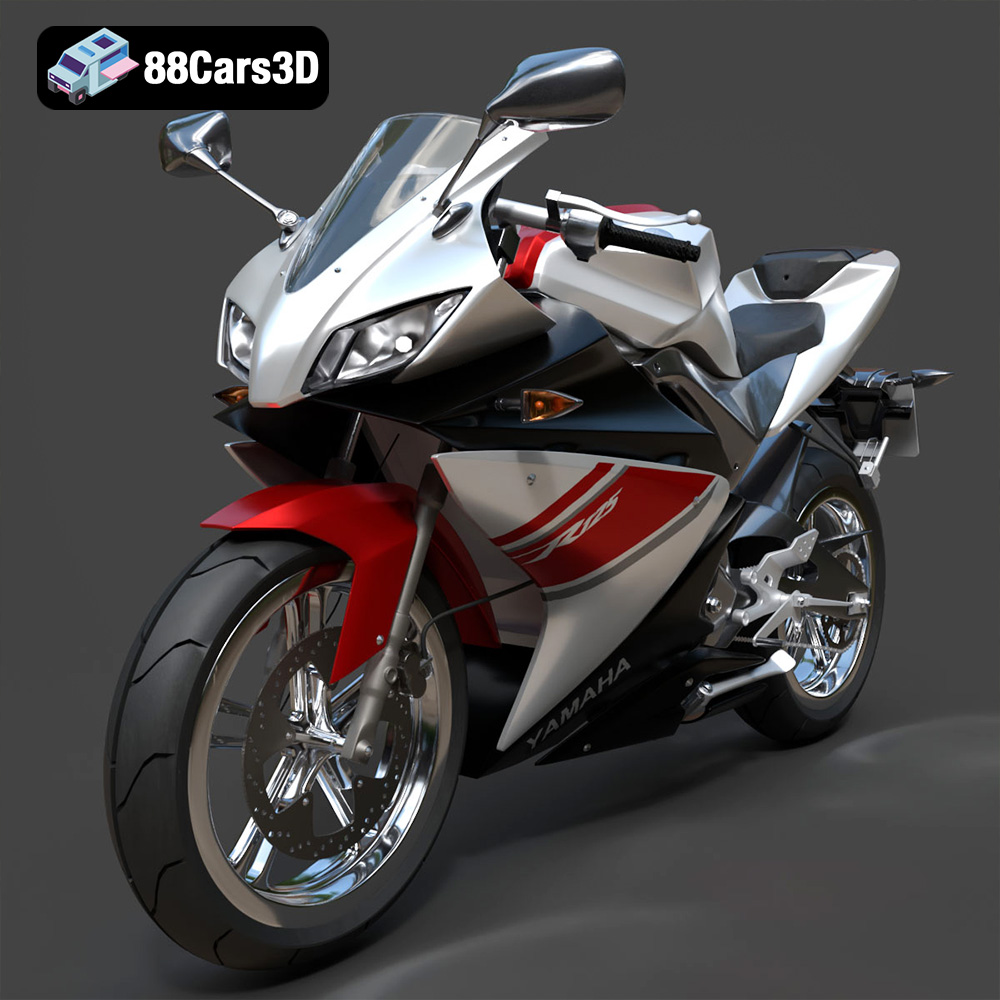
Texture: Yes | Material: Yes
Download the highly detailed, game-ready Yamaha YZF-R125 EU 3D Model. Features an aggressive aerodynamic fairing, twin LED headlights, and a detailed 125cc engine block. Includes .blend, .fbx, .obj, .glb, .stl, .ply, .unreal, and .max formats for game development, AR/VR, and rendering.
Price: $19.99
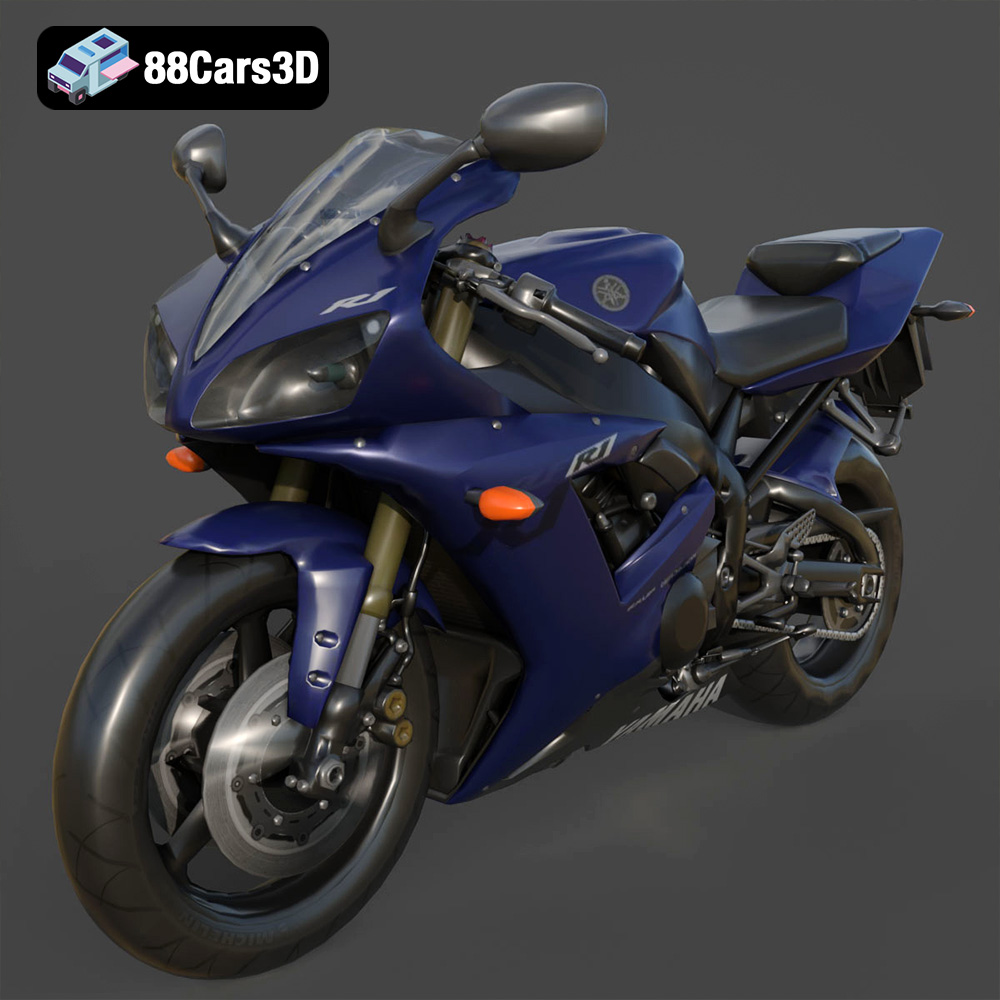
Texture: Yes | Material: Yes
Download the highly detailed, game-ready Yamaha R1 3D Model. Features aggressive aerodynamic fairings, a detailed crossplane inline-4 engine, and track-focused suspension geometry. Includes .blend, .fbx, .obj, .glb, .stl, .ply, .unreal, and .max formats for game development, AR/VR, and rendering.
Price: $19.99
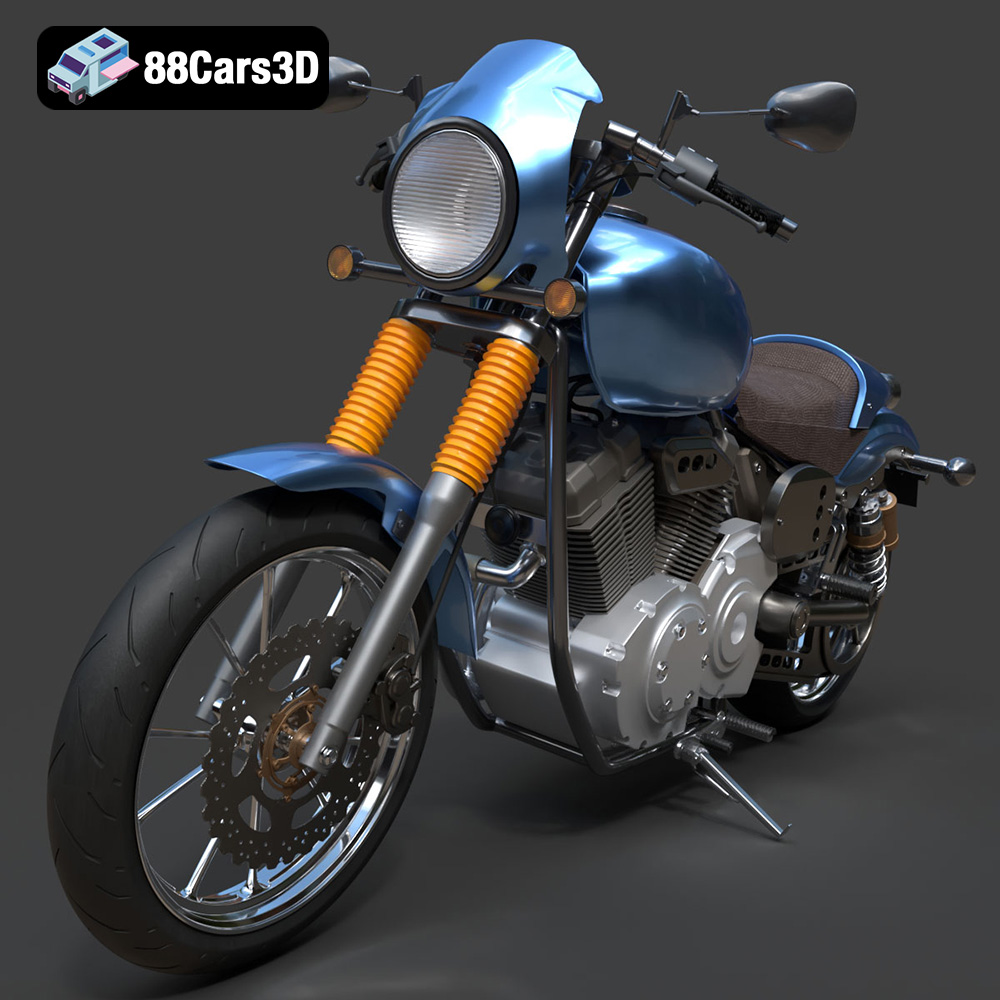
Texture: Yes | Material: Yes
Download the highly detailed, game-ready Yamaha XV950 Racer 3D Model. Features an aggressive cafe-racer front cowl, detailed air-cooled V-twin engine, and classic retro styling. Includes .blend, .fbx, .obj, .glb, .stl, .ply, .unreal, and .max formats for game development, AR/VR, and rendering.
Price: $19.99

Texture: Yes | Material: Yes
Download the highly detailed, game-ready Volvo VNL Tractor Truck 2002 3D Model. Features iconic aerodynamic styling, detailed fifth-wheel coupling, and heavy-duty chassis. Includes .blend, .fbx, .obj, .glb, .stl, .ply, .unreal, and .max formats for game development, AR/VR, and rendering.
Price: $39.99
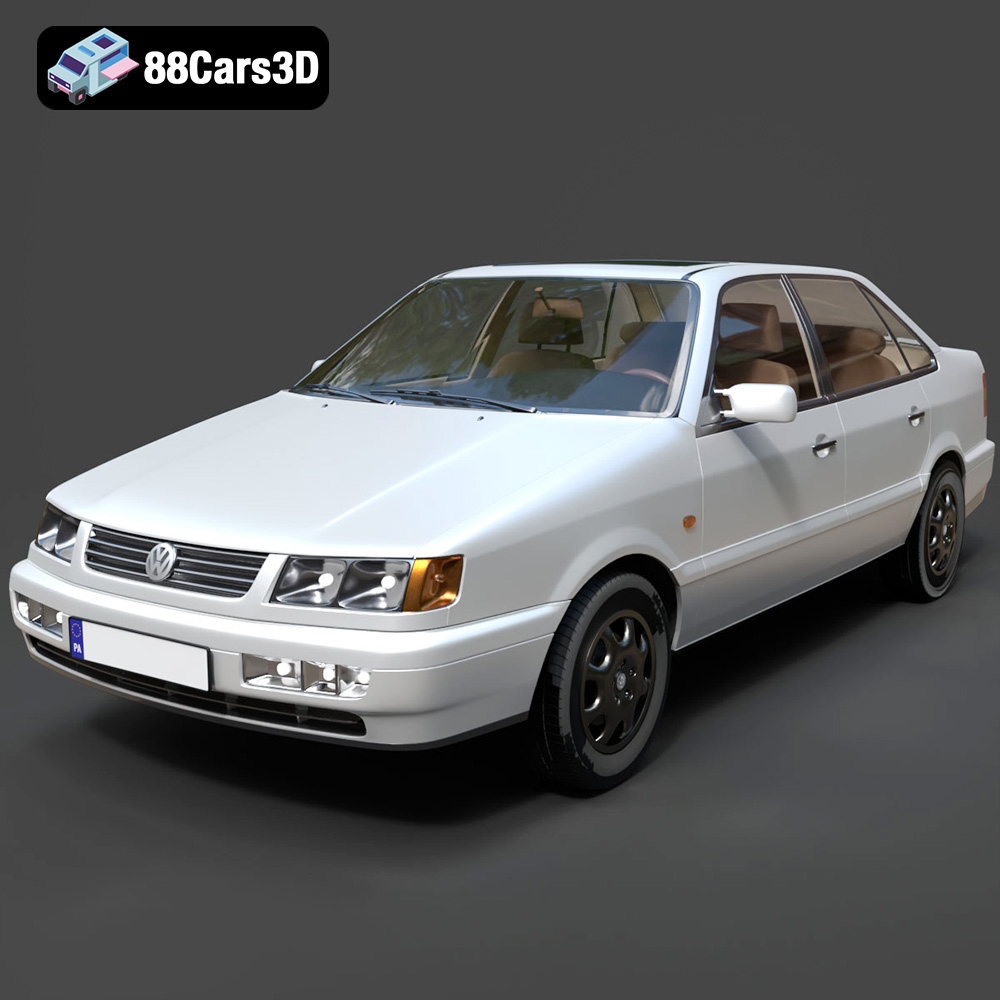
Texture: Yes | Material: Yes
Download the highly detailed, game-ready Volkswagen Passat Mk4 B4 Sedan 1993 3D Model. Features accurate 90s sedan styling, detailed front grille-less fascia, and a classic interior setup. Includes .blend, .fbx, .obj, .glb, .stl, .ply, .unreal, and .max formats for game development, AR/VR, and rendering.
Price: $39.99
Texture: Yes | Material: Yes
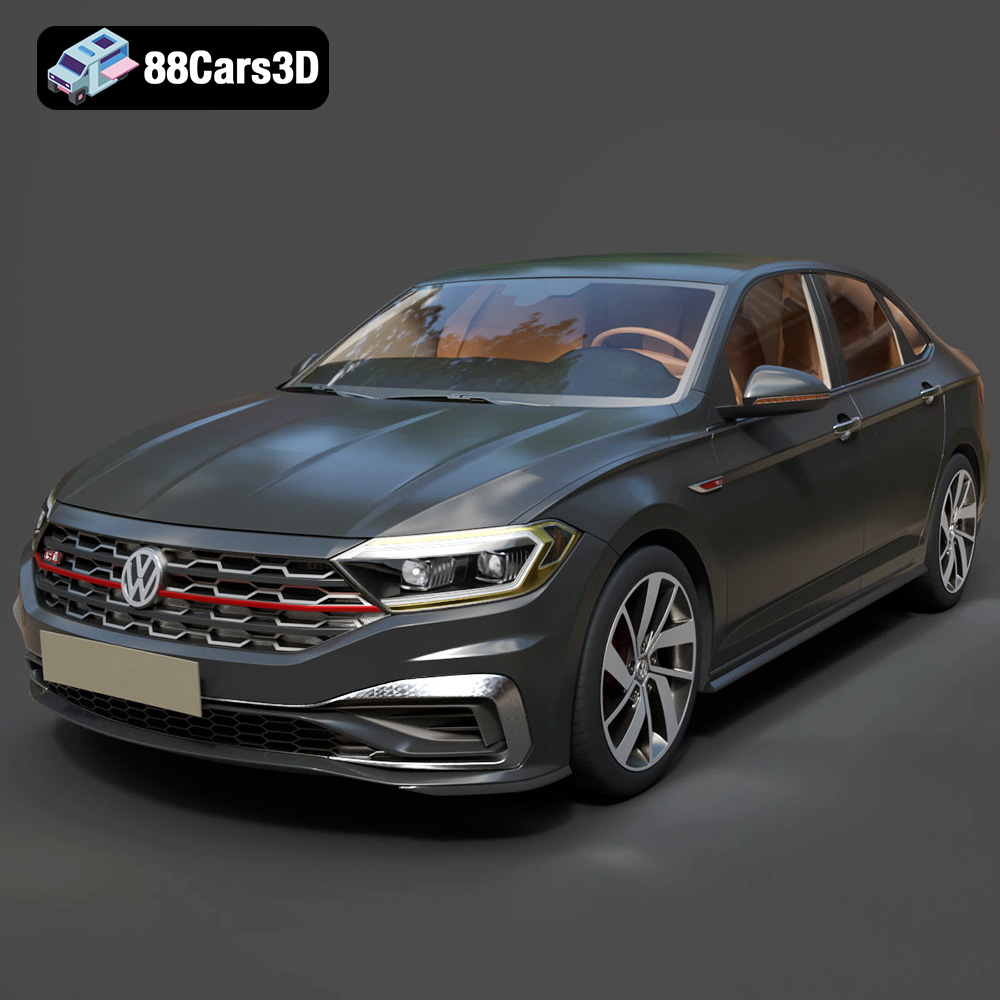
Download the highly detailed, game-ready Volkswagen Jetta GLI 2019 3D Model. Features an aggressive honeycomb grille with red accents, sleek aerodynamic profile, and exclusive GLI sport wheels. Includes .blend, .fbx, .obj, .glb, .stl, .ply, .unreal, and .max formats for game development, AR/VR, and rendering.
Price: $39.99
Texture: Yes | Material: Yes
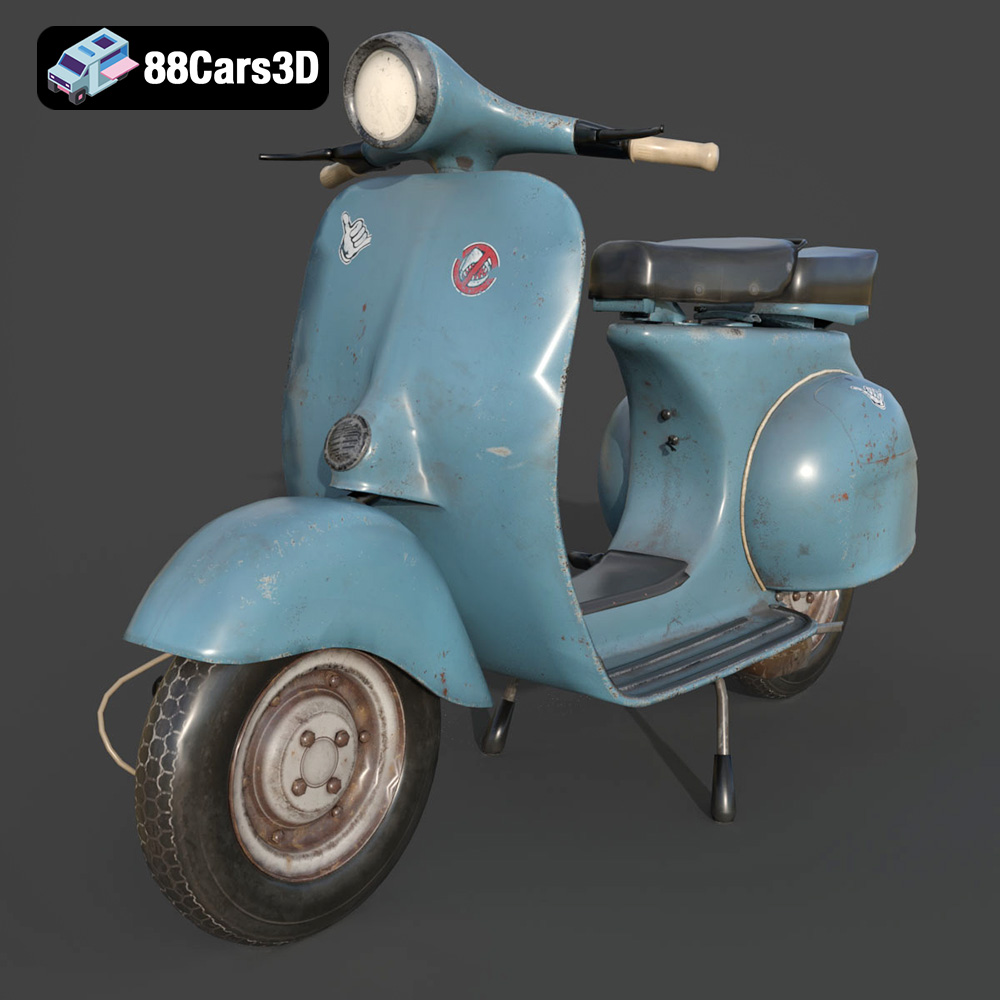
Download the highly detailed, game-ready Vintage Vespa 3D Model. Features iconic rounded monocoque styling, classic saddle, and chrome accents. Includes .blend, .fbx, .obj, .glb, .stl, .ply, .unreal, and .max formats for game development, AR/VR, and rendering.
Price: $39.99

Texture: Yes | Material: Yes
Download the highly detailed, game-ready Vespa GS 150 3D Model. Features elegant aerodynamic curves, classic leg shield, and detailed engine casing. Includes .blend, .fbx, .obj, .glb, .stl, .ply, .unreal, and .max formats for game development, AR/VR, and rendering.
Price: $39.99
Texture: Yes | Material: Yes
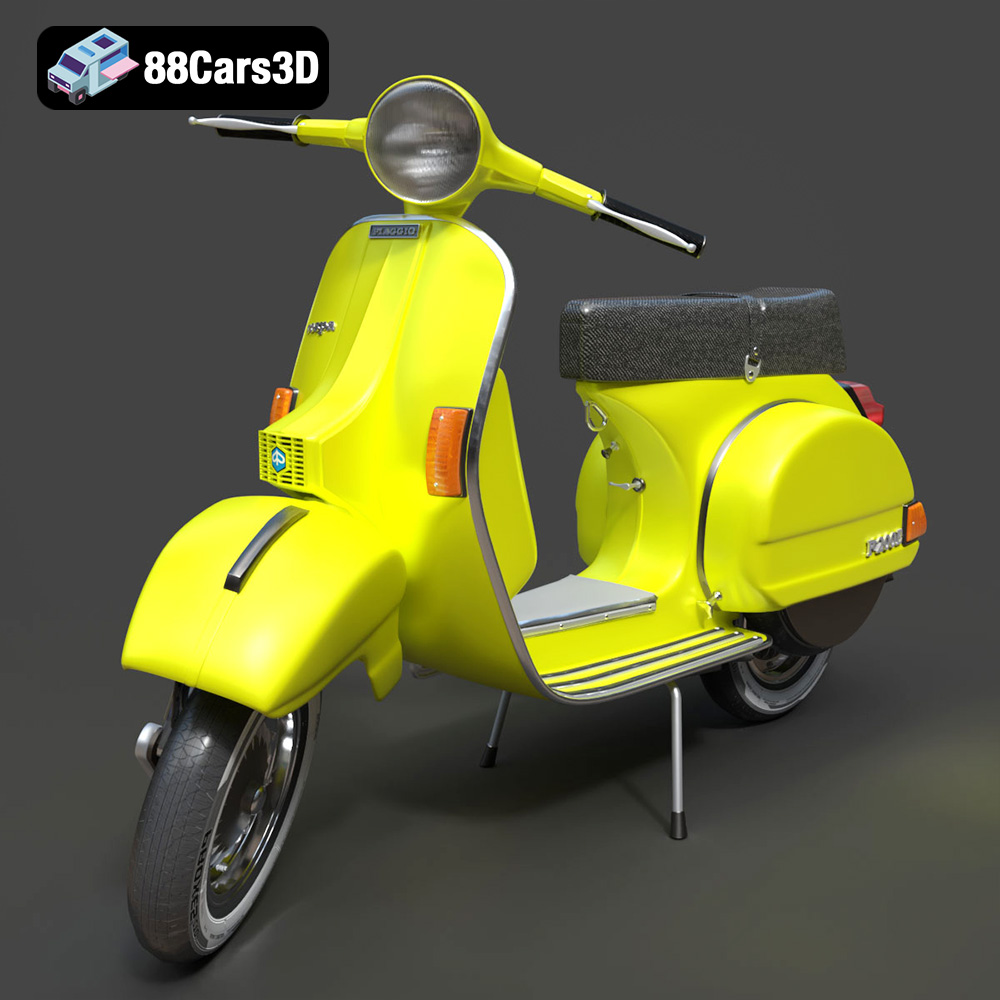
Download the highly detailed, game-ready Vespa P200E 3D Model. Features classic vintage styling, accurate step-through frame geometry, and authentic detailing. Includes .blend, .fbx, .obj, .glb, .stl, .ply, .unreal, and .max formats for game development, AR/VR, and rendering.
Price: $39.99
Texture: Yes | Material: Yes
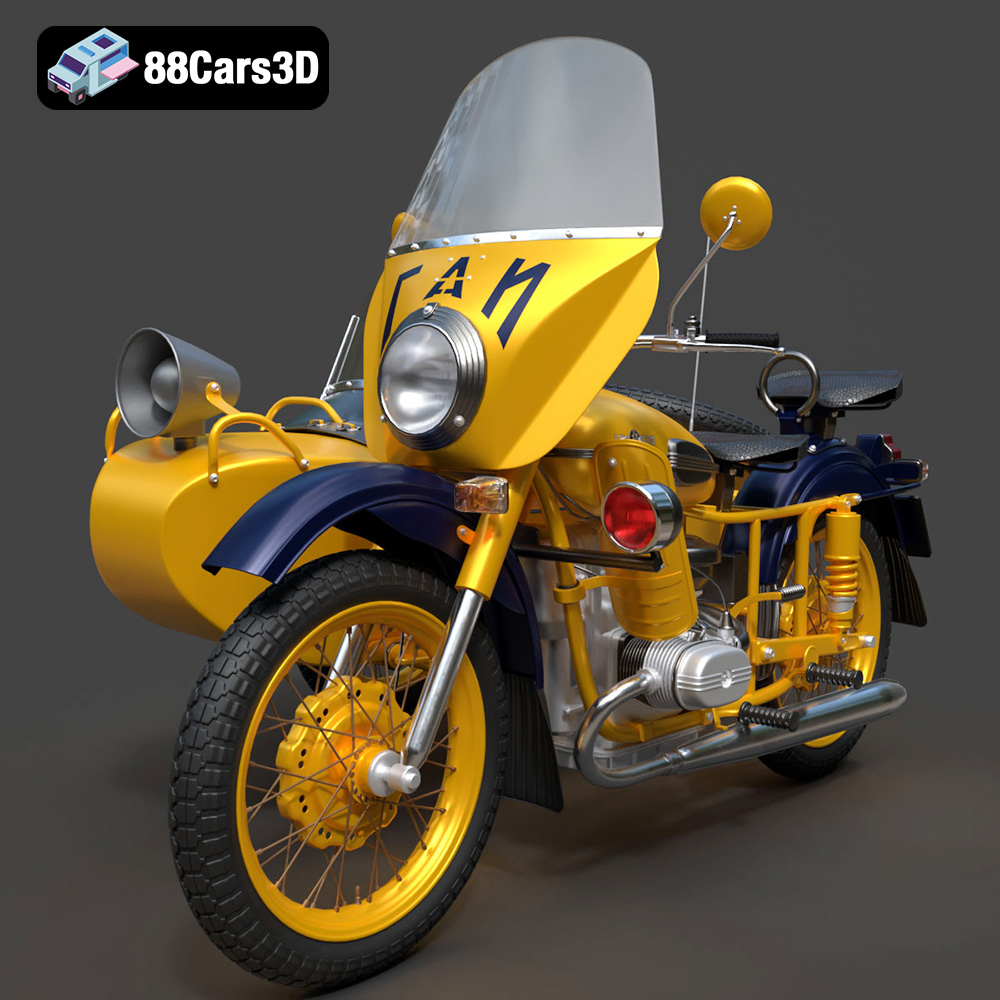
Download the highly detailed, game-ready Ural M67-36-P 1976 3D Model. Features the iconic air-cooled boxer engine, vintage utilitarian styling, and authentic spoked wheels. Includes .blend, .fbx, .obj, .glb, .stl, .ply, .unreal, and .max formats for game development, AR/VR, and rendering.
Price: $39.99

