Get 20% OFF All Premium 3D & STL Models!

“`html
The world of 3D printing relies heavily on the STL (Stereolithography) file format. Whether you’re printing intricate architectural models, functional prototypes, or stunning printable car models from platforms like 88cars3d.com, understanding the inner workings of STL files is crucial for achieving high-quality results. This comprehensive guide will delve into the structure of STL files, exploring the mesh, triangles, precision, and everything you need to know to optimize your 3D printing workflow. We’ll cover everything from the basics of mesh topology and file preparation to advanced slicing techniques and troubleshooting common issues.
In this guide, you will learn:
At its heart, an STL file represents a 3D object as a collection of interconnected triangles that approximate its surface. This approach, while seemingly simple, is incredibly powerful and adaptable. The more triangles used, the finer the detail and the smoother the curves of the resulting 3D printed object. However, a higher triangle count also translates to larger file sizes and increased processing demands during slicing. It’s a delicate balancing act between detail and efficiency.
Each triangle in an STL file is defined by three vertices, representing the corners of the triangle. The coordinates of these vertices are stored as floating-point numbers, typically representing millimeters. In addition to the vertices, each triangle has a “normal” vector. This normal vector is perpendicular to the surface of the triangle and indicates its outward-facing direction. The normal is crucial for determining the inside and outside of the object, which is essential for slicing software to generate the correct printing paths. If the normals are inconsistent (pointing inwards on some triangles and outwards on others), it can lead to printing errors and unexpected results.
STL files come in two main flavors: ASCII and binary. ASCII STL files store the triangle data as human-readable text, making them easier to inspect and edit manually. However, they are significantly larger than binary STL files, which store the data in a compact binary format. Binary STL files are generally preferred for their smaller size and faster processing speed, especially for complex models with a high triangle count. Most modern 3D printing software can handle both formats, but binary is usually the default.
The slicing process is where the magic happens. Slicing software takes the STL file and divides the 3D model into a series of thin, horizontal layers that the 3D printer can then build layer by layer. The slicer analyzes the geometry of each layer and generates a toolpath that tells the printer’s nozzle (in FDM printing) or laser (in resin printing) where to move and deposit material. The quality of the slicing process directly impacts the quality of the final 3D print.
Several key parameters in the slicer influence the printing process. Layer height is the thickness of each layer, and it directly affects the print resolution and print time. Smaller layer heights result in smoother surfaces but take longer to print. Infill density determines how much material is used inside the model, affecting its strength and weight. Support structures are generated to support overhanging parts of the model, preventing them from collapsing during printing. Print speed, temperature, and bed adhesion settings also play crucial roles in achieving successful prints. For example, a typical PLA print on an FDM printer might use a layer height of 0.2mm, an infill density of 20%, a print speed of 50mm/s, and a nozzle temperature of 200°C.
Cura and PrusaSlicer are two popular and powerful slicing software options. Cura offers a user-friendly interface and a wide range of customizable settings. It excels in generating efficient support structures and provides advanced features like adaptive layer height. PrusaSlicer, on the other hand, is known for its precision and fine-tuning options. It allows for manual placement of support structures and offers advanced features like variable layer height and ironing to smooth out top surfaces. Experimenting with different settings in both Cura and PrusaSlicer can help you optimize your prints for specific models and materials.
The quality of the STL file directly impacts the quality of the final 3D print. A poorly designed or corrupted STL file can lead to various printing issues, such as gaps, holes, and distorted surfaces. Therefore, it’s essential to optimize your STL files before sending them to the slicer. This includes checking for errors, repairing mesh issues, and optimizing the triangle count for the desired level of detail.
A “manifold” mesh is a closed, watertight mesh where every edge is shared by exactly two triangles. Non-manifold geometry can cause significant problems during slicing, as the slicer may not be able to correctly determine the inside and outside of the object. Mesh repair tools like MeshMixer, Netfabb, and online services can automatically detect and fix common mesh errors, such as holes, flipped normals, and intersecting triangles. These tools can analyze the mesh topology and repair any inconsistencies, ensuring that the STL file is suitable for 3D printing.
The triangle count of an STL file determines the level of detail in the 3D model. A higher triangle count results in a smoother, more accurate representation of the object, but it also increases the file size and processing time. For models with complex curves and intricate details, a higher triangle count is necessary to capture the fine features. However, for simpler models, a lower triangle count may be sufficient, reducing the file size and improving printing efficiency. Many 3D modeling software packages allow you to control the triangle count during export, allowing you to optimize the STL file for the desired level of detail.
Support structures are temporary structures generated by the slicing software to support overhanging parts of the model during printing. Without support structures, these overhanging features would collapse due to gravity, resulting in a failed print. Support structures are essential for printing complex geometries with bridges, arches, and other unsupported elements. The type and placement of support structures can significantly impact the print quality and the ease of post-processing.
There are several types of support structures, including tree supports, linear supports, and grid supports. Tree supports are more efficient in terms of material usage and can be easier to remove, especially in tight spaces. Linear supports are simple and reliable but can be more difficult to remove and may leave noticeable marks on the printed surface. Grid supports provide strong support but can be very difficult to remove and may require significant post-processing. The choice of support structure depends on the geometry of the model and the desired level of support.
Proper placement of support structures is crucial for ensuring that the overhanging features are adequately supported without interfering with other parts of the model. Slicing software typically offers options for automatically generating support structures, but manual placement may be necessary for complex geometries. When removing support structures, it’s important to use appropriate tools and techniques to avoid damaging the printed model. Snipping tools, knives, and sanding tools can be used to carefully remove the support structures, leaving a clean and smooth surface. When downloading models from marketplaces such as 88cars3d.com, often the models are optimized for printing with minimal support material.
The choice of printing material and printer settings is critical for achieving successful and high-quality 3D prints. Different materials have different properties, such as strength, flexibility, and heat resistance, and require different printer settings to achieve optimal results. Understanding the characteristics of each material and adjusting the printer settings accordingly is essential for maximizing the potential of your 3D printer.
FDM (Fused Deposition Modeling) and resin printing are two common 3D printing technologies. FDM printing uses a filament of thermoplastic material that is heated and extruded through a nozzle to build the model layer by layer. Resin printing, on the other hand, uses a liquid resin that is cured by UV light to create the model. FDM printing is generally more affordable and suitable for larger prints, while resin printing offers higher resolution and finer detail, making it ideal for small, intricate models. The choice between FDM and resin printing depends on the specific requirements of the project.
Common FDM materials include PLA, PETG, and ABS. PLA is easy to print and biodegradable, making it a popular choice for beginners. PETG is stronger and more flexible than PLA and offers better heat resistance. ABS is a durable and heat-resistant material but requires a heated bed and good ventilation to prevent warping. Each material has its own optimal printer settings, such as nozzle temperature, bed temperature, and print speed. Resin printing offers a variety of resin types, each with its own unique properties, such as hardness, flexibility, and chemical resistance. Choosing the right material and printer settings is crucial for achieving the desired results.
Even with careful preparation and optimization, issues can still arise during 3D printing. Understanding common STL file problems and knowing how to troubleshoot them is essential for ensuring successful prints. Common issues include warping, bed adhesion problems, layer separation, and print failures.
Warping occurs when the printed object pulls away from the build plate due to uneven cooling and thermal contraction. Bed adhesion problems can prevent the first layer from sticking to the build plate, leading to a failed print. To prevent warping and bed adhesion problems, ensure that the build plate is clean and level, use a heated bed, and apply an adhesive such as glue stick or hairspray. Increasing the bed temperature and using a brim or raft can also improve bed adhesion.
Layer separation occurs when the layers of the 3D print fail to bond properly, resulting in a weak and fragile object. Print failures can occur for a variety of reasons, such as insufficient support structures, incorrect printer settings, or corrupted STL files. To prevent layer separation and print failures, ensure that the printer settings are optimized for the chosen material, use adequate support structures, and repair any mesh errors in the STL file. Checking the printer’s calibration and performing regular maintenance can also help prevent printing issues.
Understanding STL files, their structure, and how they interact with slicing software is fundamental to successful 3D printing. By mastering the concepts of mesh topology, triangle resolution, slicing parameters, and mesh repair techniques, you can significantly improve the quality and reliability of your 3D prints. Remember to choose the right materials and printer settings for your specific project and troubleshoot any issues that may arise during the printing process. Experimentation and continuous learning are key to becoming a proficient 3D printing enthusiast. Platforms like 88cars3d.com offer a great starting point with a wide variety of optimized and print-ready STL files to enhance your 3D printing journey. Don’t be afraid to dive in, explore, and refine your skills to unlock the full potential of 3D printing.
Next steps you should take to continue learning:
“`

Texture: Yes | Material: Yes
Download the highly detailed, game-ready Ford GT 2005 3D Model. Features signature aerodynamic bodylines, mid-mounted supercharged V8 detailing, and iconic racing stripes. Includes .blend, .fbx, .obj, .glb, .stl, .ply, .unreal, and .max formats for game development, AR/VR, and rendering.
Price: $19.99
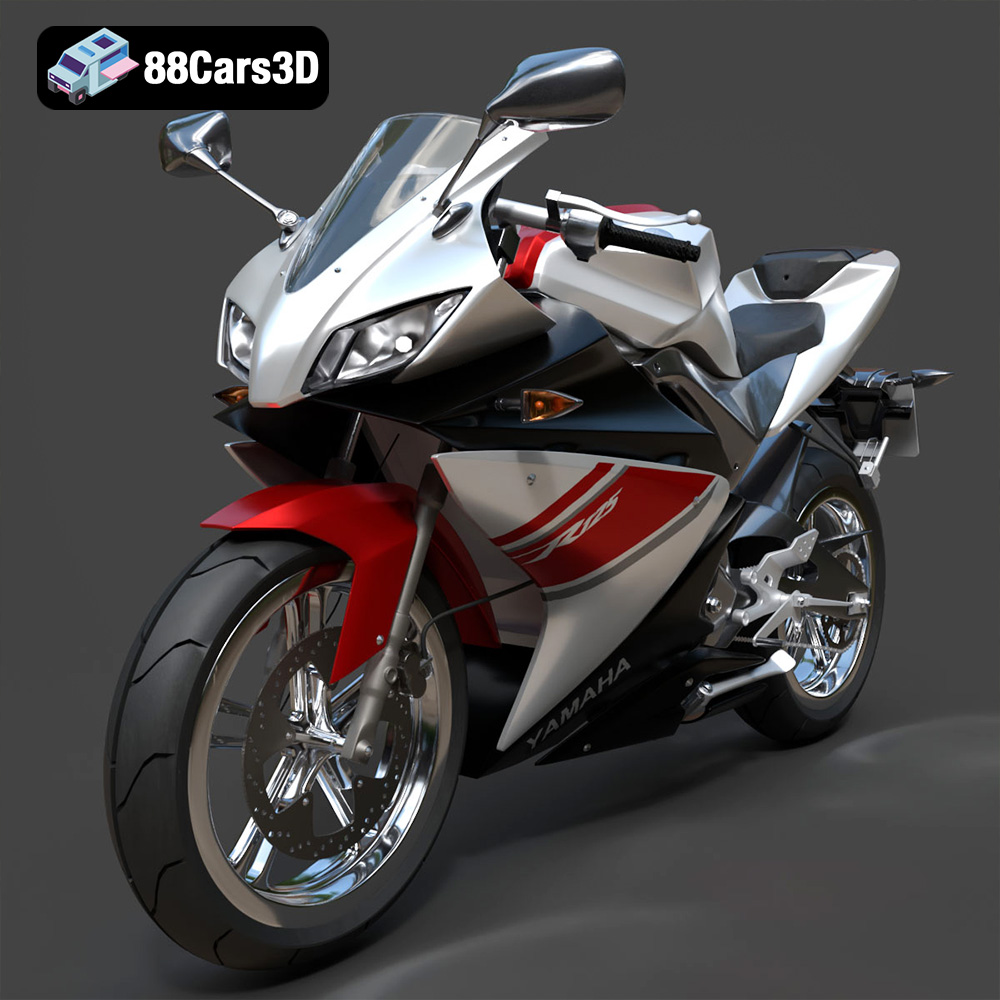
Texture: Yes | Material: Yes
Download the highly detailed, game-ready Yamaha YZF-R125 EU 3D Model. Features an aggressive aerodynamic fairing, twin LED headlights, and a detailed 125cc engine block. Includes .blend, .fbx, .obj, .glb, .stl, .ply, .unreal, and .max formats for game development, AR/VR, and rendering.
Price: $19.99
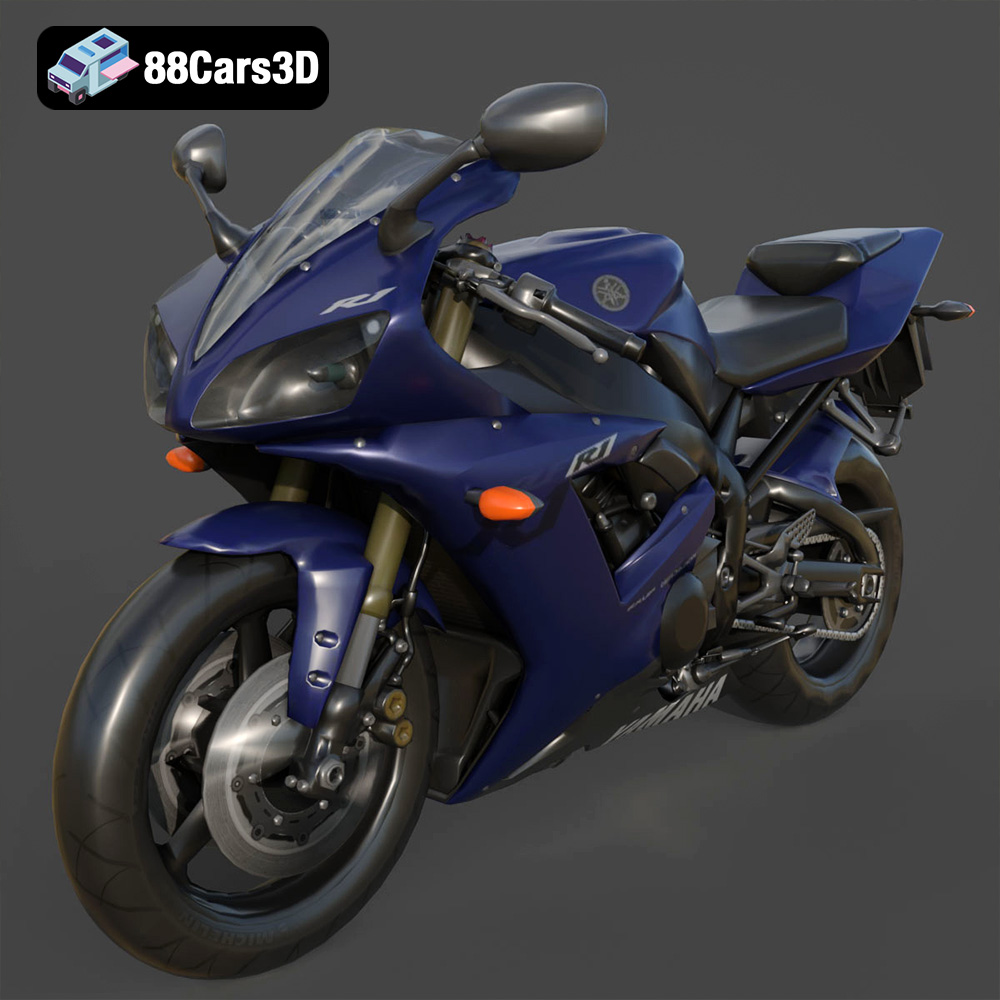
Texture: Yes | Material: Yes
Download the highly detailed, game-ready Yamaha R1 3D Model. Features aggressive aerodynamic fairings, a detailed crossplane inline-4 engine, and track-focused suspension geometry. Includes .blend, .fbx, .obj, .glb, .stl, .ply, .unreal, and .max formats for game development, AR/VR, and rendering.
Price: $19.99
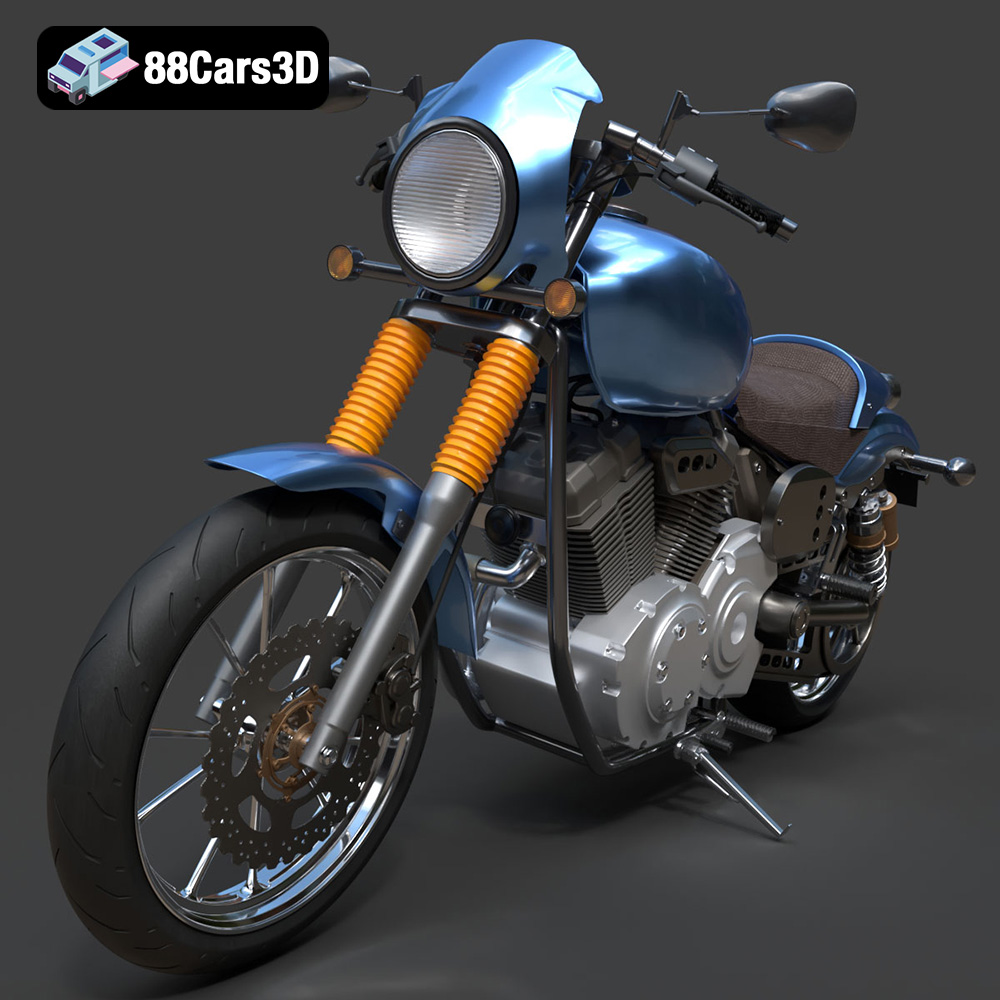
Texture: Yes | Material: Yes
Download the highly detailed, game-ready Yamaha XV950 Racer 3D Model. Features an aggressive cafe-racer front cowl, detailed air-cooled V-twin engine, and classic retro styling. Includes .blend, .fbx, .obj, .glb, .stl, .ply, .unreal, and .max formats for game development, AR/VR, and rendering.
Price: $19.99

Texture: Yes | Material: Yes
Download the highly detailed, game-ready Volvo VNL Tractor Truck 2002 3D Model. Features iconic aerodynamic styling, detailed fifth-wheel coupling, and heavy-duty chassis. Includes .blend, .fbx, .obj, .glb, .stl, .ply, .unreal, and .max formats for game development, AR/VR, and rendering.
Price: $39.99
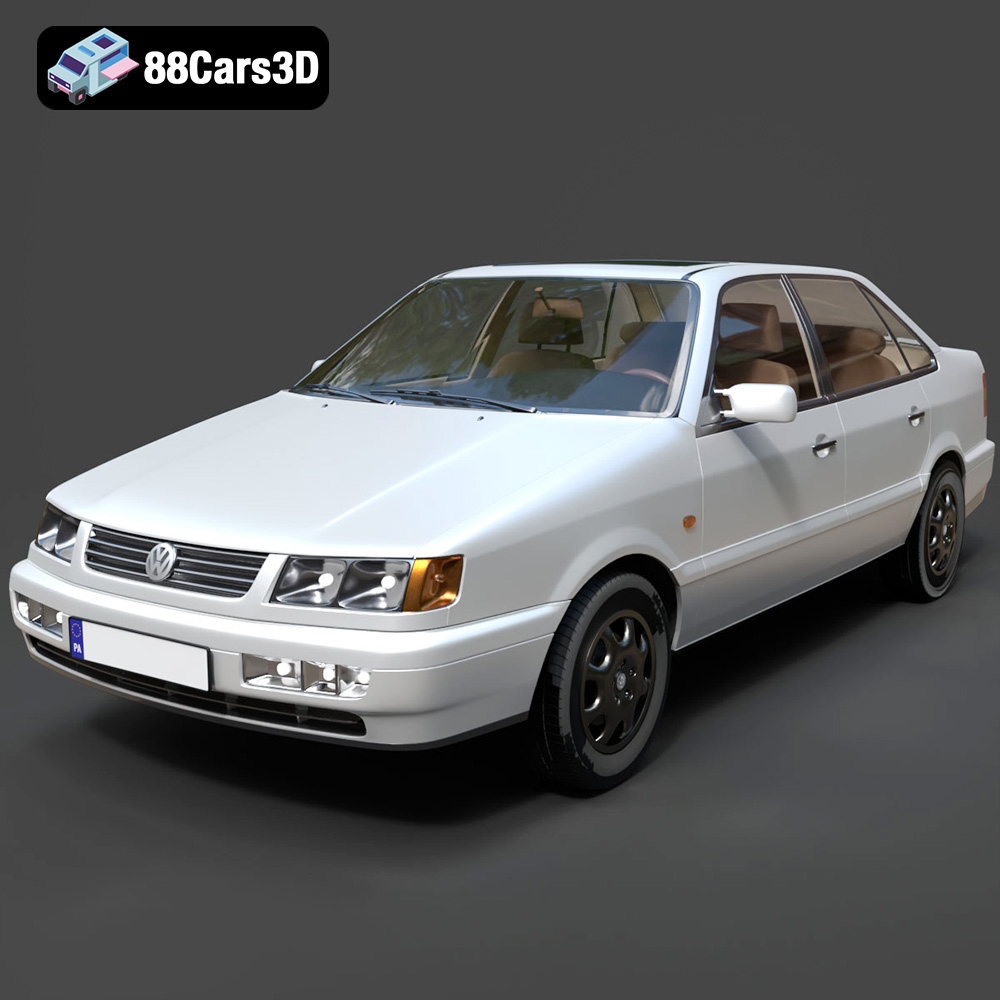
Texture: Yes | Material: Yes
Download the highly detailed, game-ready Volkswagen Passat Mk4 B4 Sedan 1993 3D Model. Features accurate 90s sedan styling, detailed front grille-less fascia, and a classic interior setup. Includes .blend, .fbx, .obj, .glb, .stl, .ply, .unreal, and .max formats for game development, AR/VR, and rendering.
Price: $39.99

Texture: Yes | Material: Yes
Download the highly detailed, game-ready Volkswagen Jetta GLI 2019 3D Model. Features an aggressive honeycomb grille with red accents, sleek aerodynamic profile, and exclusive GLI sport wheels. Includes .blend, .fbx, .obj, .glb, .stl, .ply, .unreal, and .max formats for game development, AR/VR, and rendering.
Price: $39.99
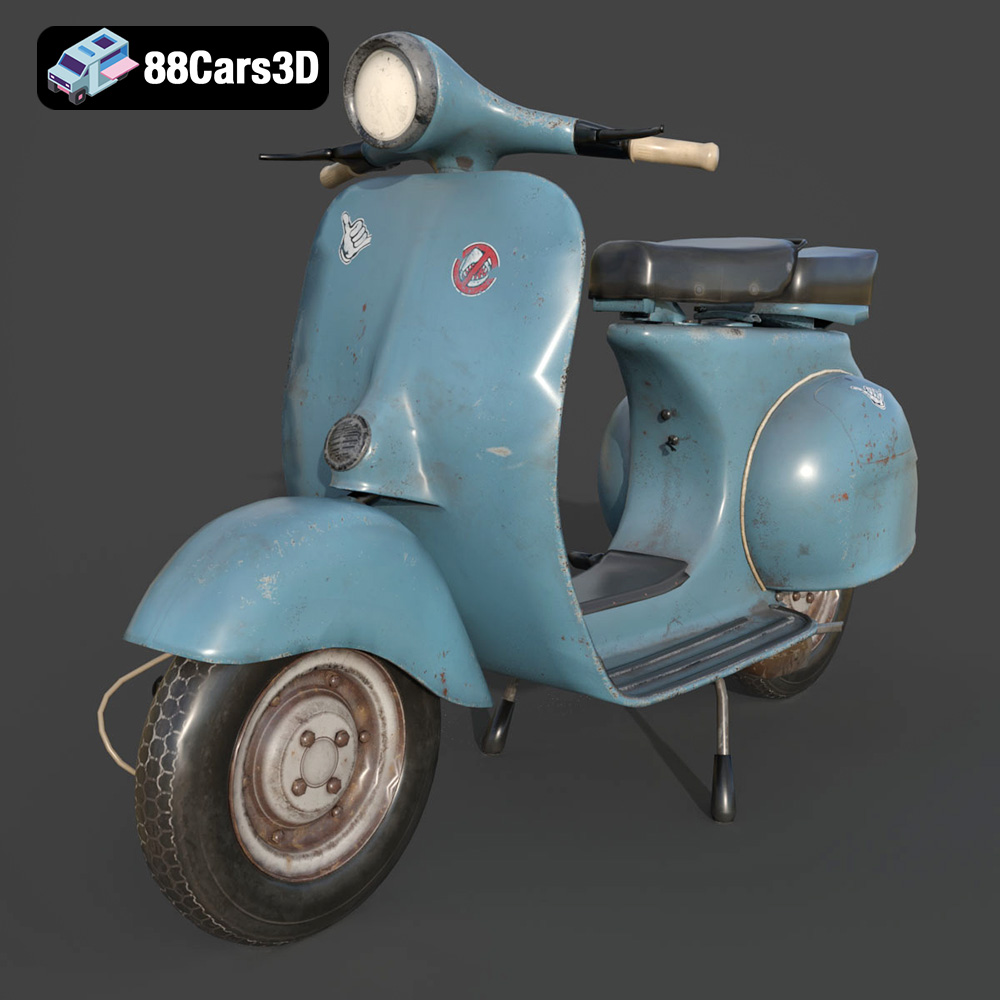
Texture: Yes | Material: Yes
Download the highly detailed, game-ready Vintage Vespa 3D Model. Features iconic rounded monocoque styling, classic saddle, and chrome accents. Includes .blend, .fbx, .obj, .glb, .stl, .ply, .unreal, and .max formats for game development, AR/VR, and rendering.
Price: $39.99

Texture: Yes | Material: Yes
Download the highly detailed, game-ready Vespa GS 150 3D Model. Features elegant aerodynamic curves, classic leg shield, and detailed engine casing. Includes .blend, .fbx, .obj, .glb, .stl, .ply, .unreal, and .max formats for game development, AR/VR, and rendering.
Price: $39.99
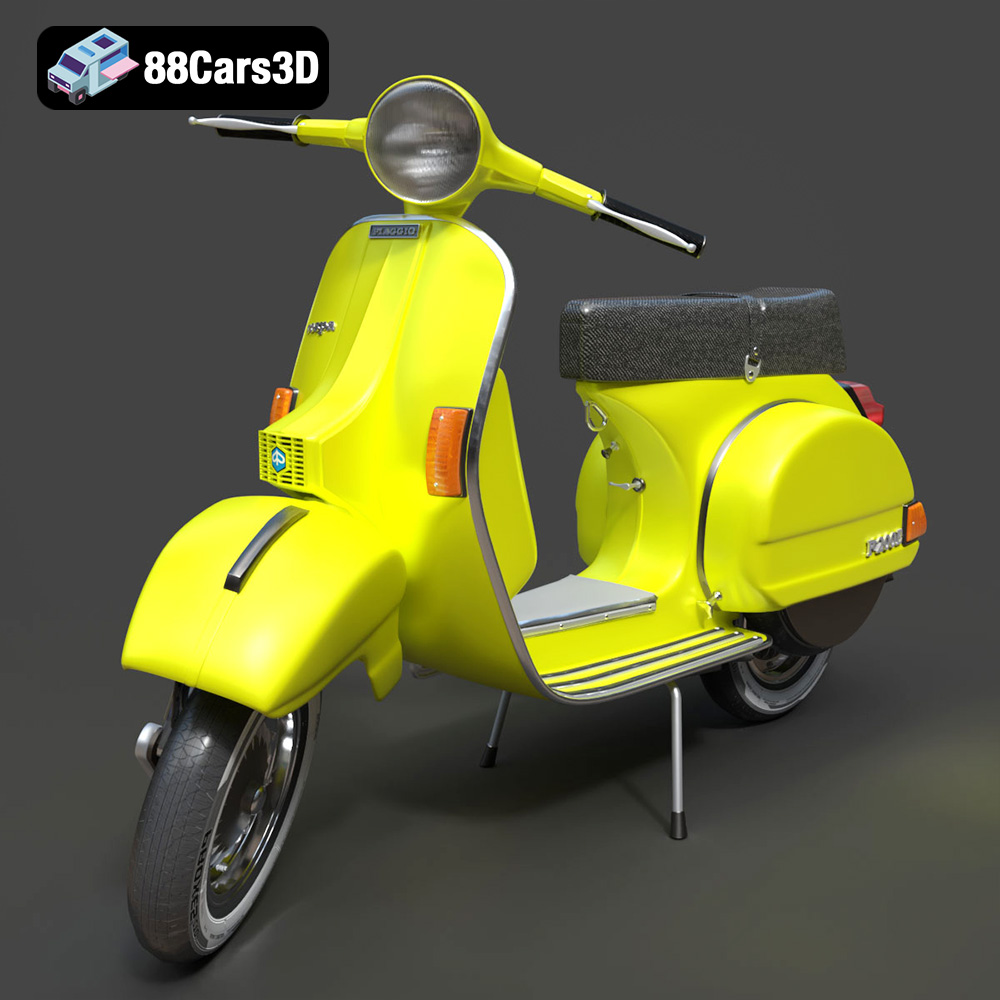
Texture: Yes | Material: Yes
Download the highly detailed, game-ready Vespa P200E 3D Model. Features classic vintage styling, accurate step-through frame geometry, and authentic detailing. Includes .blend, .fbx, .obj, .glb, .stl, .ply, .unreal, and .max formats for game development, AR/VR, and rendering.
Price: $39.99

