Get 20% OFF All Premium 3D & STL Models!

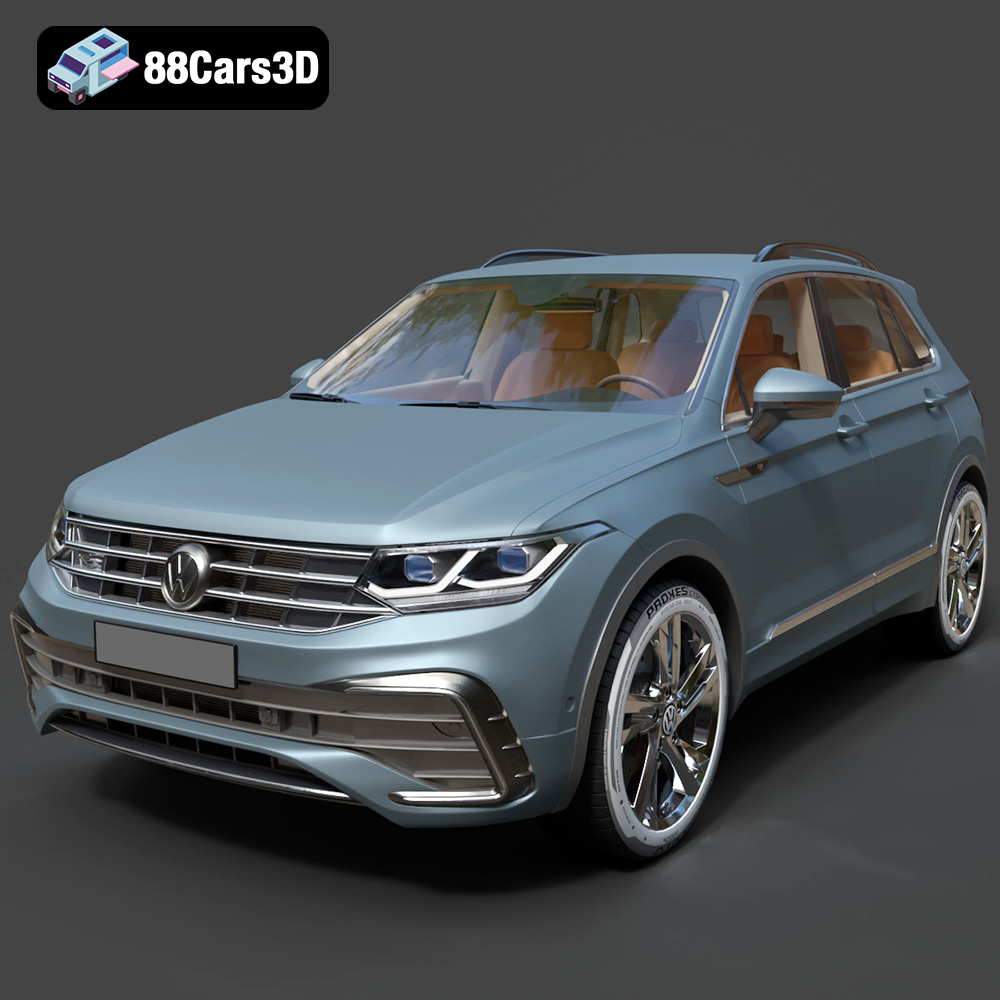
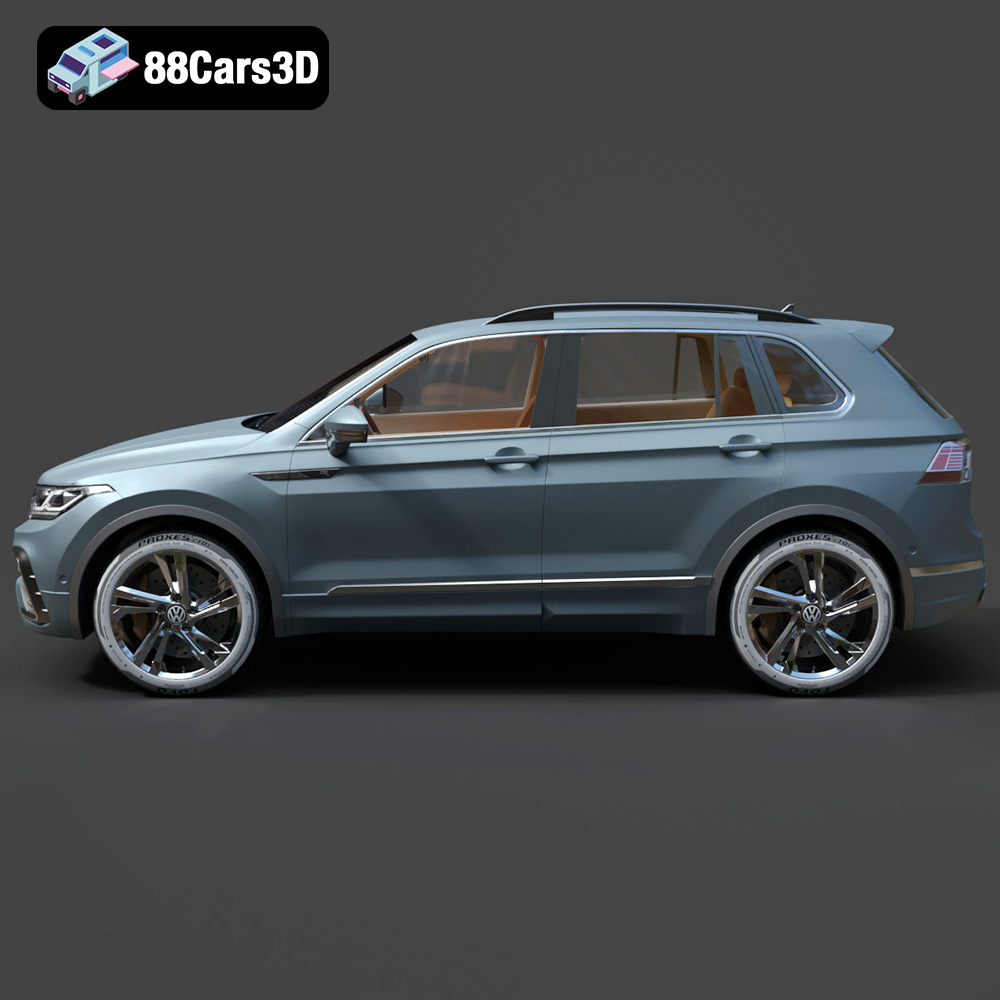
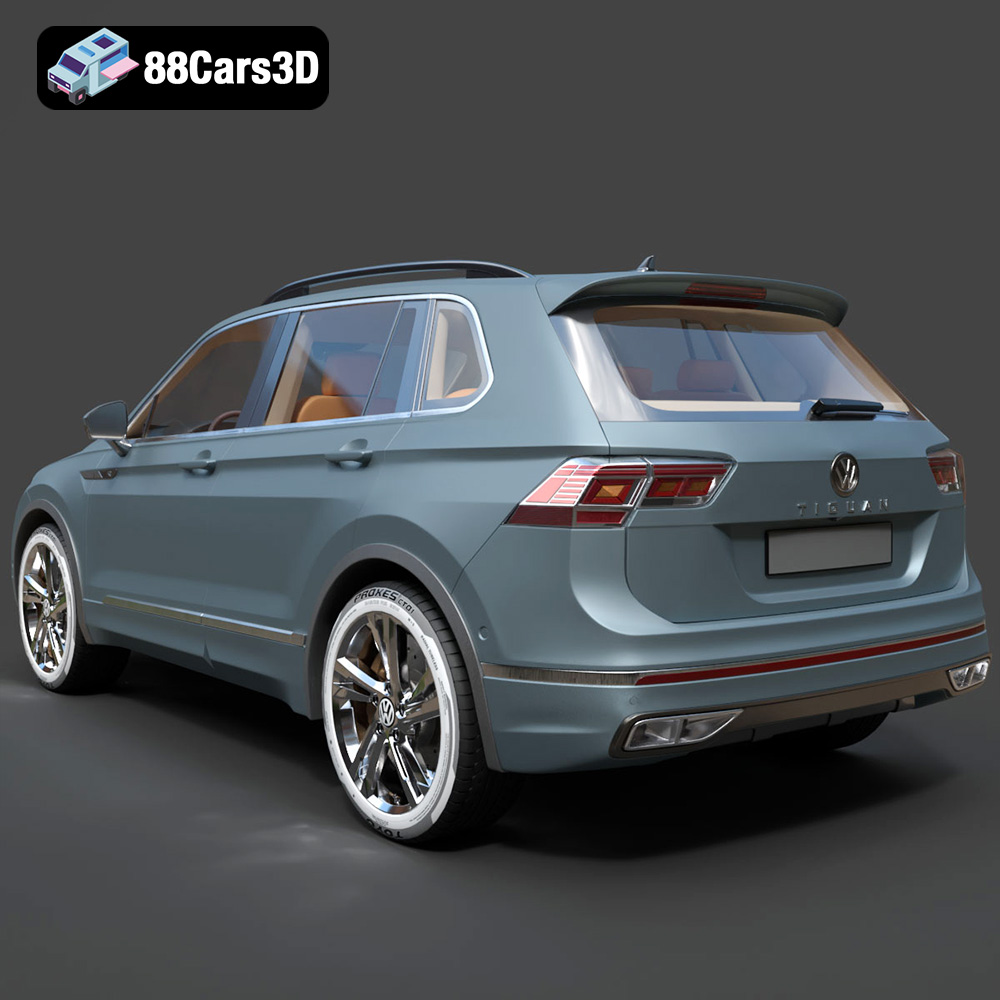
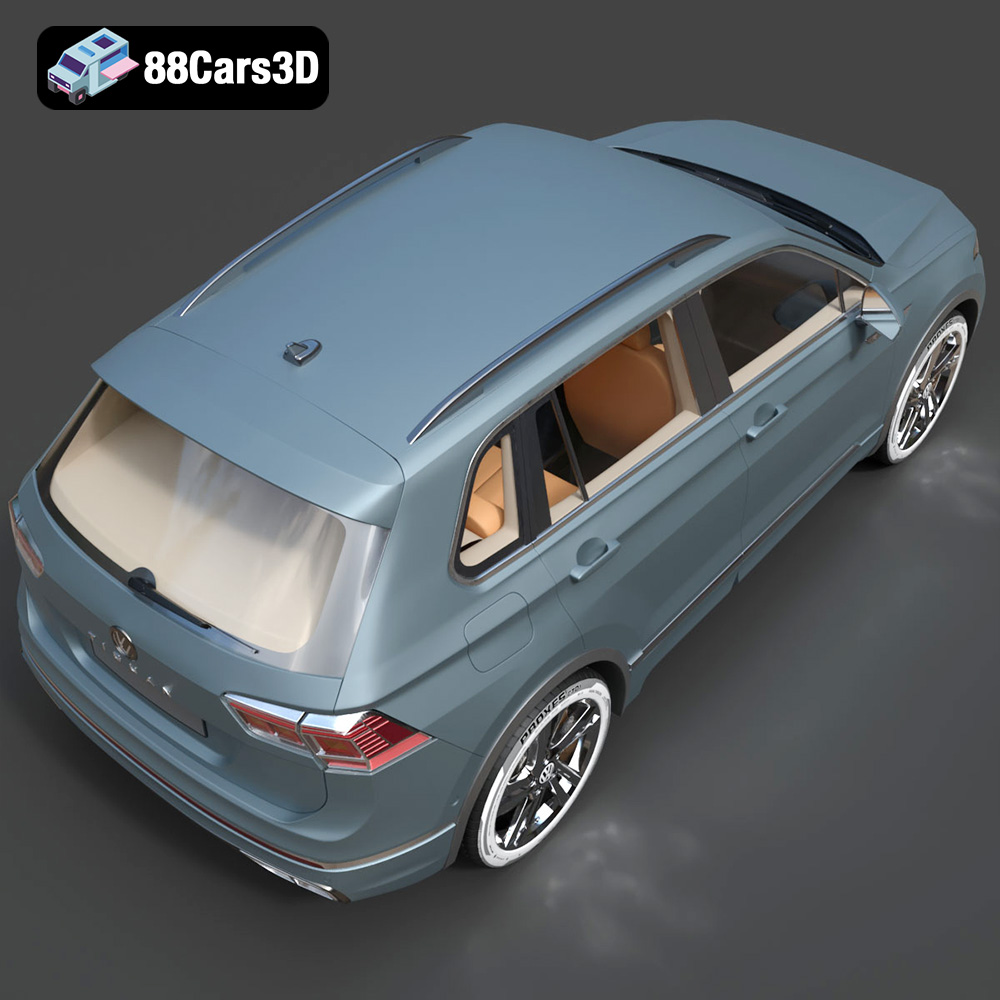
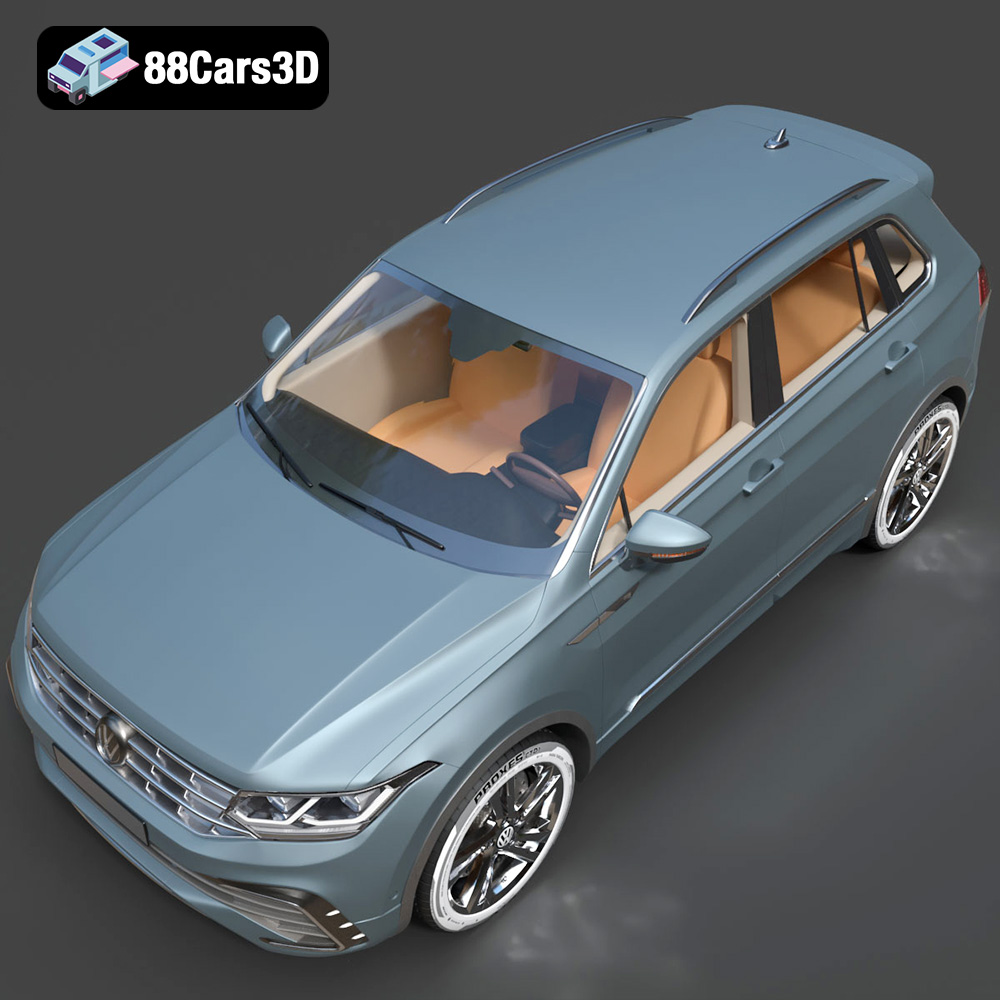
The Volkswagen Tiguan is a popular SUV known for its stylish design and practicality. Now, thanks to 88cars3d.com, you can bring a piece of that automotive excellence into your home with a detailed 3D model of the 2021 Tiguan. This article will guide you through the entire process of 3D printing the Volkswagen Tiguan 2021 3D model, from selecting the right materials and settings to post-processing and finishing touches. Whether you’re a seasoned 3D printing enthusiast or a beginner looking for a rewarding project, this guide will provide you with the knowledge and techniques needed to create a stunning replica of this iconic vehicle.
Before diving into the specifics of printing the Volkswagen Tiguan 2021 3D model, it’s crucial to understand the different file formats available and which are best suited for additive manufacturing. 88cars3d.com provides a range of formats, but some are designed for rendering and animation while others are optimized for 3D printing. Let’s explore the common formats you might encounter:
The STL (Stereolithography) file format is the industry standard for 3D printing. It represents the surface geometry of a 3D object as a collection of triangles. This simplicity makes it universally compatible with slicing software and 3D printers. However, STL files only contain information about the shape of the object; they don’t include color, texture, or material properties. When preparing your Volkswagen Tiguan 2021 model for 3D printing, the STL format is your primary choice. Slicing software reads the STL file and converts it into a series of layers that the 3D printer can understand and build.
The OBJ (Object) file format is a more versatile format that can store not only the geometry of a 3D object but also color and texture information. This is particularly useful if you plan to paint the model after printing and want to use the OBJ file as a reference for applying textures and colors. While some advanced 3D printers can print in multiple colors using specialized materials, the STL format remains the standard for most FDM and resin-based printing processes.
The PLY (Polygon) file format is designed to store 3D data acquired from 3D scanners. It’s capable of representing complex geometries with a high degree of accuracy. While it’s not as universally supported as STL, it can be useful for printing highly detailed parts of the Volkswagen Tiguan 2021 model, such as the intricate grille or the complex shapes of the headlights, especially if you are using a high-resolution resin printer.
The .blend file is the native file format for Blender, a free and open-source 3D creation suite. This format contains the entire Blender scene, including the model’s geometry, materials, textures, lighting, and animations. If you have Blender installed, you can open the .blend file of the Volkswagen Tiguan 2021 model and make modifications before exporting it to STL for printing. This can be useful for customizing the model, such as adding mounting points or modifying the shape of certain parts.
The FBX (Filmbox) file format is a popular format for exchanging 3D data between different software applications. It supports a wide range of features, including geometry, materials, textures, animation, and rigging. While it’s primarily used for game development and animation, some slicing software may be able to import FBX files and use the material information to generate printing parameters. However, for most 3D printing applications, converting the FBX file to STL is still the preferred approach.
The GLB (GL Transmission Format Binary) file format is designed for efficient transmission and loading of 3D models in web and AR/VR applications. It’s a binary format that contains the model’s geometry, textures, and animations in a single file. While not directly used for 3D printing, the GLB format can be useful for previewing the Volkswagen Tiguan 2021 model in augmented reality before printing it, allowing you to visualize the final product in your environment.
The .max file is the native file format for Autodesk 3ds Max, a professional 3D modeling and animation software. Similar to .blend for Blender, the .max file contains the entire 3ds Max project, allowing you to modify the model before exporting it to STL for printing. This is particularly useful for users who are familiar with 3ds Max and want to make advanced customizations to the Volkswagen Tiguan 2021 model.
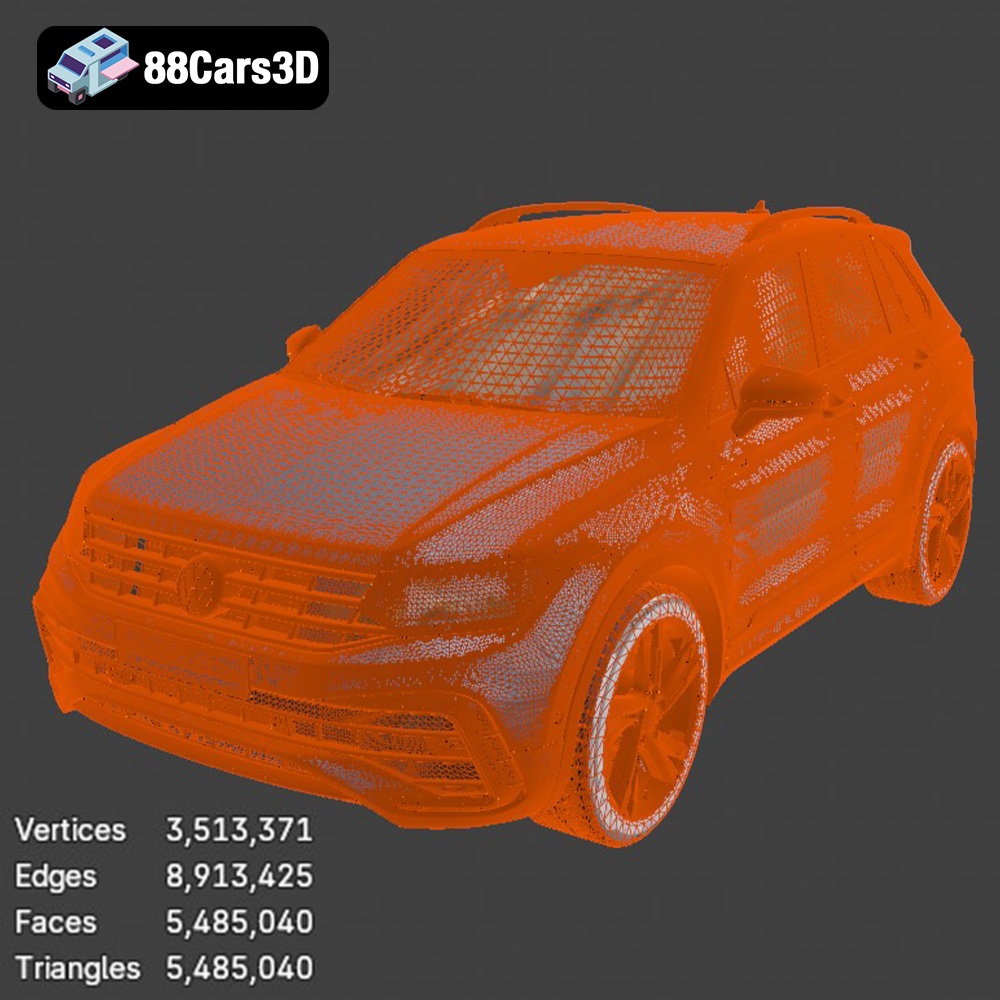
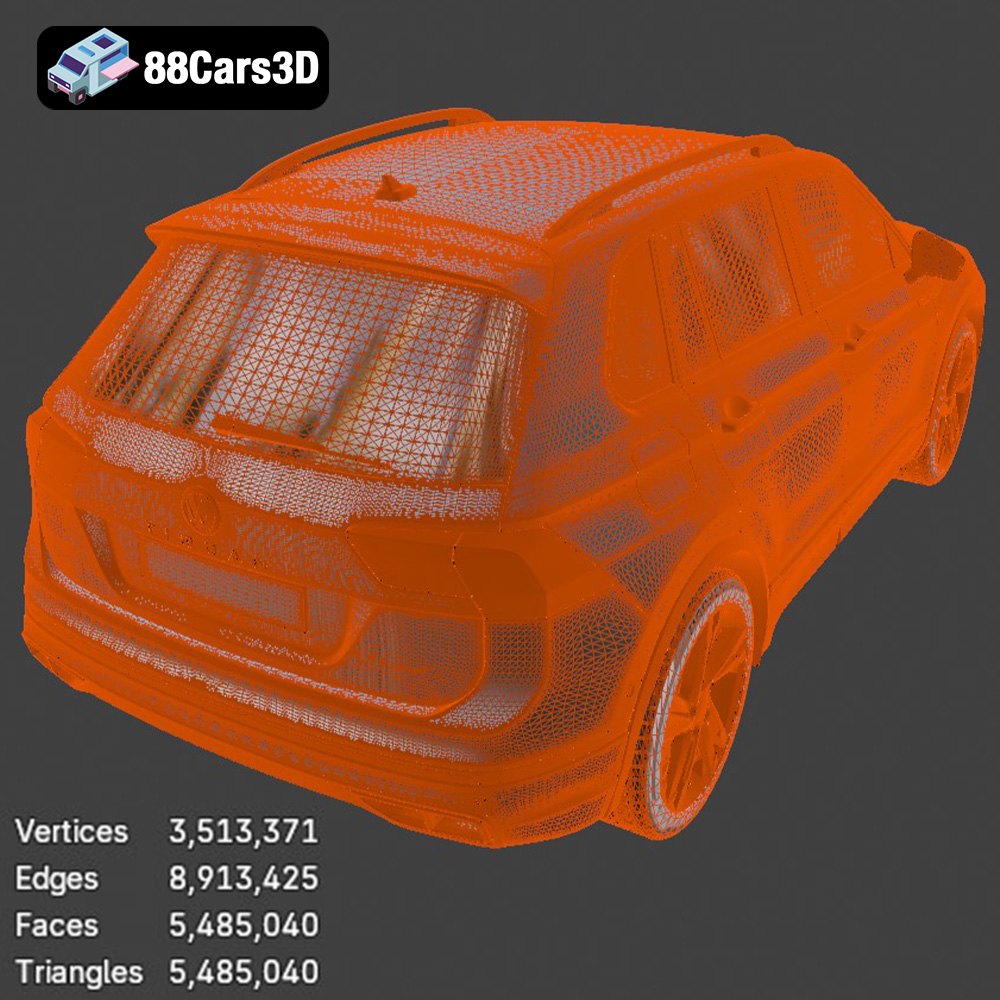
For the Volkswagen Tiguan 2021 3D model, focus on using the STL format for optimal 3D printing results. Ensure the mesh is of sufficient quality (no holes, non-manifold geometry) by inspecting it in a mesh editing software like MeshMixer or Blender before slicing. A well-prepared STL file is the foundation for a successful 3D print.
Once you have your STL file, you’ll need to prepare it for printing using slicing software. This involves setting various parameters that determine how the 3D printer will build the model. Popular slicing software options include Cura, PrusaSlicer, Simplify3D, and others.
The orientation of the model on the build plate is crucial for print quality and support structure requirements. For the Volkswagen Tiguan 2021 model, consider printing the body with the roof facing upwards. This minimizes the need for supports on the visible surfaces, resulting in a cleaner finish. However, this orientation will require supports inside the cabin and under the wheel arches. Experiment with different orientations to find the best balance between print time, support material usage, and surface quality.
When generating supports, consider using tree supports or light supports, as these are easier to remove and leave fewer marks on the model. Pay close attention to areas that require support, such as the overhangs of the bumpers, side mirrors, and spoilers. Ensure that the support structures are strong enough to hold the model during printing but also easy to remove without damaging the delicate details of the Tiguan.
Layer height significantly impacts the print quality and print time. A lower layer height (e.g., 0.1mm) will result in smoother surfaces and finer details, but it will also increase the print time. A higher layer height (e.g., 0.2mm) will print faster but may sacrifice some surface quality. For the Volkswagen Tiguan 2021 model, a layer height of 0.15mm is a good compromise between detail and speed.
Infill density determines the internal structure of the model. A higher infill density (e.g., 20%) will make the model stronger and more solid but will also increase the print time and material usage. A lower infill density (e.g., 10%) will print faster and use less material but may make the model more fragile. For the Tiguan model, an infill density of 15% is generally sufficient for most parts, especially if you are using a strong material like PETG. Consider increasing the infill density for parts that need to be particularly strong, such as the wheels or the chassis.
The choice of material depends on your desired aesthetic, functional requirements, and printer type. Here are some common options:
PLA is a biodegradable thermoplastic derived from renewable resources. It’s easy to print, making it a good choice for beginners. PLA offers good detail and a smooth surface finish. However, it’s not as strong or heat-resistant as other materials, so it’s best suited for non-functional parts or display models.
For the Volkswagen Tiguan 2021 model, PLA is a good choice for printing the body panels, interior details, and other non-stressed components. You can use different colors of PLA to print the different parts of the car, such as the body, wheels, and windows.
PETG combines the ease of printing of PLA with the strength and heat resistance of ABS. It’s a good all-around material for functional parts and models that need to withstand some stress. PETG is also more impact-resistant than PLA.
For the Volkswagen Tiguan 2021 model, PETG is a good choice for printing the chassis, suspension components, and other parts that need to be strong and durable. It’s also a good choice for printing parts that will be exposed to sunlight or heat, as it’s more resistant to UV degradation and warping than PLA.
Resin 3D printing, also known as stereolithography (SLA) or digital light processing (DLP), uses liquid resin that is cured by UV light. Resin printers offer incredibly high detail and smooth surfaces, making them ideal for printing intricate and complex models like the Volkswagen Tiguan 2021. However, resin prints tend to be more brittle than FDM prints and require post-processing steps such as washing and curing.
For the Volkswagen Tiguan 2021 model, resin printing is an excellent choice for printing the body panels, interior details, and other parts that require high detail and a smooth surface finish. You can use different types of resin to achieve different properties, such as toughness, flexibility, or heat resistance.
The optimal printer settings will vary depending on your printer model, material, and desired print quality. However, here are some general guidelines:
* **PLA:** Nozzle temperature: 200-220°C, Bed temperature: 60°C, Print speed: 50-60mm/s
* **PETG:** Nozzle temperature: 230-250°C, Bed temperature: 70-80°C, Print speed: 40-50mm/s
* **Resin:** Follow the manufacturer’s recommendations for exposure time, layer thickness, and lifting speed.
Adjust the print speed based on the complexity of the part. Slow down the print speed for intricate details and overhangs to improve print quality. Increase the print speed for simple areas to reduce print time.
Proper retraction settings are crucial to prevent stringing and oozing, especially when printing the Volkswagen Tiguan 2021 model, which has many small details and overhangs. Experiment with different retraction distances and speeds to find the optimal settings for your printer and material.
Adequate cooling is also essential to prevent warping and ensure good layer adhesion. Use a part cooling fan to cool the printed layers as they are deposited. Adjust the fan speed based on the material and the complexity of the part.
Once the print is complete, you’ll need to remove the supports and clean up any imperfections.
Sanding is an essential step to smooth out the layer lines and imperfections on the printed parts. Start with a coarse grit sandpaper (e.g., 220 grit) and gradually move to finer grits (e.g., 400, 600, 800 grit) to achieve a smooth surface.
For resin prints, you may need to use a polishing compound to achieve a glossy finish. Be careful not to overheat the plastic, as this can cause it to warp or melt.
Painting can add realism and visual appeal to your 3D printed Volkswagen Tiguan 2021 model. Use automotive-grade paints and primers for best results. Apply multiple thin coats of paint to avoid drips and runs.
Consider using masking tape to create sharp lines and color separations. You can also add details such as decals, badges, and window tint to further enhance the realism of the model.
The Volkswagen Tiguan 2021 model may consist of multiple parts that need to be assembled. Use glue or screws to attach the parts together. Make sure to align the parts properly before gluing them together.
Even with careful preparation and optimal settings, you may encounter some common 3D printing issues. Here are some tips for troubleshooting:
* **Warping:** Ensure the bed is properly leveled and heated. Use a brim or raft to improve bed adhesion.
* **Stringing:** Adjust the retraction settings. Lower the nozzle temperature.
* **Layer shifting:** Check the belt tension and stepper motor drivers. Reduce the print speed.
* **Under-extrusion:** Increase the nozzle temperature. Check the filament diameter and flow rate.
* **Support issues:** Increase support density. Adjust support placement.
By understanding these common issues and their solutions, you can overcome challenges and achieve successful 3D prints of the Volkswagen Tiguan 2021 model. Remember to document your settings and results to learn from your experiences and improve your 3D printing skills. High-quality STL files, like the ones offered at 88cars3d.com, can dramatically improve your odds of success.
Experience the precision of the Volkswagen Tiguan 2021 3D Model, a realistic digital replica designed to meet professional standards. This model perfectly captures the modern styling, dynamic stance, and sophisticated details of the popular SUV, providing an exceptional asset for a diverse array of digital projects.
$39.99
.arvr
.blend
.car3dmodel
.crossover
.fbx
.gameasset
.glb
.max
.obj
.ply
.rendering
.simulation
.stl
.tiguan
.unreal
.volkswagen
SUV