Get 20% OFF All Premium 3D & STL Models!

“`html
The world of 3D printing offers incredible opportunities for automotive enthusiasts, model makers, and hobbyists. One of the most challenging and rewarding aspects of this realm is the creation of detailed car interiors. Achieving realistic and intricate interiors requires a combination of careful STL file preparation, optimized 3D printer settings, and a deep understanding of additive manufacturing processes. This comprehensive guide will walk you through the essential steps, from selecting the right STL files to post-processing techniques, ensuring you can bring your automotive visions to life with stunning detail. We’ll explore specific techniques applicable to both FDM and resin printing, covering everything from support structure optimization to material selection. Whether you’re aiming to replicate a classic dashboard or design a futuristic cockpit, this guide will provide the knowledge and skills necessary to elevate your 3D printed car interiors to the next level. Platforms like 88cars3d.com offer a wide selection of printable car models and interior components to get you started.
The foundation of any successful 3D print lies in the quality of the STL file. For intricate car interiors, this is even more crucial. You need to ensure the model is designed with 3D printing in mind, featuring proper wall thickness and well-defined details. When downloading models from marketplaces such as 88cars3d.com, pay close attention to the file description and user reviews to assess the model’s printability. Avoid models with non-manifold geometry or excessively thin features, as these can lead to printing failures. Once you have your STL file, you’ll need to inspect and prepare it using software like Meshmixer, Netfabb, or Blender.
An STL file is essentially a collection of triangles that represent the surface of a 3D object. A good STL file for 3D printing should have a closed, manifold mesh. This means that every edge of every triangle is shared by exactly two triangles (except for the edges on the boundary of the model, if it’s not a closed volume). Non-manifold geometry (e.g., edges shared by more than two triangles, or “holes” in the mesh) can cause serious problems during slicing. Using Meshmixer, you can easily identify and repair these errors using the “Make Solid” function, which automatically fills holes and merges overlapping triangles to create a clean, printable mesh.
Before slicing, always run a mesh repair tool. Meshmixer and Netfabb offer powerful features to fix common STL file issues such as holes, flipped normals, and intersecting faces. Additionally, you can use these tools to simplify the mesh, reducing the number of triangles without significantly impacting the model’s detail. This is particularly important for complex car interiors, as a highly detailed mesh can consume excessive memory and processing power during slicing. A good rule of thumb is to aim for a triangle count that is sufficient to capture the important details but not so high that it slows down your workflow. Finally, ensure proper scaling of the STL file. Interior components often require high precision, so accurate scaling is critical for proper fit and assembly.
Slicing is the process of converting a 3D model into a series of layers that the 3D printer can understand and build. The slicing parameters you choose will directly impact the final print quality, especially for intricate car interiors. Key parameters to consider include layer height, infill density, print speed, and support structure generation. Different slicers like Cura, PrusaSlicer, and Simplify3D offer a wide range of customizable settings, allowing you to fine-tune the printing process for optimal results. We will explore some settings specific for fine interior details below.
Layer height is perhaps the most critical parameter for achieving fine detail. A smaller layer height (e.g., 0.05mm to 0.1mm) will result in smoother surfaces and sharper edges, capturing intricate details more accurately. However, smaller layer heights also increase print time significantly. Therefore, it’s essential to find a balance between detail and speed. For FDM printing, consider using a variable layer height feature, where the slicer automatically adjusts the layer height based on the geometry of the model. This allows you to use a smaller layer height for areas with fine details and a larger layer height for less critical areas, optimizing both print quality and print time. Resin printing naturally offers much finer resolutions but may require adjusting exposure settings accordingly.
While car interiors are often printed with a low infill density (e.g., 10-20%), the infill pattern can still impact the structural integrity and surface finish of the print. For parts with thin walls or overhanging features, a denser infill (e.g., 25-30%) and a more robust infill pattern (e.g., gyroid or honeycomb) may be necessary to provide adequate support and prevent warping. Experiment with different infill patterns to find the optimal balance between strength, weight, and print time. In some cases, you might consider using 100% infill for small, critical components that require maximum strength and rigidity.
Support structures are essential for printing overhanging features and complex geometries. However, generating and removing supports can be a tricky process, especially for intricate car interiors. Poorly designed supports can damage the surface of the print or be difficult to remove, leaving behind unsightly marks. The goal is to create supports that are strong enough to hold up the overhanging features but also easy to remove and minimize their impact on the surface finish. Both FDM and resin printing require optimized supports, but the approaches differ significantly. For FDM, break-away supports are common. For Resin, light-touch supports are favored.
Most slicers offer automatic support generation features, which can be a good starting point. However, for complex car interiors, it’s often necessary to manually adjust the support placement to optimize support strength, minimize material usage, and reduce the risk of damage during removal. Manual support placement allows you to target specific areas that need support while avoiding sensitive areas that are prone to damage. Software like Meshmixer offers advanced support generation tools that allow you to create custom support structures with precise control over their placement, size, and density.
Several settings can be adjusted to make support removal easier. For FDM printing, increase the support Z distance (the gap between the support and the print surface) to create a weaker connection. Also, reduce the support density and the support interface density to make the supports more brittle and easier to break away. For resin printing, reducing the tip size of the supports and the layer exposure time for the supports can make them easier to remove. Experiment with different support settings to find the optimal balance between support strength and ease of removal. Consider using dissolvable support materials (e.g., PVA for PLA) for highly intricate interiors, as these can be easily removed without leaving any marks.
The choice of material and proper printer calibration are crucial for achieving high-quality prints of detailed car interiors. Different materials offer different properties in terms of strength, flexibility, and surface finish. Selecting the right material for your specific application is essential for achieving the desired results. Proper printer calibration ensures that your printer is accurately extruding the material and that the bed is properly leveled, leading to consistent and reliable prints.
For FDM printing, PLA is a popular choice due to its ease of use and relatively low cost. However, PLA can be brittle and may not be suitable for parts that require high strength or flexibility. PETG is a more durable and heat-resistant alternative to PLA, making it a good choice for car interiors that may be exposed to high temperatures. ABS offers even greater strength and heat resistance but requires a heated bed and a well-ventilated environment. For resin printing, there are numerous types of resins available, each with its own unique properties. Standard resins are suitable for general-purpose printing, while tough resins offer increased strength and impact resistance. Flexible resins are ideal for parts that require some degree of flexibility. Consider the specific requirements of your car interior project when selecting the right material. Choose materials with high dimensional accuracy and low shrinkage for best results.
Before printing any detailed car interiors, it’s essential to calibrate your 3D printer properly. This includes leveling the bed, adjusting the Z offset, and calibrating the extruder. A properly leveled bed ensures that the first layer adheres to the bed properly, while an accurate Z offset ensures that the nozzle is at the correct distance from the bed. Extruder calibration ensures that the printer is extruding the correct amount of material. Regularly clean and maintain your 3D printer to ensure optimal performance. This includes cleaning the nozzle, lubricating the moving parts, and checking the belts and pulleys for wear and tear. Regular maintenance will help prevent printing failures and ensure consistent print quality.
Post-processing is the final step in the 3D printing process and involves refining the printed part to achieve the desired finish. For detailed car interiors, post-processing can significantly enhance the realism and visual appeal of the print. Common post-processing techniques include sanding, filling, priming, and painting. The specific techniques you use will depend on the material you’re printing with and the desired finish.
Sanding is used to remove layer lines and smooth out the surface of the print. Start with a coarse grit sandpaper (e.g., 220 grit) and gradually work your way up to finer grits (e.g., 400 grit, 600 grit, 800 grit) to achieve a smooth, even surface. For FDM prints, you may need to use filler to fill in any gaps or imperfections. Apply a thin layer of filler and let it dry completely before sanding. For resin prints, sanding is often sufficient to achieve a smooth surface, but you can also use polishing compounds to further enhance the shine. Be careful not to sand too aggressively, as this can remove details from the print. Consider wet sanding for an even smoother finish.
Priming is an essential step before painting, as it helps to create a smooth, even surface for the paint to adhere to. Apply a thin layer of primer and let it dry completely before sanding lightly with fine-grit sandpaper. Choose a primer that is compatible with the material you’re printing with. After priming, you can paint the car interior with your desired colors. Use multiple thin coats of paint rather than one thick coat to avoid drips and runs. Allow each coat to dry completely before applying the next. Consider using masking tape to create clean lines and separate different colors. After painting, you can apply a clear coat to protect the paint and add a glossy finish. With careful planning and execution, you can create 3D printed car interiors that rival the quality of professionally manufactured models.
Even with careful preparation and optimized settings, you may still encounter issues during the 3D printing process. Common problems include warping, layer adhesion issues, stringing, and support failures. Understanding the causes of these problems and knowing how to troubleshoot them is essential for achieving successful prints. Let’s explore some common issues related to printing car interiors in detail.
Warping occurs when the corners of the print lift off the bed during printing. This is often caused by uneven cooling or poor bed adhesion. To prevent warping, ensure that your bed is properly leveled and that you’re using a bed adhesive such as glue stick or hairspray. Increasing the bed temperature can also help improve bed adhesion. Layer adhesion issues occur when the layers of the print don’t bond together properly. This can be caused by low extruder temperature, high print speed, or insufficient cooling. Increasing the extruder temperature and reducing the print speed can improve layer adhesion. Ensure that the cooling fan is not blowing directly on the print during the first few layers, as this can cause warping.
Stringing occurs when the extruder oozes material during travel moves, leaving behind thin strands of plastic. This can be caused by high extruder temperature, slow retraction speed, or insufficient retraction distance. Lowering the extruder temperature, increasing the retraction speed, and increasing the retraction distance can help prevent stringing. Support failures occur when the supports collapse or break during printing. This can be caused by weak supports, insufficient support density, or excessive overhangs. Increasing the support density, using stronger support structures, and reducing the overhang angle can help prevent support failures. Ensure that the supports are properly anchored to the bed and that they are not being subjected to excessive stress during printing.
Mastering the 3D printing of detailed car interiors from STL files is a journey that combines technical knowledge, artistic skill, and patience. By understanding the intricacies of STL file preparation, slicing parameters, support structures, material selection, and post-processing techniques, you can unlock the potential to create stunning and realistic automotive models. Remember to experiment with different settings and techniques to find what works best for your specific printer and materials. With practice and perseverance, you’ll be able to bring your automotive visions to life with incredible detail and precision. Start with simpler models and gradually work your way up to more complex designs. Always document your settings and results so you can learn from your mistakes and improve your workflow. And don’t forget to explore platforms like 88cars3d.com for a wide range of high-quality STL files to fuel your passion for 3D printing and automotive modeling. Good luck and happy printing!
“`
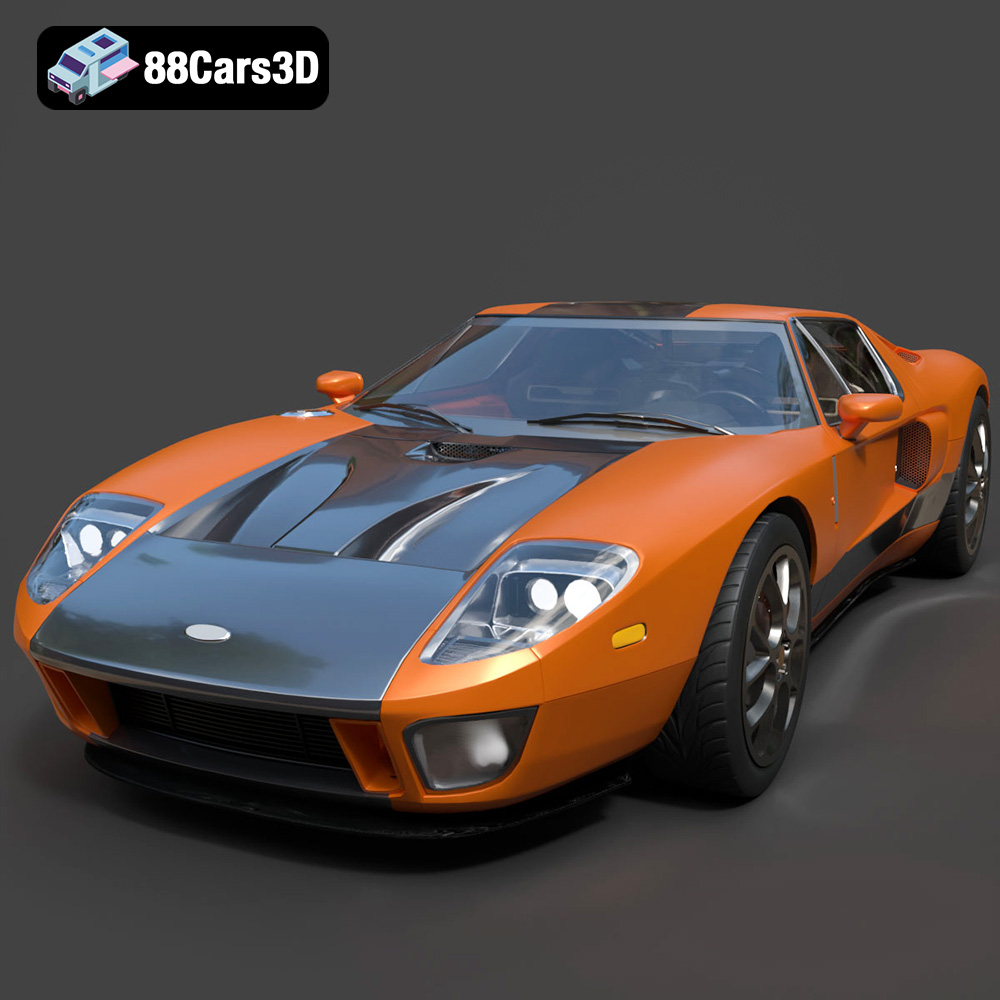
Texture: Yes | Material: Yes
Download the highly detailed, game-ready Ford GT 2005 3D Model. Features signature aerodynamic bodylines, mid-mounted supercharged V8 detailing, and iconic racing stripes. Includes .blend, .fbx, .obj, .glb, .stl, .ply, .unreal, and .max formats for game development, AR/VR, and rendering.
Price: $19.99
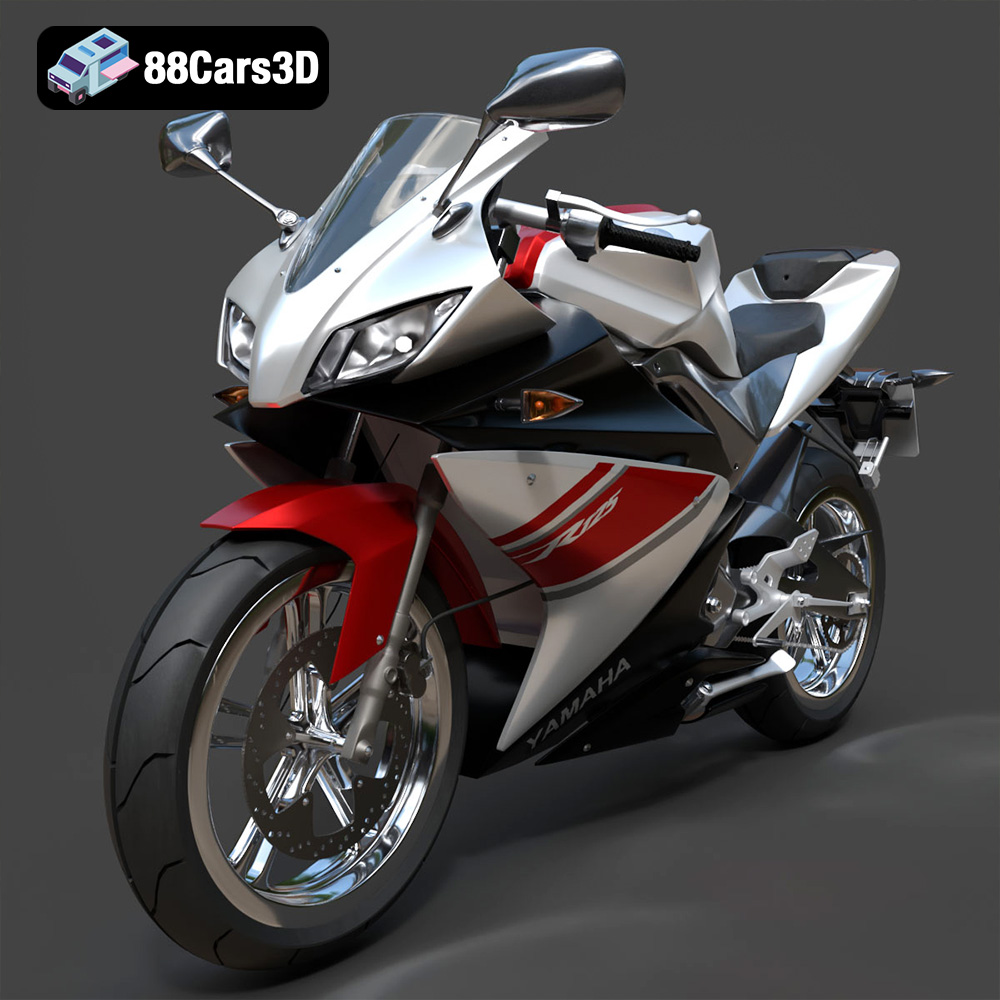
Texture: Yes | Material: Yes
Download the highly detailed, game-ready Yamaha YZF-R125 EU 3D Model. Features an aggressive aerodynamic fairing, twin LED headlights, and a detailed 125cc engine block. Includes .blend, .fbx, .obj, .glb, .stl, .ply, .unreal, and .max formats for game development, AR/VR, and rendering.
Price: $19.99
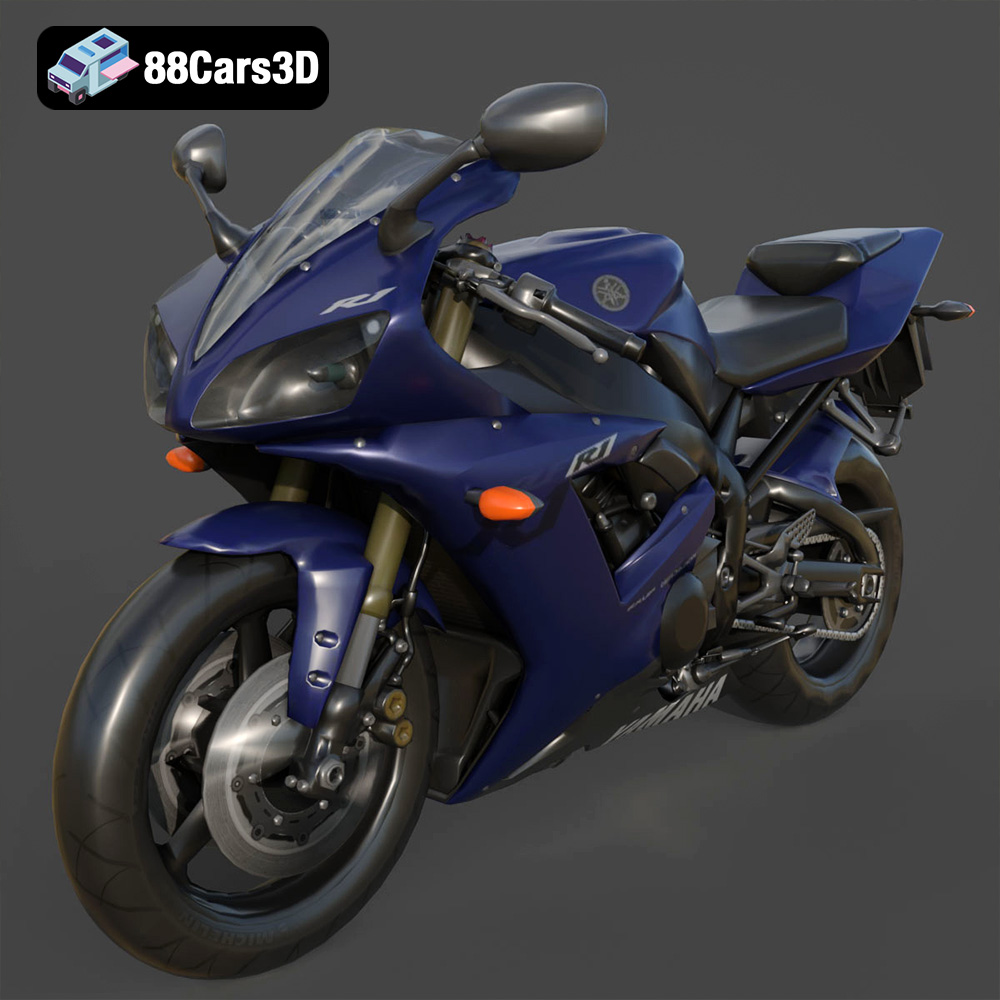
Texture: Yes | Material: Yes
Download the highly detailed, game-ready Yamaha R1 3D Model. Features aggressive aerodynamic fairings, a detailed crossplane inline-4 engine, and track-focused suspension geometry. Includes .blend, .fbx, .obj, .glb, .stl, .ply, .unreal, and .max formats for game development, AR/VR, and rendering.
Price: $19.99
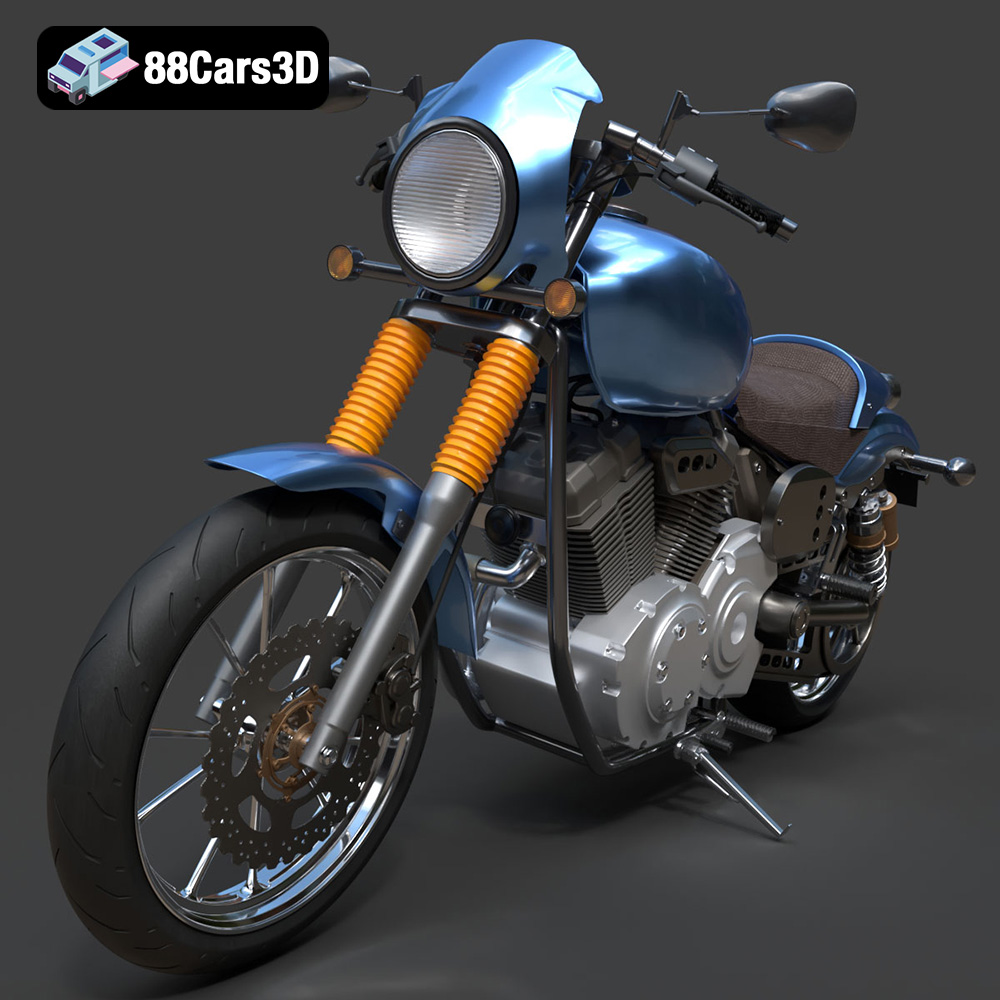
Texture: Yes | Material: Yes
Download the highly detailed, game-ready Yamaha XV950 Racer 3D Model. Features an aggressive cafe-racer front cowl, detailed air-cooled V-twin engine, and classic retro styling. Includes .blend, .fbx, .obj, .glb, .stl, .ply, .unreal, and .max formats for game development, AR/VR, and rendering.
Price: $19.99

Texture: Yes | Material: Yes
Download the highly detailed, game-ready Volvo VNL Tractor Truck 2002 3D Model. Features iconic aerodynamic styling, detailed fifth-wheel coupling, and heavy-duty chassis. Includes .blend, .fbx, .obj, .glb, .stl, .ply, .unreal, and .max formats for game development, AR/VR, and rendering.
Price: $39.99
Texture: Yes | Material: Yes
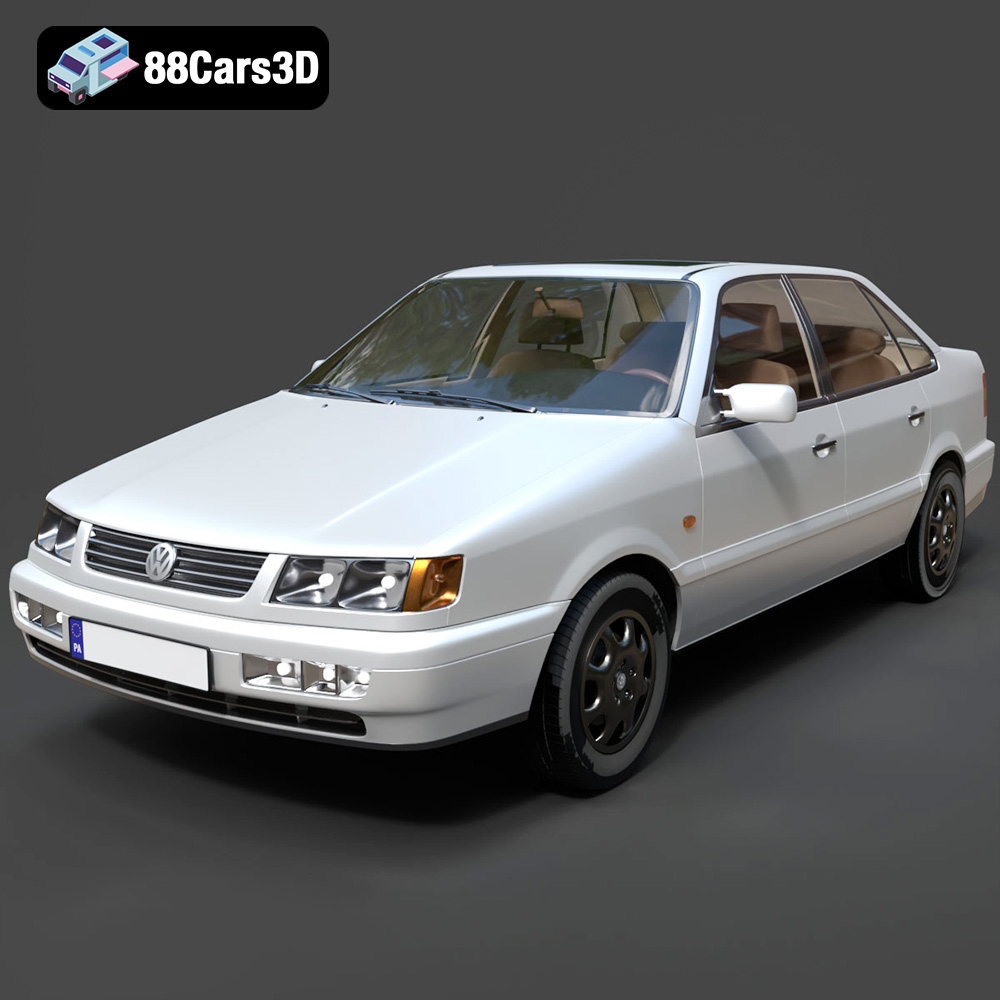
Download the highly detailed, game-ready Volkswagen Passat Mk4 B4 Sedan 1993 3D Model. Features accurate 90s sedan styling, detailed front grille-less fascia, and a classic interior setup. Includes .blend, .fbx, .obj, .glb, .stl, .ply, .unreal, and .max formats for game development, AR/VR, and rendering.
Price: $39.99
Texture: Yes | Material: Yes
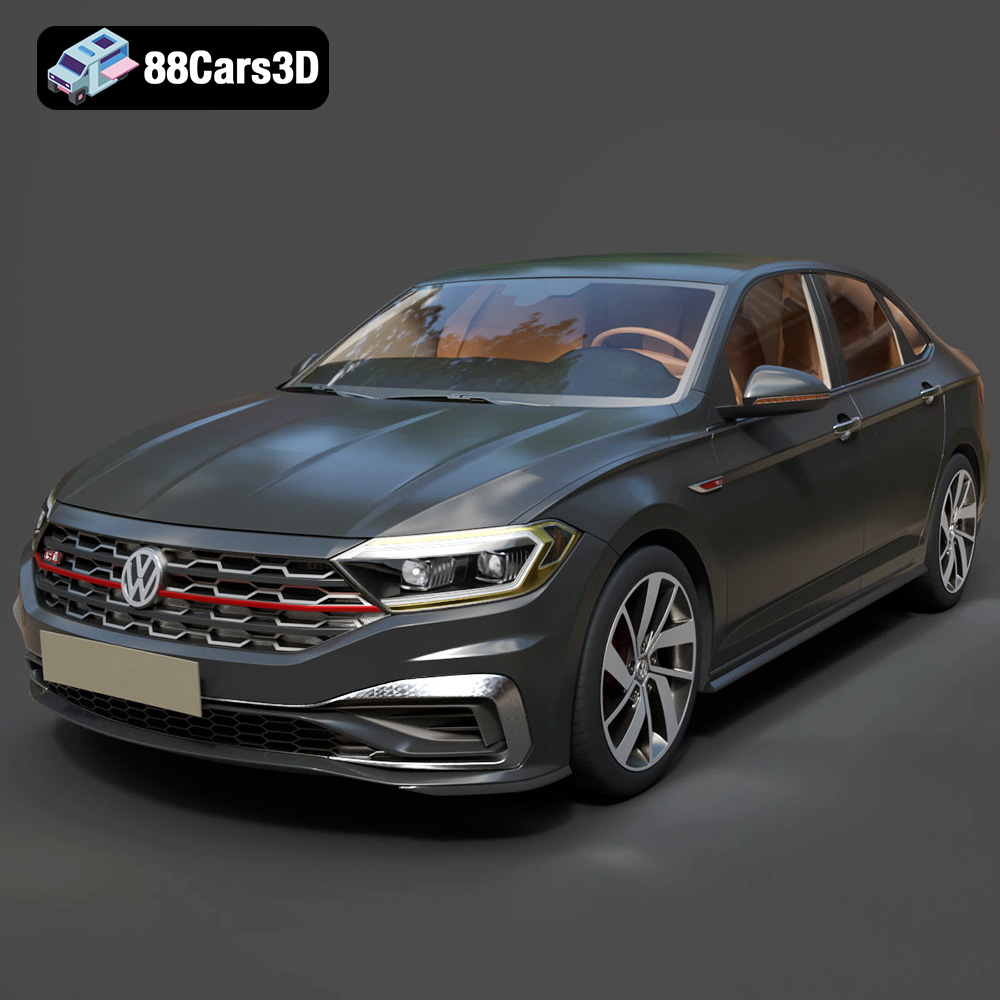
Download the highly detailed, game-ready Volkswagen Jetta GLI 2019 3D Model. Features an aggressive honeycomb grille with red accents, sleek aerodynamic profile, and exclusive GLI sport wheels. Includes .blend, .fbx, .obj, .glb, .stl, .ply, .unreal, and .max formats for game development, AR/VR, and rendering.
Price: $39.99
Texture: Yes | Material: Yes
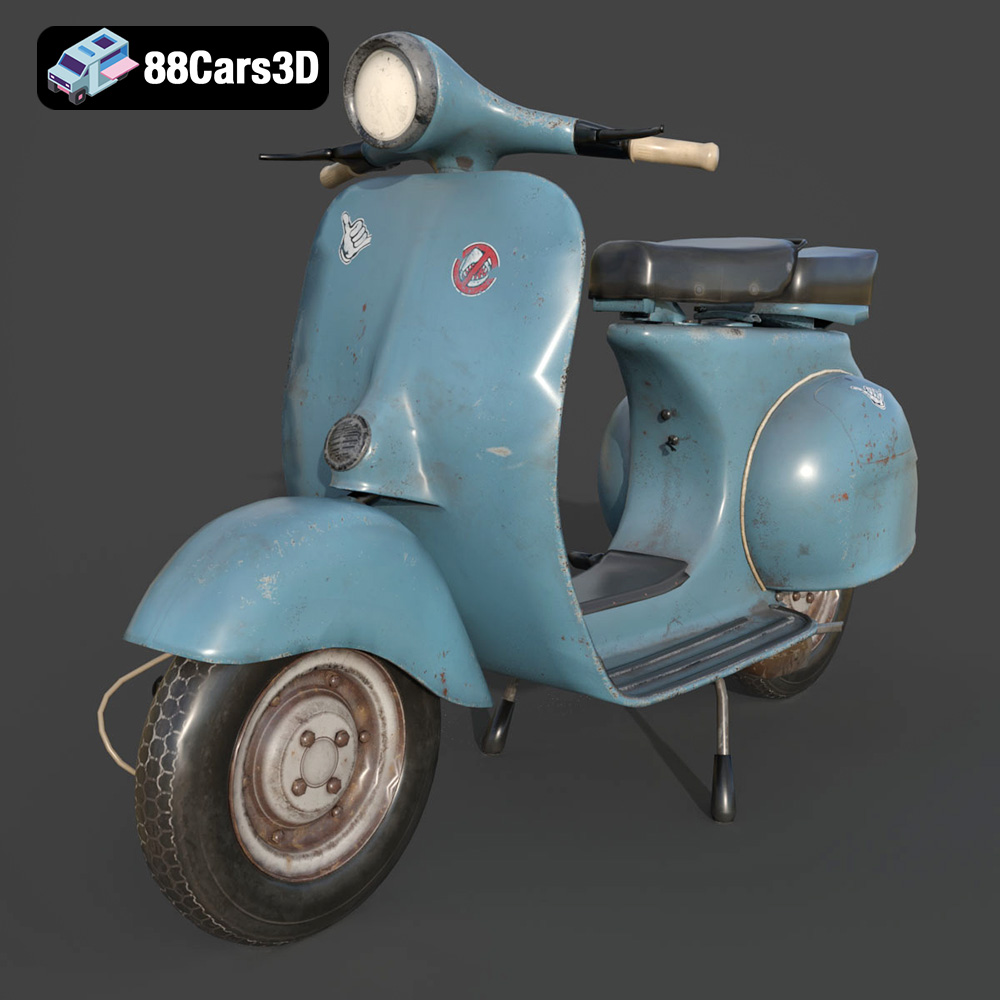
Download the highly detailed, game-ready Vintage Vespa 3D Model. Features iconic rounded monocoque styling, classic saddle, and chrome accents. Includes .blend, .fbx, .obj, .glb, .stl, .ply, .unreal, and .max formats for game development, AR/VR, and rendering.
Price: $39.99

Texture: Yes | Material: Yes
Download the highly detailed, game-ready Vespa GS 150 3D Model. Features elegant aerodynamic curves, classic leg shield, and detailed engine casing. Includes .blend, .fbx, .obj, .glb, .stl, .ply, .unreal, and .max formats for game development, AR/VR, and rendering.
Price: $39.99
Texture: Yes | Material: Yes
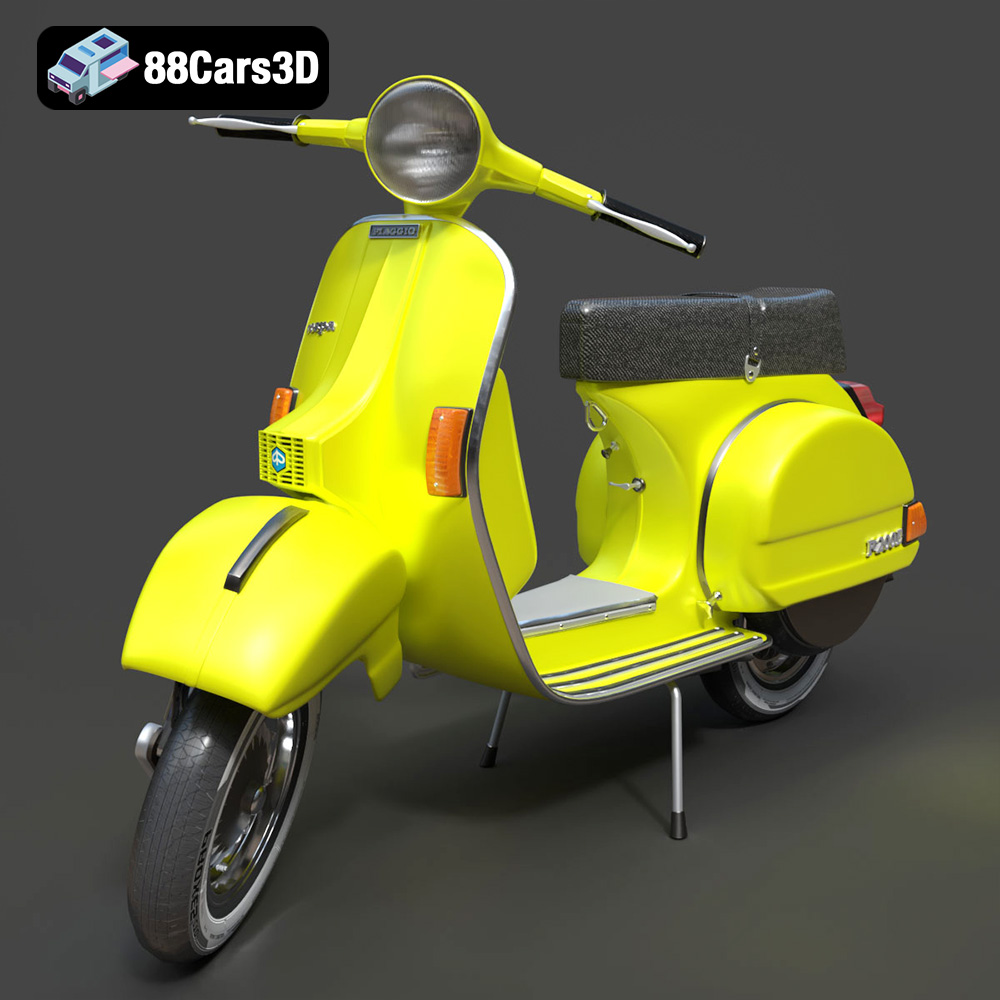
Download the highly detailed, game-ready Vespa P200E 3D Model. Features classic vintage styling, accurate step-through frame geometry, and authentic detailing. Includes .blend, .fbx, .obj, .glb, .stl, .ply, .unreal, and .max formats for game development, AR/VR, and rendering.
Price: $39.99

